

Active2Public Transport Working groups and Policy Brief
From cooperation to a shared result
Improving the connection between active mobility and public transport is not only a technical task. It also requires the right people to work together, test common approaches and agree on what should happen next. In the Active2Public Transport project, this took shape through two closely linked outputs: the A2PT working groups and the Active2Public Transport Policy Brief (= A2PT Action Plan).
Regional working groups as a space for practical cooperation
Over the course of the project, the regional A2PT working groups created a practical space for cooperation between public authorities, transport stakeholders and civil society organisations at the local and regional level. Their role was not symbolic. Through the partners the working groups connected local and regional knowledge with the wider transnational exchange of the project and made it possible to discuss A2PT challenges in concrete terms: station access, walking and cycling conditions, user needs, information, services and the barriers that still prevent seamless door-to-door travel.
This was important because the project showed that many of the underlying problems are shared across the Danube region, even if local contexts differ. Responsibilities around stations and stops are often fragmented, while walking and cycling links are still frequently treated separately from public transport planning. By bringing together different institutions and perspectives, the regional working groups helped build a more complete understanding of these issues and supported the development of better-informed responses. The findings at the local and regional level were then reflected during the meetings at transnational level. During the partner meetings and especially during the meetings of the Danube A2PT Working group in Ulm (November 2024) and Ljubljana (June 2026) common challenges were discussed and existing good practice examples – beyond the scope of the project partnership – identified.
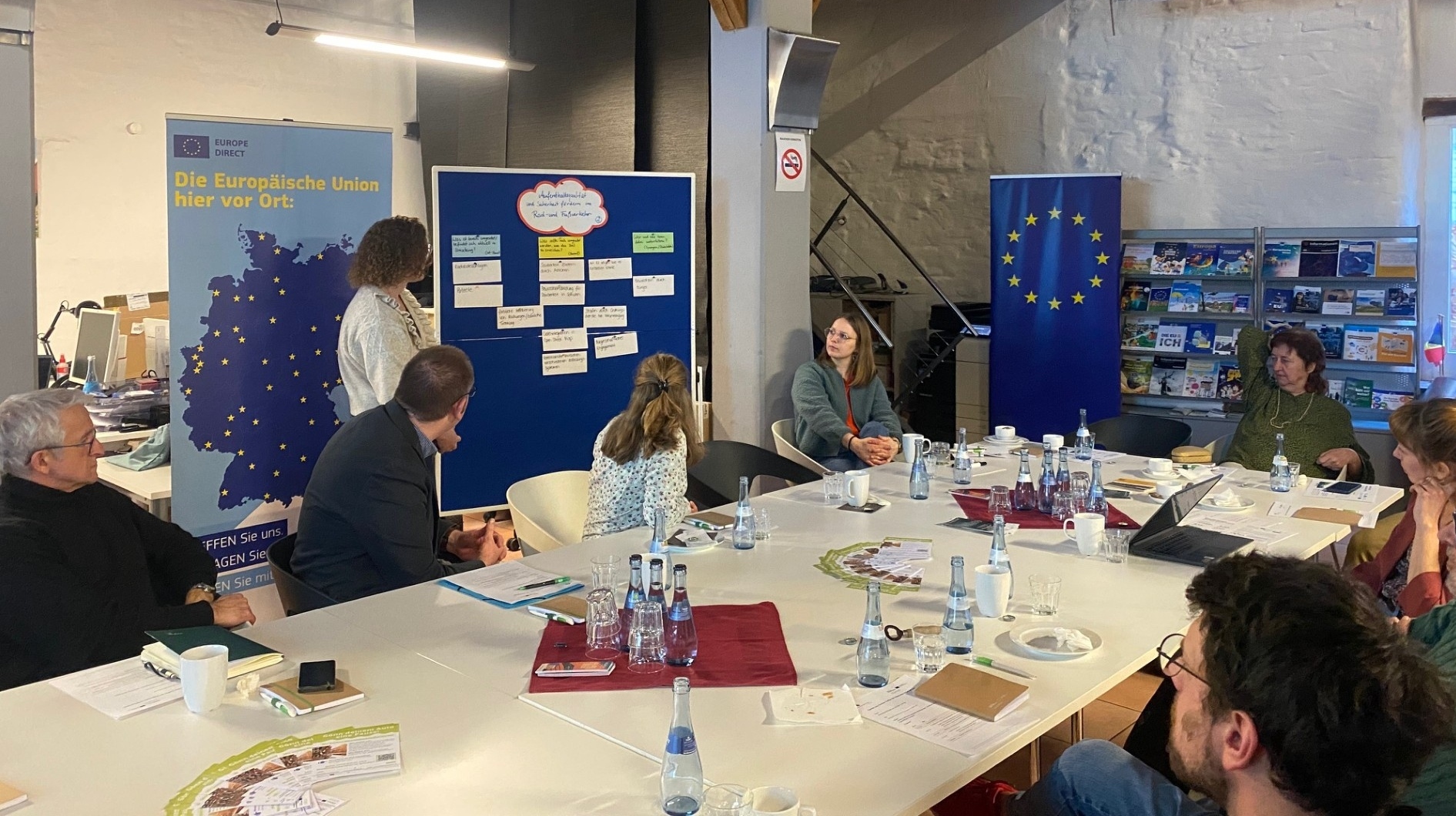
Regional A2PT working groups created a practical space for stakeholder dialogue on how walking, cycling and public transport can be better connected. Photo: (c) Annika Morath Danube Office Ulm/Neu-Ulm
The A2PT Policy Brief as guidance for action
The A2PT Policy Brief built directly on this process. It translated project evidence, stakeholder exchange and implementation experience into an A2PT framework guiding action to improve the link between active modes and public transport in the future. Rather than being a stand-alone document produced at the end of the project, it emerged from a broader learning process shaped by assessments, user input, pilot testing and dialogue with stakeholders at different governance levels.
Its preparation was informed not only by the A2PT project partnership itself, but also by the wider group of actors engaged through the regional and transnational A2PT working structures. These included national, regional and local authorities, transport stakeholders, infrastructure and service providers, NGOs and expert organisations contributing practical experience, policy perspectives and user-oriented input. The knowledge base behind the Policy Brief was also strengthened through cooperation within the wider A2PT framework with organisations such as Walk21, the European Cyclists’ Federation and THE PEP / EHP Partnership Healthy Active Mobility.
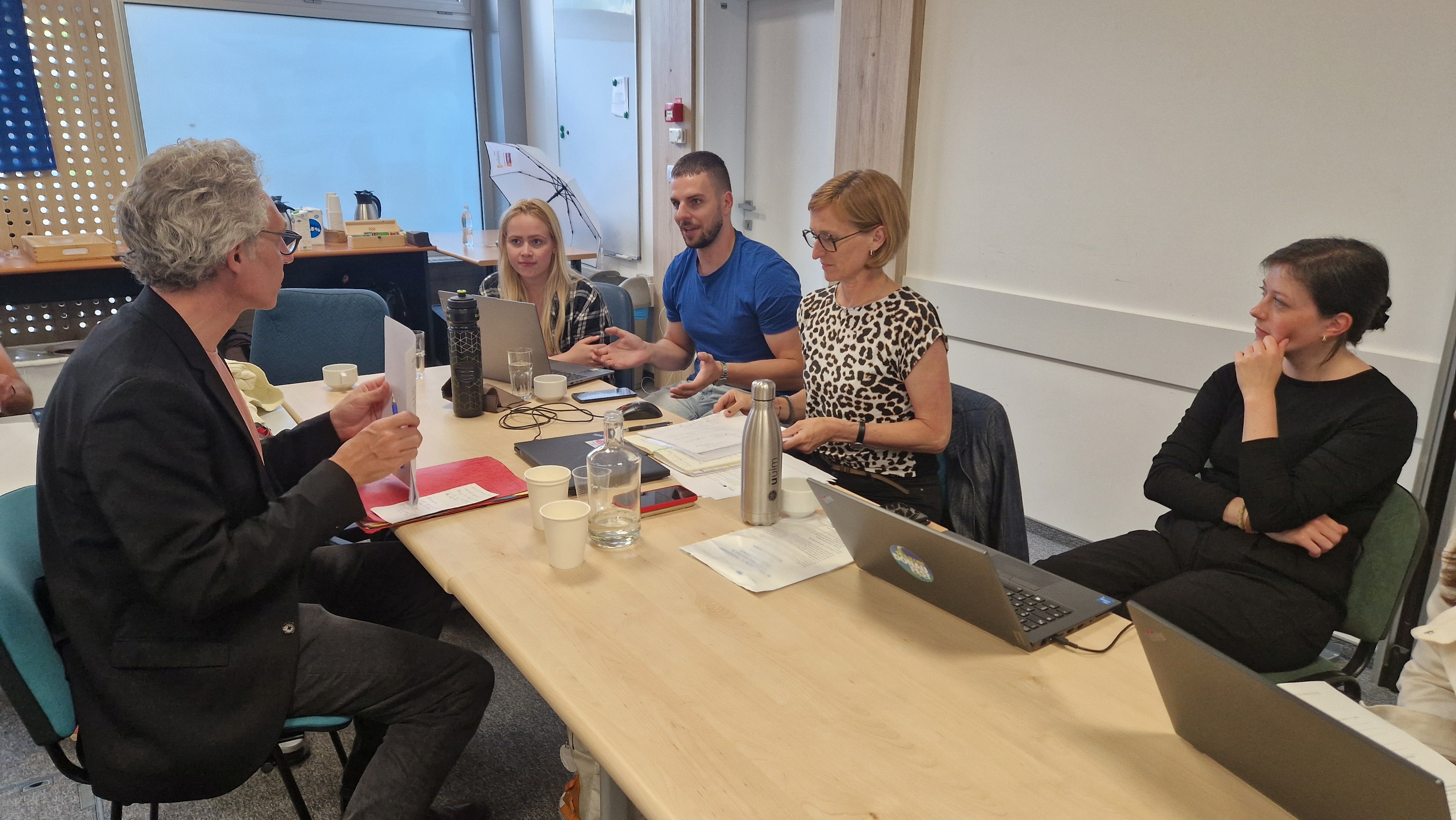
Stakeholders discussing practical ways to improve first- and last-mile connections in the Danube Region. Photo: (c) Jitka Vrtalova
How the two outputs worked together
Together, the two outputs created a bridge between cooperation and action. The working groups made it possible to identify needs, validate findings and reflect regional and transnational realities. The Policy Brief consolidated this work into a strategic reference point that organisations can use when updating their own strategies, preparing future action or arguing for stronger integration of active mobility and public transport in policy and planning.
The longer-term value of the project lies not only in individual pilot actions or recommendations, but also in the structures and guidance it left behind. The working groups helped establish shared ownership of the topic, while the Policy Brief provided a common frame for follow-up by authorities, practitioners and advocacy organisations. In this way, A2PT strengthened both the evidence base and the governance basis for improving multimodal mobility in the Danube region.
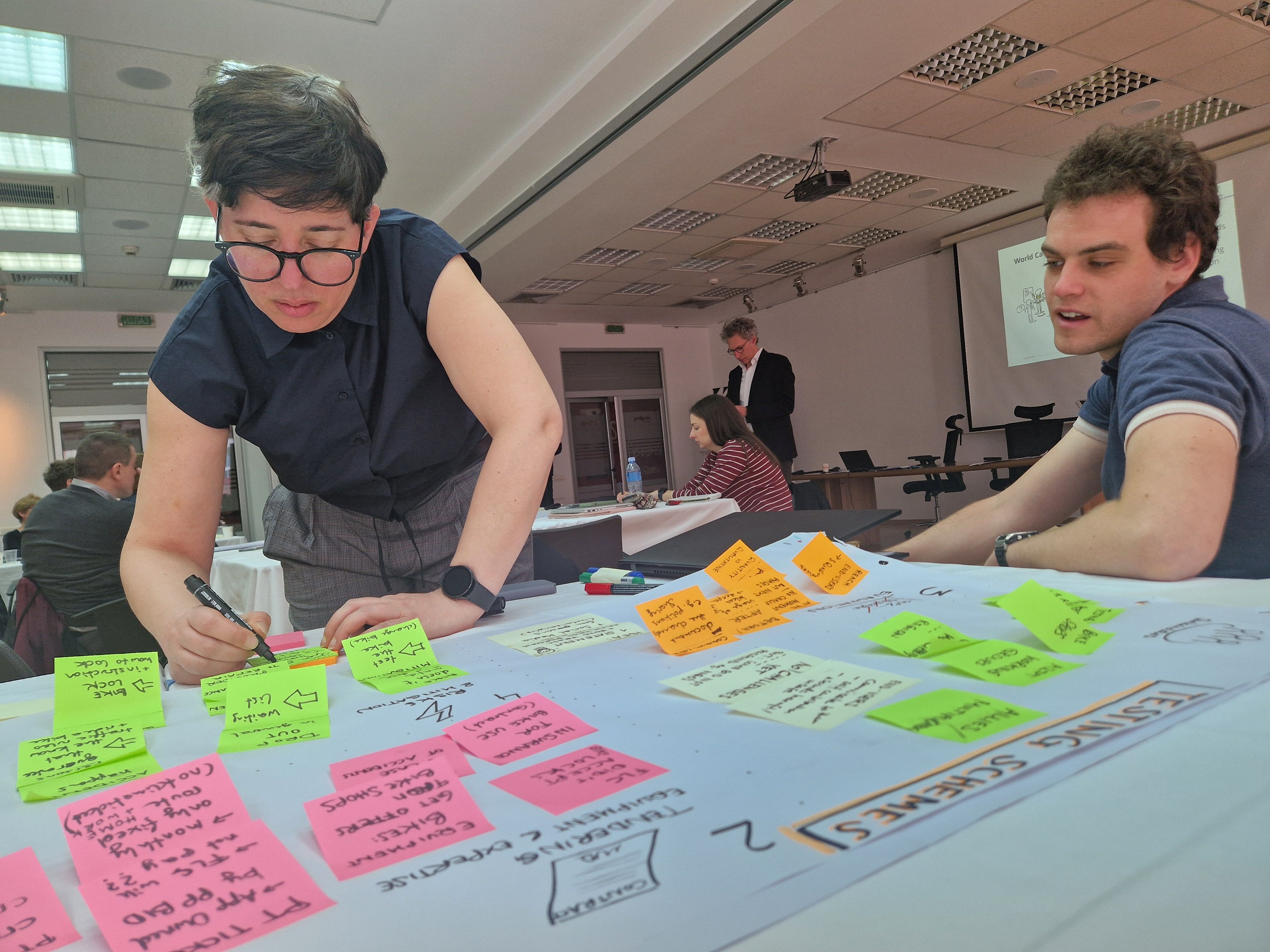
The World Café workshop helped partners translate project learning into concrete pilot measures and transferable solutions for the Danube Region. Photo: (c) Jitka Vrtalova
Future use of the Policy Brief
In the longer term, the Policy is expected to serve as a practical reference for different organisations working to improve the connection between active mobility and public transport. Local/regional and national authorities can use the framework when updating regional or national strategies and action plans, while NGOs and advocacy actors can draw on it to support policy dialogue and argue for stronger uptake of A2PT measures. It can also support responsible authorities in feeding relevant recommendations into future strategic processes, including wider macro-regional and pan-European policy discussions, helping the project results remain useful beyond the formal end of A2PT.
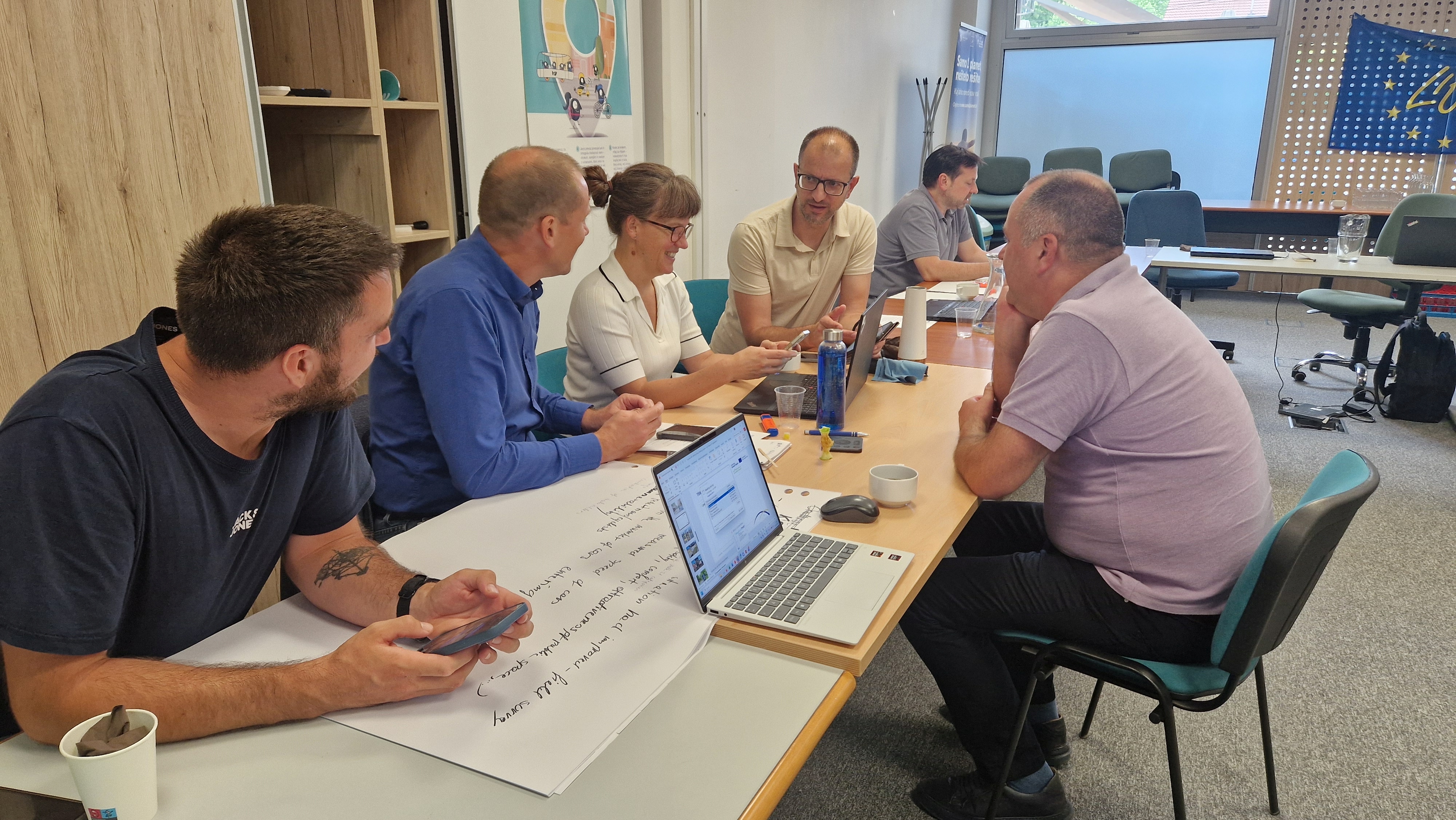
Photo: (c) Jitka Vrtalova