
Release of our report on wastewater and stormwater management in small Danube communities
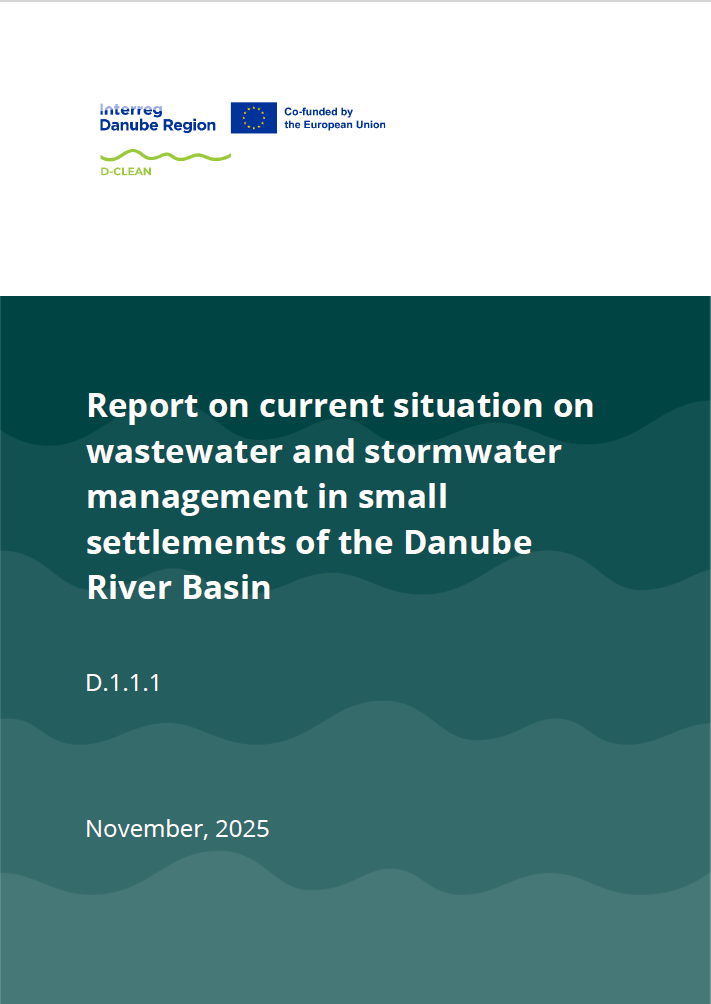
We are excited to announce the release of our comprehensive analysis: "Report on current situation on wastewater and stormwater management in small settlements of the Danube River Basin."
As part of the D-CLEAN project, this report serves as a vital foundation for improving water quality across the region by assessing the unique needs and challenges of small settlements. Covering 10 countries and approximately 80% of the basin area, the study provides an unprecedented look at how we can tailor sustainable solutions to local conditions.
Key Findings at a Glance
Our analysis highlights a complex landscape of infrastructure and policy:
A Diverse Region: While countries like Austria have reached nearly 100% connection rates, many Central and South-eastern European nations still face significant gaps, particularly in rural areas.
Infrastructure Gaps: In several countries, including Romania, Bosnia and Herzegovina, and Croatia, coverage for settlements below 2,000 PE remains very low, often under 5%.
Stormwater Challenges: Management is generally underdeveloped across the basin, with many settlements facing recurring issues like pluvial flooding, erosion, and combined sewer overflows during intense rainfall.
The Power of Nature-Based Solutions (NBS)
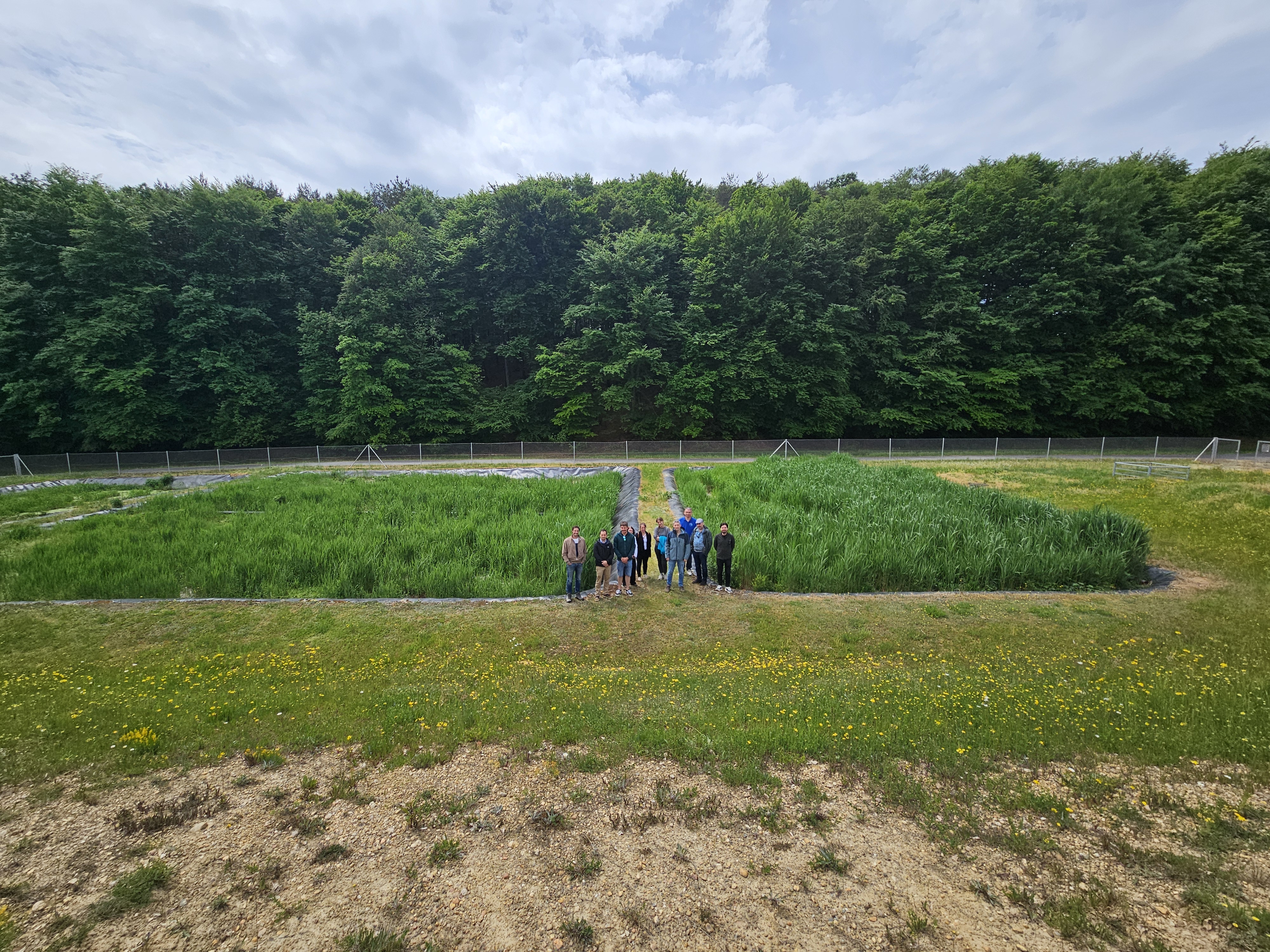
The report identifies Nature-Based Solutions - such as constructed wetlands and rain gardens - as promising pathways for the future. These systems offer several advantages:
Economic Efficiency: NBS often have significantly lower operational costs compared to conventional systems.
Environmental Benefits: Beyond water treatment, these solutions support local biodiversity, provide habitat creation, and integrate seamlessly into the rural landscape.
Proven Success: Best practice examples from Gložan, Serbia and Raka, Slovenia demonstrate that horizontal and vertical flow wetlands can achieve high treatment performance with minimal mechanical needs.
Looking Ahead: The 2024 UWWTD Revision
The revised Urban Wastewater Treatment Directive introduces new mandates for agglomerations between 1,000 and 2,000 PE. This legal shift is expected to help close administrative and financial gaps, driving the investment needed for inclusive, climate-resilient infrastructure.
Read the Full Report
We invite you to explore the full document to view detailed national data, technical challenges, and successful case studies from across the Danube River Basin: D-CLEAN | Library
Together, we are building a more sustainable and water-secure future for the Danube region!

18/02/2026
By Katerina Schilling
Share on social media:


Green
Cooperation

News & Events
Read the most recent updates and explore the upcoming events.








Would you like to receive project updates?
You're already part of our community!
Welcome to our newsletter community!
Subscribe to our newsletter