
In-depth article: Building trust, confidence, and opportunity - The WIN experience in Radomir
In the small Bulgarian town of Radomir, the implementation of the WIN project unfolded not simply as a series of planned activities, but as a deeply human process of connection, adaptation, and gradual transformation. What began as a structured initiative evolved into something far more meaningful, a living, breathing community shaped by the women it was designed to support.
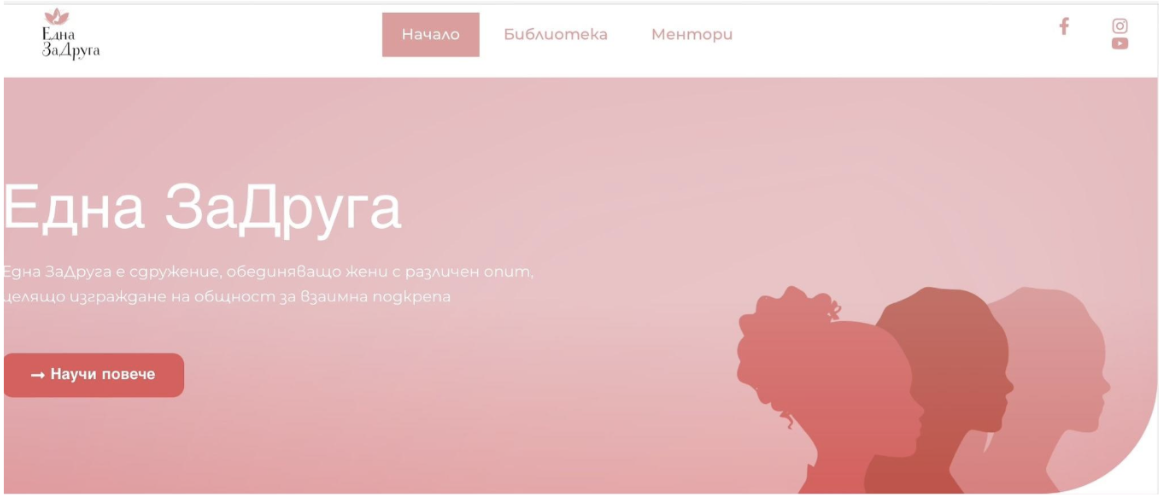
At the heart of this experience stands the women’s community network Edna ZaDruga, an initiative that sought to respond to the real needs of women in the region. Rather than imposing predefined solutions, the project team quickly realised that the true value of the campaign would come from listening, observing, and co-creating with participants. Adopting a community-driven approach became one of the most important turning points in the implementation process.
From the very beginning, it became clear that women in Radomir face a complex reality. Many balance professional aspirations with strong family and care responsibilities, while living in a region where employment opportunities remain limited and often inflexible. In this context, the WIN campaign did not aim to offer quick fixes, but rather to create a safe and supportive environment where women could reconnect with their skills, confidence, and sense of belonging.
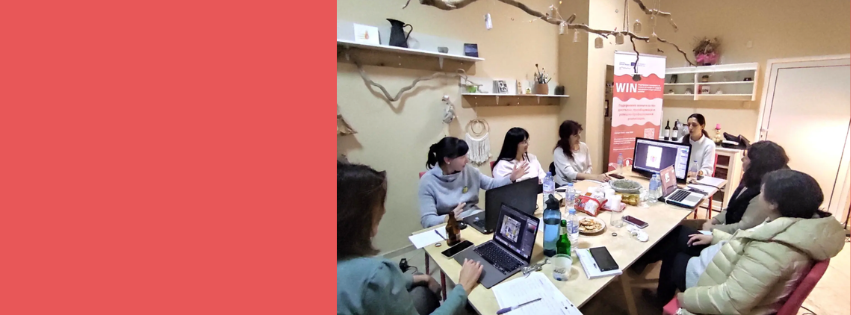
One of the most important insights from the implementation process was the role of physical presence and human interaction. The transformation happened in the shared community space in the centre of Radomir. Over the course of the project, 24 workshops and numerous informal gatherings were organised, engaging around 60 women. Many of them returned regularly and gradually became active members of the network. The topics of the workshops were not decided in advance. They emerged from the women themselves, from what they were curious about, what they needed, and what they wanted to try.
A key element that contributed to the success of the activities was the strong emphasis on practical, hands-on learning. The workshops included 9 craft-based sessions such as knitting, candle making and decoupage, 4 book club meetings, 4 digital skills trainings, 3 art therapy workshops, 2 jewellery workshops, and 2 beauty and self-care sessions. These activities provided not only new competencies, but also a sense of achievement and self-worth. In a context where flexible, small-scale entrepreneurial opportunities are often the most realistic pathway for women to generate income while managing family responsibilities, this approach proved especially relevant.

Alongside the physical activities, the digital dimension played an important supporting role. The Edna ZaDruga platform and its connected communication channels helped extend the reach of the initiative. The Facebook page gathered 700 followers, while more than 135 posts were published, sharing local stories, events, and opportunities. In addition, over 10 personal stories of women from the region were collected and made visible, offering inspiration and examples for others.
More importantly, the platform represents one of the key elements for sustainability. It is not only a communication tool, but a space where the community can continue to exist and grow beyond the project timeline. Through the platform, women can access resources, connect with mentors, share their experiences, and learn from one another. It brings together knowledge, stories, and opportunities in one place, making them accessible beyond time and location. While the workshops created trust and connection, the platform ensures continuity. It allows women to stay engaged, to return when they are ready, and to take the next step at their own pace. It also opens opportunities for visibility and future economic participation, including the development of an online marketplace for local products and services.
However, the most significant impact of the campaign goes beyond numbers. It lies in the creation of trust and belonging. This became especially visible through the informal communication channels created by the participants themselves. Alongside the official platform and Facebook page, women established their own closed Viber group, where they continue to exchange ideas, ask for advice, and support one another. This reflects a strong sense of ownership and shows that the community has started to take shape independently.
At the same time, the implementation process was not without challenges. One of the key difficulties was adapting the initial concept, which reflected a more urban perspective, to the specific socio-economic realities of Radomir. Building trust required time, patience, and consistent presence. Cooperation with local authorities also proved more complex than expected. These challenges, however, became valuable learning opportunities. They reinforced the understanding that social innovation cannot be rushed or standardised. It must remain flexible, responsive, and rooted in local realities.
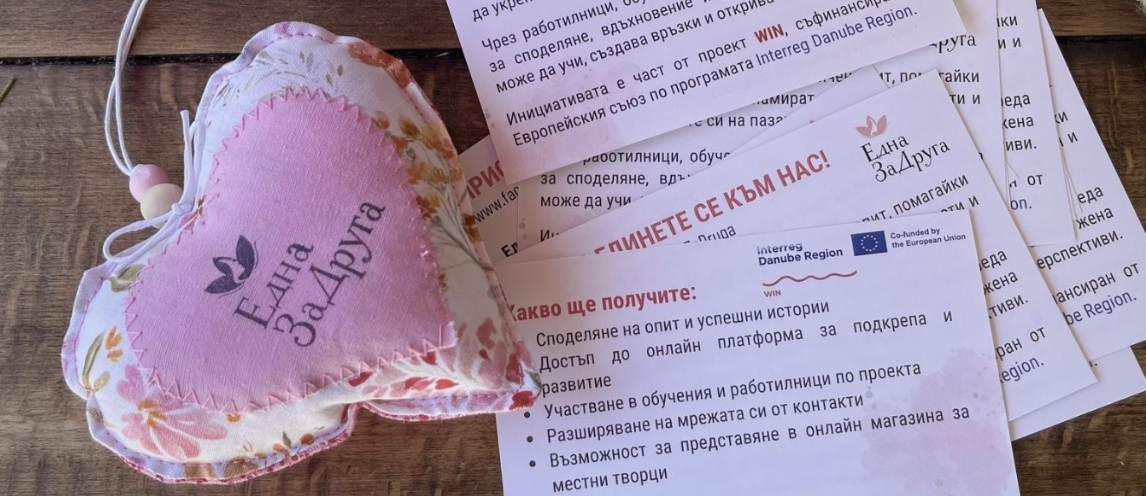
Looking at the impact in the local context, the WIN campaign has created both tangible and intangible results. On a practical level, women gained access to skills, resources, and opportunities that were previously limited. On a deeper level, many participants reported feeling more confident, more motivated, and more open to exploring new paths. The creation of a trusted space where women feel seen, heard, and supported may be one of the most important outcomes.
The experience in Radomir also highlights several good practices that can inspire similar initiatives elsewhere. The combination of physical and digital spaces proved highly effective. Peer learning and shared experience created depth and engagement. Focusing on practical, applicable skills ensured that the activities were meaningful in everyday life.
In Radomir, what began as a project has grown into something far more meaningful - a community shaped by the women themselves. Its strength lies in what continues beyond the organised activities, in the connections that remain, in the initiatives that keep emerging, and in the confidence that women carry into their everyday lives. The space that was created no longer depends on the project alone. It has become part of the local reality, both offline and online, evolving at its own pace. This is not an end point. It is a shift that has already taken root, one that will continue to grow, expand, and create opportunities long after the project has formally ended.

21/04/2026
By
Share on social media:



News & Events
Read the most recent updates and explore the upcoming events.











Would you like to receive project updates?
You're already part of our community!
Welcome to our newsletter community!
Subscribe to our newsletter