
LAREDAR Partners Meet at BOKU in Vienna to Advance Transboundary Flood and Drought Management Across the Danube Basin
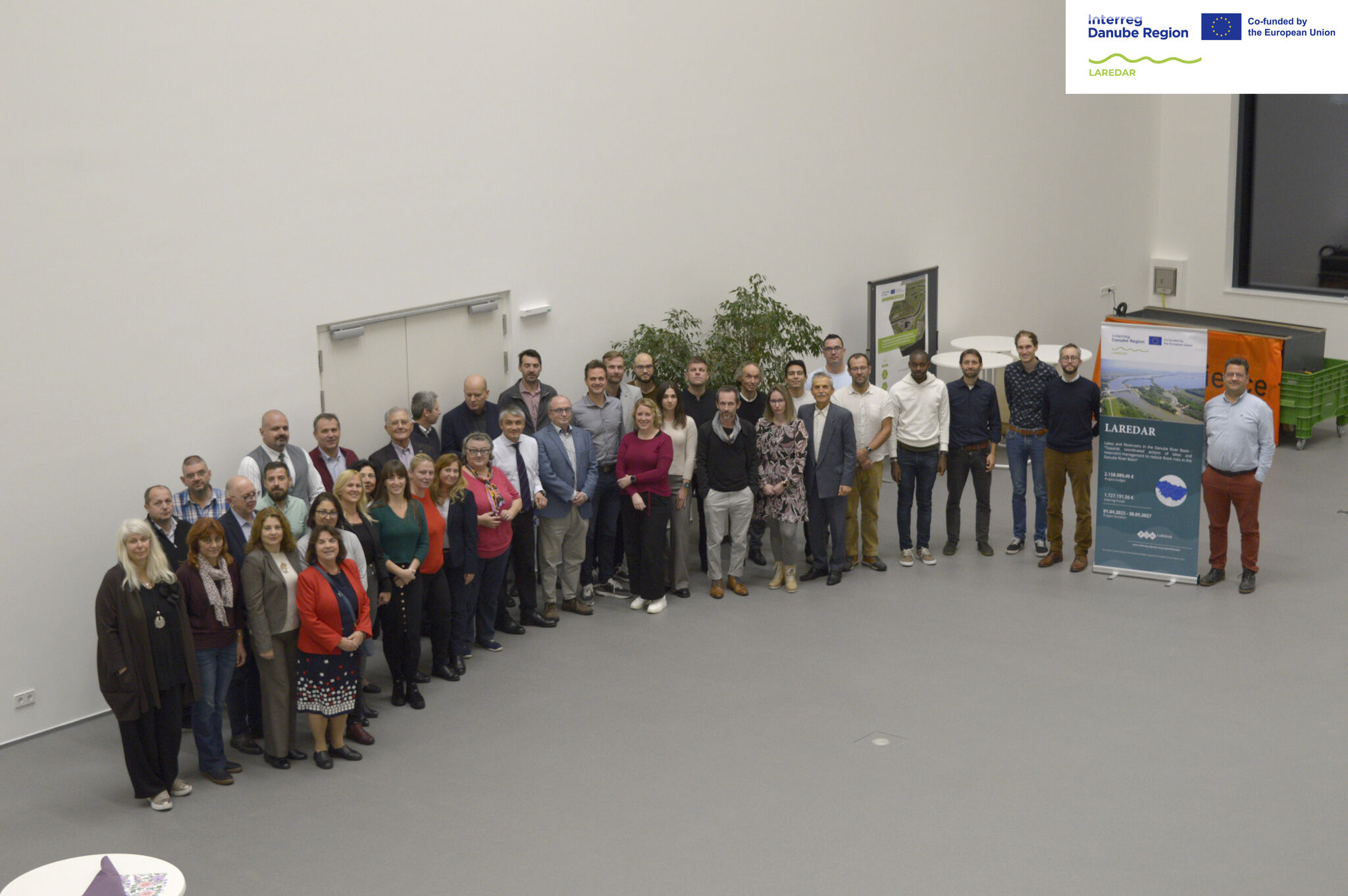
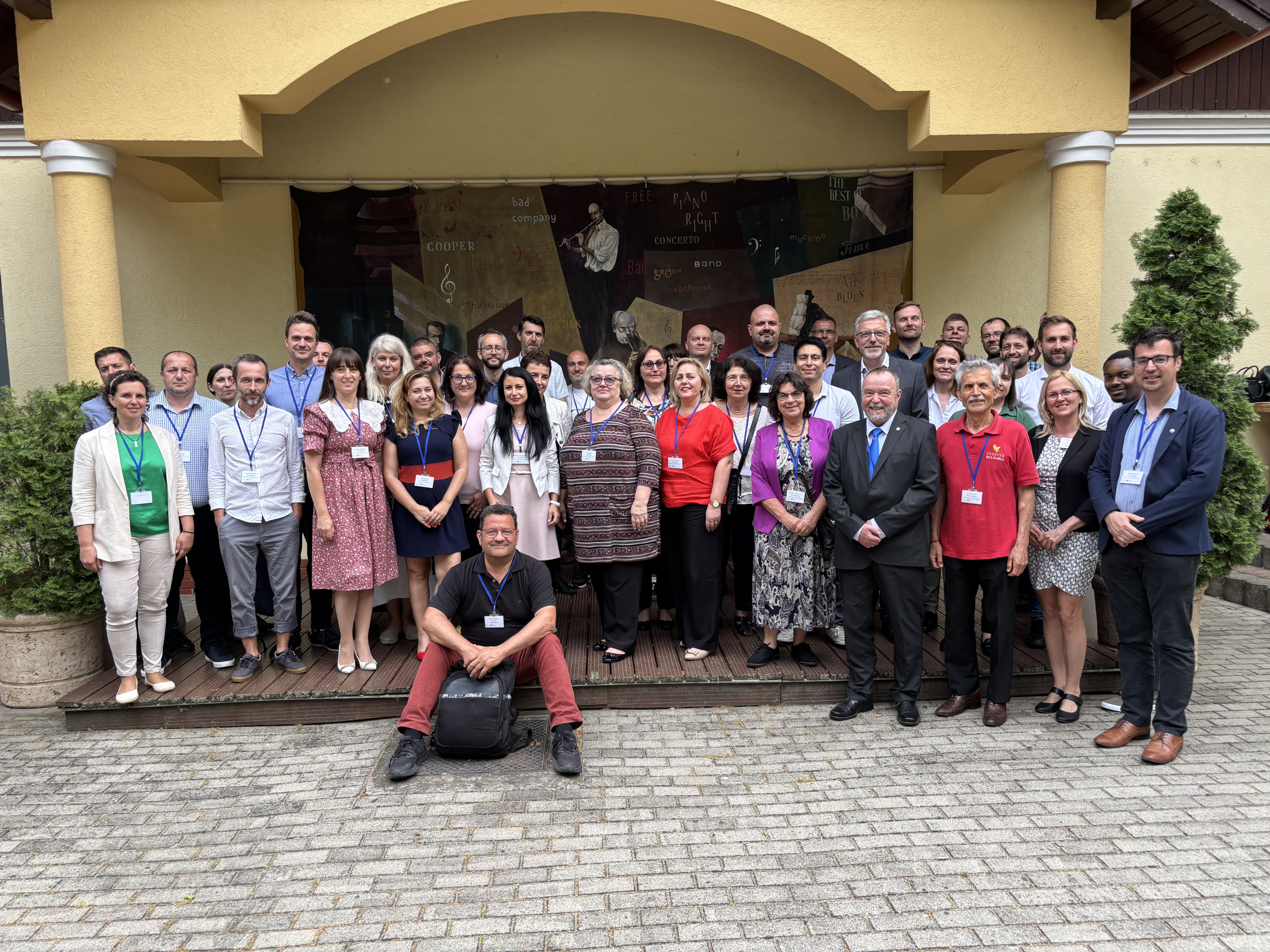
Vienna, 17-19 November 2025 - The LAREDAR consortium gathered in Vienna for its second major partner meeting, hosted by the University of Natural Resources and Life Sciences, Vienna (BOKU). Building on the project’s successful launch earlier this year, partners from 11 countries came together to refine methodologies, present pilot areas, and agree on joint modelling and data-integration approaches that will support improved management of lakes and reservoirs across the Danube River Basin.
A strong start at the BOKU River Lab
The meeting opened with a welcome session and an introduction to the BOKU River Lab infrastructure. KÖTIVIZIG, the Lead Partner, set the stage with an overview of the project’s current achievements and next steps within SO1 - Basic definitions and scoping study, including the finalization of the list of key terms, project templates, and the review of national methodologies. A keynote lecture by BOKU introduced key aspects of lake and reservoir operation, linking operational rules to flood mitigation, low-flow management and hydrological impacts - core topics that guide LAREDAR’s technical work.
Advancing the technical foundations: FEM and reservoir integration
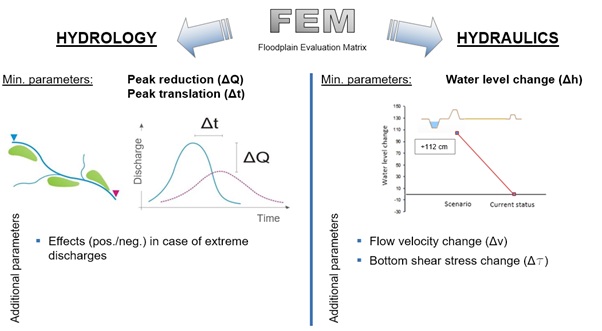
One of the central topics discussed was the adaptation of the Floodplain Evaluation Matrix (FEM) methodology to include lakes and reservoirs. BOKU and TUM presented the latest developments in FEM applications, including hydrological and hydraulic scale-analysis and threshold criteria for flood peak reduction, wave translation, and water-level variation. Complementary presentations outlined the need to extend current modelling chains to better represent reservoir retention, flood mitigation, low-flow support and combined reservoir-floodplain interactions. TUM additionally proposed steps toward a consistent 1D Danube Basin model with harmonized reservoir thresholds and shared scenario definition, including the agreed modelling of HQ100, HQ10 and HQ20 events.
Presentation of the five LAREDAR pilot areas
Project partners introduced their pilot areas, each representing distinct hydrological and transboundary challenges:
Mura River Basin (AT/SI): Alpine-subalpine case with multiple hydropower structures and complex flood regimes .
Kisköre Dam / Lake Tisza (HU): A multifunctional reservoir essential for drought mitigation, water supply, hydropower, and navigation.
Novi Bečej Dam (RS): A key structure influencing water levels up to the Hungarian border and supporting navigation and flood protection.
Călinești-Oaș Reservoir (RO): A Class II reservoir providing flood protection, hydropower, ecological flows, and cross-border water management.
Suplacu de Barcău Reservoir (RO/HU): Multipurpose reservoir affecting flood and drought conditions across the RO-HU border.
These presentations ensured a shared understanding of hydrology, operation rules, and transboundary impacts relevant for the next project phase.

GIS, data harmonization
The University of Ljubljana presented updates on the LAREDAR GIS platform, including the integration of hydrological, structural and operational data and the ongoing comparison of reservoir operating rules across countries. Partners also discussed the third project questionnaire and requirements for data exchange, ensuring consistency for modelling activities in SO2.
Designing the common modelling work plan
In the afternoon session of 18 November, partners jointly designed the SO2 work plan on modelling transboundary impacts of lakes and reservoirs. Discussions covered:
the integration of reservoir modules into the FEM-based hydrological-hydraulic workflow
updating national hydrodynamic models and preparing them for basin-wide harmonization
defining shared modelling scenarios and datasets
coordinating the timeline for model delivery and cross-checking
This session marked a key turning point as partners shifted from preparatory work to implementing coordinated simulations across the Danube Basin.
Looking ahead
The Vienna meeting successfully consolidated the technical basis for the coming modelling phase and reinforced the strong collaboration among LAREDAR partners. The next months will focus on:
harmonizing hydrodynamic models,
integrating reservoir behaviour into the FEM approach,
evaluating cross-border flood and drought scenarios, and
preparing the first analytical outputs for the Danube Basin.
LAREDAR continues to contribute to a coordinated and climate-resilient management of lakes and reservoirs, helping to reduce flood and drought risks for millions of people living in the Danube region.

02/12/2025
By Stanislav Hronček
Share on social media:


Green

News & Events
Read the most recent updates and explore the upcoming events.

Would you like to receive project updates?
You're already part of our community!
Welcome to our newsletter community!
Subscribe to our newsletter