


MONOGRAPH of the MicroDrink project
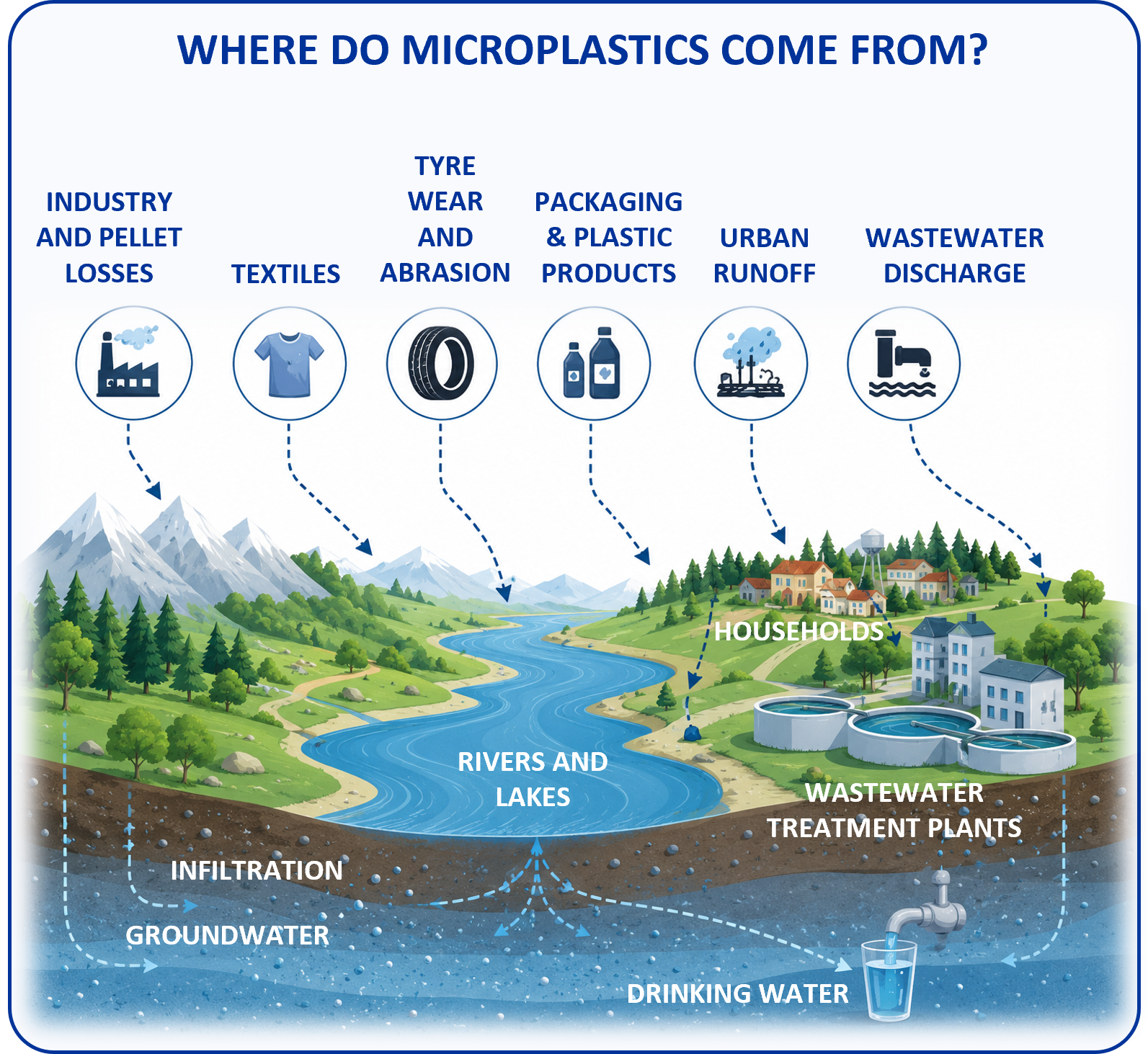
Access to safe and high-quality drinking water remains one of the fundamental pillars of public health and societal well-being. Yet, even as water management across Europe continues to advance, new and complex challenges are emerging. Among these, microplastics represent a particularly pressing and still insufficiently understood category of emerging contaminants. Their ubiquitous presence in the environment, diverse composition, and capacity to adsorb and transport other pollutants raise important questions regarding their occurrence, behaviour, and potential impacts on both ecosystems and human health, positioning them at the forefront of contemporary water research and policy discourse. Microplastics occurrence in drinking water is an issue calling for coordinated attention and action across disciplines, sectors and national boundaries. It is within this context that the MicroDrink project has emerged as both a timely and essential initiative.
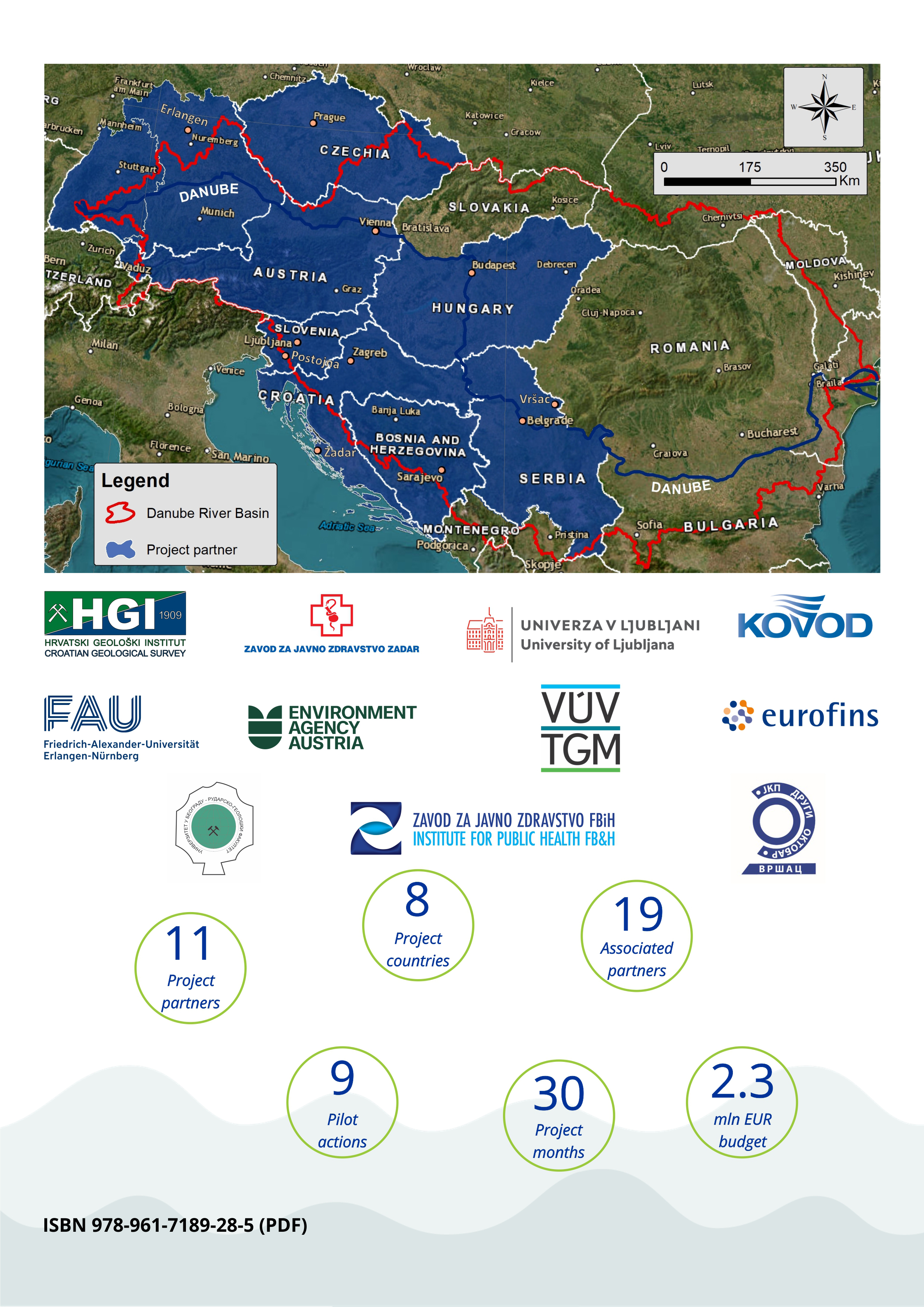
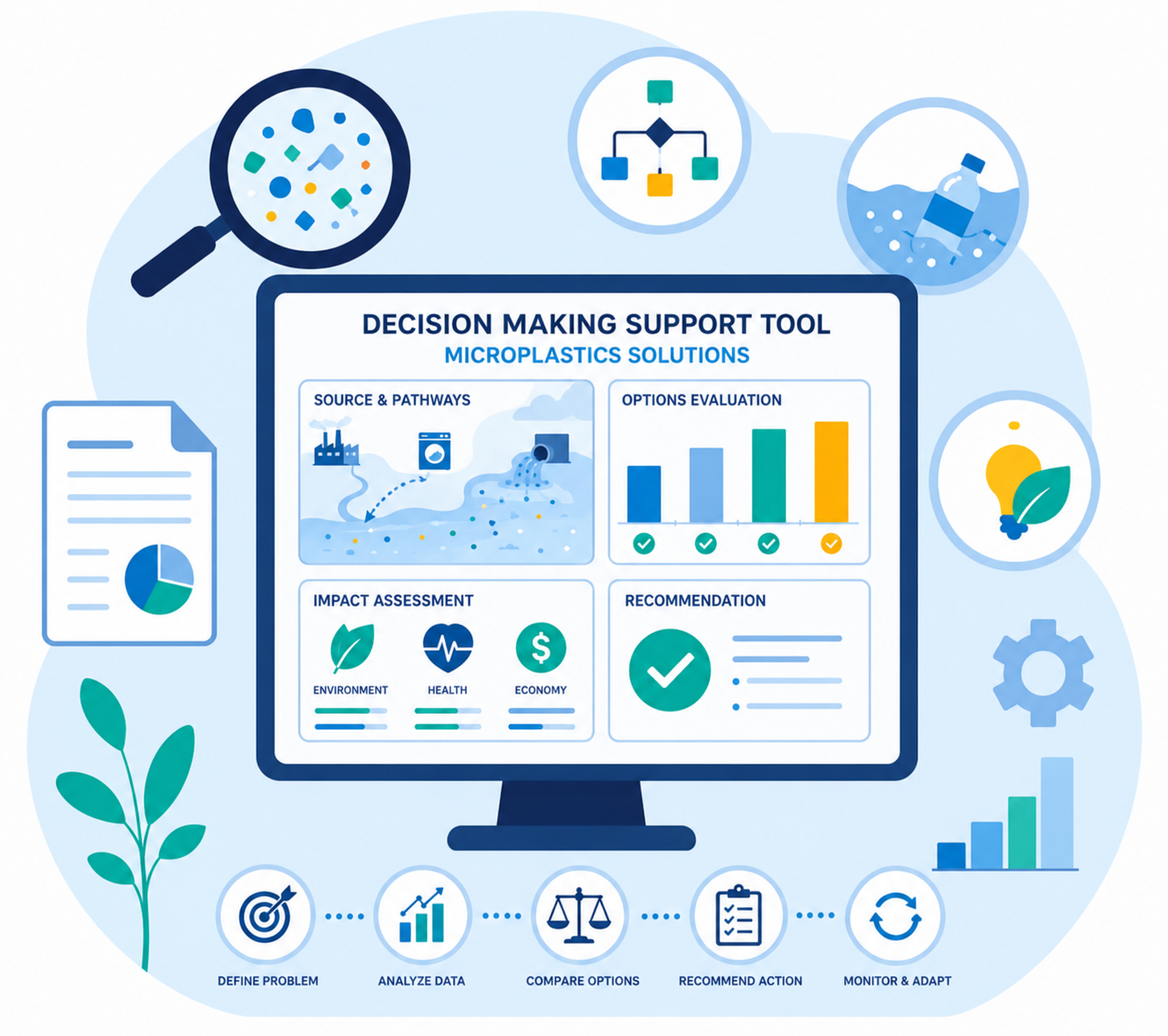
Implemented under the Interreg Danube Region Programme, MicroDrink brings together a diverse network of institutions, researchers and professionals with a common purpose: to improve the quality and safety of drinking water by strengthening knowledge, harmonising monitoring practices, and supporting evidence-based decision-making. Beyond its technical contributions, MicroDrink serves as a model for integrated water management and policy alignment within the European framework. The findings presented herein provide valuable guidance for decisionmakers, practitioners, and researchers alike, supporting evidence-based approaches to mitigate microplastic contamination in drinking water systems.
This monograph reflects the collective expertise, dedication, and collaborative spirit of all project partners. It documents the harmonised approach to microplastics monitoring, the data collected, and the insights gained through extensive research and pilot actions across the Danube Region. Beyond its scientific contributions, it stands as a testament to the value of transnationalcooperation in addressing complex environmental challenges that no single institution or country can resolve alone.


19/05/2026
By MicroDrink CM
Share on social media:


Green

News & Events
Read the most recent updates and explore the upcoming events.




Would you like to receive project updates?
You're already part of our community!
Welcome to our newsletter community!
Subscribe to our newsletter