
A series of pilot actions has just kicked off in our project
A series of pilot actions has just kicked off in our project
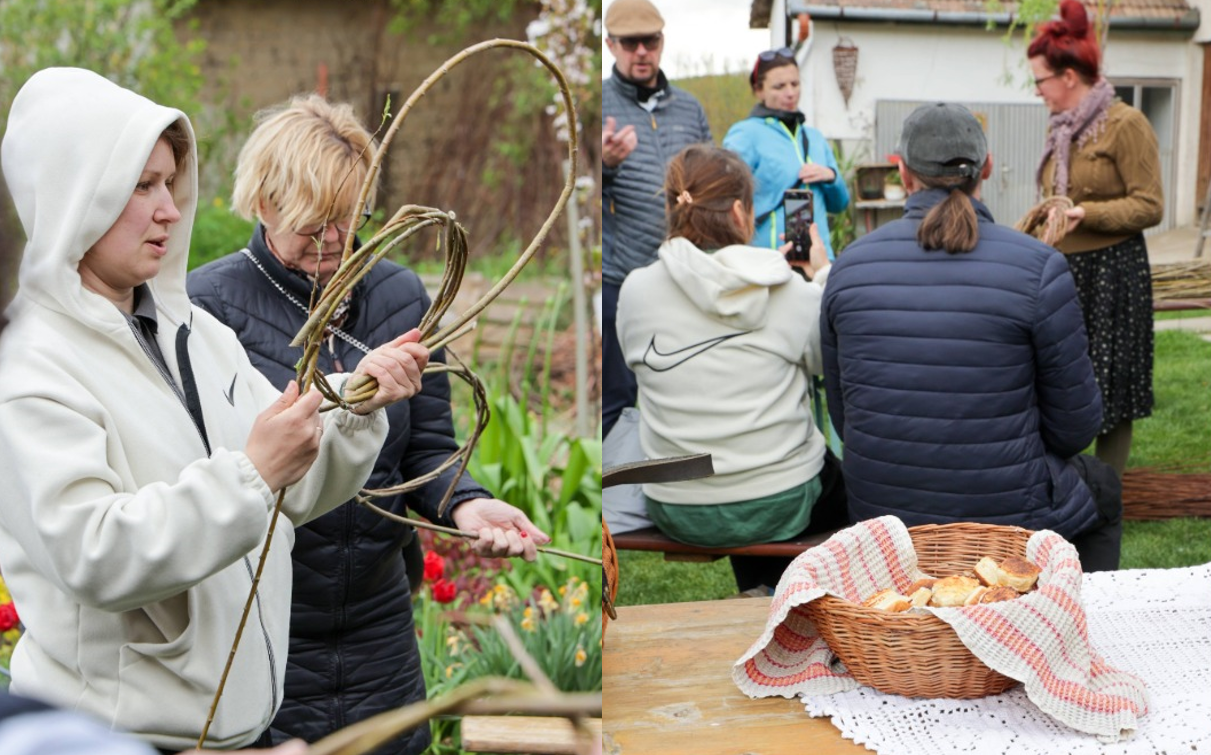
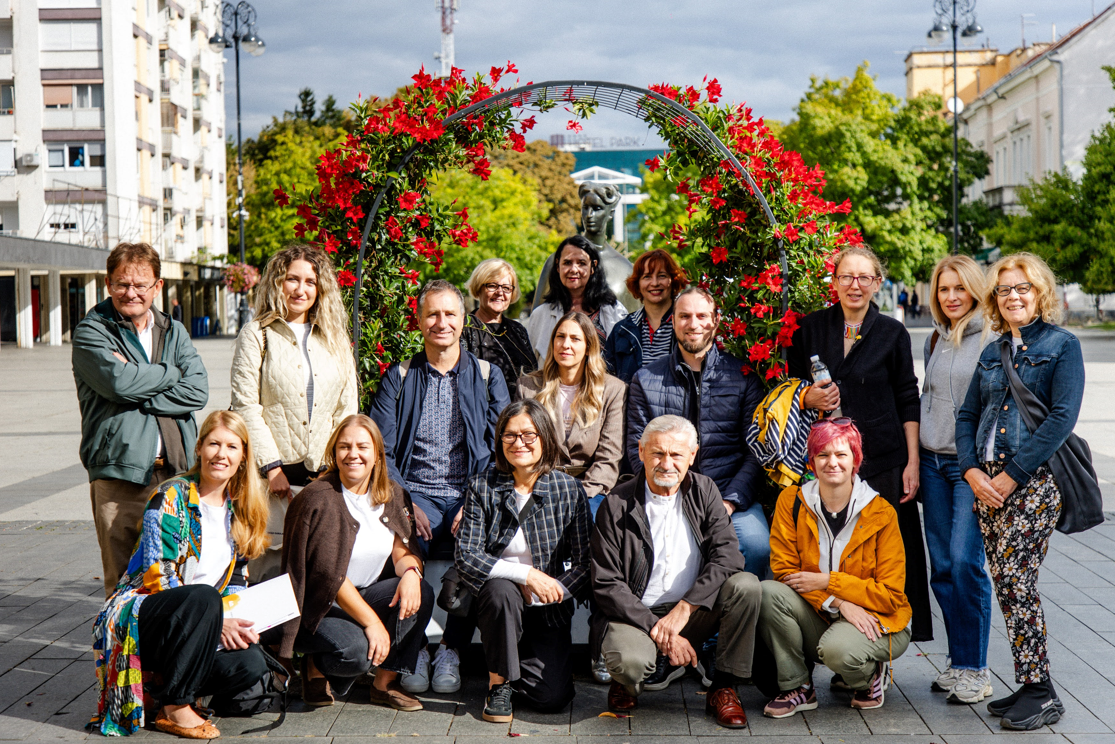
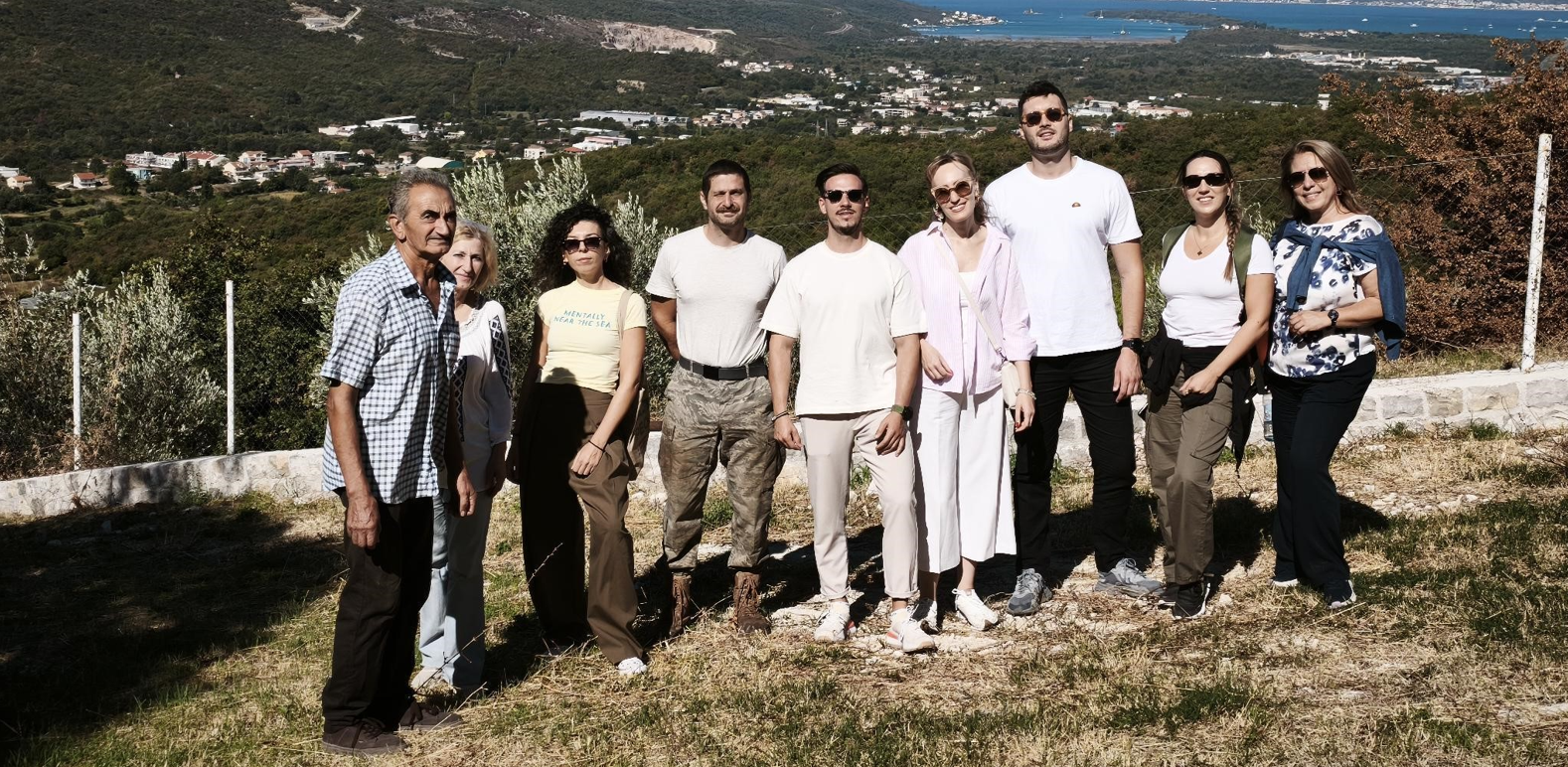
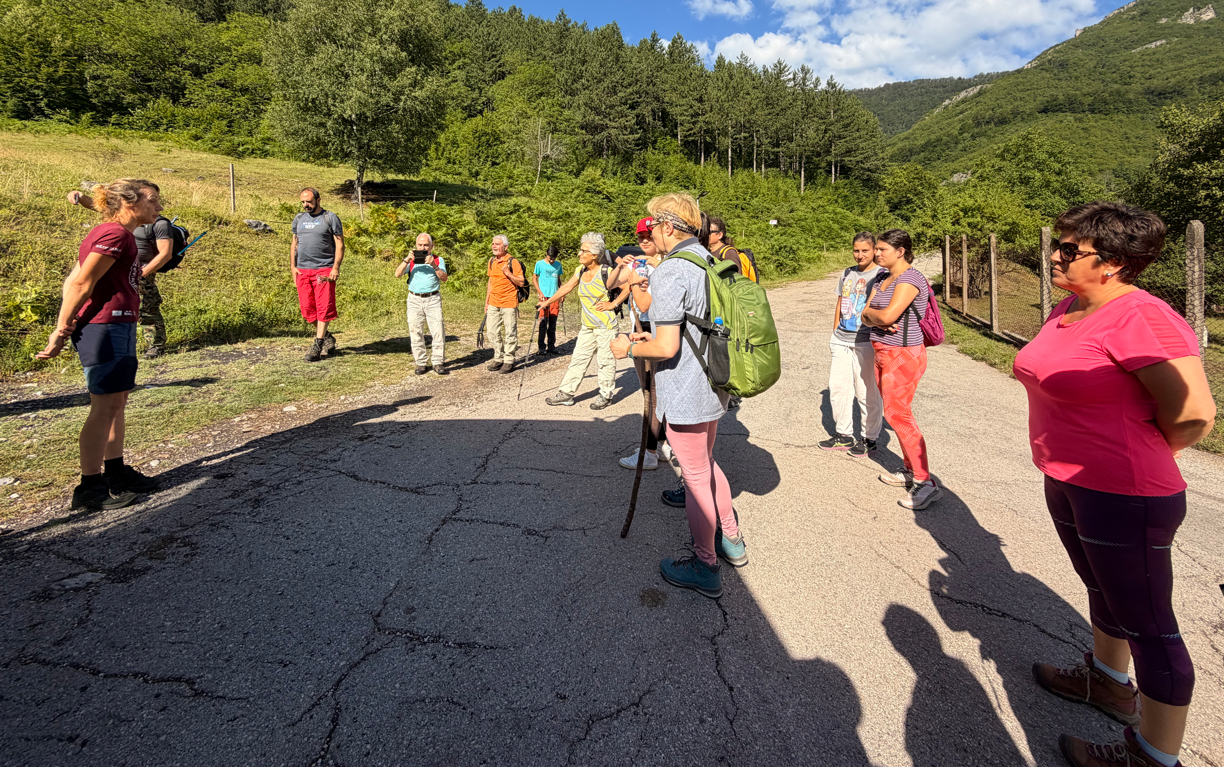
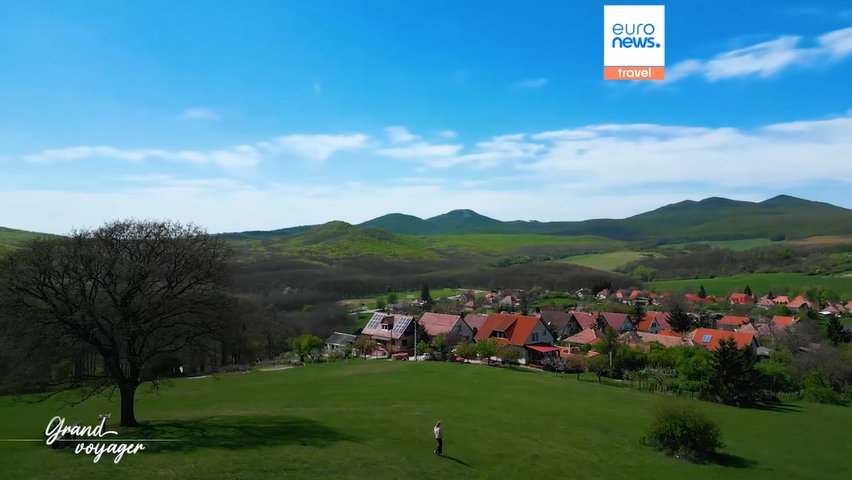
The pilot peer review visit in Kóspallag, Hungary marked the launch of the project’s pilot action series, to be implemented across the partnership locations. As the first site, the event brought together project partners from Solvenia, Ukraine and Hungary, as well as national tourism experts and influencers in the field, for a peer review visit combining hands-on experience with structured evaluation. Participants not only explored the pilot activities on-site but also provided expert feedback, contributing to mutual learning and supporting the further development of upcoming pilot actions.
Pilot Peer Review Visit in Kóspallag (20–22 April 2026)
The pilot peer review visit in Kóspallag explored how an ecotourism concept can be further developed into a regenerative tourism model. The programme combined field visits, expert input, and interactive experiences, fostering knowledge exchange and professional dialogue.
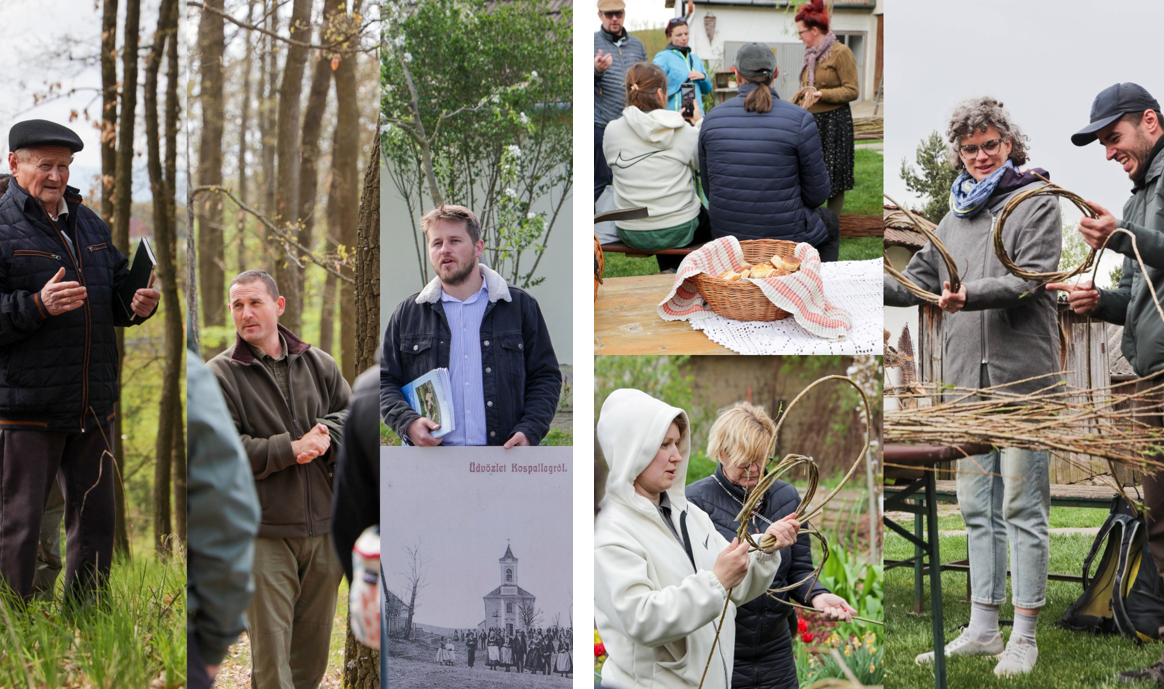
The visit began with an introductory session presenting the local context, the rationale for selecting Kóspallag, and the long-term vision for regenerative tourism development.
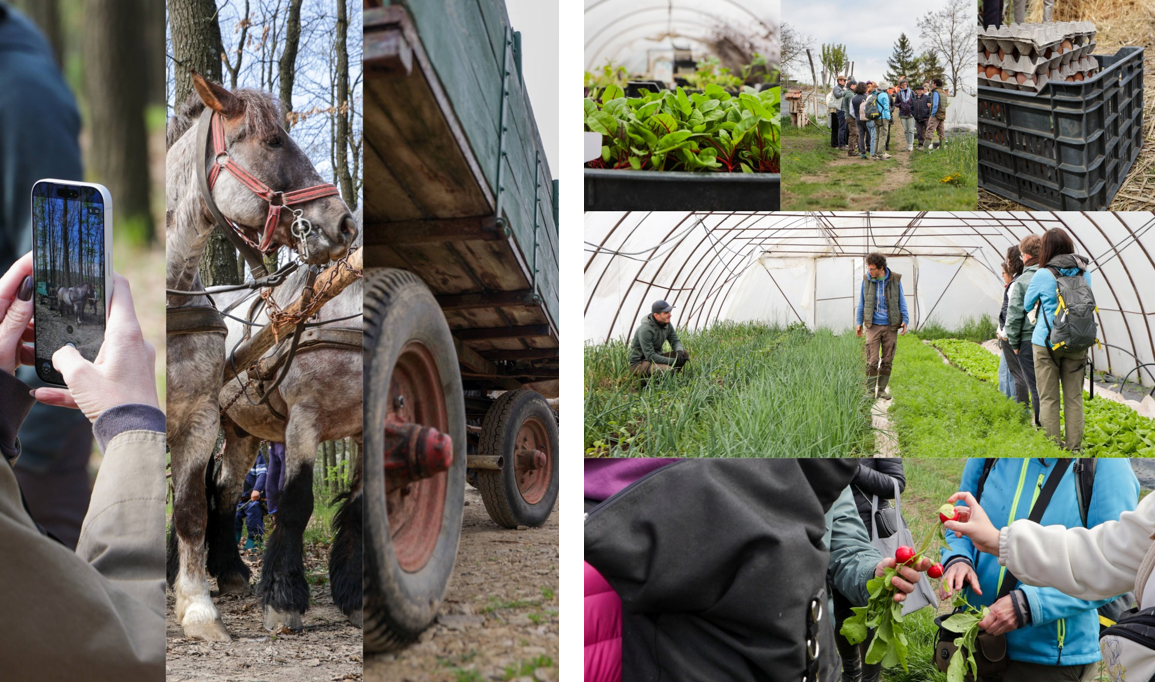
The core professional programme focused on practical examples of sustainable land use. Participants explored continuous cover forestry as a close-to-nature forest management approach, gaining first-hand insights into its ecological and operational benefits, including improved resilience and low-impact timber harvesting methods.
The programme continued with a visit to the Pallgvölgyi Biokert, a community-supported organic farm demonstrating regenerative agricultural practices. Participants learned about soil-focused cultivation methods, short supply chains, and the role of sustainable food production in strengthening local economies and tourism experiences.
Further activities highlighted traditional and regenerative land-use practices, including herb collection and silvopastoral systems, supported by permaculture design principles. These sessions illustrated how ecological values can be translated into viable rural development models.
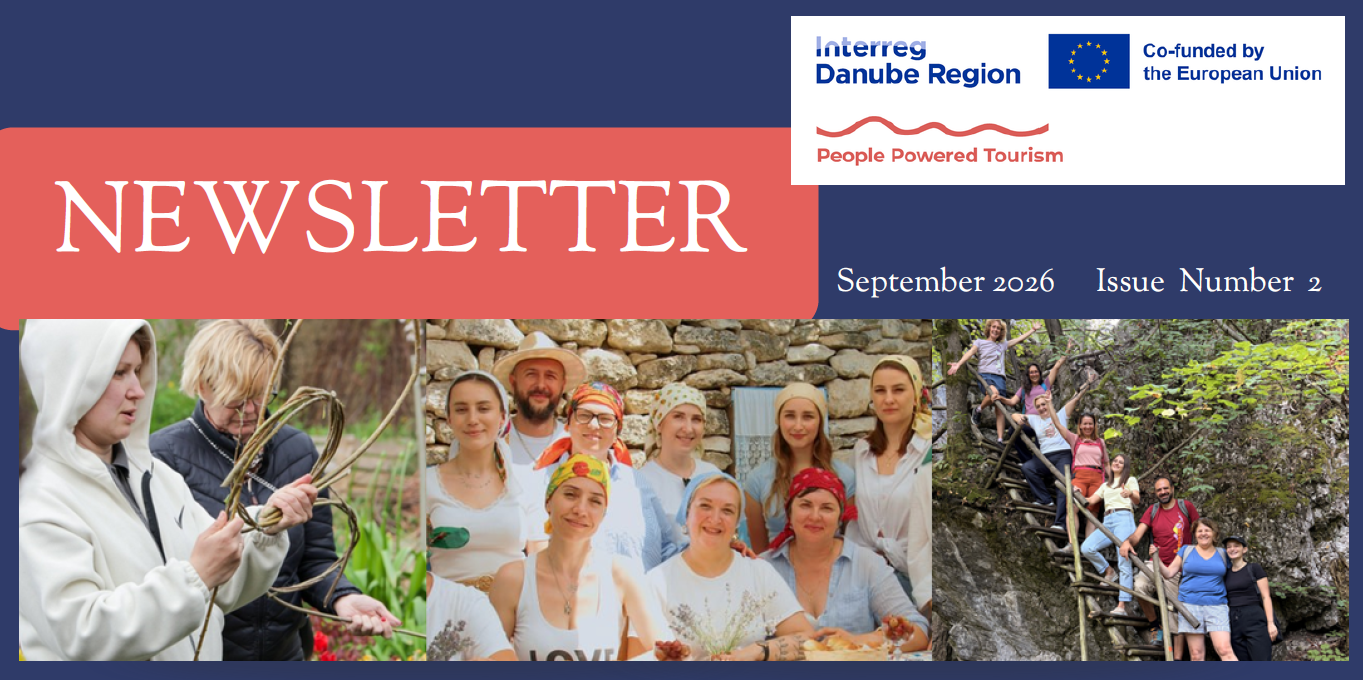
The programme also included a hands-on basket weaving workshop, showcasing how local knowledge and storytelling can enhance visitor engagement and enrich tourism offerings.
The visit concluded with a peer review discussion, where participants reflected on the pilot activities and shared recommendations for future development.
Overall, the Kóspallag pilot demonstrated how integrated, experience-based approaches can support the transition from ecotourism to regenerative tourism, while strengthening local collaboration and knowledge exchange within the partnership.

30/04/2026
By Anna Szentgyörgyi
Share on social media:



News & Events
Read the most recent updates and explore the upcoming events.

Would you like to receive project updates?
You're already part of our community!
Welcome to our newsletter community!
Subscribe to our newsletter