
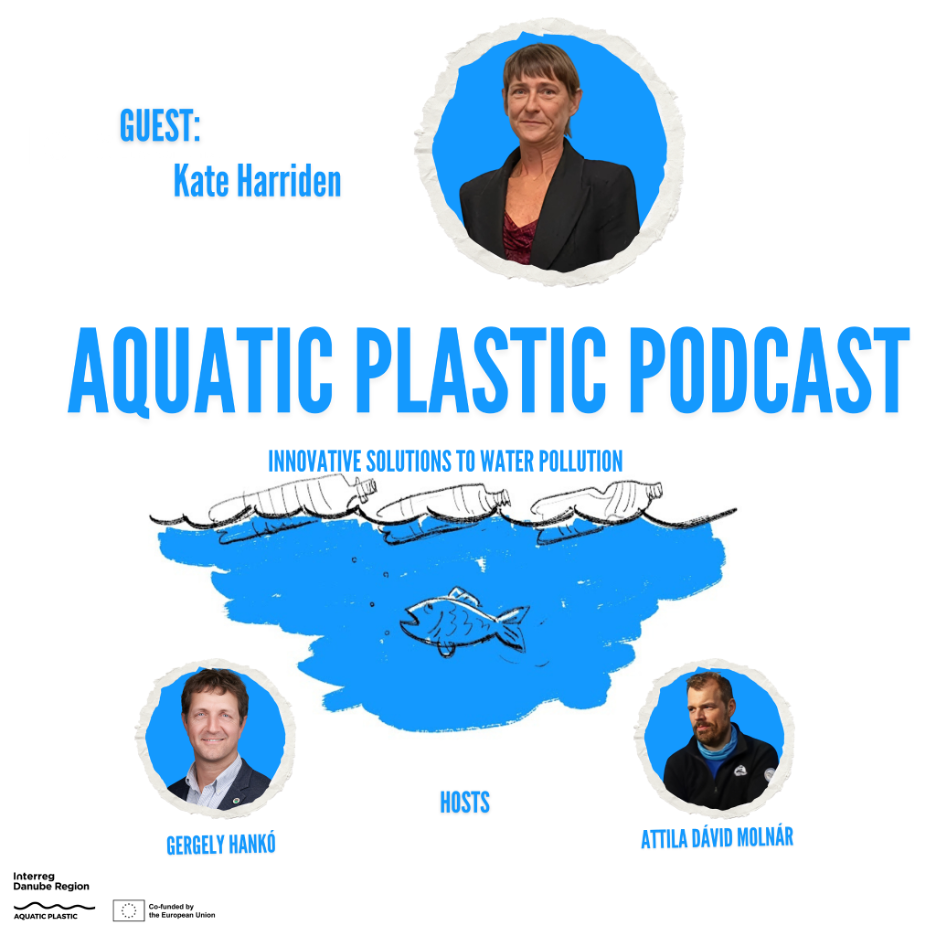
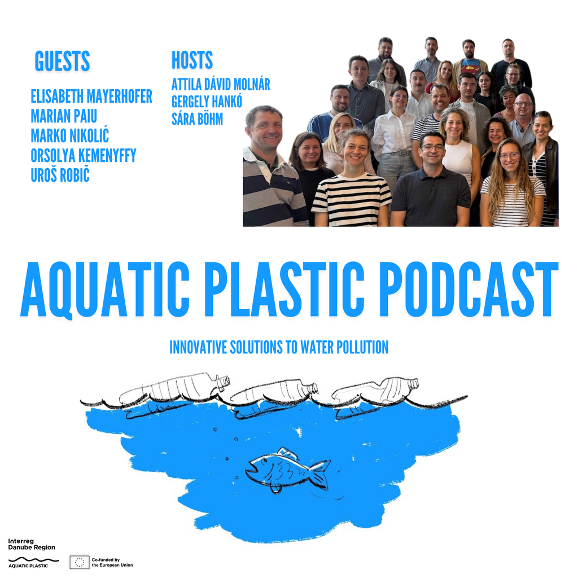
Aquatic Plastic Podcast #11
Rethinking Water: Why It’s Time to See Rivers as Relatives, Not Resources
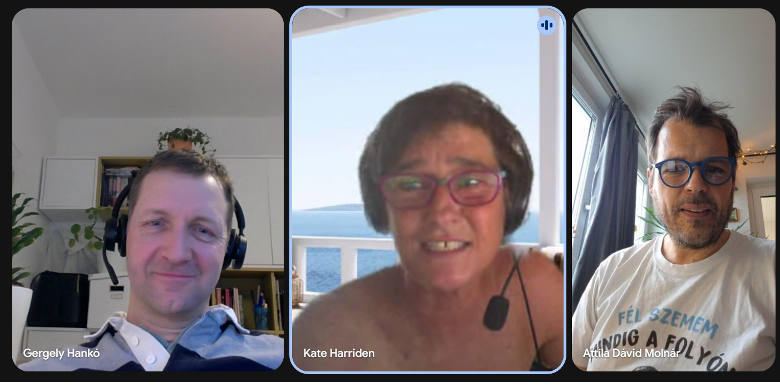
What if water is not a resource to manage—but a living relative to care for? In the latest episode of Aquatic Plastic, Dr. Kate Harriden, Research Fellow at Monash University, challenges everything we think we know about rivers, ownership and sustainability. Drawing on Indigenous knowledge systems and her own lived experience, she calls for a profound shift: from control to custodianship, from transactions to relationships.
A Freshwater Woman’s Journey
Dr. Harriden describes herself as a “freshwater woman” from the Wiradjuri Nation—known as the people of the three rivers. Her connection to water began in childhood, watching pollution flow into a creek near her home in Brisbane. That early experience sparked questions that would later shape her academic path in Indigenous water research.
Water Is Alive
For many First Nations communities, water is alive and inseparable from “Country”—a living system that connects land, waters, people, animals and ancestors.
In this worldview, humans are not owners of rivers but custodians with responsibilities. Decisions about water cannot be reduced to economic trade-offs. Instead, they must honour relationships across the whole ecosystem.
Rights of Rivers—Progress, but Not the Whole Story
Granting legal rights to rivers has gained international attention. But Dr. Harriden cautions that simply inserting rivers into Western legal systems does not automatically align with Indigenous philosophies.
Without meaningful Indigenous leadership and governance, such initiatives risk remaining symbolic rather than transformative.
Beyond “Integration”
Rather than trying to merge Indigenous and Western sciences into a single framework, Dr. Harriden suggests recognizing them as distinct systems with different foundations. Indigenous knowledge is relational, place-based and grounded in responsibility to future generations.
Practices like “yarning”—deep, trust-based dialogue—demonstrate that knowledge itself can be relational, not extractive.
A Call for Humility
The episode ultimately asks a simple but profound question: what changes if we see rivers as relatives instead of resources?
Dr. Harriden’s message is clear—real change requires humility, listening and a willingness to shift perspective. When we rethink our relationship with water, we open the door to healthier rivers and more just water governance worldwide.
About Aquatic Plastic
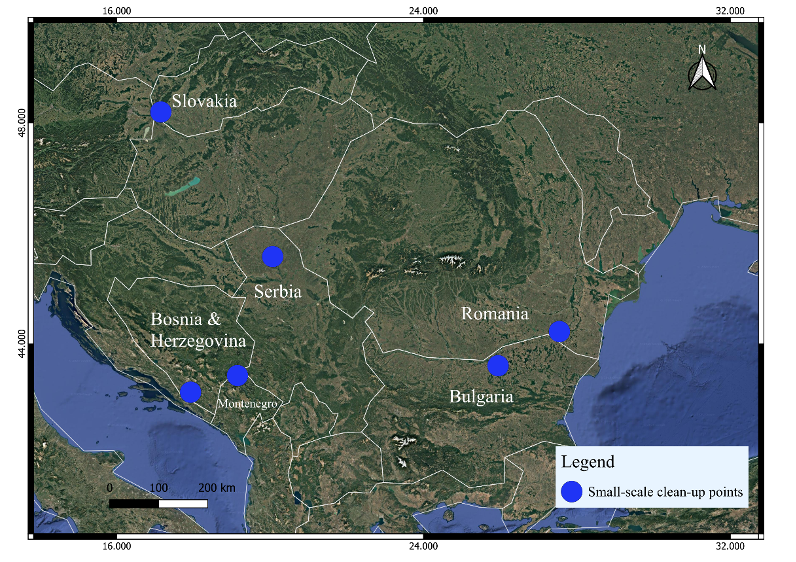
Aquatic Plastic is brought to you by the Interreg Danube Region Programme, co-funded by the European Union. Operating within the world's most international river basin, the Aquatic Plastic Danube-Region Interreg project unites 33 organizations spanning 10 countries. Together, we are executing 19 pilot actions and developing 8 solutions aimed at preventing, reducing, and managing plastic pollution in the natural waterways of the Danube River Basin. How do we navigate through such diverse borders? Explore further by delving into our report, and begin following our journey on LinkedIn and other social media platforms.
CHAPTERS
00:00 Intro: What If Rivers Were Relatives?
The hosts introduce a conversation that challenges mainstream water governance and asks a fundamental question: what changes if we see rivers as living beings?
02:48 Meet Dr. Kate Harriden
Kate Harriden, Research Fellow at Monash University, shares her background as a Wiradjuri freshwater woman and how her identity shapes her research.
07:15 Growing Up with Water
From childhood memories of a creek in Brisbane to rediscovering her cultural connection to water, Kate reflects on how personal experience led her into water justice work.
12:34 Understanding “Country”
The discussion explores the Indigenous concept of Country as a living, interconnected system—where land, waters, people and ancestors cannot be separated.
18:52 Custodianship vs Ownership
Kate explains why, in many Indigenous worldviews, humans are not owners of water but custodians with responsibilities—and why this radically shifts governance thinking.
24:40 The Problem with “Stormwater”
A closer look at how Western terminology frames water as excess, risk or commodity, reinforcing systems focused on control rather than relationship.
30:18 Rights of Rivers: Real Change or Legal Symbolism?
The conversation turns to legal personhood for rivers. Kate discusses both its potential and its limits.
36:55 Two Knowledge Systems, Not One
Instead of “integrating” Indigenous and Western science into a single framework, the episode highlights them as distinct systems with different foundations and values.
42:30 Yarning, Relational Knowledge and Humility
Kate introduces “yarning” as a relational way of sharing knowledge and reflects on the humility required to rethink our place within water systems.
47:58 Closing: From Resource to Responsibility
Final reflections on how changing our language and mindset could lead to deeper river literacy, stronger stewardship and more just water futures.

20/02/2026
By
Share on social media:



News & Events
Read the most recent updates and explore the upcoming events.


Would you like to receive project updates?
You're already part of our community!
Welcome to our newsletter community!
Subscribe to our newsletter