
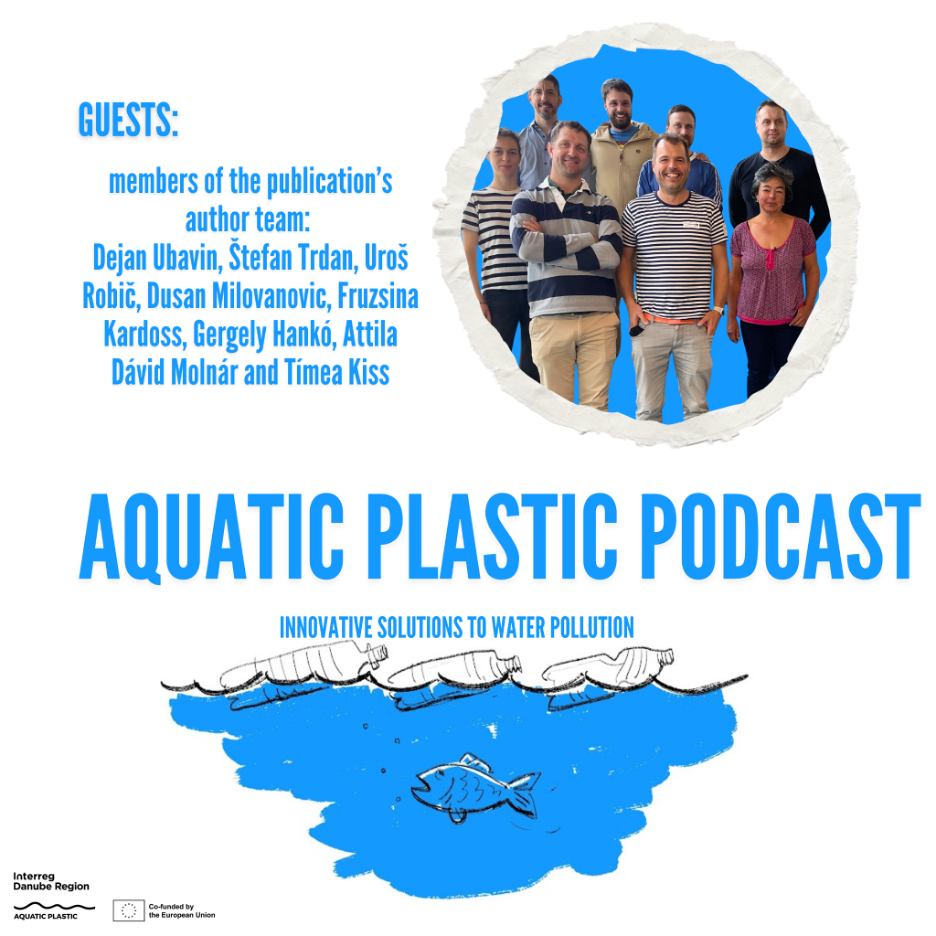
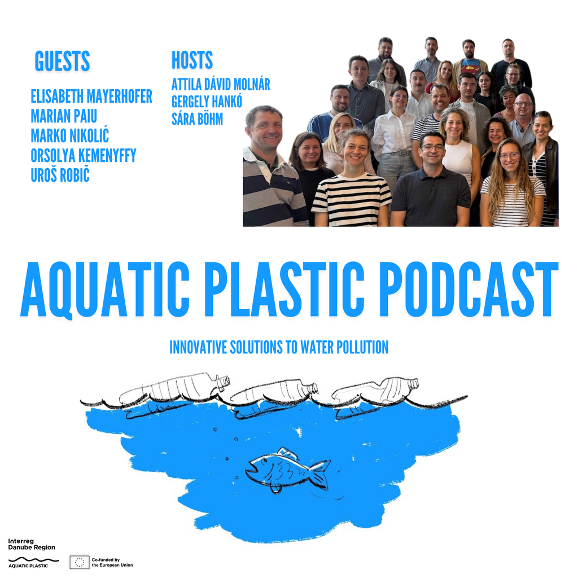
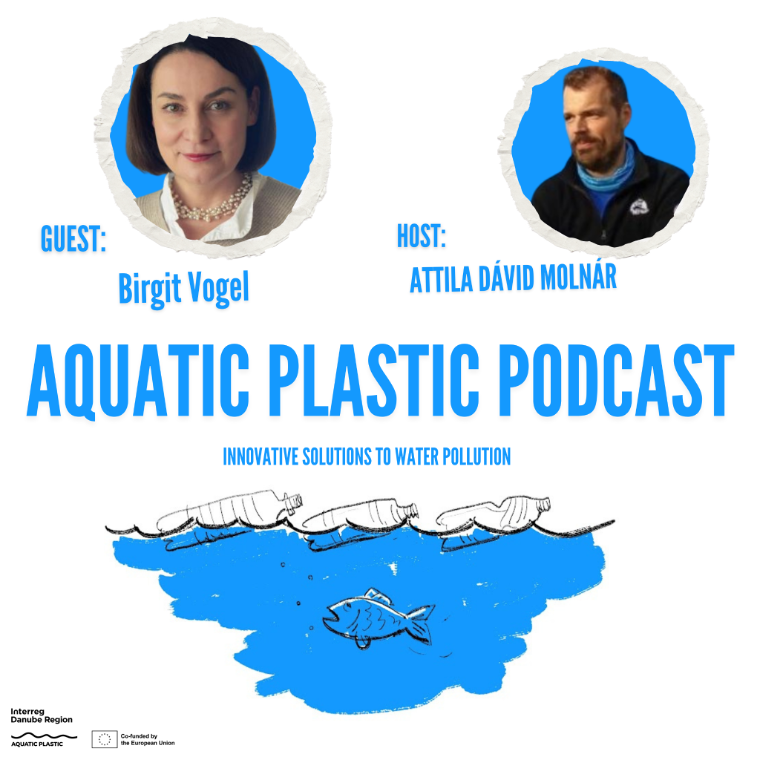
Aquatic Plastic Podcast #9
River Literacy: Seven Simple Principles to Understand and Protect Our Rivers
Rivers shape our landscapes, cultures and everyday lives, yet most of us know surprisingly little about how they work or how deeply we affect them. In the latest episode of Aquatic Plastic, the hosts introduce River Literacy, an educational framework designed to help people reconnect with rivers and better understand why protecting them matters.
From Ocean Literacy to River Literacy
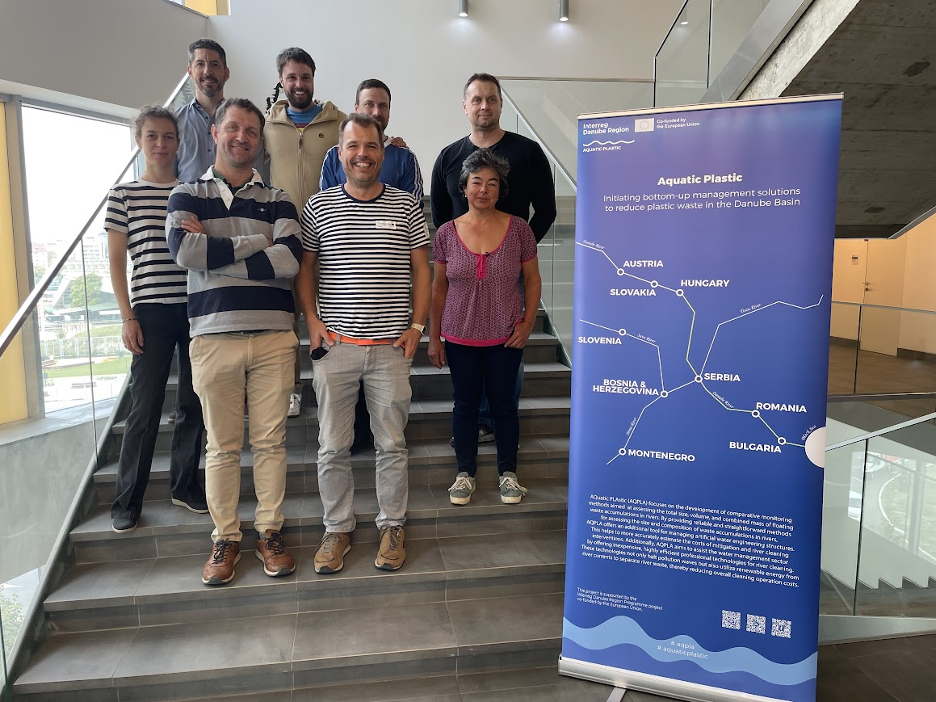
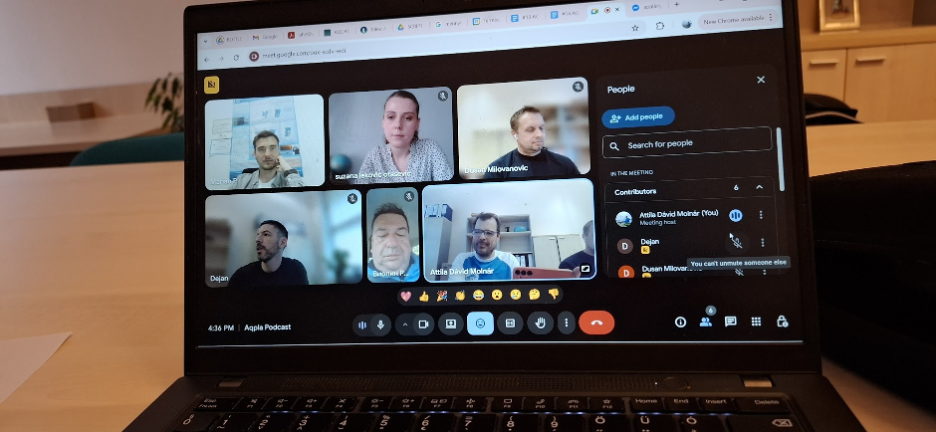
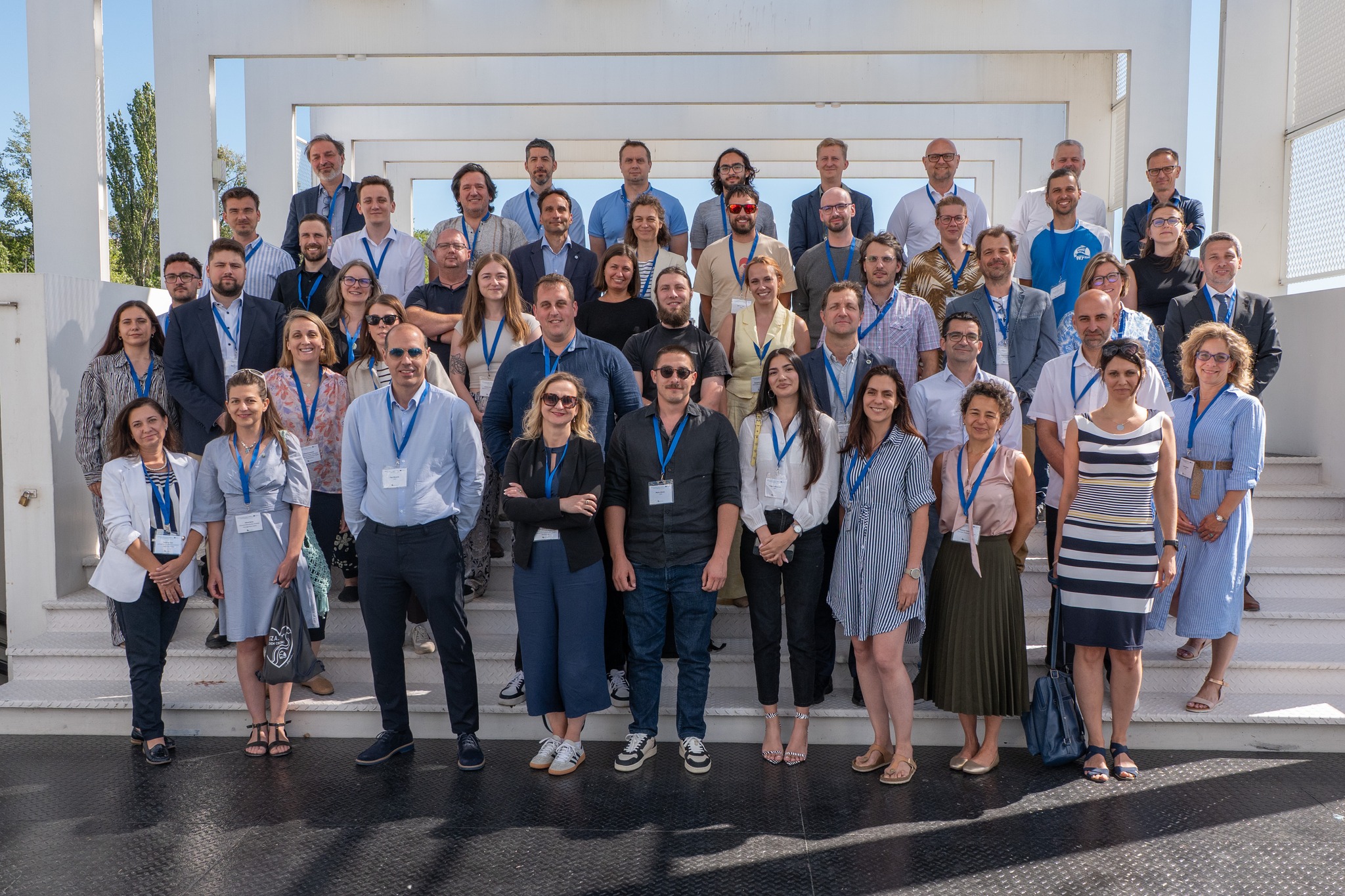
Inspired by the globally recognized concept of Ocean Literacy, an international team of researchers and educators adapted its principles specifically to rivers. The result is River Literacy: a clear, accessible framework that explains how rivers function and why they are essential to both nature and society. Developed through years of co-creation, roundtable discussions and international collaboration across the Danube River Basin, the concept brings together scientists, educators, practitioners and community voices.
Seven Principles, One Shared Message
At the heart of River Literacy are seven easy-to-grasp principles, distilled from complex scientific knowledge. They explain, among other things, that rivers connect directly to oceans, that human lives and rivers are deeply intertwined, and that rivers are shared heritage - not commodities. The goal is not simplification for its own sake, but clarity: helping schools, communities and the wider public talk about rivers using a common language.
Why Simple Messages Matter
As several co-authors explain in this Aquatic Plastic episode, scientific solutions alone are not enough. Environmental action depends on people understanding problems, feeling connected to rivers, and recognizing their own role in protection. River Literacy is designed for students, teachers, decision-makers and everyday citizens: anyone who wants to better understand water cycles, pollution and river restoration.
Education Beyond the Classroom
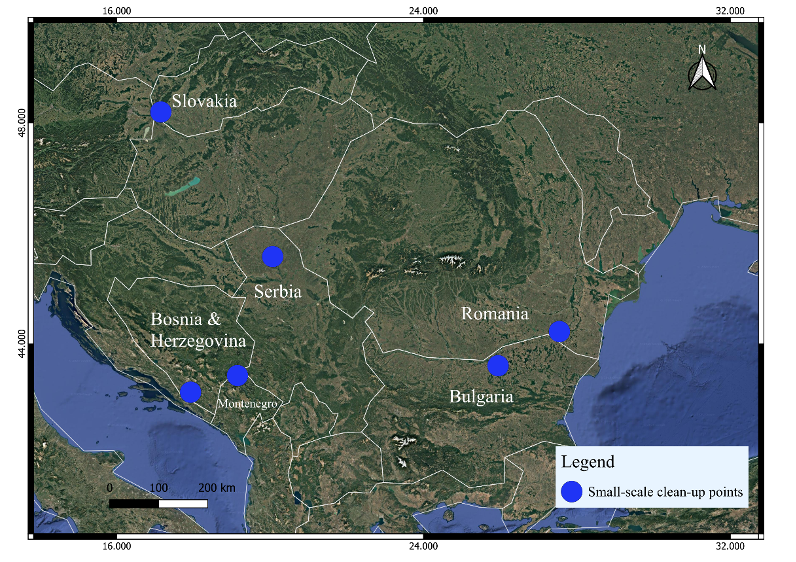
Although the educational framework was only recently published as a scientific article, the River Literacy concept has been in development for nearly five years. Based on the jointly developed principles, children’s textbooks were written, shared, and published in English and three other Danube languages. These materials are currently used in more than 40 so-called Riversaver Schools across four Danube countries: a number that is expected to grow and contribute to the EU’s Ocean and Waters Mission goals. Apart from educational institutions, the framework seems to be a valuable tool when organizing community trainings and lifelong learning programs. Because the principles are flexible, River Literacy can support everything from primary education to university courses, professional training and public engagement. Importantly, it also helps rebuild emotional connections to rivers, connections many societies have lost over generations.
Building Support for Better Decisions
The episode highlights a critical gap between scientific knowledge and policymaking. River Literacy aims to bridge that gap by strengthening public understanding, creating informed citizens who can support better water governance and environmental policies.
A Starting Point, Not the Finish Line
River Literacy is presented as a foundation - a shared framework that can grow, adapt and spread. As the hosts and contributors emphasize, protecting rivers is long-term work, but clear principles can guide meaningful action. The River Literacy framework and its seven principles were developed within the Aquatic Plastic project and published in the scientific journal Earth.
About Aquatic Plastic
Aquatic Plastic is brought to you by the Interreg Danube Region Programme, co-funded by the European Union. Operating within the world's most international river basin, the Aquatic Plastic Danube-Region Interreg project unites 33 organizations spanning 10 countries. Together, we are executing 19 pilot actions and developing 8 solutions aimed at preventing, reducing, and managing plastic pollution in the natural waterways of the Danube River Basin. How do we navigate through such diverse borders? Explore further by delving into our report, and begin following our journey on LinkedIn and other social media platforms.
CHAPTERS
00:00 Intro: What Is River Literacy?
The hosts introduce the episode and explain why understanding rivers is essential for tackling pollution, climate impacts and water-related challenges.
03:12 From Ocean Literacy to River Literacy
The conversation explores how the well-known Ocean Literacy concept inspired a river-focused framework adapted to freshwater systems.
07:48 Why Rivers Need Their Own Language
The guests discuss why rivers are often overlooked in education and policy—and why a shared, simple framework is needed to talk about them clearly.
13:05 The Seven Principles Explained
The core of River Literacy: seven key principles that translate complex river science into accessible messages for schools, communities and decision-makers.
20:41 Co-Creation Across the Danube Basin
River Literacy was developed through international collaboration, workshops and dialogue among scientists, educators and practitioners from different countries.
27:56 Education Beyond Classrooms
The episode highlights how River Literacy can be used in formal education, lifelong learning, professional training and public engagement.
34:12 Closing: Rivers as Shared Responsibility
The discussion turns to policy impact: how informed citizens and shared understanding can support stronger water governance and river protection.

16/12/2025
By
Share on social media:



News & Events
Read the most recent updates and explore the upcoming events.


Would you like to receive project updates?
You're already part of our community!
Welcome to our newsletter community!
Subscribe to our newsletter