


Policy Recommendations for Tackling Urban Heat Discussed at Be Ready Webinar
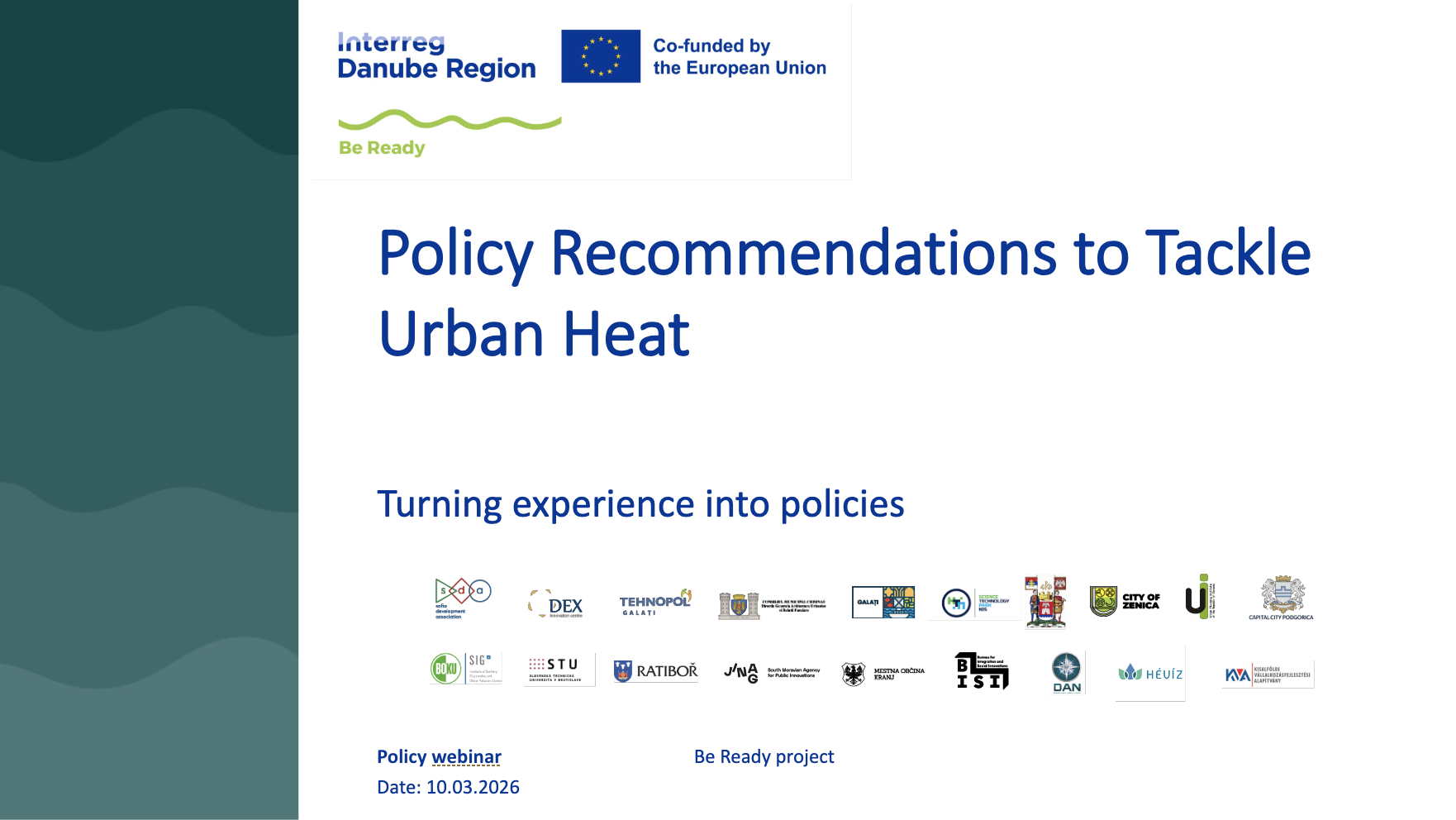
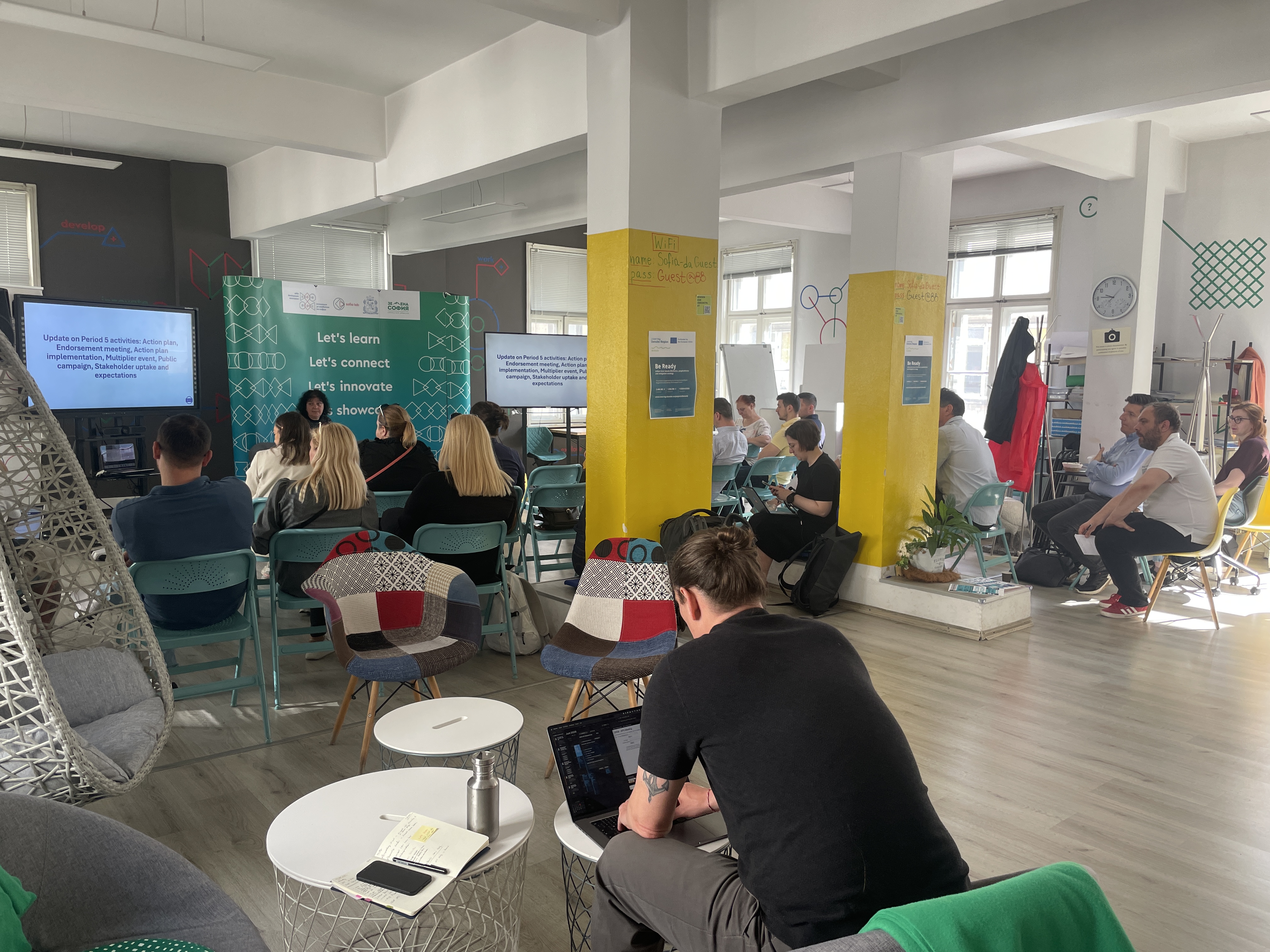
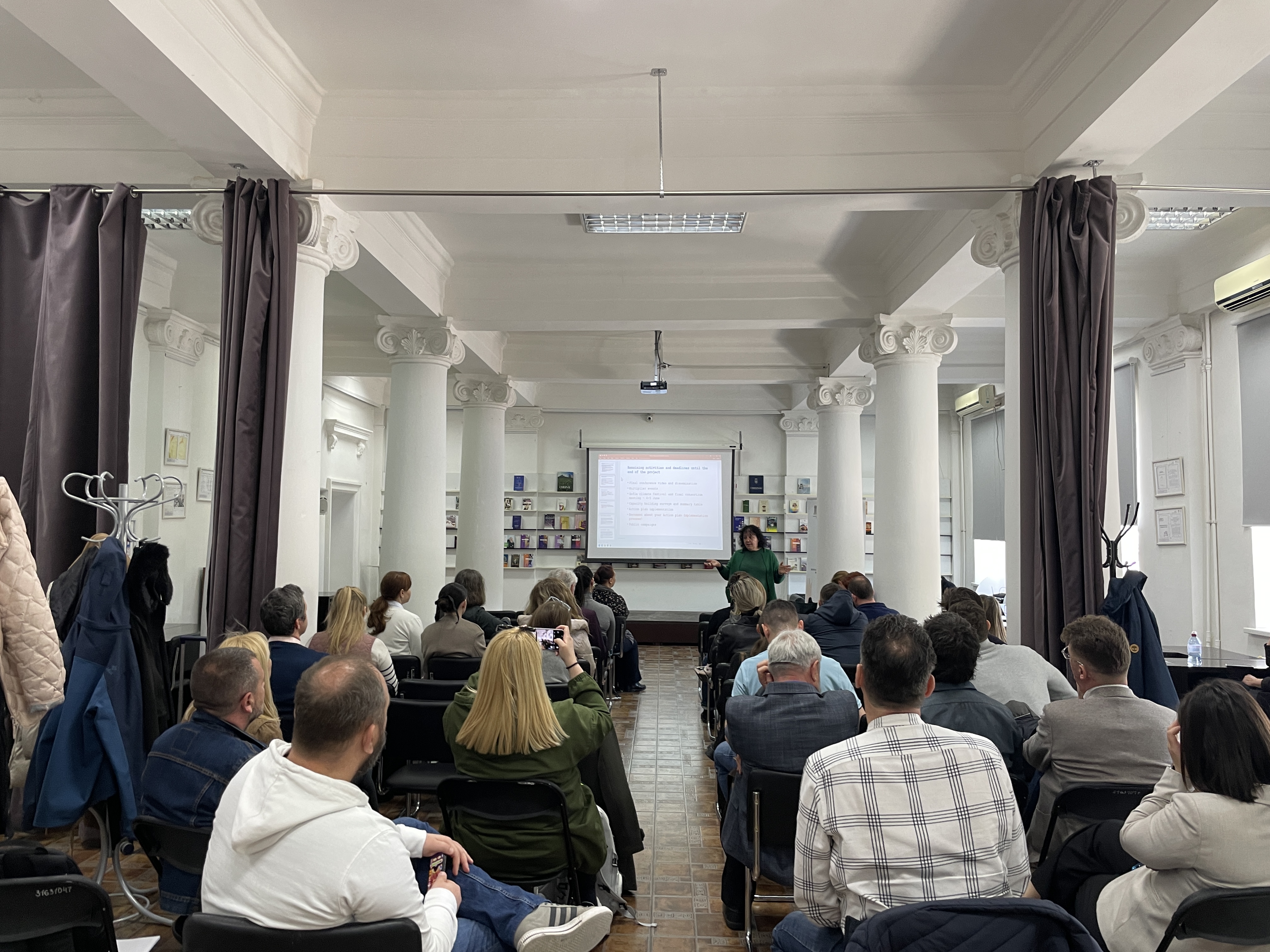
On 10 March 2026, the Be Ready project, led by Sofia Development Association, organised a webinar dedicated to policy recommendations for addressing urban heat in European cities.
Over the past two years, the Be Ready partnership has generated substantial evidence and practical experience on tackling urban heat. The project has organised 20 local workshops in 10 countries, developed a dedicated methodology and local research, implemented 10 pilot actions based on the urban acupuncture principle, carried out 10 peer review visits, and collaboratively prepared 10 local action plans. Building on these results, the consortium has formulated a set of policy recommendations targeting different governance levels – local and regional, national, the Danube Region, and the EU – as well as sector-specific recommendations for areas most affected by urban heat.
The webinar aimed to foster synergies with other projects and initiatives working on climate adaptation and urban resilience. It brought together nearly 60 participants from across Europe, representing more than 20 projects funded under different European programmes, and served as a platform for knowledge exchange and alignment of policy approaches to strengthen urban climate resilience.
Gusztáv Csomor, Senior Project Officer at the Danube Programme Managing Authority/Joint Secretariat, highlighted the importance of cooperation between projects and policy actors:
“Be Ready is one of those projects that works beyond its own bubble. The partnership strives to create synergies, share experiences and influence the policy level. This webinar is a very good example of cooperation across projects, levels and borders, and I look forward to learning from Be Ready and its sister projects about their recommendations.”
The discussions highlighted the growing urgency of addressing urban heat island effects, which are intensifying due to climate change and urbanisation. Participants presented policy recommendations aimed at improving governance, urban planning, stakeholder participation, and investment in urban heat mitigation. The need for harmonised standards, monitoring frameworks, and stronger transnational cooperation was also emphasised.
Dr. László Balatonyi, Priority Area Coordinator within the Hungarian Coordination at the Ministry of Foreign Affairs and Trade of Hungary, underlined the critical role of municipalities in implementing climate policies:
“Within the Danube Region Programme there are several strategic projects connected to Priority Area 5, and the Be Ready project is one of them. One of the strengths of the Be Ready consortium is that many municipalities are directly involved. When addressing climate change and water management, local actors are essential because real solutions are implemented at the local level.”
This webinar proved to be a two-way street – not only did other projects learn from Be Ready, but we also provided valuable ideas. The discussion confirmed the relevance of the project’s work in addressing existing policy gaps and proposing practical solutions. The next step for the Be Ready partnership will be to further refine the policy recommendations, connect them with existing tools to make them more accessible to stakeholders, and present them to the relevant policy bodies.

11/03/2026
By S Voynova
Share on social media:


Green

News & Events
Read the most recent updates and explore the upcoming events.


Would you like to receive project updates?
You're already part of our community!
Welcome to our newsletter community!
Subscribe to our newsletter