

Capacity Building Academy VI – Inclusive Design
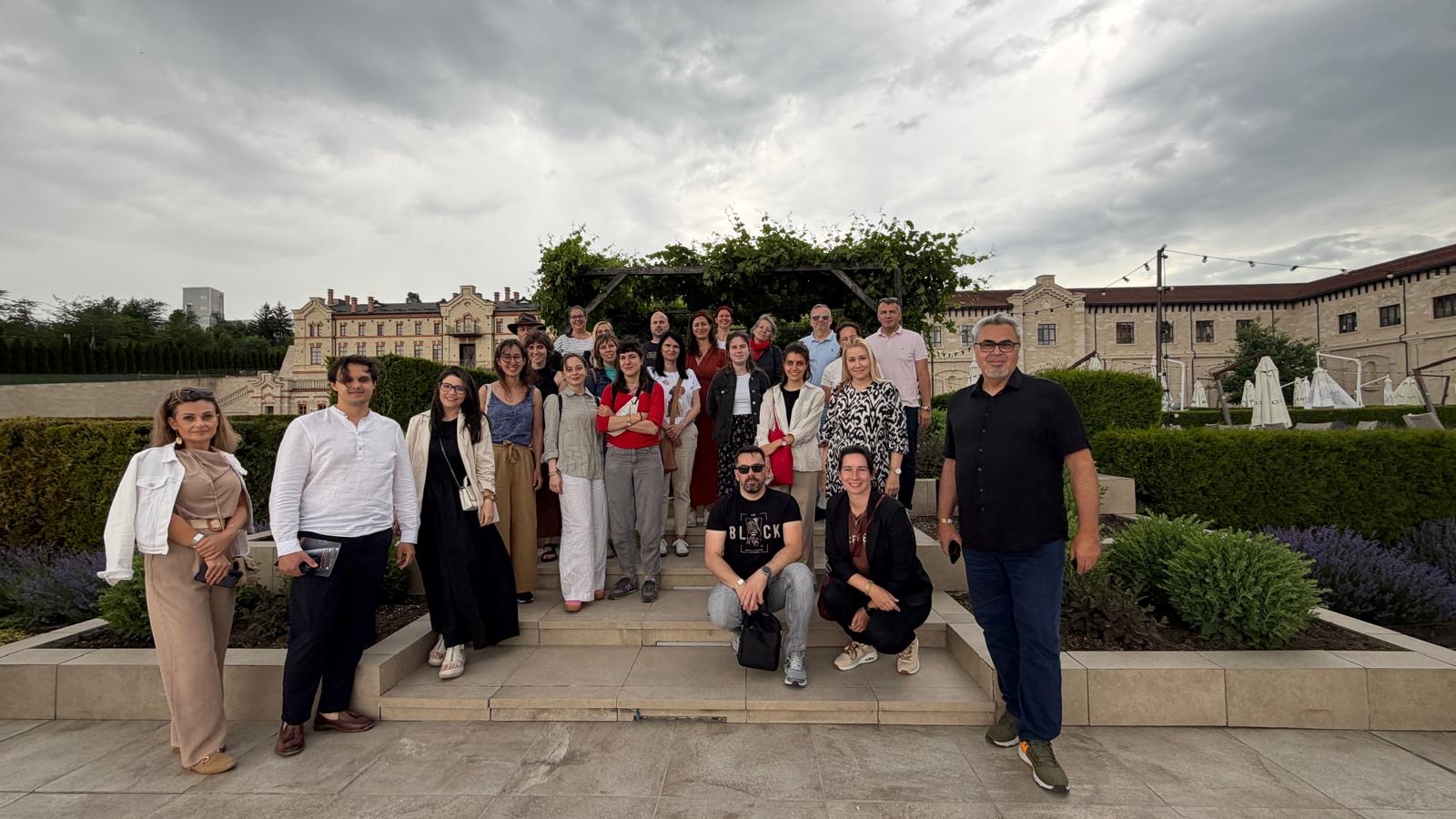
The CAST Project aims to create socially inclusive cultural services and products, making culture more accessible and actively involving people who are currently underserved or excluded. To support this process, the Moholy-Nagy University of Art and Design Budapest (MOME) organised a capacity-building session on inclusive design, facilitated by Beáta Sosity, a PhD candidate specialising in disability design.
Beáta introduced the foundations of contemporary disability studies, challenging our assumptions about what disability is. Disability is always understood in relation to something else, often compared to an idea of 'normality.' Yet what counts as 'normal' simply reflects the norms of a given society at a particular moment in time. Disability is not a fixed category limited to certain groups; it is a fundamental dimension of human existence. As theorist Lennard J. Davis argues, all human beings experience forms of dependency and vulnerability — meaning that disability is not an exception, but part of the universal human condition.
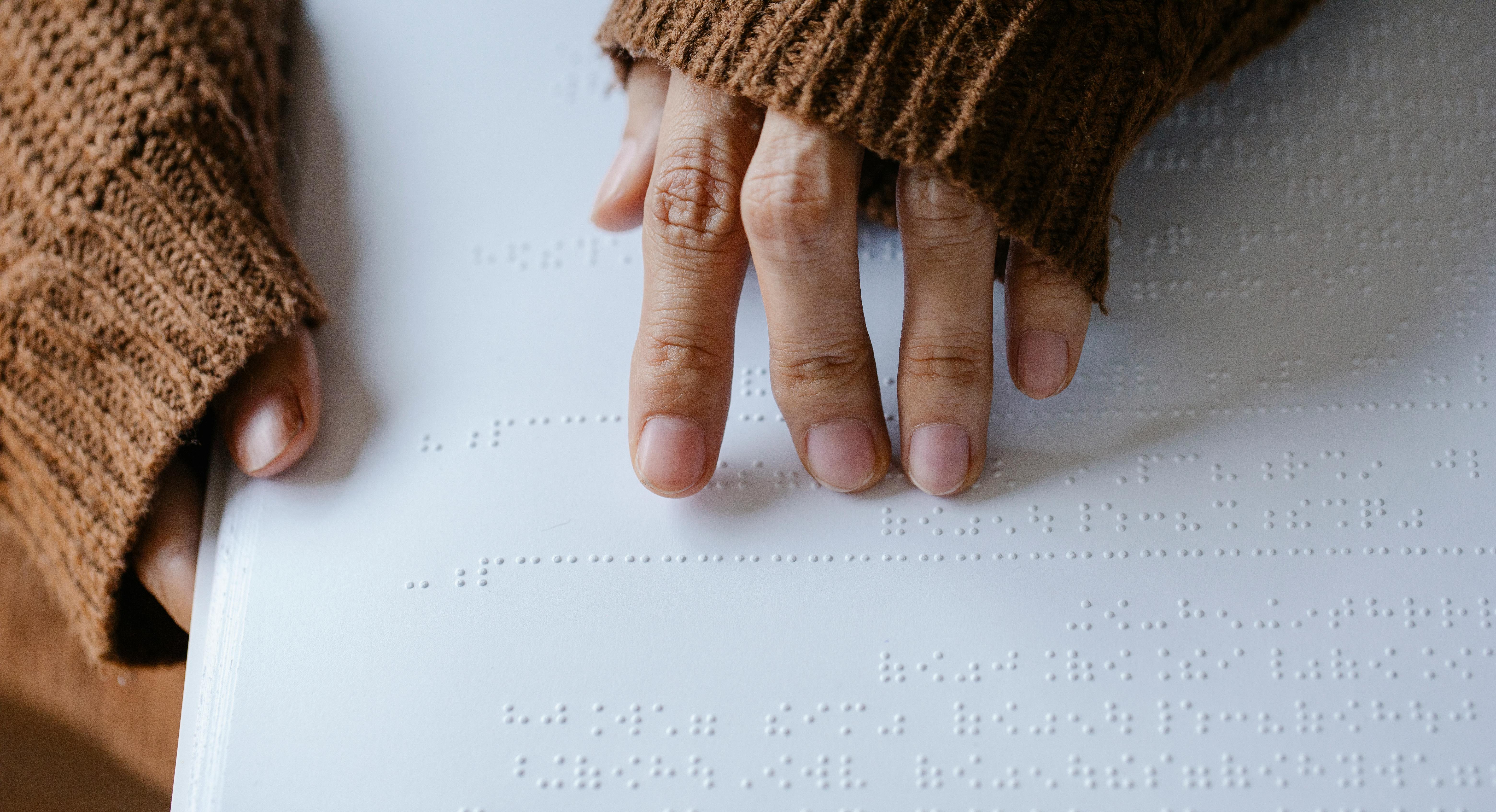
Social change begins with awareness. The next step is accessibility: ensuring that people with diverse abilities can use and engage with an environment, product, website or service by removing physical, digital, sensory and attitudinal barriers. Examples include step-free access, tactile wayfinding, easy-to-read information and captioned videos.
Inclusion goes further. The New European Bauhaus defines inclusion as accessibility, affordability and co-creation. Inclusion means involving everyone and considering the full range of human diversity — ability, language, culture, gender, age and other forms of human difference — as an integral part of the design process.
Project partners will continue to receive expert guidance on how to embed inclusive design into their pilot actions. These results will contribute to the development of the CAST Model, preparing it for broader application across the region.

01/12/2025
By Rebecca Thorne
Share on social media:


Social

News & Events
Read the most recent updates and explore the upcoming events.



Would you like to receive project updates?
You're already part of our community!
Welcome to our newsletter community!
Subscribe to our newsletter