


Capitalization Cafe
Capitalization Cafe
The CAST Project is not alone in its endeavour to improve cultural and tourist offers for communities, the environment and local economies in the Danube Region. What can we learn from other projects on a similar mission? How can we work together? The Capitalization Café, an online series organised by the Interreg project People Powered Tourism, featured presentations from other relevant initiatives that allowed us to share knowledge and ideas, while building new partnerships in the Danube Region.
Here is an overview of what we learned:
Firstly, how to tackle overtourism: People Powered Tourism will make tourism more attractive for communities, not just for visitors. This means more experience-based offers in under-visited urban neighbourhoods and remote rural areas, focusing on human connections rather than just sightseeing.
Rebuilding tourism after COVID-19 is another challenge for places that have previously suffered the effects of overtourism. The project Tourism in Balance is developing new policies and strategies to distribute tourism more evenly, both in terms of when and where the tourists visit.
As cities get hotter, CoolNoons is rethinking how urban settings can adapt for tourists during the hottest part of the day. Solutions are developed collaboratively in creative workshops with residents. A digital platform includes the Dubrovnik Cool Pass, offering shaded walking routes that connect cultural heritage and natural spaces.
Increased tourist demand is a particular challenge in places suffering from rural depopulation. In nine geoparks across the region, Danube GeoTour Plus aims firstly to engage local communities, particularly vulnerable groups; secondly to generate value (e.g. new geopark experiences, new jobs); and thirdly, to introduce a more balanced visitor management (e.g. monitoring and analytical tools).
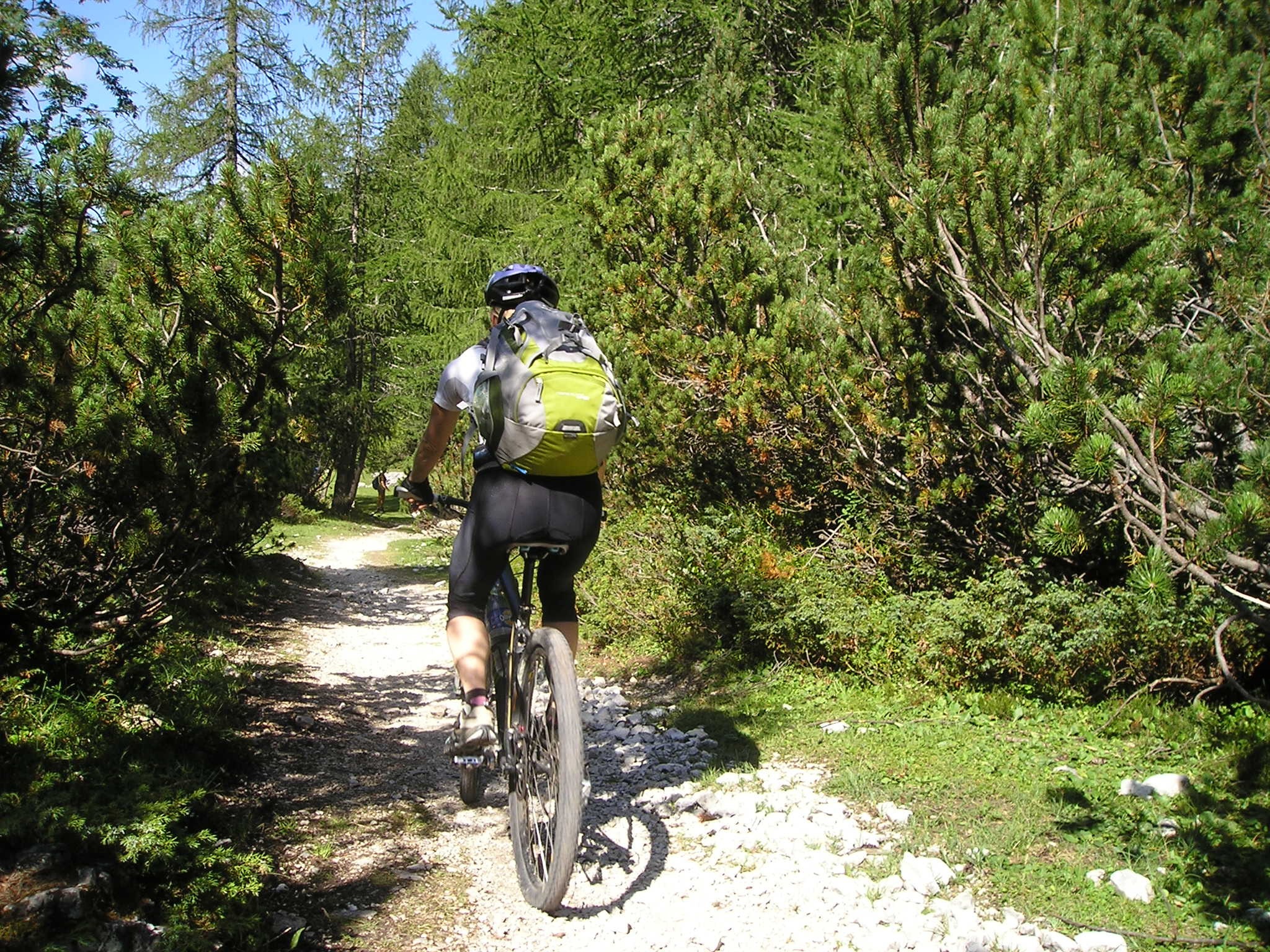
What about in the places where there is as yet little tourism? Rural areas of the Danube Region often have complex socio-economic problems. Using transnational marketing strategies to appeal to European tourists, Inclusive Border Cycling is developing trails that not only valorise natural and cultural assets, but also involve vulnerable local groups (e.g. elderly people and marginalized communities).
Where traditional crafts are disappearing, DanubeCrafts aims to preserve these disappearing skills while unlocking their economic and cultural potential. The transnational Traditional Crafts Route will blend slow thematic tourism with local traditions in the Danube Region.
Similarly, COMMHERITOUR focuses on the importance of living heritage crafts (such as wood-carving, carpet-weaving and processing wool) as a source of socio-economic integration for rural and remote areas of the Danube Region. A digital platform will allow tourists to explore crafts-related attractions.
Furthermore, societal changes are affecting people’s ability and willingness to volunteer. Visiteering provides a more flexible alternative, which builds public engagement and awareness at heritage sites by offering activities ‘behind the scenes’ to visitors.
What makes a project beautiful? This was one of the questions addressed in the presentation on the New European Bauhaus, a policy and funding initiative that makes green transition in built environments and beyond enjoyable, attractive and convenient for all. Best-practice examples served to help listeners understand how they can align their project with the values and principles of the NEB too.
Finally, a travel agency in Hungary has developed an award-winning approach to tourism: the Humtour travel agency aims to introduce visitors to the Hungarian countryside, local communities and traditional crafts in an active and sustainable way.
We are grateful to the project partners of People Powered Tourism for the opportunity to join the Capitalization Café.

21/01/2026
By Rebecca Thorne
Share on social media:


Smart
Green
Social
Cooperation

News & Events
Read the most recent updates and explore the upcoming events.




Would you like to receive project updates?
You're already part of our community!
Welcome to our newsletter community!
Subscribe to our newsletter