

Study Visit and Steering Committee Meeting in Montenegro
On 3 and 4 September 2026, CAST partners came together in Montenegro for two days of project discussions, creative/group work and a study visit. Hosted by Urbani Kult, the meeting brought the partnership to Budva before continuing to Petrovac, Cetinje and Mount Lovćen. At this stage of the project, the local pilot actions are moving forward across the Danube Region. The meeting offered an opportunity to look at their progress, discuss what comes next and connect the experiences emerging from the pilots with the wider work on the CAST Model and project communication.
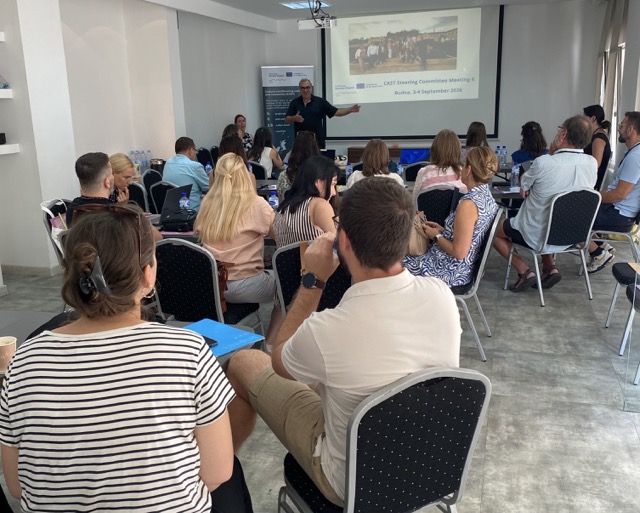
The meeting opened with a welcome from Urbani Kult and Iskriva, before partners moved into the first working session of the day. Since the previous partner meeting in Chișinău, the pilots have continued to develop in their different local contexts. During the session, each partner briefly shared what had changed, what they were planning for the next six to eight months and where further support from the project's Knowledge Providers could be useful. Before moving to the next session, the group was asked to keep one question in mind "What is the cultural resource or place at the heart of your pilot's story?"
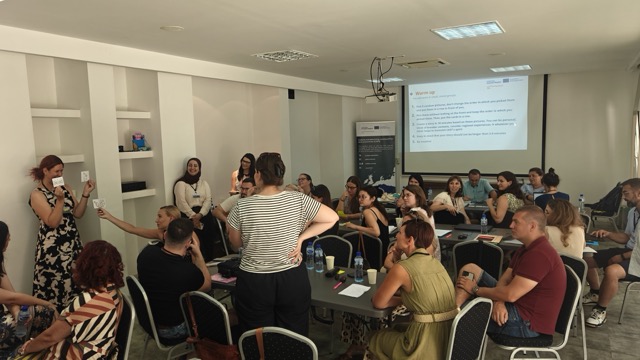
The SO3 storytelling workshop, led by IDM, explored how partners can communicate their pilots in ways that go beyond project terminology and connect with people. Through a creative exercise with picture cards and short pilot pitches, partners experimented with different ways of telling their stories, focusing on the cultural resource at the heart of each pilot, its local impact and what people should remember. The workshop also offered practical ideas for future communication, including videos and other promotional materials.
Later on the first day, the partnership turned its attention to the work of SO1 and the further development of the CAST Model. An initial presentation and feedback round gave partners an opportunity to consider how the experiences from the pilot actions can feed into the wider methodology. The afternoon also included a presentation by Irina Cozma on planned activities within the EUSDR Priority Area 3, followed by project management discussions and final remarks.
In the evening, the group travelled to Petrovac for the official opening of the 20th Petrovac Jazz Festival. Urbani Kult's pilot work includes the heritage of the festival, with plans involving the development of a cultural heritage archive, looking more broadly at cultural resources, local tourism and accessibility. Attending the opening gave partners the opportunity to experience another cultural event connected to the local context of the pilot.
The meeting also included time to look back at the first jointly promoted season of the Danube Festival Caravan. Partners had promoted and connected cultural events taking place across the project area, bringing the festivals and their local stories into a shared CAST communication activity. The first season provided many experiences to reflect on, including what worked well and what could be improved in the future. The conversation continued beyond the meeting room. On the bus journey to Cetinje the following day, partners had the opportunity to keep discussing the festival season together and share their experiences from organising and promoting events in their local contexts.
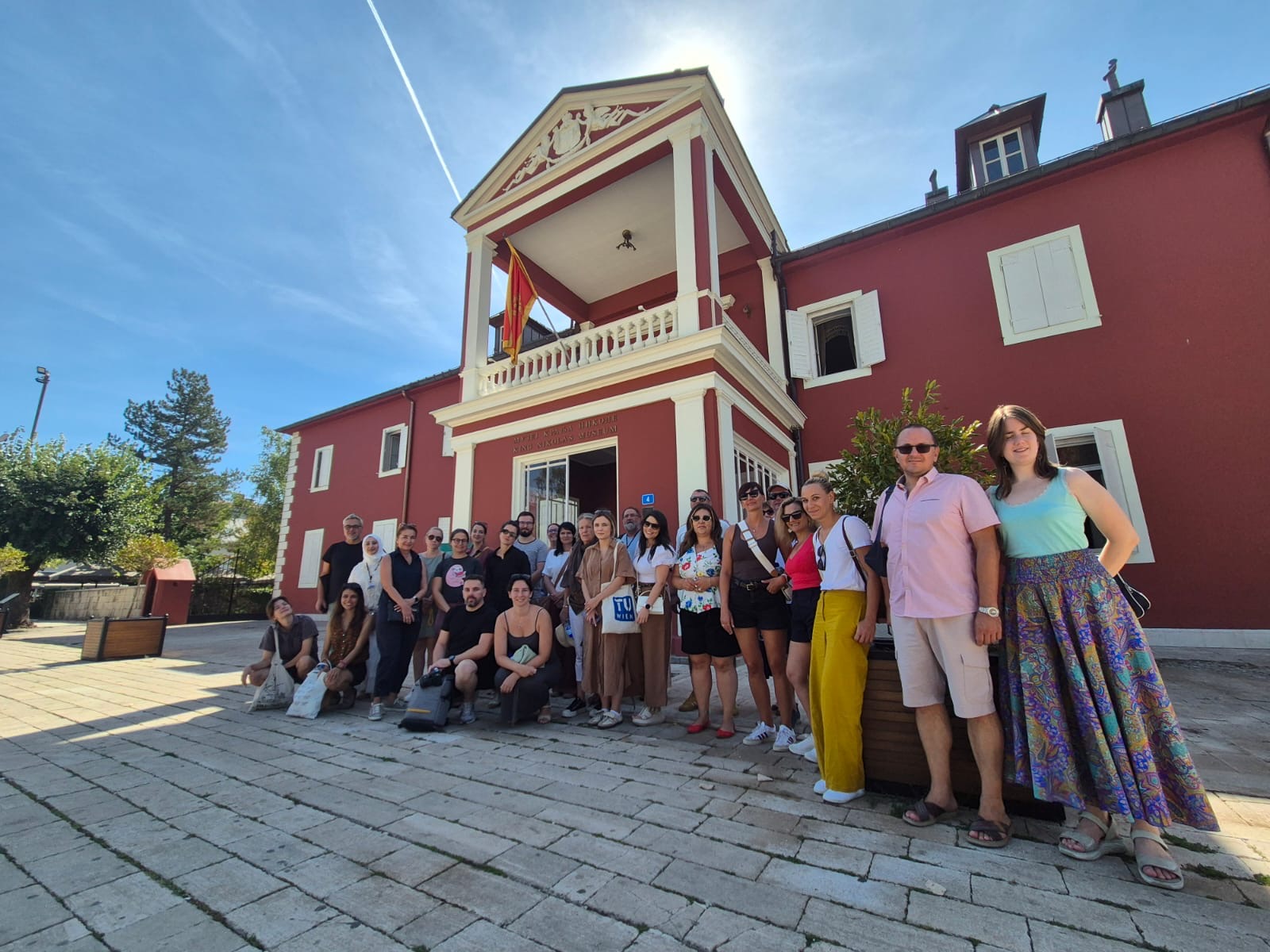
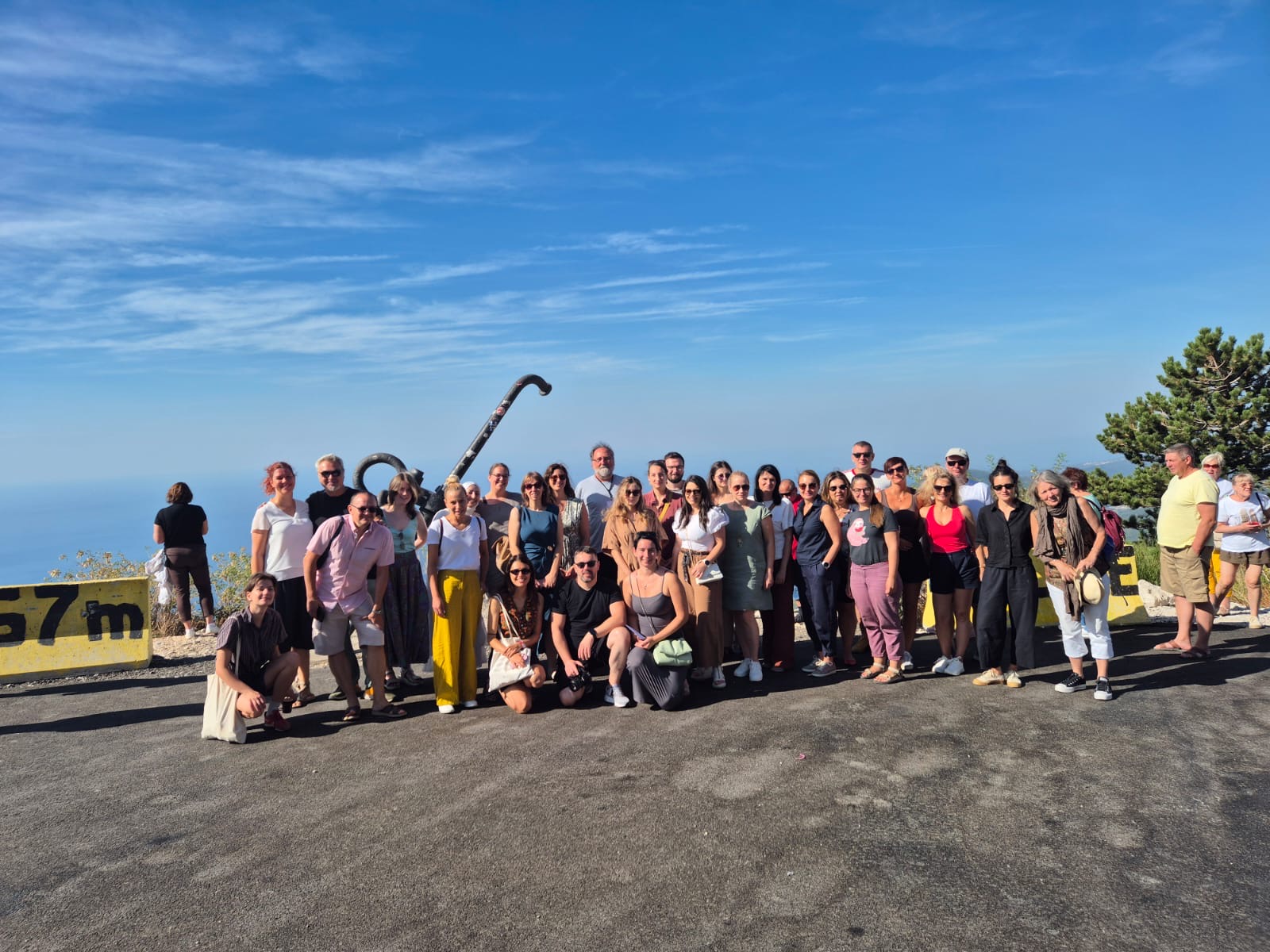
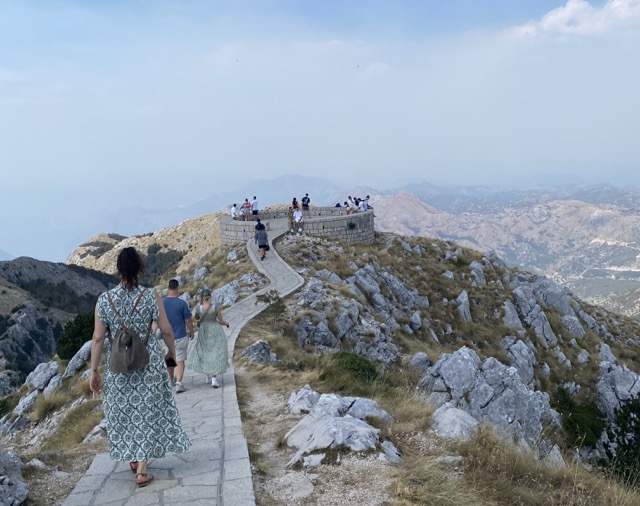
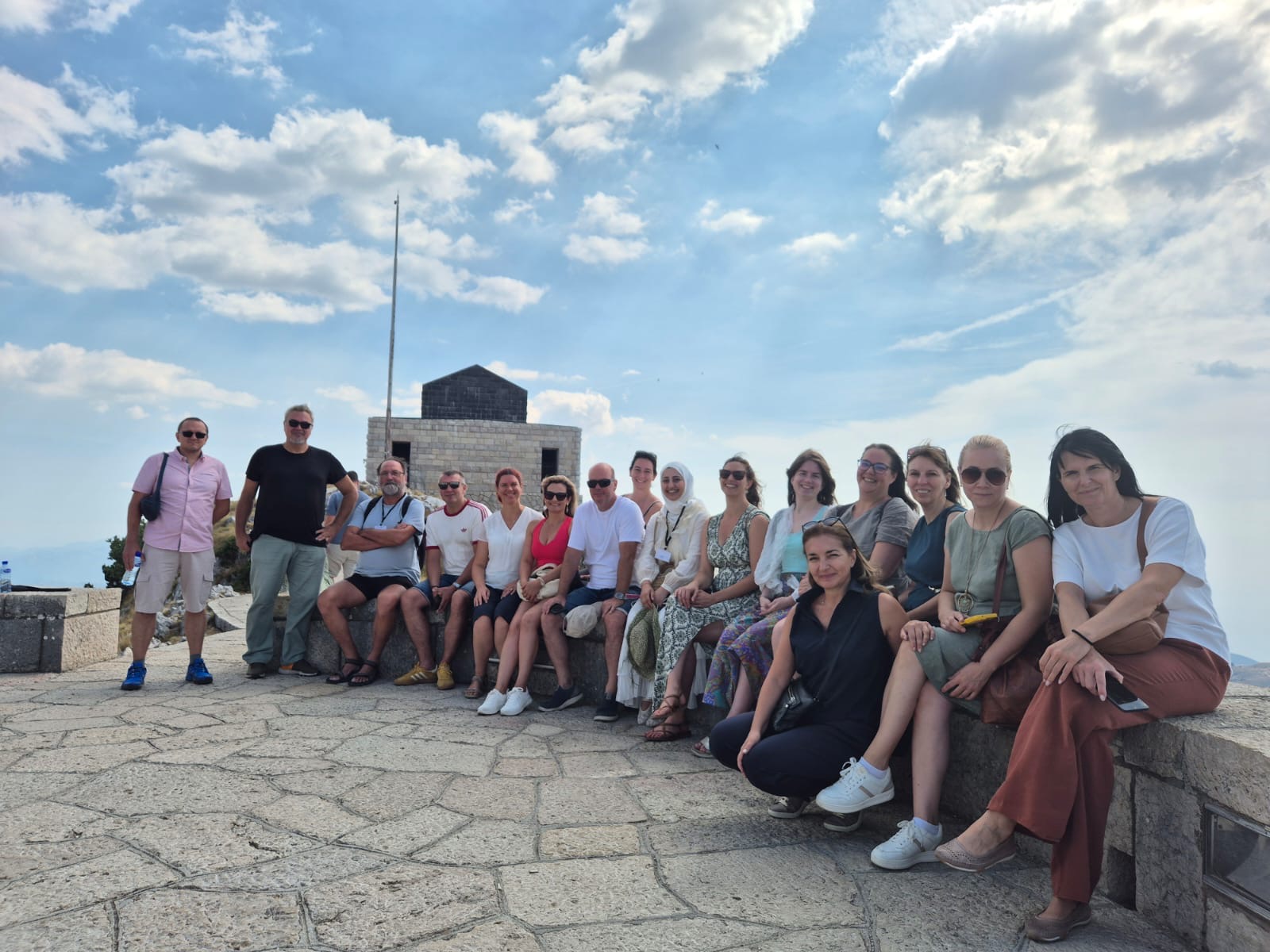
The second day took the partners outside Budva for the study visit. The group travelled to Cetinje, Montenegro's historic royal capital, where the programme focused on experiencing and discussing the authenticity of the local tourism offer. The visit included the Museum of King Nikola, followed by a journey to Mount Lovćen and Njegoš Mausoleum. Visiting these places together offered the group a different perspective from the meeting room and a chance to experience part of Montenegro's cultural heritage and tourism offer directly.
Like many project meetings, some conversations continued after the formal sessions had ended. Coffee breaks, meals and journeys between locations gave partners opportunities to discuss their work in a less structured way, exchange ideas and get to know the experiences behind each other's pilots. There was also some time to enjoy the setting by the coast, with a little swimming for those who found the time between the programme activities.
As the partners returned home, the work continues in their own local contexts. The pilots will move through their next stages, more experiences will feed into the development of the CAST Model and the stories behind these activities will continue to take shape.

07/09/2026
By Rebecca Thorne
Share on social media:


Social
Cooperation

News & Events
Read the most recent updates and explore the upcoming events.




Would you like to receive project updates?
You're already part of our community!
Welcome to our newsletter community!
Subscribe to our newsletter