
Study Visit to Blue Green Infrastructure in Ljubljana and Its Surroundings
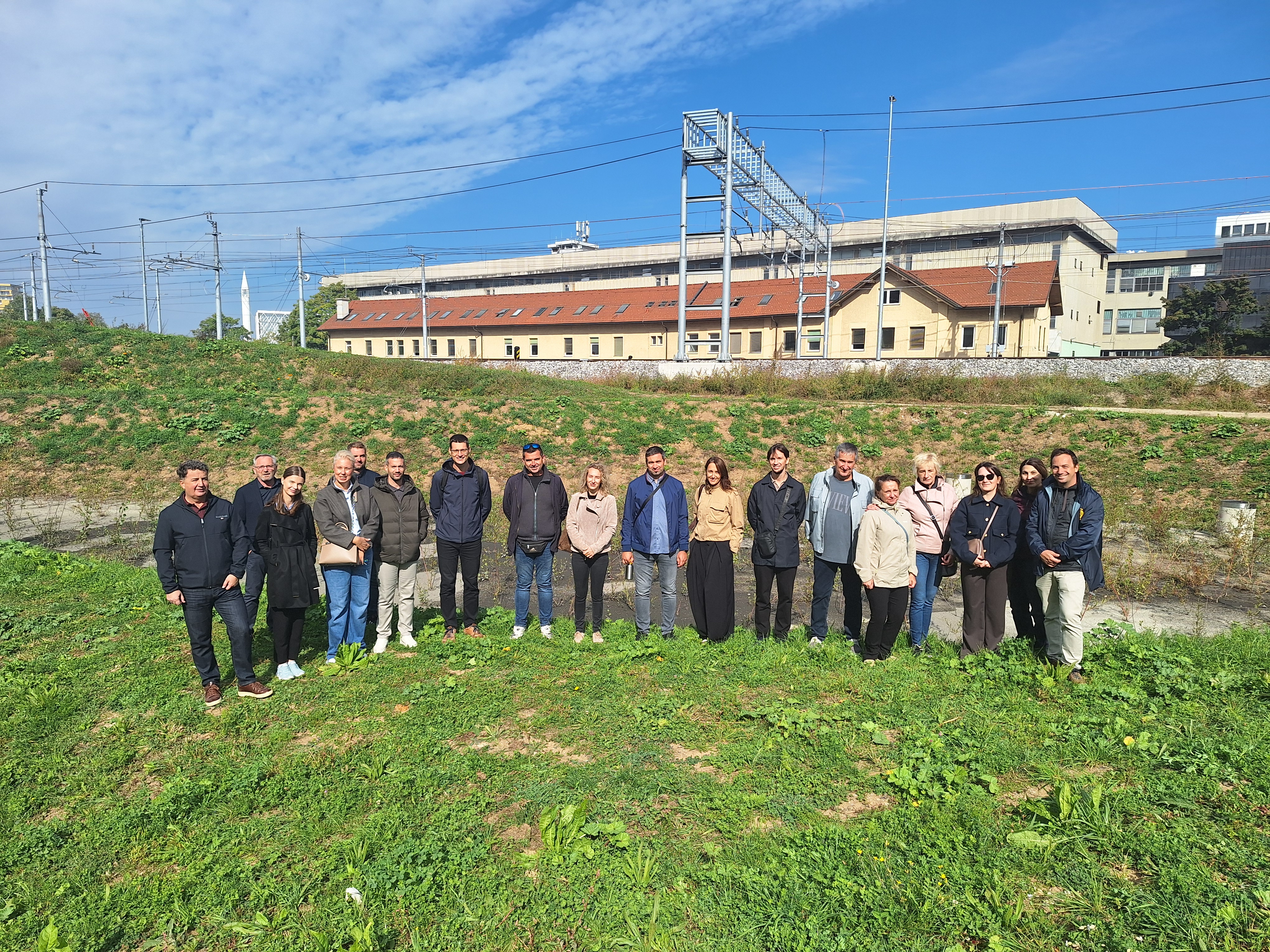
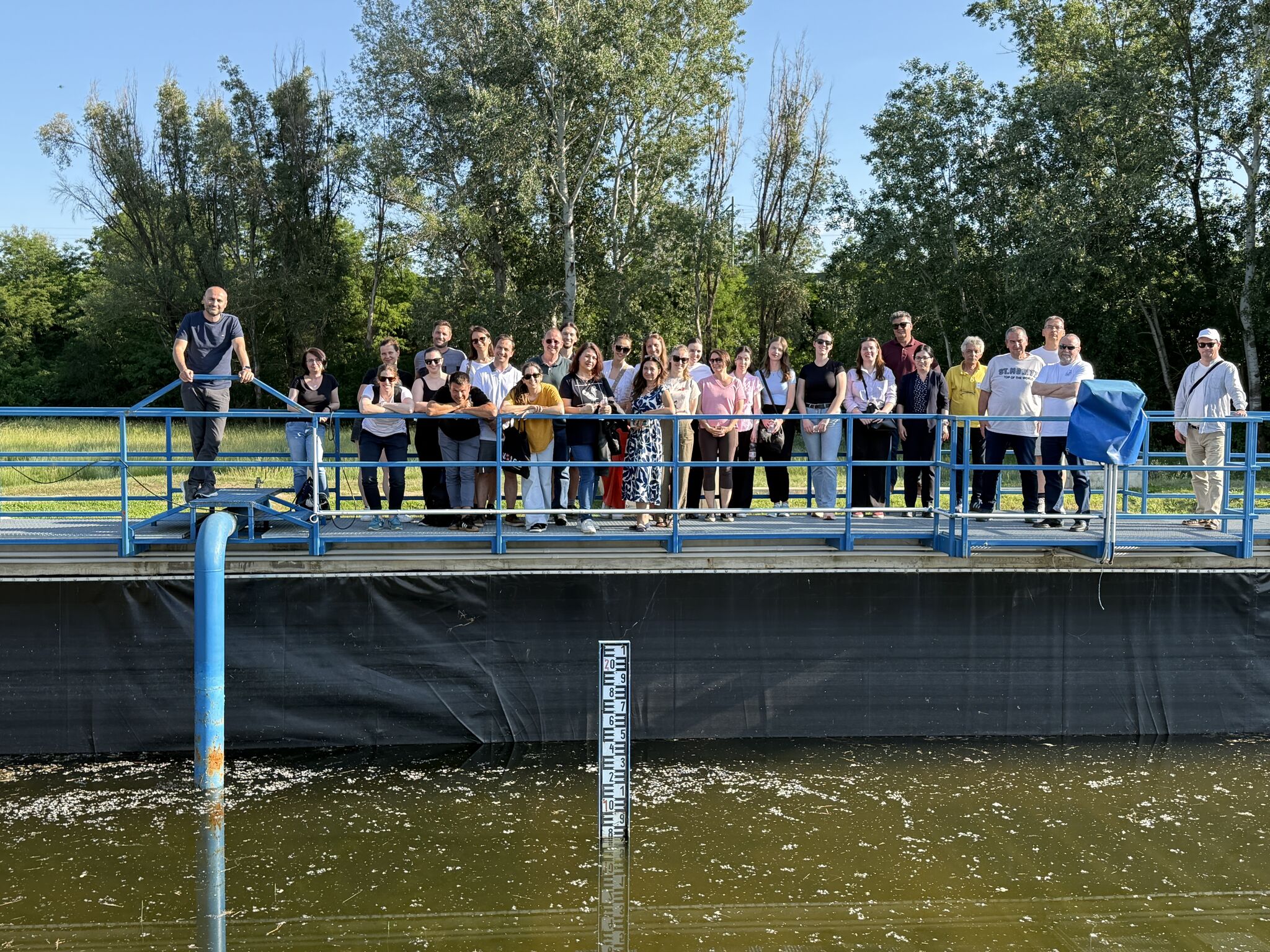
On 6 October 2026, we organised a D-CLEAN study visit to blue-green infrastructure in Ljubljana and the surrounding area. The visit focused on nature-based solutions for stormwater retention and treatment, and on constructed wetlands for wastewater treatment in small settlements. D-Clean partners from Croatia, Serbia and Hungary participated in the study visit.
Introduction at the Faculty of Civil and Geodetic Engineering
The day began at the University of Ljubljana’s Faculty of Civil and Geodetic Engineering, where Dr Matej Radinja introduced the technologies and the programme. The presentation explained how urbanisation changes the water cycle: reduced infiltration and evapotranspiration increase surface runoff and put pressure on sewer systems. Ljubljana’s frequent pluvial flooding and pollution associated with combined sewer overflows provided the local context for exploring nature-based stormwater management.
Morning Walking Tour: Urban Stormwater Management
The morning walking tour covered three examples of blue-green infrastructure. At the faculty, participants visited two rain gardens designed to retain and treat stormwater. The tour continued to an infiltration basin in Tivoli Park. The site illustrates how infiltration facilities can manage rainfall locally, reducing the volume of runoff entering drainage networks. The tour in the city finalized with a willow system on Dunajska cesta for stormwater retention and infiltration in an urban area.
Afternoon Visits: Constructed Wetlands for Wastewater Treatment
After lunch, the group travelled by bus to wastewater treatment sites outside Ljubljana. In Horjul, participants visited a small constructed wetland designed for five population equivalents (PE), representing treatment at household scale.
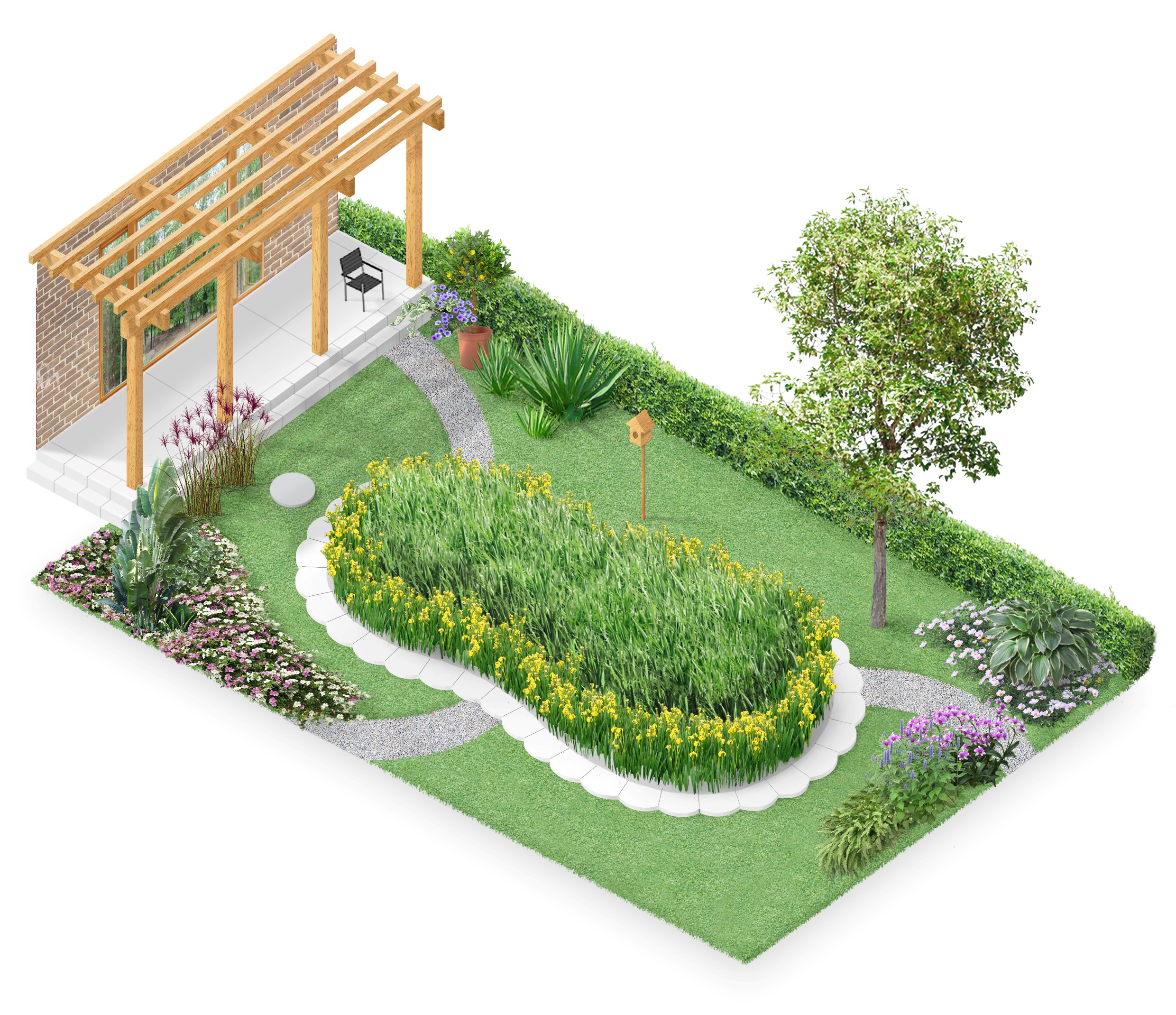
Model of constructed weland by LIMNOS
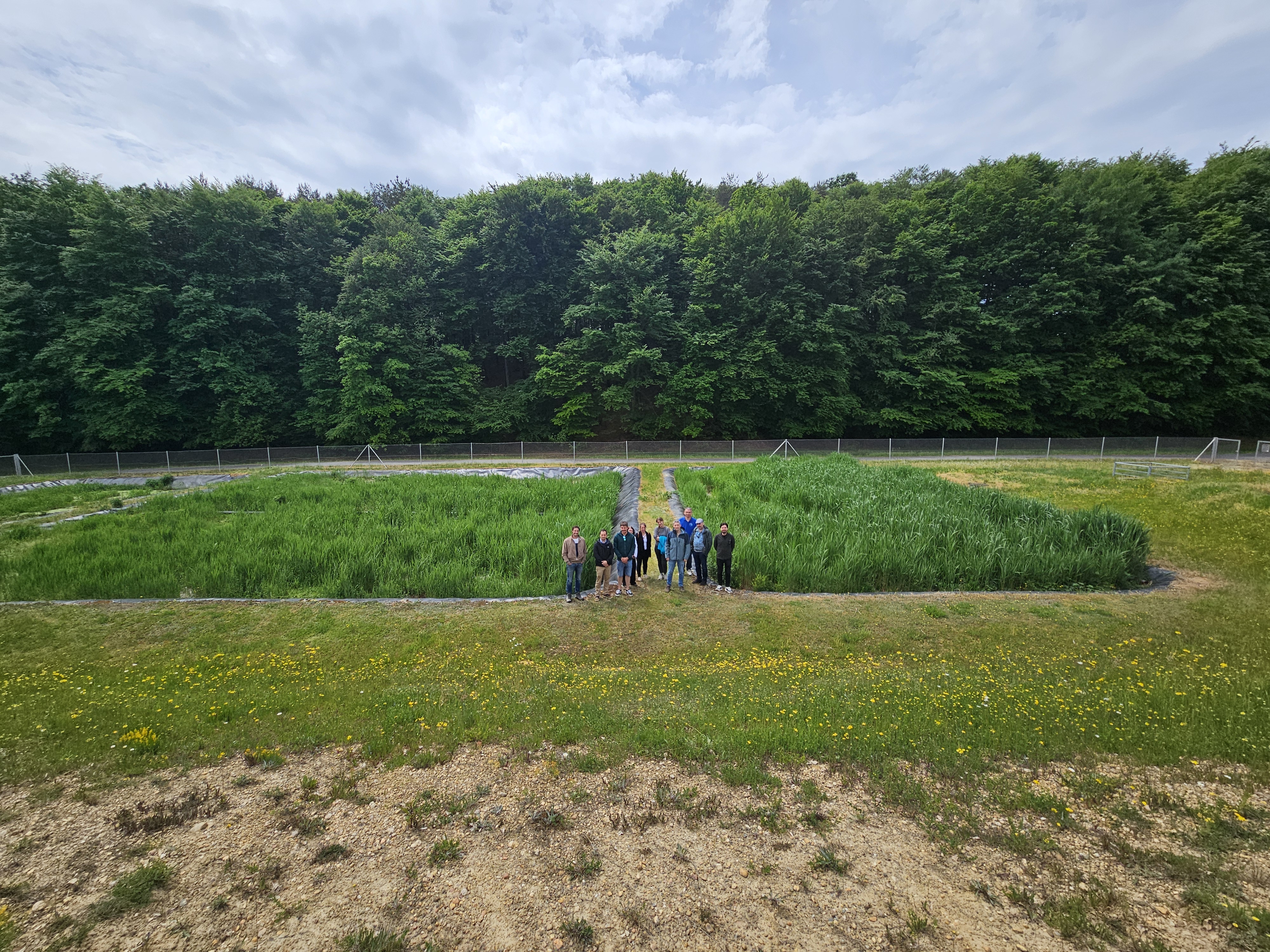
The next stop was the constructed wetland in Rakitna, a horizontal subsurface flow system designed for 870 PE. The two sites provided examples of how constructed wetlands can be applied at different scales in dispersed settlements and small communities.
How Constructed Wetlands Work
The accompanying presentation described the main components and treatment processes of constructed wetlands. Gravel and sand substrates filter and adsorb pollutants while providing surfaces for microorganisms, which contribute to pollutant removal. Wetland plants, including reeds, support treatment through filtration, oxygen introduction and the provision of habitat for microorganisms.
By combining an introductory presentation with five site visits, the programme offered a practical overview of nature-based water management in urban and rural settings, showing how blue-green infrastructure can address different pressures on the water cycle within the same region.
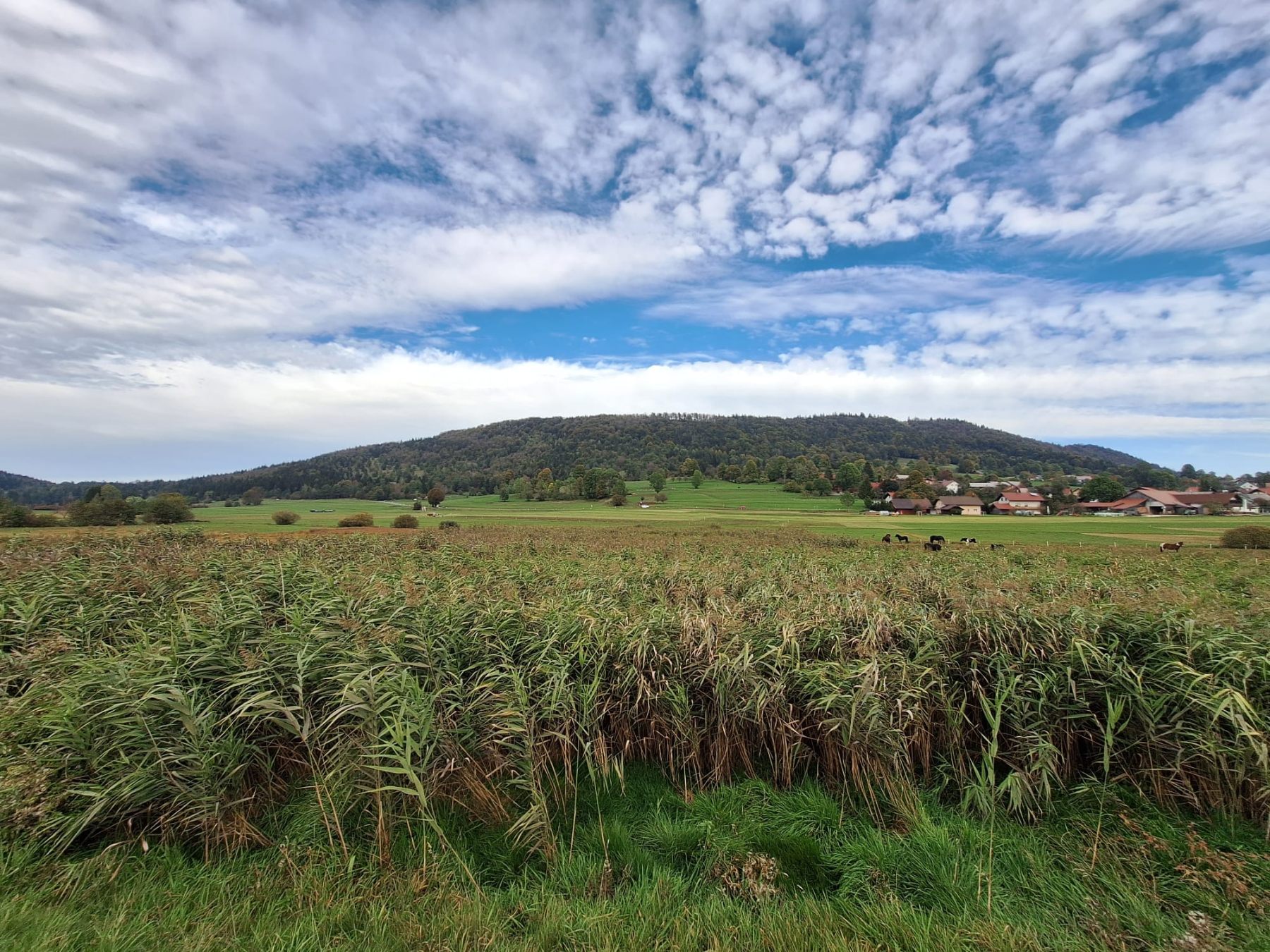
Constructed wetland for a settlement by Mihalic J

12/10/2026
By Katerina Schilling
Share on social media:



News & Events
Read the most recent updates and explore the upcoming events.








Would you like to receive project updates?
You're already part of our community!
Welcome to our newsletter community!
Subscribe to our newsletter