
Laying the groundwork for evidence-based action in IMPACTA
During the current reporting period, our consortia focused on a key preparatory phase of the project: building the common methodological and analytical foundation for the work ahead. This period was especially important because it helped transform the project’s initial objectives into a structured, shared approach that can support later pilot actions, policy development, and strategic planning across the Danube Region.
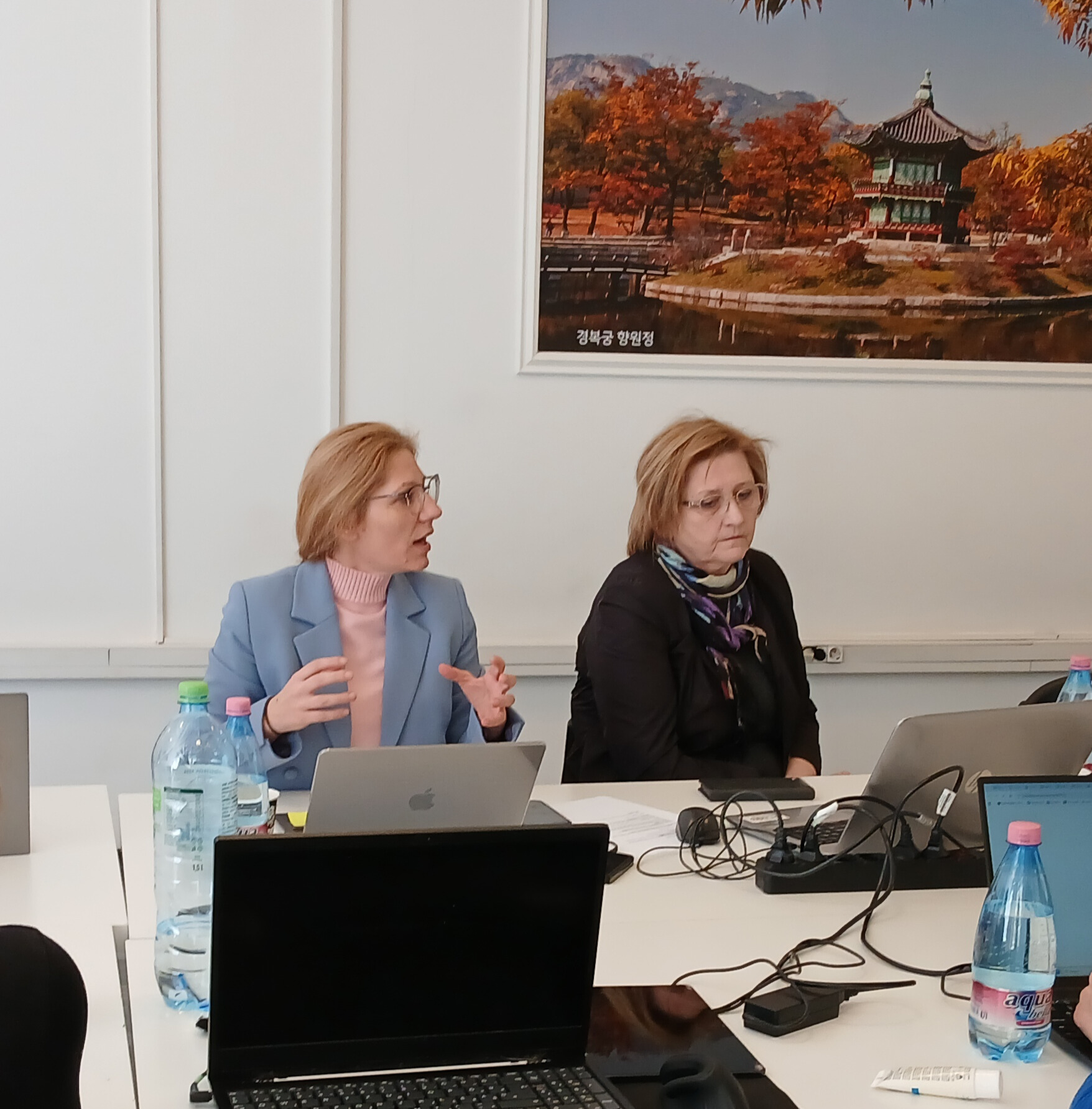
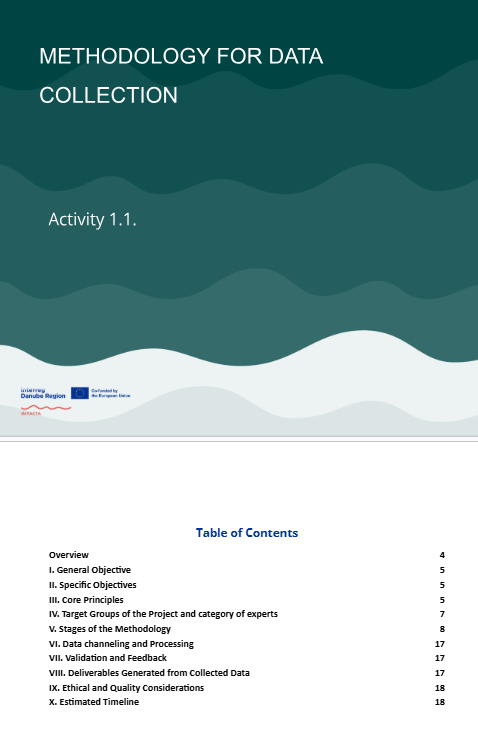
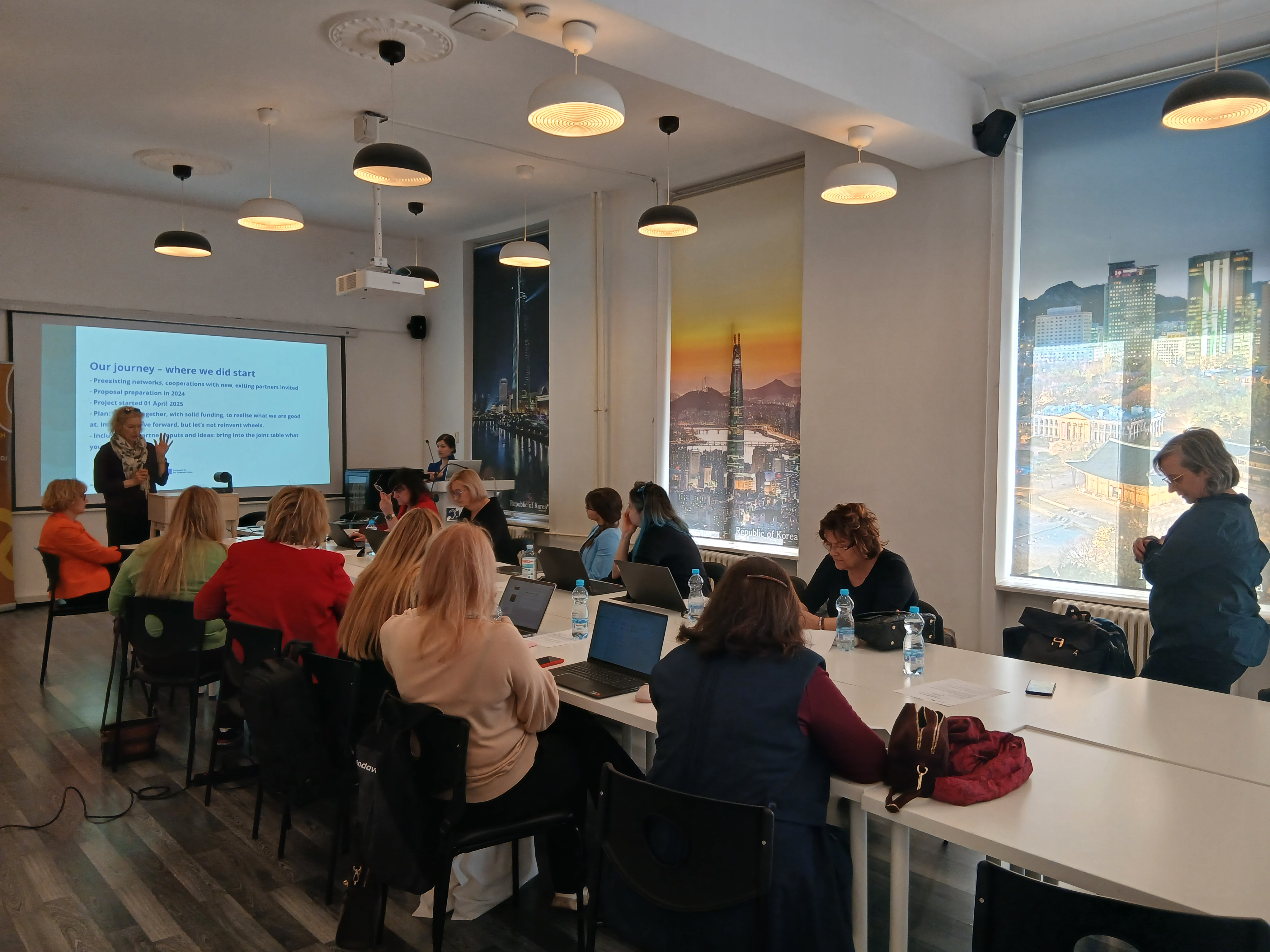
One of the main achievements of this phase was the development of the Methodology for Data Collection under Activity 1.1 – Capitalisation on existing knowledge. While AFAM (Moldova) is the responsible partner for this activity, the methodology was developed through a broader consortium-level process. It reflects partner feedback, shared reflection, and joint professional input from across the partnership. This was important not only for the quality of the document, but also for ensuring that the approach is relevant, applicable, and comparable across all partner countries.
The methodology sets out a harmonized, participatory, and comparative framework for collecting and analysing information on women’s entrepreneurship, labour market integration, and social innovation. Its purpose is to establish a solid evidence base for the project’s next steps, including future joint strategies and national action plans. In practical terms, it helps the partnership work with a shared logic while still allowing space for national and regional specificities.
The methodology defines the main stages of work, including desk research, expert interviews and focus groups, benchmarking of relevant practices, data processing, and the validation of findings through stakeholder feedback. It also clarifies how the collected evidence will feed into the project’s main analytical outputs.
The work under Activity 1.1 directly supports three important deliverables: D1.1.1 Strategic Diagnostic Review and Contextual Analysis, D1.1.2 Analysis and Policy Review, and D1.1.3 Benchmarking Analysis. Together, these outputs will help the partnership better understand the needs, barriers, policy environments, and support structures affecting women business actors across the participating countries. They will also provide practical knowledge for later project phases, including the design of strategies, action plans, and transferable solutions.
A strong value of this period’s work lies in the fact that it created a common analytical language for the partnership. The agreed framework is based on core principles such as comparability, contextual sensitivity, participation, and evidence-based orientation. This gives the project a stronger foundation for transnational learning and supports the development of solutions that are both locally grounded and jointly shaped at Danube Region level.
The methodology also confirms that the project is looking at a diverse range of target groups and structural challenges. These include barriers faced by young women, rural women, undereducated women, ethnic minorities, refugees and displaced persons, women-led start-ups and SMEs engaged in social innovation, as well as women investors and other actors who contribute to inclusive entrepreneurship ecosystems. By mapping these realities in a structured way, the partnership is better equipped to design responses that are targeted, practical, and sensitive to different contexts.
Overall, this reporting period was about building the knowledge base that future IMPACTA activities will rely on. It marked an important step from project design toward evidence-informed implementation. By working together on a shared methodology and preparing the ground for coordinated data collection and analysis, the partnership strengthened its capacity to develop meaningful, gender-sensitive, and actionable responses in support of women’s entrepreneurship and social innovation in the Danube Region.

19/03/2026
By Renáta Anna Jaksa
Share on social media:


Social

News & Events
Read the most recent updates and explore the upcoming events.



Would you like to receive project updates?
You're already part of our community!
Welcome to our newsletter community!
Subscribe to our newsletter