

Learning from Practice: Why Study Visits Matter in IMPACTA - Belgrad
Study visits are an important part of IMPACTA because they help us connect the project’s research and partnership discussions with real entrepreneurial journeys. Since we are working on women’s entrepreneurship, social innovation, and labour market inclusion, it is especially valuable for us to see concrete examples of women-led businesses, hear directly from founders, and better understand how values, identity, and economic activity come together in practice. These visits help us move beyond theory and see what entrepreneurship looks like in real life, and why tailored support structures matter.
In IMPACTA, this is particularly relevant because we do not approach entrepreneurship only as a business issue, but also as a possible pathway to empowerment, inclusion, and wider social impact. Study visits, therefore, give us inspiration, practical insight, and a stronger shared understanding when we think about future tools, pilots, and support models.
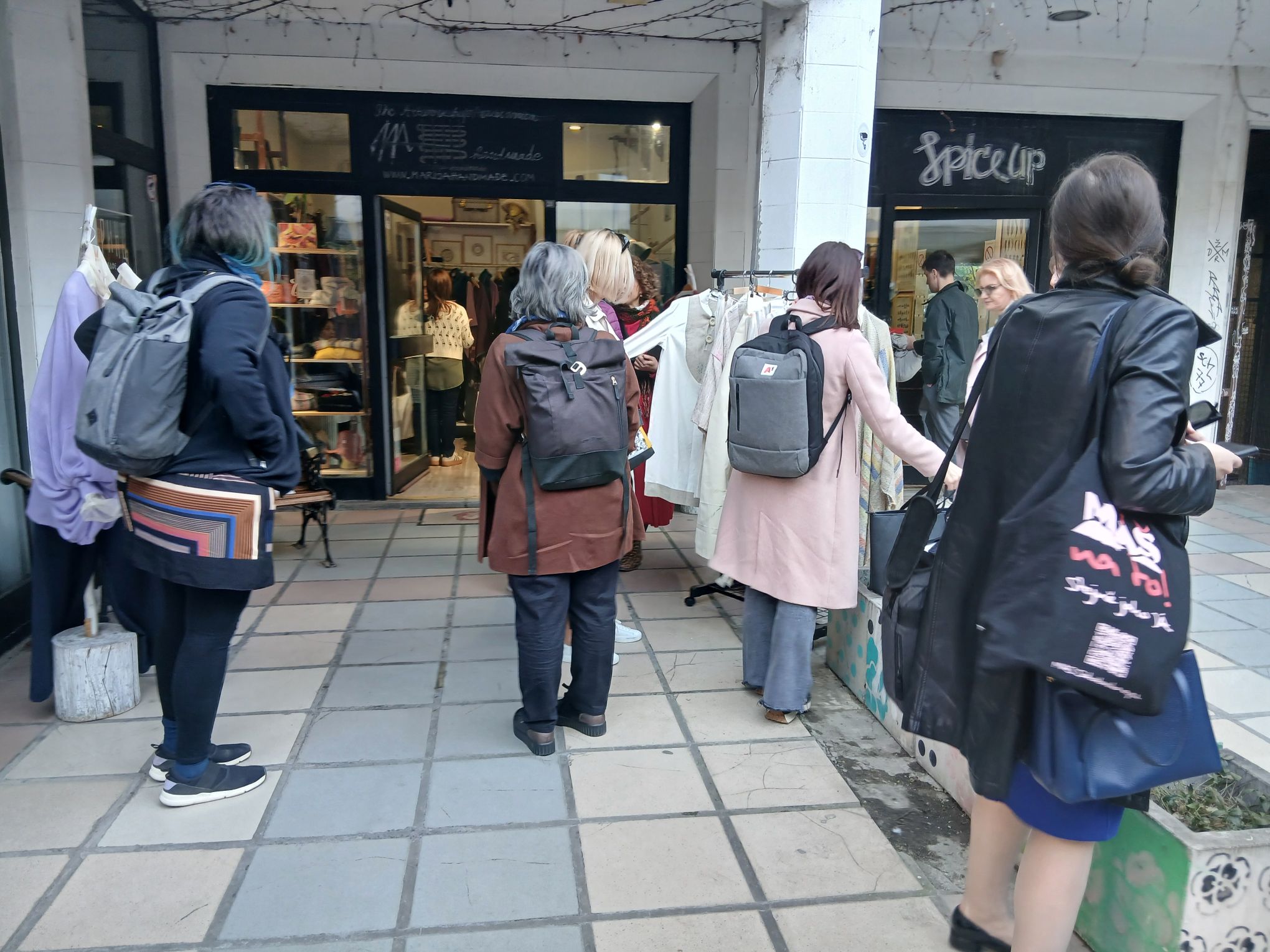
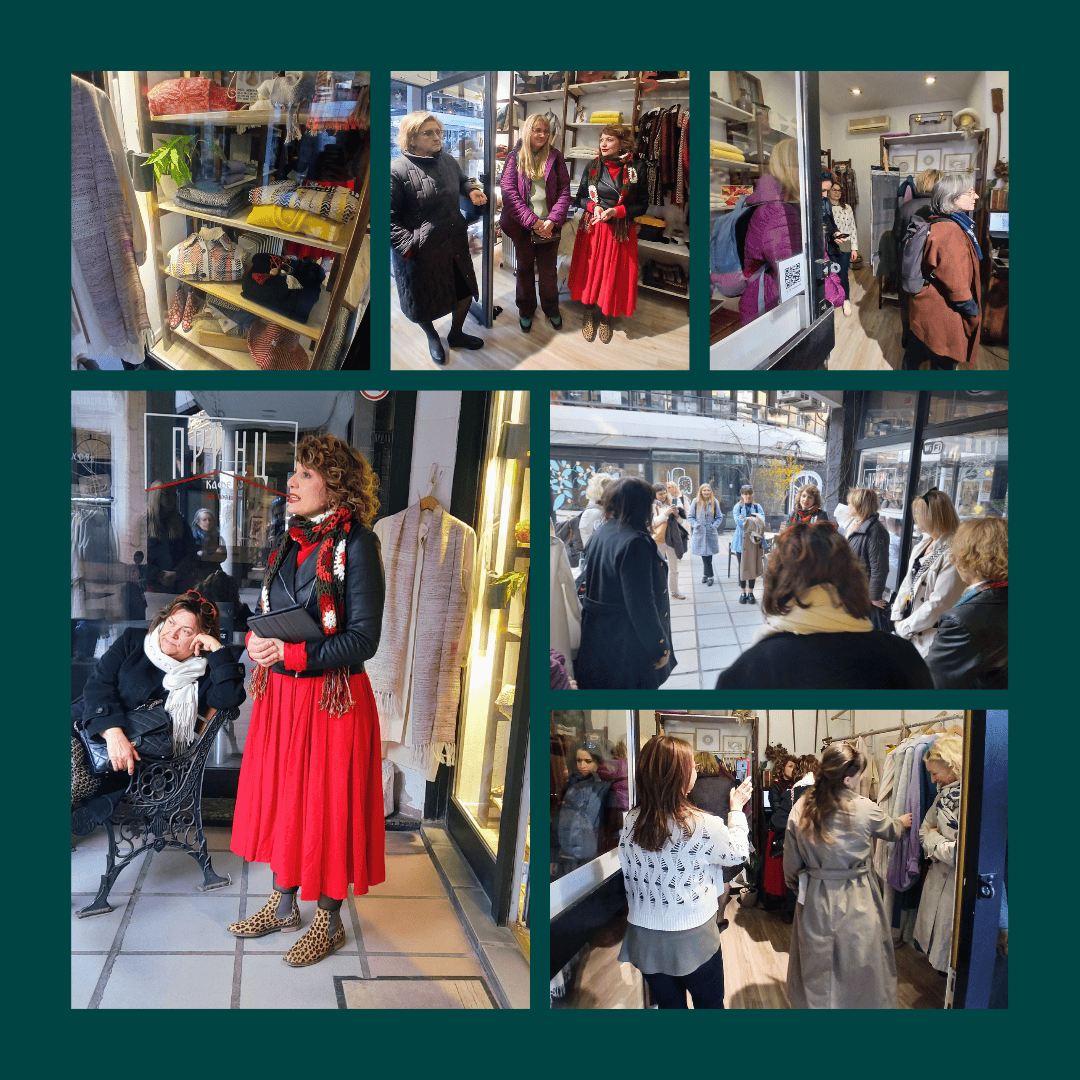
On the afternoon of the first day of our Belgrade meeting, we visited the workshop of Marija Handmade, where the founder welcomed us and introduced the story behind the brand. She spoke about how the business started, how it developed over the years, expanded internationally and what they create in the atelier today. For us, the visit offered a closer look at a women-led enterprise that has built its identity around heritage, craftsmanship, and environmentally conscious production.
Marija Handmade is a brand shaped by a long-term commitment to tradition, authenticity, and sustainable fashion. Its work is rooted in the preservation of traditional textile techniques and in the creation of distinctive fabrics, garments, and home textile products. The founder, a textile designer, draws on older production methods and reinterprets Serbian folk motifs in contemporary forms. Natural materials such as wool, cotton, silk, linen, and hemp play a central role in this process, alongside careful, hands-on techniques including weaving, knitting, sewing, and dyeing.
For us, the story of the brand was especially meaningful because it reflected several themes that are central to IMPACTA: women’s entrepreneurship, creativity, sustainability, and social value creation. It also showed us how cultural heritage can become part of a viable business model, and how entrepreneurship can create space for both economic independence and broader community significance.
The founder’s work has also received important recognition over the years, including awards related to women’s entrepreneurship and creative enterprise development. Her international recognition in 2024 as one of the global ambassadors of female entrepreneurship further underlined the wider relevance of her journey. For us, this made the visit not only inspiring, but also highly relevant as a real-life example of how women-led businesses can combine market presence with strong social, cultural, and ecological values.
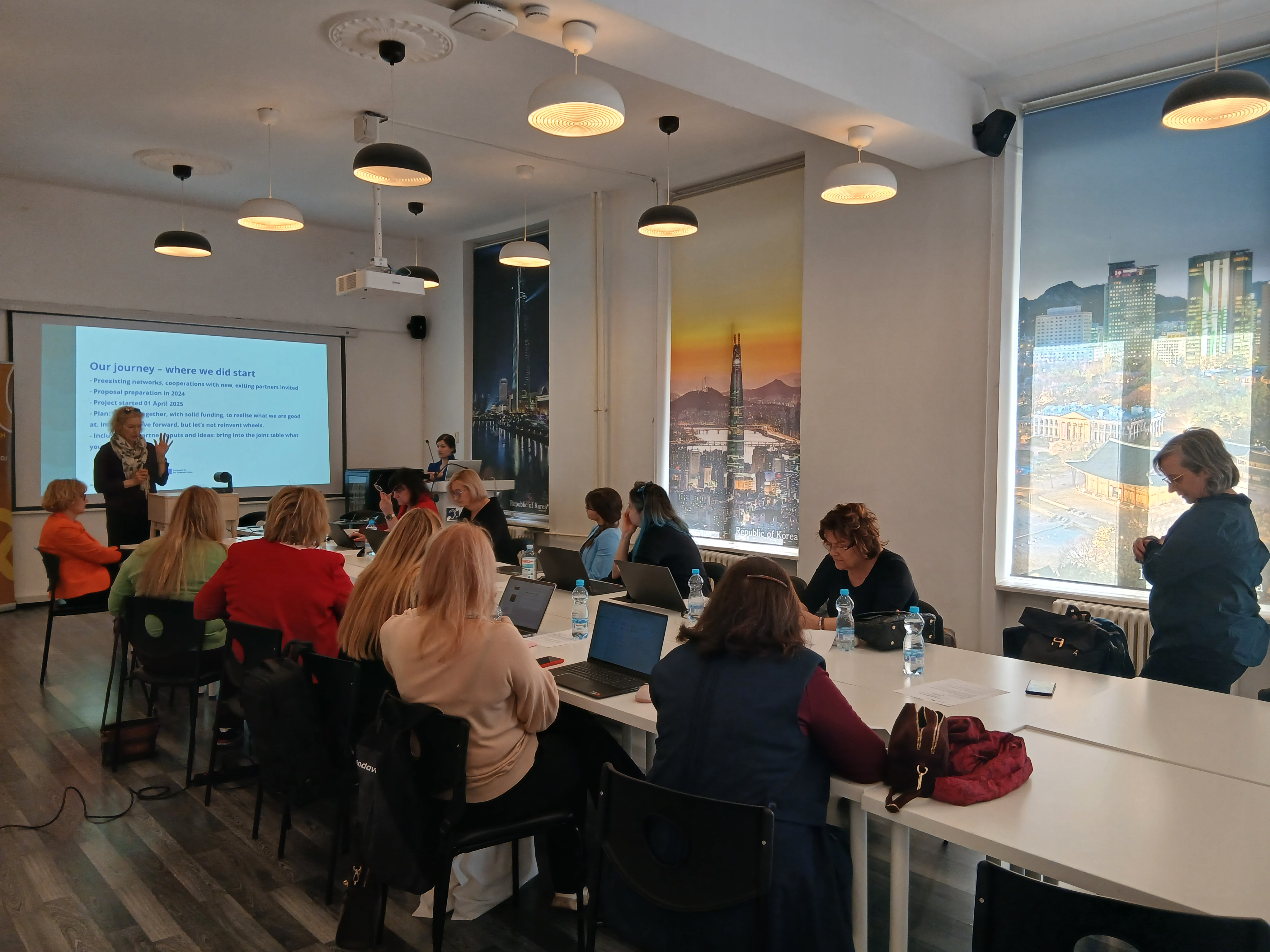
As part of our Belgrade meeting, the visit added an important practical dimension to the programme. It reminded us that behind every methodology, policy discussion, or pilot concept, there are real entrepreneurial paths shaped by persistence, vision, and lived experience. This is exactly why study visits matter in IMPACTA: they help us ground transnational learning in real stories that can inform more relevant and more human-centred project outcomes.

19/03/2026
By Renáta Anna Jaksa
Share on social media:


Social

News & Events
Read the most recent updates and explore the upcoming events.







Would you like to receive project updates?
You're already part of our community!
Welcome to our newsletter community!
Subscribe to our newsletter