
Stakeholder Workshop on Sturgeon Conservation Priorities in Austria and Bavaria
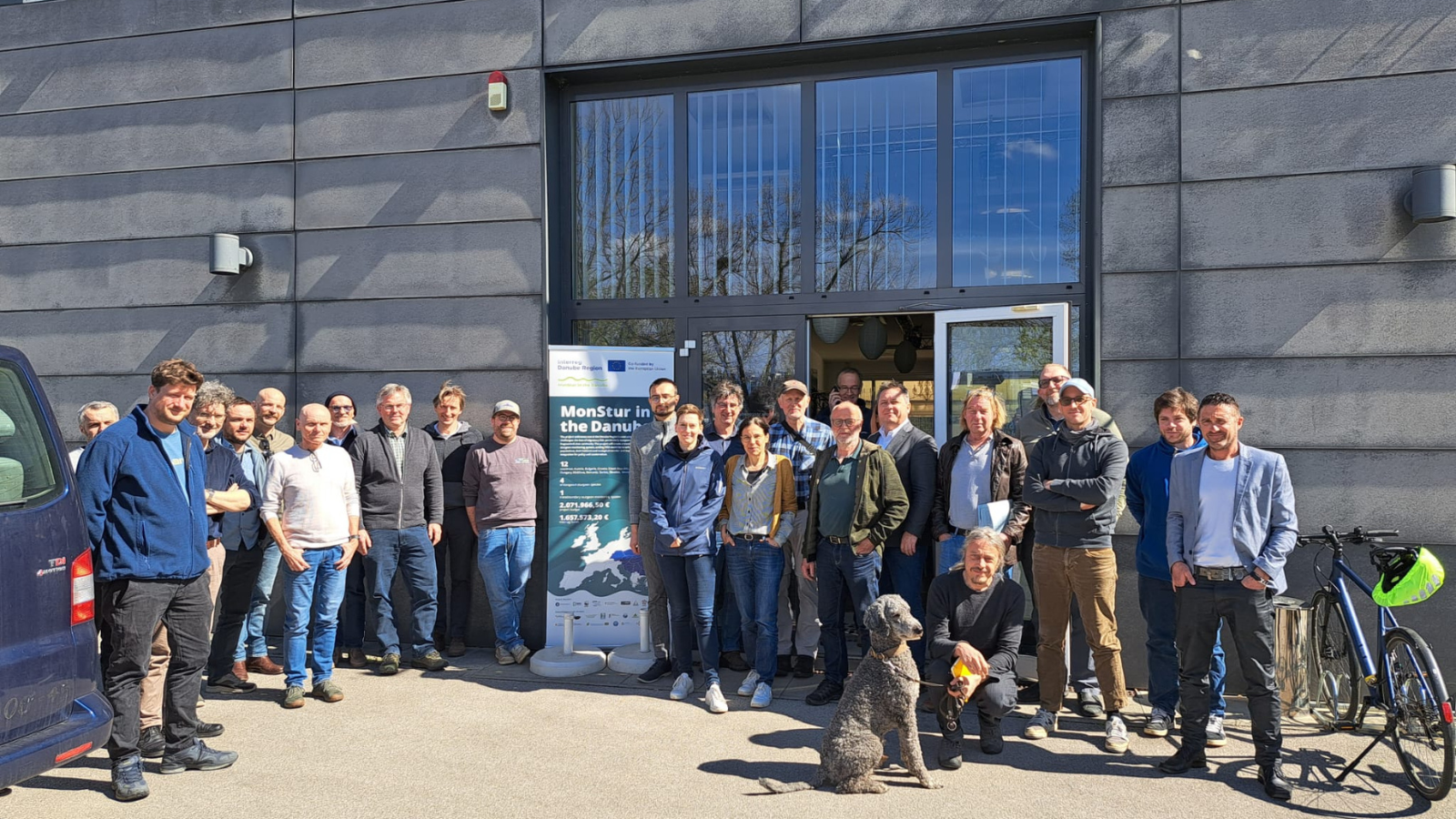
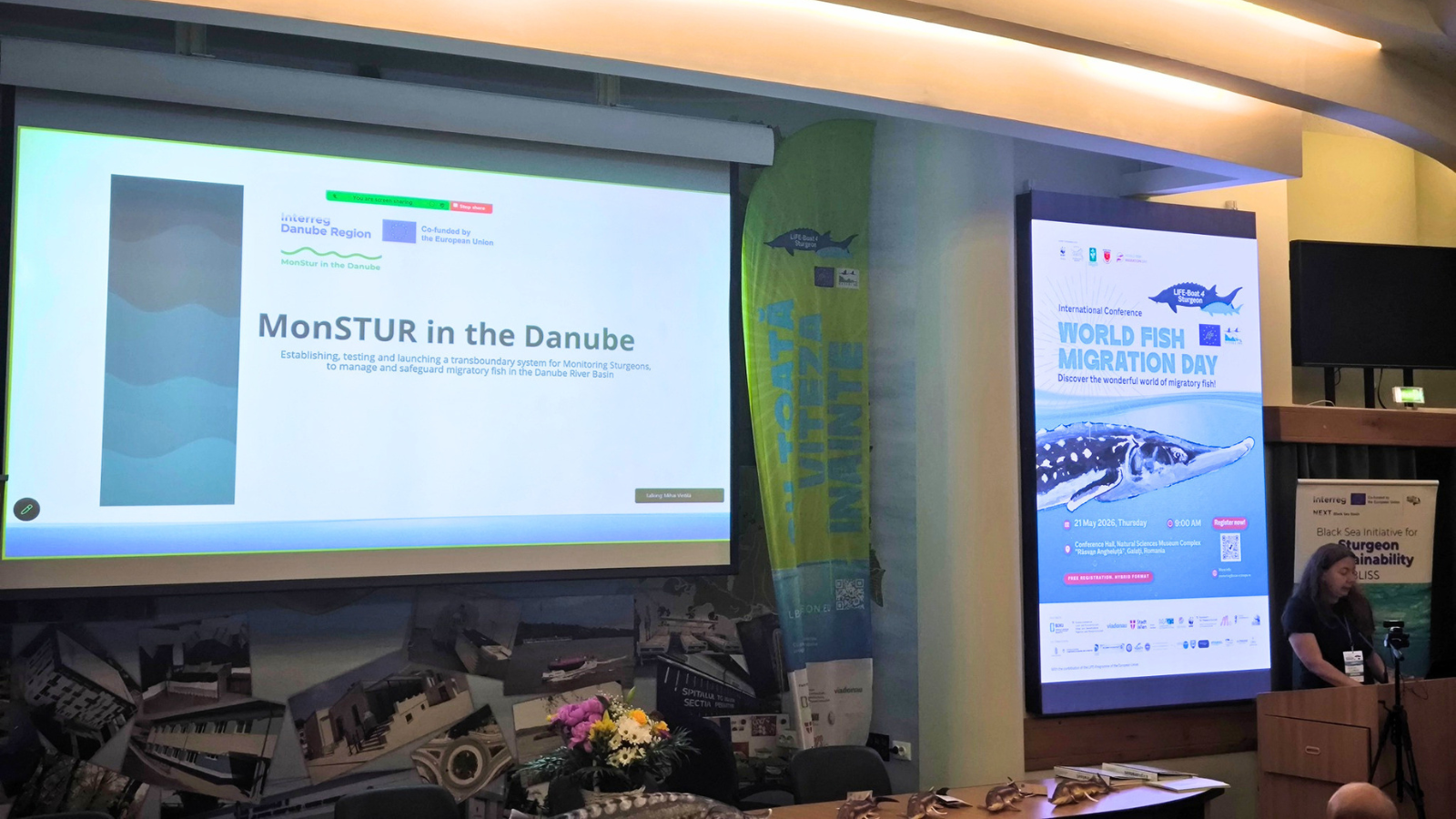
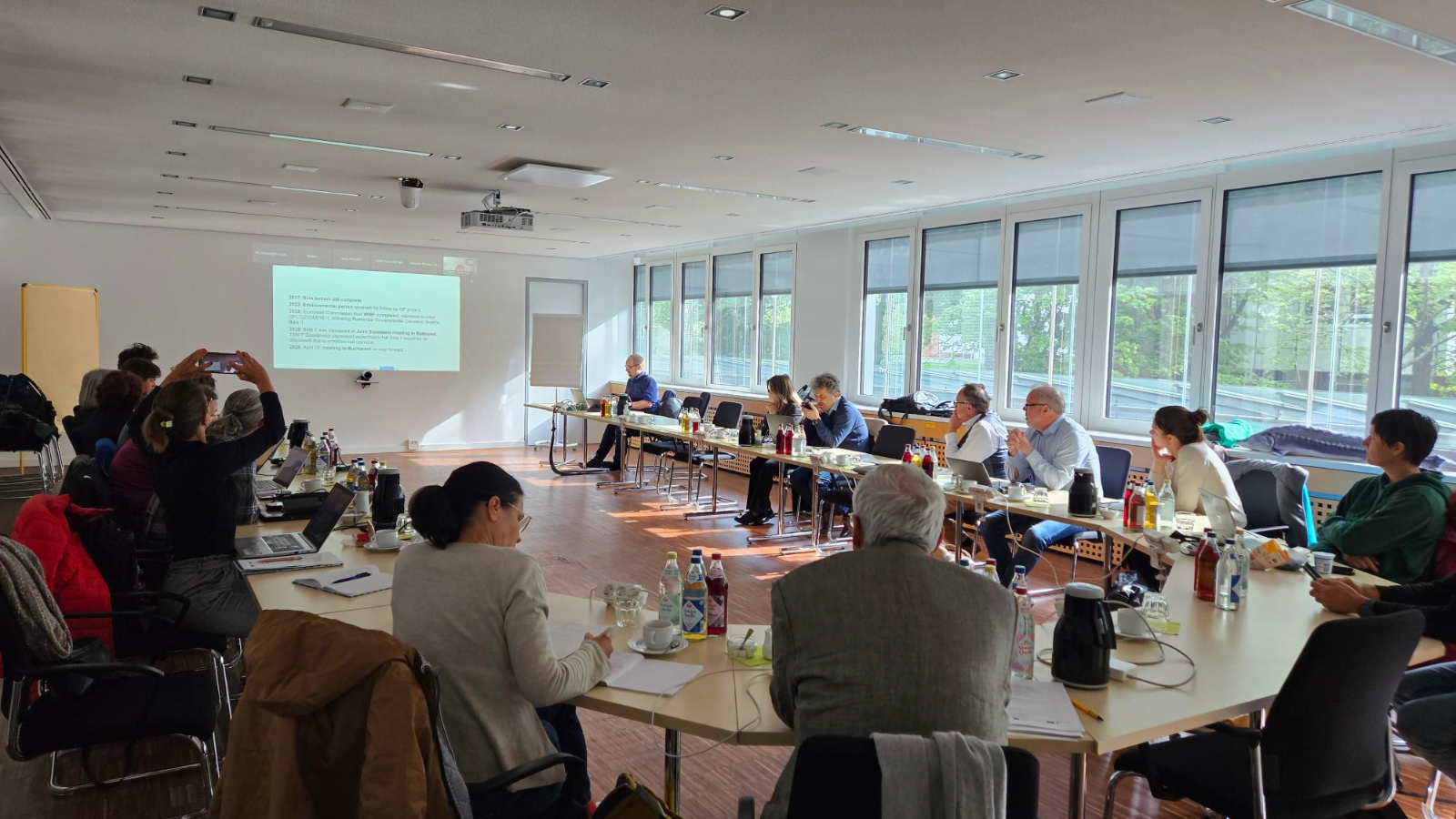
Within the framework of the Bern Convention, a pan-European action plan for sturgeon was adopted by all 50 member states. The plan was recommended for implementation under the Habitats Directive, and the environment ministers of all Danube riparian states, within the framework of the International Commission for the Protection of the Danube, also committed themselves to implementing this plan and the conservation measures it outlines. The European framework plan explicitly recommends the development of national implementation strategies and, in the case of transboundary sturgeon populations, close coordination with neighboring countries. "MonStur in the Danube – Establishing, testing and launching a transboundary system for monitoring sturgeons, to manage and safeguard migratory fish in the Danube River Basin" project aims to contribute to this and invited stakeholders to a workshop on April 9th on Danube Island for the "LIFE-Boat4sturgeon" event. During this workshop, priorities for the protection of the sterlet, as well as long-term perspectives for other sturgeon species in the Danube in Austria and Bavaria, were discussed and developed.
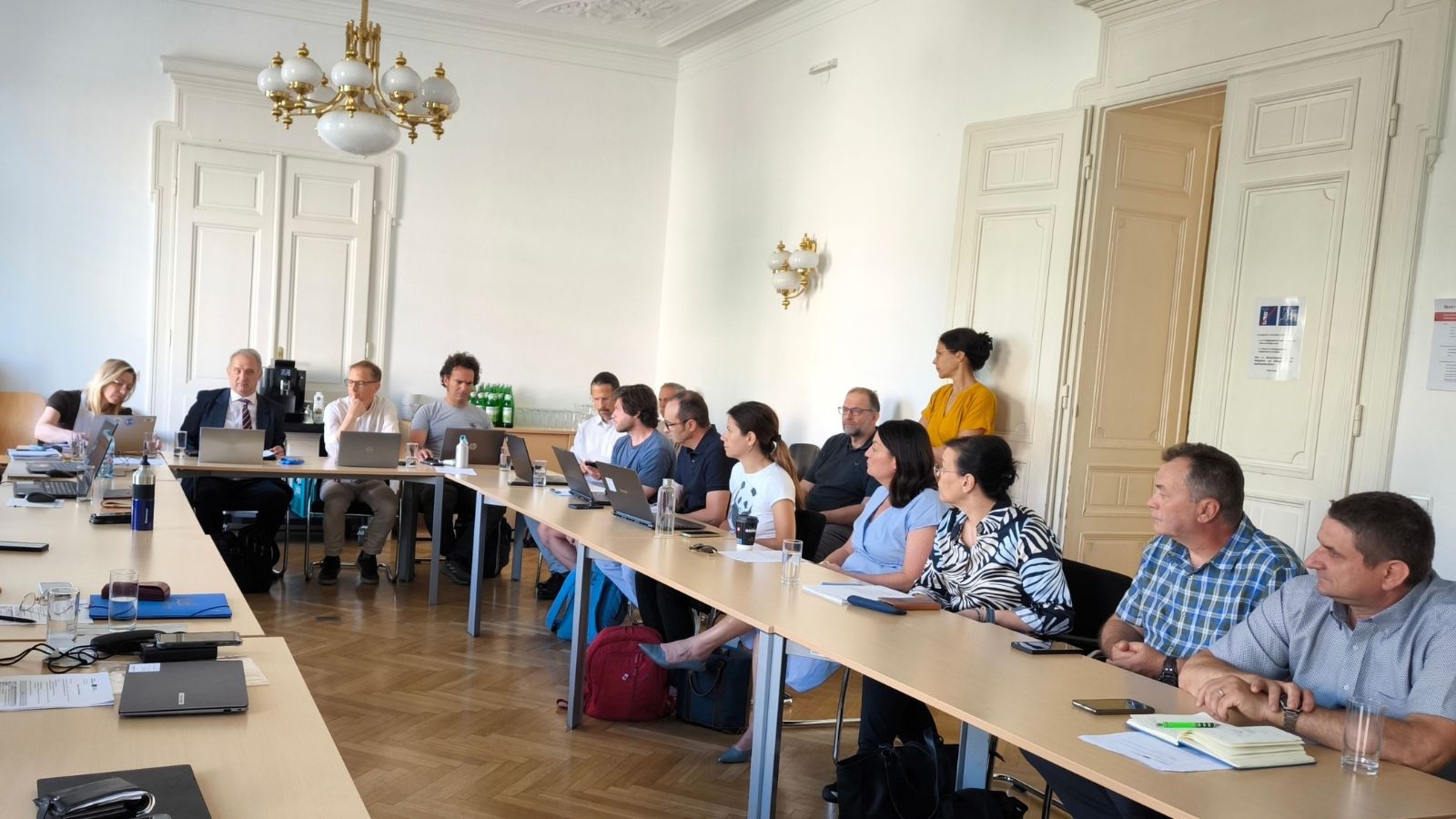
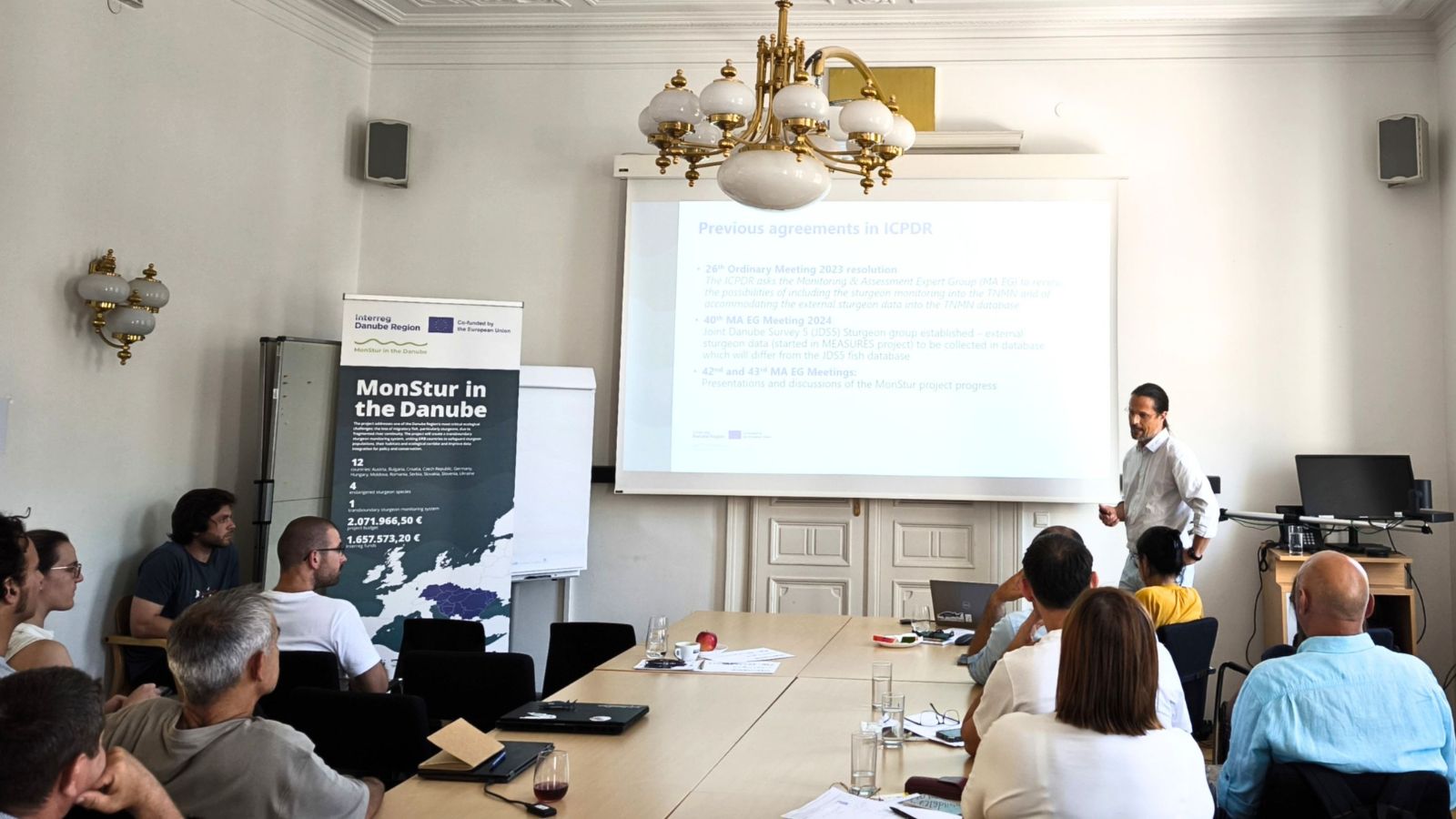
Overall 32 Participants attended the 1 day workshop, 9 Participants were from Bavaria, 22 from Austria including four federal districts, who are responsible for the fisheries and conservation laws in Austria, plus the secretary of the ICPDR. The participants represented a wide variety of responsibilities including water management, fisheries and angling, authorities for waterways and shipping.
The discussions touched upon various topics ranging from population monitoring, identification of critical habitats. Particular emphasize was put on the topic of breeding and conservation stocking, as Austria plays a key role for holding a broodstock for all 4 Danube species, established in the ongoing project LIFE-Boat4sturgeons - and thus has a key role beyond Austrian borders for the conservation of sturgeons in the Danube and Black Sea Basin. Besides Slovakia and Croatia, Austria is the last country that still allows a regulated taking of sterlets by anglers. The possibilities to change the Austrian regulations in all relevant federal districts, was discussed intensively/controversially. Another important context in the highly fragmented German Austrian Danube is the passability for sturgeons through existing hydropower dams. The fact that sterlets have been documented to drift downstream through the dams but can not come back upstream must be tackled in the future Action Plan.
This workshop was the last of three parallel workshops and the first step towards a cross-border action plan. In a follow-up workshop in 2027, the results from the Austrian/Bavarian workshop will be combined with those from a Slovak and a Hungarian workshop, culminating in a cross-border implementation strategy (action plan).

22/04/2026
By Cristina Curelea
Share on social media:



News & Events
Read the most recent updates and explore the upcoming events.


Would you like to receive project updates?
You're already part of our community!
Welcome to our newsletter community!
Subscribe to our newsletter