
Climate Breakfast Club Sessions
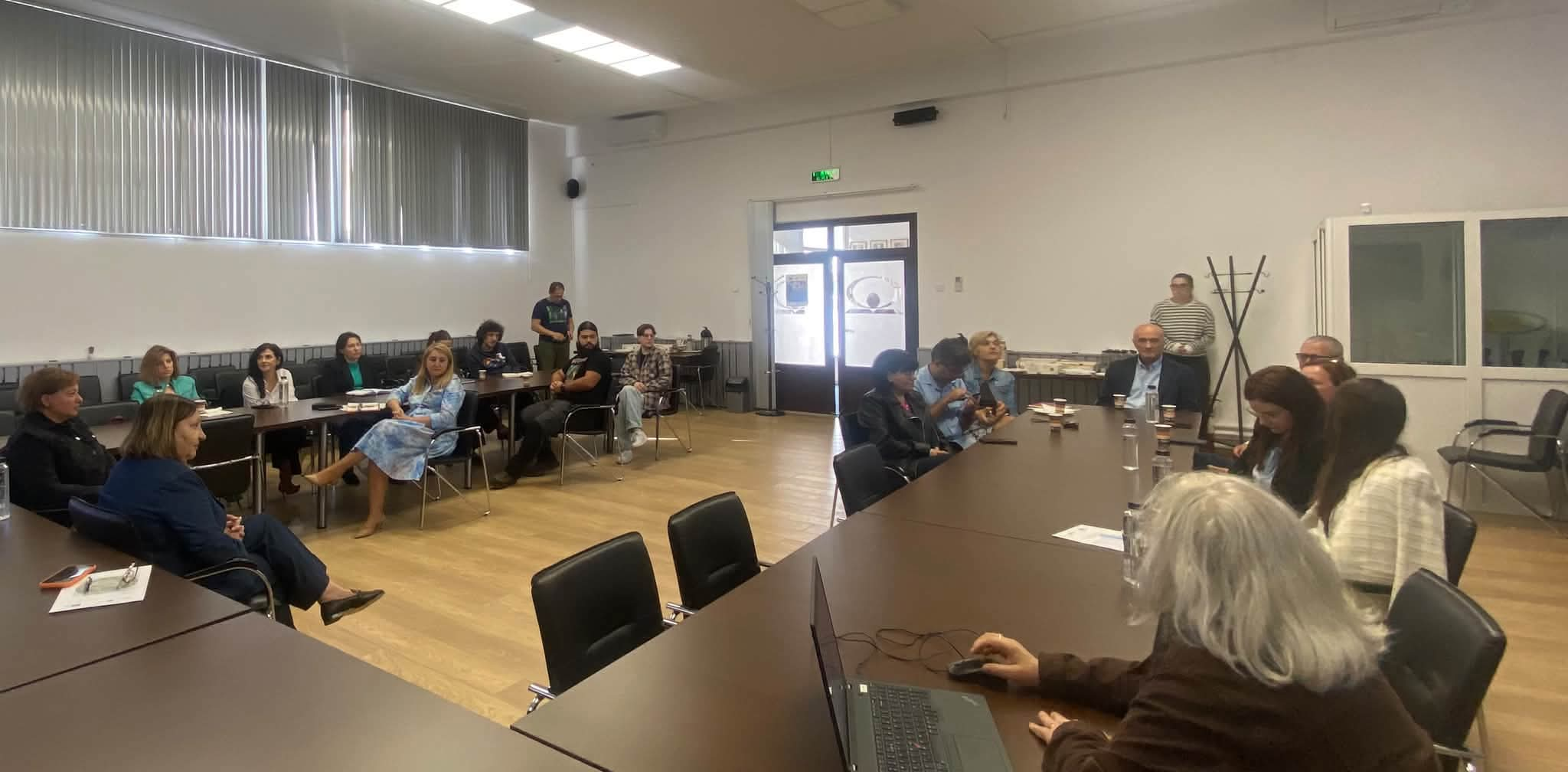
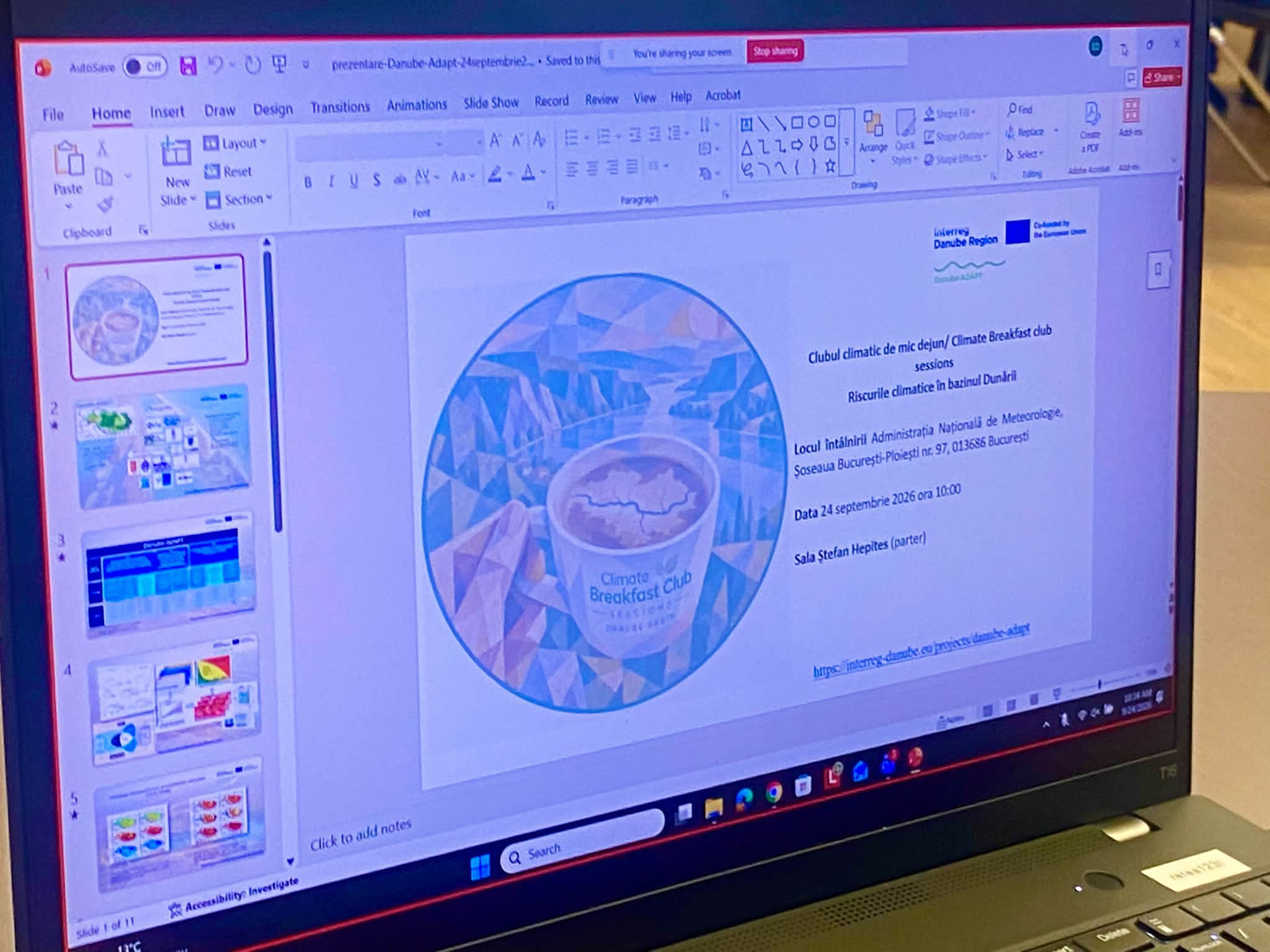
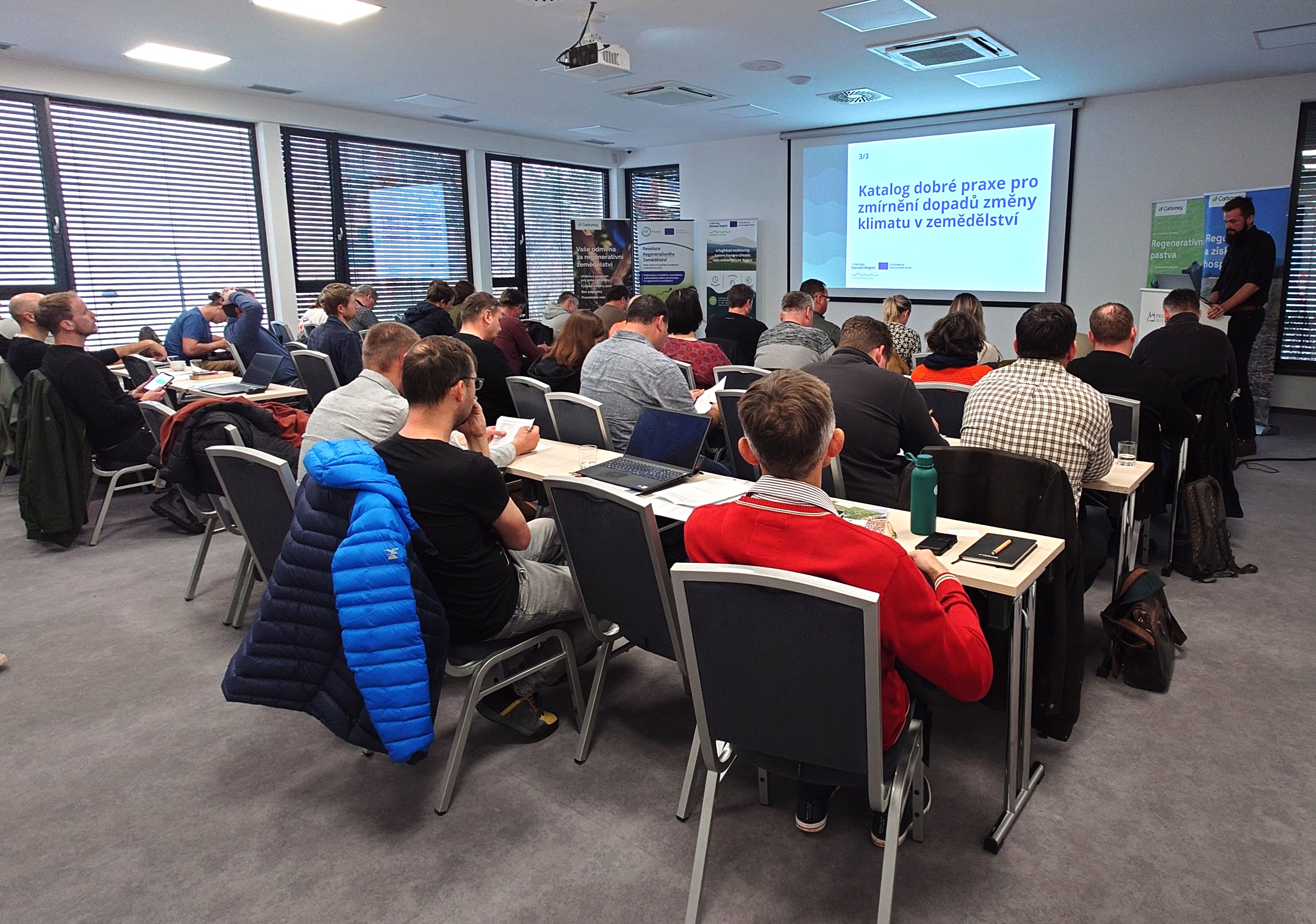
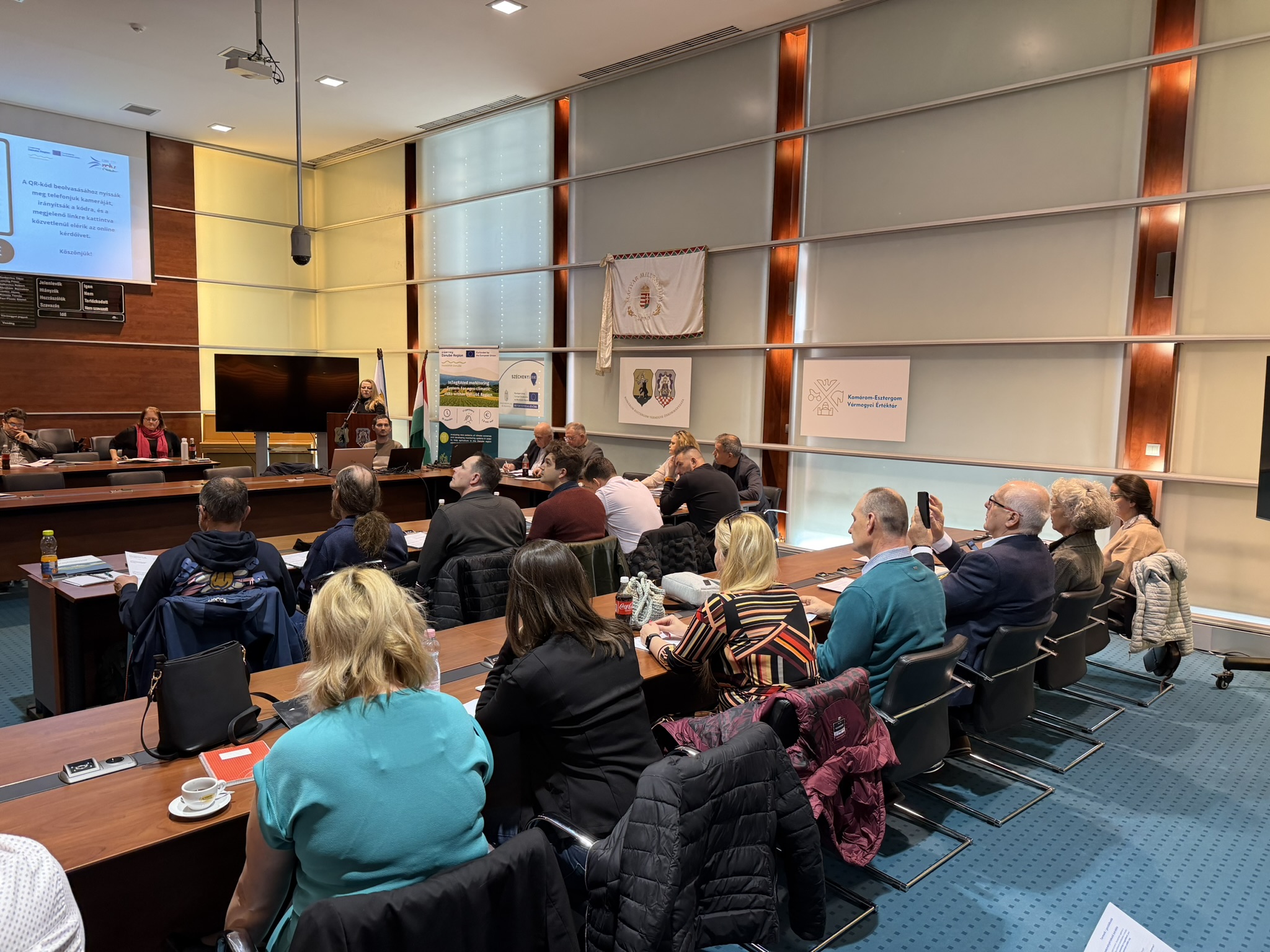
Climate Breakfast Club, held on 24 September in Bucharest, Romania at National Meteorological Administration headquarters, brought together researchers, authorities and stakeholders to discuss climate risks in the Danube Basin, climate data use, adaptation solutions and collaborative action to strengthen regional resilience.
The meeting, which brought together 26 participants, gathered representatives from a diverse range of institutions and organizations, including the National Meteorological Administration, Multidimension, the Presidential Administration, the Romanian Forum of Professional Farmers and Processors, the Ministry of Development, Public Works and Administration, the Ministry of Environment, Waters and Forests, the National Association of Women in Agriculture, Greenpeace and HotNews. The event provided a valuable platform for dialogue and knowledge exchange among stakeholders from the public sector, civil society, media, and agricultural organizations, focusing on climate-related challenges and adaptation needs within the Danube Basin.
An important aspect highlighted during the meeting was the strong complementarity between the Danube-ADAPT project and the TRANSFER Danube initiative. The discussions held within the Climate Breakfast Club clearly demonstrated that the challenges posed by climate change in the Danube Basin require not only high-quality climate information, but also effective mechanisms for transforming scientific knowledge into practical actions and policy decisions. In this regard, the two projects address different yet highly interconnected dimensions of climate adaptation and resilience building across the region. The Danube-ADAPT project aims to improve the availability, harmonization, comparability, and accessibility of climate data and knowledge throughout the Danube Region, providing a common scientific basis for evidence-based climate adaptation policies and vulnerability assessments. By developing shared datasets, indicators, methodologies, and decision-support tools, the project seeks to strengthen and balance adaptive capacities among countries, regions, and local communities across the basin.
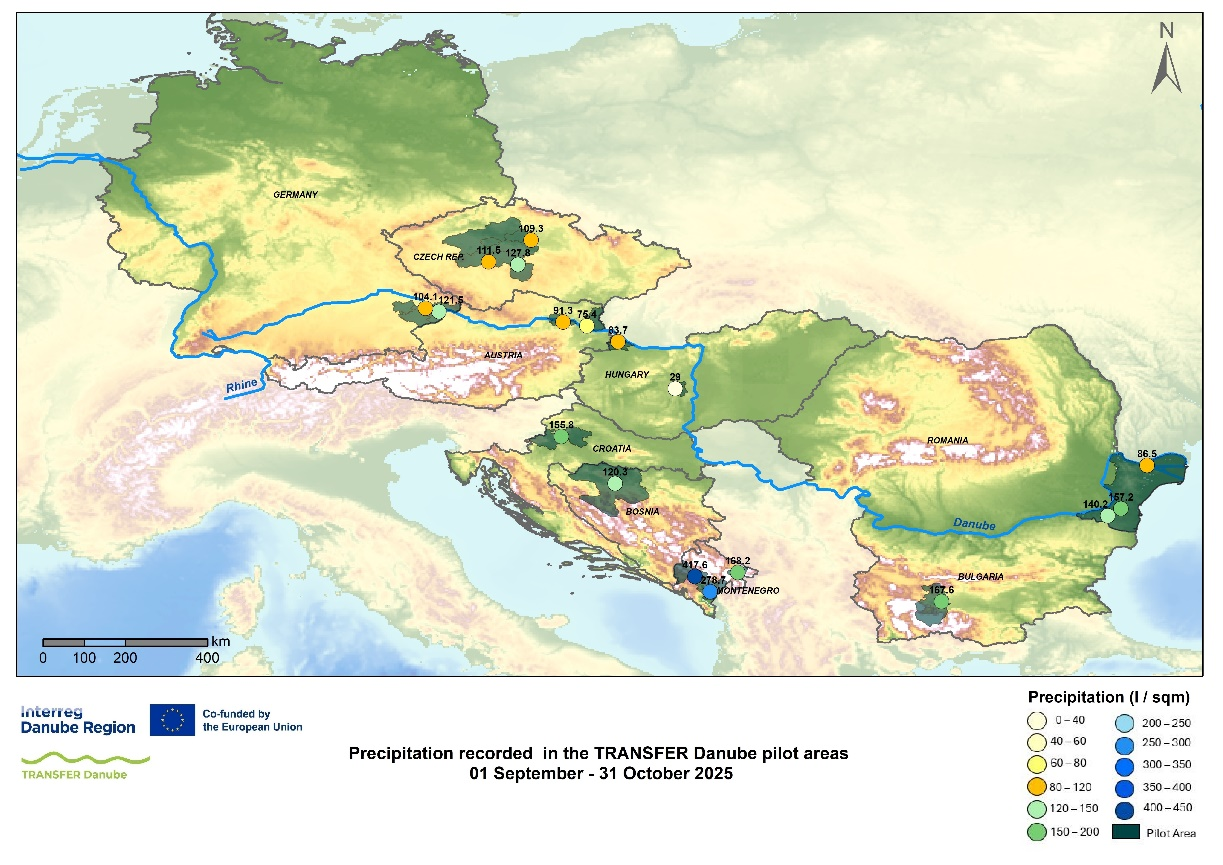
At the same time, TRANSFER Danube focuses on enhancing the practical application of climate knowledge, particularly in the agricultural sector, through the analysis of agro-climatic risks, the monitoring of climate-related impacts on crops, and the development of tools that support adaptation to droughts, floods, heat waves, and other extreme events. Through its transnational platform integrating climate, water, and agricultural information, the project facilitates knowledge transfer, capacity building, and stakeholder engagement, helping decision-makers and practitioners better prepare for the impacts of climate variability and change.
The Climate Breakfast Club provided an ideal framework for illustrating how these two initiatives can mutually reinforce one another. Discussions on changing climatic and hydrological conditions in the Danube Basin, the increasing frequency and intensity of extreme events, and the socio-economic impacts on sectors such as agriculture, water management, navigation, energy, and local communities highlighted the need for both robust climate information systems and effective knowledge-transfer mechanisms. Participants emphasized that reliable and harmonized climate data, such as those developed within Danube-ADAPT, represent a fundamental prerequisite for identifying risks and vulnerabilities, while the approaches promoted by TRANSFER Danube help translate this information into sector-specific adaptation measures and operational decision-making processes.
Special attention was given to the role of stakeholder engagement and cross-sectoral cooperation in addressing climate-related challenges. The Climate Breakfast Club brought together representatives of public authorities, research institutions, sectoral organizations, and other relevant stakeholders, reflecting the shared philosophy of both projects: climate resilience can only be strengthened through collaboration between science, policy, and practice. The exchange of experiences and perspectives during the meeting underscored the importance of creating a continuous dialogue between data producers, climate experts, policymakers, and end users, ensuring that adaptation strategies are scientifically sound, socially relevant, and responsive to local and regional needs.

28/09/2026
By Keti Muhovska
Share on social media:



News & Events
Read the most recent updates and explore the upcoming events.


Would you like to receive project updates?
You're already part of our community!
Welcome to our newsletter community!
Subscribe to our newsletter