
National Stakeholder Conference in Podgorica, Montenegro
On 4 March 2026, the Institute of Hydrometeorology and Seismology held a national conference within the TRANSFER Danube project, presenting results, the agroclimatic e-platform, and future activities to strengthen climate resilience in agriculture.
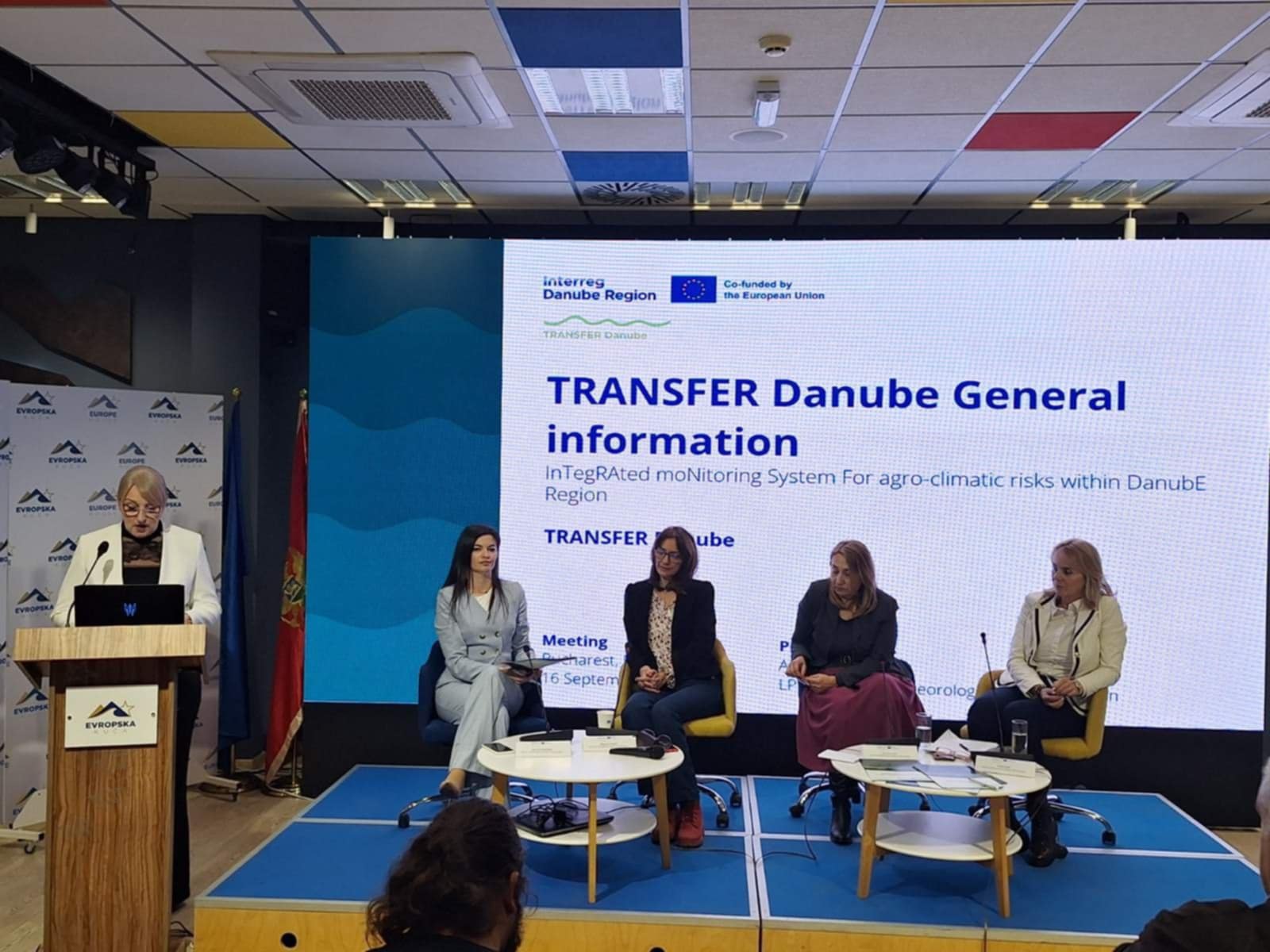
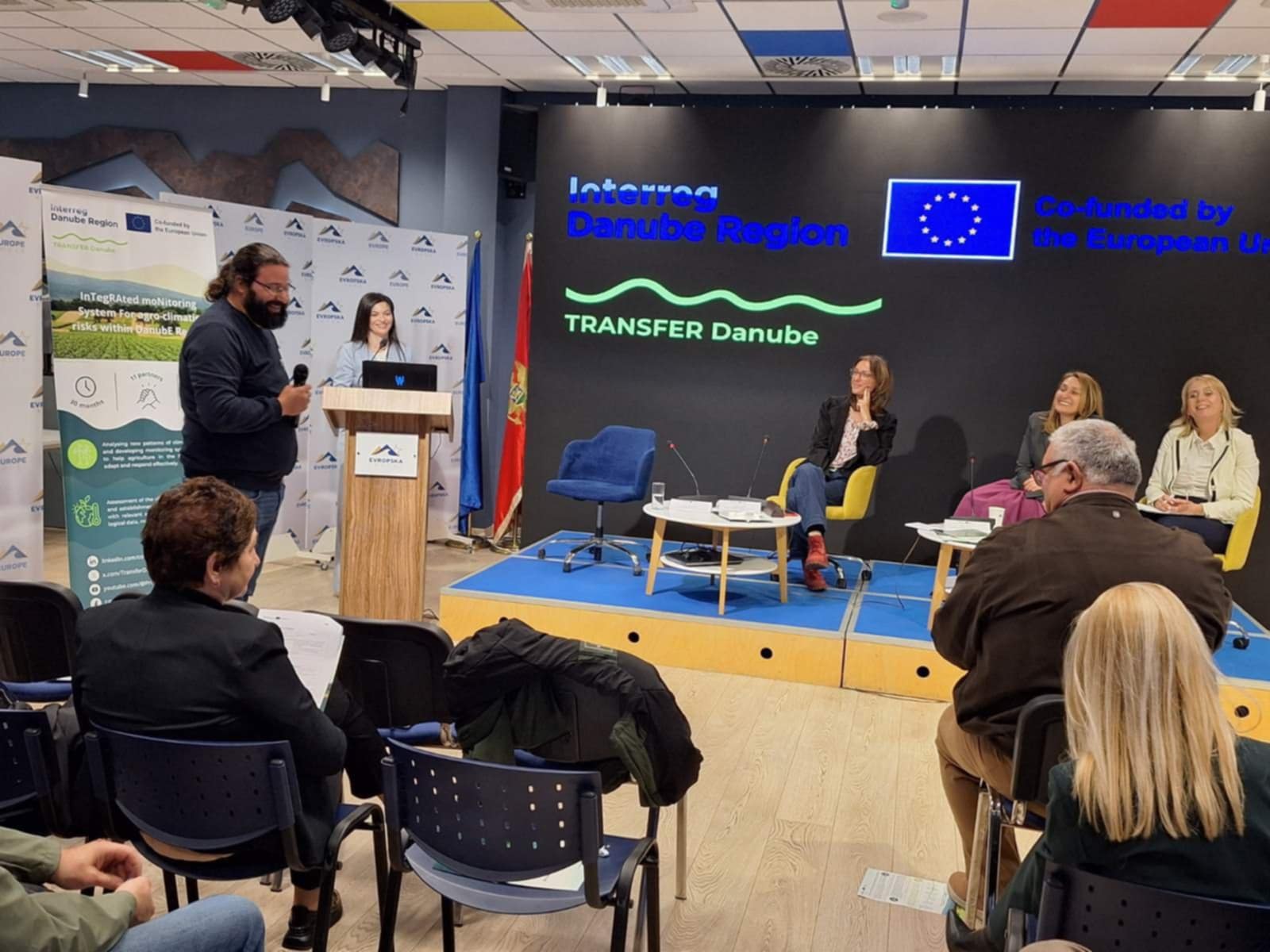
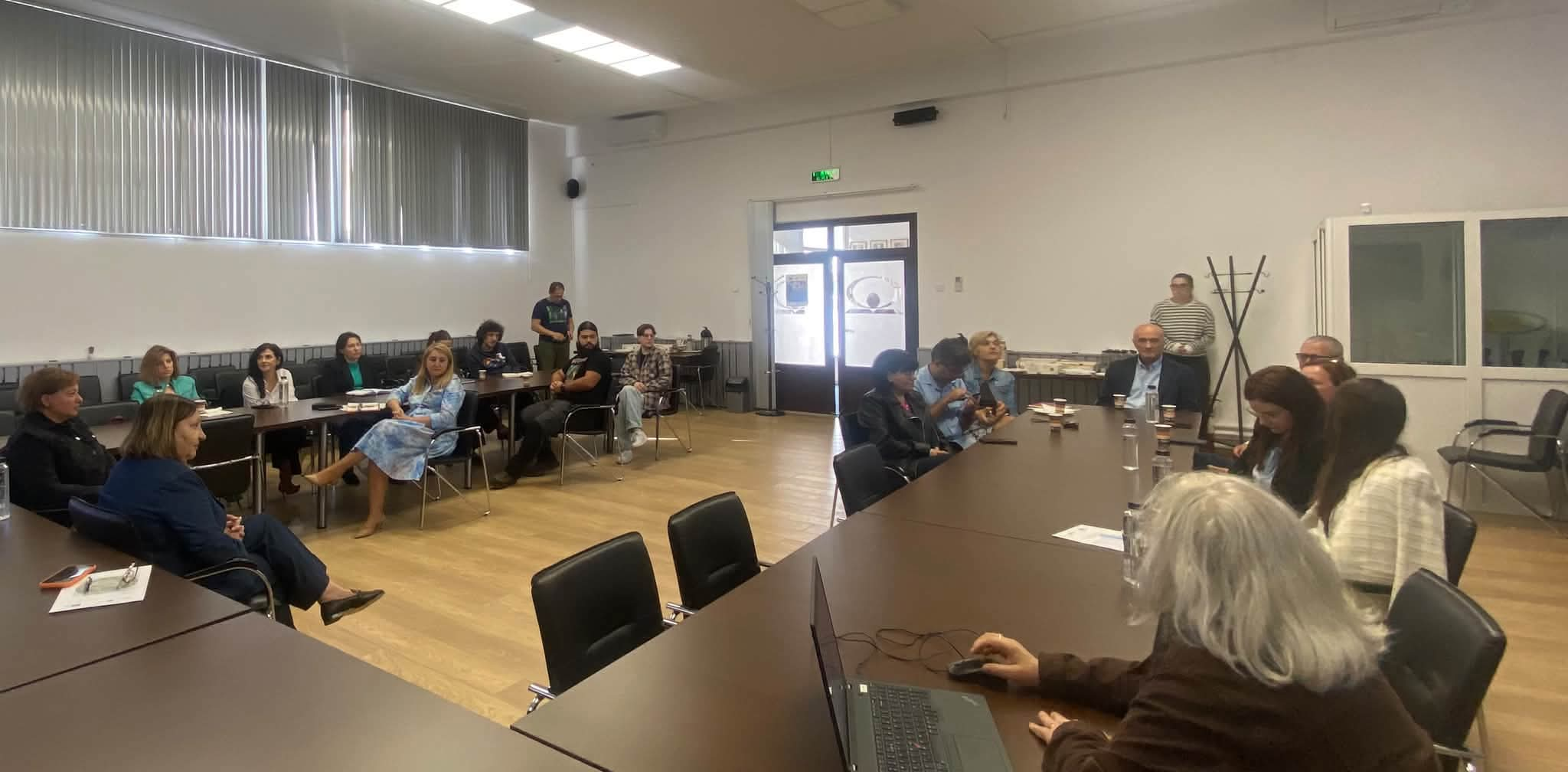
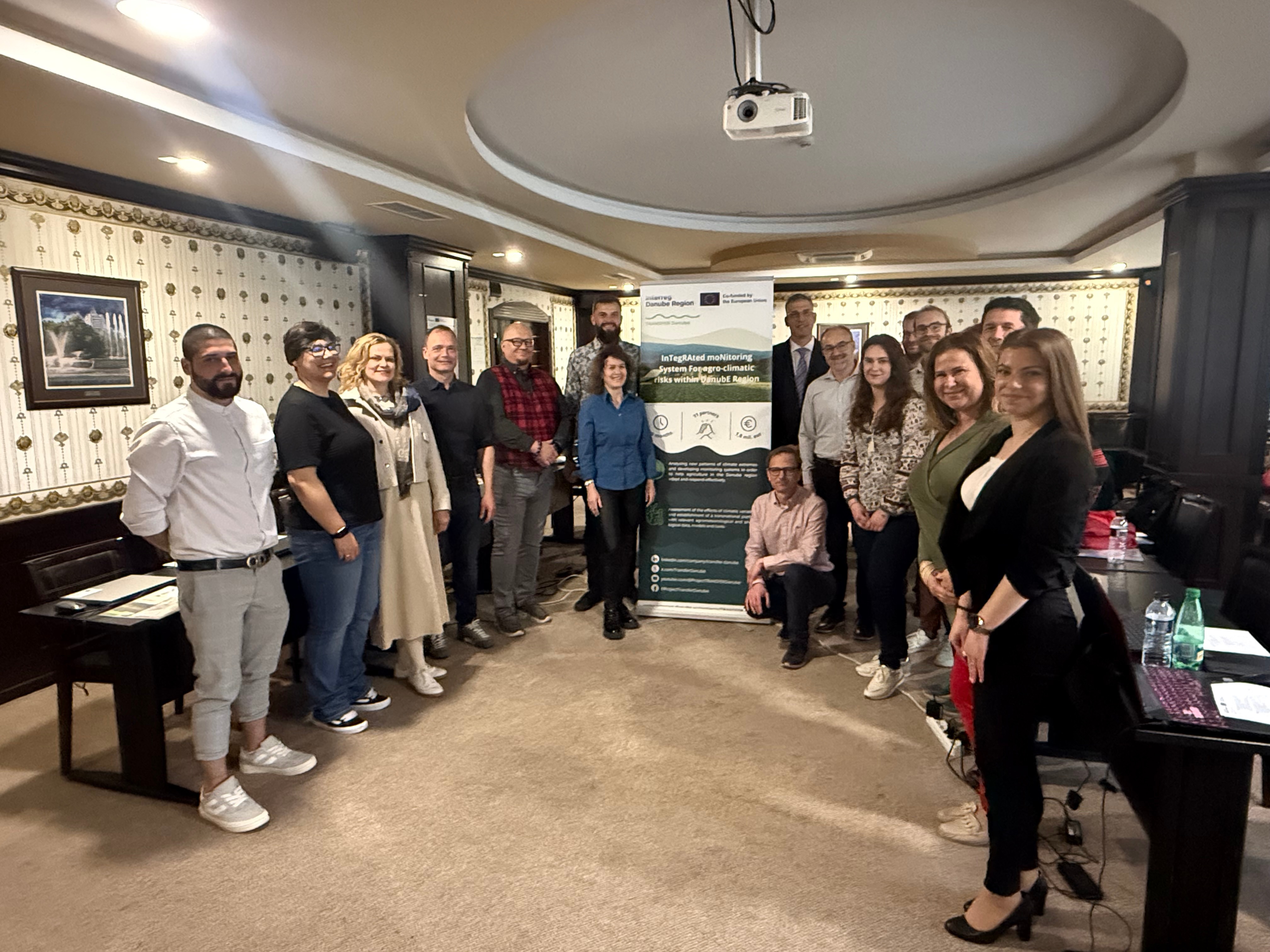
The Institute of Hydrometeorology and Seismology organized the National Stakeholders Conference on 4 March 2026 at the European House, Podgorica, within the framework of the INTERREG project “Integrated System for Agroclimatic Risks in the Danube Region” (TRANSFER Danube).
The event gathered 18 participants in total. The main objective of the conference was to present the results achieved so far within the project, facilitate the exchange of information with relevant institutions, and strengthen cooperation among stakeholders.
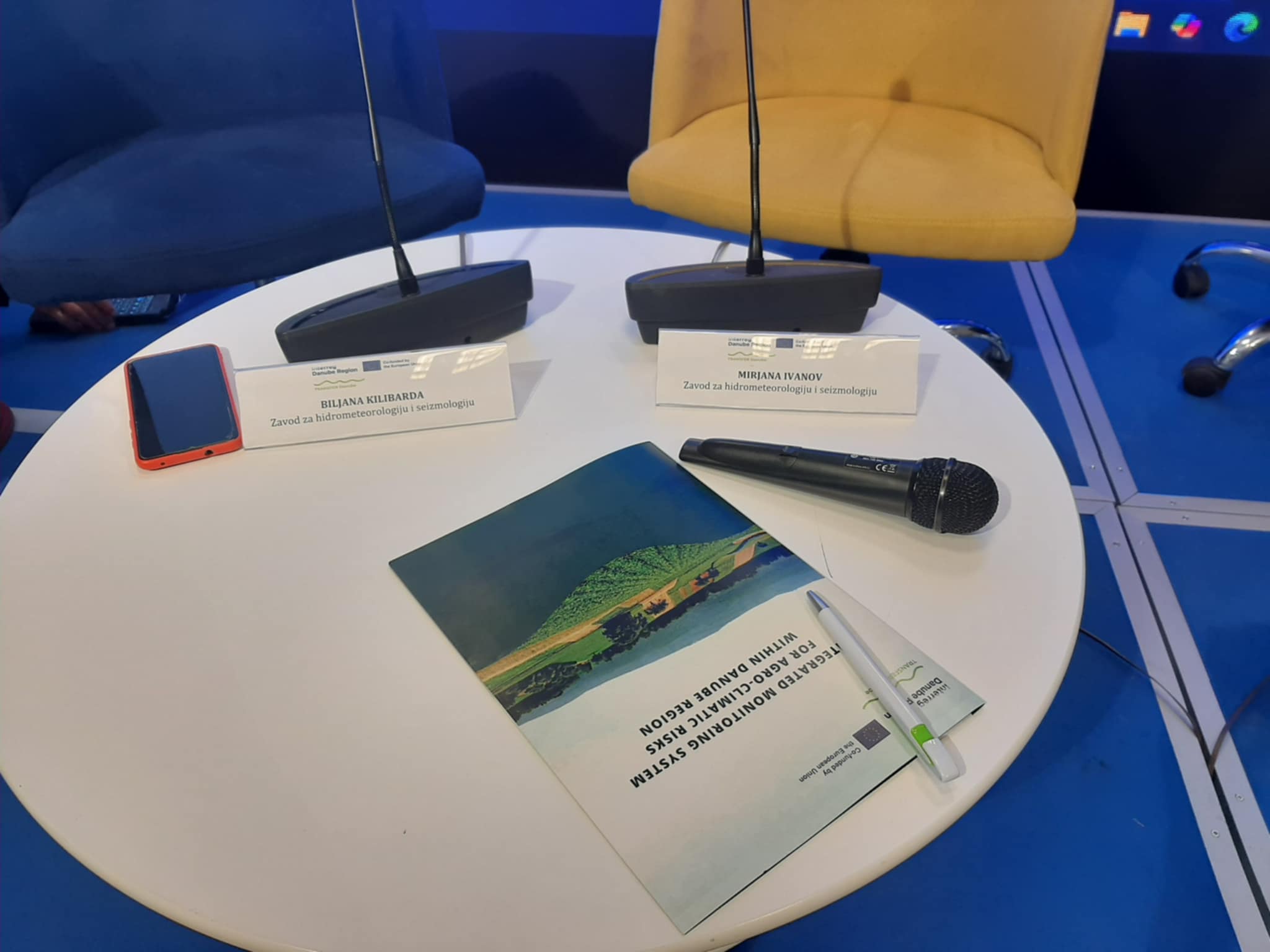
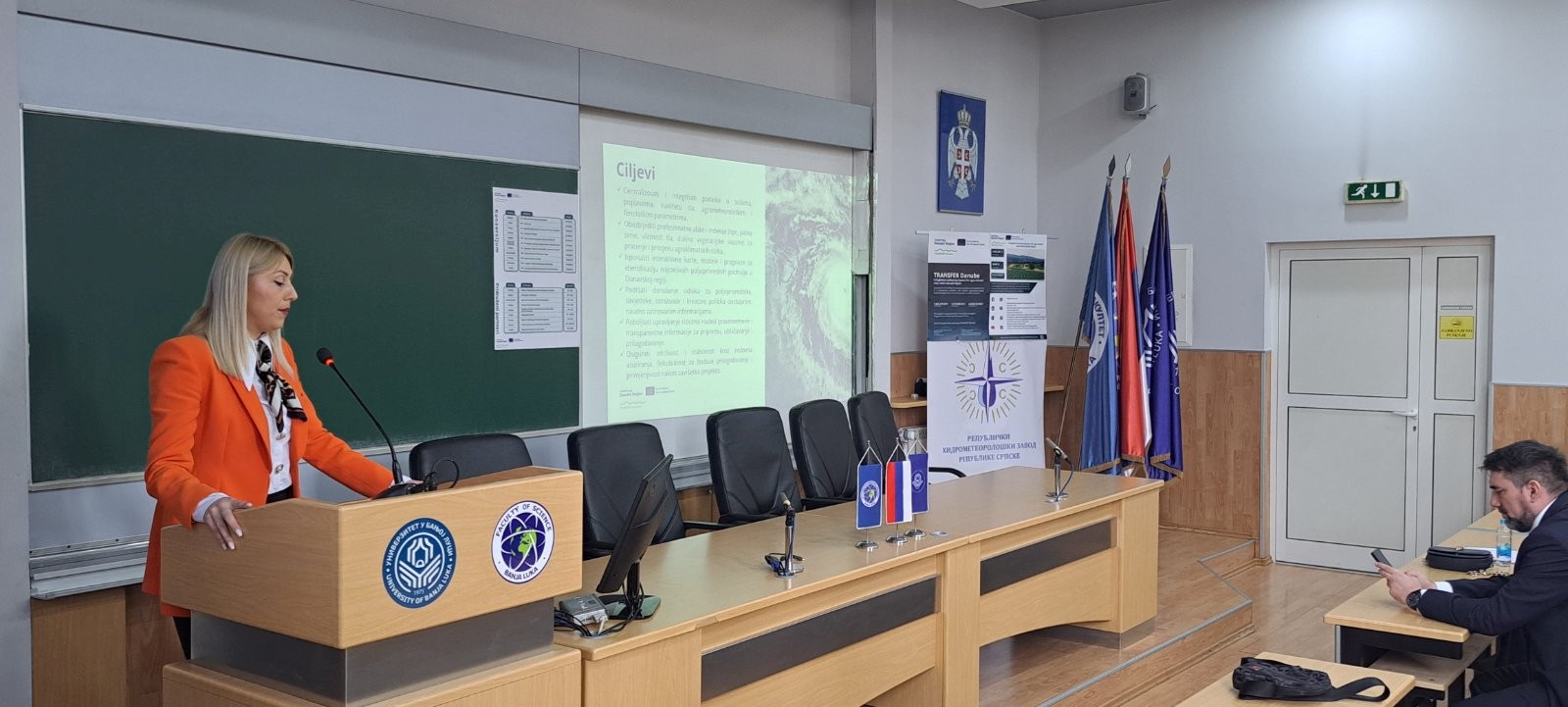
The conference was opened by Ms Dušica Brnović, Director of IHMS. Presentations were delivered by members of the IHMS project team (Mirjana Ivanov, Tonka Kuč and Nataša Pazin), while the event was moderated by Biljana Kilibarda, IHMS Communication and Dissemination Officer.
Participants were introduced to the overall objectives, structure and partnership of the project. Particular attention was given to the results achieved so far, especially the activities implemented in Montenegro.
A key focus of the presentation was the development of the TRANSFER Danube transnational e-platform, which will integrate climate, hydrological and agricultural databases, maps, models and analytical tools. The platform will serve as a shared resource for Danube region countries, supporting better planning and adaptation of agricultural production to climate challenges.
The presenters showed that platform will include several tools: an Early Warning System, Interactive Risk Map, Phenological Calendar, Water Balance Assessment Tool, Yield Model, and a Good Practices Database. These tools will provide timely information and practical guidance for managing agroclimatic risks.

For farmers, the presenters explained that the platform will offer automatic alerts about upcoming agroclimatic extremes and their potential impact on crops. Interactive risk maps will help farmers assess climate risks in specific areas and receive recommendations for appropriate measures, such as optimizing irrigation during drought periods. The phenological calendar will provide near real-time information on crop development stages, while the water balance tool will estimate soil moisture and irrigation needs. The yield model will simulate potential yield changes depending on climate risks and crop growth stages. Farmers will also have access to examples of successful climate adaptation practices from other Danube countries.
Further, it was stated that the platform will also support institutions and decision-makers by enabling early detection of agroclimatic risks such as droughts, heatwaves, floods and frost. Interactive risk maps will help identify the most affected regions, while water balance assessments will support sustainable water management. Yield models will simulate future crop production under different climate scenarios, contributing to strategic planning and food security.
The presentation also highlighted the activities implemented by IHMS in Montenegro. Maize was selected as the target crop for standardized monitoring of phenological development stages. Three pilot areas were selected for field monitoring: Berane (Vinička), Nikšić (Mali Brezovik) and Danilovgrad (Kosić). Cooperation with local farmers has been established, and farmers have been trained in phenological observations and reporting.
Additional activities include soil sampling for agrophysical analysis and preparations for soil moisture monitoring. The Irrometer 60 cm SR instrument has been procured and preparations are underway for its installation and for training farmers in soil moisture monitoring starting in March/April 2026.
The preparation of meteorological datasets was also presented, including historical data (from 2000 onwards) and daily observations such as maximum and minimum air temperature, precipitation, sunshine duration, relative humidity and wind speed. These data will be used for climate projections and agroclimatic analyses.
IHMS has also been active in project promotion, including the display of poster in premises, distribution of brochures to relevant stakeholders, and dissemination of information through social media, the UNCCD Community of Learning and Practice on Drought Management, CLP webinar and the IHMS website.
The conference concluded with an open discussion, during which stakeholders from Plantaže, the Environmental Protection Agency and the Biotechnical Faculty shared their views and provided feedback. The discussion highlighted the importance of cooperation between institutions, experts and end users in addressing the growing challenges of climate change.
Summary of Stakeholder Survey Results
The stakeholder survey showed a high level of experience and interest in climate and agroclimatic data among participants. Most respondents (11 out of 14 received answers) already have experience with climate or water resource databases and tools related to agriculture. Participants represented different sectors, including national authorities, research and educational institutions, companies, NGO, and farmers, indicating a diverse stakeholder background.
The majority of respondents found the information presented during the event very useful, with 11 participants rating it as extremely useful (5 on the scale). The topics considered most relevant were drought and soil moisture monitoring, followed by climate indices and the functionalities of the e-platform.
Regarding climate risks, stakeholders identified droughts as the most significant extreme event affecting their sector, followed by floods and heatwaves. Most respondents believe that the impacts of these events have significantly increased over the past five years, with the majority rating their severity as high or very high.
All participants confirmed that the project objectives are relevant to their organization or sector and expressed interest in using the project tools and data in their daily work. However, several potential challenges were mentioned, including limited human resources, systemic coordination issues, and the need for improved platform functionality and broader crop coverage.

Most stakeholders are already familiar with national climate and agricultural policies, and many believe that the project results could support key strategic documents, including the National Climate Change Strategy to 2030, the Agriculture and Rural Development Strategy (2023–2028), and the Water Management Strategy of Montenegro. A strong majority also agreed that the project results could be integrated into local and regional planning documents.
Respondents highlighted several successful practices relevant for climate adaptation, particularly the use of climate indices in planning, data-based irrigation management, and the introduction of more resilient crops. They also expressed the need for additional training, modeling tools, practical guidelines, and access to data and the platform.
The e-platform concept was generally well understood, with most participants rating its clarity as moderate to very high. Stakeholders showed strong interest in regular access to agroclimatic indices through a single platform, and all respondents stated they could envision using the platform in their work. Suggested improvements included better data visualization, faster access to indices, integration with mobile applications, and personalized reports.
Overall, participants expressed high satisfaction with the event, with the majority rating it as very satisfactory and highly relevant to their professional interests. Many indicated that they are likely to use the project tools in the future and would recommend the platform to colleagues.
For future events, stakeholders suggested more practical demonstrations, interactive sessions, and a stronger focus on local examples, as well as additional time for discussion.

11/03/2026
By Martin Ivanov
Share on social media:



News & Events
Read the most recent updates and explore the upcoming events.


Would you like to receive project updates?
You're already part of our community!
Welcome to our newsletter community!
Subscribe to our newsletter