

WIN Final Conference
Reflecting on Women's Opportunities in Industrial Regions
How do we create more inclusive, equitable, and supportive opportunities for women in industrial regions? This was the question that connected us throughout the WIN project — and it was also at the heart of our final conference.
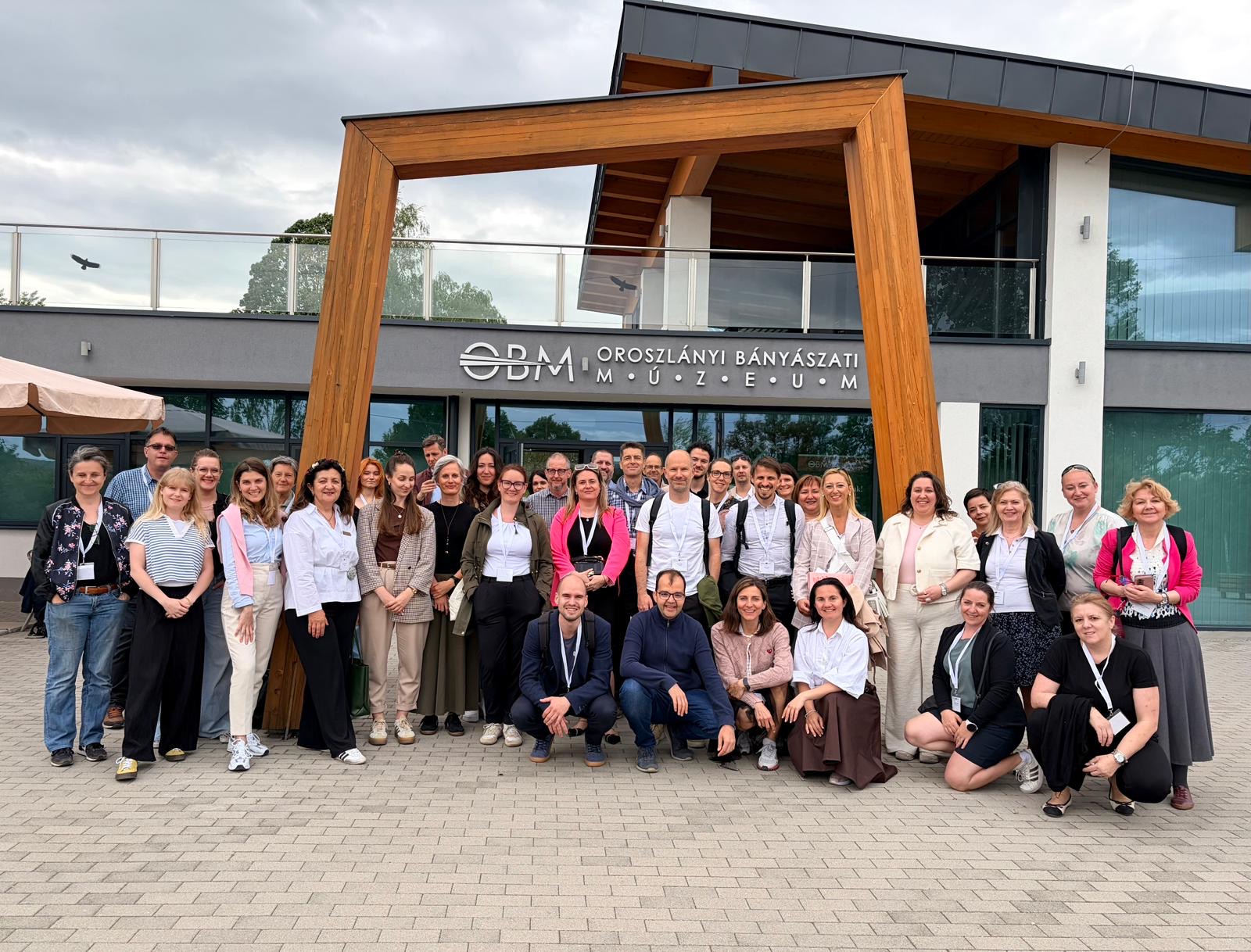
On May 6 2026, partners, researchers, practitioners and policymakers gathered at the Oroszlány Mining Museum in Hungary, to mark the close of the WIN project with a full-day conference. A venue that could not have been more fitting: a place shaped by industrial history, now hosting a conversation about the future of women in exactly these kinds of regions.
The day brought together voices from science, policy, and the corporate world to reflect on the structural realities women face in peripheral industrial regions — and to explore the concrete solutions, tested practices, and collaborative commitments that can move us forward. The programme moved from high-level perspectives in the morning to hands-on dialogue and workshops in the afternoon, creating space for both reflection and action.
Opening the Conference
The conference was opened by Ákos Szépvölgyi, managing director of the Central Transdanubian Regional Innovation Agency, and Jani Kozina, lead partner from the Research Centre of the Slovenian Academy of Sciences and Arts. Their opening remarks set the tone for the day: acknowledging how far the project has come, and how much work remains.
The session also included a video greeting from Barbara Willsberger, priority area coordinator for PA 9 – To invest in people and skills, within the Danube Region Strategy — underscoring the broader European relevance of the issues the WIN project has been addressing.
Keynote Session: "Beyond Good Intentions"
The morning programme centred on a keynote session titled "Beyond good intentions: Structural, scientific and corporate perspectives on women's labour market participation". Three speakers — each bringing a different professional lens — addressed what actually shapes women's opportunities in industrial regions, and what it takes to change them.
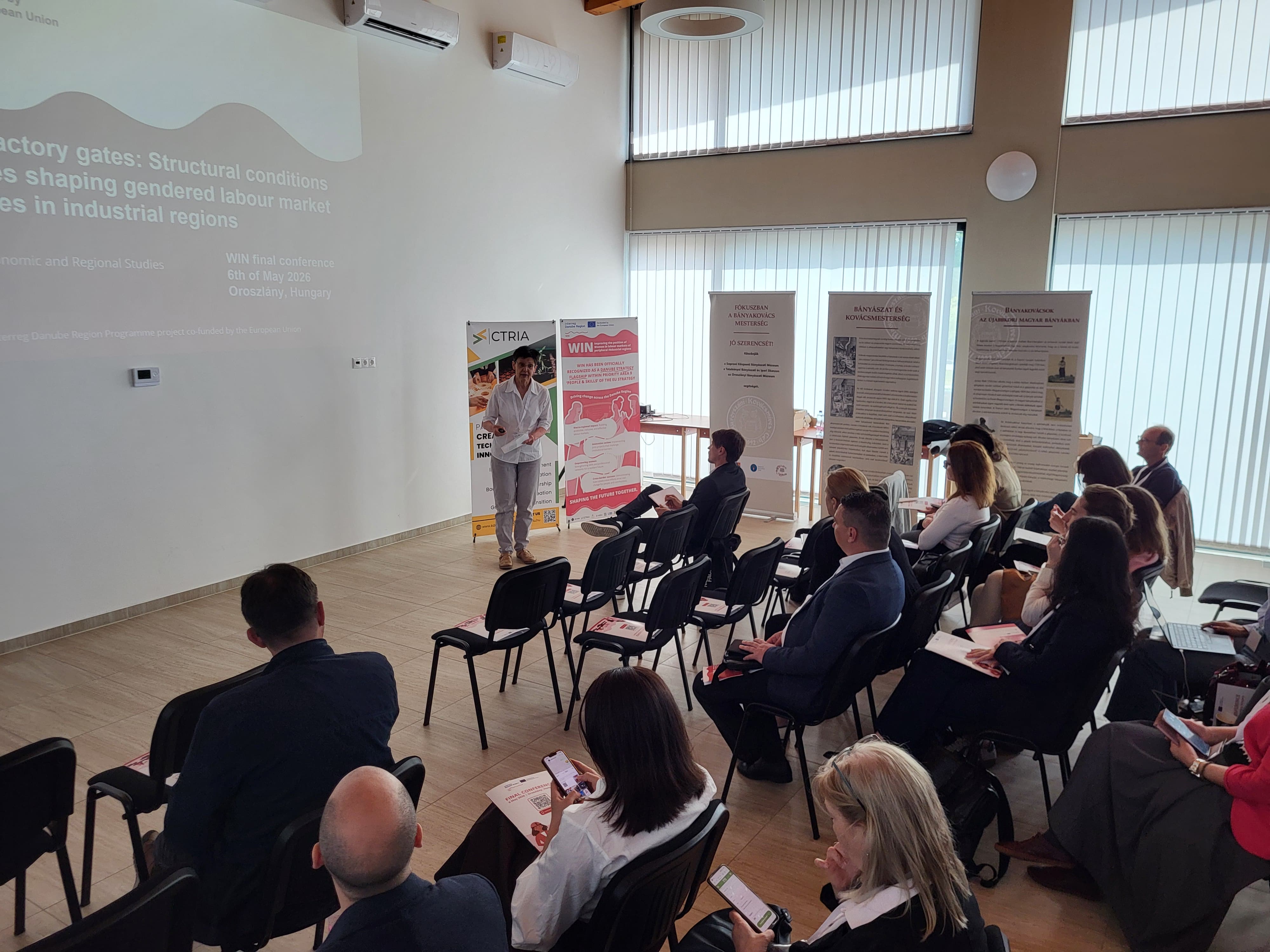
Dr. Erika Nagy, geographer and senior research fellow at the ELTE Centre for Economic and Regional Studies, opened with a presentation titled "Within and beyond factory gates: Structural conditions and everyday realities shaping gendered labour market processes in industrial regions." Her talk grounded the conversation in evidence — examining how broad economic structures translate into the lived experiences of women in regions like those at the centre of the WIN project.
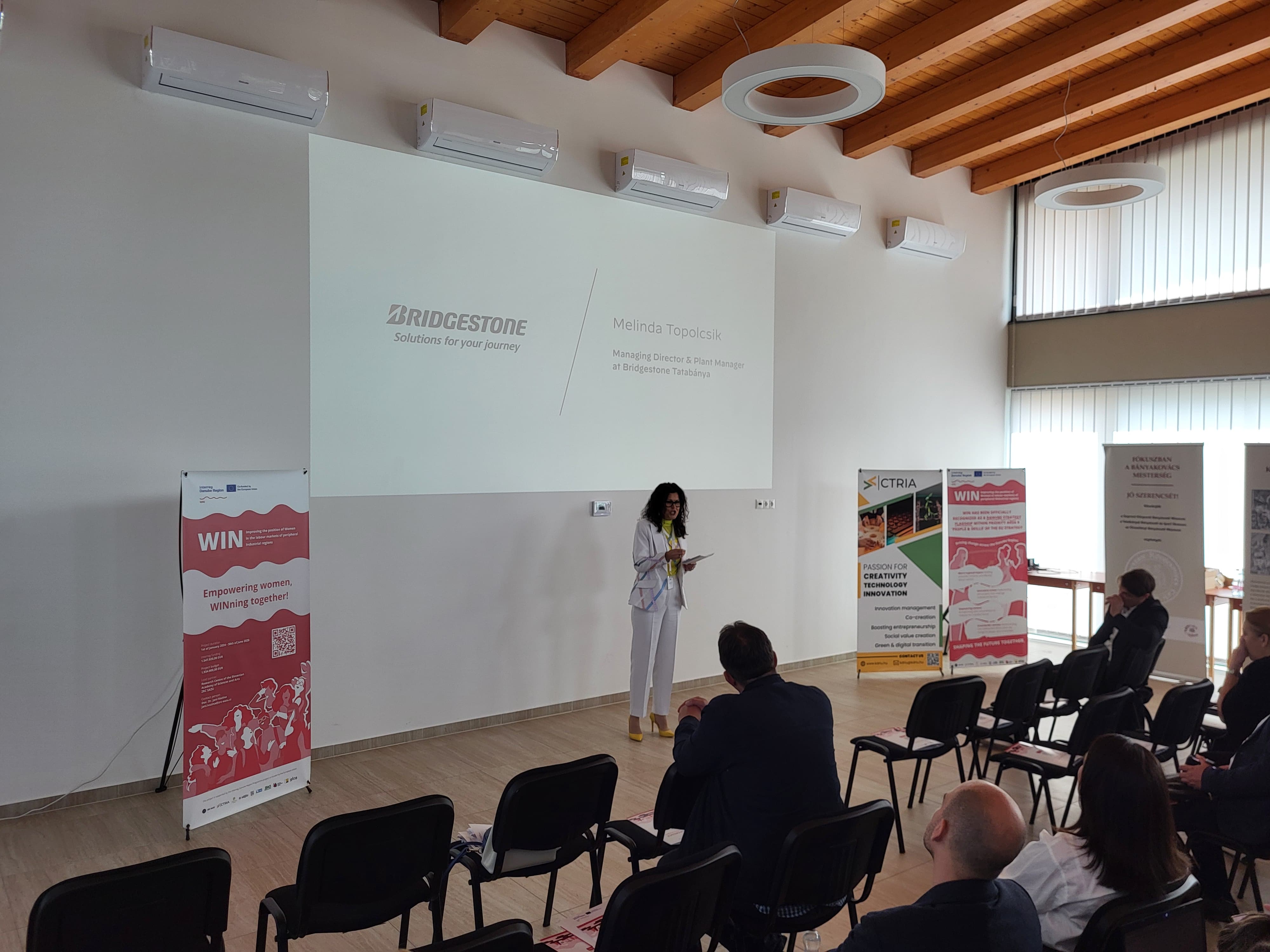
Melinda Topolcsik, managing director and plant manager at Bridgestone Tatabánya Ltd., spoke from direct corporate experience in her presentation "Beyond Inclusion: Rethinking Leadership for Women in Multinational Environments." She challenged the notion that good intentions alone are sufficient, and made the case for redesigning systems — not just opening doors.
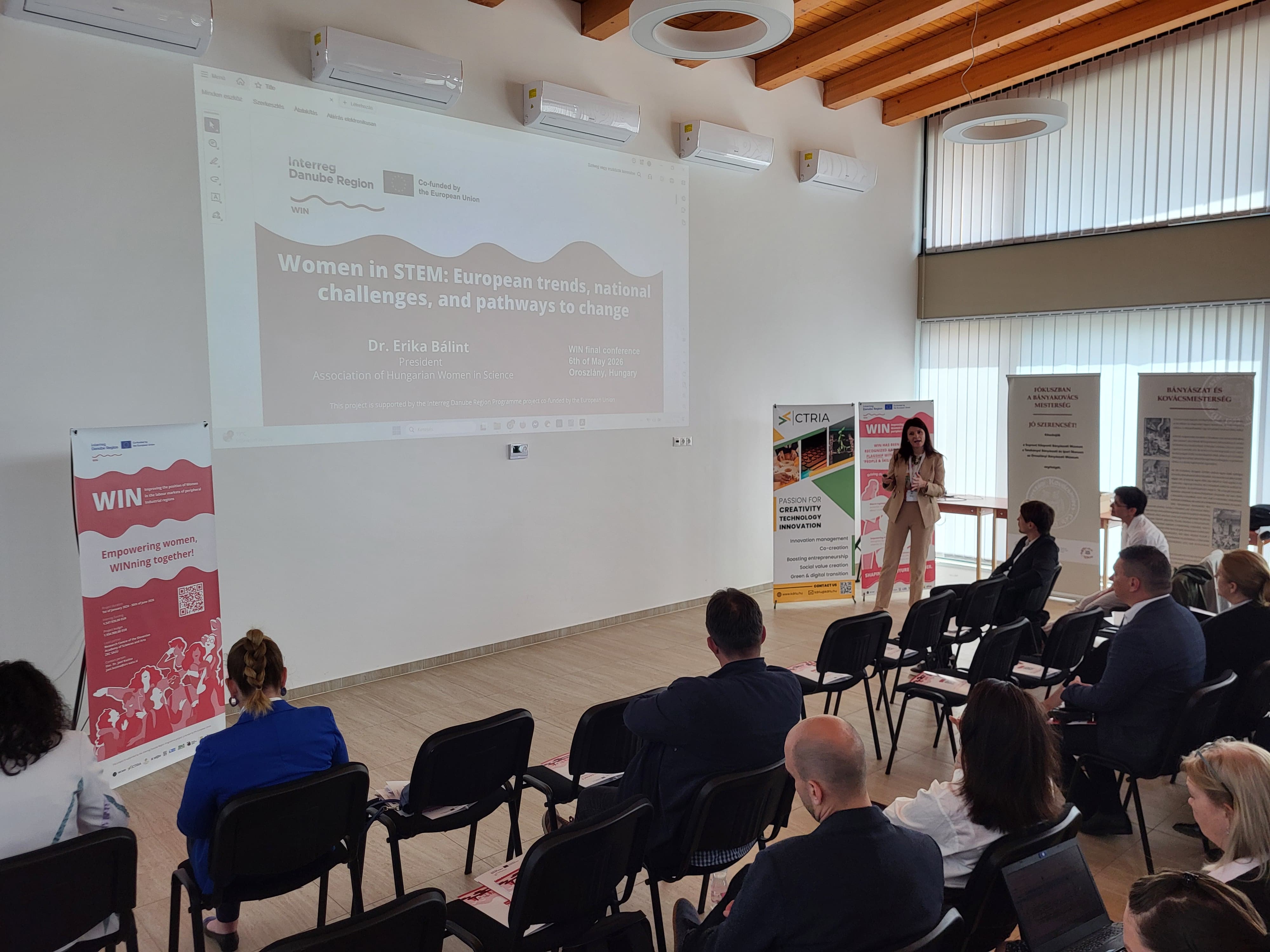
Dr. Erika Bálint, chairwoman of the Association of Hungarian Women in Science, rounded out the keynote with a broad overview: "Women in STEM: European trends, national challenges, and pathways to change." Drawing on data from across Europe, she traced the gap between ambition and reality, and pointed to where concrete change is happening.
WIN Talk Show: Who really holds the key?
Following the keynote, the three speakers remained on stage for the WIN Talk Show: a roundtable discussion posing the central question: "Who really blocks women's labour market opportunities and who can unlock them?"
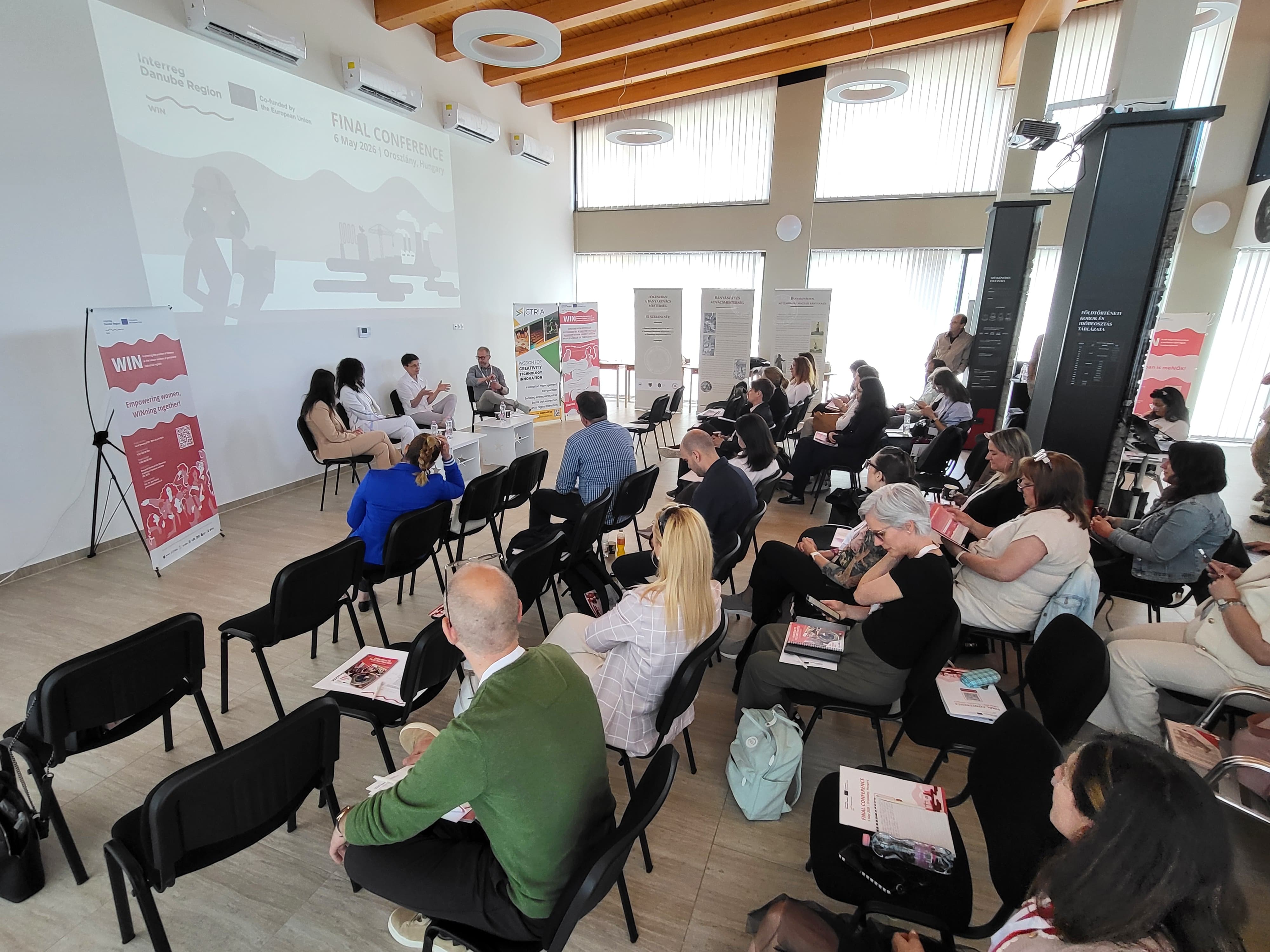
The discussion moved between the systemic and the personal, between policy frameworks and everyday workplace decisions. The format, which was open, dialogic, and direct , invited participants to move beyond polite agreement and engage with the harder questions: Where do the real obstacles lie? Who has the power to remove them? And what happens when good intentions run up against structural inertia?
The conversation was one of the highlights of the day — honest, grounded, and energising.
WIN Results Lab: Workshops in Action
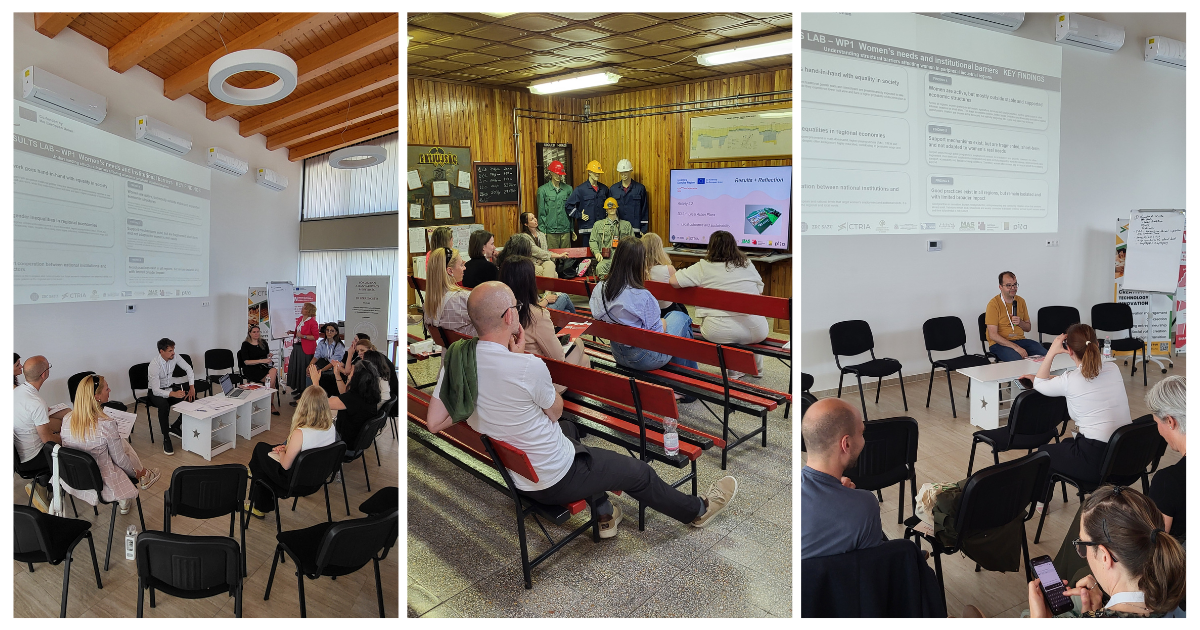
After lunch, the focus shifted from listening to doing. Participants were divided into three groups and rotated through a series of interactive workshop labs, each running for 35 minutes and tackling a distinct dimension of the challenge. The format was deliberately collaborative: small groups, guided discussion, and a shared drive to identify practical takeaways.
The first group focused on the structural obstacles that continue to limit women's access to and participation in the labour market, with a particular emphasis on peripheral industrial regions, exploring how institutions, from employers to public services, can either reinforce or begin to dismantle those barriers. The second group drew directly on approaches tested during the WIN project, creating space to examine what social innovation looks like in practice: what worked, what needed adaptation, and what could be replicated or scaled in different regional contexts. The third tgroup urned to the enabling conditions for lasting change — the skills, knowledge, institutional support and sustained commitment needed to meaningfully improve women's labour market participation over time, and explored how individual and institutional capacity are deeply connected. The group also reflected on the awareness-raising efforts carried out throughout the project, discussing the role of dedicated campaigns in shifting perceptions and building broader societal support for women's participation in the labour market.
Closing and celebration
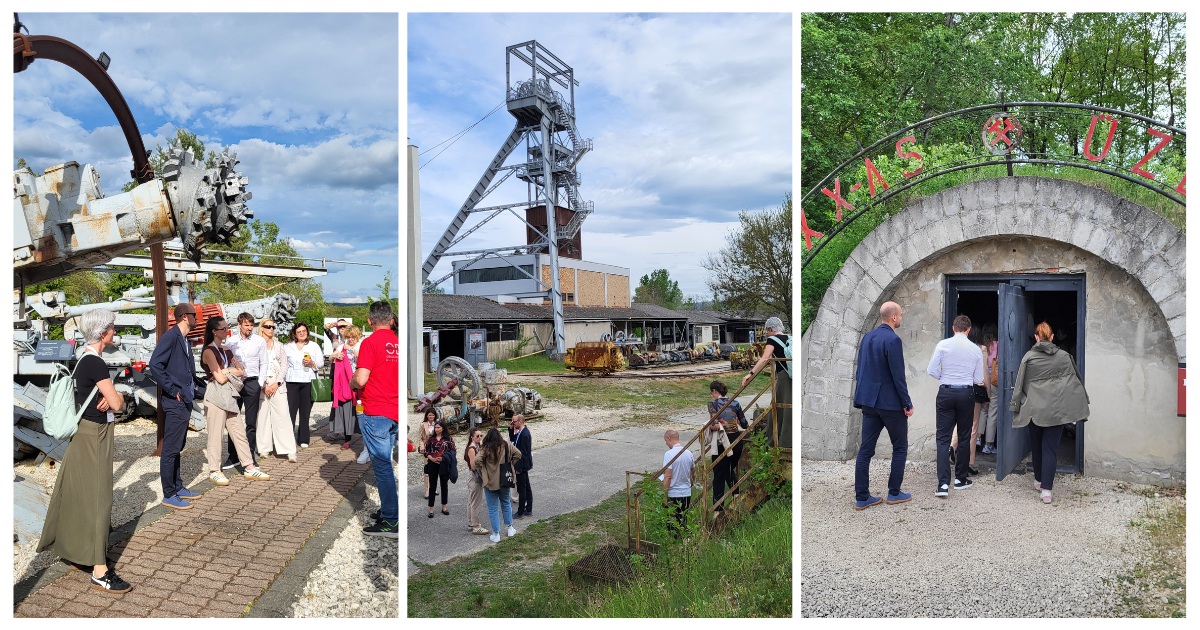
The formal programme closed and was followed by a guided tour of the Oroszlány Mining Museum — an opportunity to walk through the region's industrial past and reflect on how that history continues to shape the present. It was a fitting final act for a conference that had spent the day connecting structural forces to lived realities.
The evening brought the partnership together for dinner at the Hilltop Winery in Neszmély — a chance to step back from the programme, reconnect across organisations and countries, and celebrate what this collaboration has built over the course of the project.
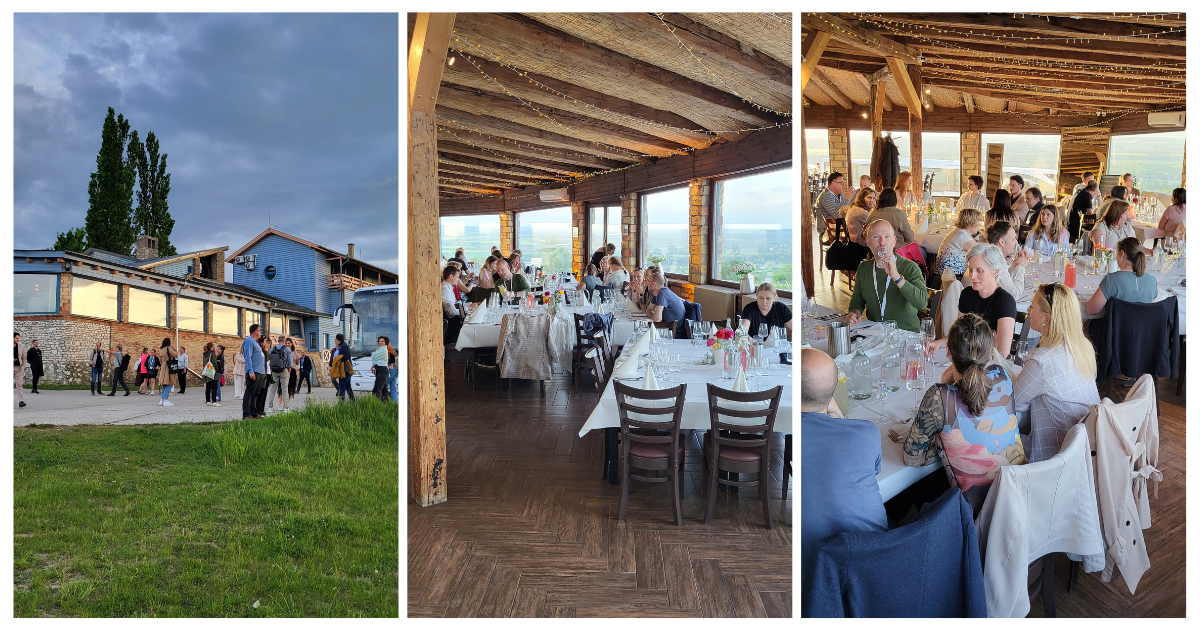
The WIN final conference was not simply a presentation of results — it was an opportunity to reflect on how much collaboration, dialogue, and shared commitment matter when working towards a more inclusive labour market for women. The conversations that took place on 6 May, and the connections they deepened, will continue to shape the work ahead.
Thank you to all partners, speakers, and participants who were part of this journey.

27/05/2026
By
Share on social media:



News & Events
Read the most recent updates and explore the upcoming events.










Would you like to receive project updates?
You're already part of our community!
Welcome to our newsletter community!
Subscribe to our newsletter