
DanubeCrafts
Welcome to the DanubeCrafts project!
Let's discover together the beauty of traditional crafts along the Danube Region!
What inspired us to create the DanubeCrafts project – a journey into the skills and stories of Danube artisans?
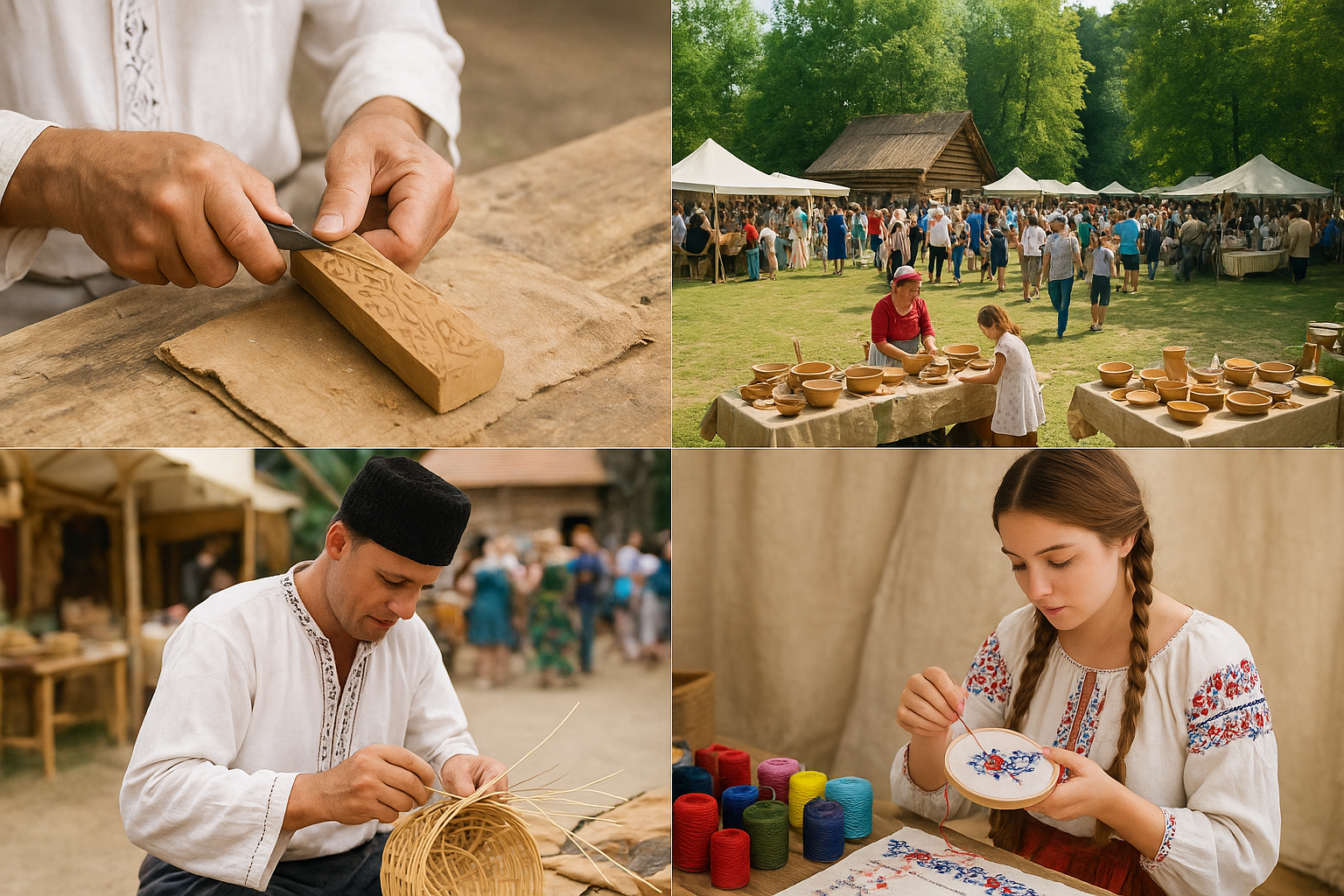
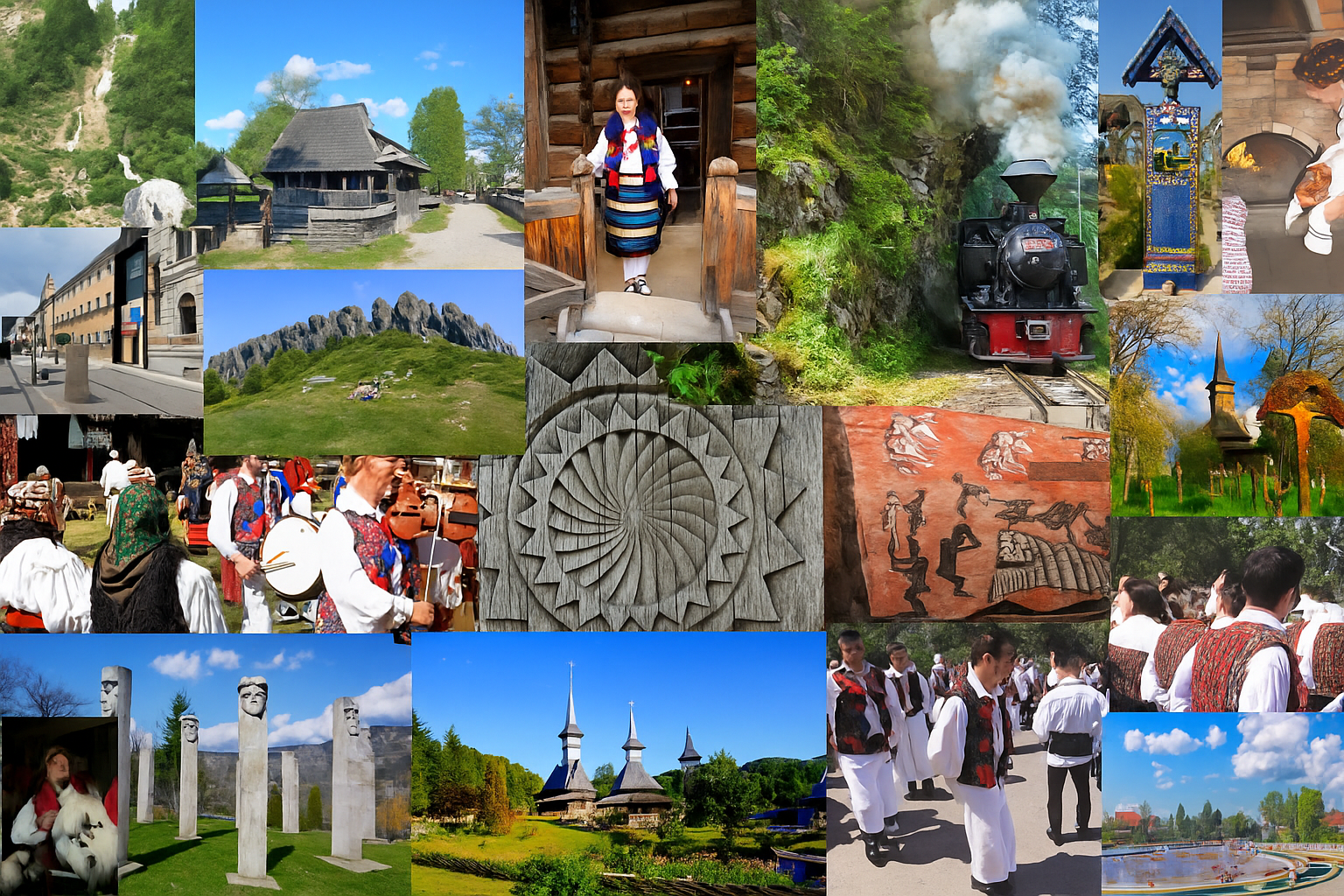
The Danube Region boasts one of Europe’s richest legacies of traditional crafts, encompassing an impressive diversity of artisanal skills, techniques, and cultural traditions, many of them preserved for centuries in rural and remote communities. From the Pottery Technique from Romania to the embroidery and weaving traditions of Hungary, these crafts are living testaments to the history, identity, and creativity of the region. They provide authentic experiences for both residents and visitors, yet remain underutilized in the context of sustainable thematic tourism.
Today, this heritage faces significant threats: the gradual disappearance of craft practices due to aging artisans and low interest among younger generations, disparities in tourism infrastructure, lack of strategic cooperation, and insufficient green business initiatives. Valuable cultural resources often remain invisible, fragmented, or exploited in isolation, without integrated strategies to connect them to modern tourism demands.
We were inspired to create the DanubeCrafts project by the urgent need to preserve these disappearing skills while unlocking their economic and cultural potential. By establishing a transnational Traditional Crafts Route (TCR), blending slow thematic tourism with local traditions, and promoting collaboration across borders, the project aims to give new life to endangered crafts, bridge economic and social gaps between regions, and create a distinctive European cultural identity rooted in the skills and stories of Danube artisans.

What are the main expected outcomes of this 30-month international project?
Over its 30-month duration, the DanubeCrafts project will deliver a cohesive, transnational Traditional Crafts Route (TCR) covering most of the Danube Region, integrating local traditions into innovative thematic tourism products and services. A detailed mapping of traditional craft assets, cultural heritage, and thematic tourist structures will be produced, alongside joint strategies, regional action plans, and sustainable business models that support both artisans and clients.
The project will establish Traditional Crafts/Arts & Thematic Tourism Centers, develop transnational training programs for artisans, entrepreneurs, and stakeholders, and design quality criteria for TCR itineraries. It will also create a Digital Service Tool and mobile application to enhance visibility and accessibility of the route, while pilot-testing itineraries that connect crafts to tourism experiences.
Expected impacts include new employment opportunities — especially for youth, women, and people with disabilities — greater cross-border cooperation, improved regional branding, and a stronger link between cultural heritage, traditional crafts and local economic development. By raising awareness of traditional crafts, enhancing their market potential, and embedding them in sustainable slow tourism, the project will contribute to cultural preservation, economic resilience, and social cohesion across the Danube macro-region, offering a model for integrated cultural tourism in Europe.

News & Events
Read the most recent updates and explore the upcoming events.
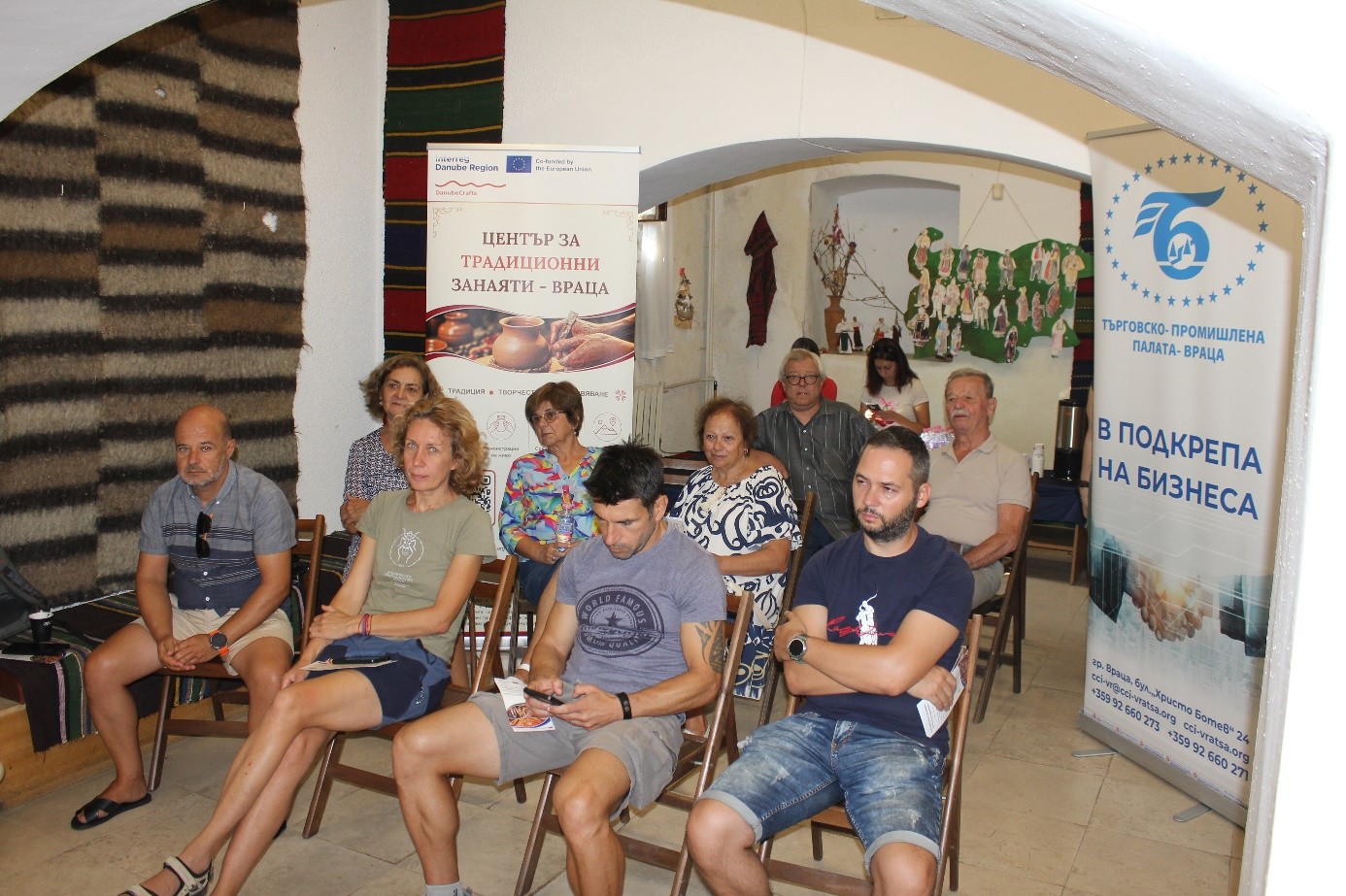

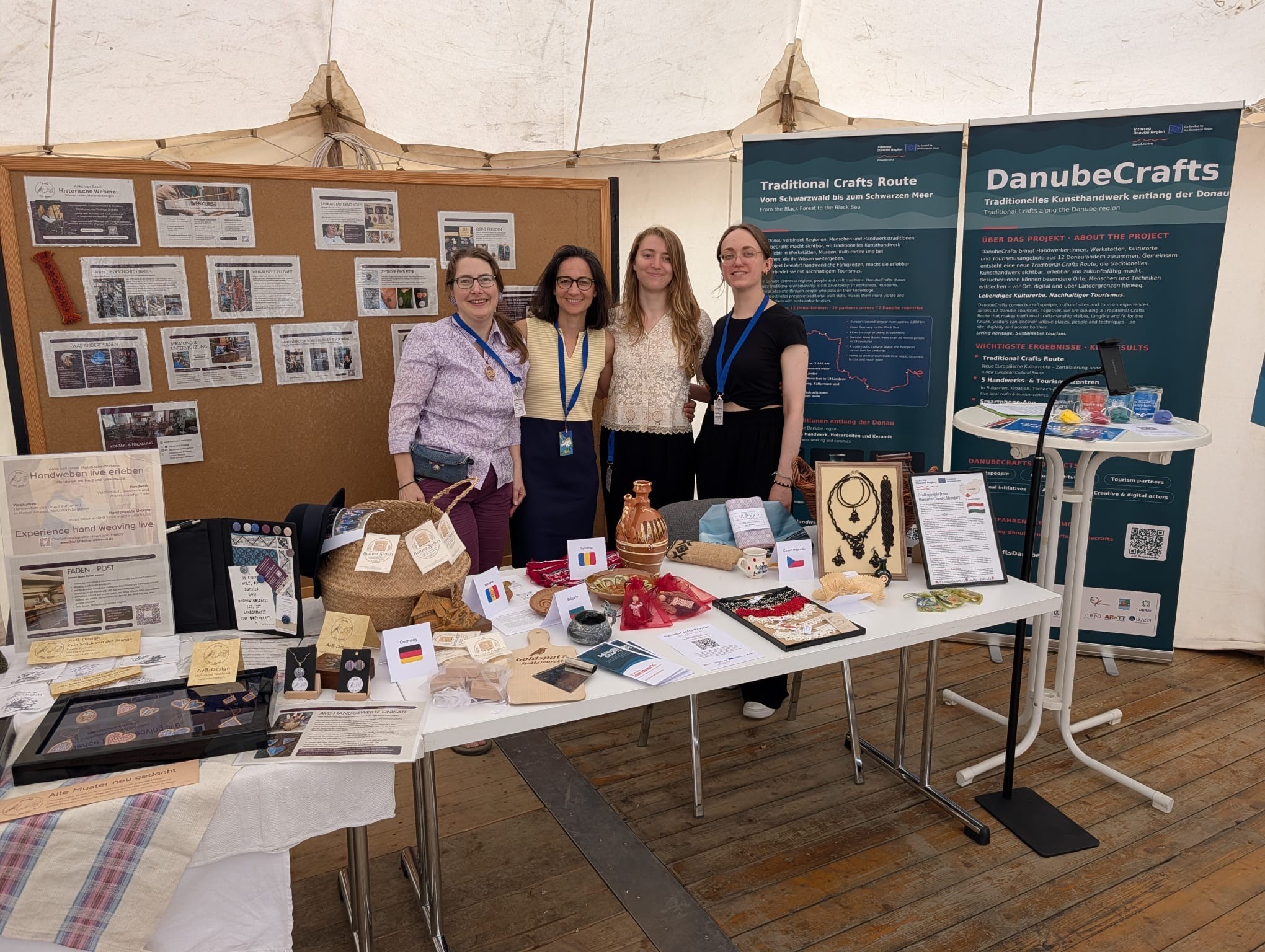

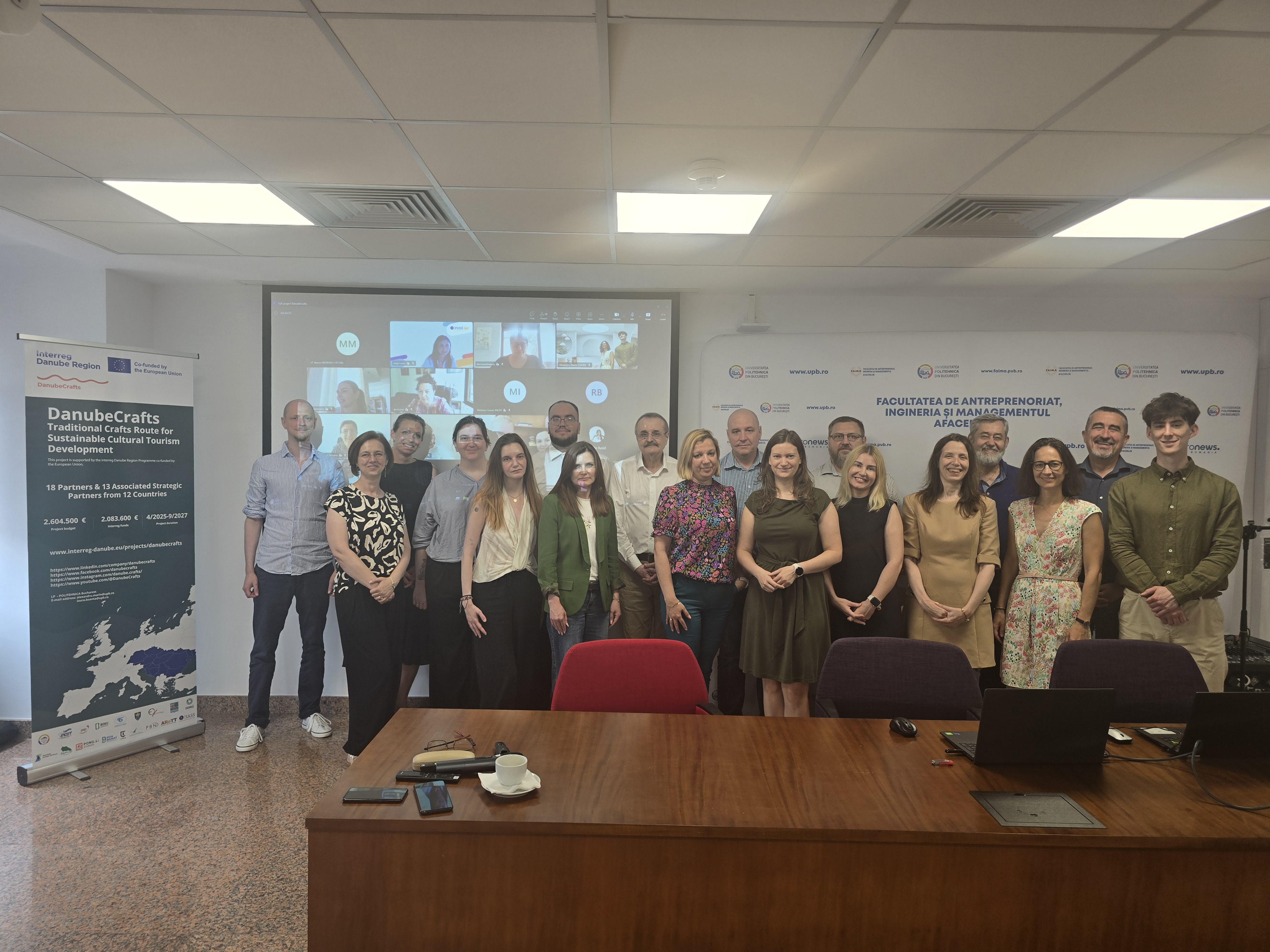

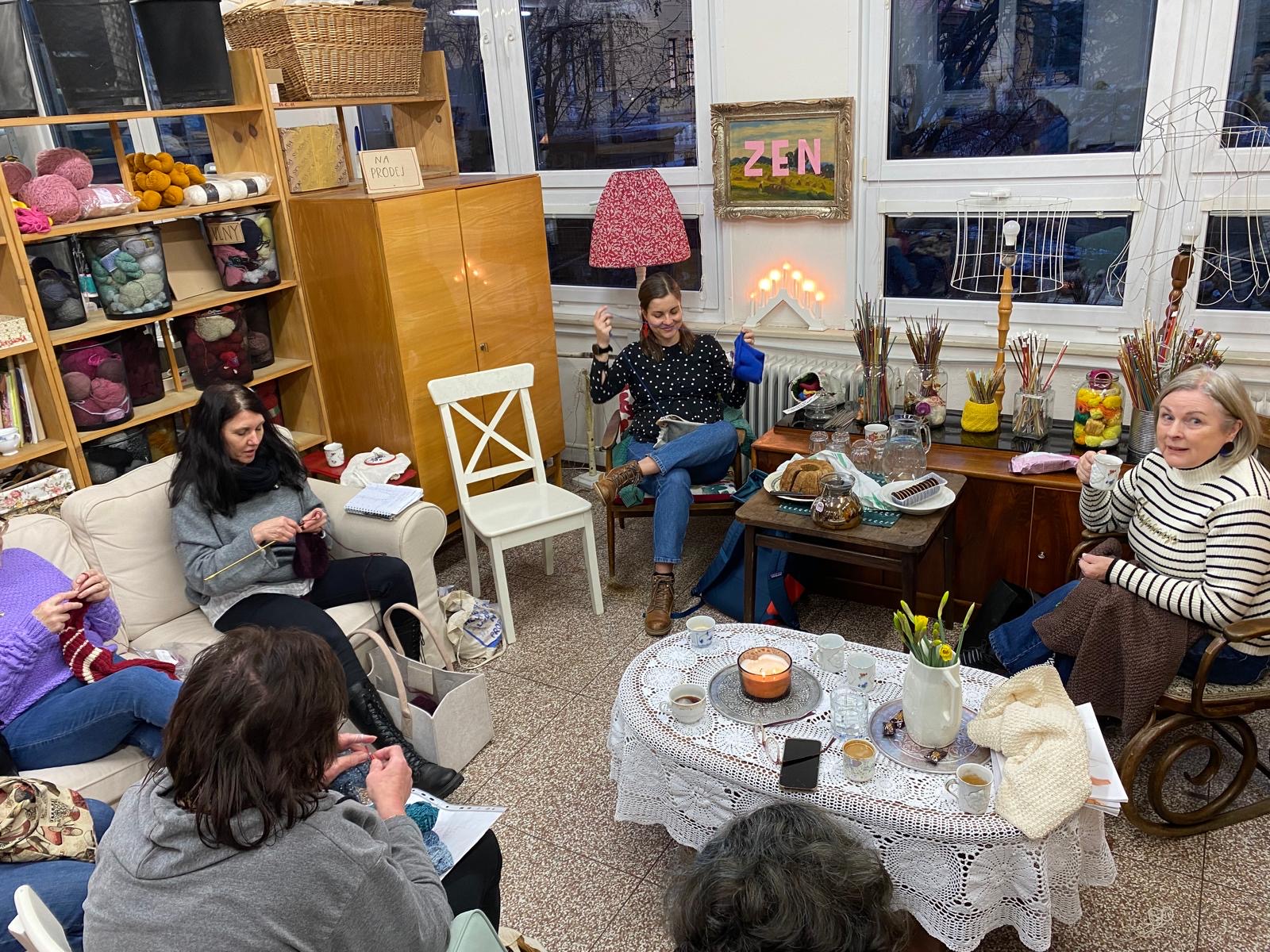

Project overview
Start date:
01 April 2025
Status: ongoing
End date:
30 September 2027
€ 2 604 500
budget
80.00 % funded by
Interreg Funds
12
countries
18
partners
Find the project on social media


Need any help? Contact us!

Gabriel Cornel Boanță
Communication Manager
Professional with an academic background in Economics, specialized in Management and Marketing, with experience in communication, dissemination and stakeholder engagement within European projects. Combines strategic communication expertise with a strong understanding of innovation ecosystems, technology transfer and research valorisation processes. Working within the Innovation and Technology Transfer Department of the National University of Science and Technology POLITEHNICA Bucharest, contributes to activities supporting innovation promotion, collaboration between academia and industry, and the valorisation of research results. Has experience in European research and cooperation projects, including Horizon Europe, Interreg and other EU-funded programmes, focusing on communication, dissemination of results and stakeholder engagement. Within the DanubeCrafts project, is responsible for the development and implementation of the communication and dissemination strategy, coordinating outreach activities and ensuring the visibility of project results through events, publications, digital platforms and stakeholder networks. The role also supports knowledge exchange and cooperation between academia, SMEs, cultural actors and public institutions, contributing to the promotion and sustainable development of traditional crafts in the Danube Region.
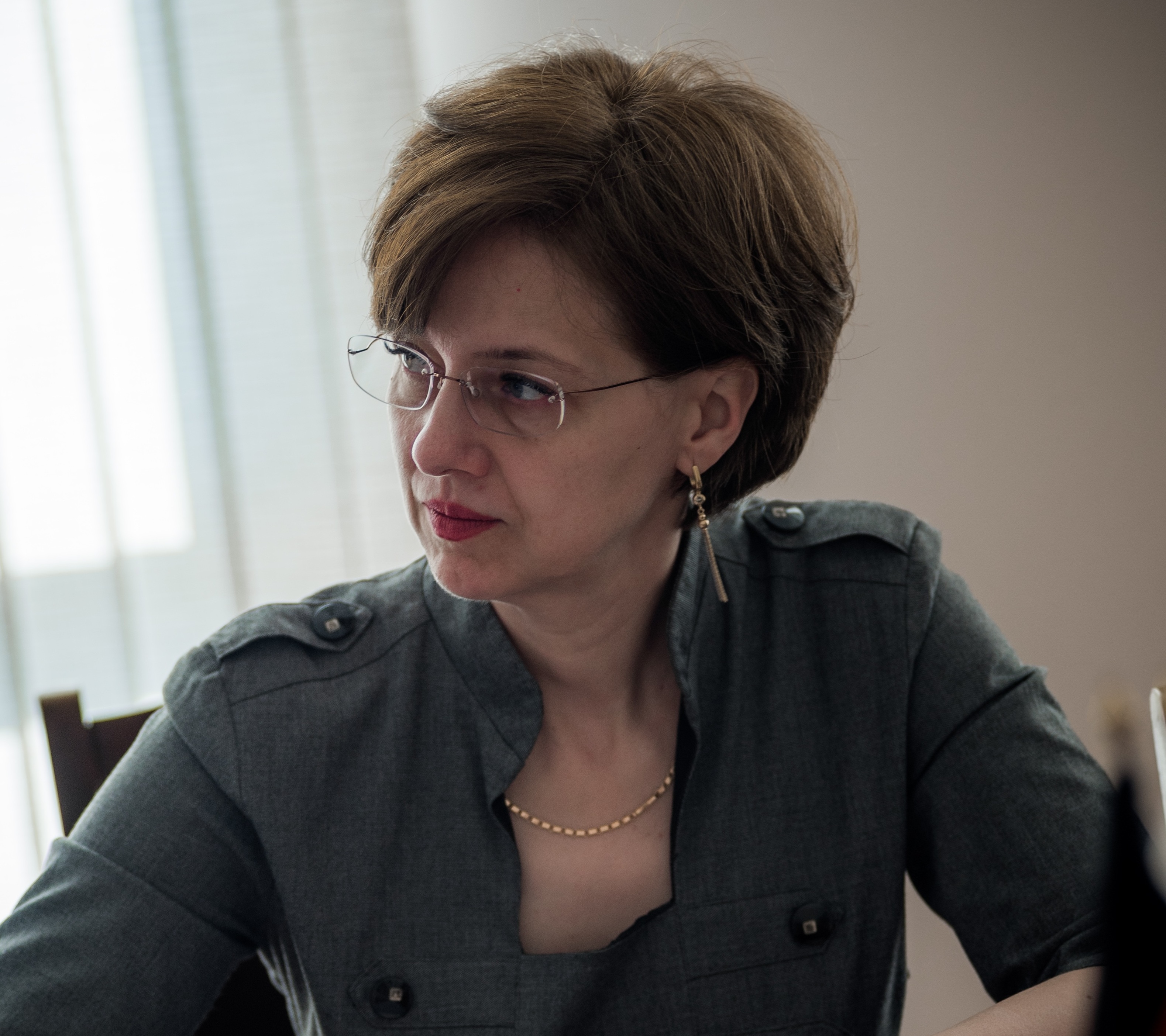
Laura Florentina Boanță
Financial Manager
PhD in Management, specialised in the hybrid management of research, development and innovation (RDI) projects, combining predictive and Agile methodologies in complex, multi-partner environments. Background in Chemistry, providing a solid scientific foundation for understanding and supporting research and innovation processes. Extensive experience in writing, coordinating and implementing national and international projects, including substantial expertise in Horizon Europe, Interreg and other EU-funded programmes. Experienced Project Director within Interreg and Horizon programmes, as well as in other management roles in complex international consortia involving academic institutions, public authorities and private sector partners. Strong expertise in innovation management, technology transfer and knowledge valorisation, supporting the transformation of research results into applicable solutions for industry and society. Experience in facilitating cooperation between academia, SMEs and public stakeholders, promoting the uptake of innovative technologies and fostering international collaboration. Financial Manager of the Lead Partner – Politehnica Bucharest, ensuring sound financial coordination, compliance with EU regulations and efficient management of financial reporting within EU-funded projects, including the DanubeCrafts project under the Interreg Danube Region Programme. Actively involved in the development of strategies, action plans and innovation support mechanisms, including initiatives aimed at strengthening regional innovation ecosystems, supporting SMEs, and facilitating technology transfer, knowledge exchange and the practical application of research outcomes with tangible economic and institutional impact.
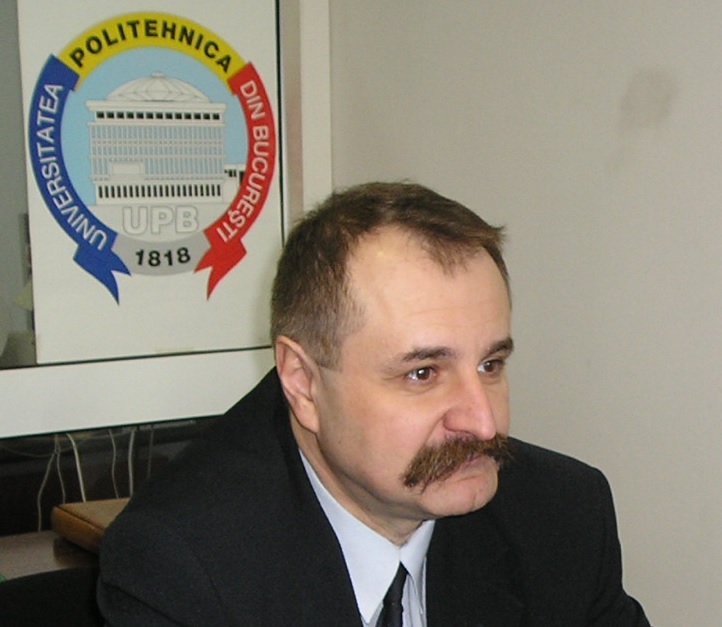
Alexandru Marin
Project Manager
Alexandru Marin is a university professor and expert in innovation and technology transfer with extensive experience in European projects and international cooperation. He graduated in Mechanical Engineering from the University POLITEHNICA of Bucharest and holds a PhD in Fluid Mechanics and Hydraulic Machines. Within the DanubeCrafts project, Alexandru Marin serves as Project Director, coordinating the implementation of project activities and the collaboration among international partners. His role focuses on supporting the development and promotion of traditional crafts and strengthening transnational cooperation across the Danube region. He has long-standing experience in supporting innovation and internationalization for SMEs, providing services such as innovation audits, intellectual property consultancy, and support for the valorization of research and development results. Throughout his career, he has contributed to strengthening links between academia, industry, and regional stakeholders. In addition to his project management and advisory roles, he is also an experienced trainer and speaker at international conferences and training events dedicated to innovation, entrepreneurship, and knowledge transfer.

Would you like to receive project updates?
You're already part of our community!
Welcome to our newsletter community!
Subscribe to our newsletter