
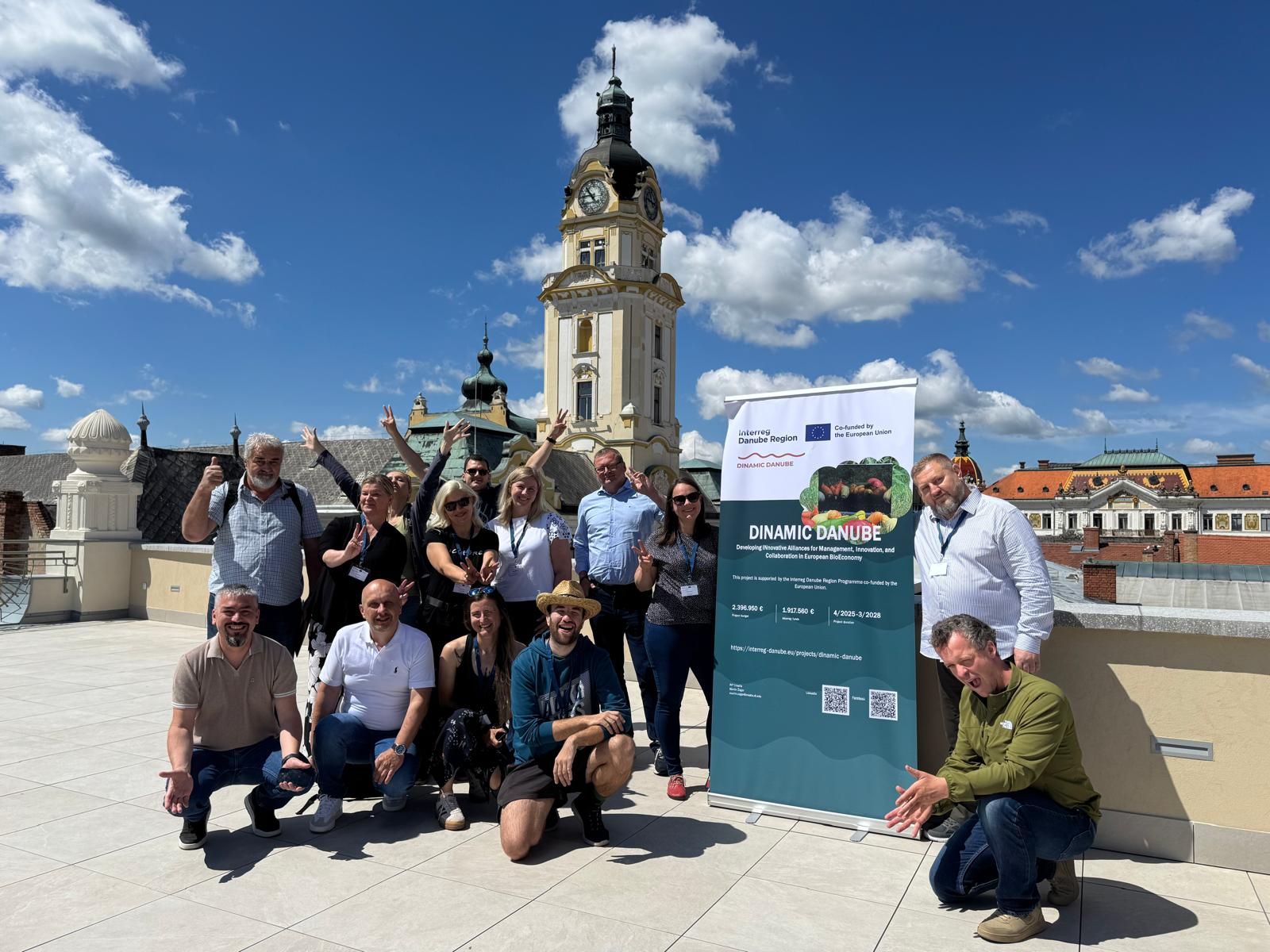

Study visit - Pécs, June 2 - 4, 2026
🌱 Learning from Local Food Systems and Circular Economy Practices in South Transdanubia
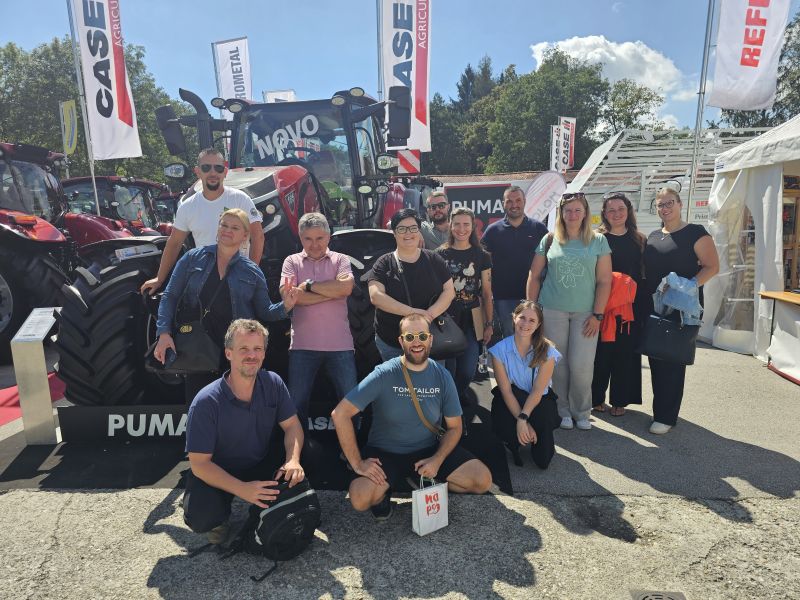
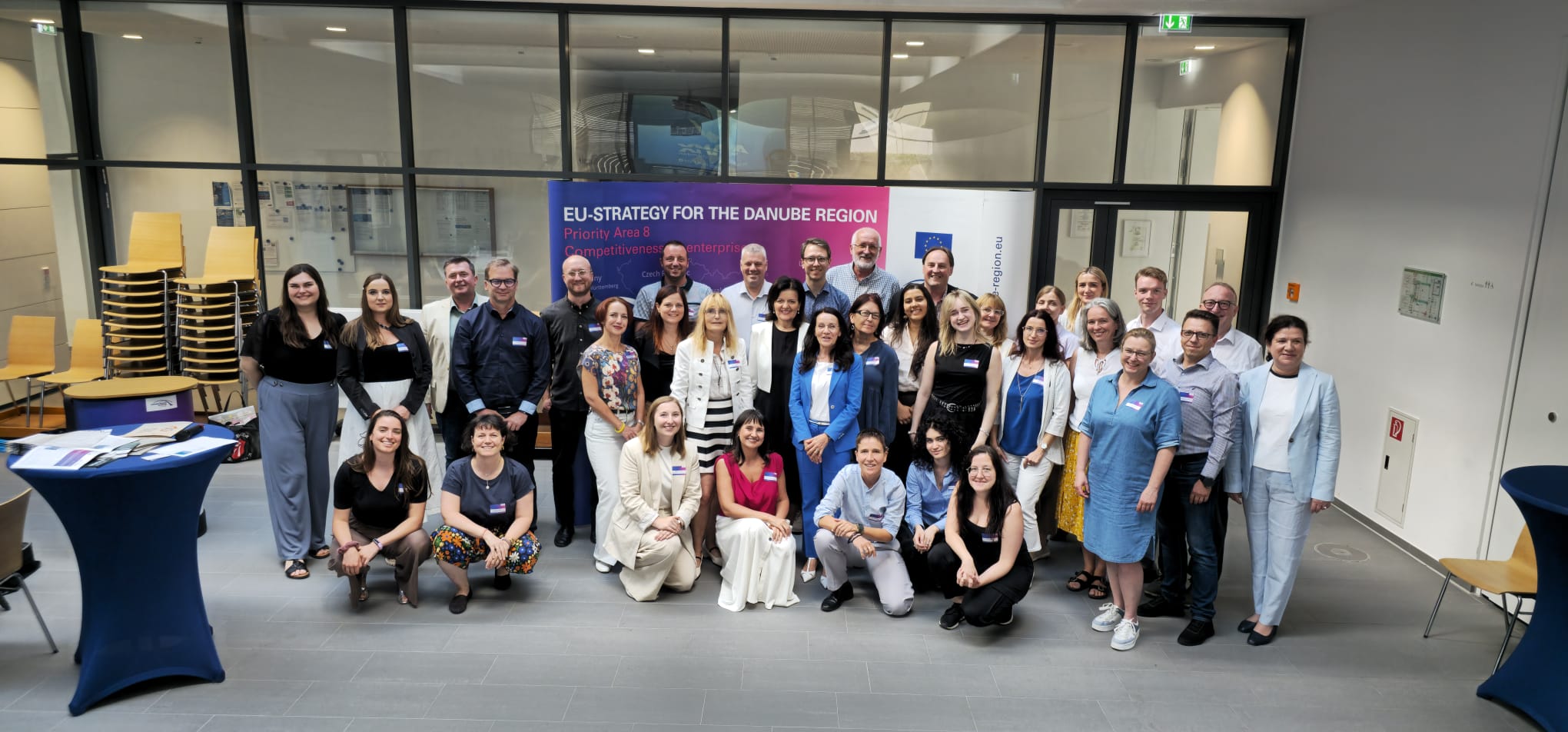
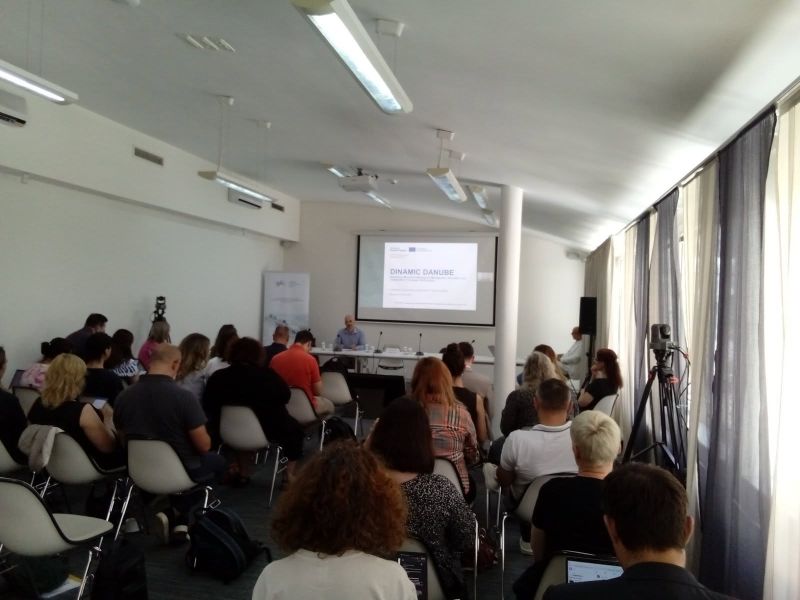
As part of the DINAMIC DANUBE project, we had the opportunity to participate in a study visit organized by the South Transdanubian Regional Innovation Agency (STRIA) in Pécs, Hungary, dedicated to circular economy solutions and sustainable local food systems.
During three intensive days, we explored inspiring examples of family entrepreneurship, short agri-food supply chains, local food communities, and cooperation among producers, clusters, and support organizations.
Among the highlights were visits to:
🌶️ Gastrochili – a family-owned enterprise that manages the entire value chain, from growing chili peppers to producing and marketing handcrafted sauces and specialty products. Their work demonstrates how local agricultural production can create high-value products while maintaining strong regional roots.
🐐 MecseKecske Farm – a small family farm in the Mecsek region producing traditional goat dairy products, including cheese, yogurt, and kefir. The farm is an excellent example of preserving traditional knowledge while responding to modern consumer demand for authentic and locally produced food.
We also hosted:
🌱 MikroZöldség Farm – specializing in nutrient-rich microgreens produced throughout the year, showing how innovation and sustainable production methods can contribute to healthy food systems.
🤝 Pécsi Kosárközösség (Pécs Basket Community) – a remarkable community-supported marketplace connecting local farmers directly with consumers and strengthening trust, transparency, and local economic resilience.
🍯 Kozma Méhészet – demonstrating the importance of beekeeping, biodiversity, and local honey production within sustainable rural economies.
🍽️ Reggeli Restaurant, Baranya Gastro Cluster, and iFOOD Cluster showcased how cooperation across the food value chain can strengthen regional gastronomy, innovation, and competitiveness.
The study visit clearly demonstrated that sustainable regional development is built on collaboration. Farmers, processors, restaurants, clusters, researchers, and development agencies all have an important role to play in creating resilient agri-food supply chains and local food systems.
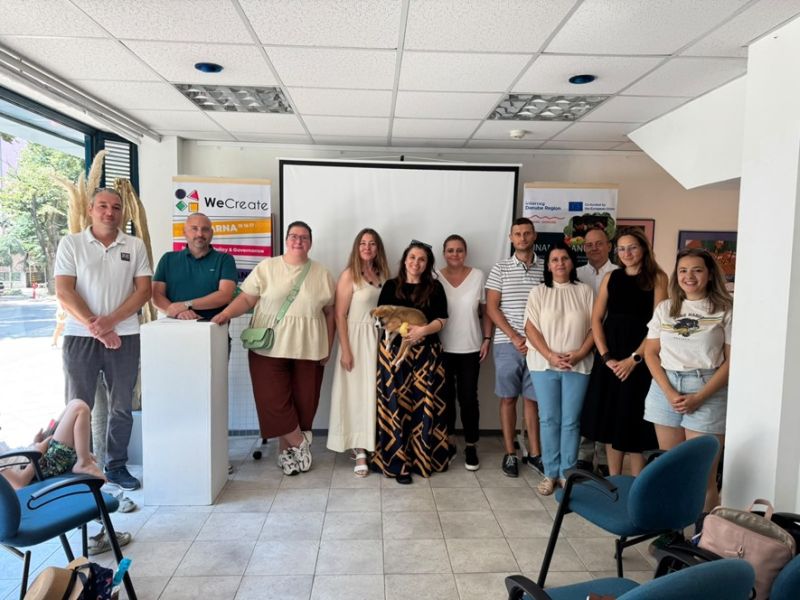
Most importantly, the visit provided an excellent opportunity for mutual learning among partners from different countries. By exchanging experiences, discussing challenges, and sharing successful practices, we strengthen the impact of our own initiatives and contribute to the broader goals of the Interreg Danube Region Programme.
Thank you to our Hungarian hosts for their hospitality, openness, and willingness to share their knowledge and experience.

06/11/2026
By Kristina Soric
Share on social media:


News & Events
Read the most recent updates and explore the upcoming events.

Would you like to receive project updates?
You're already part of our community!
Welcome to our newsletter community!
Subscribe to our newsletter