

From Idea to Impact: ESINERGY Closes a Chapter on Smarter Energy Across the Danube Region
After thirty months of transnational cooperation, eight real-world pilot actions, and hundreds of hours of joint work across twelve countries, the ESINERGY project has reached its conclusion — leaving behind tested solutions, a shared Master Plan, and a network of partners committed to smarter, greener energy systems in the Danube Region.
The Interreg Danube Region Programme-funded ESINERGY project officially concluded on 30 June 2026, marking the end of an ambitious 2.5-million-euro transnational initiative that set out to tackle one of the most pressing challenges in today's energy landscape: how to manage the growing imbalance between renewable energy generation and the capacity of local electrical networks.
As solar panels multiply across rooftops and more communities seek energy independence, electricity grids in many parts of Europe are reaching their operational limits. Peak loads — those moments when electricity demand or supply spike beyond what the network can comfortably handle — were at the heart of what ESINERGY sought to understand, measure, and resolve.
A Transnational Challenge, a Transnational Answer
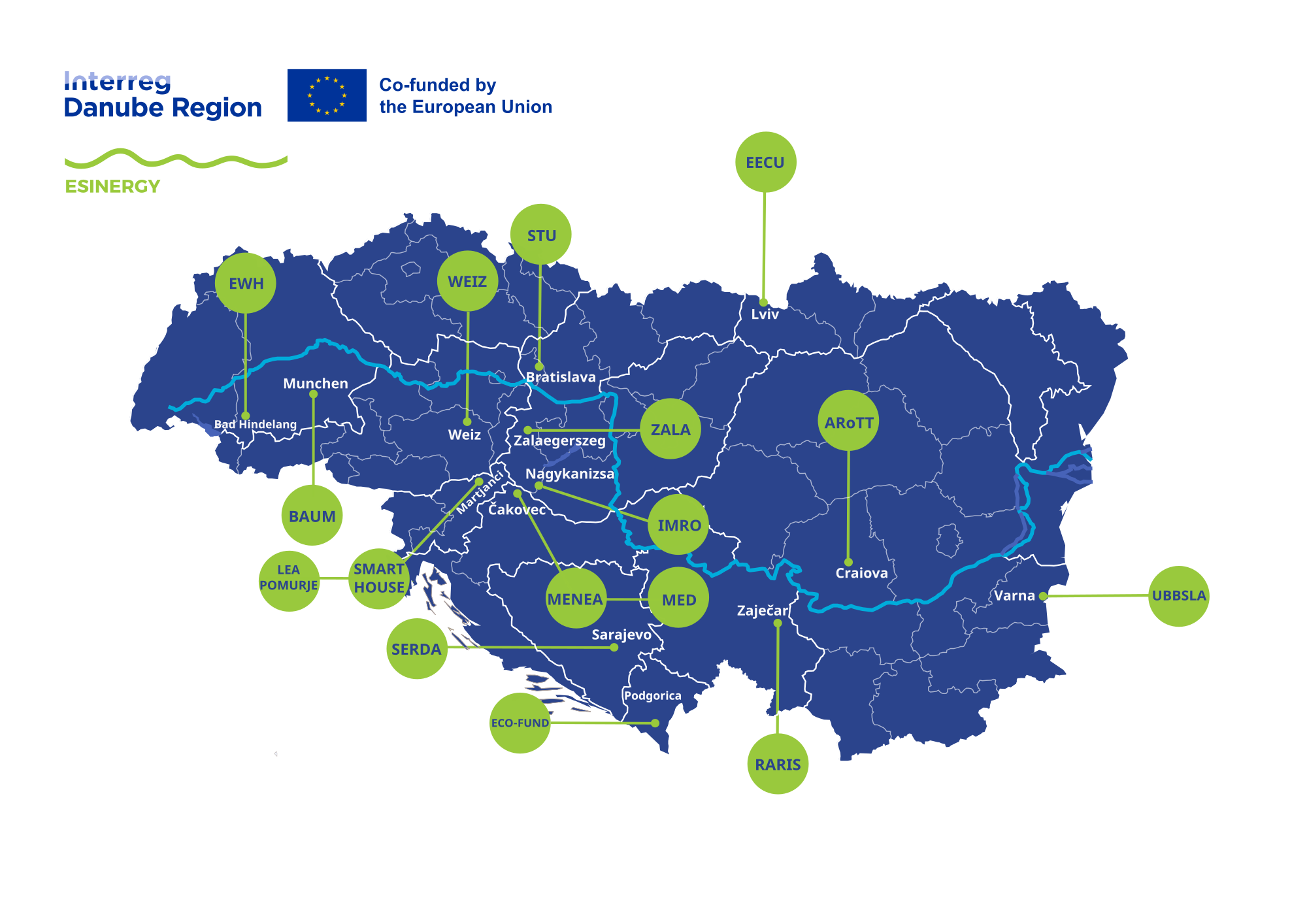
The ESINERGY partnership brought together 16 organisations from 12 countries — Slovenia, Croatia, Austria, Germany, Hungary, Romania, Slovakia, Serbia, Montenegro, Bosnia and Herzegovina, Bulgaria, and Ukraine — each contributing distinct expertise and real local contexts. Led by the Local Energy Agency Pomurje (LEA Pomurje) from Slovenia, the consortium united energy agencies, regional development bodies, municipal authorities, research institutions, and public utilities.
What made ESINERGY distinctive was not just the breadth of its geographic reach, but the depth of its commitment to practical, on-the-ground solutions. Rather than producing recommendations in isolation, the project embedded its learning in real pilot actions implemented in seven countries simultaneously.
Eight Pilots, Seven Countries, One Common Purpose
The cornerstone of ESINERGY's approach was its portfolio of eight pilot investments, each addressing peak load reduction in a different local context and through a different technological lens:
🇸🇮 Slovenia — Martjanci: Smart Solar Energy Flow and EV Integration
A smart energy management system combining photovoltaic production, battery storage, and electric vehicle charging coordination. The pilot demonstrated how public buildings can shift from passive energy consumers to active managers of local energy flows, keeping grid loads balanced while maximising self-consumption.
🇭🇷 Croatia — Čakovec: Battery Storage in a Public Administrative Building
Medjimurje County installed a battery system in the Administrative Building of MENEA, enabling the facility to store surplus solar energy and discharge it during peak demand periods — reducing grid stress and lowering energy costs.
🇦🇹 Austria — Weiz: Smart Energy Monitoring at the Campus Innovation Centre
The Energy and Innovation Centre of Weiz (EIZ) installed advanced monitoring equipment to measure and analyse energy flows across the campus in real time. The data collected are directly informing local energy planning and providing a replicable model for innovation campuses across the region.
🇩🇪 Germany — Bad Hindelang: AI-Based Monitoring and Control of Decentralised Assets
The Electricity Company Hindelang deployed an AI-powered monitoring and control system to manage decentralised renewable energy installations — including small hydropower — optimising their output while preventing grid overloads. The solution represents a forward-looking approach to managing complex, distributed energy landscapes.
🇧🇬 Bulgaria — Beloslav: Smart Battery Management
A battery management system was deployed in Beloslav, targeting industrial energy use and demonstrating how commercial facilities can integrate storage solutions to reduce peak demand charges and support grid stability.
🇧🇦 Bosnia and Herzegovina — Goražde: PV System with Battery Storage
The Sarajevo Economic Regional Development Agency (SERDA) supported the installation of a photovoltaic power plant combined with a battery system in Goražde, providing a practical model for energy communities in Southeast Europe where grid reliability remains a challenge.
🇺🇦 Ukraine — Khotyn: Heat Pumps for a Local Hospital
Perhaps the most compelling pilot of all: a gas boiler serving a hospital in Khotyn was replaced by a heat pump powered entirely by on-site solar PV. The results speak directly to energy resilience in difficult circumstances — the system eliminates 30,000 m³ of natural gas per year, prevents approximately 53 tonnes of CO₂ emissions annually, and demonstrates that clean, reliable heating is achievable even for critical healthcare infrastructure. Scaled across all 562 hospitals in Ukraine, this approach could save 16.8 million m³ of gas every year.
🇭🇺 Hungary — Zala County: Smart Energy Community Model
In partnership with IMRO-DDKK and Zala County Self-Government, the Hungarian pilot developed a community-based energy management model, exploring how municipalities and local stakeholders can coordinate energy production, storage, and demand response collectively.
From Pilots to Policy: The ESINERGY Master Plan
Beyond the individual pilot sites, ESINERGY produced a Transnational Master Plan — a strategic framework synthesising the lessons of all eight pilots into actionable guidance for municipalities, grid operators, energy agencies, and policymakers across the Danube Region. The Master Plan addresses peak load reduction through a combination of technical, regulatory, and planning instruments, and was specifically designed to be adapted and replicated in contexts beyond the project's direct pilot territories.
Complementing the Master Plan, the project delivered a Policy Brief addressing the correct implementation of the EU Renewable Energy Directive in the context of energy storage and network stability — one of the regulatory gaps that ESINERGY set out to close.
Knowledge Built Together, Shared Widely
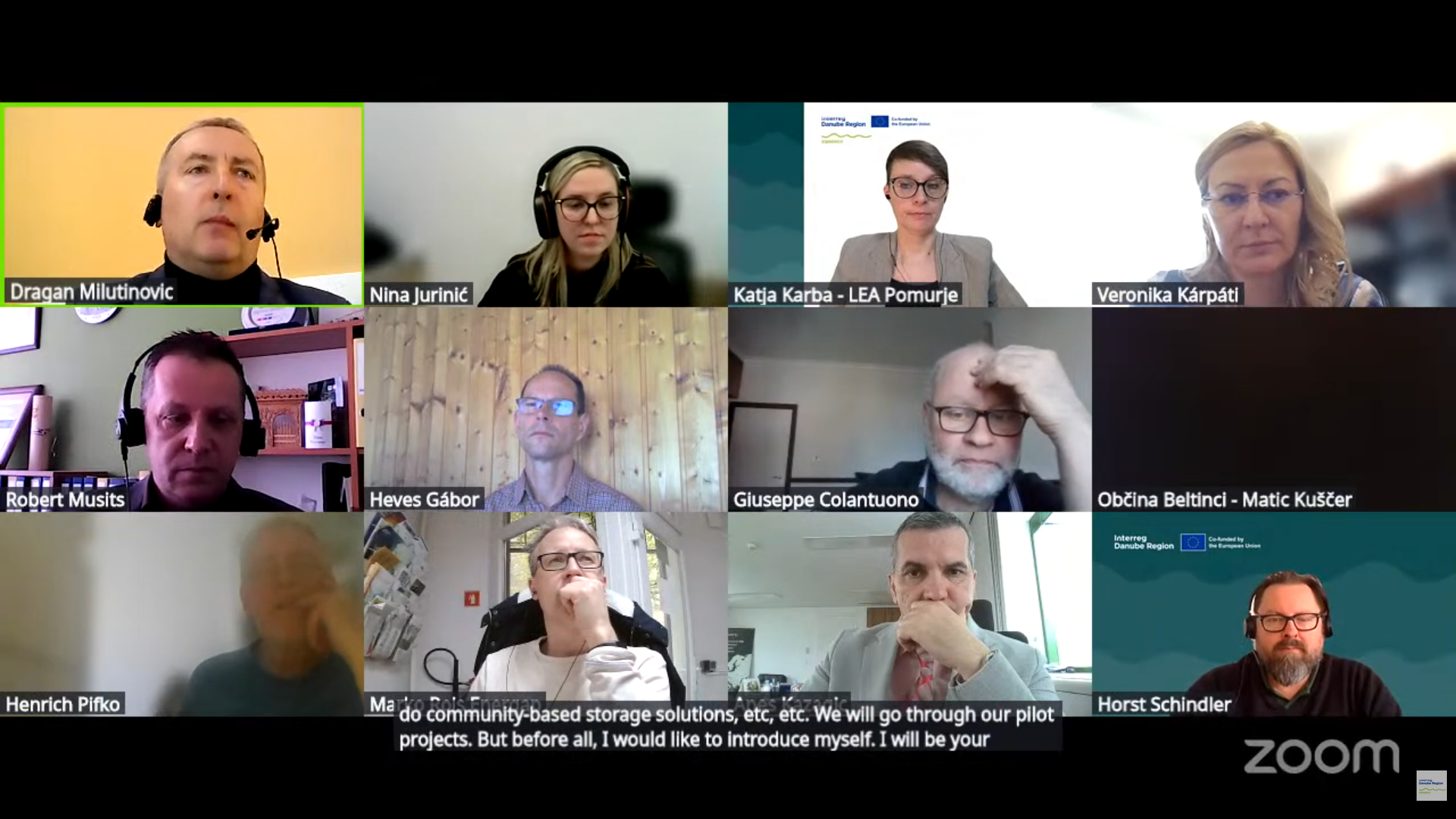
Throughout its lifetime, ESINERGY invested significantly in knowledge transfer and stakeholder engagement. Two transnational webinars connected energy professionals, local authorities, and practitioners across the Danube Region, with recordings made freely available. An interview series offering a "Policy Maker Perspective" put spotlight on how decision-makers at regional and national level can replicate and scale ESINERGY solutions.
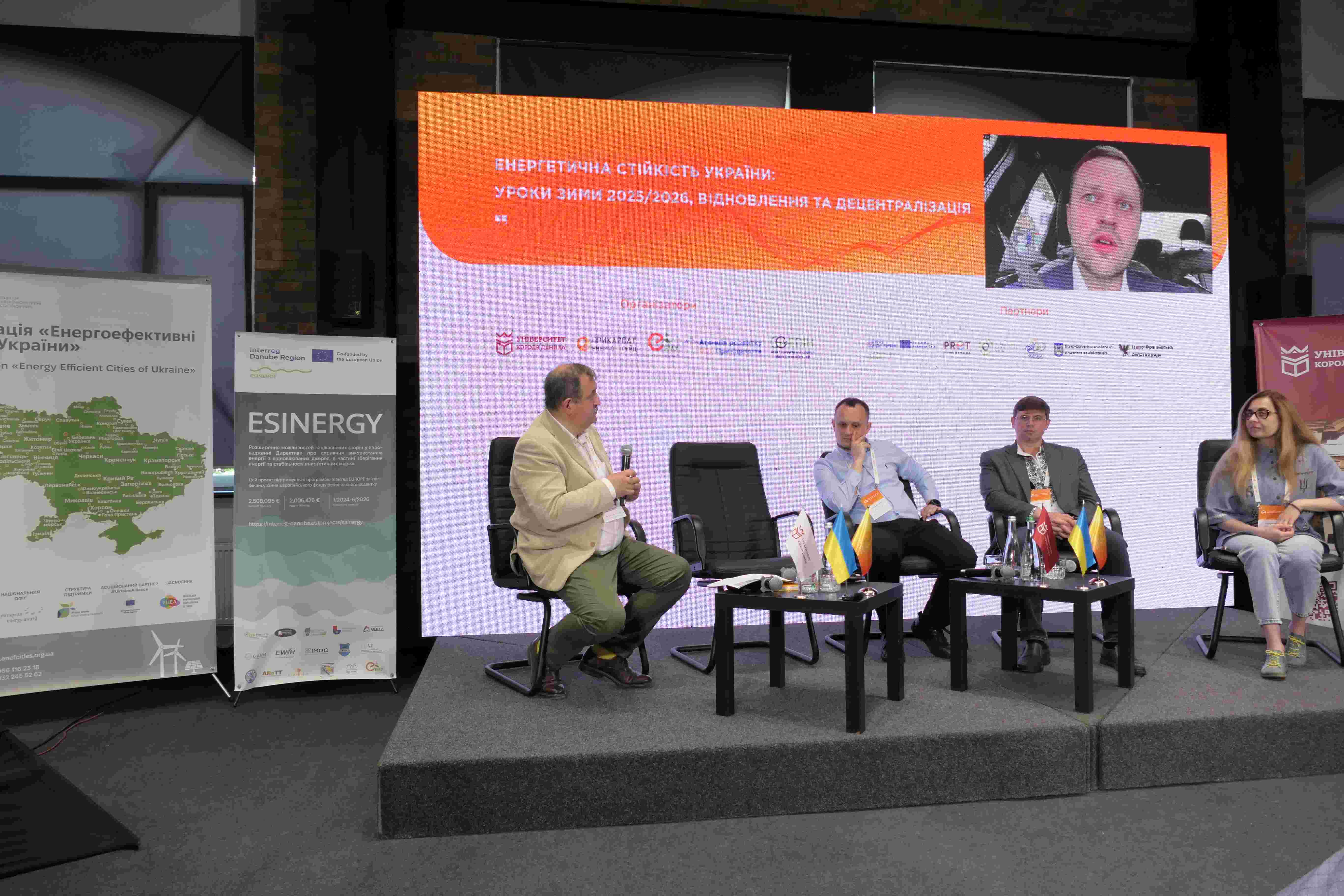
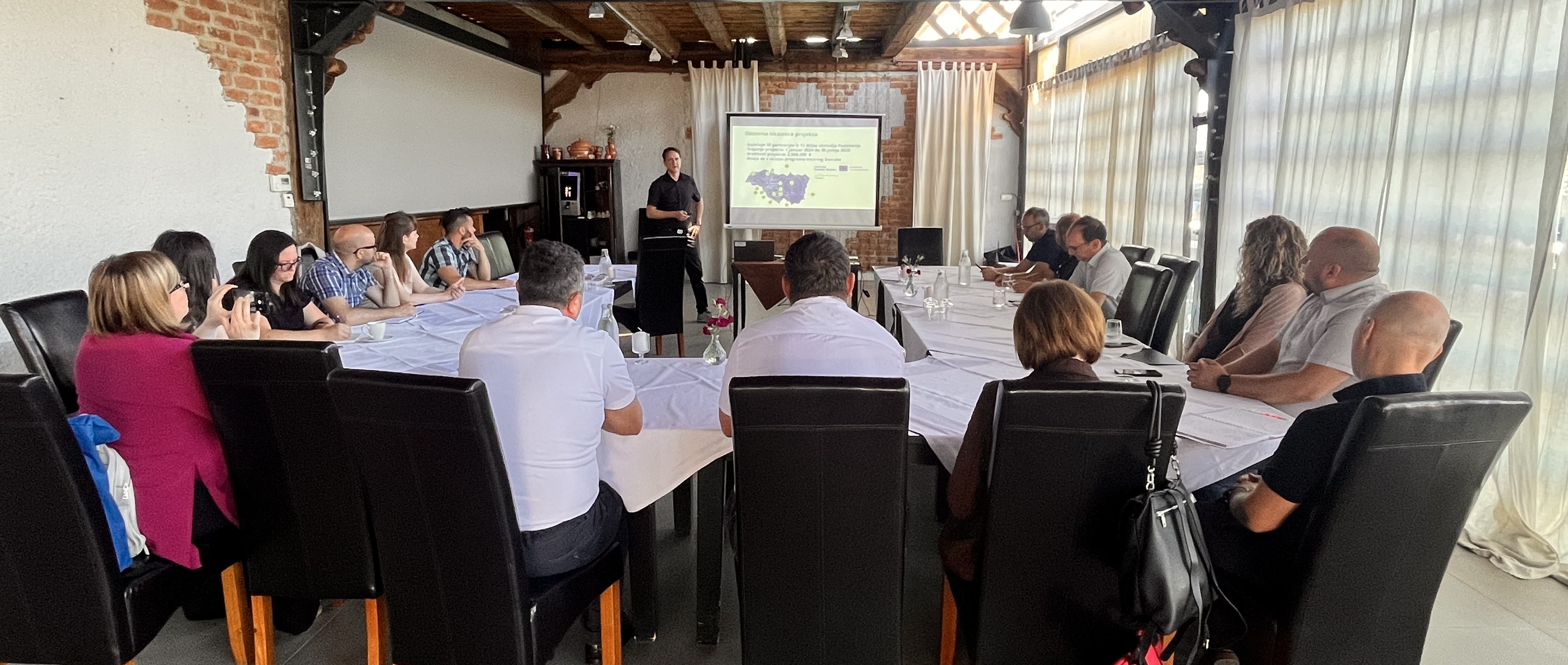
The project's results were shared at major regional events, including the Pre-Carpathian Energy Forum 2026, where ESINERGY's conceptual outcomes reached an audience of energy professionals across Central and Eastern Europe. In Slovenia, a dedicated "Breakfast with Pomurje Mayors" event enabled LEA Pomurje to present the project's solutions directly to local elected officials, resulting in signed Letters of Intent from municipalities expressing commitment to adopting ESINERGY approaches in their local energy planning.
The Final Chapter: Varna, 18 June 2026
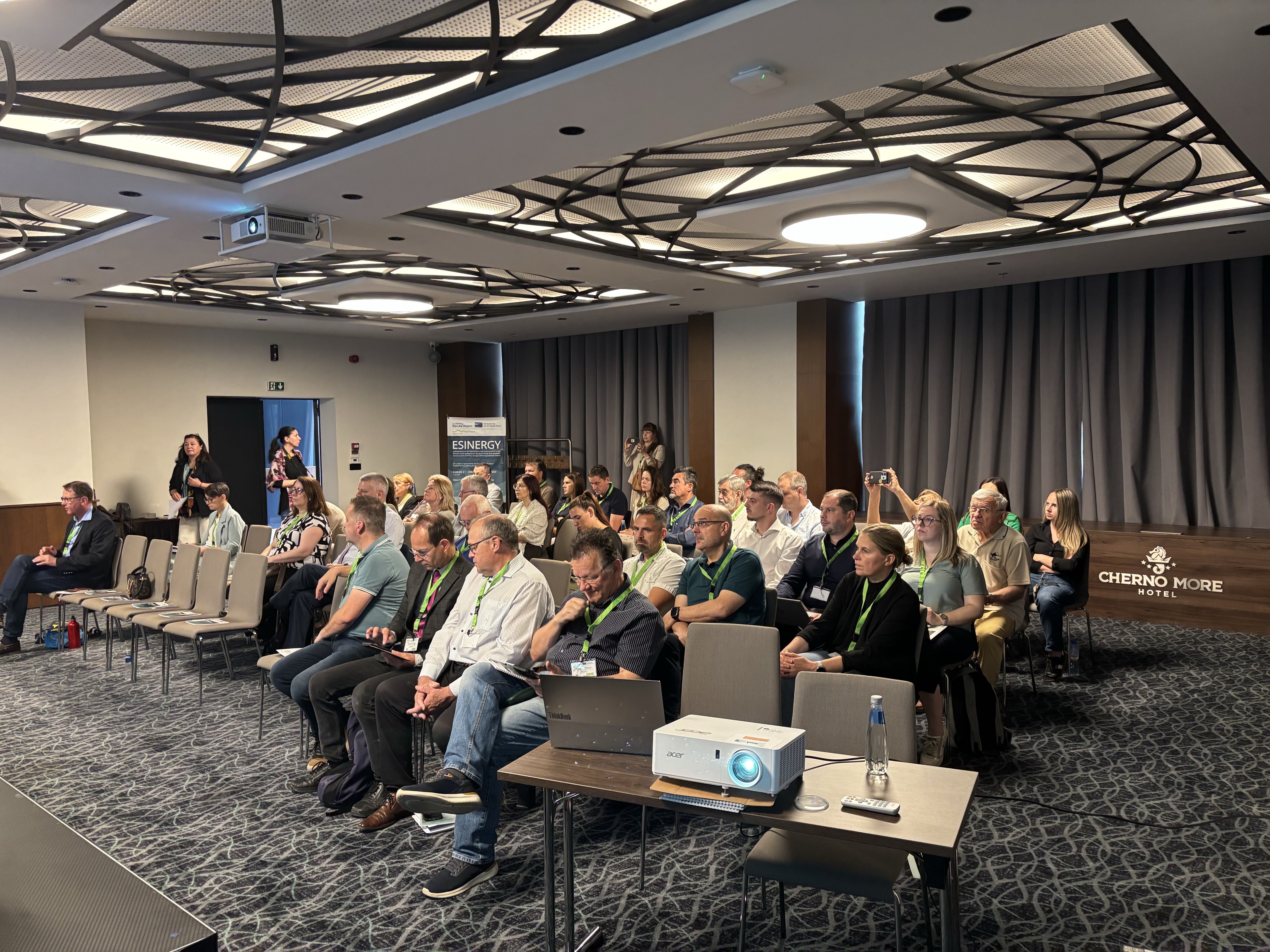
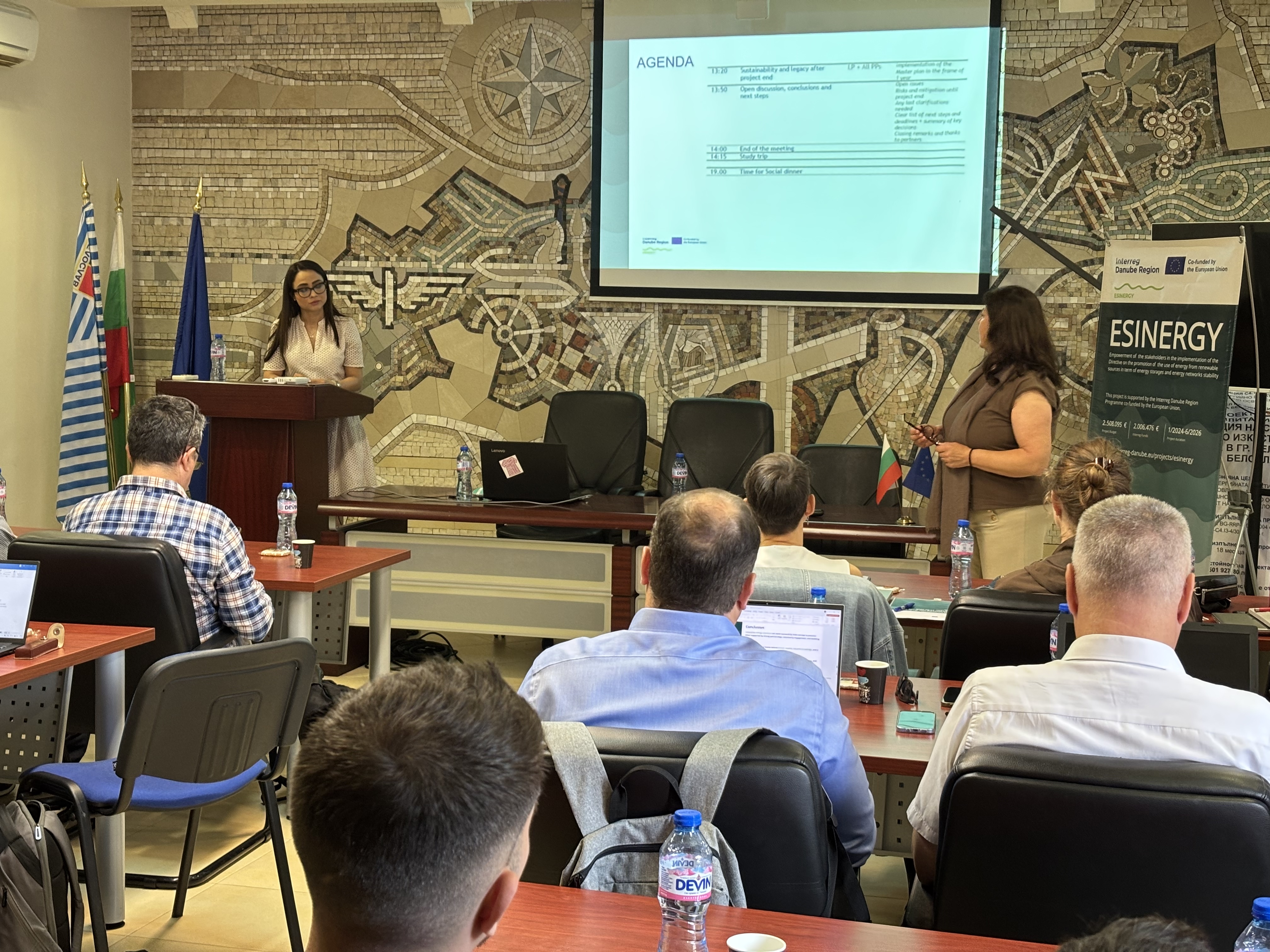
The ESINERGY journey concluded at the project's Final Conference, held on 18 June 2026 at Hotel Cherno More in Varna, Bulgaria. Partners from across the Danube Region gathered to present consolidated results, reflect on lessons learned, and discuss the long-term sustainability of the project's outputs.
"Varna is proud to host partners from across the Danube Region today. The solutions presented by the ESINERGY project are exactly what our municipalities need — practical, affordable, and proven in real conditions." — Sofia Koleva, Deputy Mayor of Varna, at the ESINERGY Final Conference, 18 June 2026
The conference programme featured two panel discussions showcasing all eight pilot actions, moderated exchange between energy experts and local authorities, and a study visit to the Albena Tourist Resort — a living example of integrated smart energy management.
What ESINERGY Leaves Behind
As the project closes, its legacy is not measured only in kilowatt-hours saved or tonnes of CO₂ avoided — though those numbers matter. It is measured also in the relationships built across twelve countries, the institutions that now understand energy challenges differently, and the local governments that have already pledged to carry ESINERGY solutions into their long-term planning.
The challenge that motivated ESINERGY — grids under pressure, communities seeking energy independence, regions navigating the transition to renewables — has not disappeared. If anything, it has become more urgent. But ESINERGY has shown, concretely and with verifiable results, that transnational cooperation delivers answers that no single partner, region, or country could reach alone.
The Danube Region's energy future is smarter, and a little greener, for the work that was done here.
For more visit also ESINERGY YouTube channel:
https://www.youtube.com/@InterregESINERGY
Although ESINERGY is now formally completed, its legacy continues. The knowledge generated, the practical resources developed and the partnerships established provide a strong foundation for future cooperation and new initiatives focused on energy efficiency, climate resilience and sustainable local development.
The success of ESINERGY demonstrates that European cooperation creates lasting value when organisations work together towards common goals. The project has contributed not only to improved knowledge and capacities, but also to stronger connections between institutions and communities committed to building a greener future.
We would like to sincerely thank all project partners, stakeholders, experts and participants who contributed their knowledge, enthusiasm and commitment throughout the project. Their collaboration has made ESINERGY a success.

01/07/2026
By Dragan Milutinović
Share on social media:



News & Events
Read the most recent updates and explore the upcoming events.





Would you like to receive project updates?
You're already part of our community!
Welcome to our newsletter community!
Subscribe to our newsletter