

Connecting Nature: Experts from seven countries gathered in Romania in late May as part of the ForestConnect project
The regional conference “Connecting Nature” in Cluj-Napoca and the field visit in Maramureș, attended by project partners and recently concluded, highlighted concrete solutions for protecting large carnivores and restoring forest ecosystems, from digital tools to habitat restoration while emphasizing the role of international cooperation in safeguarding forest ecosystems.
Over 90 experts, researchers, representatives of public authorities and non-governmental organizations from seven countries took part in the recent ForestConnect events, reinforcing a key message: forest connectivity is crucial for the survival of large carnivores - and beyond - in the context of a changing climate.
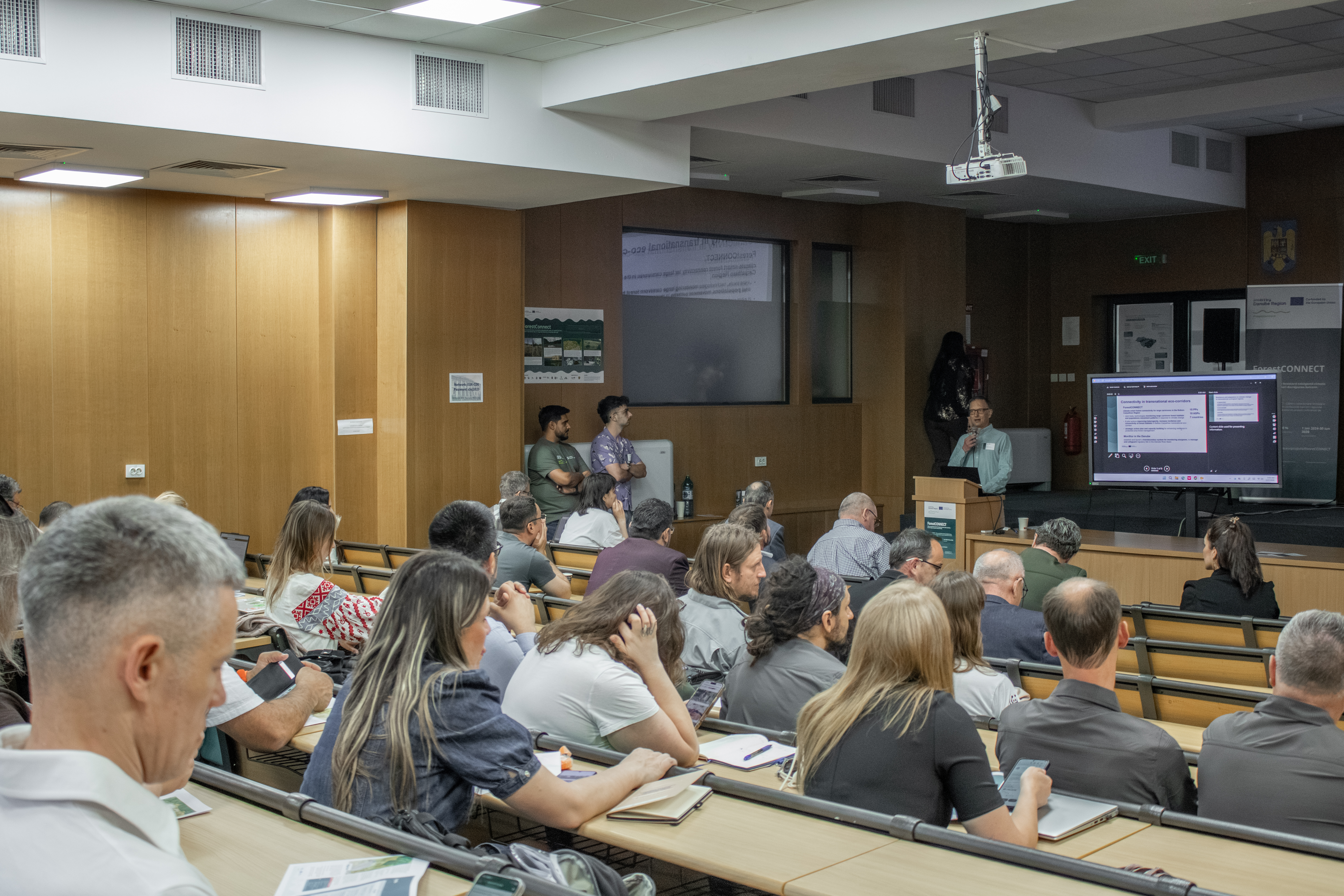
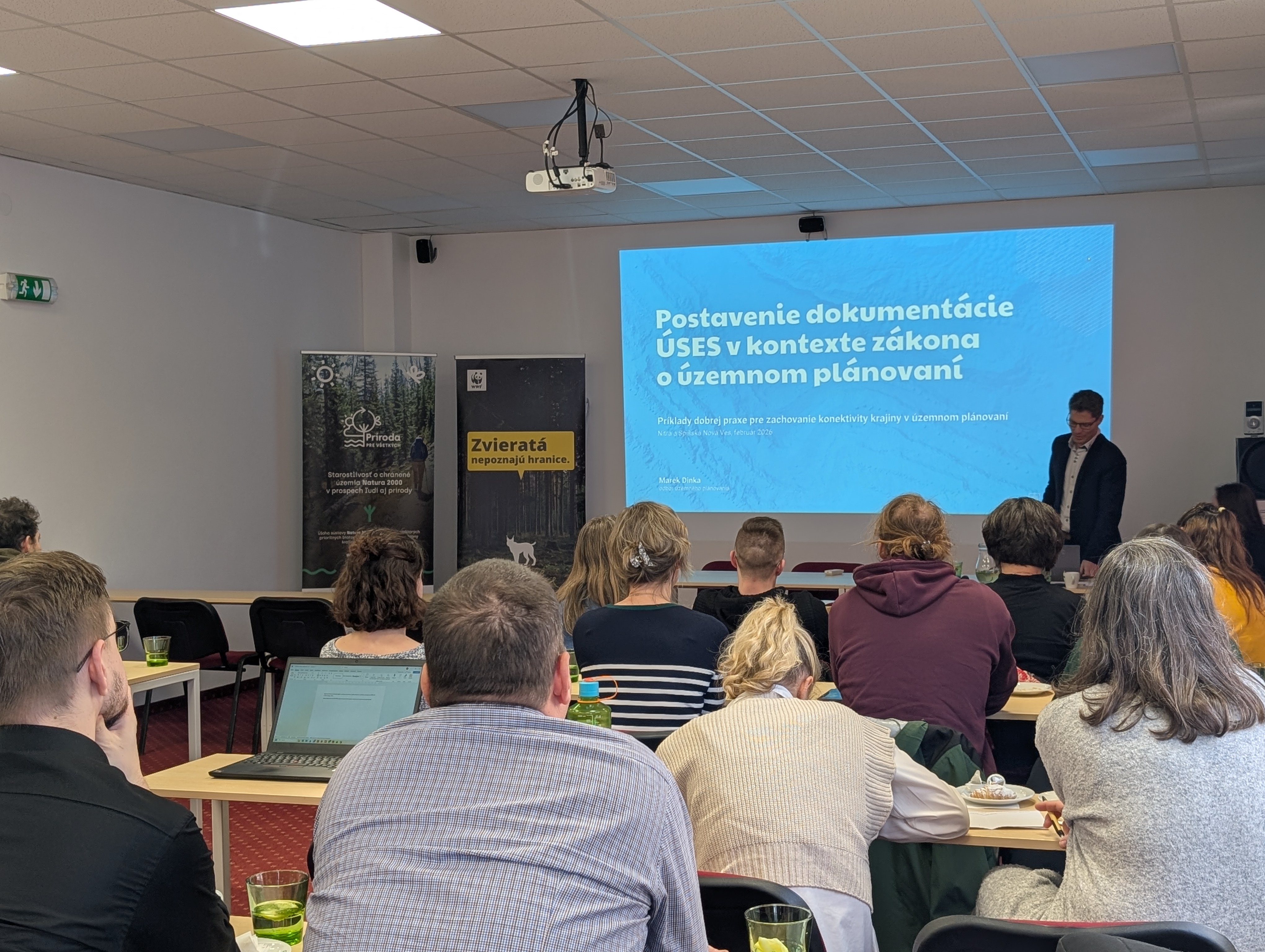
The regional conference “Connecting Nature”, held between 27–29 May 2026 in Cluj-Napoca, brought together key stakeholders from the Balkan–Carpathian–Dinaric region to discuss concrete solutions and present project results. The event took place at the University of Agricultural Sciences and Veterinary Medicine of Cluj-Napoca, in a hybrid format that enabled broad regional participation.
From analysis to action: solutions for ecological connectivity
Over the two days of the conference, participants explored a range of innovative tools and approaches developed within the project — from ecological corridor modelling and digital technologies to the development of shared databases for managing human–wildlife conflicts.
The agenda included presentations on:
modelling habitat connectivity in the context of climate change impacts,
the role of large carnivores as umbrella species for conservation,
challenges related to large carnivore conservation under changing climate scenarios,
the development and use of the CCIBIS database as a regional information hub,
the importance of public perception and social acceptance in the success of conservation measures.
A key topic addressed during the conference was coexistence between people and large carnivores — a complex reality that depends not only on data and technical solutions, but also on people, perceptions, and trust. Participants emphasized that for conservation measures to be effective in the long term, it is essential to understand how local communities perceive the presence of wildlife and to co-create solutions together with them. Positive experiences show that success depends not only on well-designed interventions, but also on dialogue, collaboration, and adaptation to local realities. When people and nature become part of the same story, coexistence becomes possible.
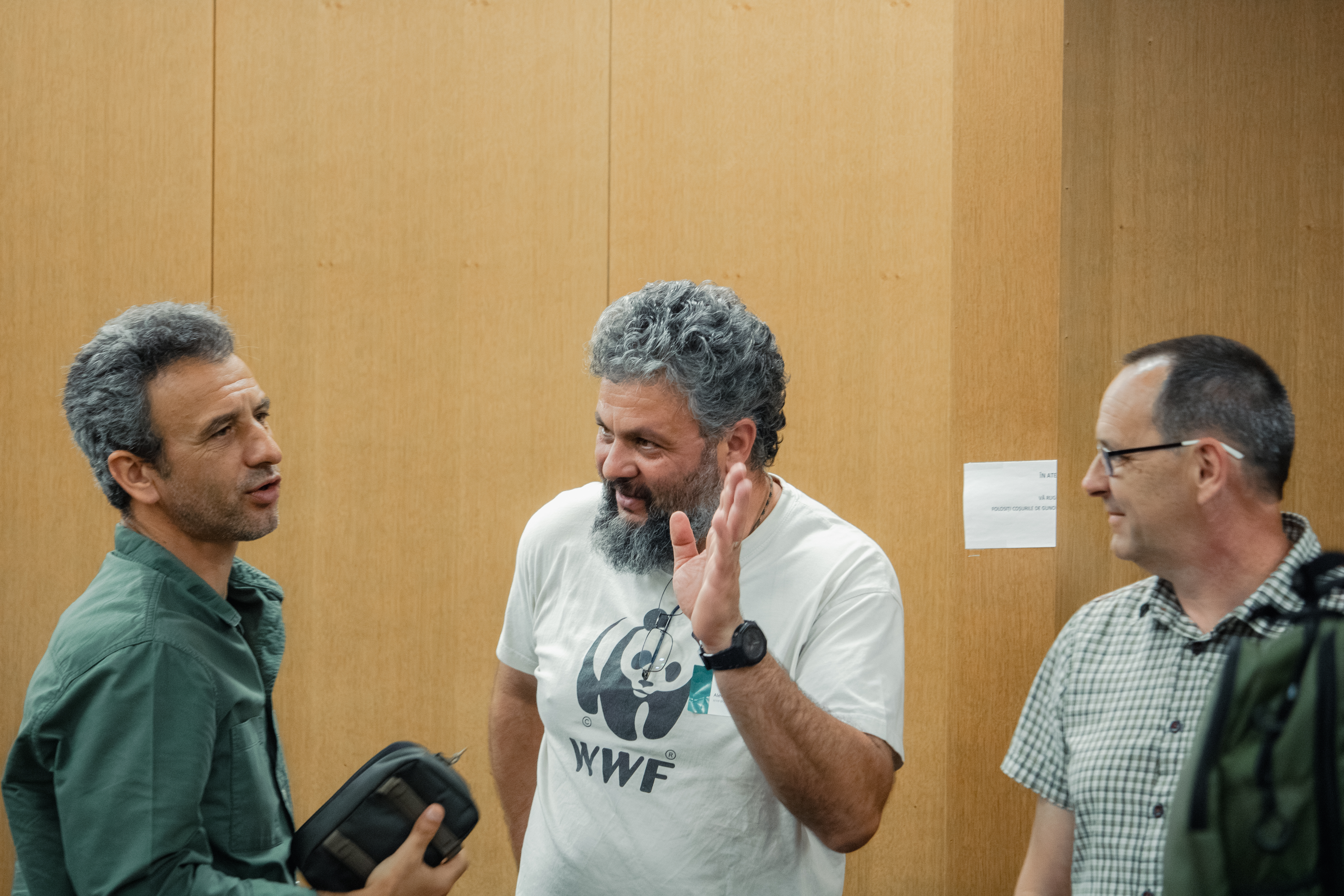
A European-level panel discussion, which closed the first day of the conference, highlighted the need for transnational cooperation to integrate ecological connectivity into public policies and nature restoration plans.
The conference in Cluj-Napoca also marked the final stage of the project, consolidating lessons learned and outlining the next steps for continued collaboration at the regional level.
Connectivity in practice: lessons from Str“mbu Băiuț
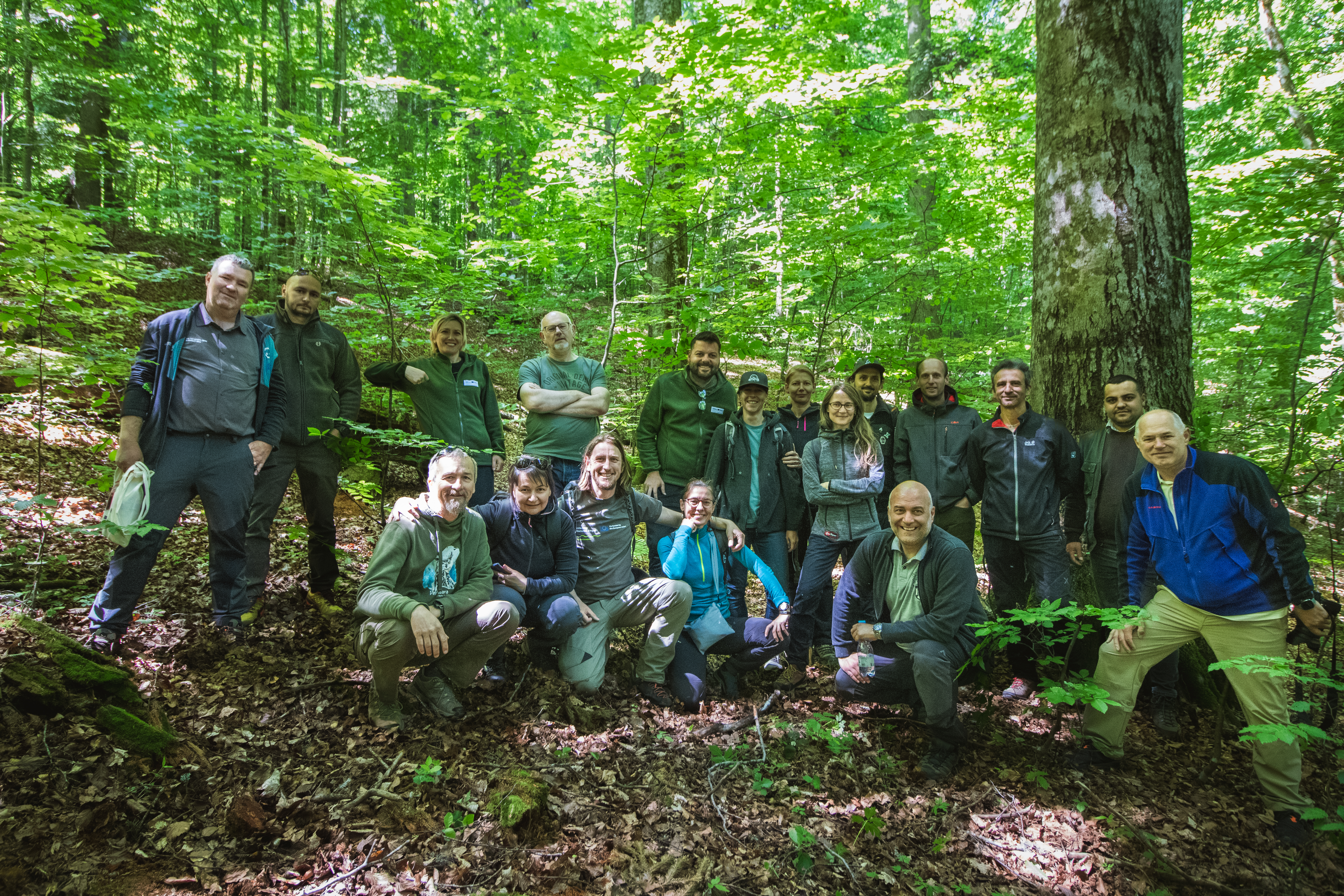
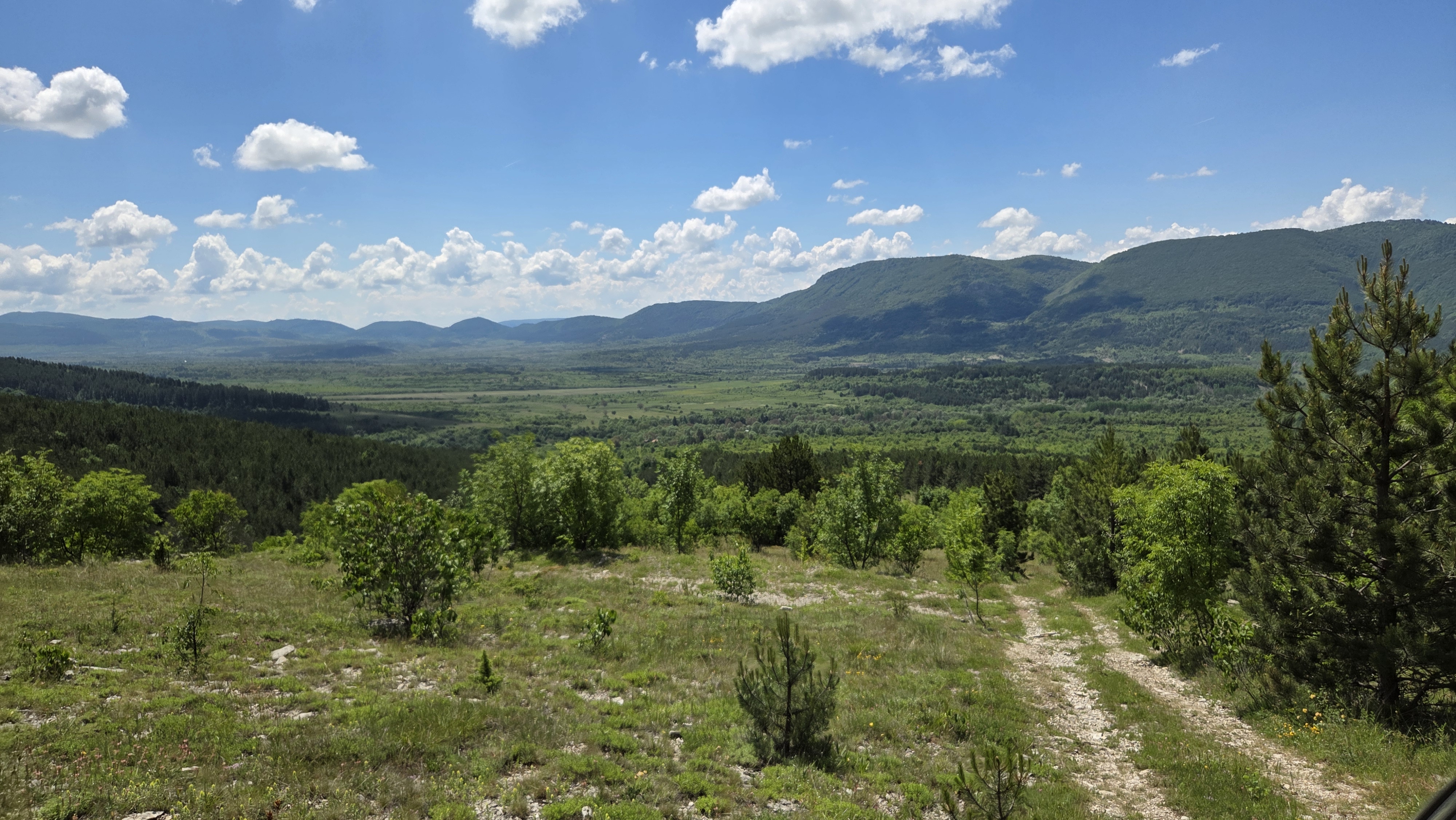
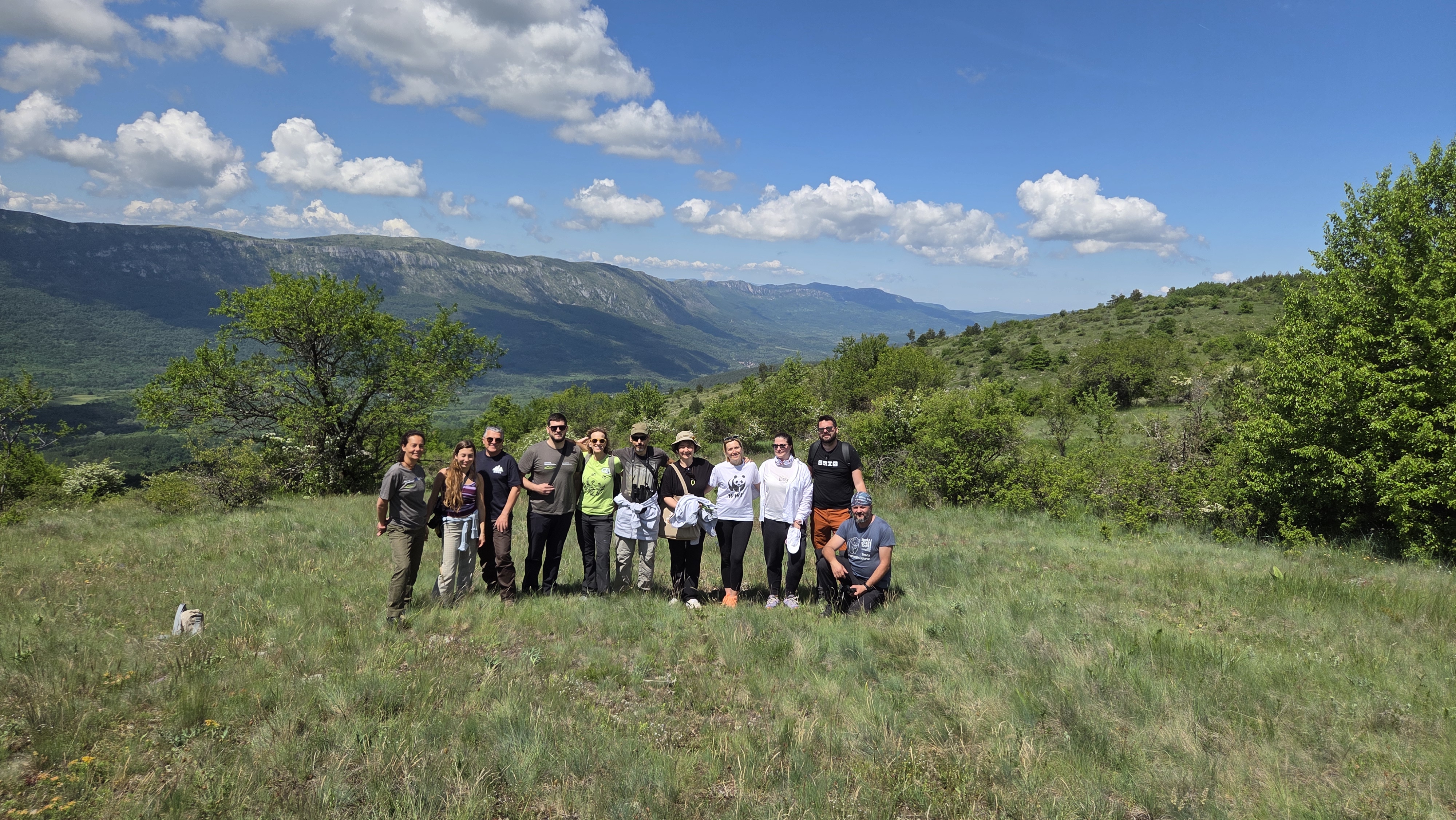
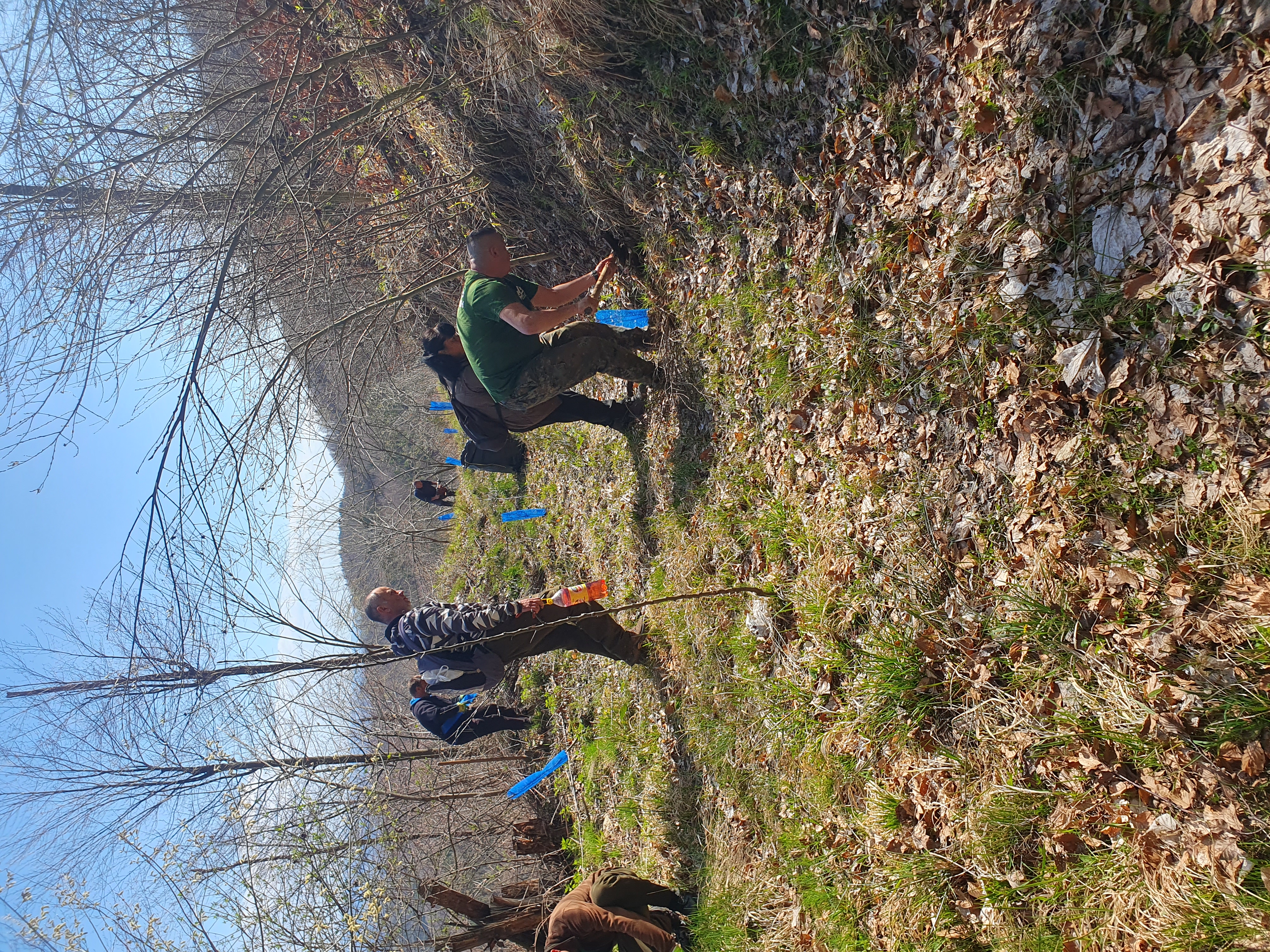
The discussions were complemented by a field visit to Str“mbu Băiuț (Maramureș), where project partners had the opportunity to observe first-hand the results of habitat restoration interventions.
The visit included:
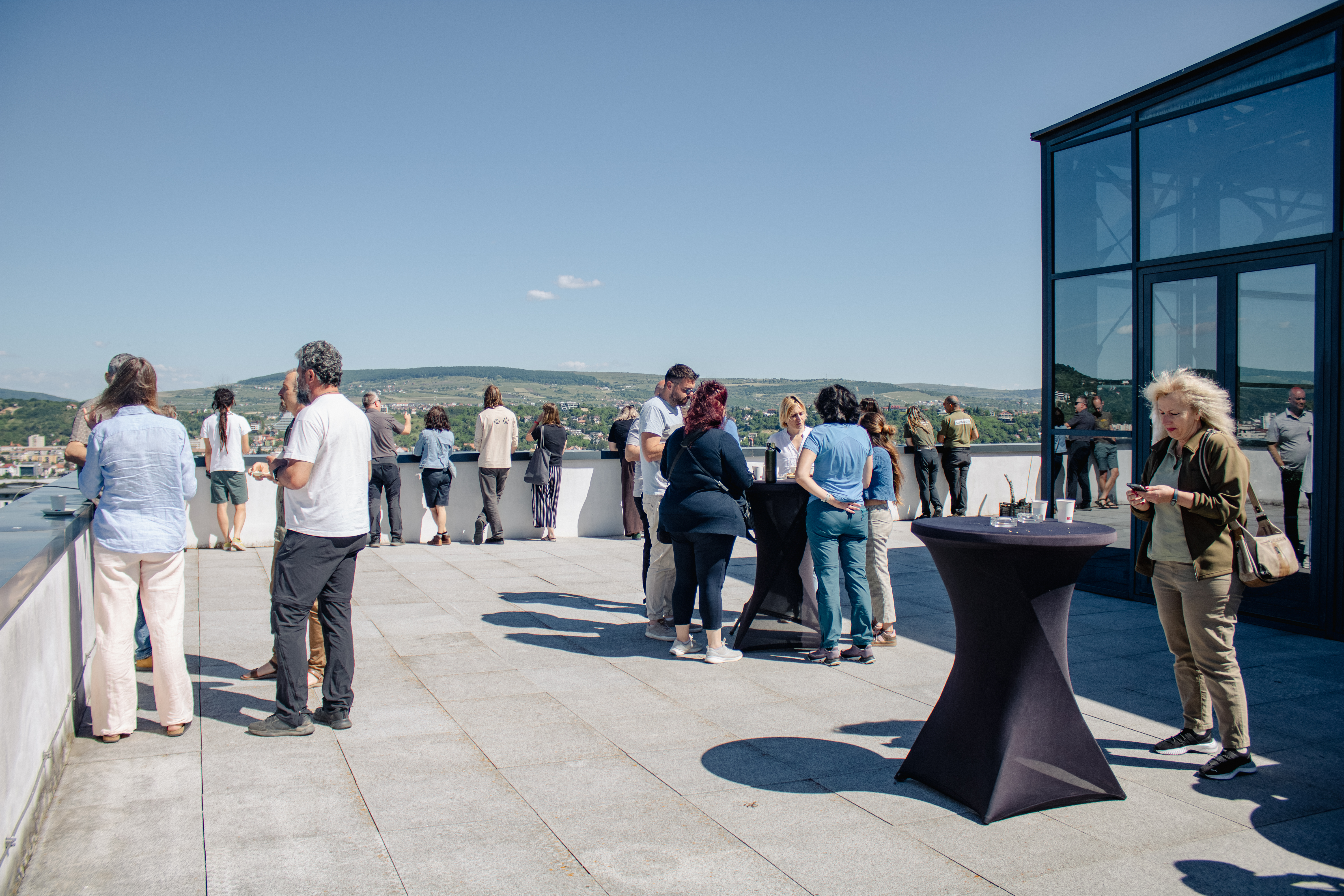
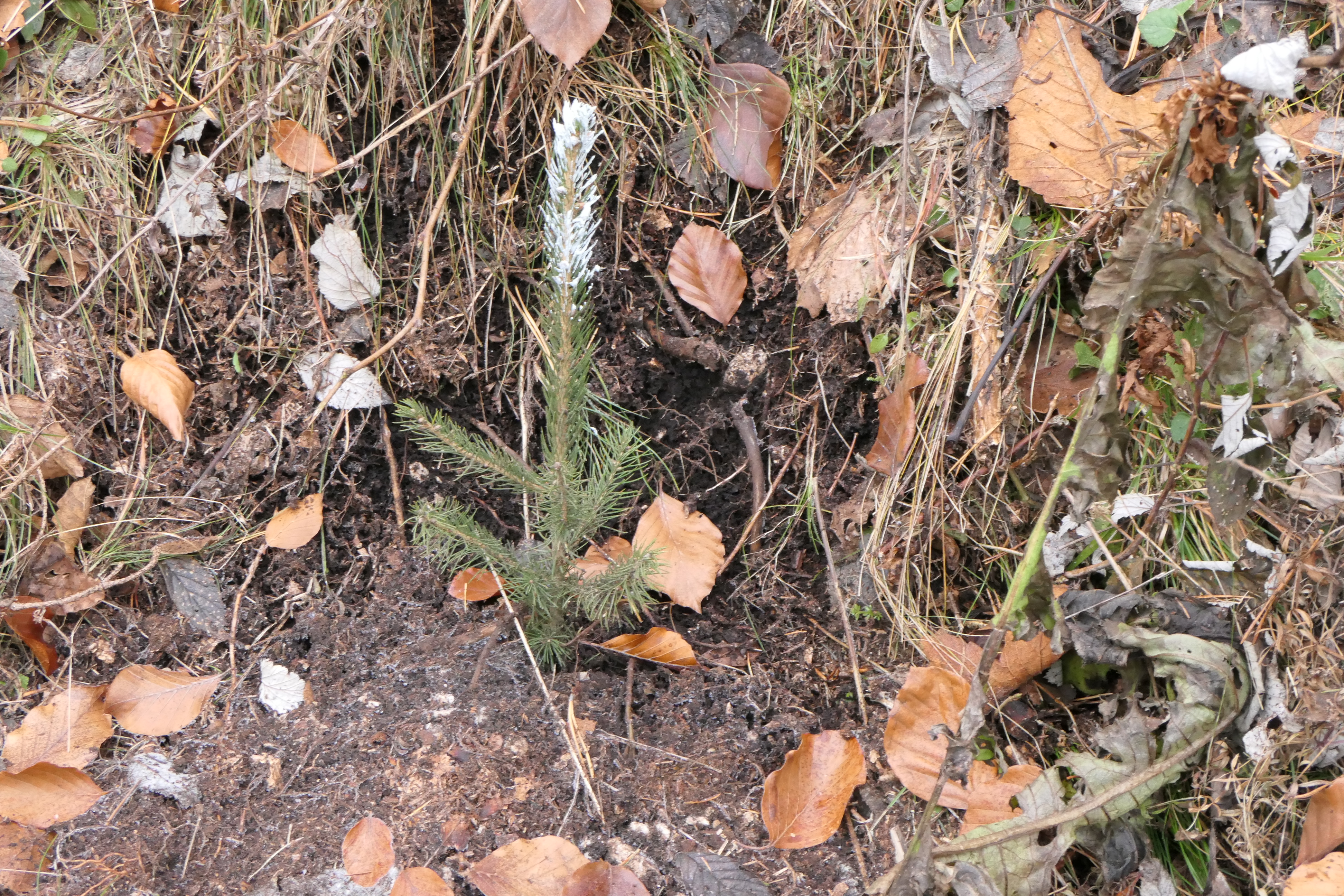
examples of renaturation and planting works,
presentations on implementation and challenges encountered,
exchanges of experience between international partners and local experts.
Together with representatives of the forest district and the project implementation team, participants discussed practical solutions that can be transferred to other regions facing similar challenges in restoring forest habitats.
The most compelling indicator of the success of these interventions came directly from nature itself: numerous tracks of bears, wolves, deer, roe deer and wild boar, as well as the return of bird and amphibian species to newly restored aquatic habitats - clear signs that ecosystems are regaining their functionality.
Regional cooperation, key to the future
The ForestConnect project demonstrates that solutions for protecting nature cannot be developed in isolation. Through collaboration between 13 partners and 10 associated organizations from seven countries, the project has contributed to the development of shared tools and a strategic plan for forest connectivity at regional level.
The examples presented during the conference and the field visit show that restoring ecosystems and reconnecting habitats can reduce human–wildlife conflicts and support biodiversity in the long term.
A step forward for Europe’s forests
The events organized in Romania mark an important milestone for the ForestConnect project: the transition from technical results to implementation and replication.
Such initiatives help strengthen a network of cooperation that connects not only forests, but also people, ideas and solutions — essential elements for a future in which nature and communities can thrive together.

12/06/2026
By Aleksandra Ugarkovic
Share on social media:



News & Events
Read the most recent updates and explore the upcoming events.


Would you like to receive project updates?
You're already part of our community!
Welcome to our newsletter community!
Subscribe to our newsletter