
Seminars in Slovakia - Examples of Good Practice for Maintaining Landscape Connectivity in Spatial Planning
Examples of Good Practice for Maintaining Landscape Connectivity in Spatial Planning – Seminars for Professional Staff of Protected Area Administrations and National Parks (Slovakia)
Professional staff of Protected Landscape Area (PLA) and National Park administrations issue expert opinions for state and local authorities that make decisions about land use. They must provide expert assessments of infrastructure projects and other developments that may affect nature. They are also involved in collecting data on various species and habitats. They therefore play an important role in identifying migration corridors and ensuring their protection.
Protected area administrations in Slovakia are significantly understaffed, and in most cases have very limited time to prepare expert statements. Another challenge is the absence of a single platform where they could find all relevant resources in one place, including GIS layers such as migration corridors for different species, RÚSES, ÚSES, spatial plans, and similar data. Searching for such information is often time consuming and the needed datasets are not always available in a usable format. State-provided professional training does not sufficiently meet the needs of field experts, and opportunities for mutual exchange of experience are also limited.
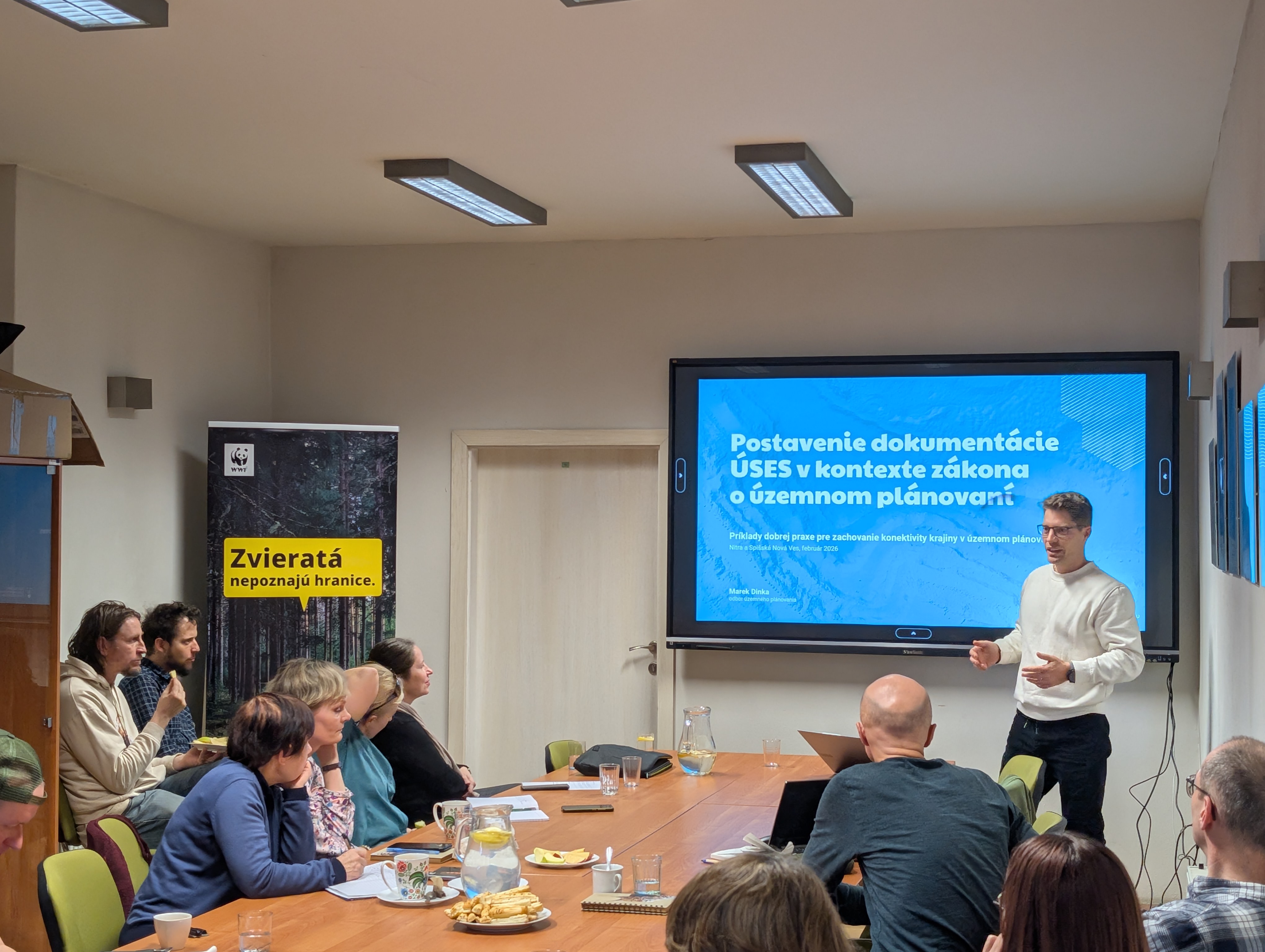
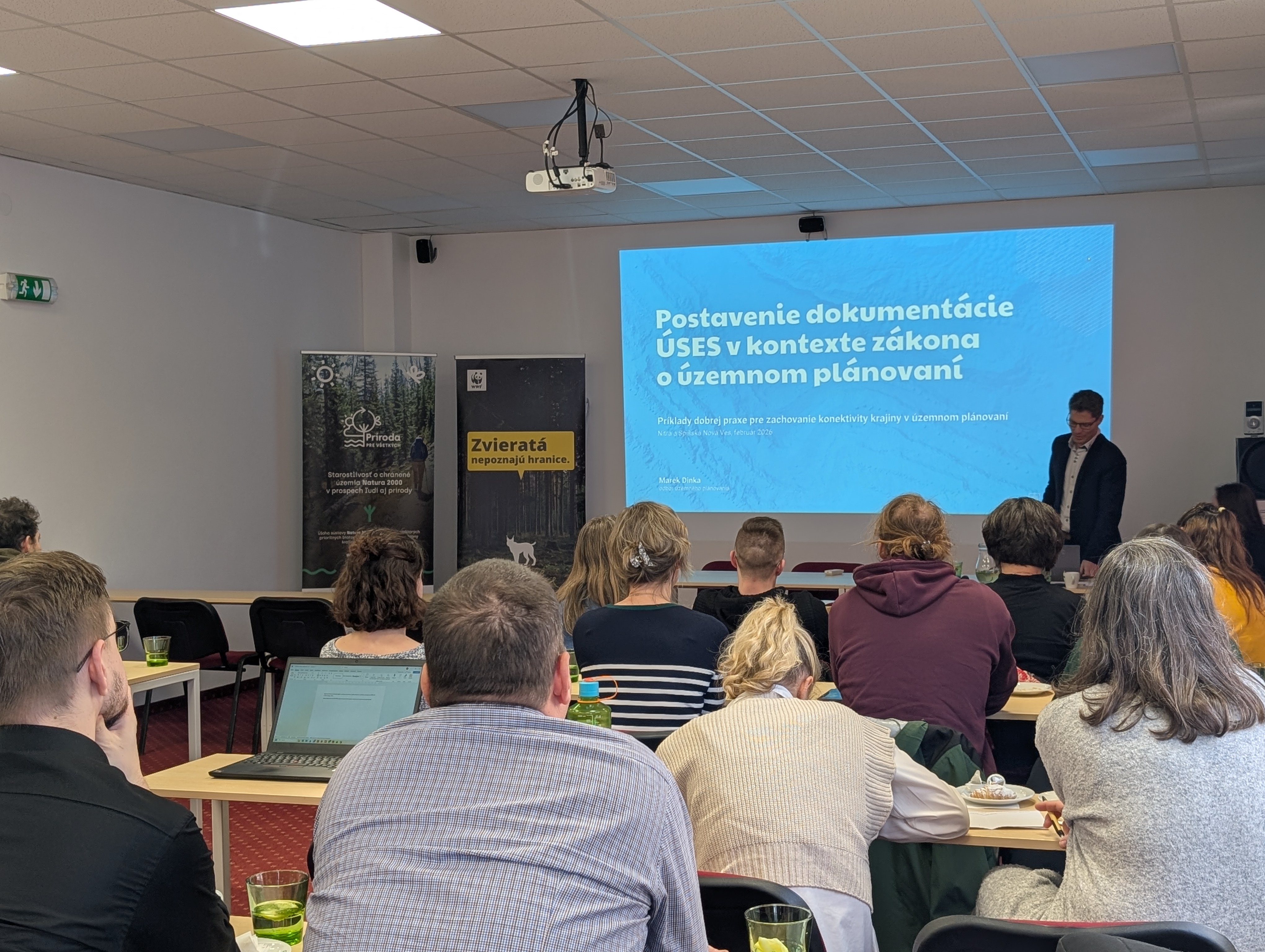
For this reason, WWF Slovakia prepared two one-day professional trainings within the ForestConnect project. Their aim was to familiarize participants with the current state of knowledge on landscape connectivity in Slovakia, present key problems and challenges associated with its preservation, highlight practical experience from the field, and outline possible solutions for its protection. The trainings also aimed to help participants better navigate the new legislative environment. Both trainings had identical content but were held in different regions to ensure accessibility also for participants from more distant areas.
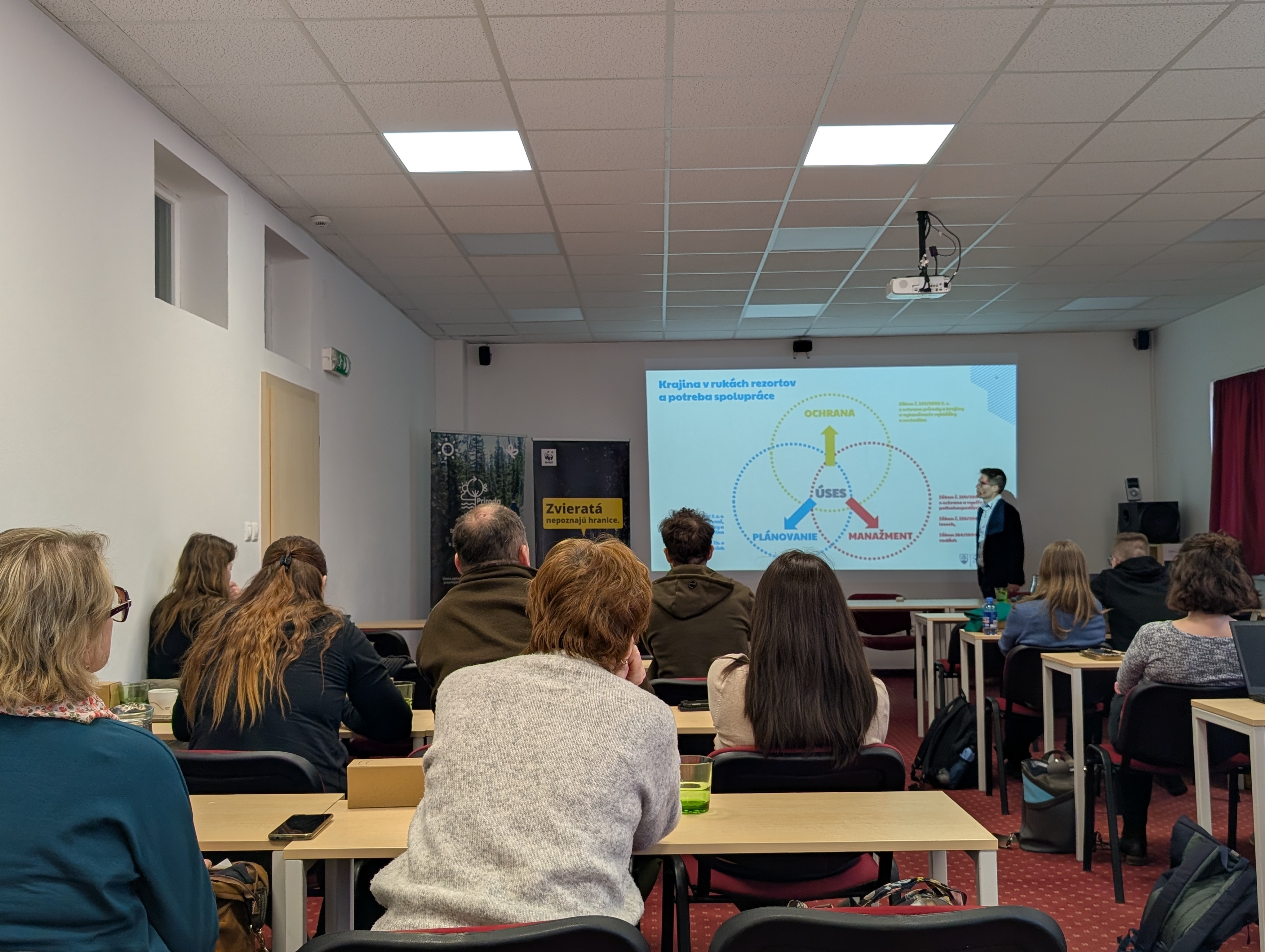
The first training took place on 24 February 2026 in Nitra, western Slovakia, with 26 participants from PLA Biele Karpaty, Ponitrie, Strážovské vrchy, Malé Karpaty, Štiavnické vrchy, Dunajské luhy, and the Low Tatras National Park. The second training was held on 26 February 2026 in Spišská Nová Ves, eastern Slovakia, located in the project’s pilot area. It was organized in cooperation with the project partner Slovak Paradise National Park and hosted at the NP Administration premises. This session was attended by 27 experts from PLA Východné Karpaty, Vihorlat, Horná Orava, Latorica, and the national parks Slovenský raj, Slovenský kras, Malá Fatra, Poloniny, and Tatra National Park.
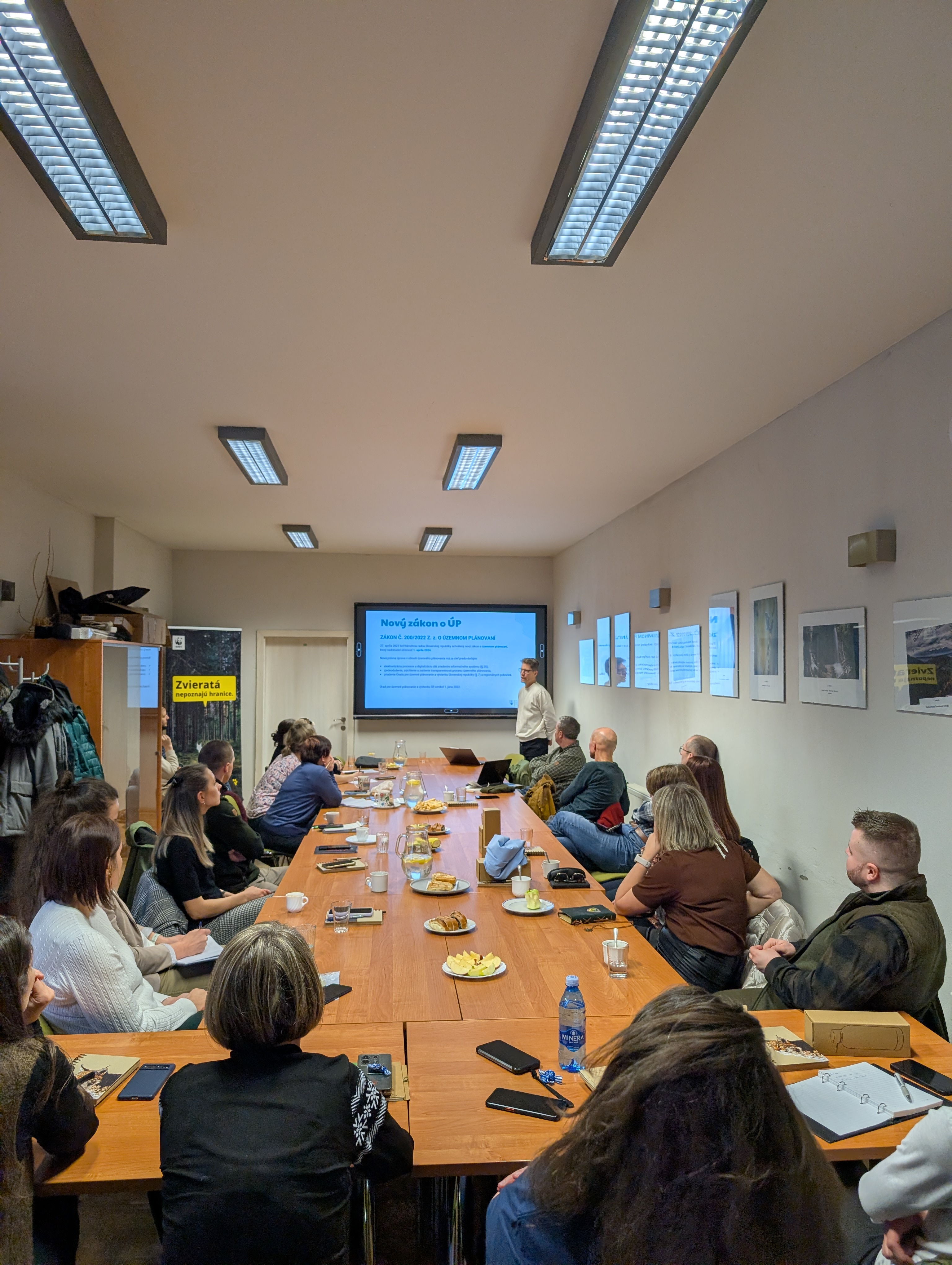
Speakers included experts from the State Nature Conservancy of the Slovak Republic, public authorities, the private sector, and colleagues from WWF Slovakia. Each of them brought a unique perspective and valuable practical experience to the topic.
At the beginning of the seminar, Michal Némethy (WWF Slovakia) introduced the ForestConnect project and the activities carried out in the pilot area of Slovak Paradise National Park.
The main topic of ecological corridors was covered in detail by Marta Mútňanová (WWF Slovakia), who previously worked for many years at the State Nature Conservancy and is well acquainted with the challenges experts face in practice. She presented the current state of knowledge on connectivity in Slovakia, available data and information sources, as well as ongoing projects (e.g., LIFE IP Natura 2000 SVK) that address this topic and whose GIS outputs will be made available to SNC staff during the year.
Michal Králik from HBH, who has long been involved in landscape connectivity and is a member of the IUCN – Connectivity Conservation Specialist Group, shared his rich experience with preparing migration studies, their use in assessing plans and projects for linear infrastructure, and monitoring wildlife crossings. He further explained the process of identifying and evaluating connectivity in infrastructure development, the obstacles encountered, and emphasized the need for monitoring and accessible data essential for such processes.
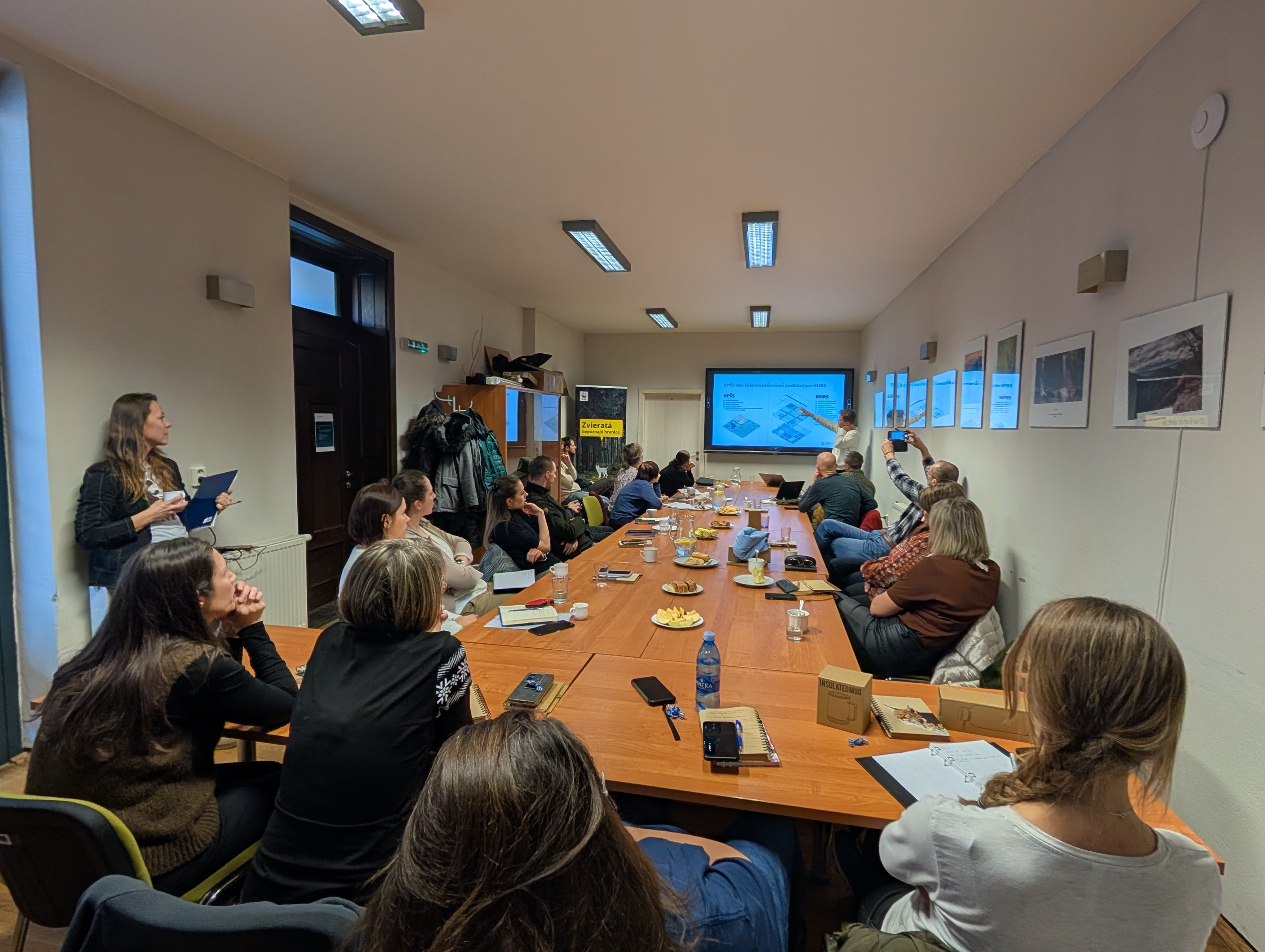
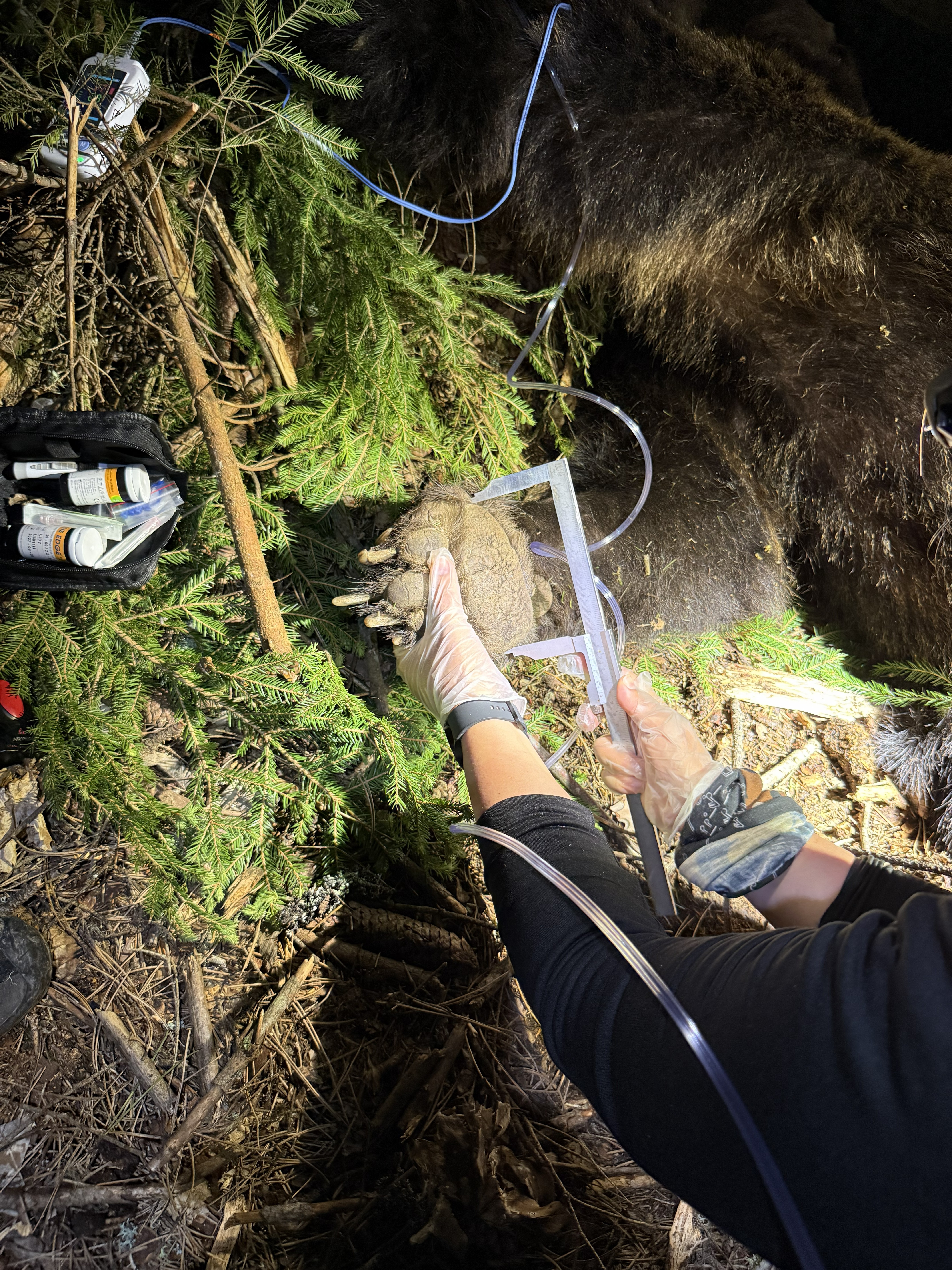
Insights from various types of large carnivore monitoring in Slovakia were presented by Braňo Tám (WWF Slovakia). He highlighted the importance of data collection and sharing, and the potential use of such data both for identifying migration corridors and combating poaching.
The presentation “Spatial Planning and Landscape Connectivity Protection – How to Effectively Defend Nature Conservation Interests” by Renáta Žiačiková, an EIA/SEA specialist from the State Nature Conservancy, was rich in real-life examples. She pointed out the most common problems encountered in practice and the threats posed by uncontrolled land development, including construction that compromises the permeability of the most vulnerable sections of migration corridors. She also emphasized the need to seek practical solutions and presented specific proposals applicable in real situations.
The seminars concluded with a legislative session delivered by Marek Dinka from the Office for Spatial Planning and Construction. He presented the role of ÚSES documentation within the Spatial Planning Act, which was particularly valuable given the ongoing reform of spatial planning in Slovakia. The new Spatial Planning Act was adopted only last year, and adapting to its changes is challenging for many stakeholders. The presentation also highlighted examples of good practice for maintaining landscape connectivity in spatial planning and tools that can help protect important migration corridors.
Both seminars ended with lively discussions, and we believe they were beneficial for all participants, allowing not only the exchange of expertise but also the opportunity to build professional connections.

26/03/2026
By Aleksandra Ugarkovic
Share on social media:



News & Events
Read the most recent updates and explore the upcoming events.


Would you like to receive project updates?
You're already part of our community!
Welcome to our newsletter community!
Subscribe to our newsletter