
LAREDAR partners first-year review meeting and sharing achievements in Ljubljana
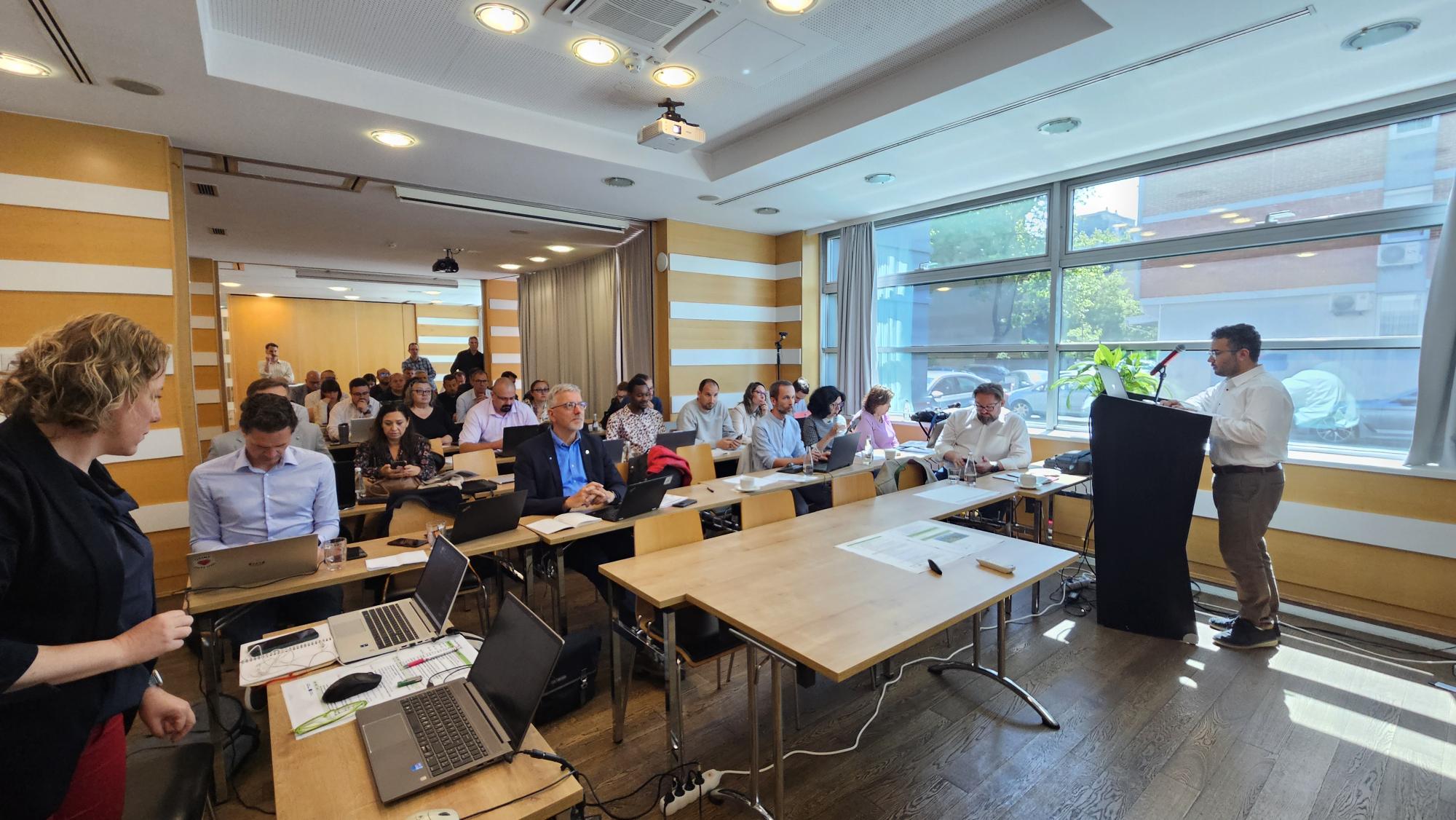
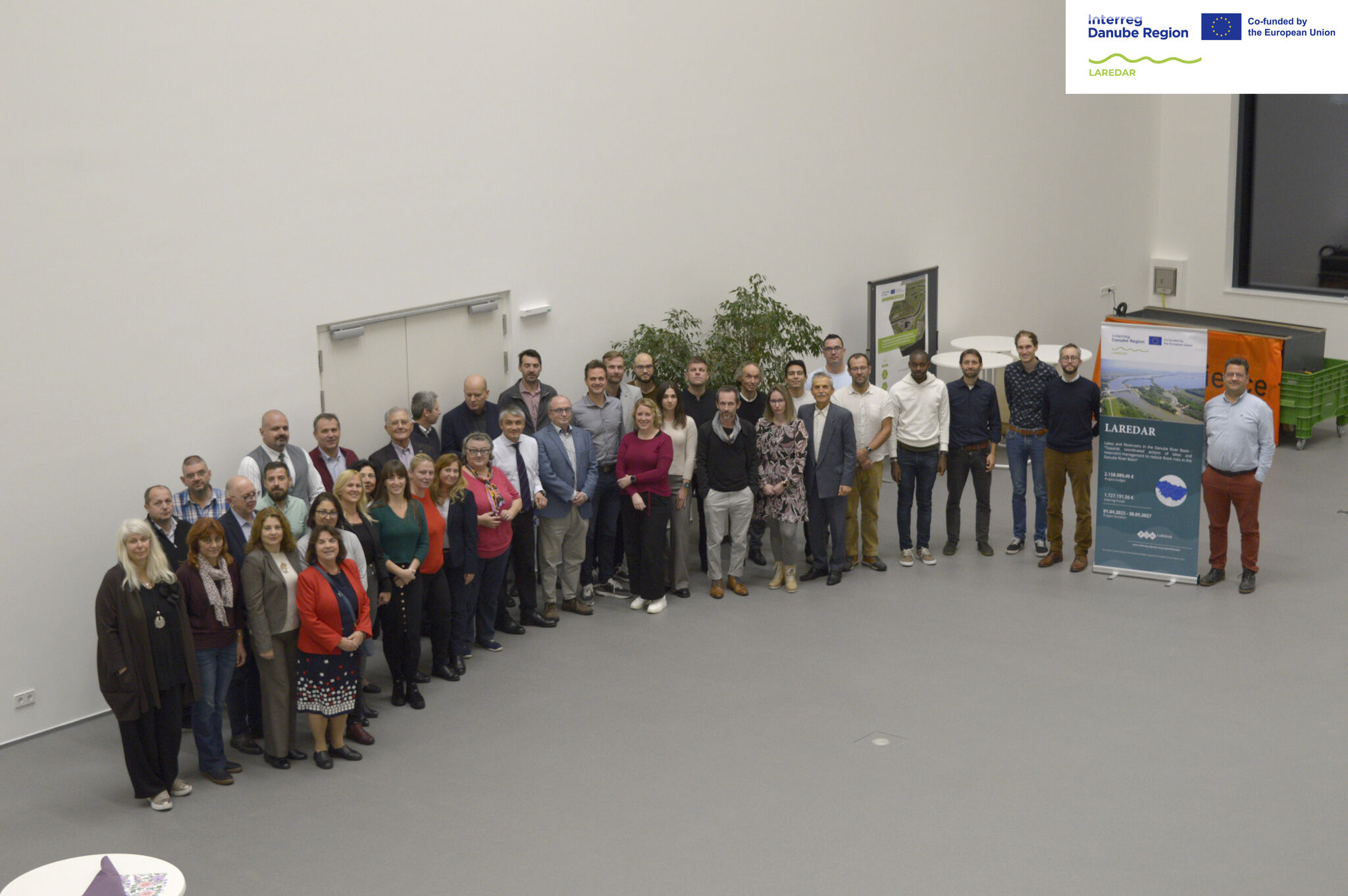
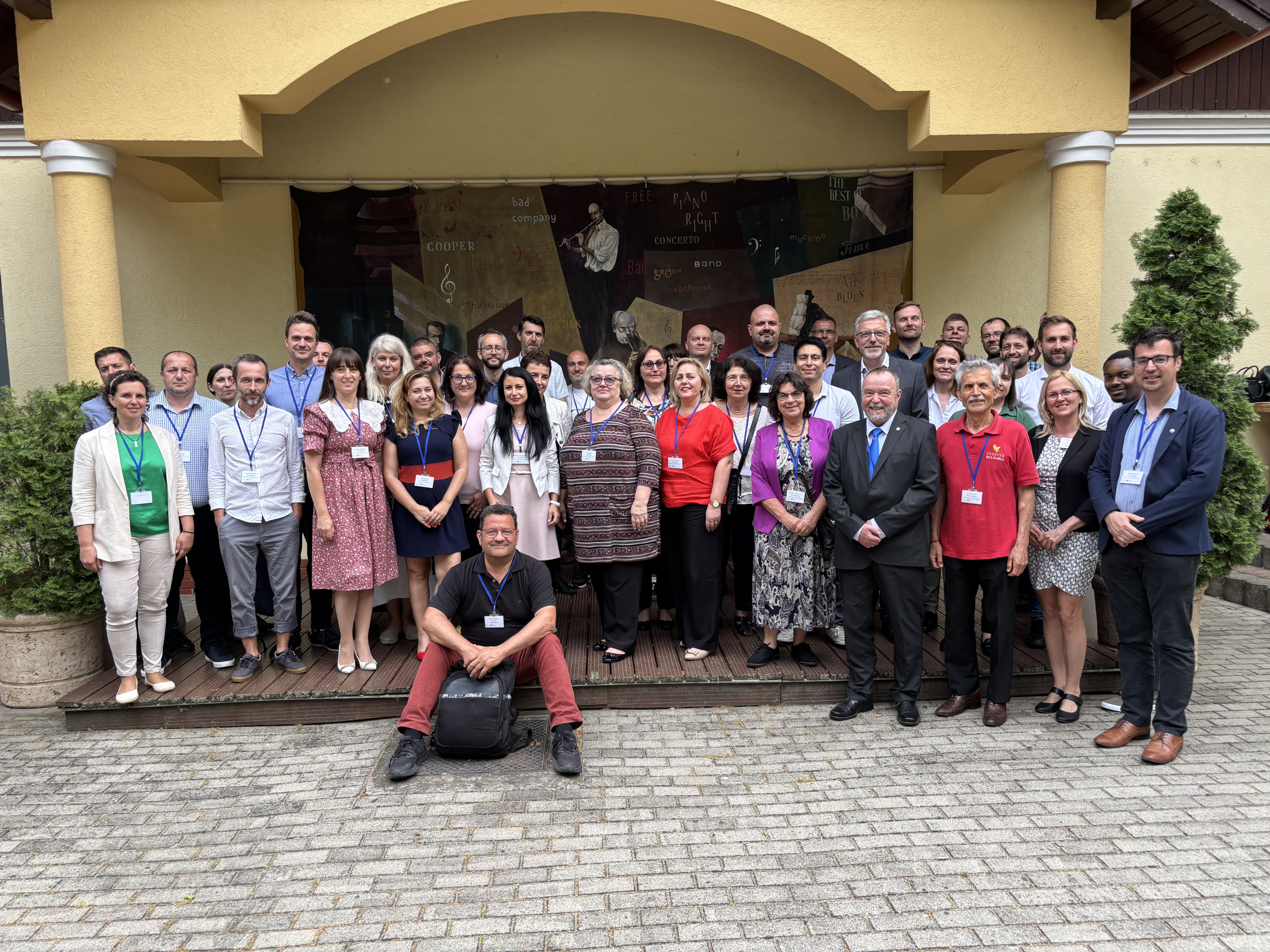
The LAREDAR partners gathered in Ljubljana, Slovenia, from 12-14 May 2026, for its first-year review and partner’s meeting, hosted by the University of Ljubljana. The meeting combined the official first year review with technical workshops, strategic discussions on hydraulic modelling and reservoir operation, and a study visit focused on hydropower and flood protection infrastructure along the Sava River.
The meeting officially started with welcome words delivered by representatives of the University of Ljubljana, Mr. Attila Lovas, Director of lead partner KÖTIVIZIG, and Mr. Horst Schindler from the Joint Secretariat of the Interreg Danube Region Programme.
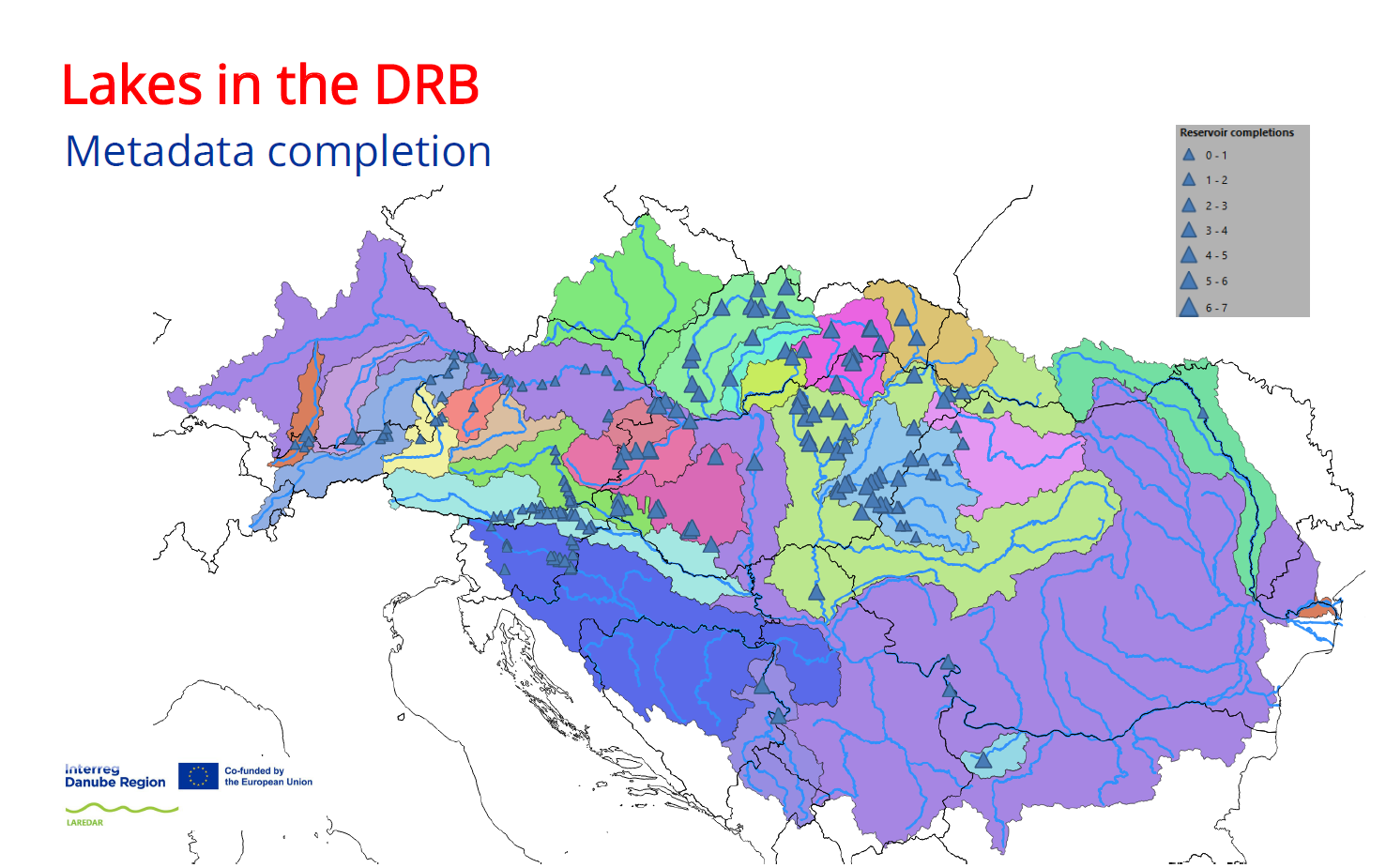
Partners presented the main achievements completed during the first project year, including progress in the development of the LAREDAR GIS platform, the preparation of the basin-wide catalogue of lakes and reservoirs, and the establishment of common terminology and methodological approaches for flood risk management and reservoir operation. Partners also reviewed the progress of the Concept of the LAREDAR harmonization platform, which aims to support basin-wide cooperation through harmonized datasets, GIS integration, and shared approaches to modelling transboundary hydrological impacts.
The second day of the meeting focused on technical coordination and future implementation steps. The University of Ljubljana led a workshop on the continued development of the LAREDAR GIS platform, including data integration requirements, interoperability needs, and future functionalities supporting transboundary analyses.
A dedicated GIS workshop enabled partners to exchange practical experience related to spatial datasets, hydrological information, and reservoir-operation data. The discussions highlighted the importance of harmonized and interoperable datasets for improving basin-wide flood and drought management. Partners also addressed the challenges of data accessibility, differences in national methodologies, and the varying levels of detail available for hydraulic infrastructure and operational rules across participating countries. hese exchanges further emphasized the need for harmonized technical standards, interoperable datasets, and coordinated approaches for future modelling activities.
A major part of the partners meeting was dedicated to activities related to hydrological and hydraulic modelling. Technical University of Munich, as a lead of those project activities, coordinated discussions on updating and generating 1D and 2D hydraulic models for the Danube River and its major tributaries.
Based on the questionnaires and data collection completed during the first project year, partners presented the types of models currently available in their countries and discussed opportunities for harmonization and basin-wide integration.
Technical sessions focused on integrating reservoir operation and retention behaviour into modelling workflows, including the interaction between reservoirs, floodplains, and river systems. Discussions also emphasized the importance of coordinated reservoir operation, forecast-based management, and the cumulative effects of hydraulic structures within transboundary river networks. This important workshop session explored synergies with other international projects or initiatives, including LISFLOOD, DAREFFORT, Danube Floodplain, and Danube Water Balance. These exchanges supported the transfer of existing methodologies and knowledge into LAREDAR’s modelling framework.
Partners presented the project’s five pilot cases, each representing different hydrological conditions, infrastructure types, and transboundary management challenges across the Danube Basin.
The pilot cases include:
Mura River Basin / Mura River (Austria–Slovenia) – focusing on cascade hydropower systems, floodplain interactions, and transboundary river management in an Alpine-subalpine environment,
Kisköre Dam / Lake Tisza (Hungary) – a multifunctional lowland reservoir system supporting seasonal regulation, irrigation, ecological flows, hydropower generation, drought mitigation, and water management across the Tisza Basin,
Novi Bečej Dam (Serbia) – a backwater regulation structure supporting navigation, irrigation, and operation of the Danube–Tisza–Danube canal system while influencing water levels along the Tisza River,
Călinești-Oaș Reservoir on the Tur River (Romania) – supporting flood management, ecological regulation, and cross-border hydrological coordination,
Suplacu de Barcău Reservoirs on the Barcău/Berettyó River (Romania–Hungary) – representing multipurpose reservoirs relevant for flood mitigation and drought management in a transboundary lowland system.
The presentations demonstrated the diversity of reservoir types and operational approaches across the basin, ranging from highly controlled systems to run-of-river hydropower structures and natural retention areas. Partners also compared operational rules, retention capacities, and modelling priorities relevant for future scenario development. Partners discussed the next project phase, which will focus on creating harmonized scenarios to assess the effects of lakes and reservoirs under different flood and drought conditions across the Danube River Basin.
The discussions emphasized the importance of integrated flood and drought management, recognizing that many reservoirs simultaneously serve as flood protection, biodiversity habitat, hydropower generation, irrigation, navigation, and water-supply functions. Partners also addressed the need to distinguish between local hydraulic effects and basin-scale transboundary impacts. Particular attention was given to cumulative reservoir effects, downstream flood-wave propagation, low-flow support, and coordinated operation within reservoir cascades. Within the meeting partners further advanced in sharing opinions to develop recommendations for reservoir management and transboundary cooperation in line with the EU Floods Directive and Water Framework Directive.
Discussions continued on collecting and evaluating good practices related to lakes, reservoirs, and flood retention systems across the Danube River Basin. Partners highlighted the growing importance of combining engineered infrastructure with natural retention measures such as floodplains and wetlands in order to improve long-term climate resilience. The meeting confirmed that integrated and adaptive reservoir management will play an increasingly important role in addressing the combined impacts of floods, droughts, changing runoff patterns, and climate-related hydrological extremes throughout the basin.
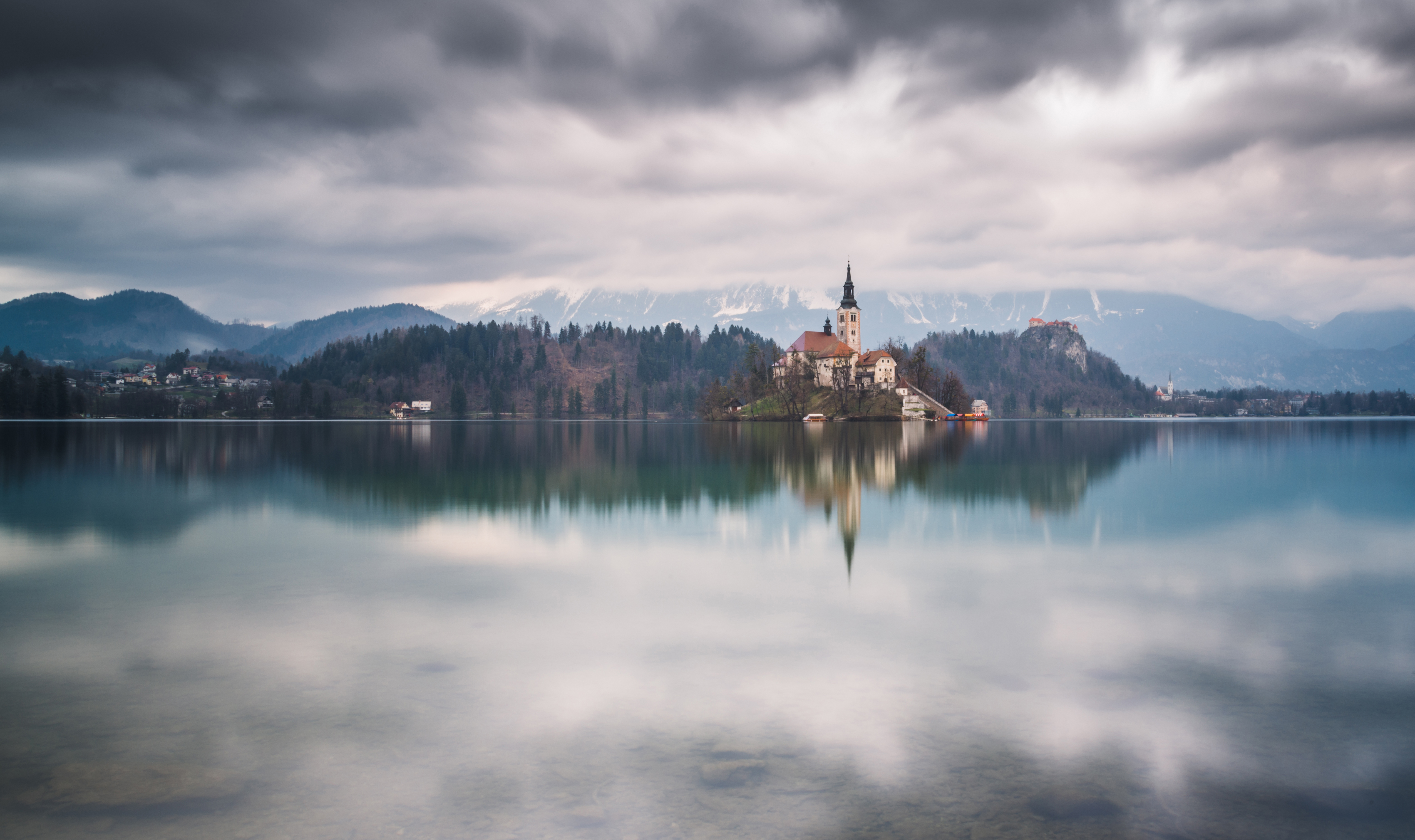
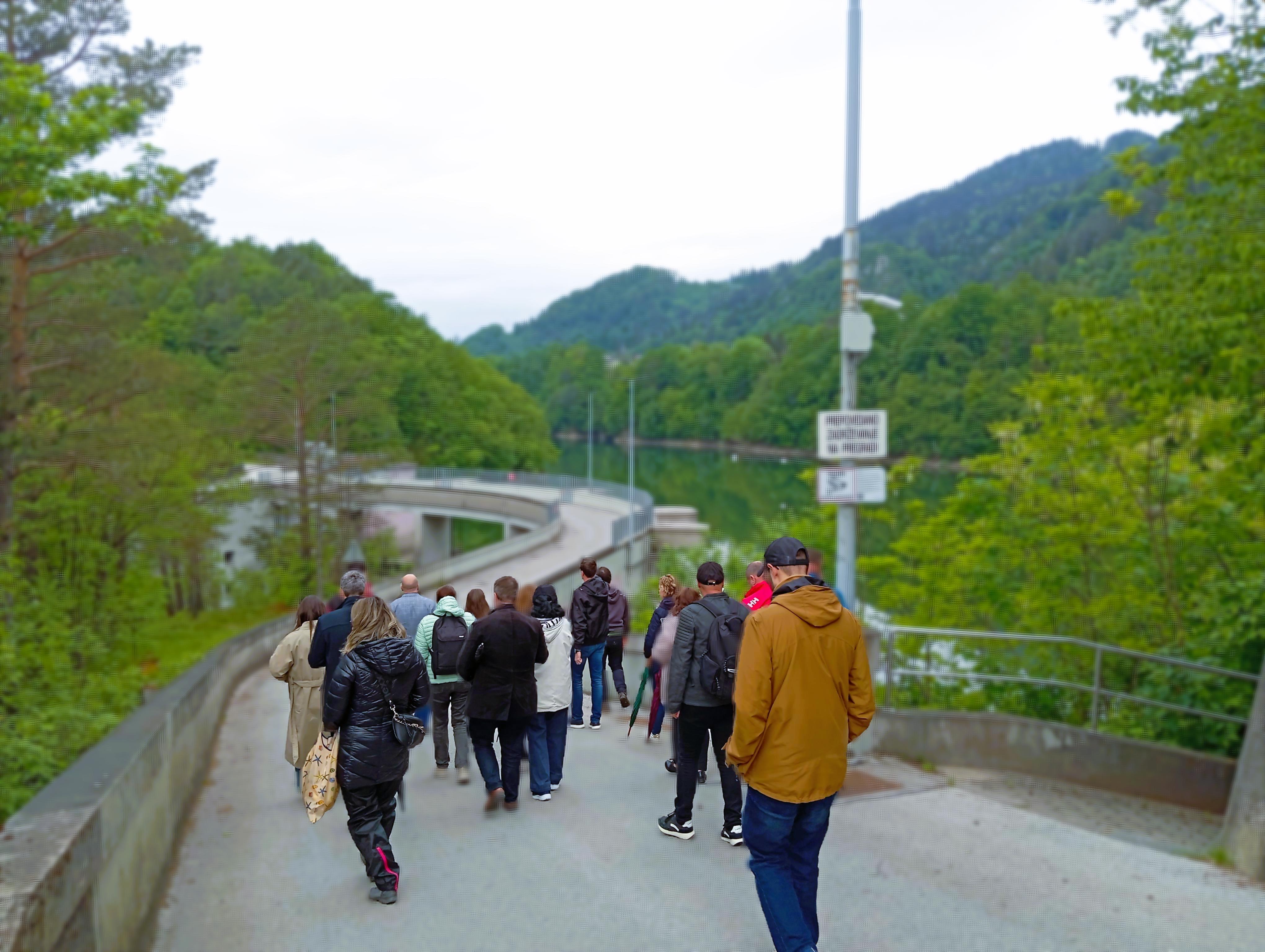
The final day of the meeting included a study visit to the Moste Hydroelectric Power Plant on the Sava River, where participants discussed hydropower operation, reservoir management, and the interaction between energy production and flood-risk reduction. The programme also included visits to Lake Bled and Ljubljana’s flood protection infrastructure, providing practical insight into integrated water management solutions, urban flood resilience, and climate adaptation measures implemented in Slovenia.
The Ljubljana meeting marked an important step toward coordinated technical implementation across the Danube River Basin. Following the successful completion of the project’s first year, partners are now moving forward with harmonized hydraulic modelling, integrated scenario development, and transboundary analyses of lakes, reservoirs, and flood retention systems. Through this collaborative efforts, LAREDAR continues to contribute to integrated, knowledge-based, and transboundary flood risk management, supporting greater climate resilience for communities throughout the Danube Region.

27/05/2026
By Stanislav Hronček
Share on social media:


Green

News & Events
Read the most recent updates and explore the upcoming events.

Would you like to receive project updates?
You're already part of our community!
Welcome to our newsletter community!
Subscribe to our newsletter