
NONA investment forum in Ravne na Koroškem: from industrial heritage to a future hub of innovation
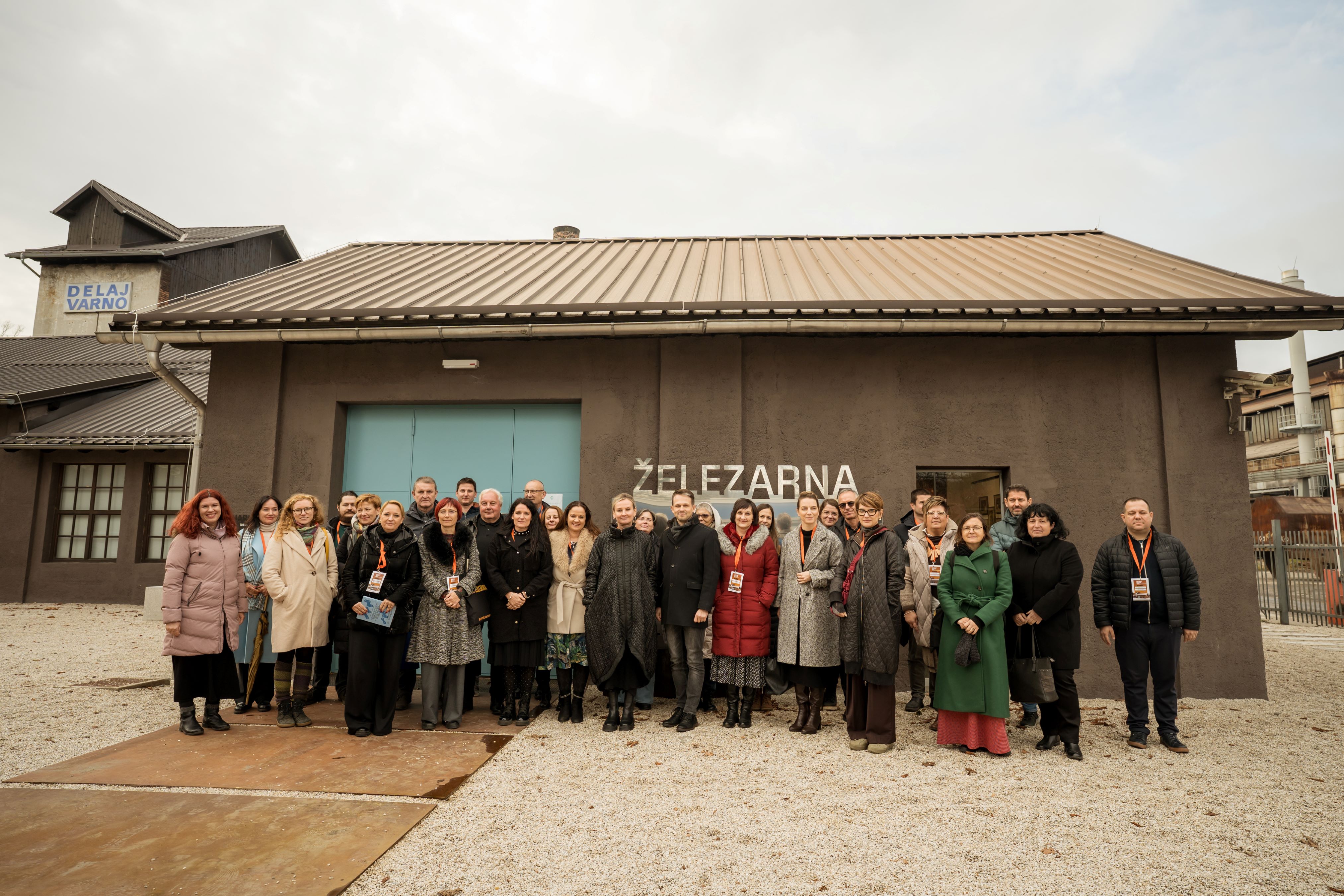
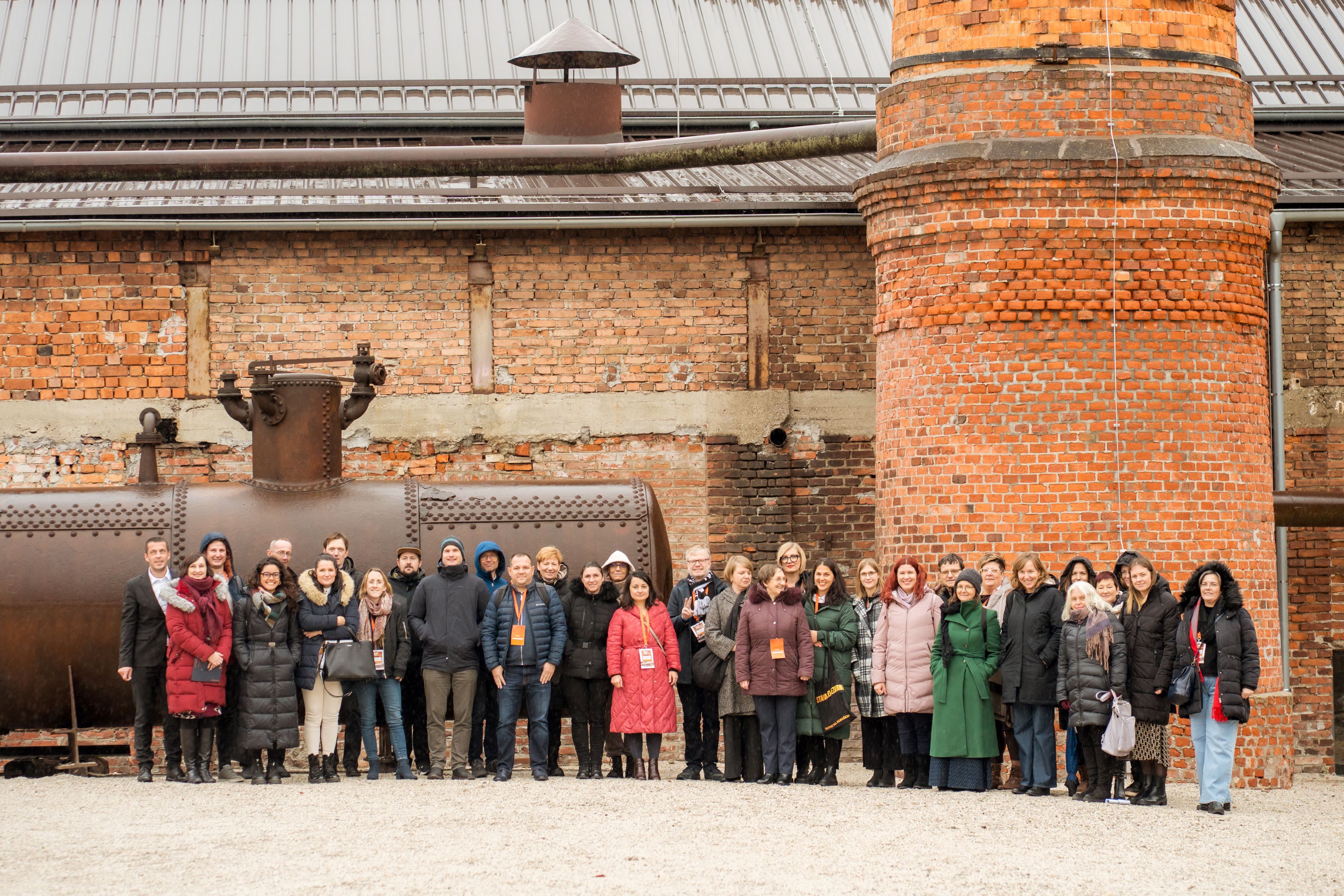
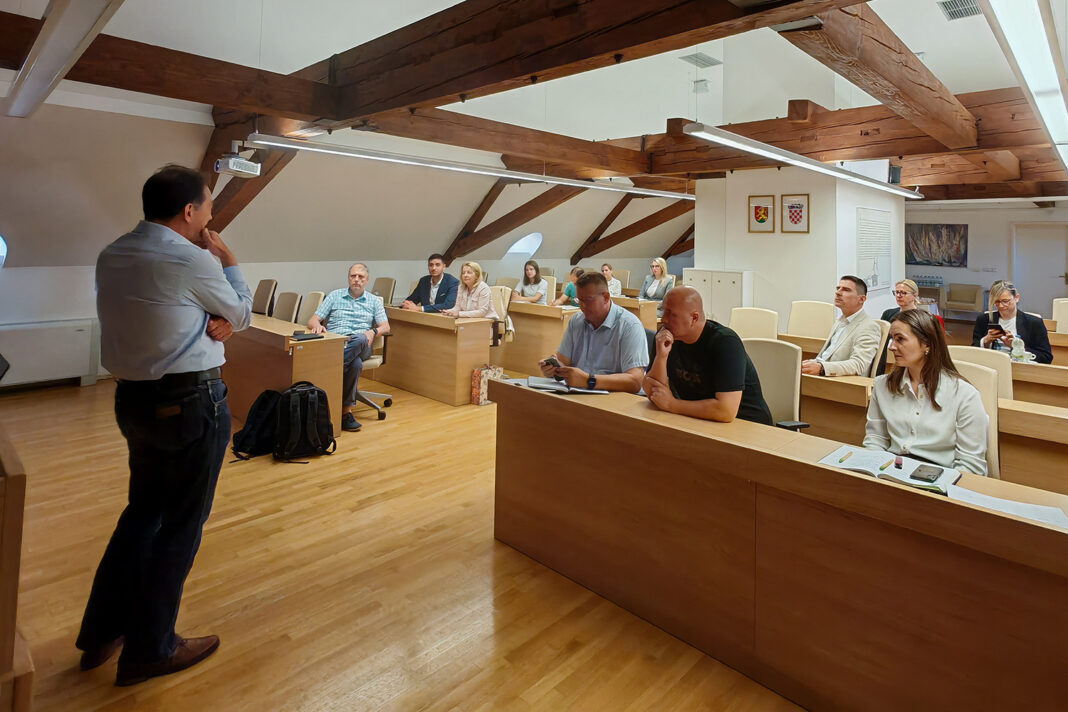
Ravne na Koroškem, 20–21 November 2025 – Ravne na Koroškem hosted a two-day international development conference and investment forum titled: Co-creating Future Heritage: From Industrial Past to Future Horizons, bringing together over 100 European and Slovenian experts, creatives, and representatives of cities, regions, and industrial centres to explore the future of industrial heritage and the transformation of industrial spaces.
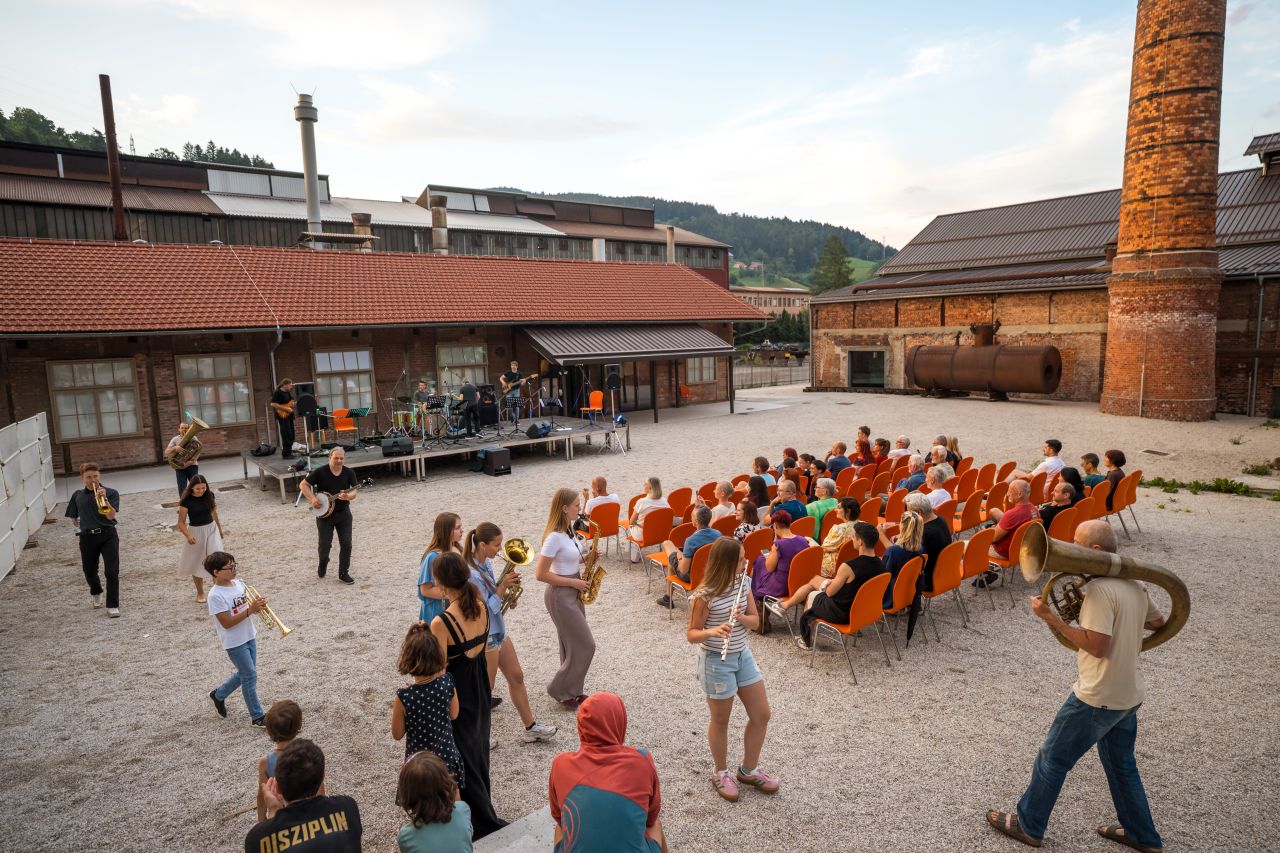
The event took place in the renovated Old Ironworks, a prime example of successful additional funding acquisition and sustainable area development within the NONA framework. After a successful renovation, it is now aiming to develop as a hub for culture, creativity, and innovation in the Koroška region.
The conference was organised by Zavod Iskriva in cooperation with the Municipality of Ravne na Koroškem, the Carinthian Regional Museum, the Central European Iron Trail, ZKŠTM Ravne, and the Geodetic Institute of Slovenia.
Vision, Inspiration, and Collaboration
The first day focused on envisioning the future of the Old Ironworks as a centre for knowledge, creativity, and community engagement. Mayor Tomaž Rožen emphasised that the renovation marks “a new and important chapter for the site’s cultural heritage, while opening opportunities for forward-looking initiatives in tourism, science, innovation, art, and culture.” Opening remarks were also delivered by Nika Skudnik of Europe Direct Koroška on behalf of the European Commission Representation Office in Slovenia and DG Regio, which have recognised the Old Ironworks as a best practice of industrial revitalisation.
Speakers from Slovenia, France, Romania, and other countries that have successfully revitalised industrial spaces stressed that successful transformation requires a combination of passion, a clear vision, and a dedicated team.
Participants highlighted that Ravne’s industrial heritage, enriched with innovative practices, can serve as a foundation for new development opportunities, collaboration, and an attractive environment for living and working.
At the roundtable Creative Cities of the Future: Culture as a Driver of Development, speakers including Renata Zamida (Centre Rog), Marina Batog (Make Better / Reșița, Romania), and Anja Zorko (Centre for Creativity) underscored that culture is a key pillar of sustainable development. Engaging the local community and leveraging European programs such as the New European Bauhaus are essential to long-term success.
A particularly inspiring example came from Loos-en-Gohelle, France, a former coal-mining town that has transformed into a green, resilient, and socially inclusive community. Valentina Hernández highlighted that persistence, a clear vision, and strong connections were critical to the town’s successful transformation.
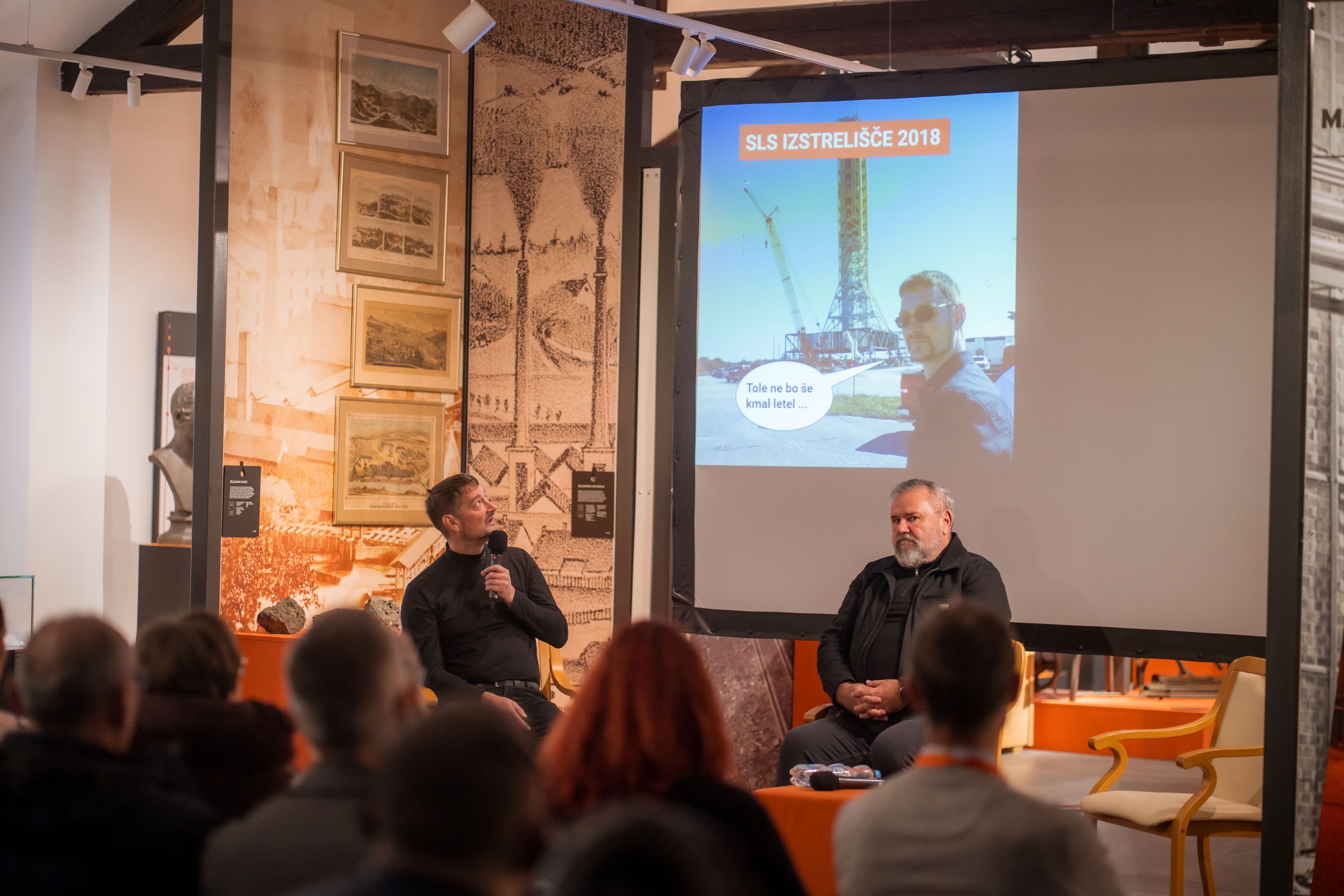
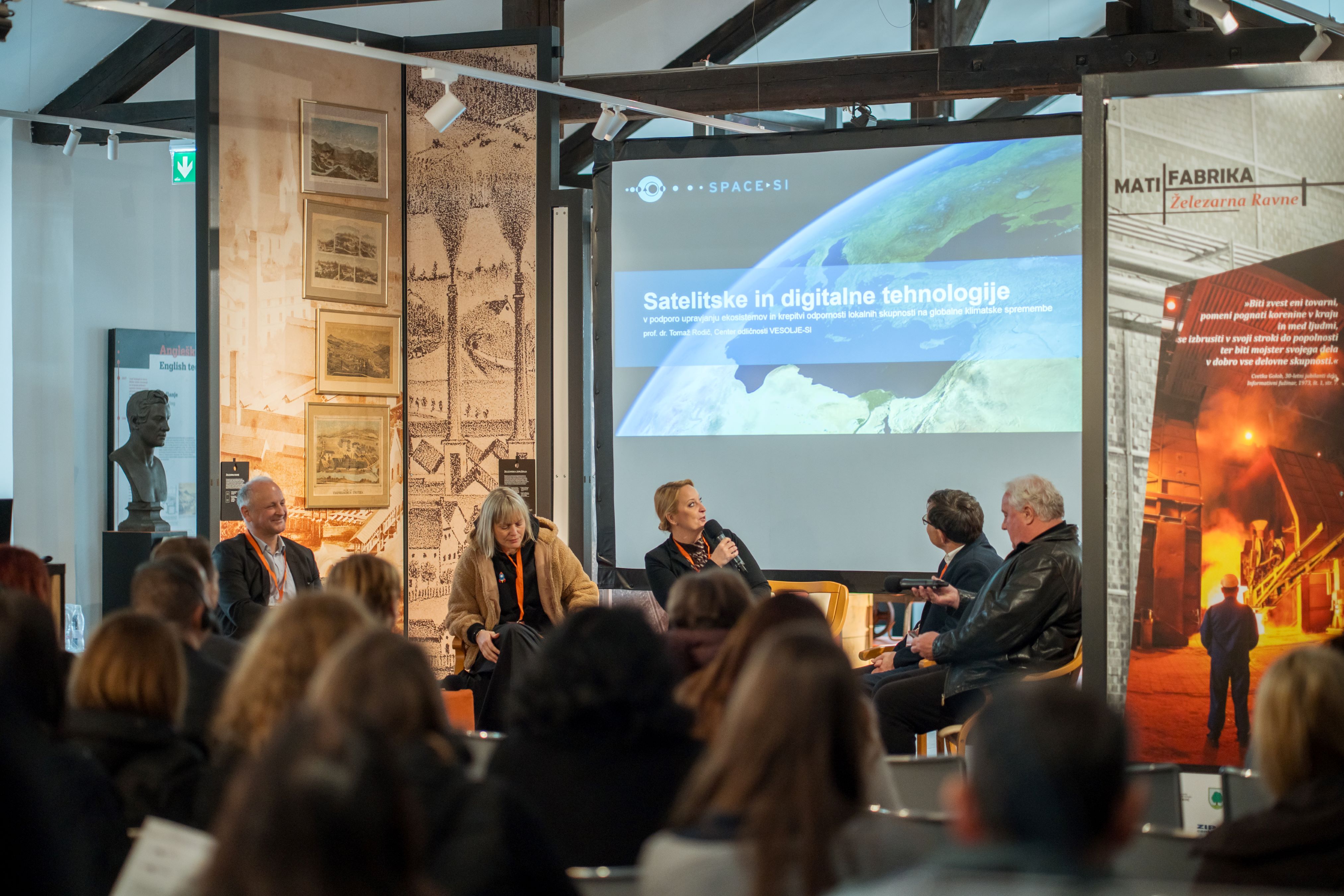
Slovenian experts and creatives also shared insights, including Tomaž Rodič (Space-SI Centre of Excellence), Maša Jazbec (Katapult Robotika), Igor Miljavec (Inter-Municipal Association of the Blind and Visually Impaired Nova Gorica), and Zdravko Pavlekovič (Ravne Secondary School). They discussed linking education, business, and local communities, emphasising accessibility, inclusion, and youth empowerment.
Best Practices and Concrete Projects
The second day showcased best-practice examples of industrial revitalisation and explored concrete project initiatives. The highlight was the panel Shared Vision, Shared Success: The Power of Cooperation between Municipality and Business, featuring Jure Knez (Founder and President, Dewesoft, Owner, Katapult) and Zoran Poznič (Mayor of Trbovlje). The discussion emphasised how synergy between local communities, businesses, and creative practices drives regional development.
Regional representatives from Zasavje and Koroška, including Anja Šerc (Zasavje Regional Development Agency), Nataša Grošelj (Preplet Project, Tone Okrogar Primary School), and Špela Pavli Perko (Trbovlje Workers’ Cultural Centre), shared perspectives on finding new regional identities and development paths through inclusion, community cohesion, and local stakeholder engagement.
European connections were also emphasised. Hanna Olsson (Trans Europe Halles) presented several successful transformation examples and emphasised how the Old Ironworks could become Slovenia’s first member of this prestigious network of over 170 independent cultural centres across 40+ countries.
Investment in the Future: From Ideas to Action
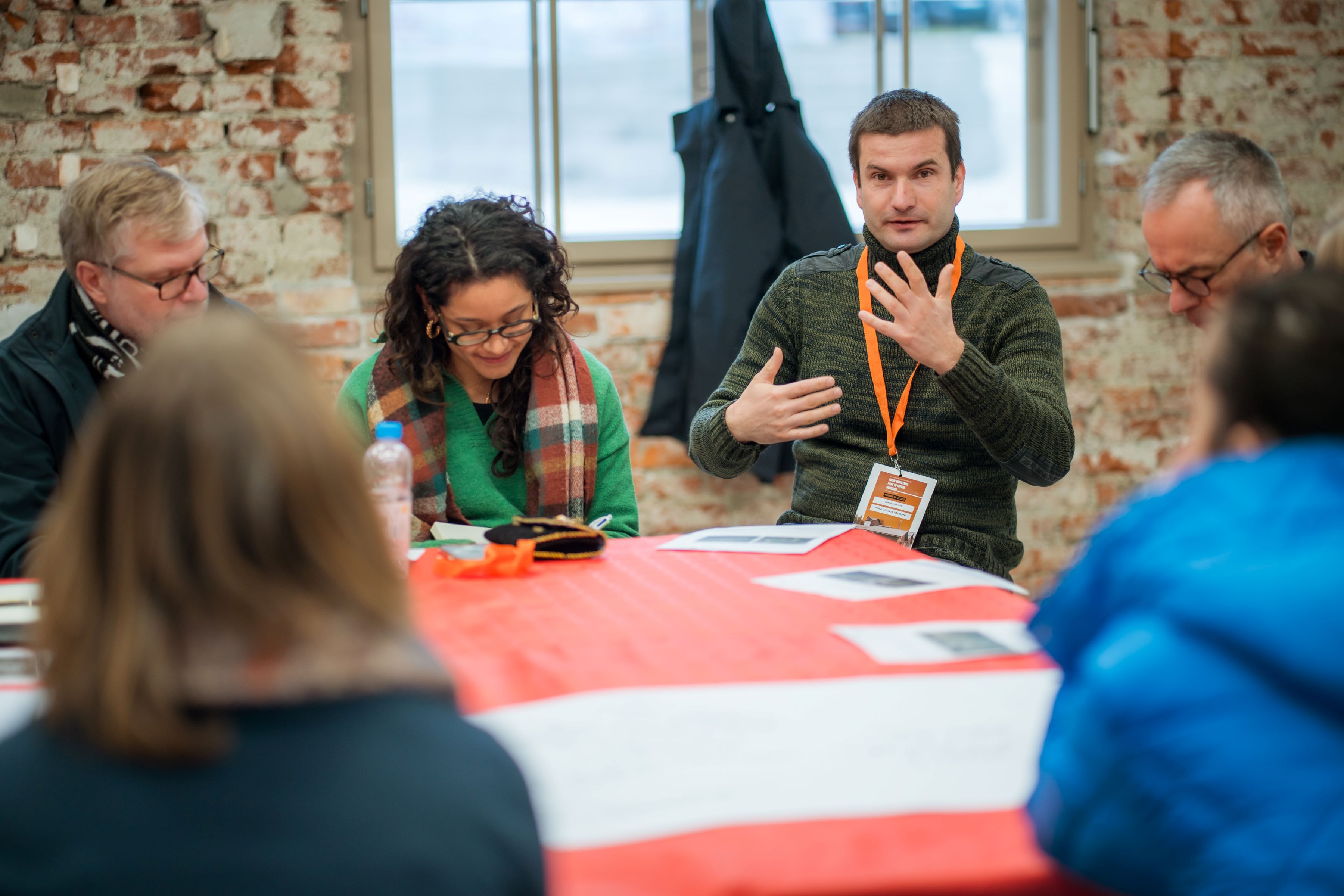
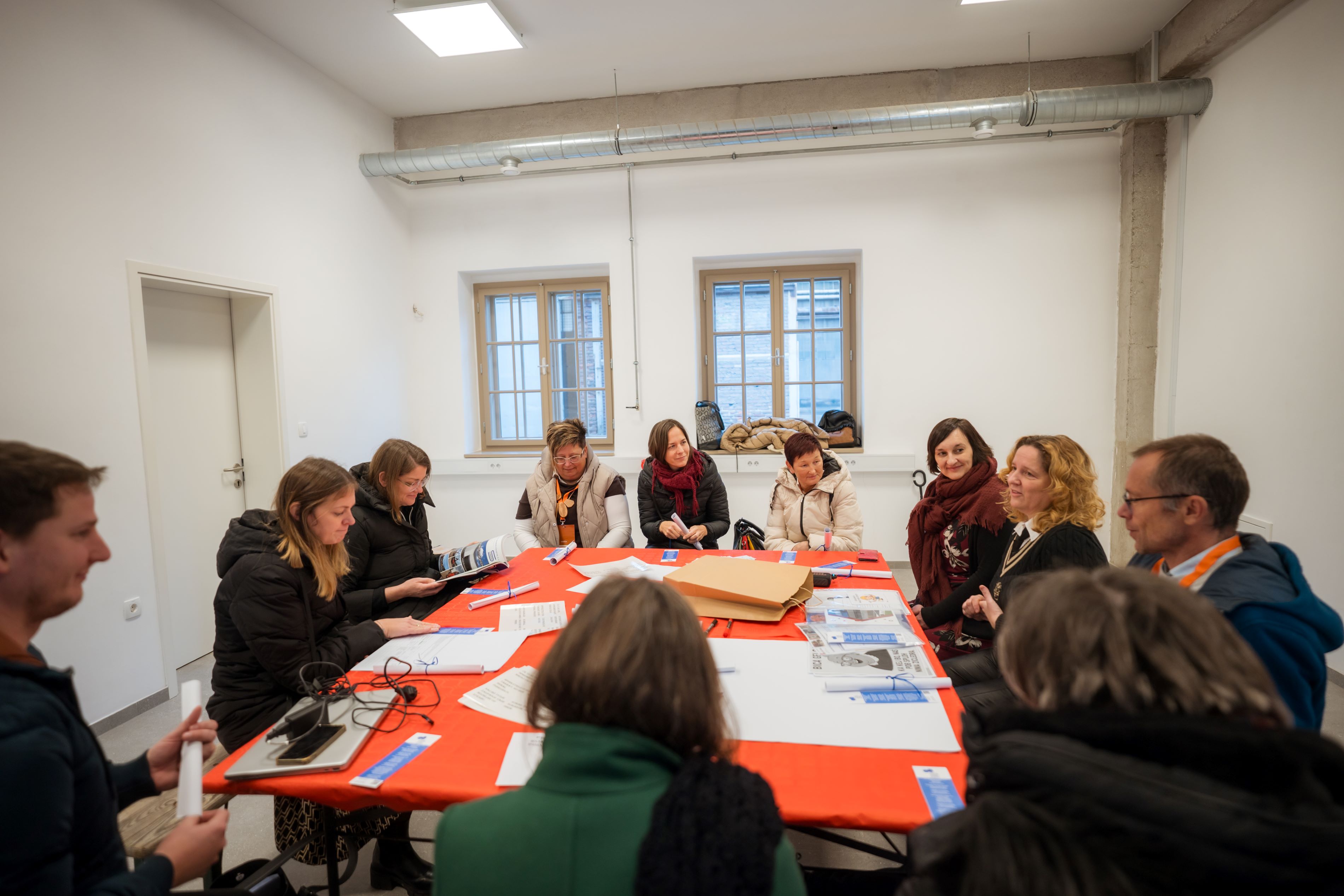
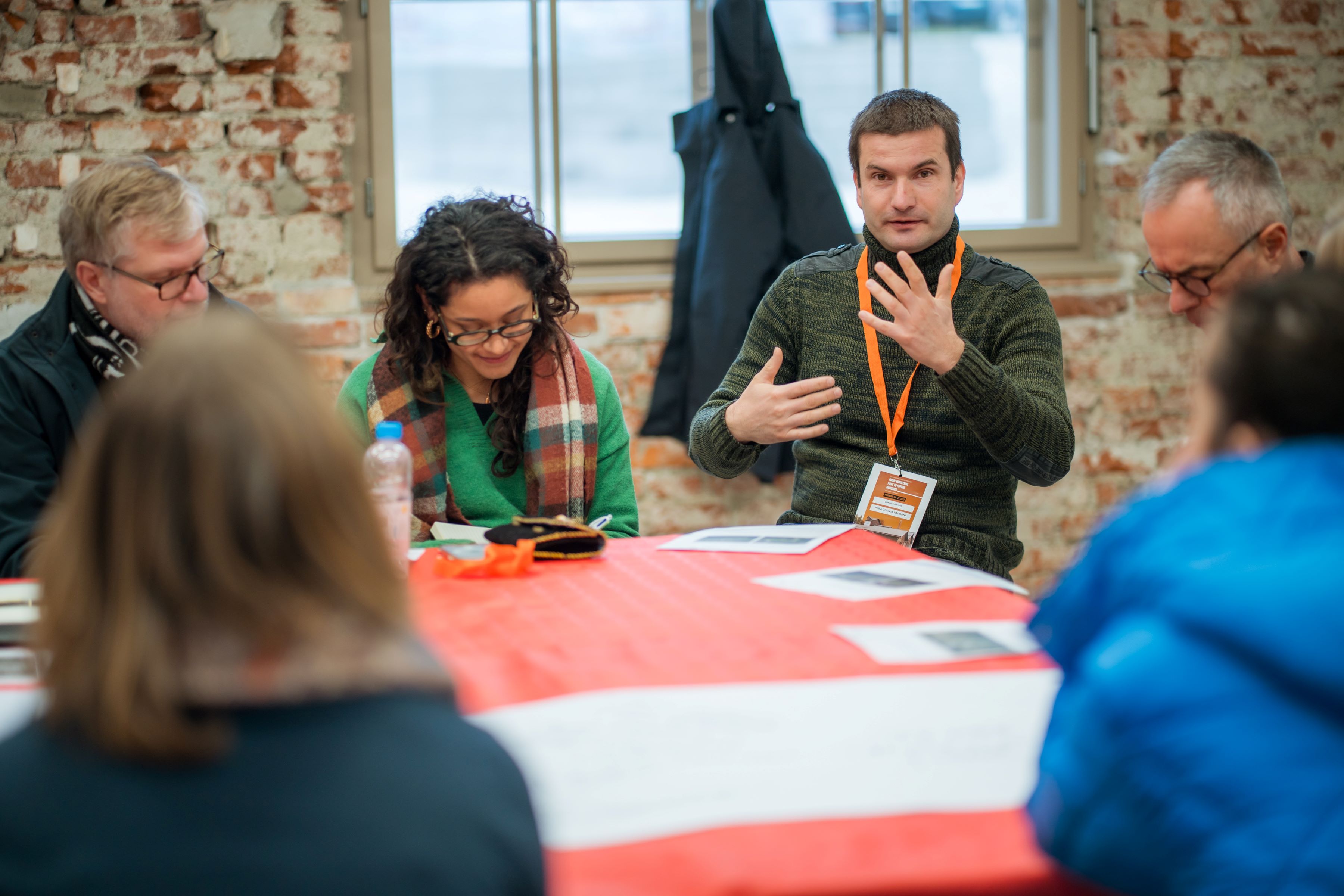
The conference sessions naturally progressed into interactive, hands-on workshops, expertly facilitated by Primož Šporar, High Impact Designer and director of Fund 2740. These sessions were designed to move beyond theoretical discussions and translate creative visions into tangible project proposals. Participants collaborated in multidisciplinary teams, combining expertise from design, technology, education, business, and cultural management. They explored practical strategies for linking creative and innovation centres across the Koroška region, fostering sustainable development of industrial spaces, enhancing education and skills programs, and establishing socially impactful business models. Specific project ideas included community-driven spaces, innovation labs for youth, interdisciplinary art and technology residencies, and initiatives to improve accessibility and inclusion within industrial heritage sites.
The workshops emphasised actionable steps: identifying funding opportunities, establishing partnerships with local and European stakeholders, integrating circular economy principles, and setting measurable objectives for community impact. The outcomes of these collaborative sessions produced a rich set of concrete proposals and potential funding pathways, laying a strong foundation for the next phase of development of and Old Ironworks. By connecting creativity, innovation, and social engagement, these initiatives aim to transform the Old Ironworks into a dynamic hub that not only preserves industrial heritage but also stimulates local economic growth, community cohesion, and international collaboration.
NONA’s Role in Funding and Development
The Old Ironworks is a prime example of successful additional funding acquisition and sustainable area development within the NONA framework.
Since 2024, NONA has supported the Municipality of Ravne na Koroškem and local stakeholders in securing over €1 million from the Slovenian Cohesion Fund for the upcoming renovation of the Personnel Building – the last remaining building in the area. Additional support from Interreg Danube projects CAST and SteelCityZen, and the CLLD-funded KultLab program, contributed almost €250,000 for project activities and new employment opportunities.
Through these efforts, NONA demonstrates how strategic networking with investors, public institutions, and private financial bodies can turn industrial heritage into a springboard for sustainable regional growth, linking culture, innovation, education, and business in tangible ways.
The two-day event was held in cooperation with the Interreg Mediterranean BauNOW project, furthering NONA's approach to pool together existing initiatives to maximise impact on the ground. Further capitalisation was ensured through cooperation with the Interreg Danube projects CAST and SteelCityZen.
Photos: Nika Hölcl

17/12/2025
By
Share on social media:


News & Events
Read the most recent updates and explore the upcoming events.

Would you like to receive project updates?
You're already part of our community!
Welcome to our newsletter community!
Subscribe to our newsletter