
NONA transnational meeting in Cluj-Napoca: advancing pilot's and green investment in degraded areas
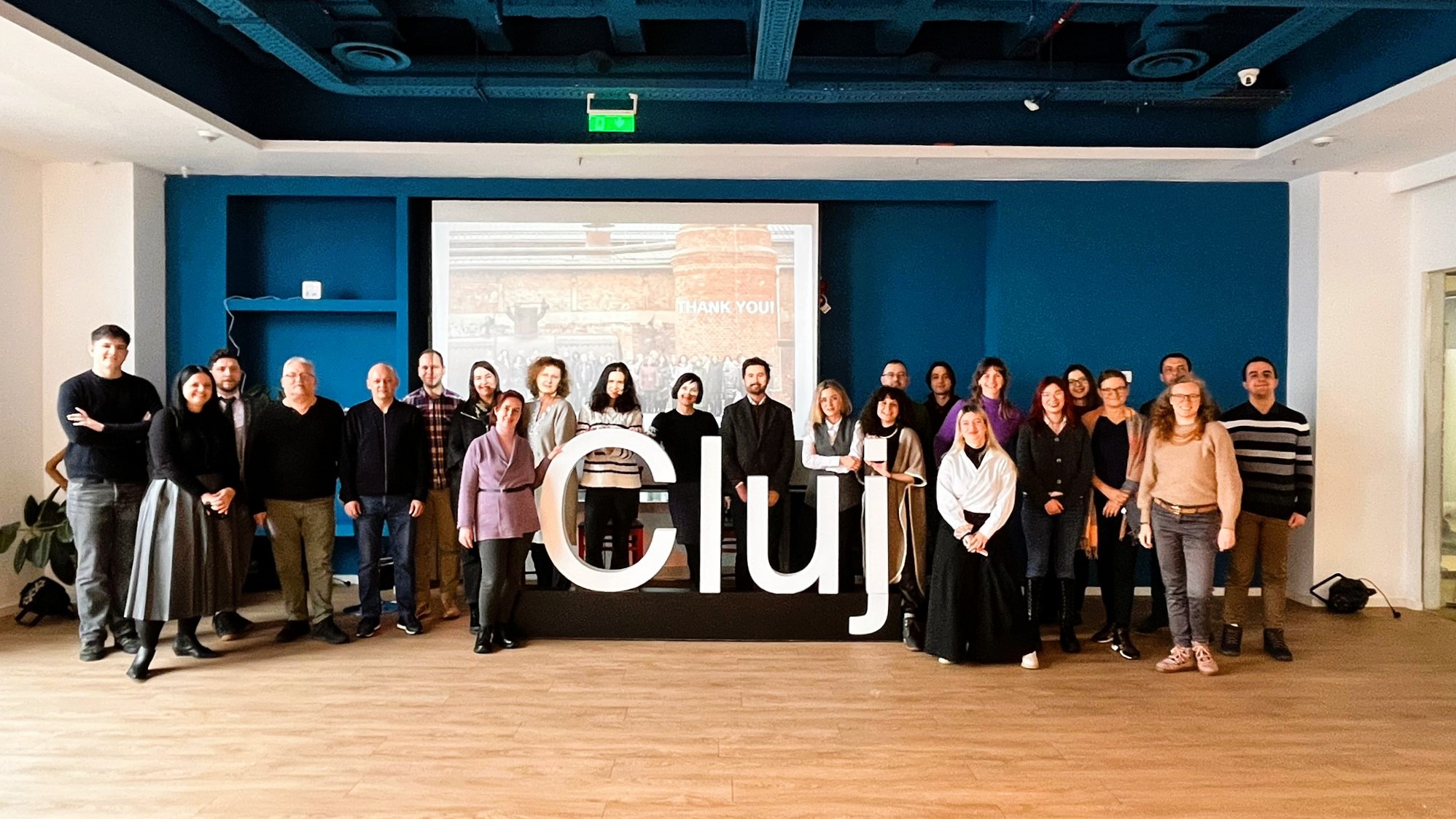
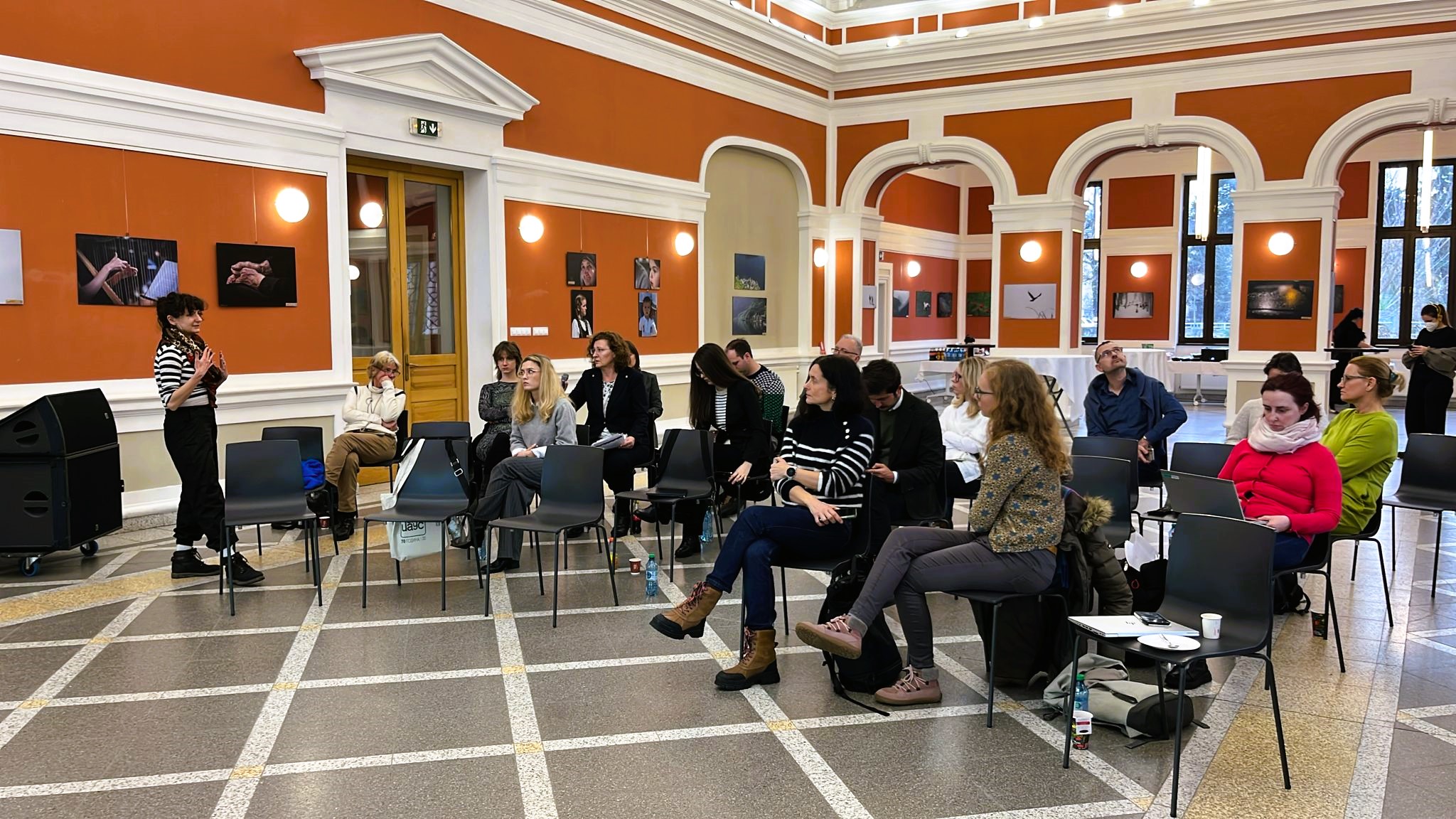
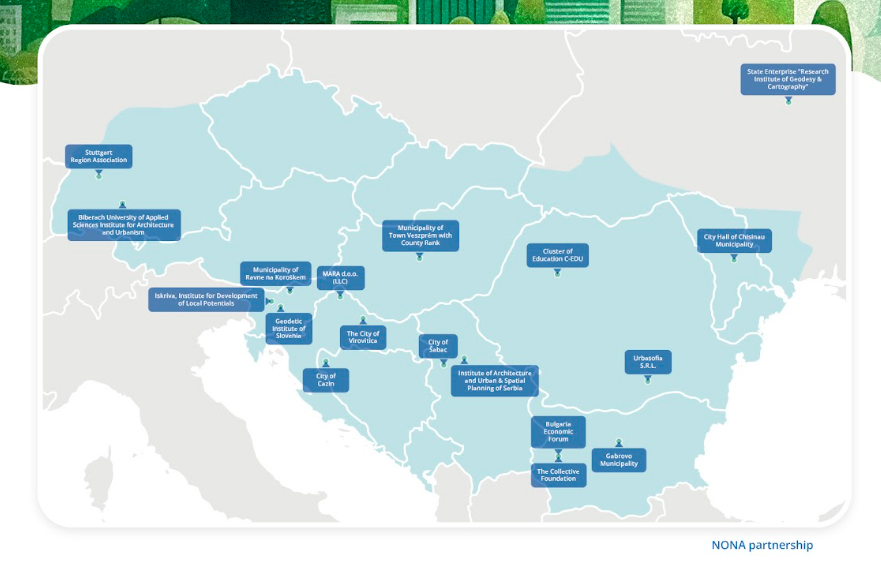
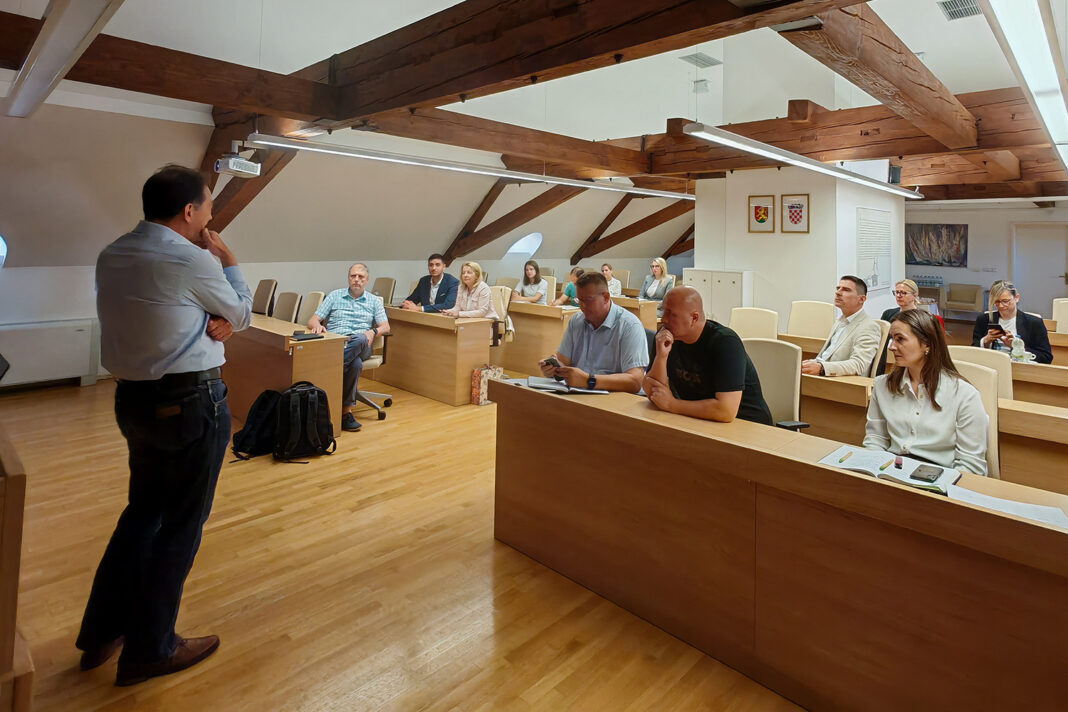
The NONA New Governance for New Spaces transnational project partner meeting took place on 28–29 January 2026 in Cluj-Napoca, Romania, bringing together project partners from across the Danube. Held within the framework of the Interreg Danube Region Programme 2021–2027. The 28th January meeting was held at the Centrul de Cultură Urbană Cluj-Napoca, providing a key opportunity for partners to exchange knowledge, reflect on project progress, and align next steps as the project enters its final phase.
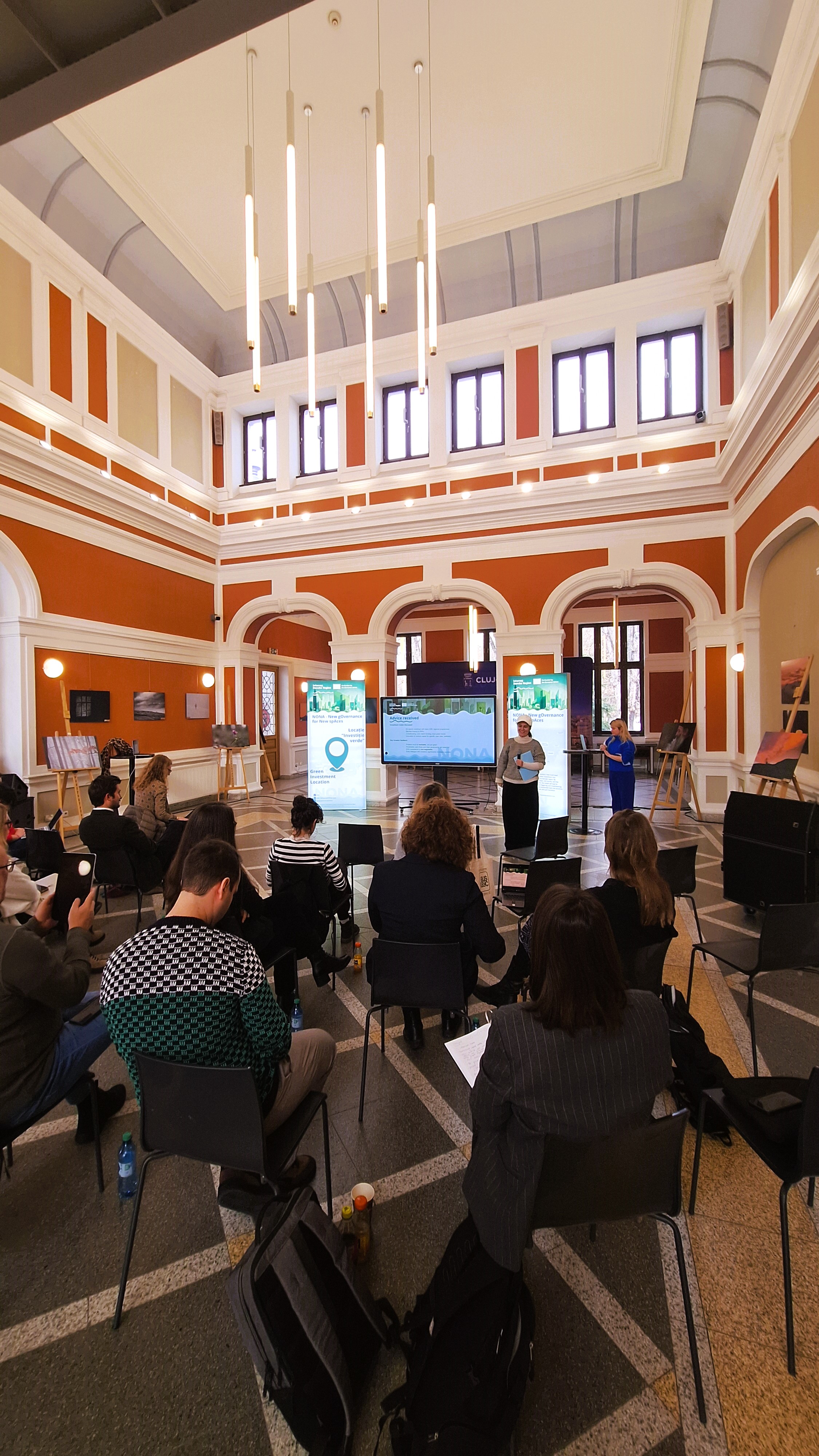
As the NONA project enters its final phase, project partners have delivered a series of “snapshot” presentations reflecting on key lessons learned through the implementation of their pilot activities over the past two years. The presentations followed a shared analytical framework, covering the type of degraded area addressed, spatial scale, ownership structures, main green objectives, governance and coordination arrangements, project and activity preparations, expert support received, socio-economic and market context, relevant policy and legislative frameworks, and the key results achieved to date.
State Enterprise Research Institute of Geodesy & Cartography Odessa (Ukraine) presented their pilot Reni Community, which focuses on a green zone along the Balaneshta gully, a natural drainage artery in the Reni urban community. The intervention operates at a local scale, addressing urban safety and environmental resilience.
City of Šabac (Serbia) and the Institute of Architecture and Urban & Spatial Planning of Serbia IAUS, presented the pilot which focuses on a historically layered urban park hosting a dense cluster of educational, social, and recreational institutions. The area has experienced long-term fragmentation and non-integrated maintenance responsibilities, posing significant challenges for coordinated revitalisation.
Municipality of the Town of Veszprém with County Rank (Hungary) presented their pilot, which focuses on the future development of the Factory Yard Culture Park and its surrounding area. Situated on the site of a former downtown industrial complex, previously occupied by a furniture factory, the pilot covers approximately 2.5 hectares.
Cluster of Education C-EDU Cluj (Romania) and URBASOFIA s.r.l. presented their pilot, which focuses on former industrial and brownfield sites, alongside underused public, university, and administrative buildings. The interventions take place at the scale of the city, addressing challenges and opportunities that extend across the metropolitan functional urban area.
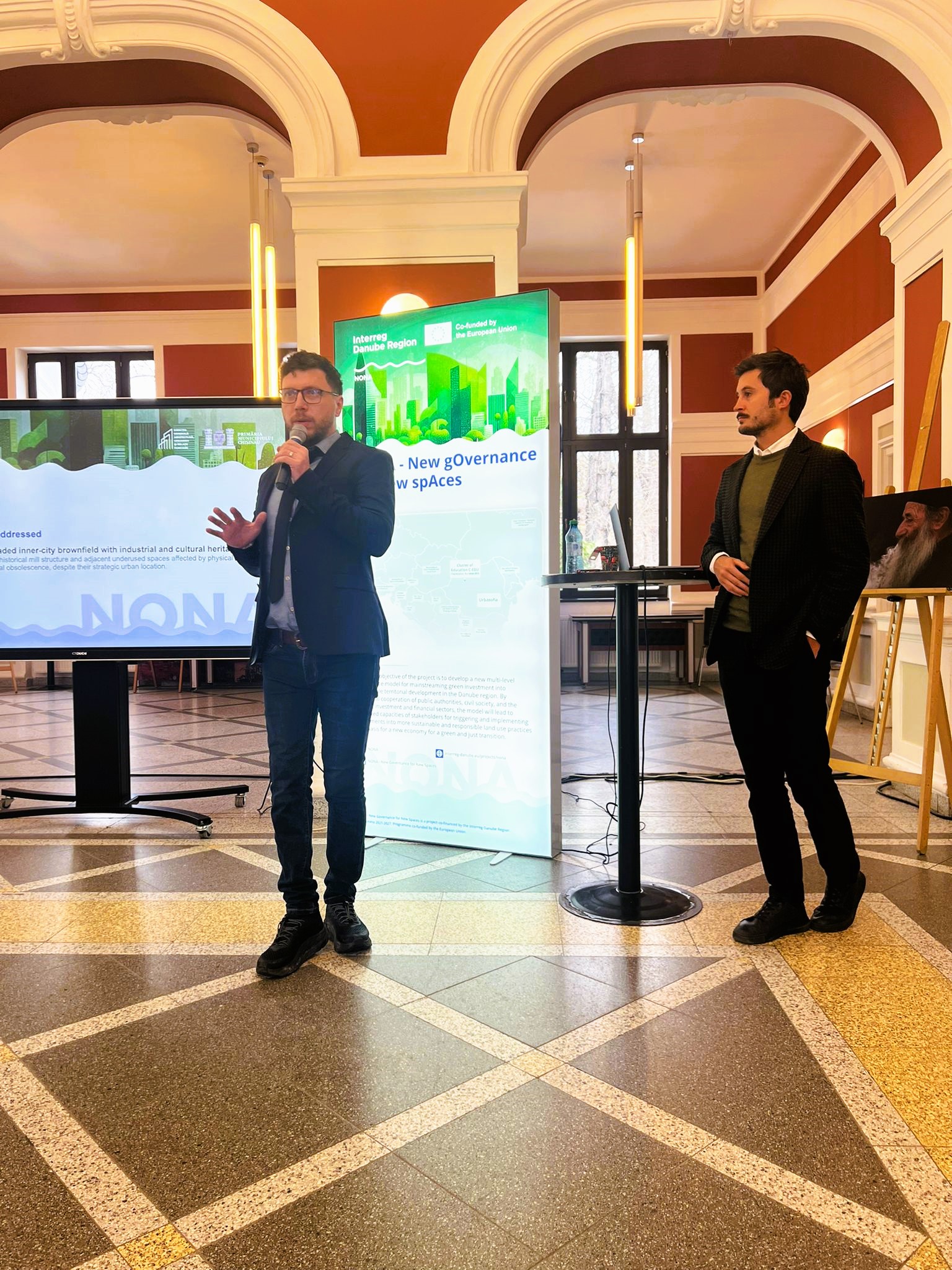
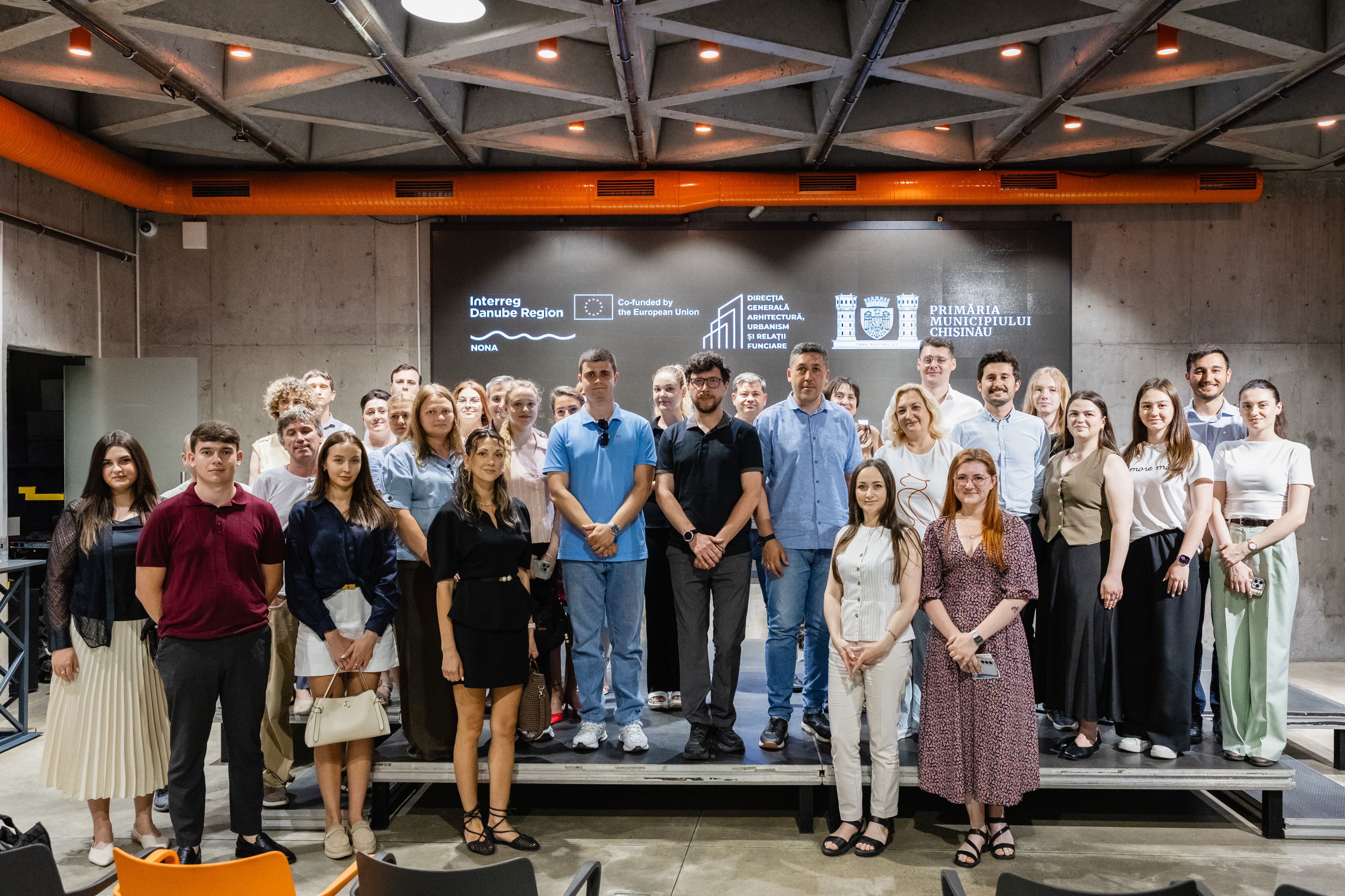
City Hall of Chișinău Municipality (Moldova) presented their pilot, which focuses on a degraded inner-city brownfield with significant industrial and cultural heritage value. The interventions target the former Moara Roșie building footprint and its immediate public and semi-public surroundings, with potential spillover effects at the neighbourhood level.
Stuttgart Region Association (Germany) and Biberach University of Applied Sciences, Institute for Architecture and Urbanism IAS, presented their pilot, which focuses on fragmented river and landscape systems affected by infrastructural barriers, altered water regimes, and competing land uses. The intervention operates at a catchment scale, spanning multiple municipalities along the Neckar corridor.
Gabrovo Municipality (Bulgaria) and Christo and Jeanne-Claude Centre Gabrovo, with the Collective Foundation, presented their pilot, which focuses on post-industrial and underused urban riverfront areas, including brownfields and neglected public spaces along the Yantra River. The intervention operates at a local scale, emphasising a continuous riverfront corridor within the urban area.
Following the mapping of degraded areas by SERIGG, the meeting continued with an overview of WP2 by URBASOFIA, a session on project communication led by MARA, and a discussion on management and finances presented by GIS.
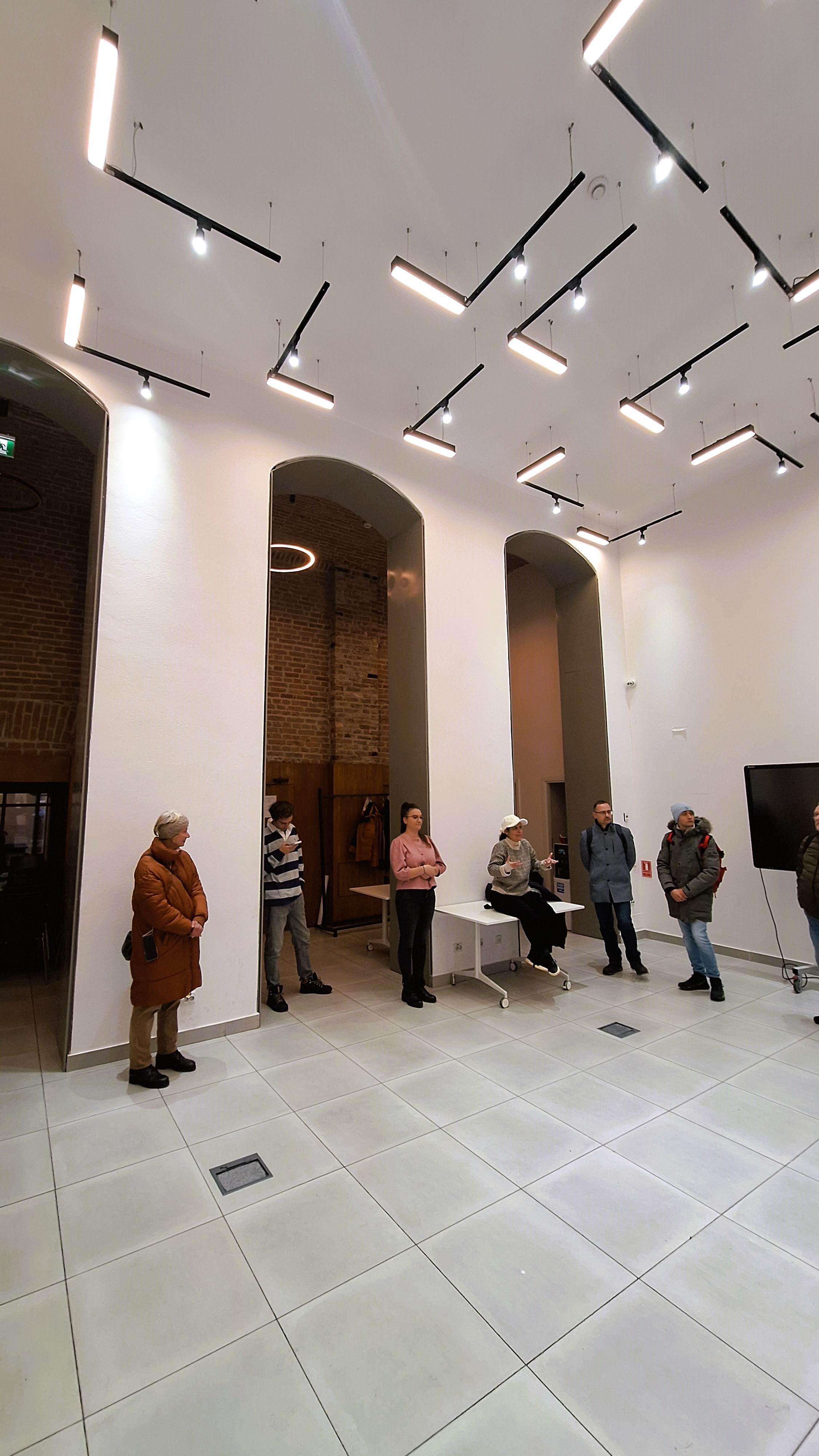
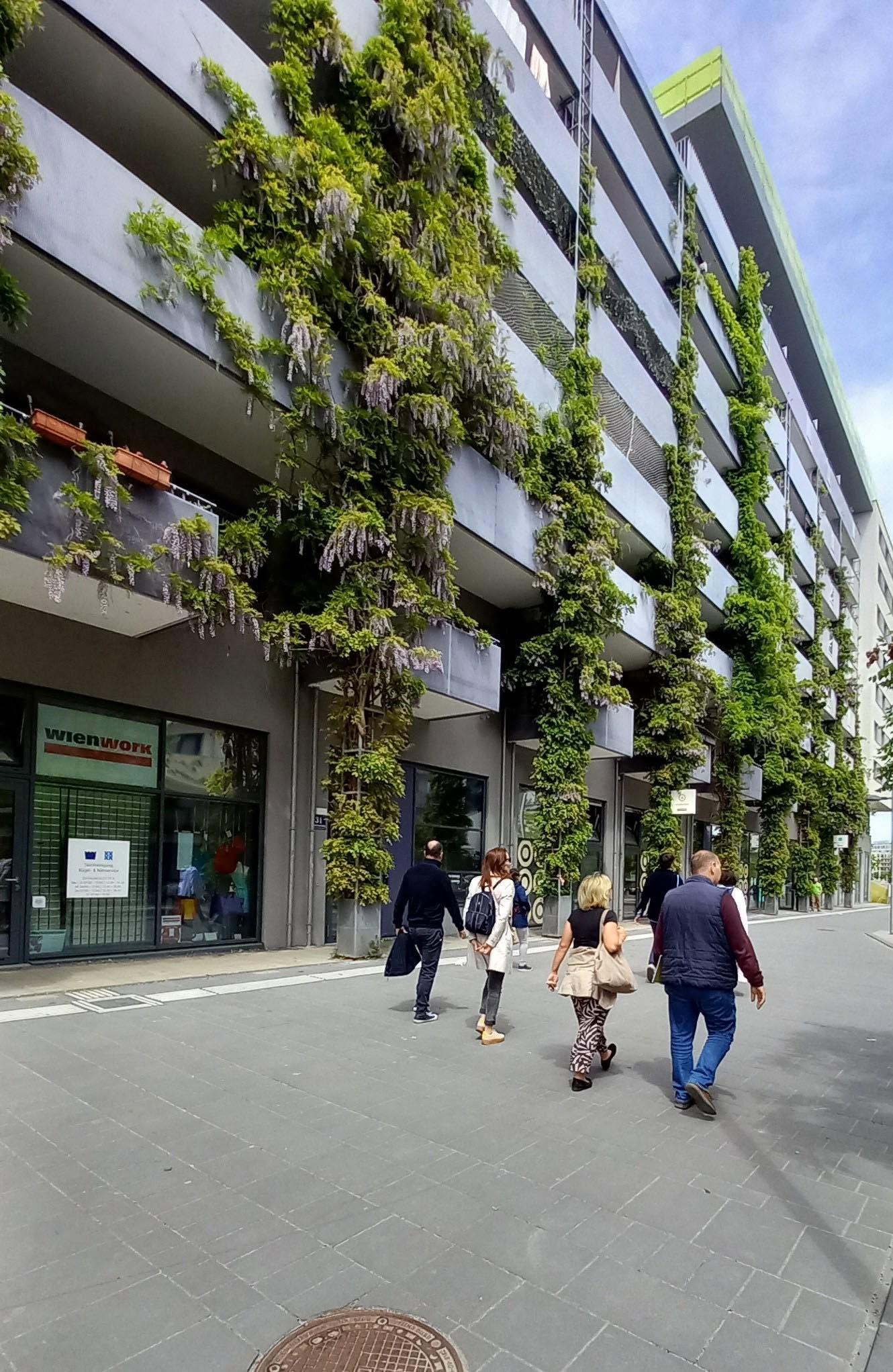
The first day concluded with a guided tour through Cluj-Napoca, offering project partners the opportunity to explore degraded areas and reflect on potential interventions in practice. The tour titled "Understanding the magic of common needs to unleash resources for degraded areas," included visits to several key sites: the ex BCR Building (George Barițiu St. 10–12), a publicly acquired building currently under refurbishment with opportunities for co-design and adaptive reuse; Palatul Telefoanelor (Octavian Petrovici St.), a Brutalist building recently listed as a historical monument, illustrating challenges of heritage conservation and adaptive reuse; Horea 2 "Roland Garros" (Horea St. 2), a former restaurant now in ruinous state with potential for community and education uses; Iuliu Maniu 1 (Centru pentru Tineret), a partially used historic site with multi-user coexistence challenges requiring co-design; and the Kogălniceanu County Library Branch (Kogălniceanu St. 7), an abandoned library building with strong architectural value and strategic location near Babeș-Bolyai University, offering potential for public and educational functions.
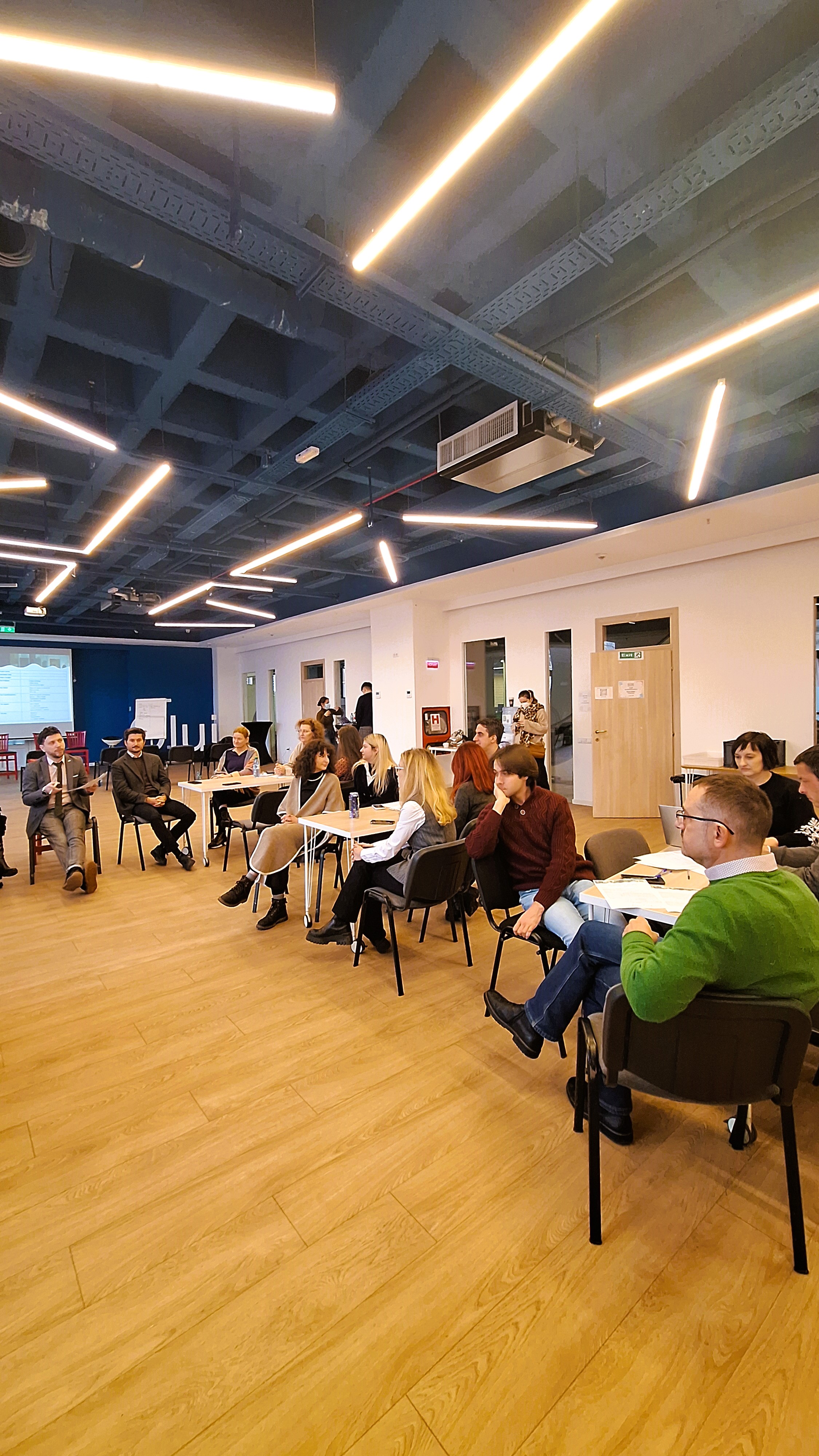
The second day of the NONA transnational project meeting took place on Thursday, 29 January 2026, at Cluj-Hub, one of Cluj-Napoca’s favourite coworking spaces, known for its vibrant community, events, and support for creatives and start-ups. The day brought together project partners from across the Danube region to focus on practical skills for attracting investment and advancing pilot interventions.
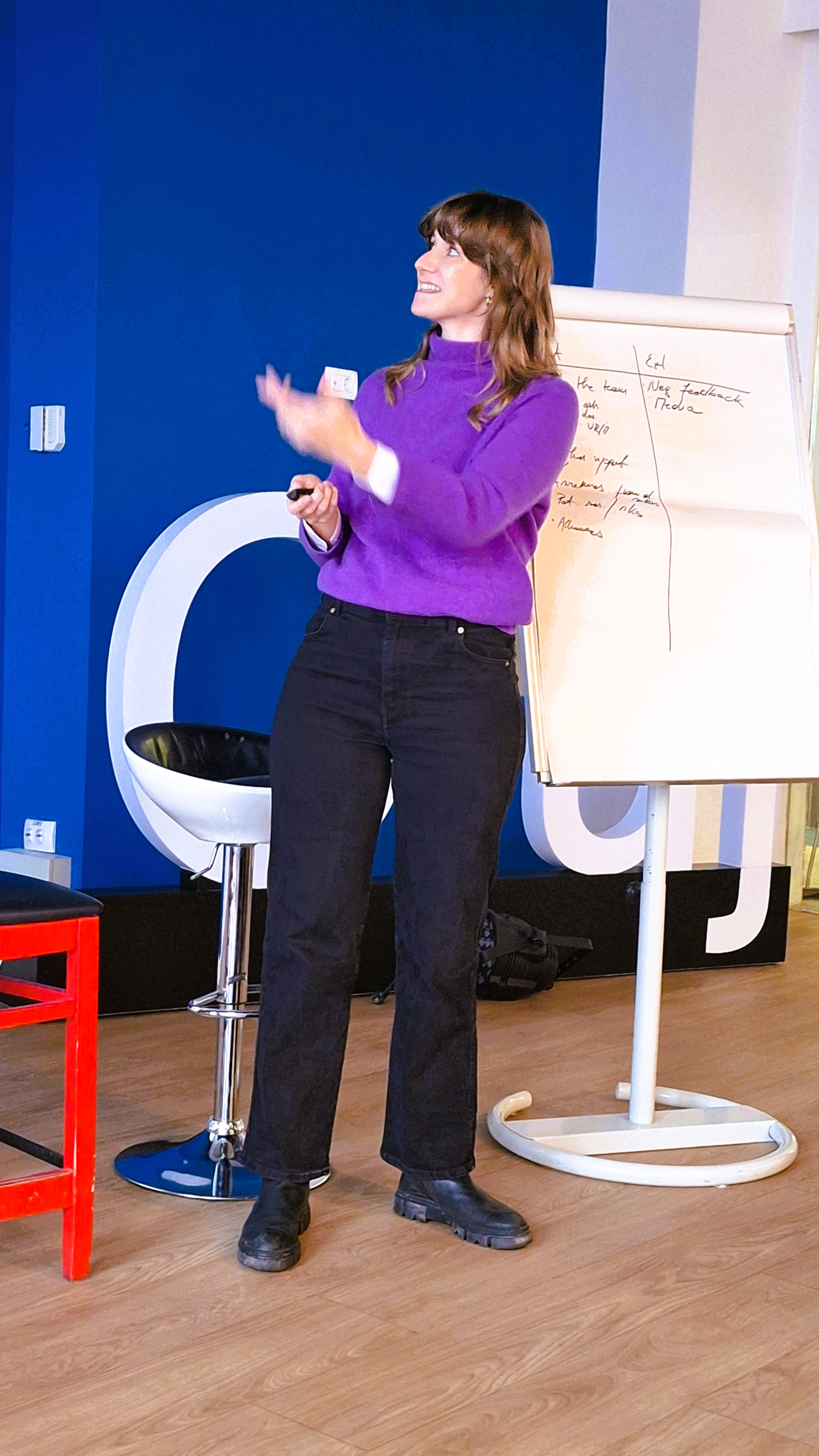
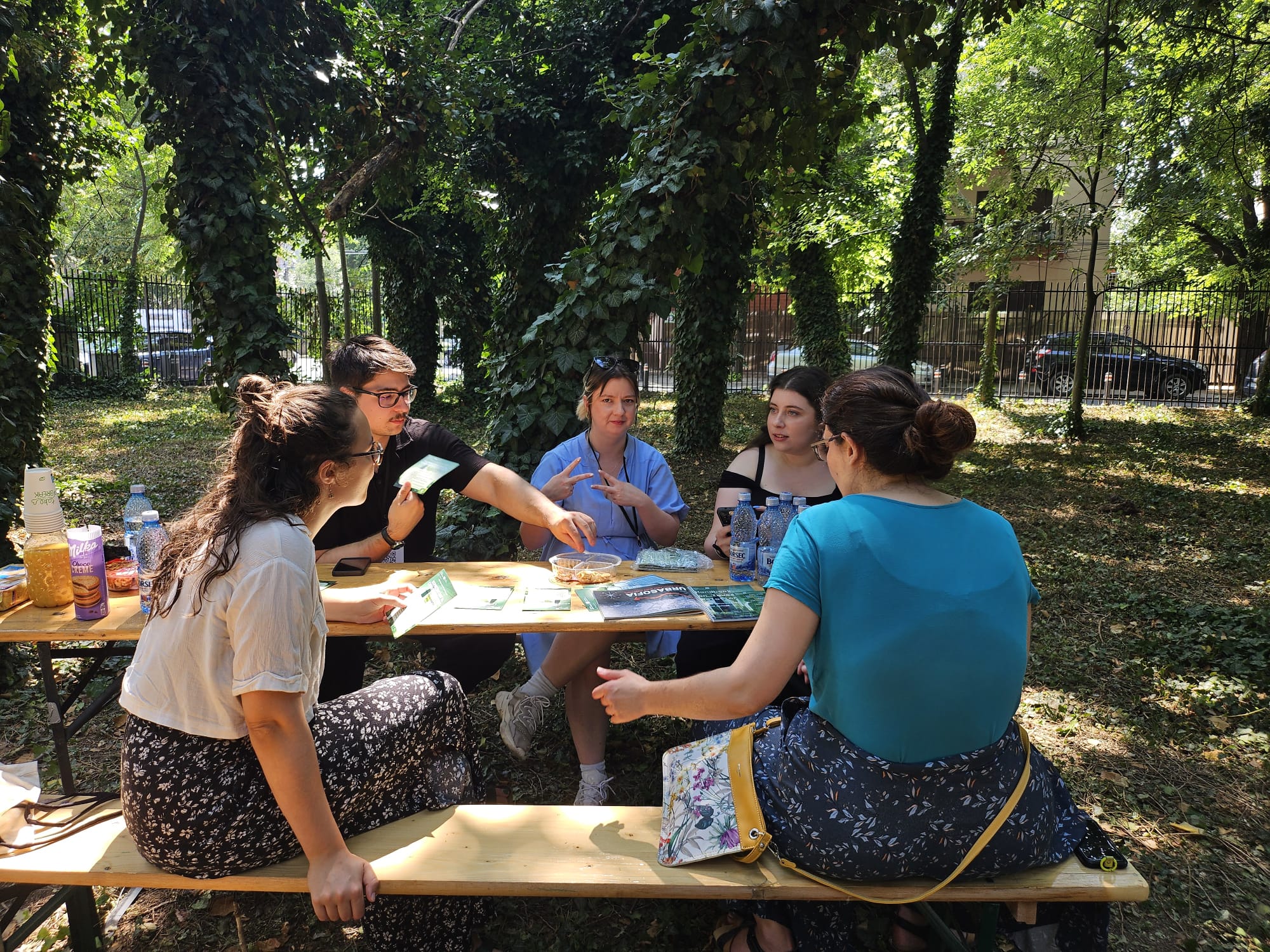
The day was structured as a hands-on workshop on “How to Pitch for Green Investment Funding of Degraded Areas,” led by Cristiana Bogățeanu, a business development specialist, entrepreneur, and consultant. The workshop guided partners through the key elements of a strong NONA pitch, including what investors and decision-makers look for, common mistakes in presenting green regeneration projects, and how to translate project descriptions into compelling value propositions. The workshop also included a practical exercise, where partners identified potential NONA pilot ideas, defined key messages and value, and received trainer feedback to strengthen their pitch.
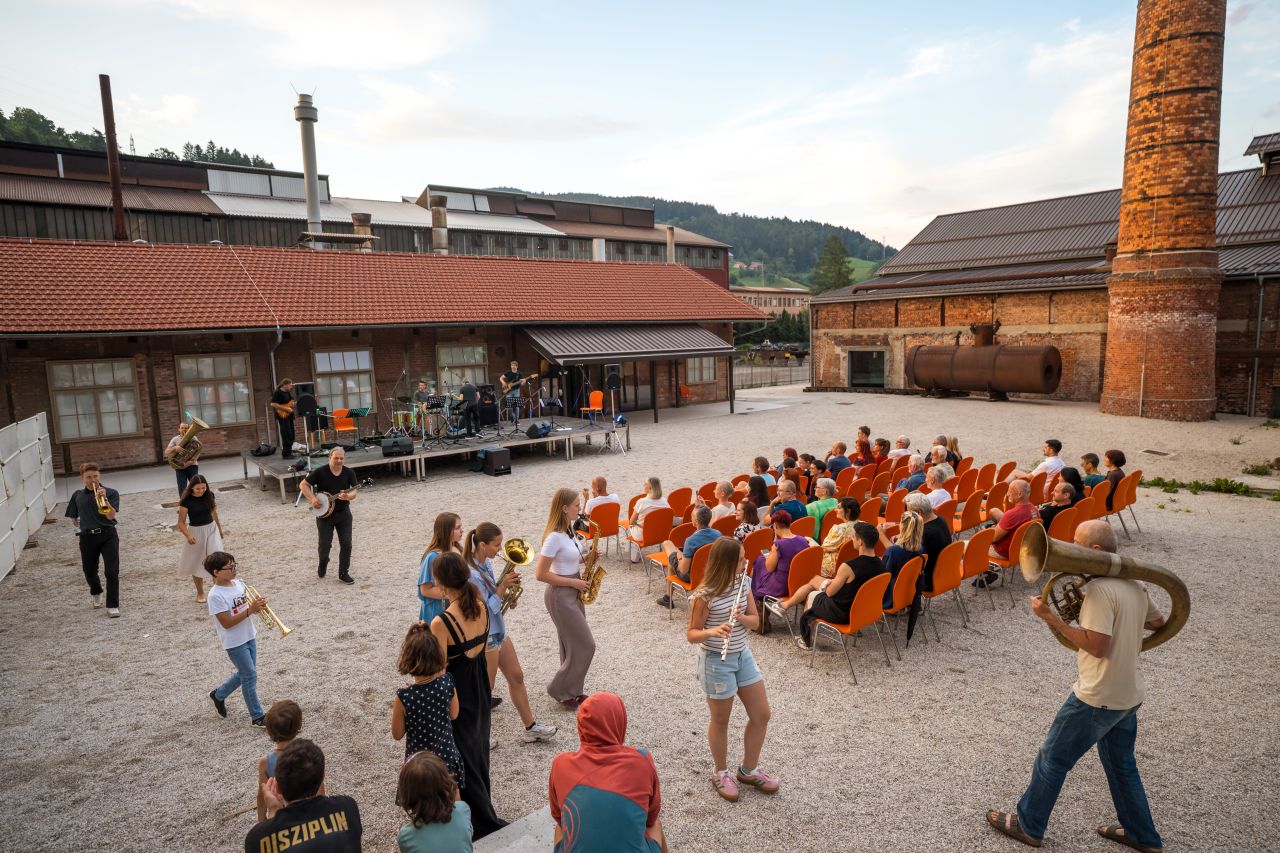
The agenda continued with the Ravne na Koroškem pilot (Slovenia), presented by the Iskriva Institute for Development of Local Potentials. The presentation highlighted the progress of the revitalisation of the Old Ravne Ironworks in Carinthia, carried out in collaboration with the Municipality of Ravne na Koroškem, and provided a valuable opportunity to exchange knowledge and co-create future steps with international partners. Following this, Iskriva provided an overview of WP3 activities. As the project enters its final phase, the session also showcased prepared proposals for new investments in the revitalisation of degraded areas, which will be presented to potential investors this spring at the first NONA International Investment Forum.
Stuttgart Region Association presented an overview of the NONA Travelling Academy, highlighting key activities from recent events. These included the NONA Academy in October 2025 in Cazin, Bosnia and Herzegovina, the CITY MAKING TASK-FORCE CAZIN workshop, as well as the first international architectural summer school hosted by the Municipality of Ravne na Koroškem in July 2025 under the Summer Academy Future Works! programme.
The day concluded with a site visit to green investment pilot cases, including the Hintz House and Avram Iancu Street 13–15, featuring the Pharmacy Museum, the Interest Centre gallery, and the Cărturești Bookstore. These visits offered partners a first-hand look at successful examples of adaptive reuse and green investment in historically and culturally significant urban spaces.

03/02/2026
By
Share on social media:


News & Events
Read the most recent updates and explore the upcoming events.

Would you like to receive project updates?
You're already part of our community!
Welcome to our newsletter community!
Subscribe to our newsletter