

From Coal to New Pathways: How Status Quo Consultations Are Shaping the Next Steps in SteelCityZen
As SteelCityZen moves from methodology to implementation, one question has become increasingly central across partner cities: how can labour market analysis support real change — not only on paper, but in people’s lives?
To address this, Austrian partner, ÖSB Consulting organised a series of bilateral online consultations with all city partners working on their employment-focused status quo analyses. These sessions were designed to help cities reflect on their findings, sharpen priorities, and connect analysis directly with ideas for future pilot actions.
Why these consultations matter
The Joint Methodology for Analysing the Status Quo of Local Labour Markets provides a common framework for all partners, but the realities on the ground differ significantly from city to city. The bilateral consultations created space to translate this shared methodology into locally meaningful analyses, while maintaining a clear focus on future-oriented action.
Rather than treating the status quo analysis as a purely descriptive exercise, cities were encouraged to use it as a strategic tool. The discussions focused on how analysis can help anticipate future labour market challenges, prepare for industrial transformation, and identify where services, skills development, and cooperation models need to evolve in order to respond effectively to change.
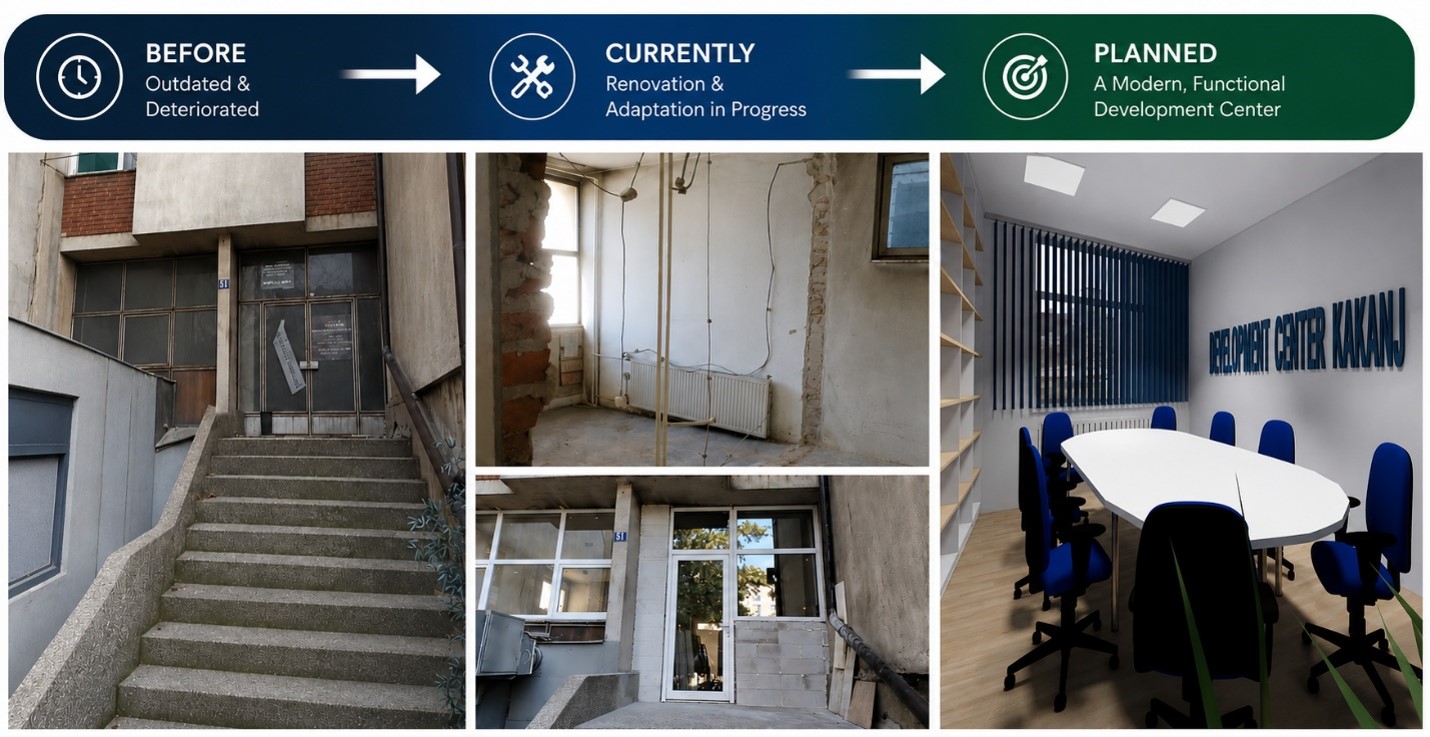
1. Learning from Kakanj: when analysis meets identity
The consultation with Kakanj illustrated particularly clearly how labour market issues are intertwined with social identity, tradition, and personal history. Coal mining has shaped not only the local economy but also family narratives, social recognition, and perceptions of stability. In such a context, the status quo analysis goes far beyond mapping jobs and skills.
Discussions highlighted the importance of using the analysis to open space for new pathways, helping citizens explore professions beyond mining while respecting the value of existing identities. Emerging opportunities such as green energy services or technical maintenance roles need to be framed as credible, skilled, and future-proof professions. This requires combining labour market data with qualitative insights, expert knowledge, and lived experience in order to make change understandable and acceptable.
2. From raw data to meaningful insight
Across cities, a shared insight emerged: data alone does not change behaviour. While many partners have access to solid quantitative data and successfully conducted surveys, the real challenge lies in interpretation and prioritisation.
The consultations therefore focused on how to transform data into meaningful insight. Partners discussed which findings are most relevant for decision-making, where qualitative knowledge fills important gaps, and how local expert or stakeholder perspectives can help explain trends and uncertainties. Cities were encouraged to look beyond past developments and use the status quo analysis to describe future directions, including the impact of green transition, demographic change, and evolving skills needs.
3. Trust as a missing link
A recurring topic throughout the consultation series was trust between municipalities and companies. Many cities reported difficulties in engaging employers, not because of a lack of interest, but because public and private actors often operate with different expectations and communication styles.
Although both municipalities and companies ultimately work toward improving quality of life and economic prospects for citizens, they tend to speak different “languages”. Municipalities often focus on long-term strategies and public value, while companies are driven by immediate needs, risks, and competitiveness. The consultations helped reframe this relationship by shifting the perspective from what municipalities expect from companies to what they can offer in return — such as coordination, skills solutions, matchmaking. Building trust was recognised as a gradual but essential process for any successful labour market transition.
4. Focusing analysis on future pilots
Another key outcome of the consultation series was the importance of narrowing the analytical focus. Cities were encouraged to align the status quo analysis towards their selected pilot action ideas. This approach helps avoid overly broad reports and ensures that analytical work directly supports experimentation and service innovation in the next phase of the project.
Whether the focus is green skills development, youth retention, entrepreneurship support, or improved employer coordination, linking analysis to concrete pilot ideas strengthens both the relevance and usability of the results.
By combining methodological guidance, employer-focused expertise, and open dialogue, the process supported cities in turning analysis into a living and forward-looking exercise. As partners continue refining their status quo analyses and preparing pilot actions, the insights gained through these consultations will help ensure that future interventions are grounded in local realities while benefiting from shared learning across the SteelCityZen partnership.

18/02/2026
By András Merza
Share on social media:



News & Events
Read the most recent updates and explore the upcoming events.





Would you like to receive project updates?
You're already part of our community!
Welcome to our newsletter community!
Subscribe to our newsletter