
Parade and commemoration of 250 years of coal mining
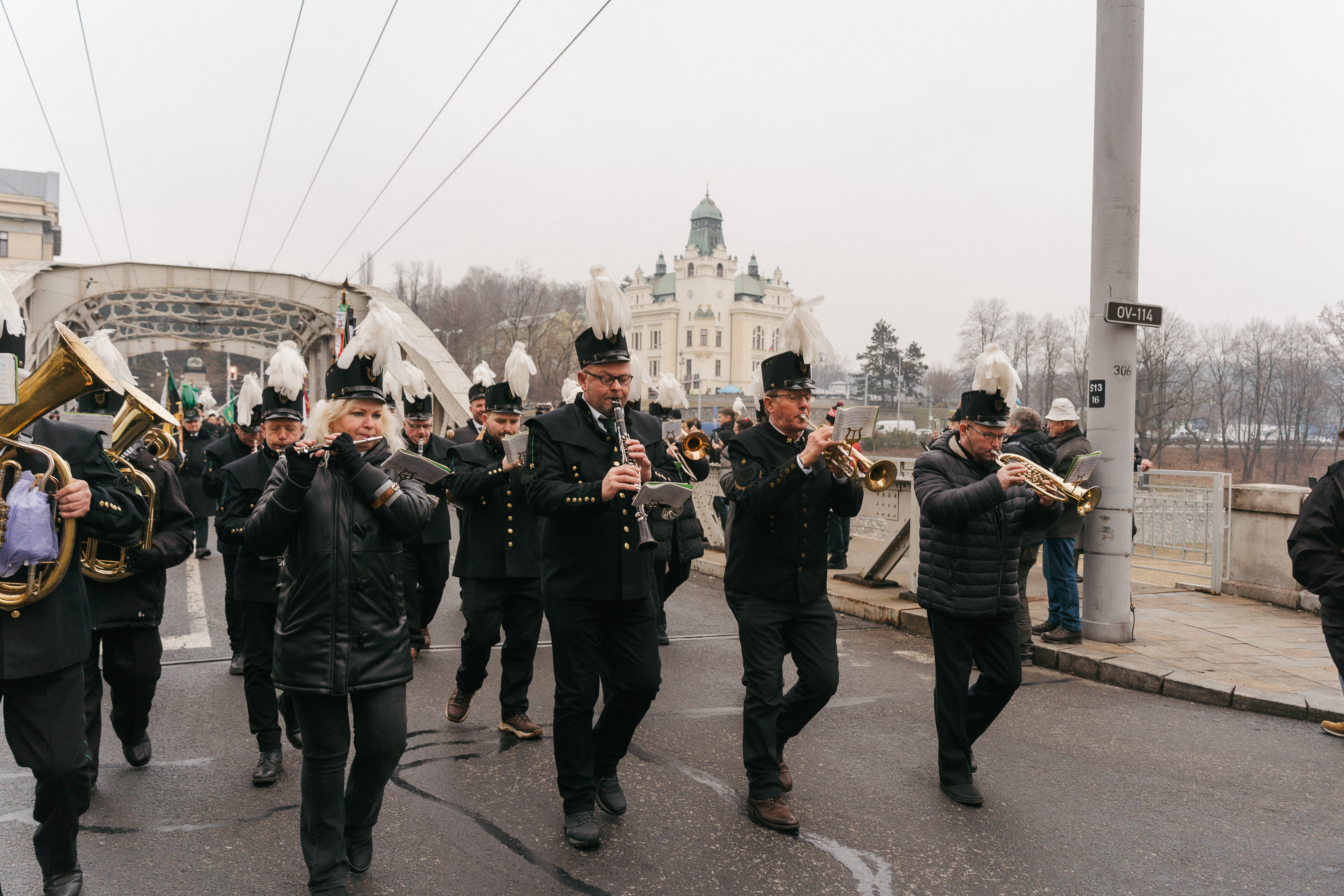
Ostrava paid tribute to its mining tradition when, on Tuesday afternoon, February 4, 2026, a ceremonial miners' parade took place from Slezská Ostrava to the Cathedral of the Divine Savior in the heart of the Moravian-Silesian region, where the mining industry has shaped the lives of entire generations for more than 250 years. The parade was part of a day of remembrance marking the end of underground black coal mining in the Czech Republic, specifically at the ČSM Mine in Stonava, the last functioning coal mine in the country.
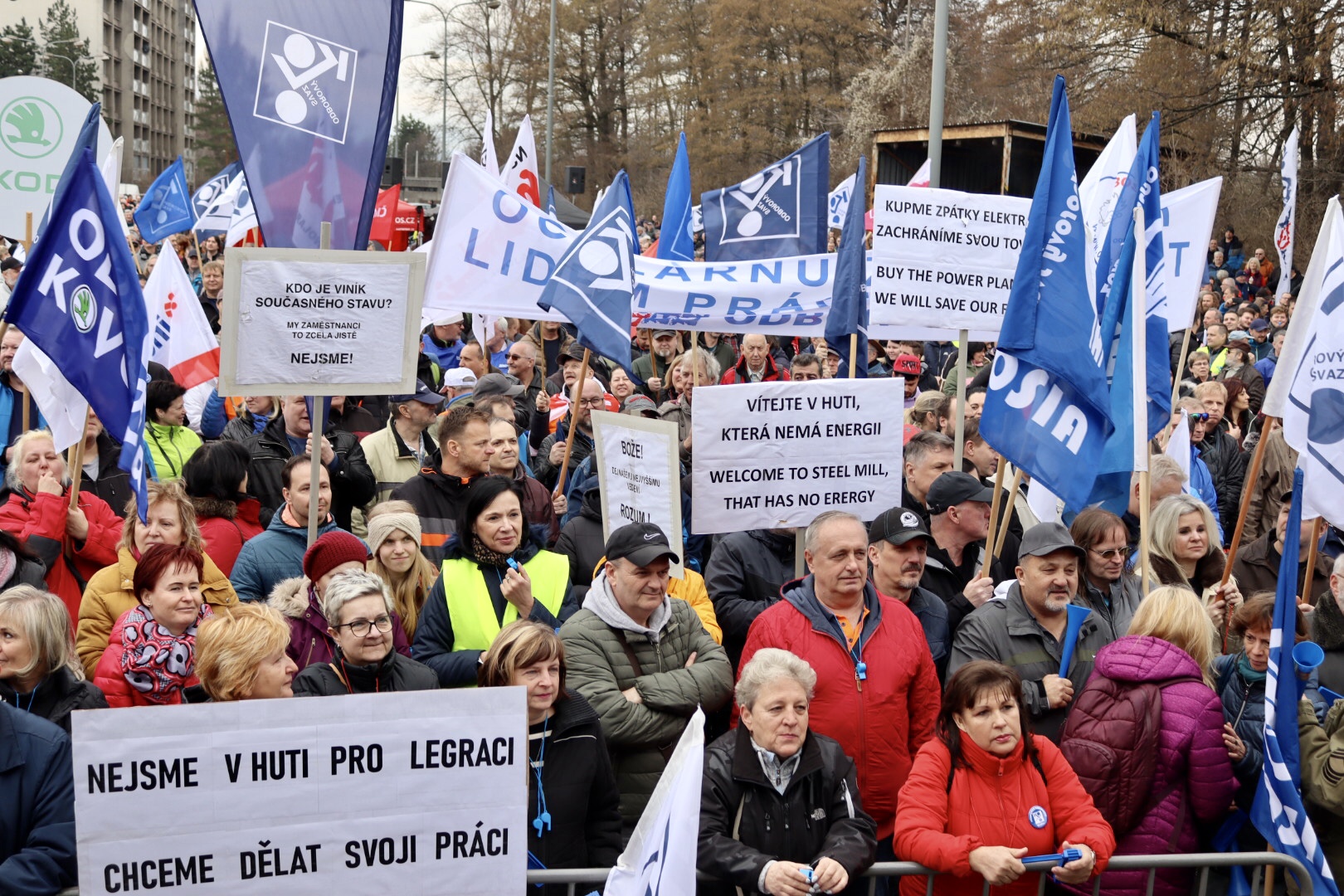
The organizers and hundreds of participants, including current and former miners, their family members, representatives of mining associations, and ordinary citizens of the region, walked through the center of Slezská Ostrava accompanied by bands, flags, and symbolic mining attributes. The parade symbolically closed a chapter that had been the foundation of the Ostrava-Karviná region for two and a half centuries.
With the end of mining, which had long been the pillar of the region's economy and identity, many of those present said goodbye with pride, but also with sadness. Coal mining brought not only prosperity, but also hard, dangerous work, which local people had performed for generations with a deep sense of professional craftsmanship.
"The miners are leaving with their heads held high," said one of the organizers of the symbolic end of coal mining. "They have something to be proud of, because much of the material things we are now surrounded by would never have been created without those who took care to bring coal reserves from hundreds of meters underground to the surface." This quote captures the respect that the public still has for mining.
Similarly, Richard Vereš, mayor of Slezská Ostrava, commented on the significance and legacy of mining: "This is an event that must be treated with respect for the work of all miners, technicians, rescuers, and other employees of these mines, as well as their families, who built this region. And what is certainly important to me is that we do not forget this tradition and remember that Ostrava and the entire region grew up on black coal, mines, shafts, and smelters."
Mining has long been a part of the identity of Ostrava and its surroundings. The mines influenced family life, traditions, and the daily rhythm of communities. For many families, mining was a profession that was passed down from generation to generation.
Mining also had a significant impact on the cultural life of the region and became an inspiration for literature, theater, and television. It was not just about working underground, but about a world with its own symbols, language, humor, and strong cohesion, which is reflected in works of art commemorating the lives of miners and their families. For example, the series Dukla 61, which dealt with the tragedy at the Dukla mine and reminded viewers of the difficulties and risks of this profession, was very well received. The theater performance Do naha! (Strip Down!) presented an authentic picture of life during the decline of mining, and the bestseller Šikmý kostel (The Leaning Church), which captures the history of the Karviná region and the changes in the landscape marked by mining, was a huge success with readers. Mining is also present in traditions, songs, and celebrations of Saint Barbara.
That is why the parade, church service, and other accompanying events were so emotionally charged. It was not just an industrial event, but a symbolic closing of an important chapter in the life of the region. A total of 124,287,401 tons of coal were mined at the ČSM Mine by the end of 2025. A train carrying this amount would be approximately 35,000 kilometers long.
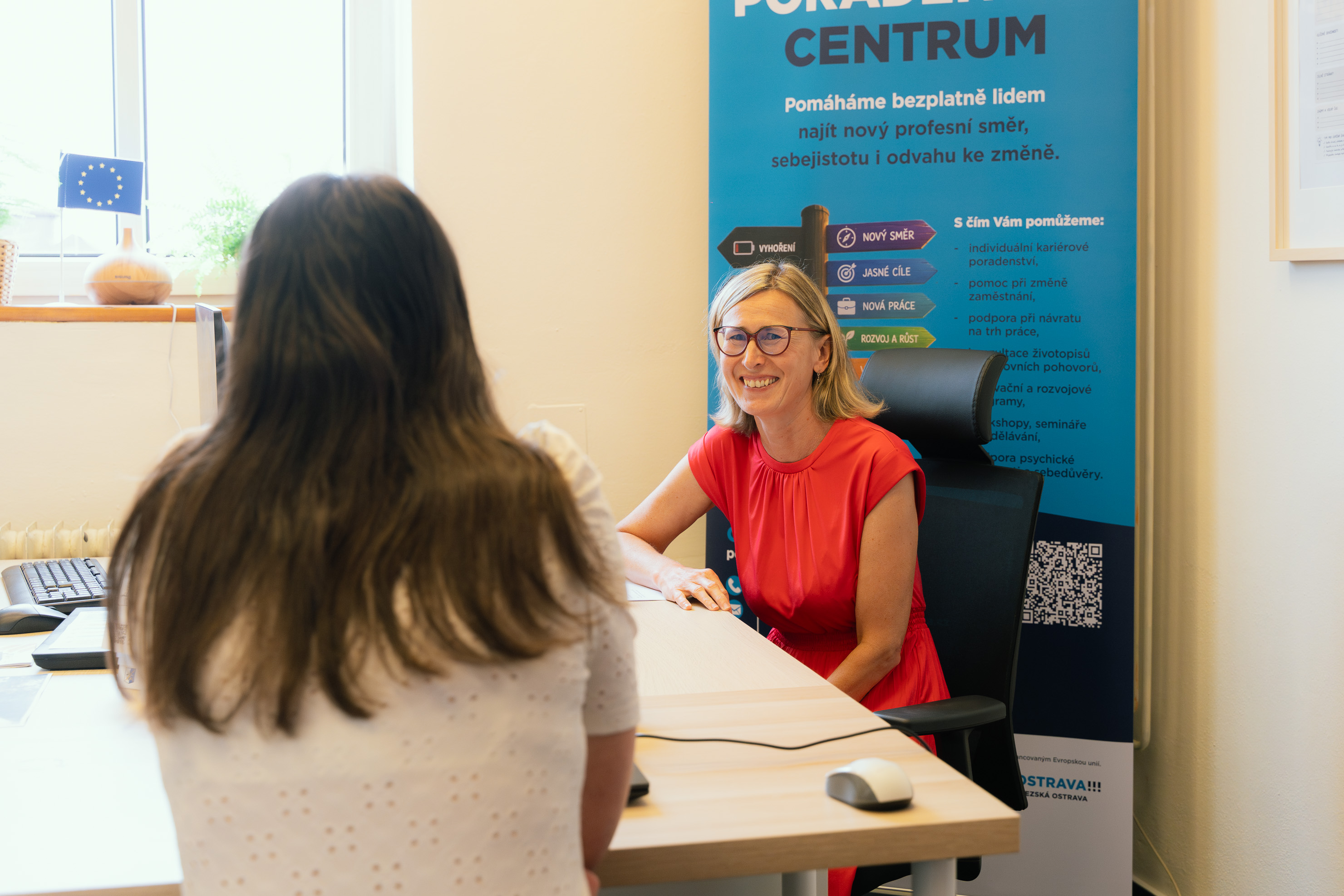
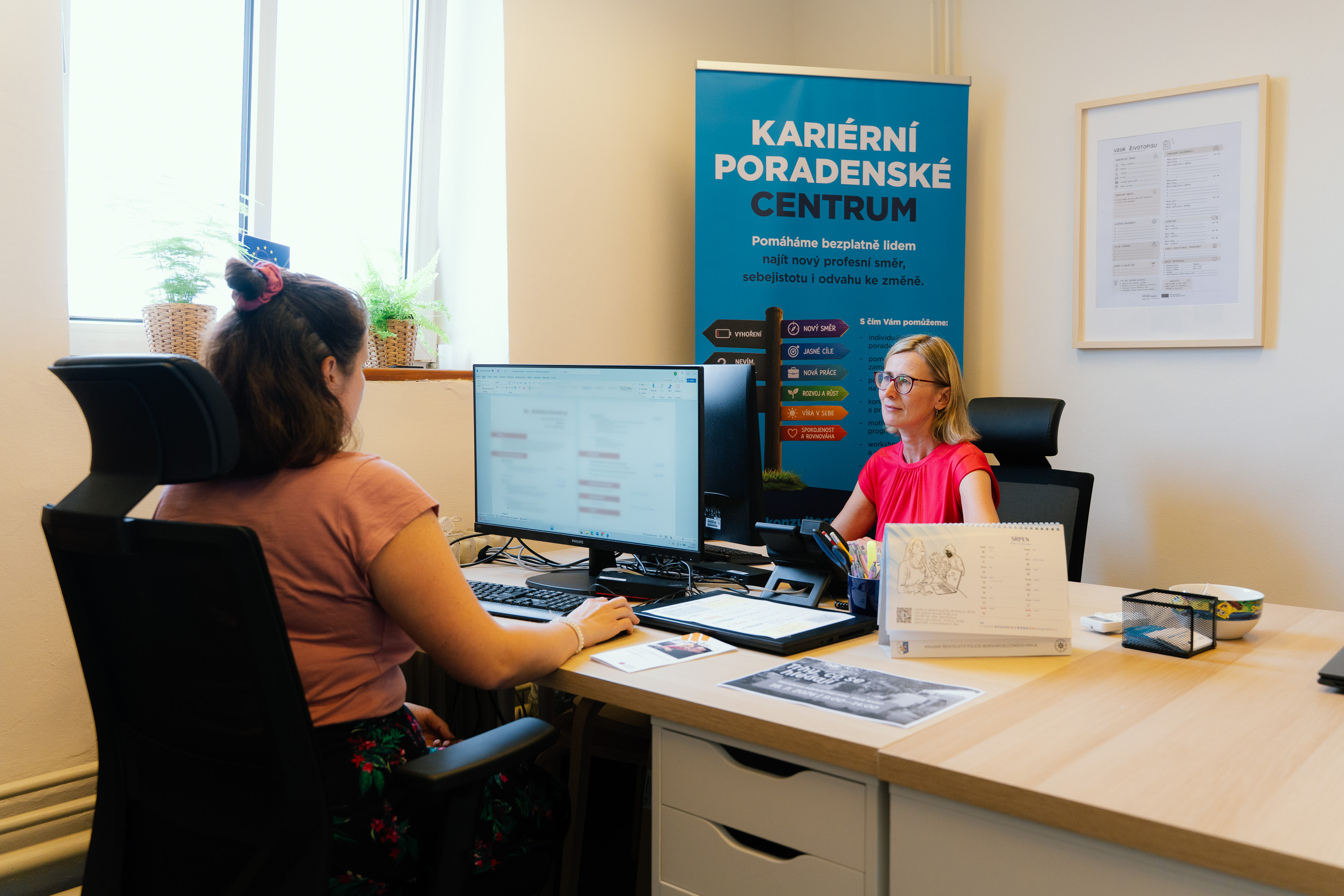
Today, as coal mining is finally coming to an end, miners and their families are facing a new reality. OKD, which has been the largest employer in the area for many years, has already announced programs to support the transition to new jobs and help find employment opportunities outside the mining sector. These measures include financial assistance in the form of severance pay and assistance with retraining or placement in other fields.
For many former miners, the transition to a new profession is a challenge. However, despite their wealth of experience, their skills are now valued in technical, logistical, or security services. The region is now actively seeking to promote job diversification and attract investment in industries that can provide a broader range of employment opportunities.

11/03/2026
By András Merza
Share on social media:



News & Events
Read the most recent updates and explore the upcoming events.



Would you like to receive project updates?
You're already part of our community!
Welcome to our newsletter community!
Subscribe to our newsletter