
Policy Camp in Budapest Strengthens Policy Support for WE Circular and Digital Transition
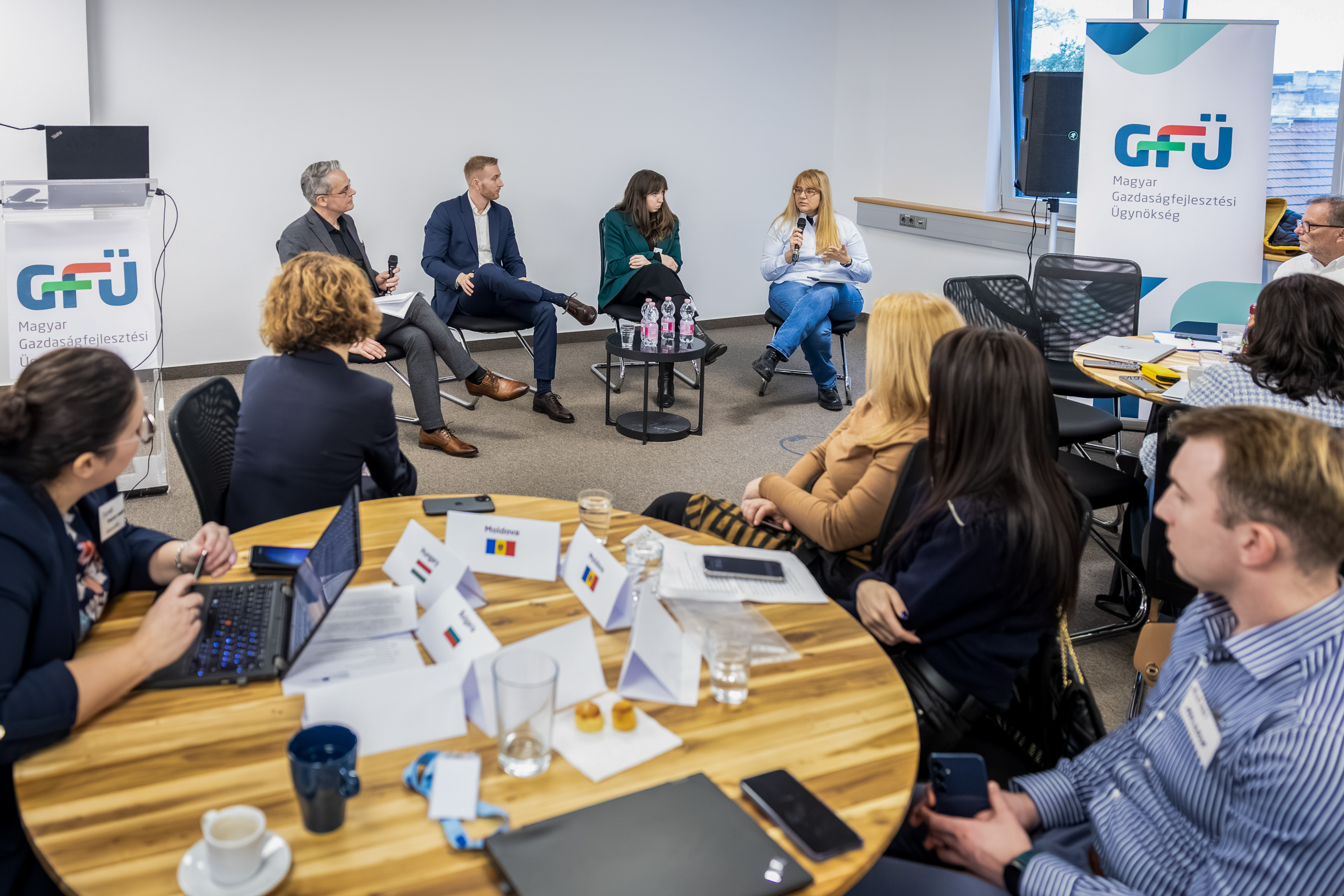
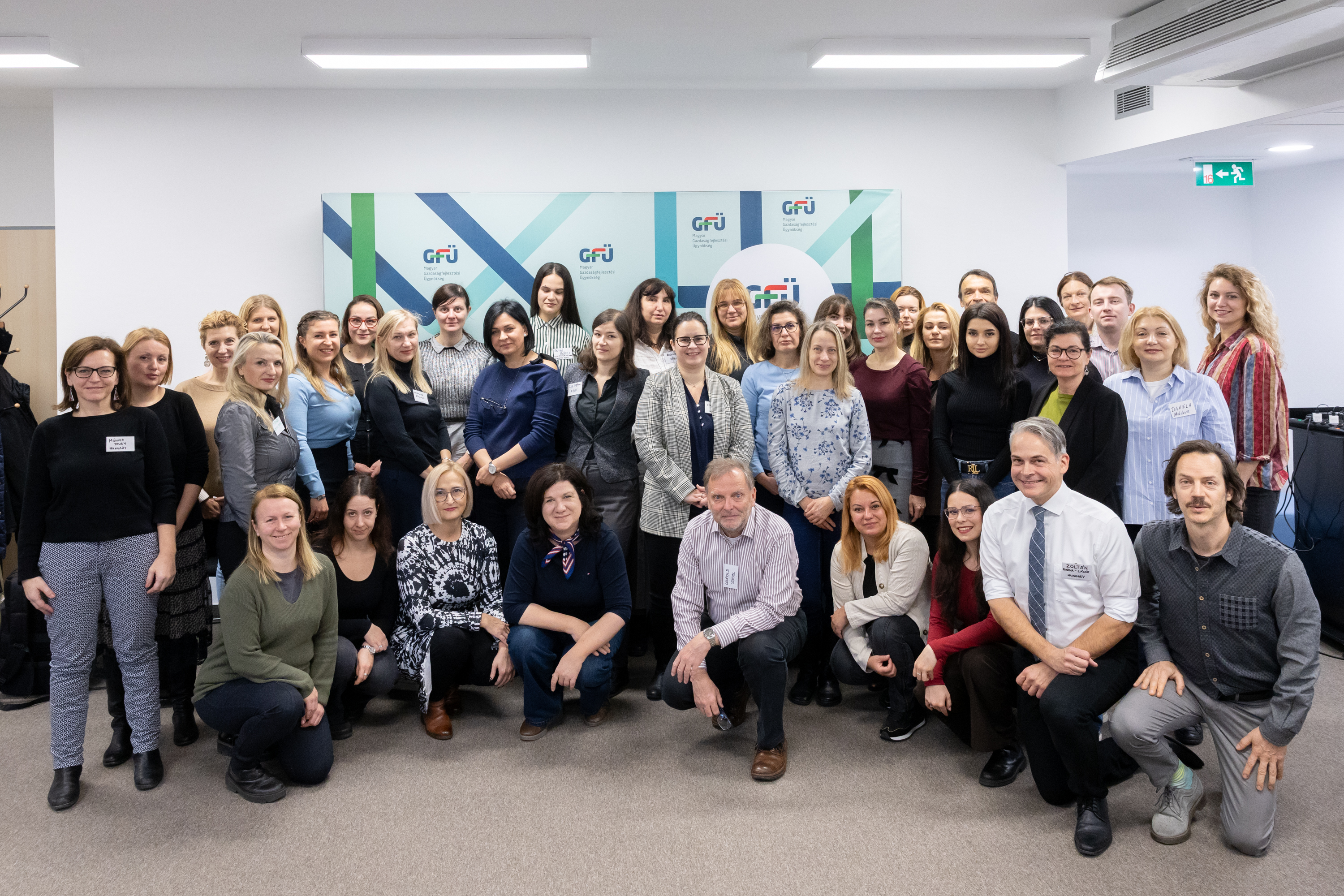
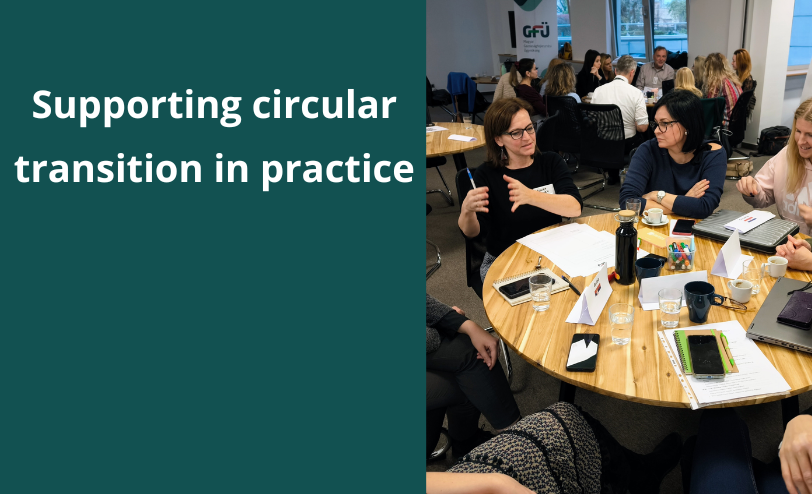
On 2–3 December 2025, the Hungarian Economic Development Agency (MGFÜ) hosted the WE.Circular Policy Making Camp in Budapest, bringing together policymakers, experts, researchers, business support organisations, and representatives of women entrepreneurs from 12 countries across the Danube Region. The event marked a major step toward strengthening the policy environment needed for women-led businesses to thrive in the circular and digital transitions.
The two-day camp was built on the Cambridge-inspired co-creation methodology and designed to help participants analyse complex systems, identify policy gaps, and develop actionable, gender-smart policy proposals to support women entrepreneurs in their circular transition.
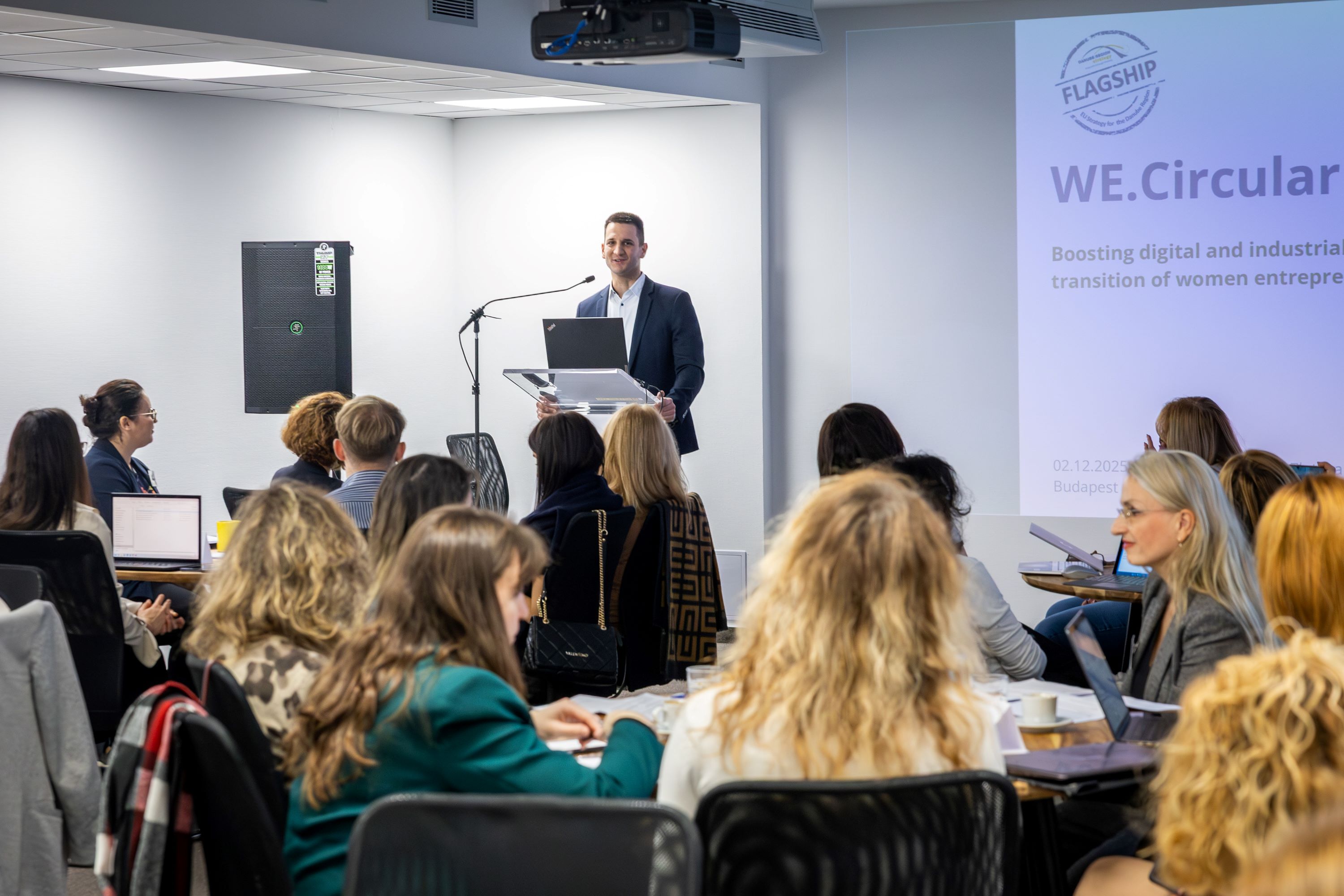
The event opened with an overview of the WE.Circular project, presented by RAPIV, highlighting the region’s major gaps in green and digital skills, the low representation of women in circular business sectors, and the lack of targeted support measures in many national strategies. The presentation emphasised the project’s three pillars:
innovative training for women entrepreneurs,
circular business model development through WE.Circular Labs, and
strengthening policy makers’ capacity to design supportive frameworks.
These challenges were further contextualised in the introductory session by MGFÜ, outlining the camp’s objectives: to build a shared understanding of the policy ecosystem and to collaboratively create policy proposals supporting an inclusive green and digital transition.
Expert Insights: Circular economy, regulations, and women’s entrepreneurship
Throughout the first day, participants were introduced to a wide range of policy-relevant insights:
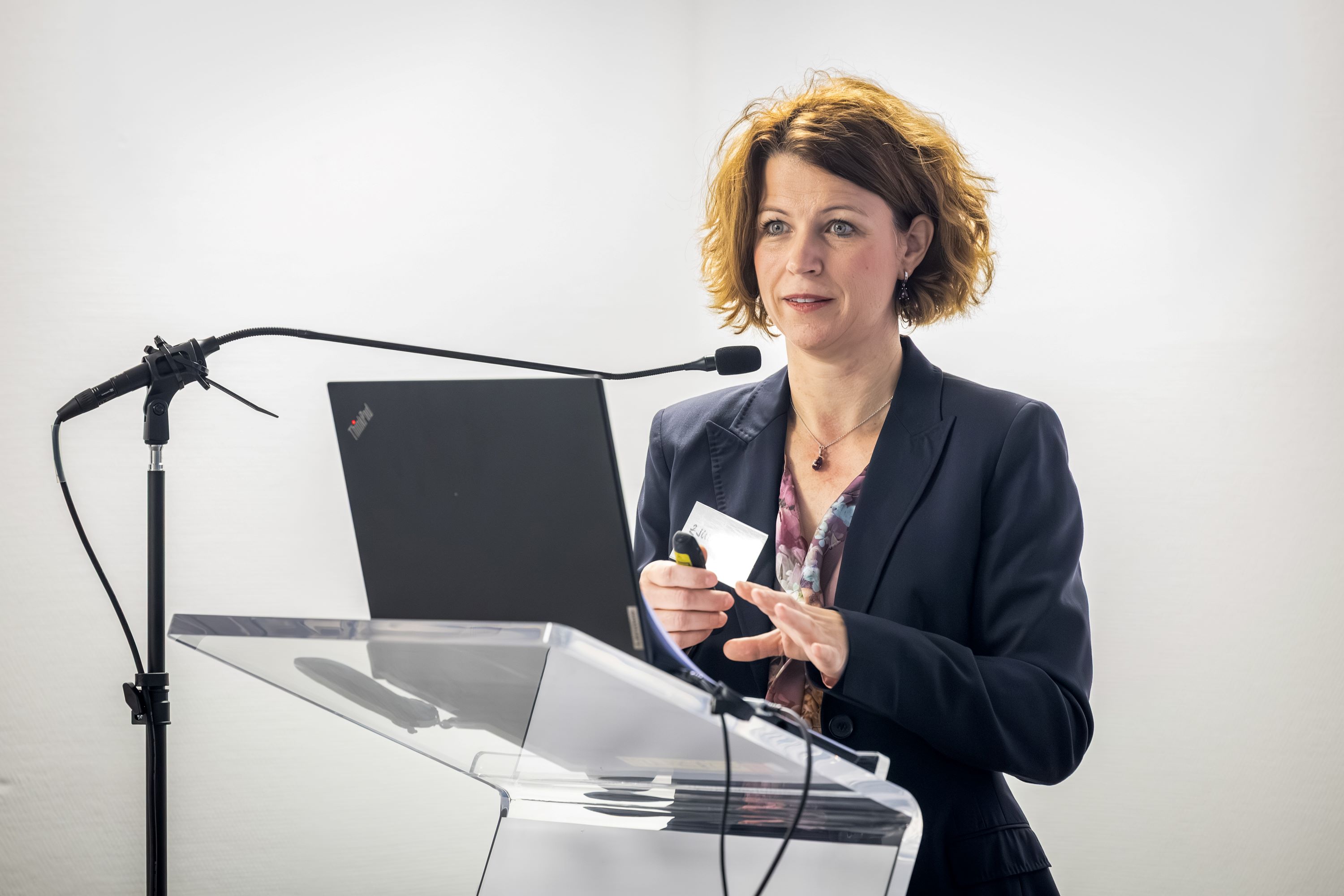
IFUA Horváth presented a comprehensive overview of EU sustainability regulations—including the Ecodesign for Sustainable Products Regulation (ESPR), Packaging and Packaging Waste Regulation (PPWR), Green Claims Directive, REACH, WFD/EPR and more, and how their increasing integration affects SMEs and product design across sectors. The analysis highlighted declining global circularity rates and the urgent need for systemic policy responses.
The SEED Foundation discussed the structural challenges facing women entrepreneurs, including financing barriers, lower access to STEM skills, smaller firm size, and higher administrative burdens. At the same time, the presentation emphasised women’s strengths in sustainability-oriented decision-making, community value creation, prudent growth strategies, and human-centred digital innovation competencies that strongly align with the needs of the circular economy and Industry 4.0.
Hungary’s Deputy State Secretary for the Protection of Enterprises, Zsuzsanna Lukács, shared national-level insights from the RE-FEM project and outlined Hungary’s initiatives for supporting women entrepreneurs, digital transformation, and sustainability-driven innovation.
These presentations collectively underlined a key message: Women entrepreneurs have a natural fit with the requirements of the circular and digital economy, but structural, financial, and administrative barriers continue to limit their full participation.
Interactive panel discussion: From EU ambitions to regional realities
The panel session explored how EU policies, including the Green Deal, Circular Economy Action Plan, and gender equality strategies translate into national practice.
The discussion revealed several recurring gaps:
Women entrepreneurs still struggle to access funding, training, and information, despite supportive frameworks at EU level.
“Gender-neutral” policies are often ineffective because they overlook the specific challenges women face.
S3 strategies rarely include targeted actions or indicators related to women in circular innovation ecosystems.
Administrative complexity, lack of data, and limited outreach further exacerbate inequalities in access.
Participants emphasised the need for more inclusive financing mechanisms, flexible training offers, advisory services, and stronger governance structures to ensure women become strategic partners in the circular economy transition.
Day 2: From understanding to policy design
The second day opened with a presentation of the upcoming Virtual Toolbox, a one-stop digital platform to support policymakers in navigating data, strategies, measures, and good practices related to circular economy, I4.0, and women entrepreneurship. The Toolbox will serve as a central knowledge-sharing hub, supporting alignment of policies and strategies across the region.
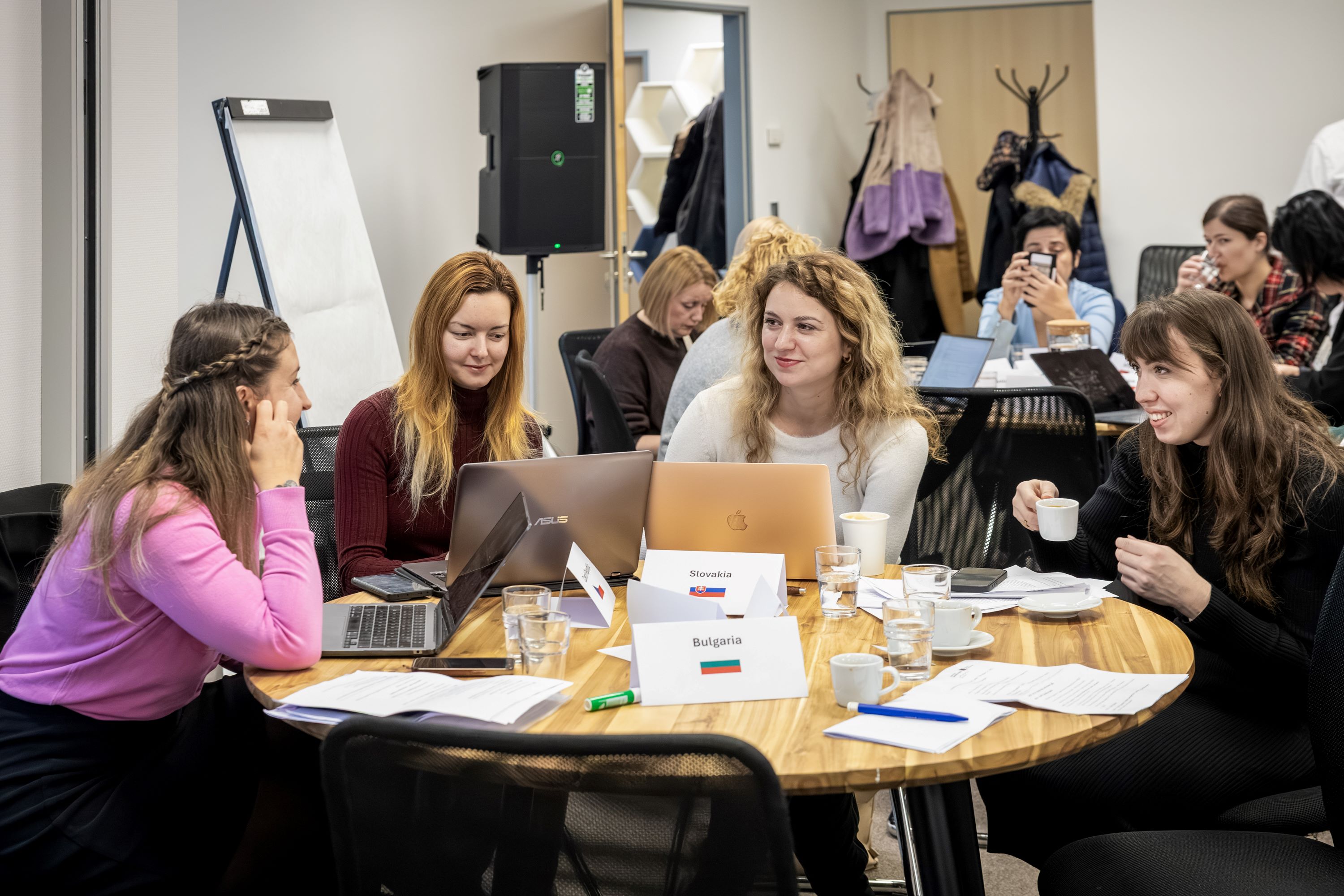
Participants were also introduced to the outcomes of the Co-Design workshop in Prague, where the WE.Build Regional Action Plan game and card-based methodology were used to help partners develop structured, logical, and realistic regional action plans. The methodology explained how challenges link to pillars, measures, actions, stakeholders, budgets, and timelines—ensuring coherent and feasible policymaking.
Policy Co-Creation Lab: Joint Development of New Solutions
In the Policy Co-Creation Lab, participants were divided into mixed groups and tasked with designing policy proposals focusing on: circular economy solutions, digital transformation, and gender equality in innovation ecosystems.
With support from expert facilitators, each group developed a set of policy interventions and presented them during the afternoon pitch session. The proposals demonstrated strong regional insight, cross-sector collaboration, and readiness for integration into the upcoming Transnational Strategy for WE Circular Transition.
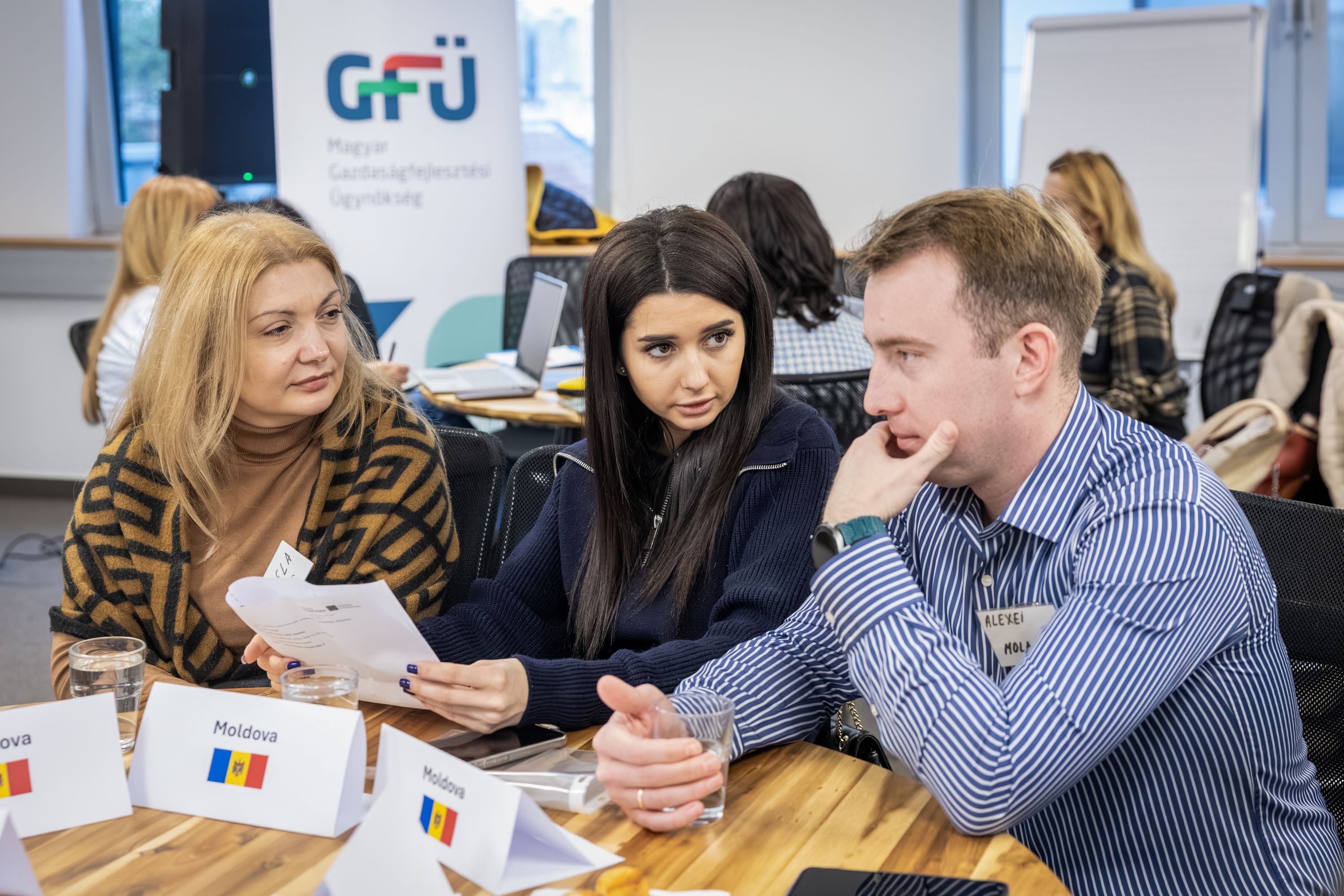
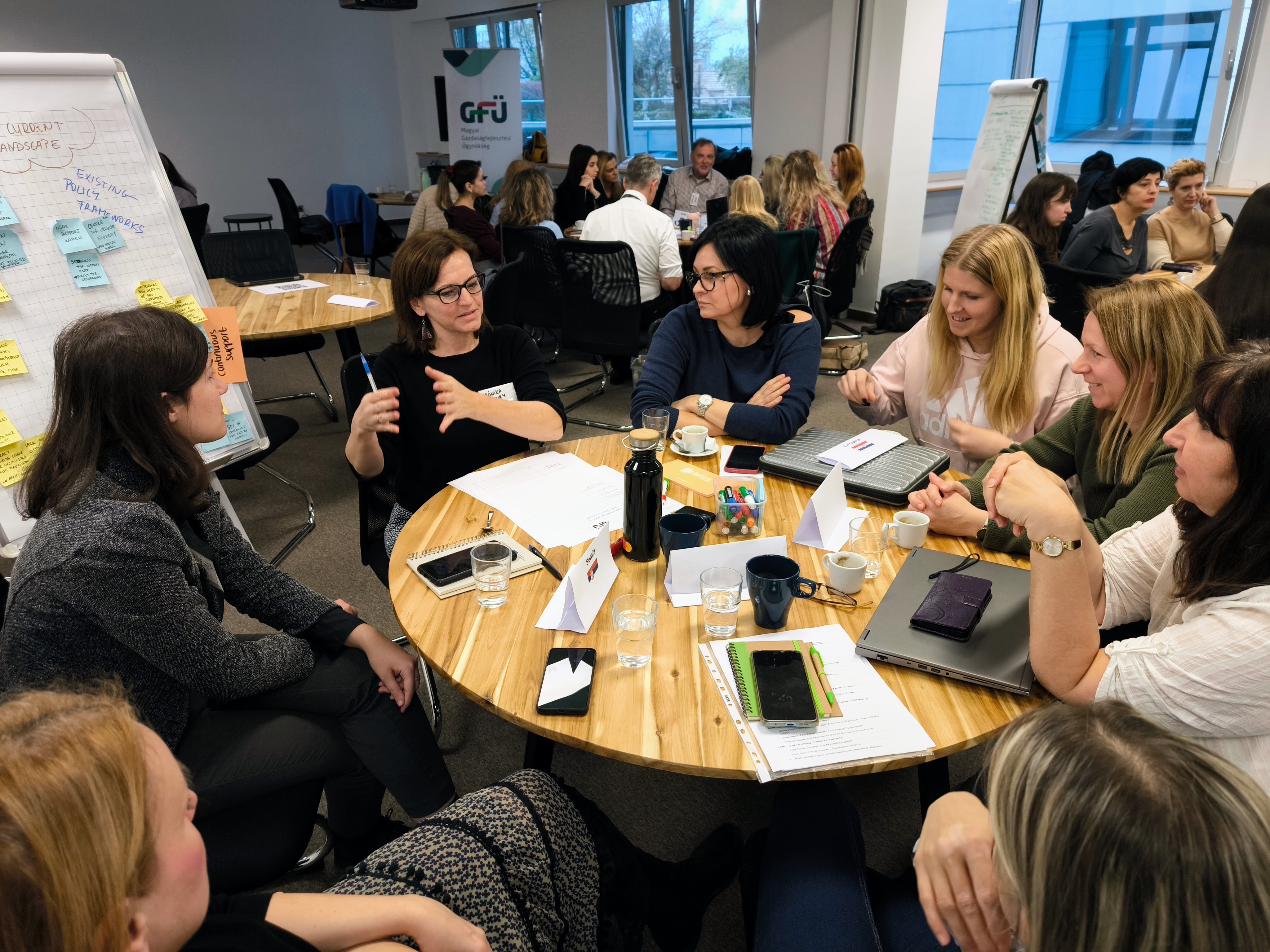
The Policy Making Camp in Budapest demonstrated the willingness of institutions and experts across the region to work together on building a more inclusive, innovative, and sustainable policy landscape. The high level of engagement throughout the two days reflects a shared commitment to unlocking the full potential of women entrepreneurs in the circular and digital transitions.
As WE.Circular moves toward the final stage of the project, the knowledge created in Budapest will contribute significantly to shaping the next generation of regional policies.

08/12/2025
By Mariya Zlateva
Share on social media:



News & Events
Read the most recent updates and explore the upcoming events.




Would you like to receive project updates?
You're already part of our community!
Welcome to our newsletter community!
Subscribe to our newsletter