
Serbian stakeholders help shape the final A2PT Toolbox
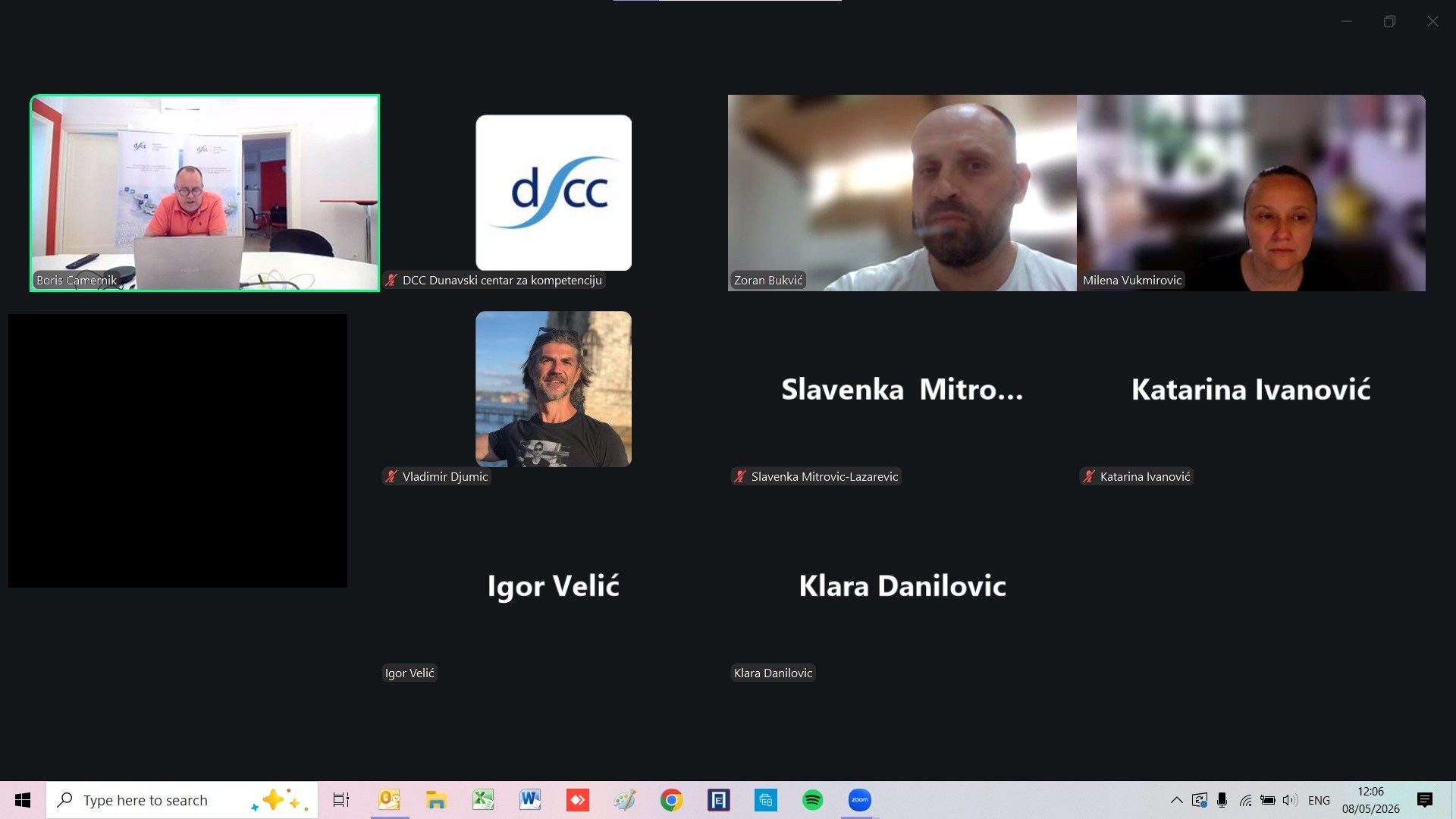
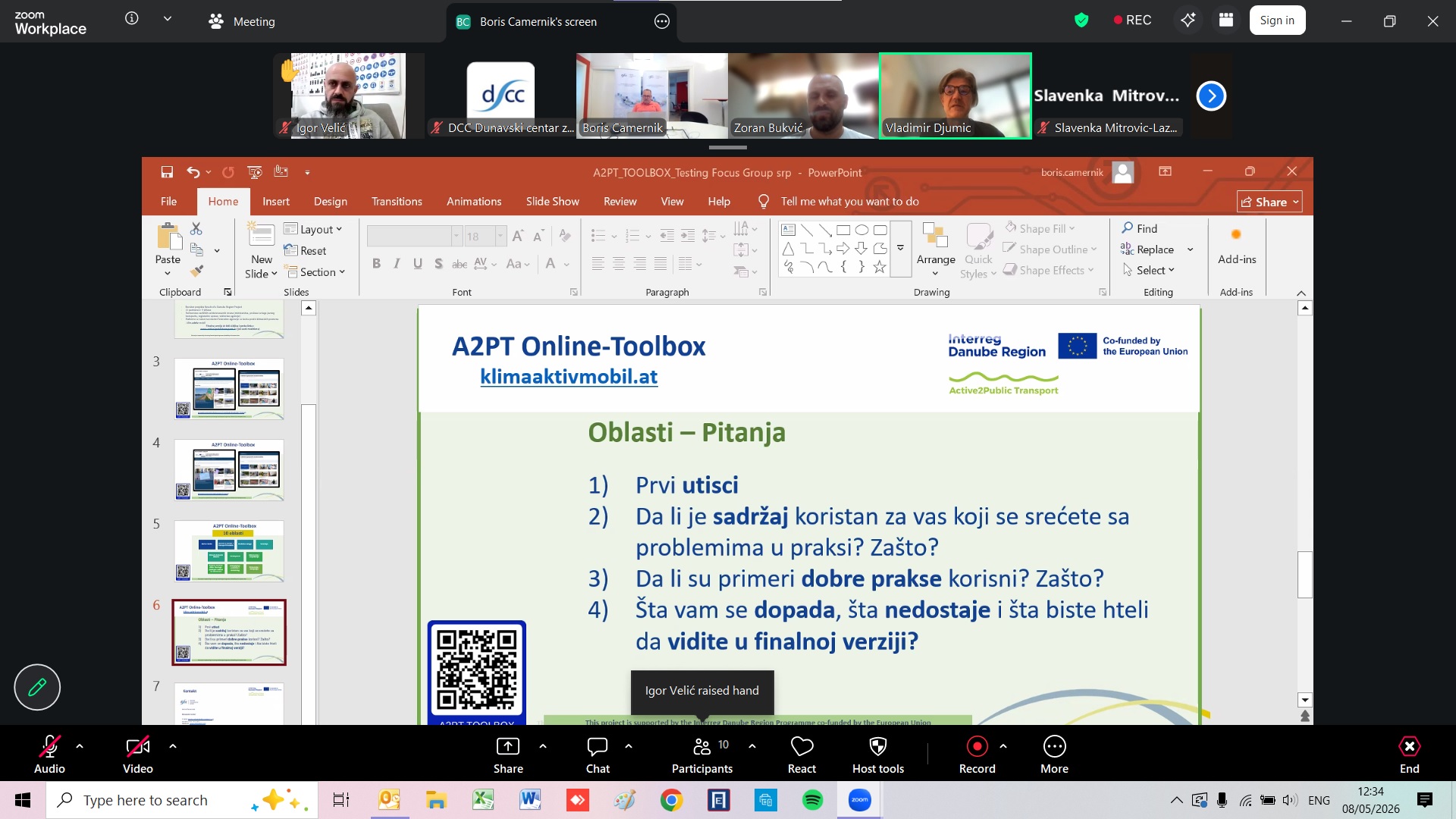
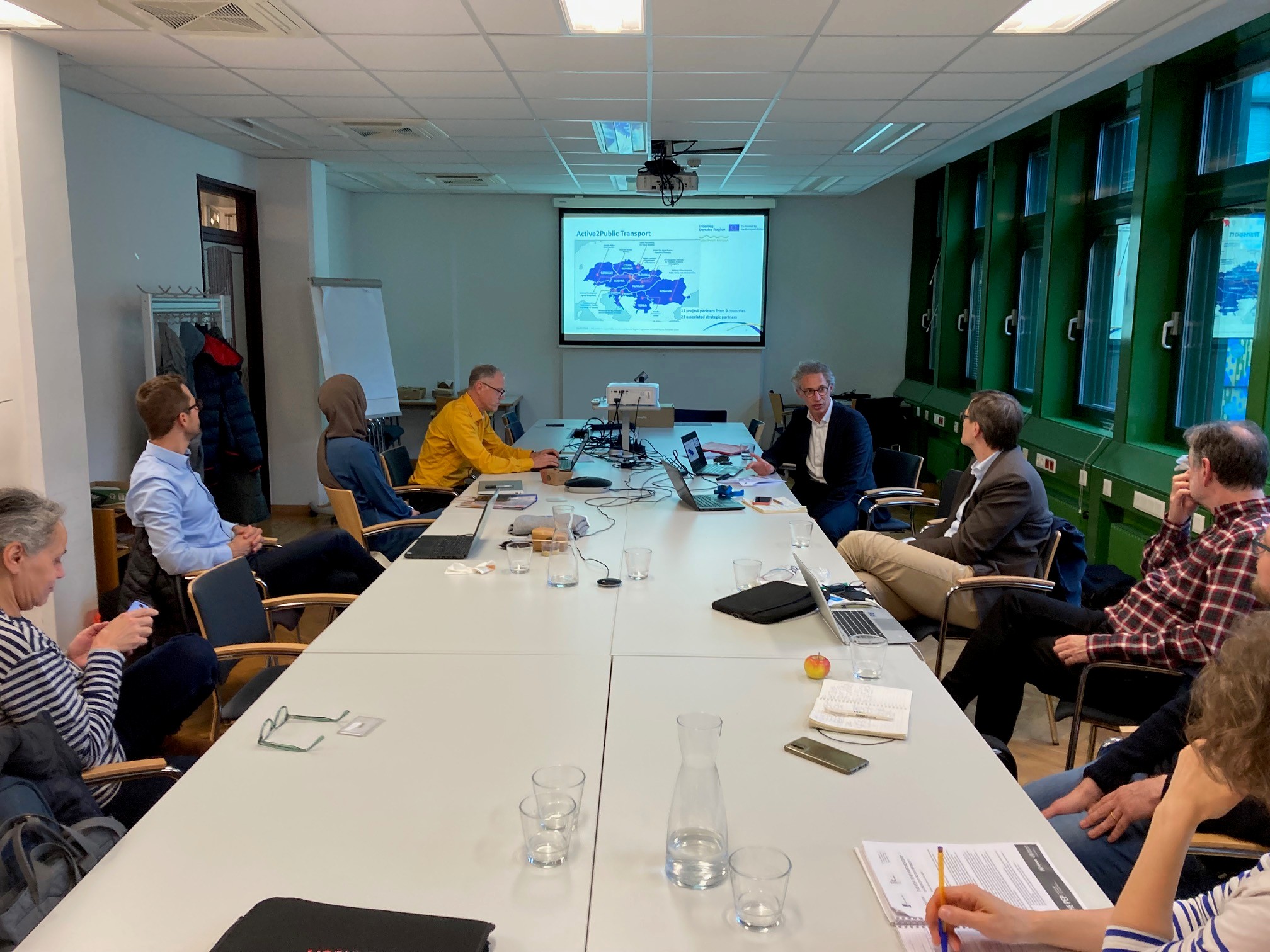
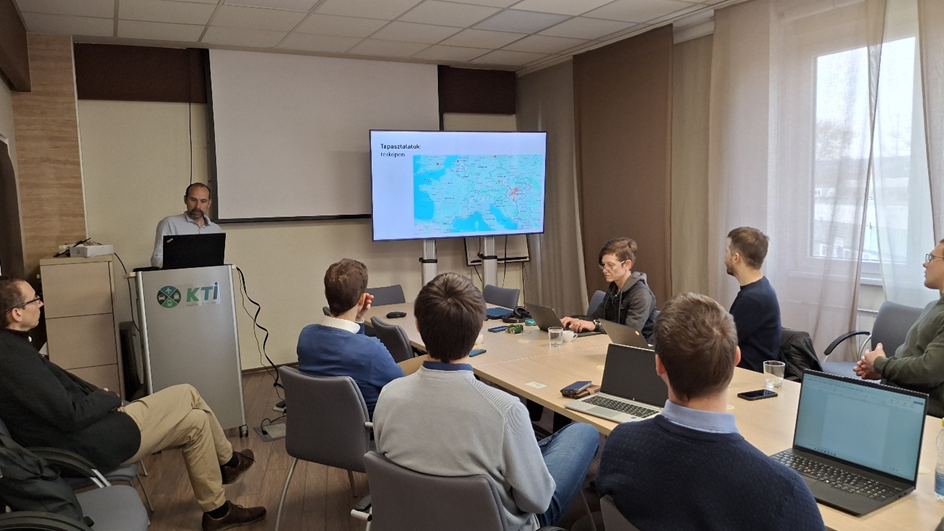
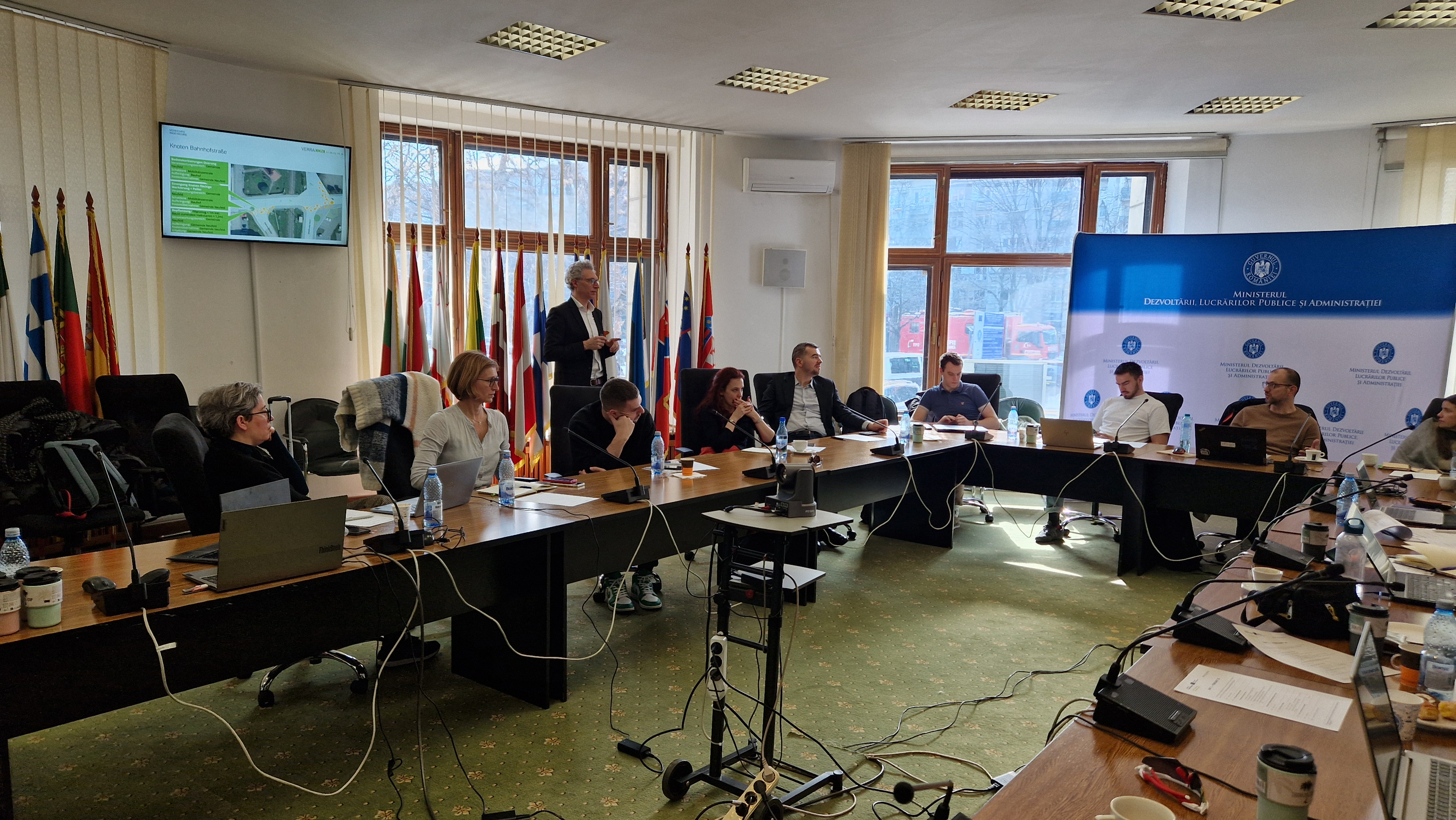
On 8 May 2026, the Danube Competence Centre hosted the third Serbian A2PT National Working Group Meeting as an online focus group session. The meeting brought together representatives of public authorities, transport planners, public transport operators, urban mobility experts and cycling advocates from across Serbia. The aim was to gather practitioner feedback on the draft version of the A2PT Online Toolbox before its final release.
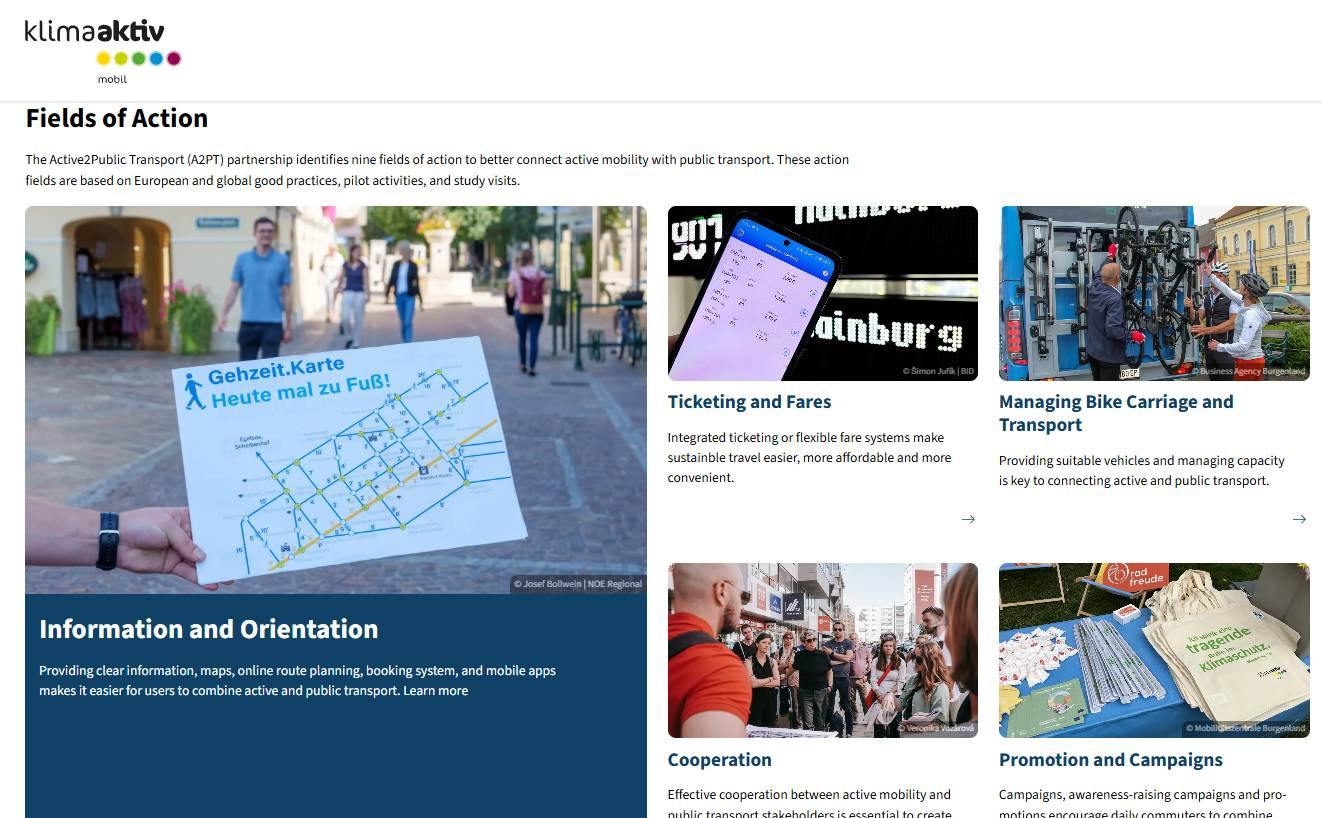
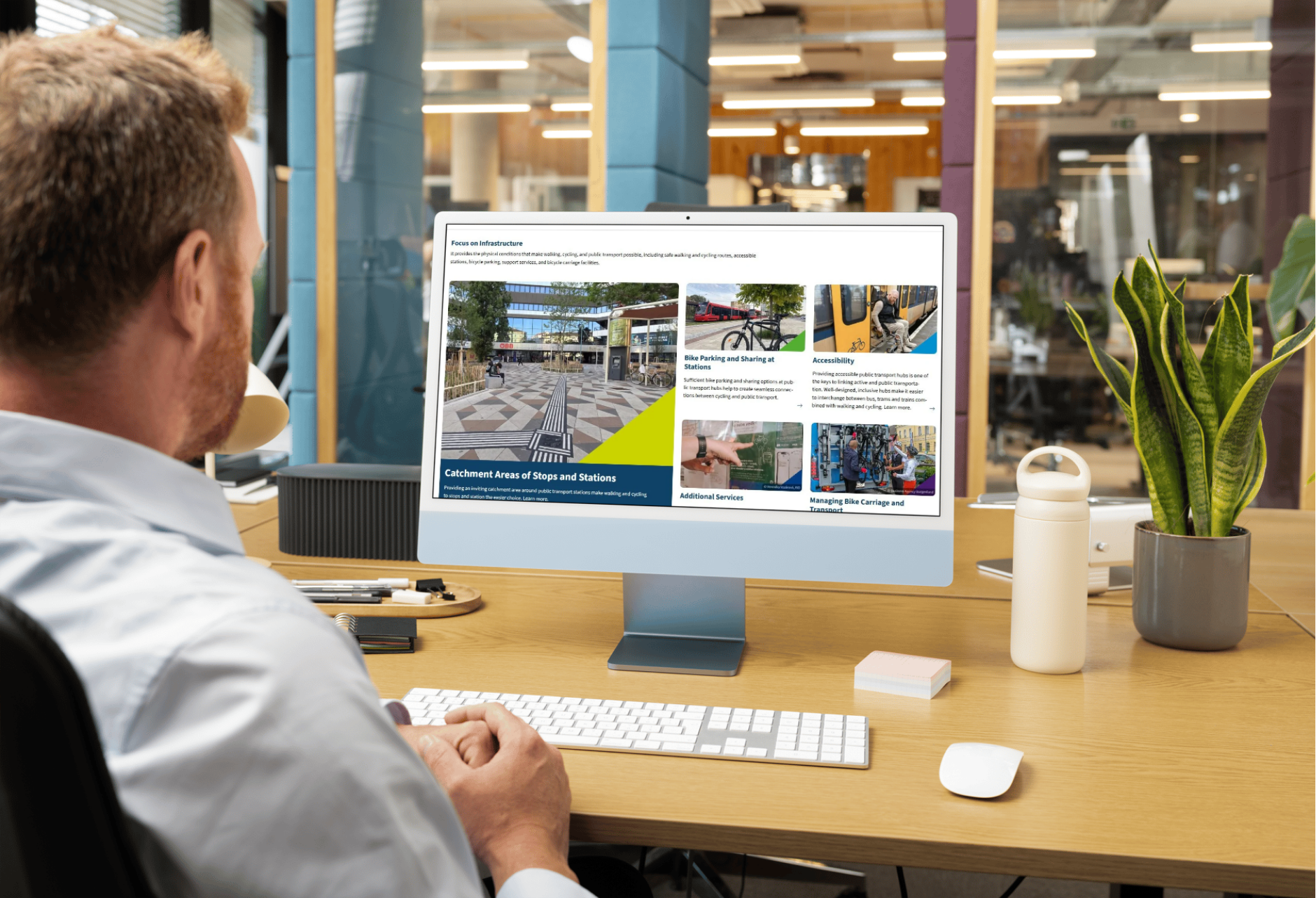
The session opened with a presentation of the toolbox as a user-oriented, practice-based resource designed to support public authorities, transport planners, infrastructure and service providers, mobility managers and other stakeholders working on the integration of cycling, walking and public transport. The facilitator explained how the content builds on the project's collection of good practices, the pilot actions implemented by partners and the experience gained through the testing schemes, with a focus on real-life solutions for access to stations, bike parking and bike boxes, bike carriage on buses and trains, first- and last-mile connections, and the integration of A2PT services into existing information and ticketing systems. The web-based format of the platform, accessible across desktop and mobile devices, was also briefly demonstrated, alongside a short overview of the A2PT activities carried out in Serbia, including the public transport station assessment, the walkability study and the introduction of bike boxes.
Participants responded positively to the draft, describing the toolbox as inspiring, comprehensible and more than sufficient for the needs of local stakeholders. Several noted that the good-practice examples are particularly relevant for the Serbian context: guidelines for bicycle parking at train stations were highlighted as directly applicable to smaller cities along the suburban rail network, while examples of rolling stock design and accessible station layouts were seen as valuable references for the ongoing expansion of the Belgrade suburban train system and the planned new station in New Belgrade. Examples linking bike-sharing schemes with public transport, as well as behavioural-change campaigns such as the testing schemes promoted by the project, were also identified as practical tools for shifting car-oriented travel habits in Serbian cities.
The discussion produced a number of concrete suggestions for the final version of the toolbox. Participants asked for additional European examples of bicycle carriage on different modes of public transport, including time-window arrangements that work in dense urban schedules, as well as more references to combined bike-sharing and park-and-ride solutions. A recurring point was the importance of making the toolbox easy to discover and navigate online, and several participants suggested that a Serbian-language version would help broaden its uptake among smaller municipalities. Some of the more advanced examples were considered ambitious for the current Serbian context, but participants agreed that setting the bar high helps introduce local stakeholders to international best practice.
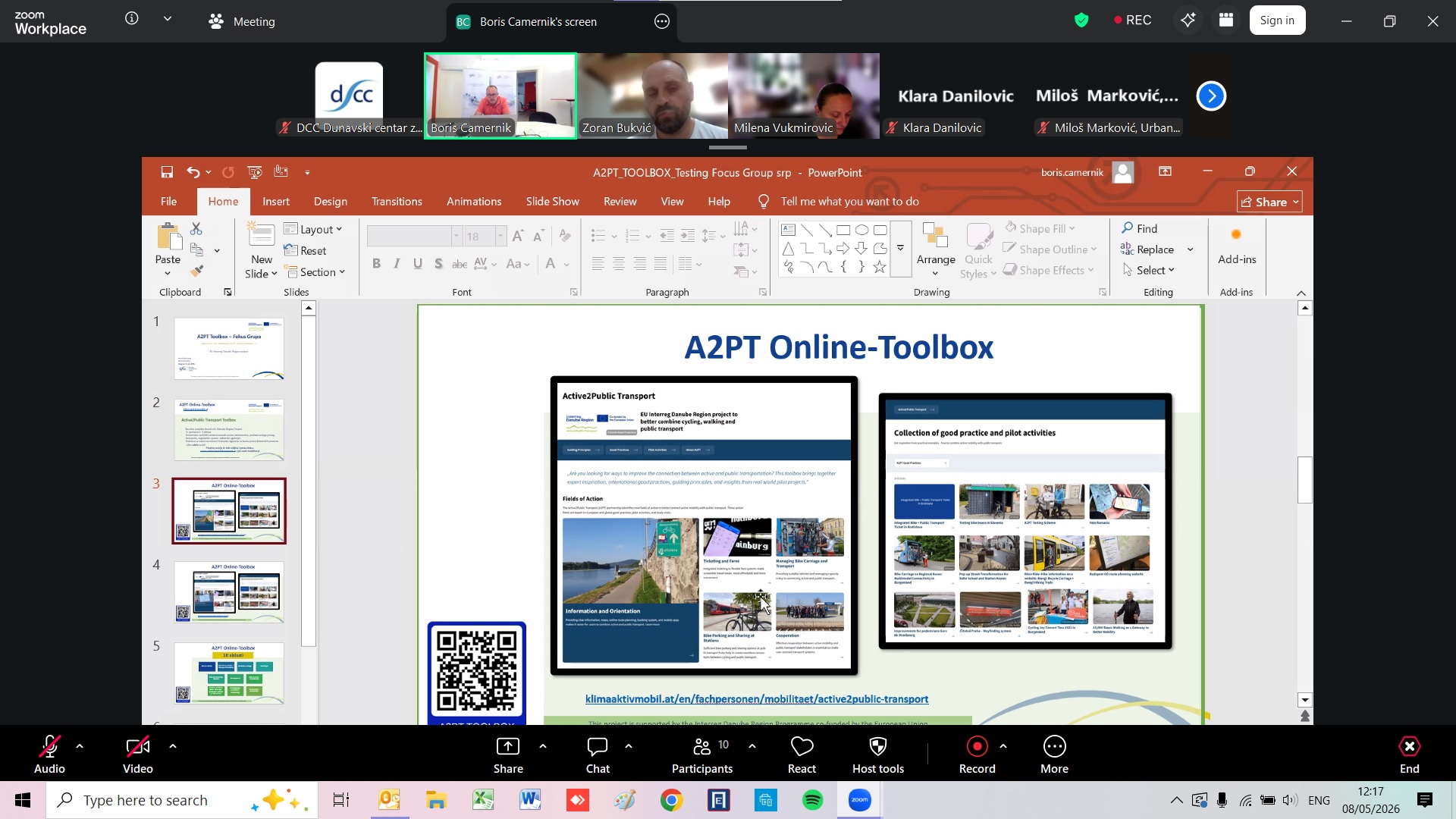
Overall, the meeting confirmed strong interest among Serbian stakeholders in the A2PT approach and provided valuable input for finalising the toolbox. The Danube Competence Centre will incorporate the feedback into the next iteration of the platform and continue working with the national working group to support the practical uptake of A2PT solutions in Serbia.
Text & Photo: Danube Competence Center Archive

21/05/2026
By Jitka Vrtalova
Share on social media:


Green

News & Events
Read the most recent updates and explore the upcoming events.


Would you like to receive project updates?
You're already part of our community!
Welcome to our newsletter community!
Subscribe to our newsletter