
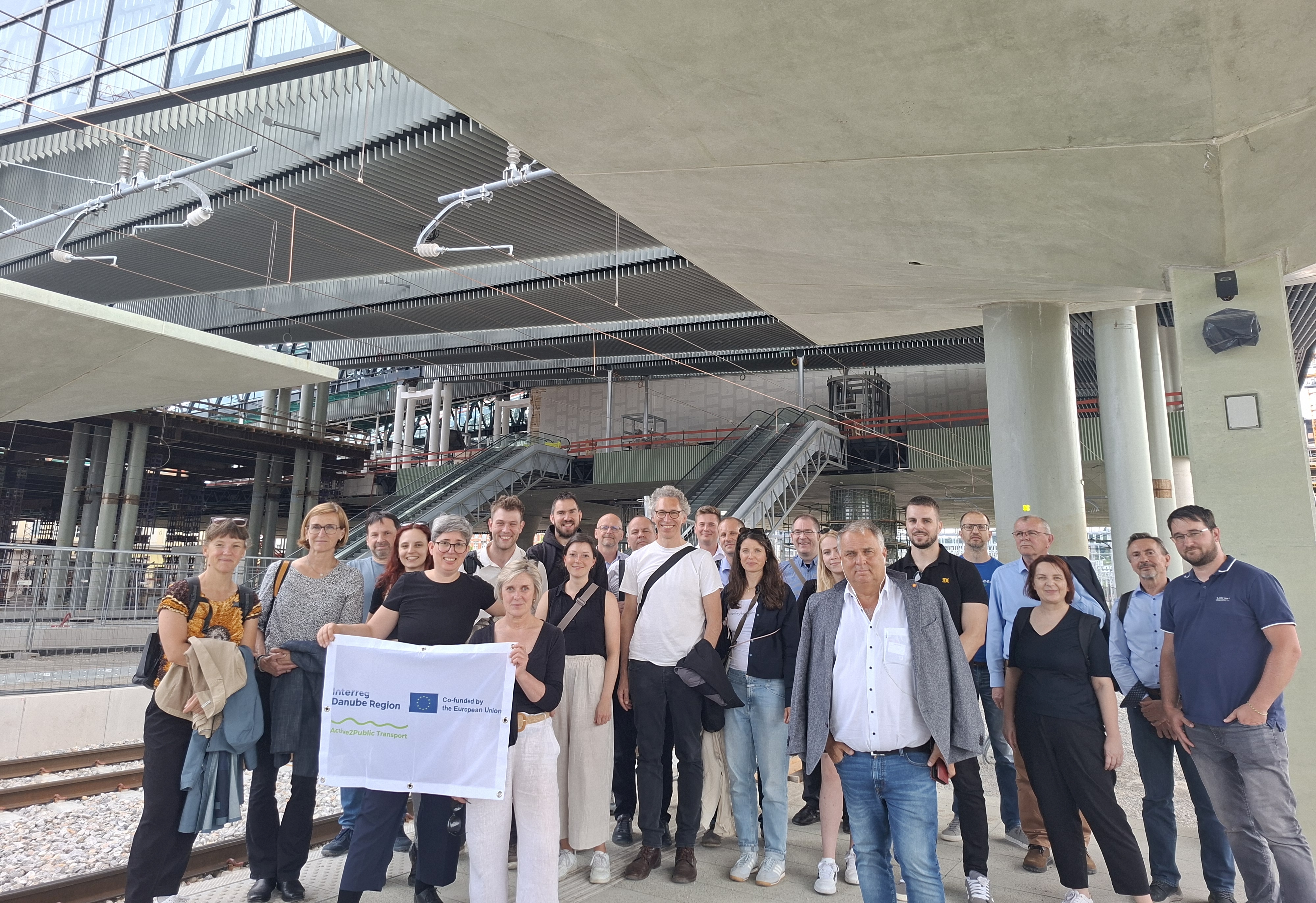

A2PT closes with a strong implementation message at final conference in Slovenia
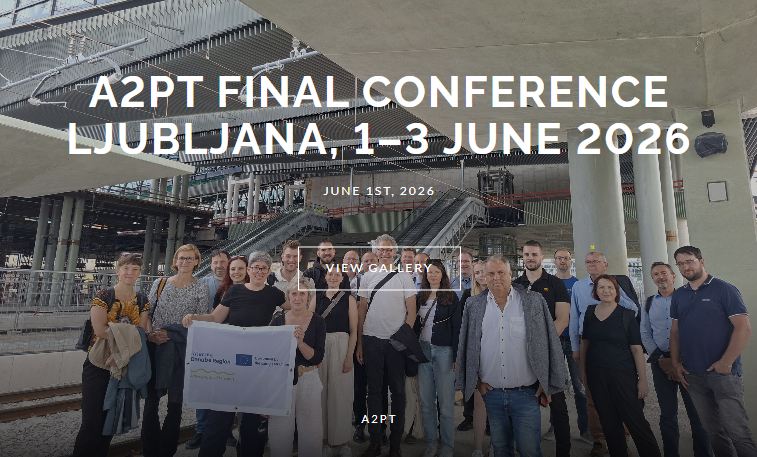
The final conference of Active2Public Transport (A2PT) in Ljubljana was more than a formal end to several years of cooperation. Above all, it showed that combining active mobility and public transport can work in practice — and that regions and countries across the Danube area now have concrete experience they can build on.
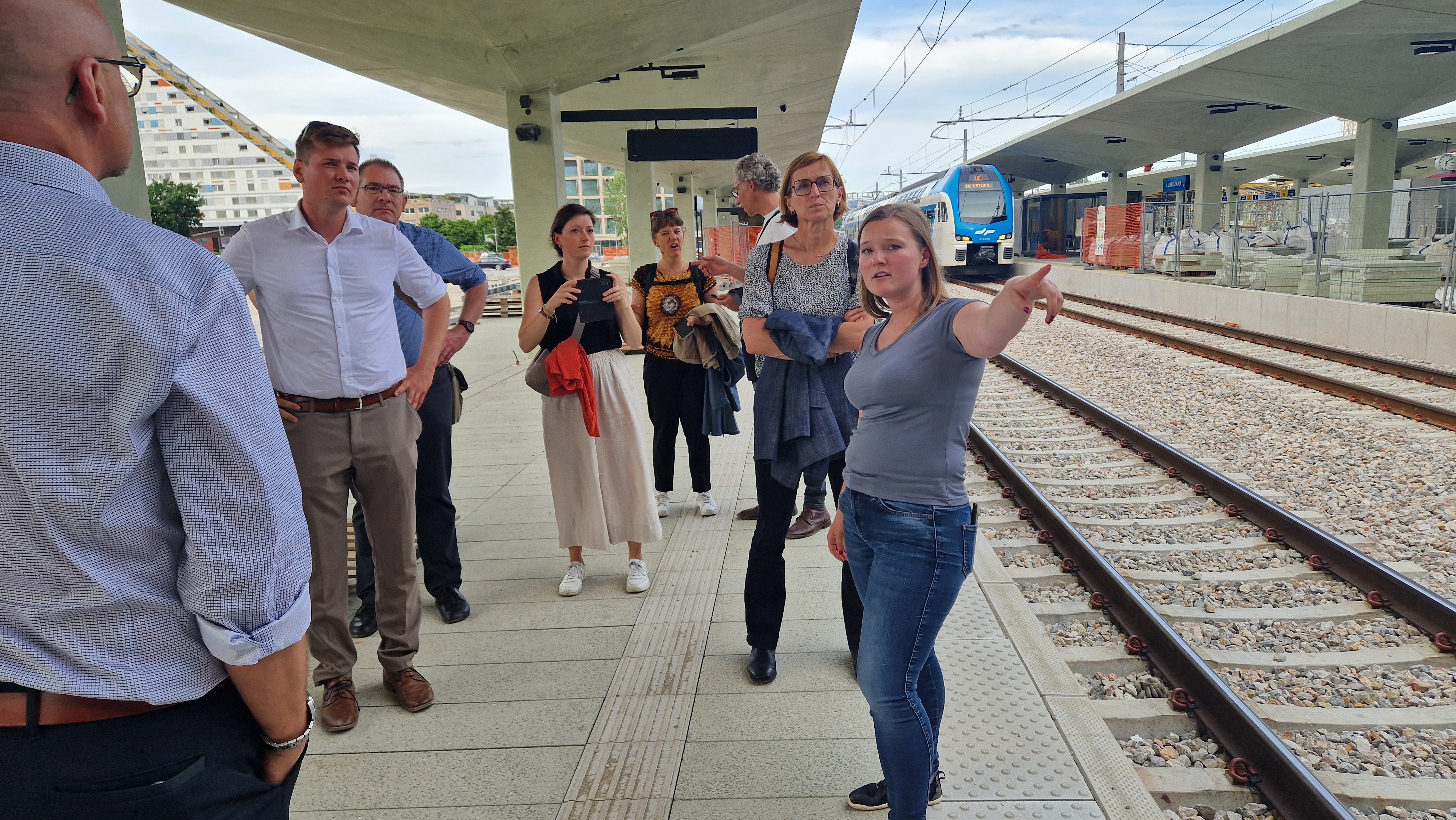
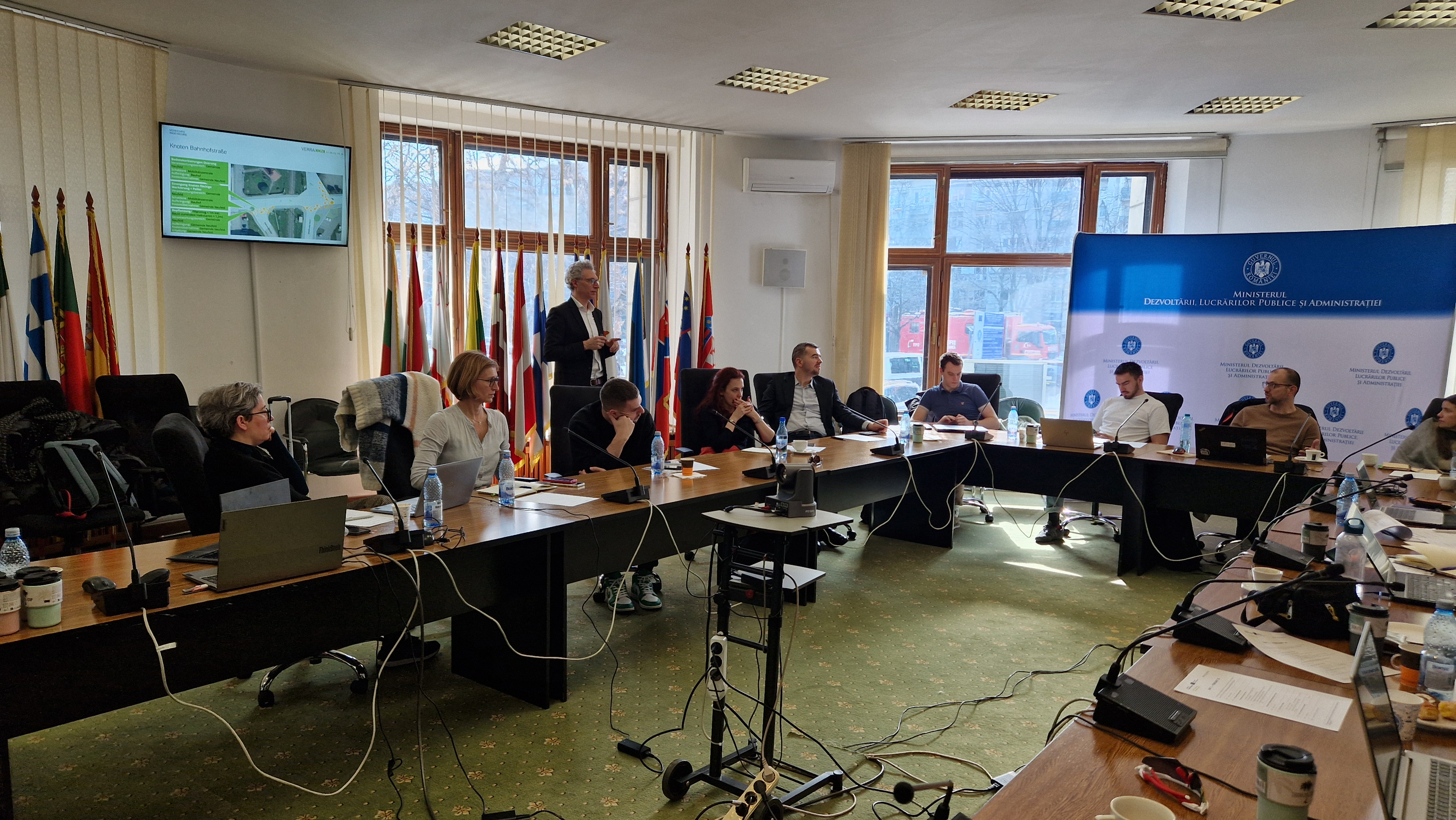
Organised with the support of the Slovenian Ministry of the Environment, Climate and Energy and linked to the Slovenian National Cycling Conference, the event brought strategic discussion together with practical examples from the field. That combination is typical of A2PT: the project was not built on vision alone, but on testing what genuinely helps people combine walking, cycling and public transport in everyday life.
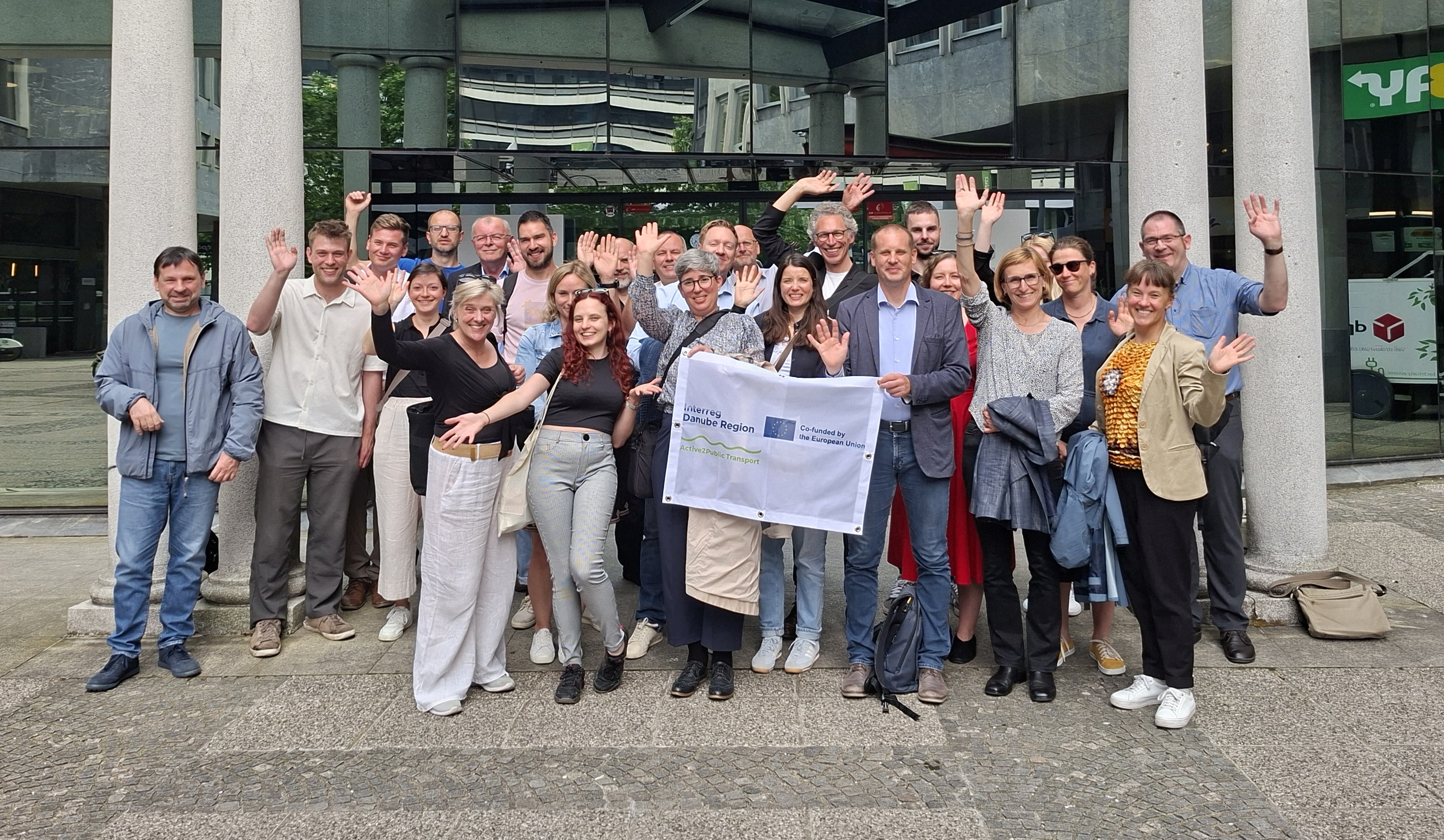
Photo © Staša KRALJIČ
As Priority Officer Horst Schindler noted when opening the meeting, the project’s real value lies in its strong transnational dimension. The challenges of sustainable mobility do not stop at borders, and neither should the solutions. The exchange of experience between partners from different countries has created a foundation that can continue to matter beyond the project’s formal end.
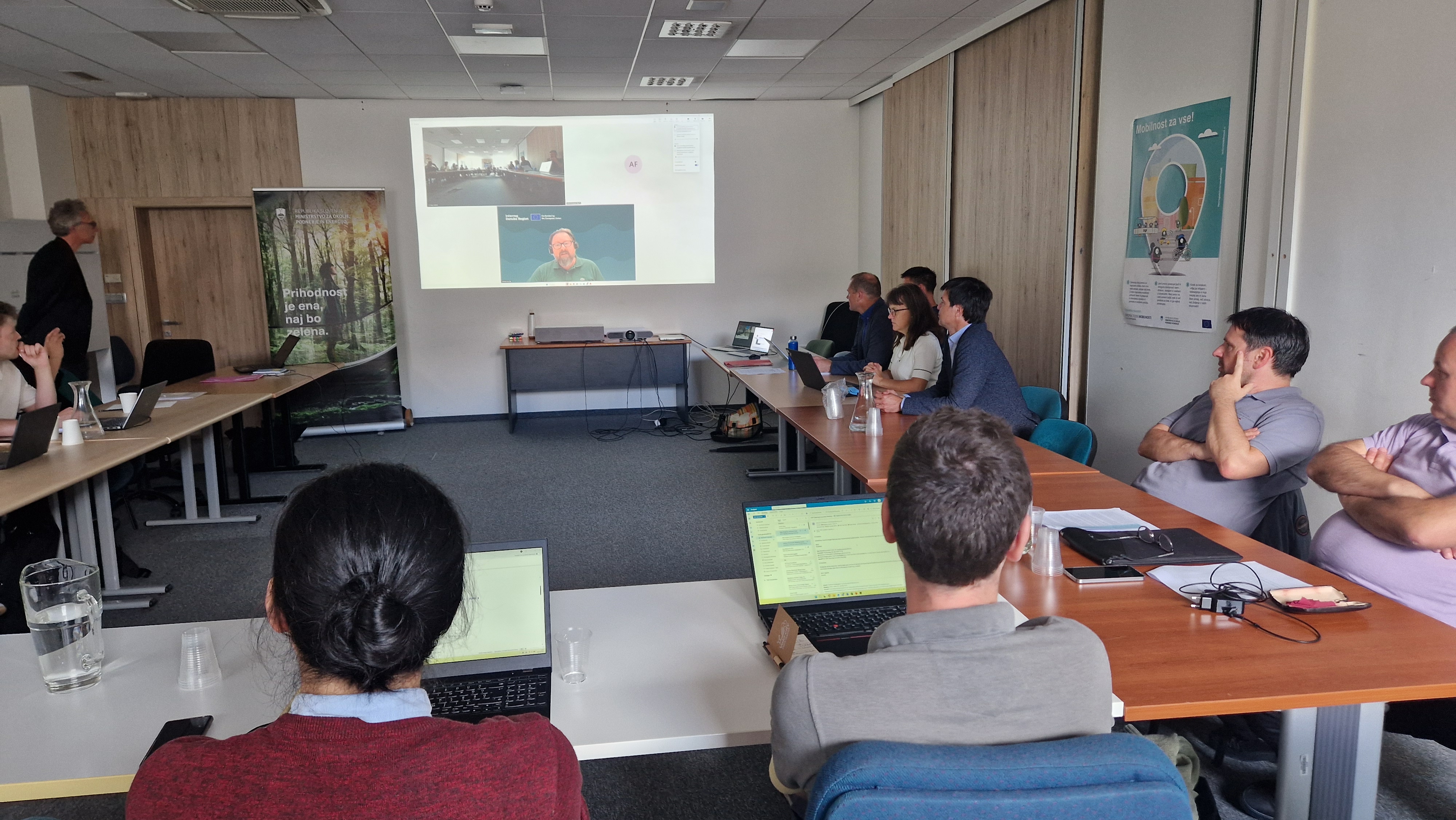
Photo © Jitka VRTALOVA
I view today’s project conclusion as just the beginning of a new journey in the transformation of our transport systems for future generations.
Horst Schindler, Priority Officer
Managing Authority/Joint Secretariat (MA/JS) of the Danube Region Programme

That matters for regions and national authorities alike. A2PT did not simply produce a series of isolated pilots. It delivered a broader message: climate-neutral mobility will not be achieved through new technology or stand-alone investments alone. It requires well-designed connections between different modes of transport and an approach rooted in how people actually move — not how planning documents assume they should travel, but how they get to work, school, stations and services in daily life.
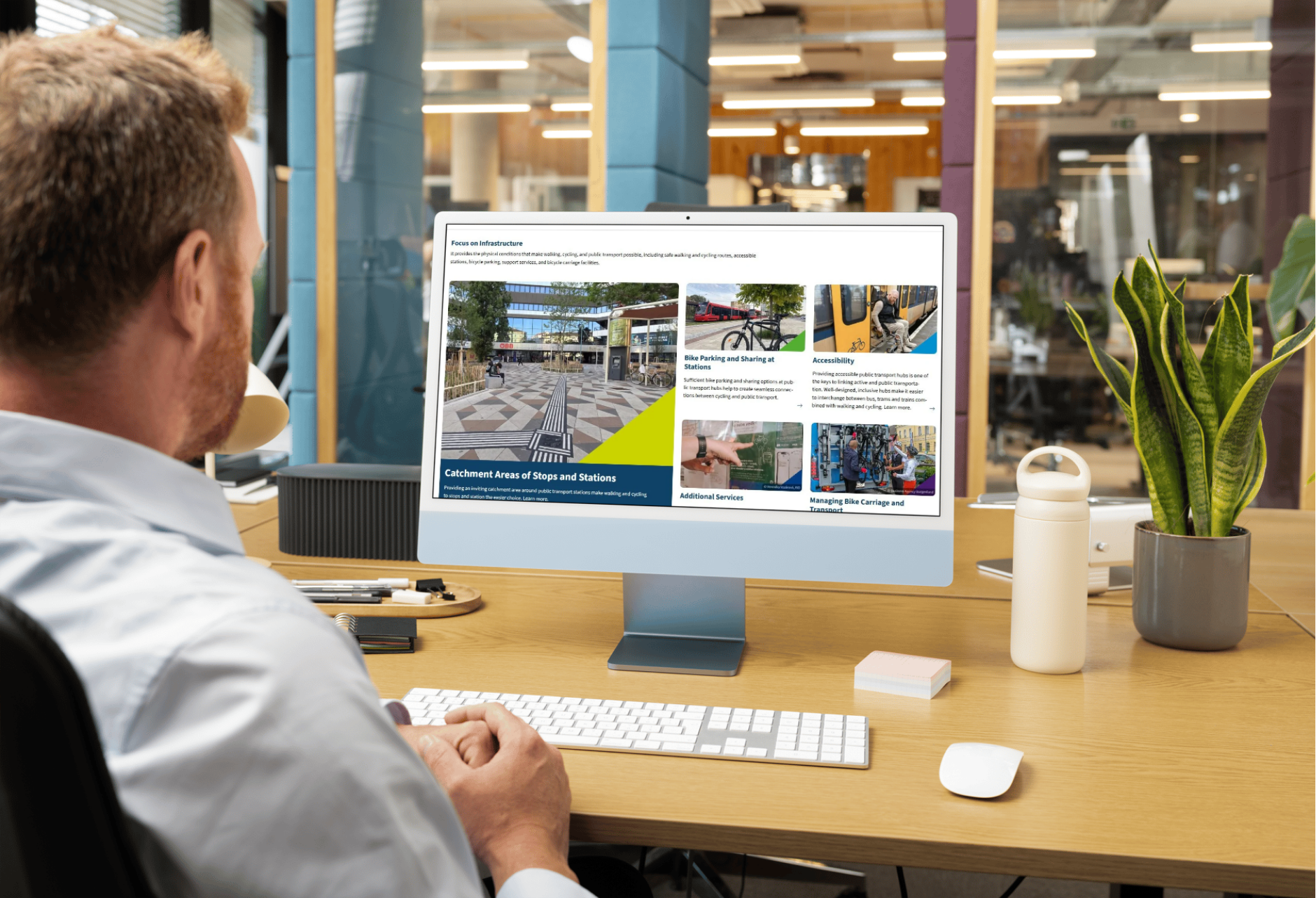
That user-centred perspective also shaped the project’s main outputs. A2PT presented the Danube A2PT Action Plan, the online Toolbox (www.active2publictransport.eu), the A2PT Design Principles, recommendations on the accessibility of intermodal hubs and a body of lessons drawn from pilot activities. For public authorities, that is something very practical: they do not have to start from scratch. They now have a framework, examples and guidance that can be adapted to local conditions.
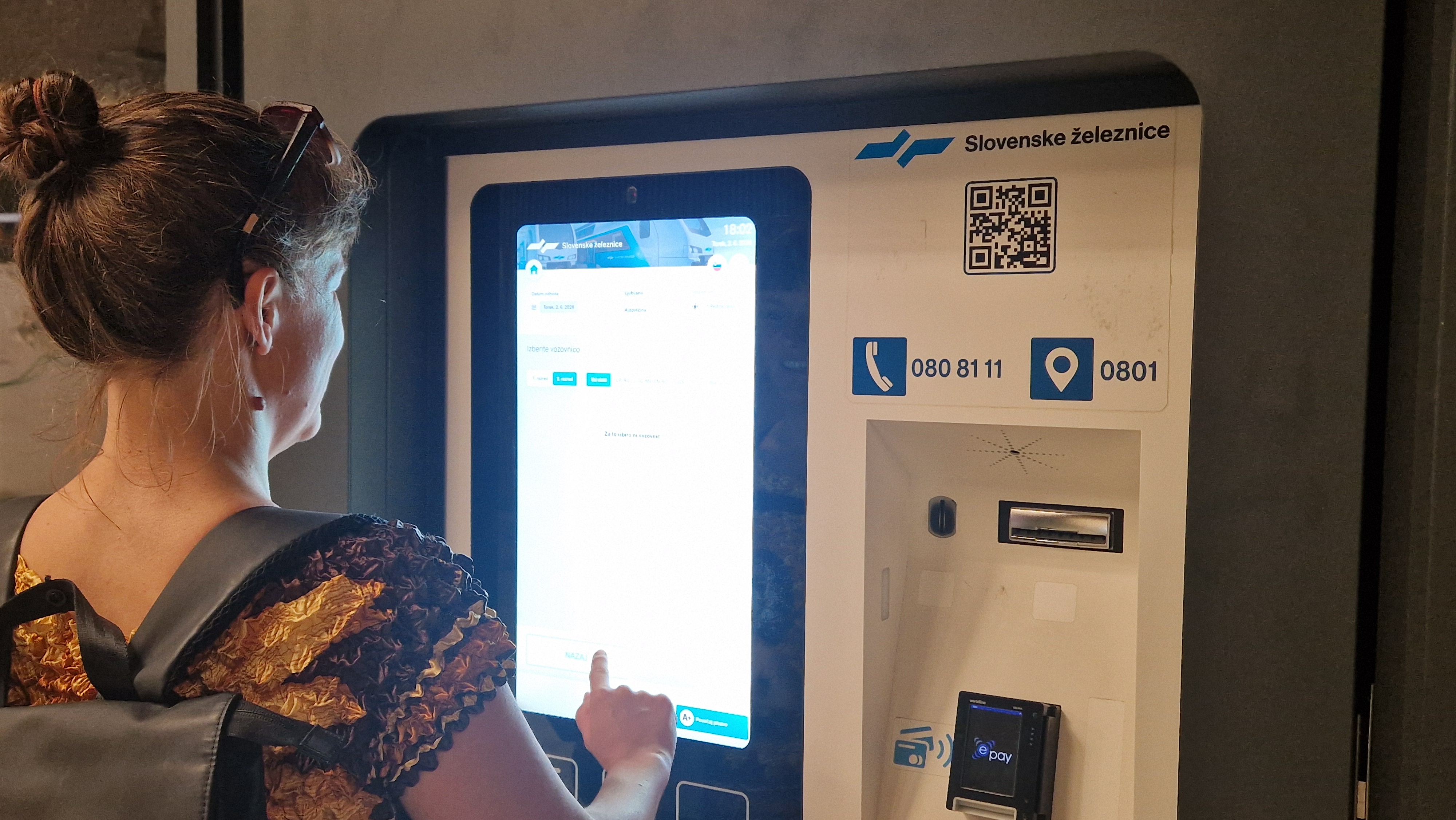
Photo © Jitka VRTALOVA
One of the project’s strongest features, however, is that it did not stop at documents. Across the partner countries, real measures were tested — from bike boxes and the carriage of bicycles on buses to integrated tickets, temporary street transformations, bicycle testing schemes and improved passenger information. These pilots helped show what works, what needs adjustment and what may be transferable elsewhere.
That is where the project offers its clearest value to other regions in the Danube area. They do not merely have ‘good practice’ stories to observe from a distance. They can learn from tested solutions developed in comparable administrative, transport and territorial contexts. For regional authorities, that is valuable when planning investments and services. For the national level, it offers evidence that supporting intermodality makes sense not only in strategies, but in day-to-day operation. And for the Danube region as a whole, it sends a clear signal that joint work can produce more usable results than isolated local efforts.
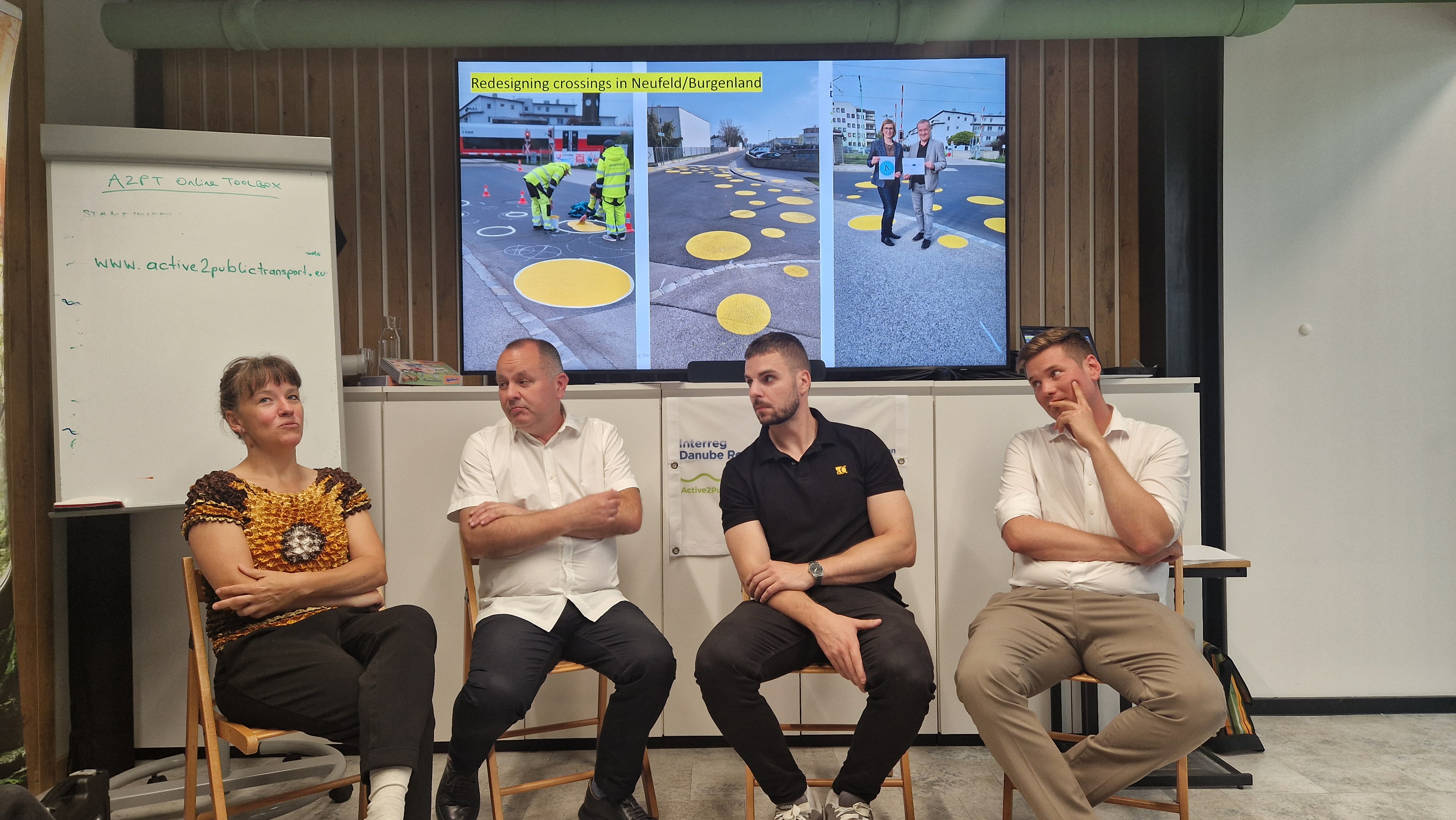
Photo © Jitka VRTALOVA
For me personally, it was inspiring to see how real-life projects come alive and to navigate the practical struggles that come with implementing sustainable solutions.
Irene Bittner, Lead Coordinator of the A2PT project
Austrian Energy Agency

The project also paid close attention not only to infrastructure and service design, but to accessibility, user needs and behavioural change. Feedback from citizens and cyclists showed that sustainable mobility must be convenient, legible and genuinely workable in everyday life. In that respect, the discussions reinforced a wider point for public authorities: a good solution is not only technically sound, but also usable for the people it is meant to serve.
A strong policy signal also came from the Slovenian national level. Darko Trajanov, Director-General of the Sustainable Mobility and Transport Policy Directorate at the Ministry of the Environment, Climate and Energy, stressed that public transport is one of Slovenia’s key priorities and that A2PT’s results can contribute to better planning for station accessibility and intermodal hubs. This is an important point, because it suggests that the project’s outcomes need not end with administrative closure, but can feed into longer-term strategic processes.
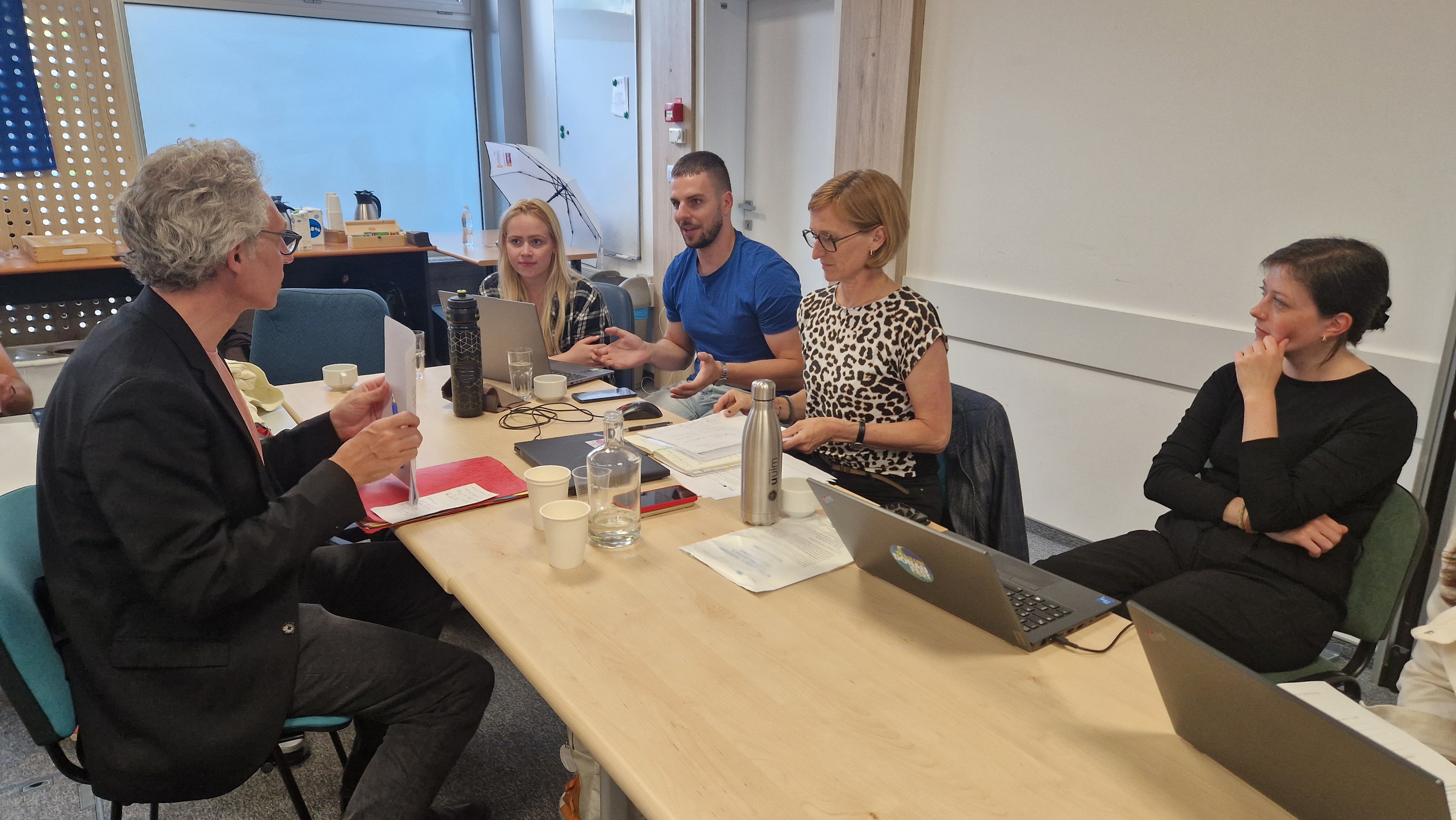
Photo © Jitka VRTALOVA
The A2PT project is valuable to us because it provides important insights into how to plan the accessibility of stations and intermodal hubs for passengers. Its outcomes will therefore make a meaningful contribution to Slovenia’s new comprehensive transport strategy, which is being extended towards 2050.
Darko Trajanov, Director-General of the Sustainable Mobility and Transport Policy Directorate
Ministry of the Environment, Climate and Energy of Slovenia

The conference also showed that A2PT’s value lies not only in what it has delivered, but in how its results can now be taken further. Discussion on capitalisation and project synergies pointed to links with initiatives such as StepUp and CityWalk 2.0, as well as wider Danube and European policy frameworks. This means that A2PT’s tools and lessons can continue to support training, advisory work and future cooperation.
During the discussion on future cooperation, Franc Žepič, Deputy Coordinator of EUSDR Priority Area 1b, underlined that mobility must be understood as a system in which walking, cycling, public transport, rail, road, air and waterborne transport each have a role. He presented A2PT as a practical example of how better integration between transport modes and stronger first- and last-mile connections can make multimodality more realistic for citizens, improve connectivity and support sustainable mobility across the Danube Region.
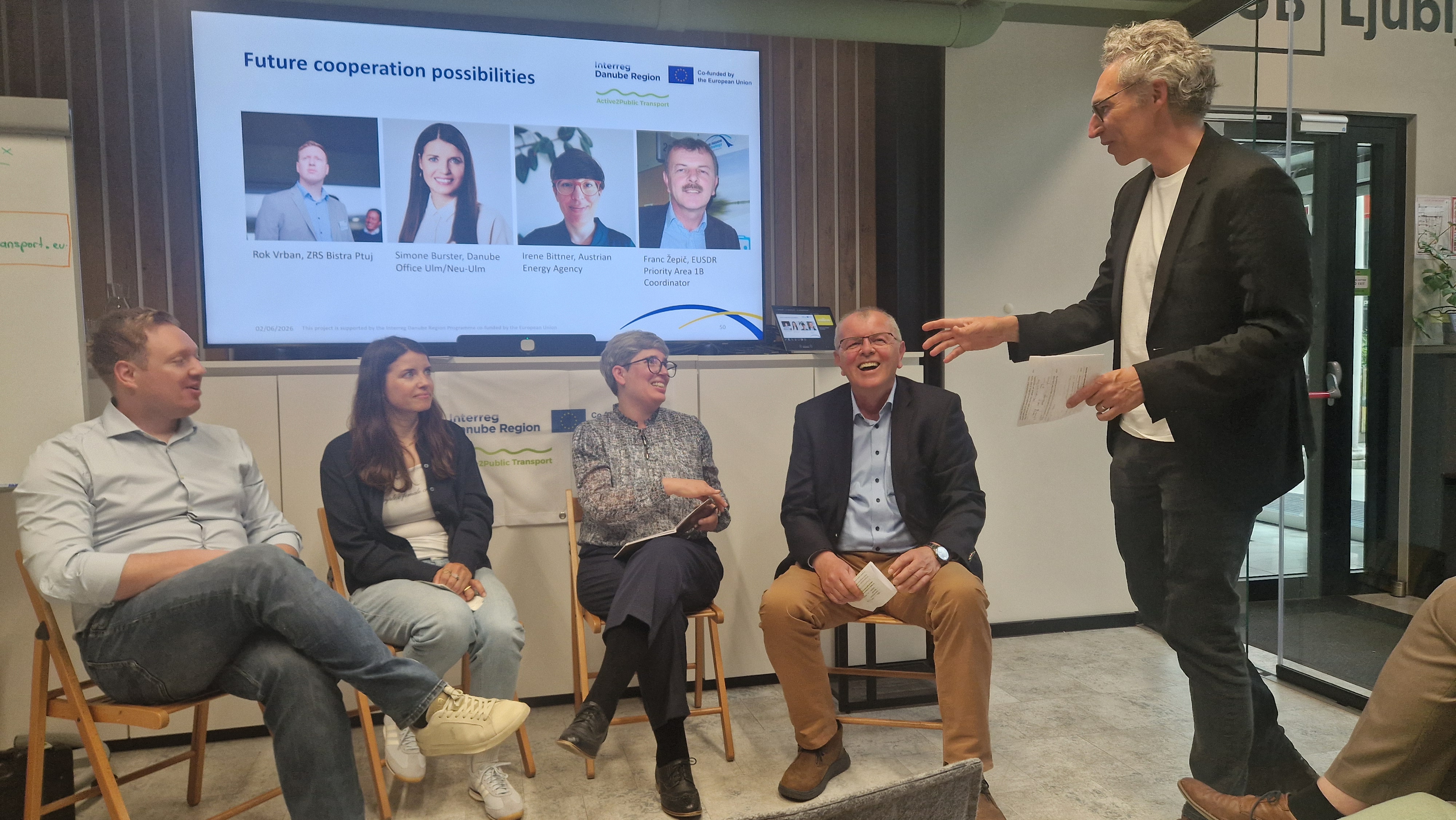
Photo © Jitka VRTALOVA
All modes of transport are needed; the challenge is making them work together. Active2Public Transport helps turn this vision into practice across the Danube Region.
Franc Žepič, Deputy Coordinator of EUSDR Priority Area 1b

For donors and the wider professional community alike, A2PT therefore leaves a fairly clear message. The project has shown that the combination of active mobility and public transport can be improved step by step through concrete measures, shared principles and tools with practical value. Regions can take from it ideas for their own implementation. National authorities can use its tested lessons in strategic planning. And the Danube region as a whole gains a shared point of reference for building a less car-dependent and more user-friendly mobility system.
The conference in Ljubljana was therefore not simply the final full stop of the project. It was more a sign that the most important question comes next: how to carry A2PT’s results into wider practice, adapt them to different local conditions and make them part of everyday transport planning across the Danube region.
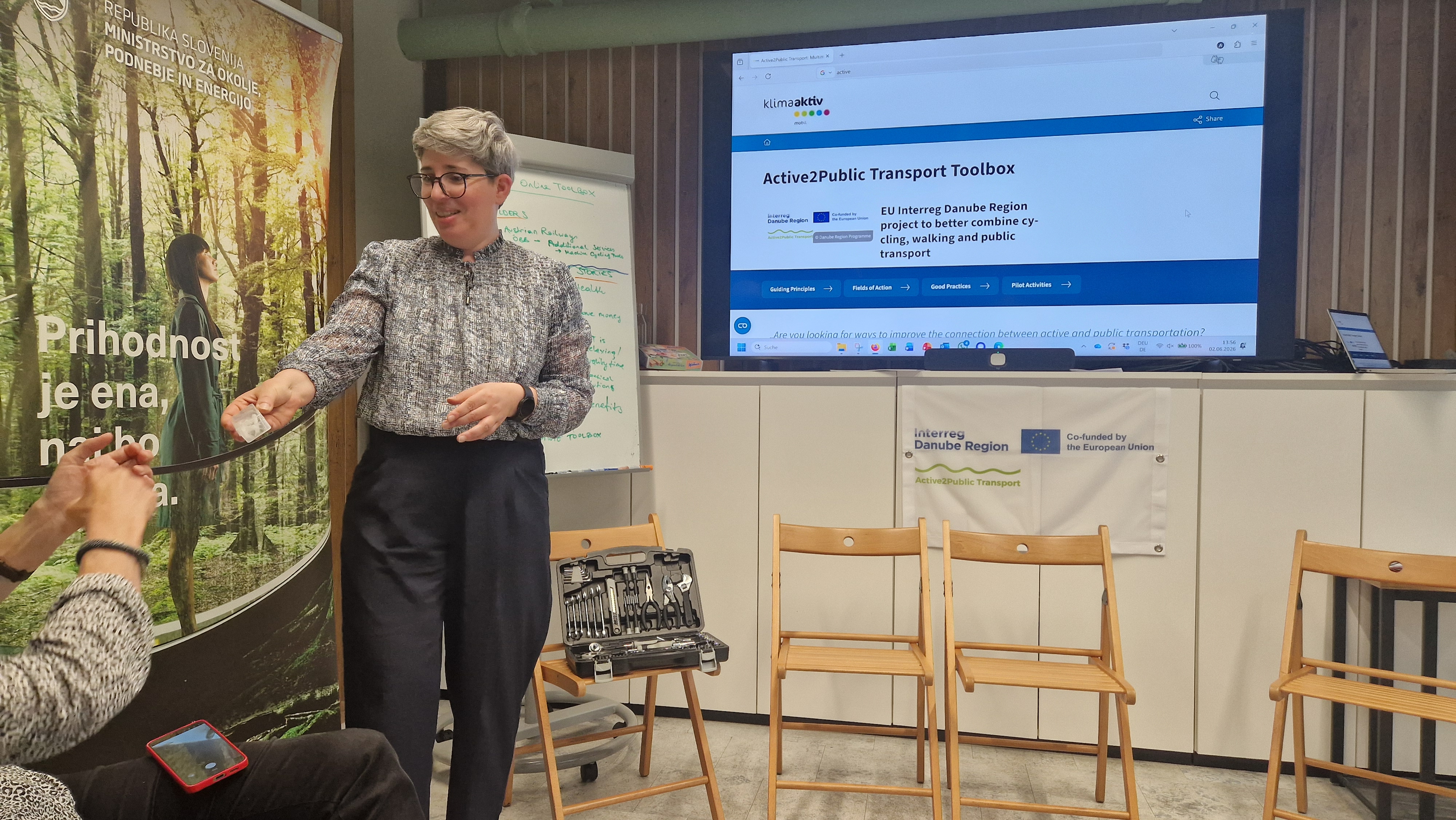
Photo © Jitka VRTALOVA

03/06/2026
By Jitka Vrtalova
Share on social media:


Green

News & Events
Read the most recent updates and explore the upcoming events.


Would you like to receive project updates?
You're already part of our community!
Welcome to our newsletter community!
Subscribe to our newsletter