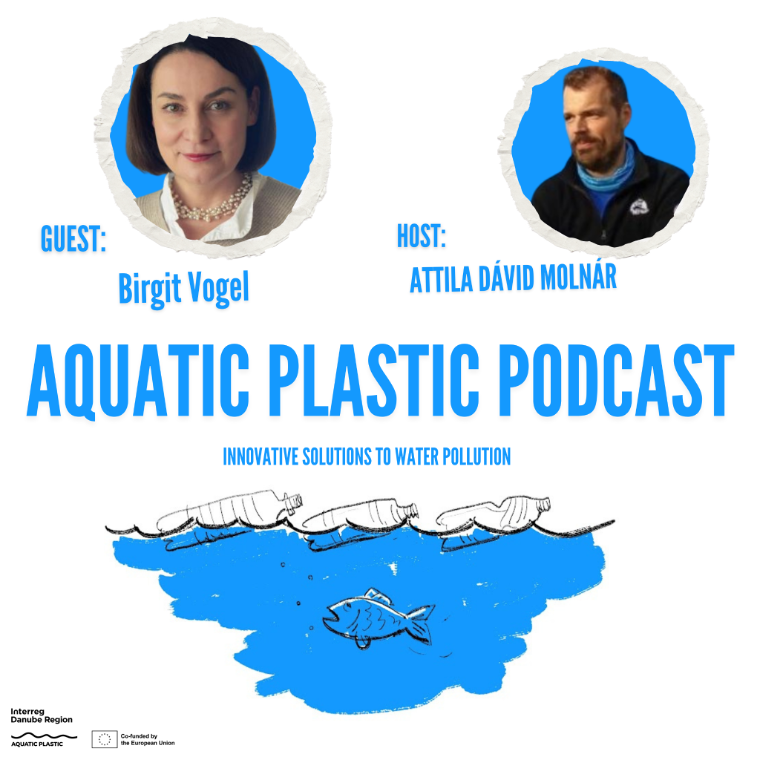

Aquatic Plastic Podcast #12
Birgit Vogel on the Danube: Why 14 Countries Must Act as One
From a childhood spent in alpine streams to leading one of Europe’s most important river commissions, Birgit Vogel’s story reflects how personal passion and international cooperation intersect to protect the Danube at a time of mounting climate and plastic pressures. In Aquatic Plastic, Birgit Vogel, Executive Secretary of the International Commission for the Protection of the Danube River (ICPDR), explains why cooperation is the only way forward—and why it’s getting more urgent every year.
From Passion to Profession
Growing up near Salzburg, water shaped Birgit Vogel’s early life long before it became her profession. Her family home sat by a small river – more a drainage canal than a pristine stream – where she spent hours watching fish, catching creatures by hand and exploring the banks.
The decision to turn that passion into a career came during her early university years at BOKU University in Vienna. Initially on a different academic track, Vogel attended a single lecture by Professor Jungwirth on integrated river management – covering river types, functions and ecological dynamics. That one class, she says, changed everything.
A River Under Growing Pressure
Today, as Executive Secretary of the ICPDR, Vogel oversees a complex cooperation framework across the world’s most international river basin. The Danube and its tributaries flow through or touch 14 countries before reaching the Black Sea, and the challenges they face are increasingly intertwined.
Vogel identifies climate change as one of the basin’s most pressing issues. While the ICPDR has long concentrated on water quality and ecological status, shifting hydrological patterns and more frequent droughts are changing priorities.
Why Cooperation Matters
The ICPDR coordinates efforts across countries, but implementation happens nationally. Its real strength lies in connecting actors—governments, scientists, NGOs and industries—and turning shared knowledge into action.
Through expert groups and joint research, countries learn from each other and move from plans to real-world solutions.
Balancing Energy and Ecology
Hydropower plays a key role in the region—but it also alters rivers. From disrupted ecosystems to trapped sediment, the impacts are real.
The challenge is not to eliminate hydropower, but to make it more sustainable—through dialogue, shared standards and better design.
One River, Shared Responsibility
For Vogel, the message is simple: what happens upstream affects everyone downstream.
Protecting the Danube requires more than regulation—it requires cooperation, trust and a shared understanding that rivers connect us all.
About Aquatic Plastic
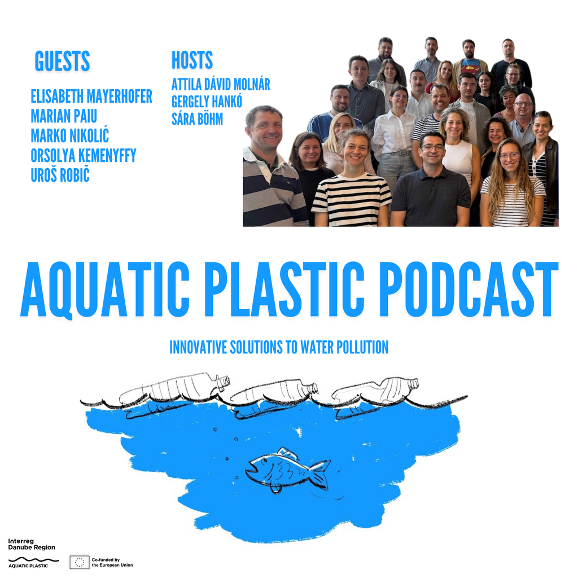
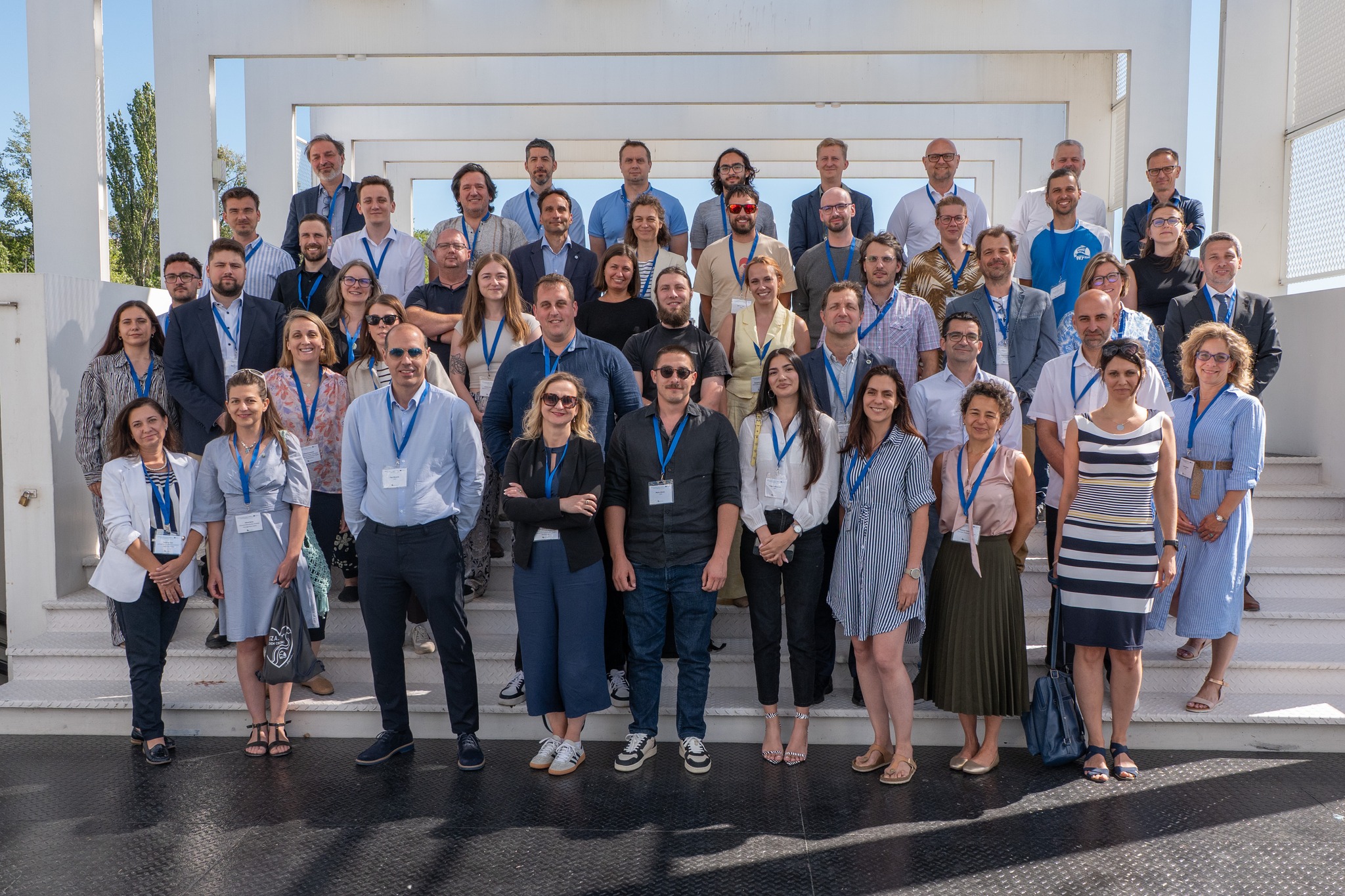
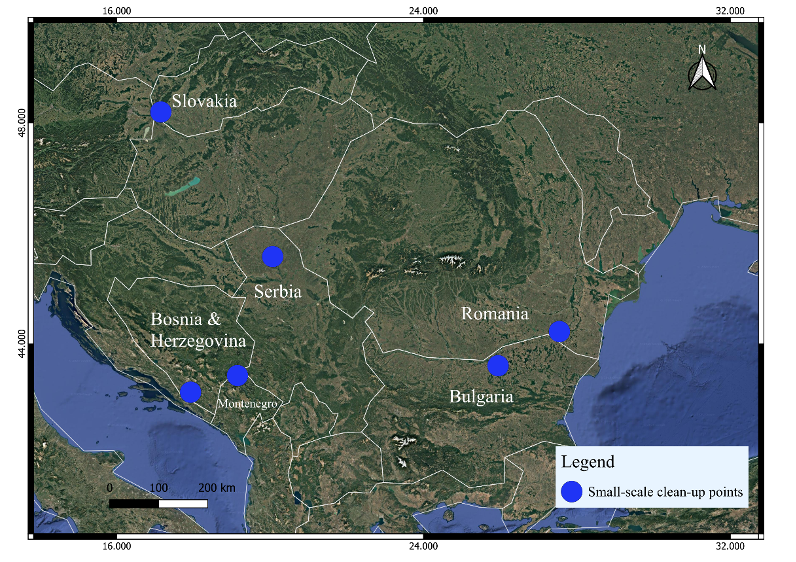
Aquatic Plastic is brought to you by the Interreg Danube Region Programme, co-funded by the European Union. Operating within the world's most international river basin, the Aquatic Plastic Danube-Region Interreg project unites 33 organizations spanning 10 countries. Together, we are executing 19 pilot actions and developing 8 solutions aimed at preventing, reducing, and managing plastic pollution in the natural waterways of the Danube River Basin. How do we navigate through such diverse borders? Explore further by delving into our report, and begin following our journey on LinkedIn and other social media platforms.
CHAPTERS
00:00 Intro: One River, Many Countries
The hosts introduce the Danube as a shared river system and highlight why cross-border cooperation is essential for tackling environmental challenges.
02:36 Meet Birgit Vogl
Birgit Vogel, Executive Secretary of the ICPDR, shares her role in coordinating international river management across the Danube Basin.
06:12 A Childhood Shaped by Water
From early experiences in rivers and lakes to a decisive university lecture, Vogel reflects on how her connection to water turned into a career.
10:28 A Journey Along the Danube
A six-week scientific expedition along the Danube becomes a turning point, reinforcing the importance of international collaboration.
14:55 The State of the Danube Today
The discussion outlines the key pressures on the river: climate change, pollution and human interventions reshaping natural systems.
19:40 Plastic Pollution in the Basin
Plastic emerges as a growing concern, with microplastics already widespread—yet still difficult to measure and regulate consistently.
24:18 Why Cooperation Is the Only Way
The ICPDR’s role is explained: connecting countries, aligning strategies and turning shared knowledge into coordinated action.
29:47 Learning Across Borders
Countries benefit from exchanging experiences, comparing solutions and building trust through ongoing collaboration.
34:22 Hydropower: Balancing Needs
The episode explores the tension between renewable energy production and river health, and the need for compromise and dialogue.
39:05 Communicating Complexity
A key challenge is making river-related issues understandable and relevant to the public in an increasingly noisy information landscape.
43:18 Closing: Shared Responsibility for the Future
Final reflections emphasize that protecting the Danube requires long-term cooperation, persistence and a shared sense of responsibility.

30/04/2026
By
Share on social media:



News & Events
Read the most recent updates and explore the upcoming events.


Would you like to receive project updates?
You're already part of our community!
Welcome to our newsletter community!
Subscribe to our newsletter