
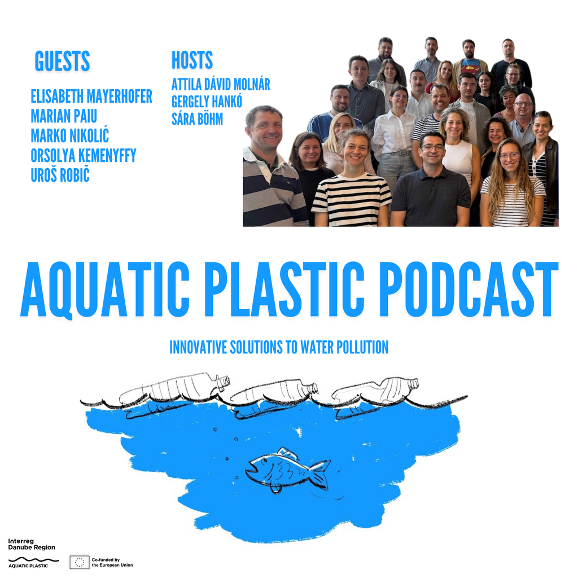
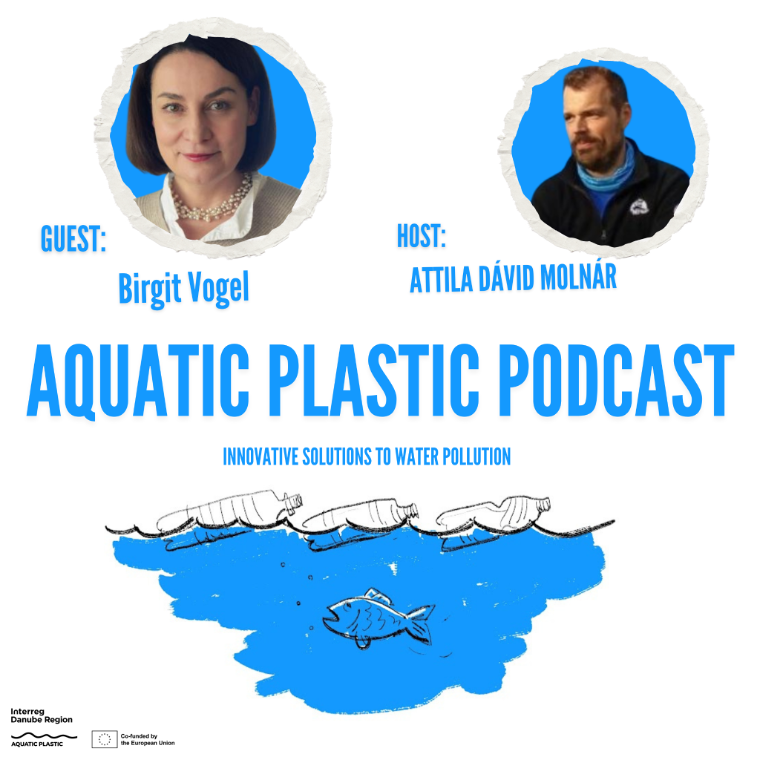
Aquatic Plastic Podcast #13
Nine Tonnes of Waste, One Shared Mission
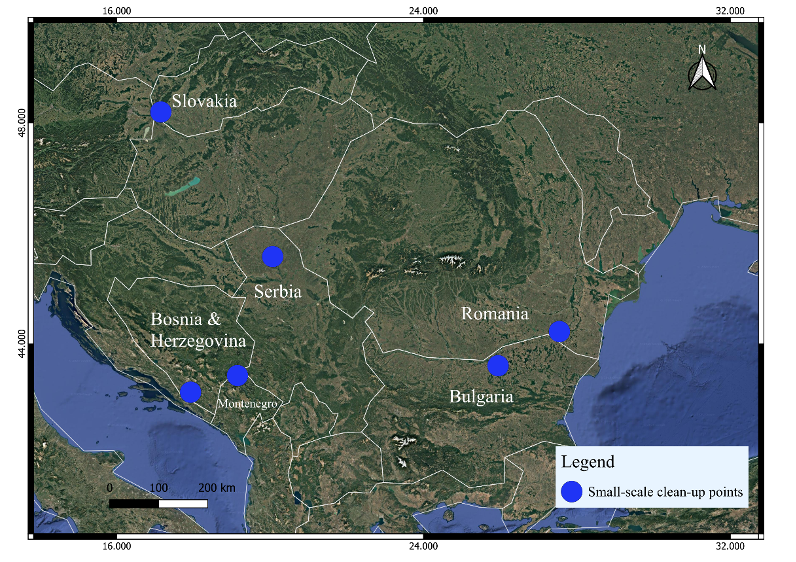
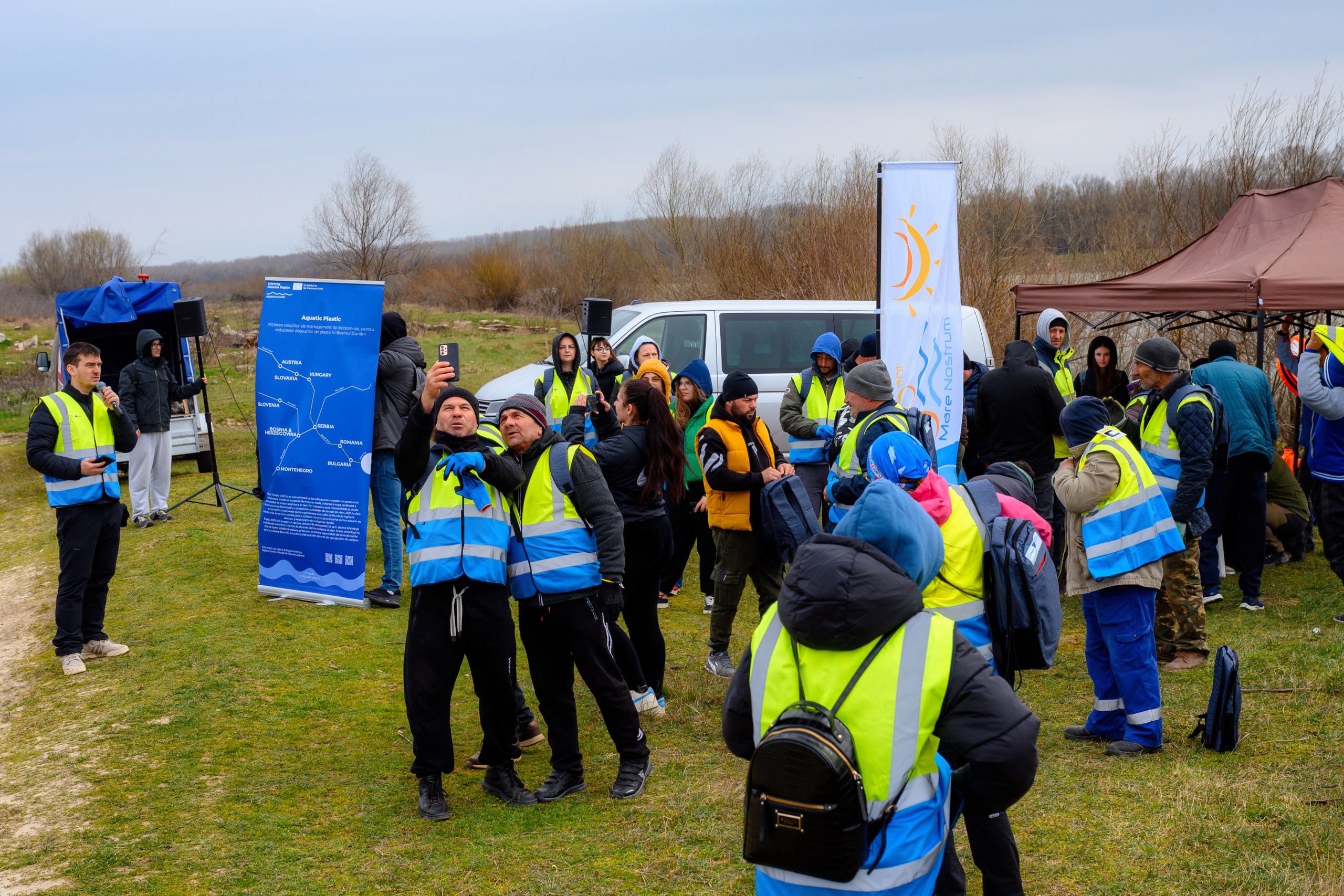
What does it take to keep plastic out of rivers? In the latest episode of Aquatic Plastic, experts from Serbia, Romania, Bosnia and Herzegovina, Montenegro and Bulgaria share the lessons learned from a series of riverbank cleanup actions that brought together communities, local authorities and environmental organizations. Together, 247 volunteers removed nearly nine tonnes of waste—but the project was about much more than cleaning up trash.
The guests of this episode are: Violin Raykov, Marian Paiu, Suzana Otasevic, Marko Nikolic
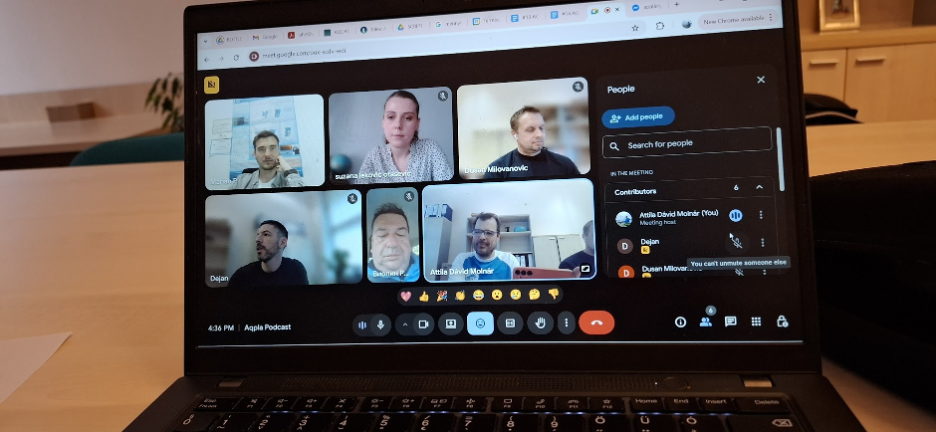
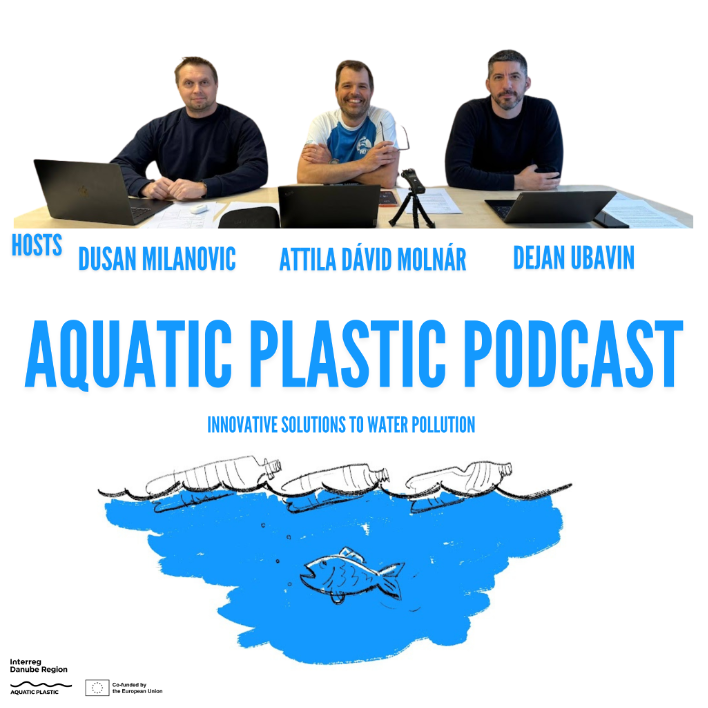
And the hosts of this special episode are: Dejan Ubavin, Dusan Milovanovic and Attila David Molnar.
Hard Work, Visible Results
The cleanups were physically demanding. Volunteers removed everything from plastic packaging and household waste to tires, furniture and construction debris.
Despite muddy conditions, bad weather and challenging terrain, participation remained high and local engagement often exceeded expectations.
More Than a Cleanup
The project showed that lasting results require more than collecting waste. Local governments, NGOs, waste-management companies and residents all played a role in making the actions successful.
In many cases, communities that initially felt disconnected from the problem became active partners in protecting their local rivers.
A Shared Responsibility
Across six pilot actions, nearly nine tonnes of waste were removed from the environment. But the most important outcome may have been a shift in perspective.
As the guests emphasize throughout the episode, rivers reflect the choices we make on land. Protecting them starts long before waste reaches the water—and long before a cleanup becomes necessary.
About Aquatic Plastic
Aquatic Plastic is brought to you by the Interreg Danube Region Programme, co-funded by the European Union. Operating within the world's most international river basin, the Aquatic Plastic Danube-Region Interreg project unites 33 organizations spanning 10 countries. Together, we are executing 19 pilot actions and developing 8 solutions aimed at preventing, reducing, and managing plastic pollution in the natural waterways of the Danube River Basin. How do we navigate through such diverse borders? Explore further by delving into our report, and begin following our journey on LinkedIn and other social media platforms.
CHAPTERS
00:00 Intro: Preventing Plastic Pollution at the Source
The hosts introduce the topic of riverine plastic pollution and explain why tackling waste before it reaches waterways is one of the most effective strategies for protecting rivers.
04:18 Why Illegal Dumps Matter More Than Floating Trash
The guests discuss how riverbank dumps become major sources of plastic pollution. Once waste enters the water, it becomes much harder—and more expensive—to remove.
09:12 Finding Riverbank Pollution Hotspots
How do you identify the places that pose the greatest risk to rivers? The conversation explores the use of field surveys, local knowledge and mapping tools to locate illegal dumping sites.
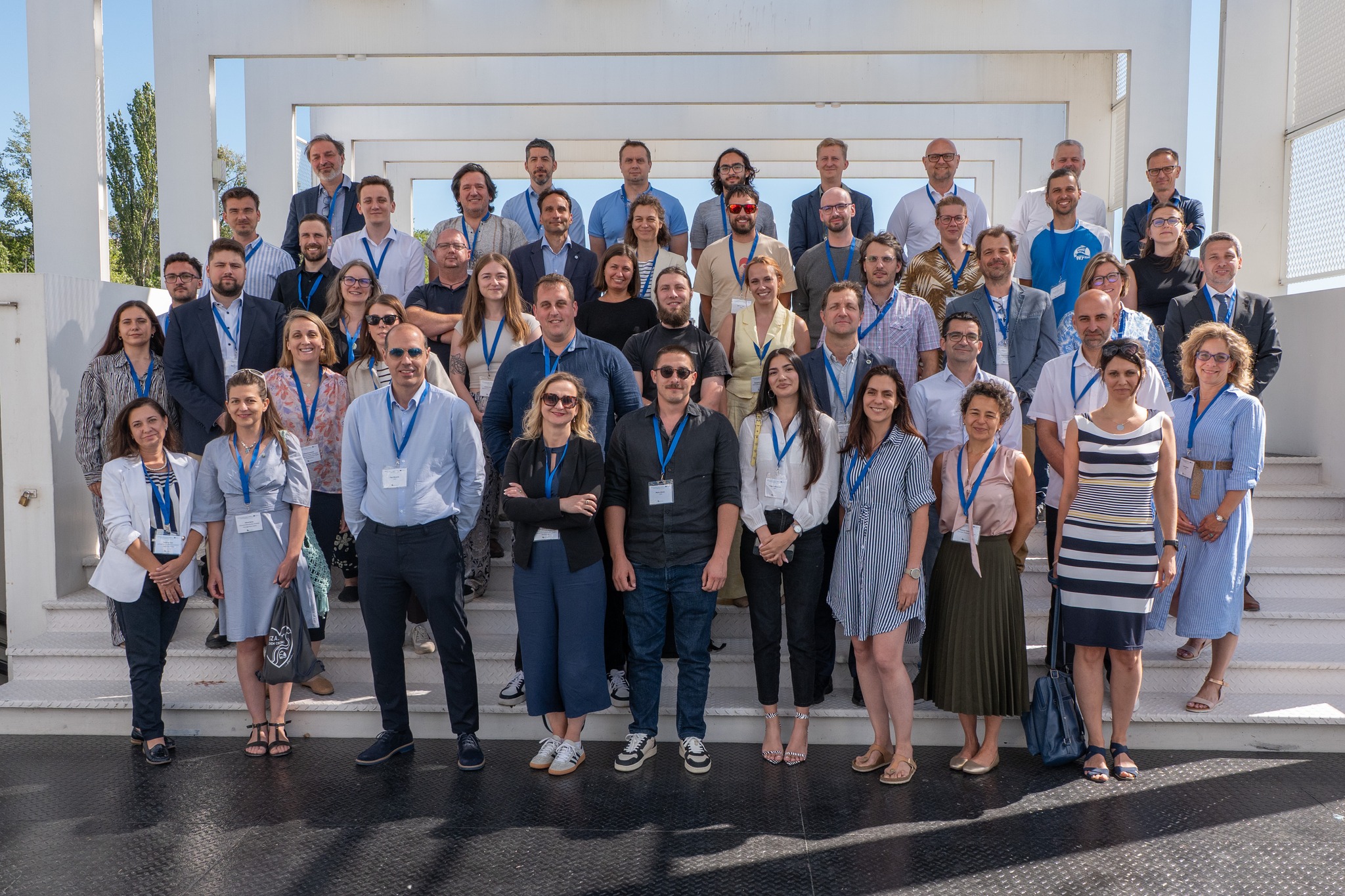
15:35 Organizing Cleanup Actions Across Five Countries
The guests share how cleanup actions were coordinated across different countries, bringing together NGOs, local authorities, waste-management companies and volunteers.
19:23 Mud, Rain and Heavy Waste: Challenges in the Field
From difficult terrain and bad weather to bulky waste and unexpected discoveries, the cleanup teams faced a wide range of practical challenges on the ground.
25:46 Sorting Waste for Recycling and Circular Economy Goals
Collecting waste is only part of the job. The discussion highlights the importance of sorting materials and ensuring that as much waste as possible can be recycled or recovered.
32:32 What the Numbers Reveal: 247 Volunteers, Nearly 9 Tonnes of Waste
The guests reflect on the results of the pilot actions and what these figures tell us about both the scale of the problem and the willingness of communities to get involved.
38:45 Engaging Communities and Building Stewardship
Beyond removing waste, the project aimed to inspire long-term responsibility. The conversation focuses on community participation, awareness-raising and local ownership.
46:20 Working with Municipalities and Local Authorities
Successful cleanups require strong partnerships. The guests explain how cooperation with municipalities and public institutions helped make the actions more effective.
53:10 How Do We Keep These Places Clean?
What happens after the cleanup is over? The discussion turns to prevention, monitoring and the long-term measures needed to stop illegal dumping from returning.
58:20 Final Messages for River Communities
The guests share their key takeaways and advice for citizens, organizations and decision-makers working to protect rivers from plastic pollution.
01:01:55 Closing Remarks
The episode concludes with reflections on collaboration, community action and the importance of addressing pollution at its source rather than its symptoms.

27/06/2026
By
Share on social media:



News & Events
Read the most recent updates and explore the upcoming events.


Would you like to receive project updates?
You're already part of our community!
Welcome to our newsletter community!
Subscribe to our newsletter