
Small-Scale Clean-up – International pilot action for combating plastic pollution
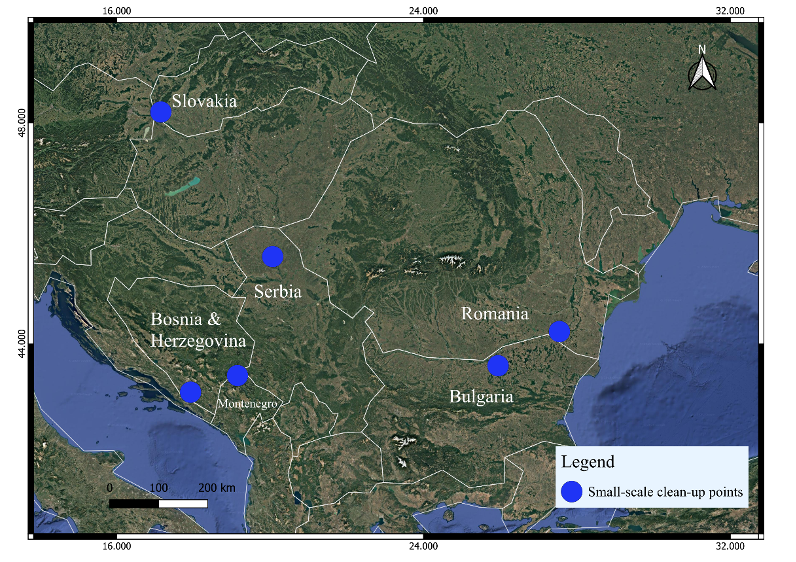
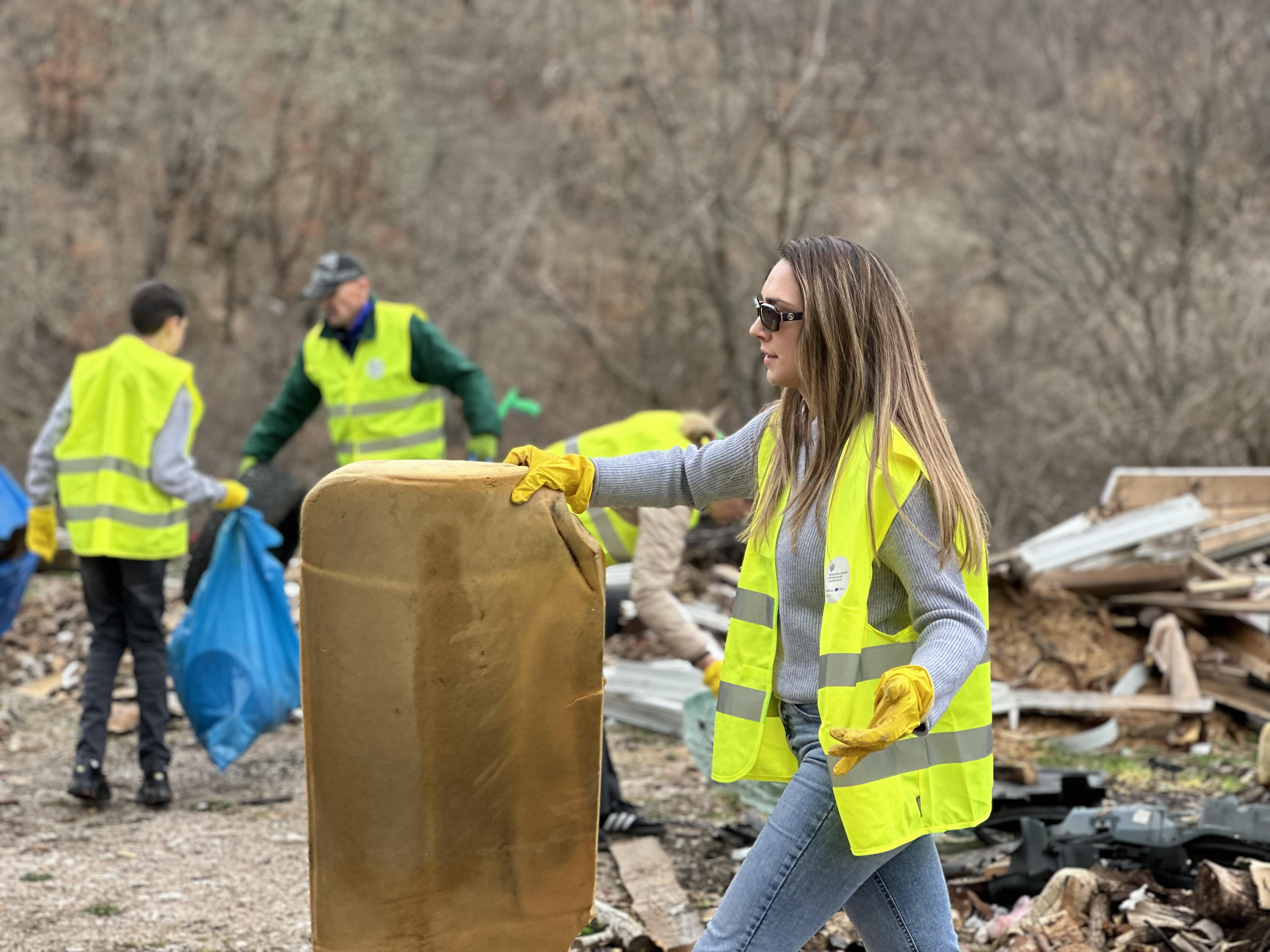
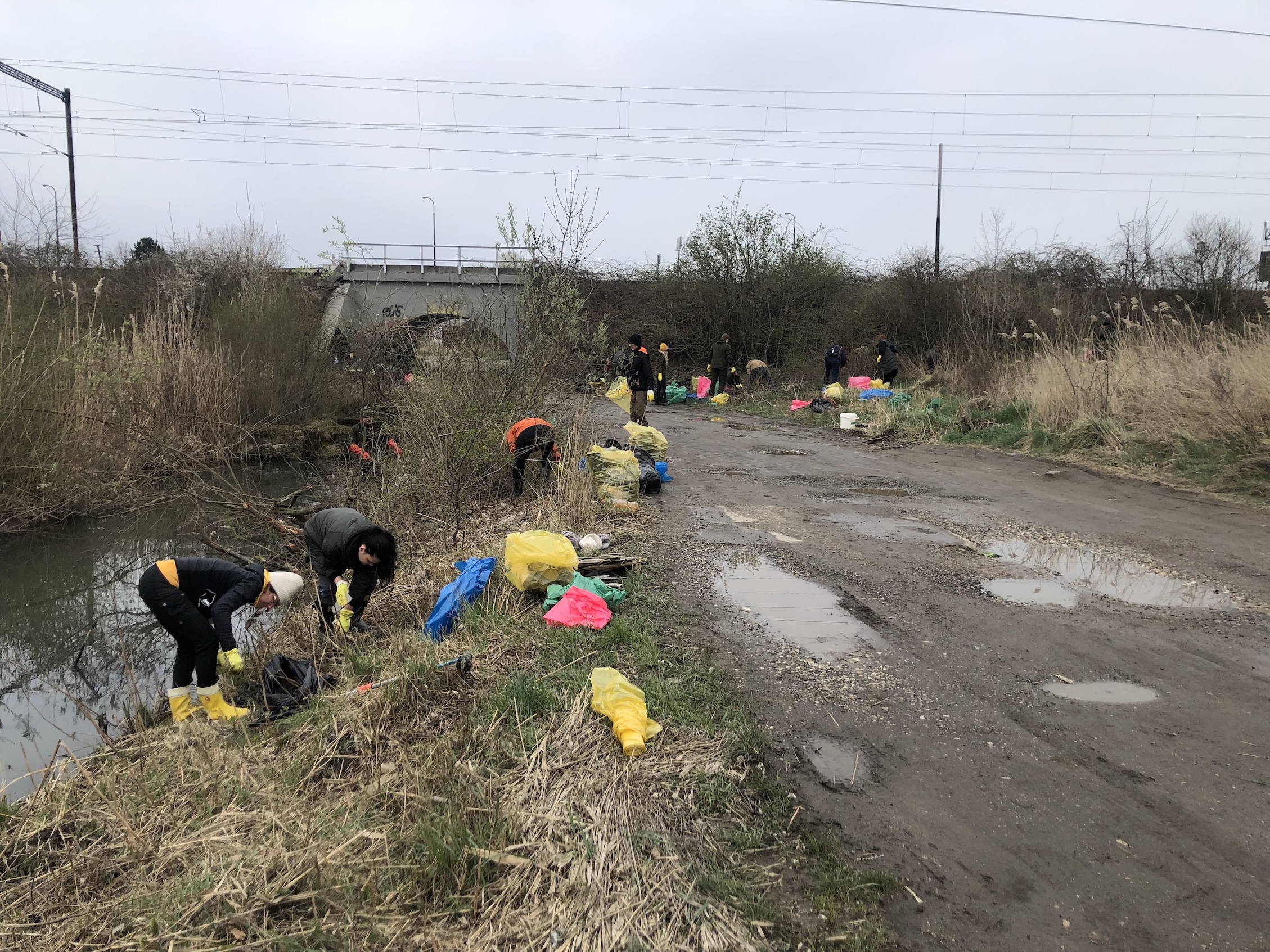
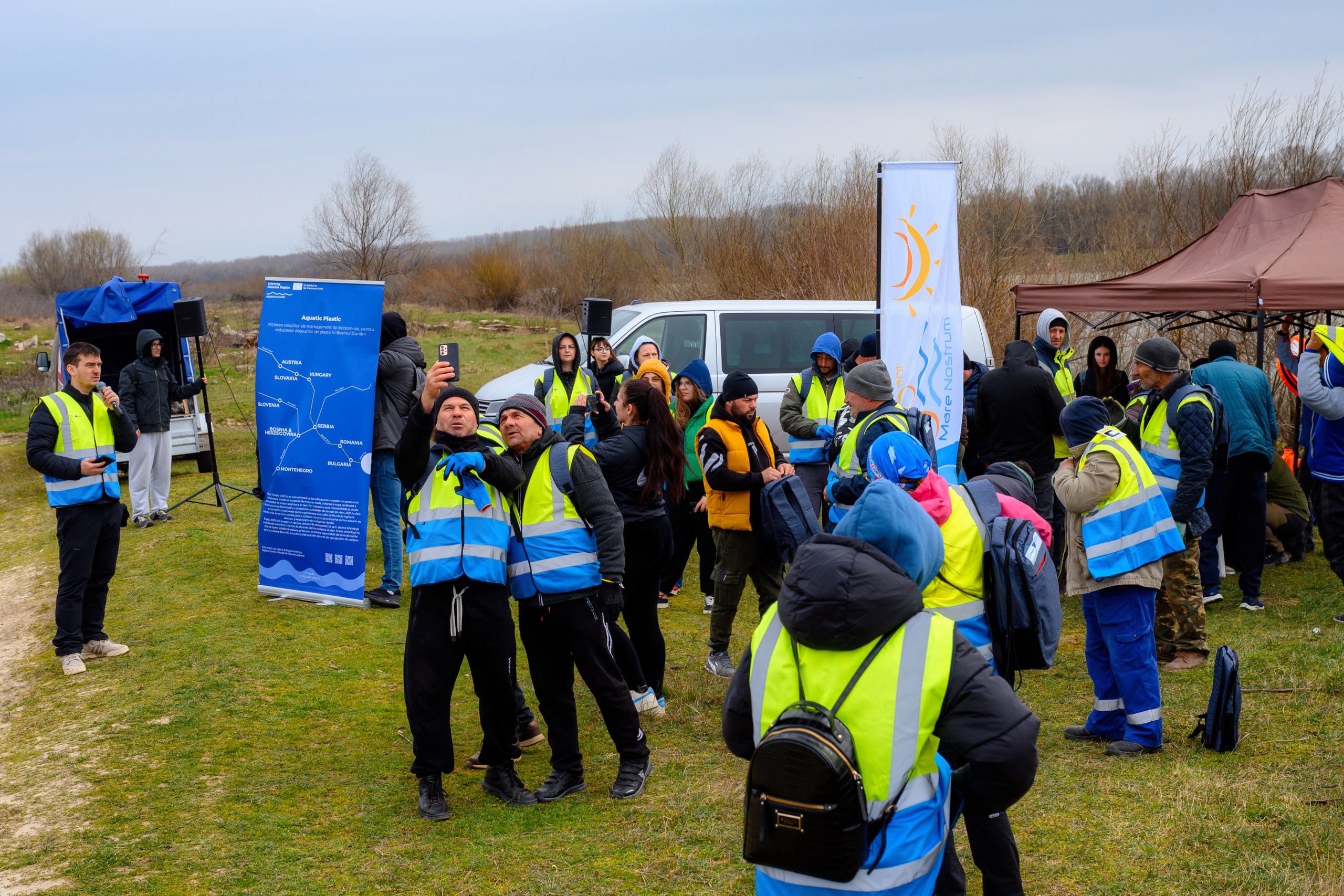
Between October 2025 and March 2026, six international clean-up actions were carried out within the framework of the AQUATIC PLASTIC project. The Mare Nostrum Non-Governmental Organization, in collaboration with the Multisalva Association, represented Romania in the implementation of the interventions and played a leading role in the coordination and reporting of the pilot activities.
Additionally, five partner countries, namely Bosnia and Herzegovina (Regional Education and Information Centre for Sustainable Development in South-East Europe[1] [2] ), Bulgaria (Institute of Oceanology, Bulgarian Academy of Sciences), Montenegro (Ministry of Ecology, Sustainable Development and Northern Region Development), Serbia (Faculty of Technical Sciences, University of Novi Sad), and Slovakia (Water Research Institute Bratislava), were involved in the implementation of the initiative. The Small-Scale Clean-Up pilot actions were conducted following a preliminary phase of identifying areas with high levels of waste accumulation.
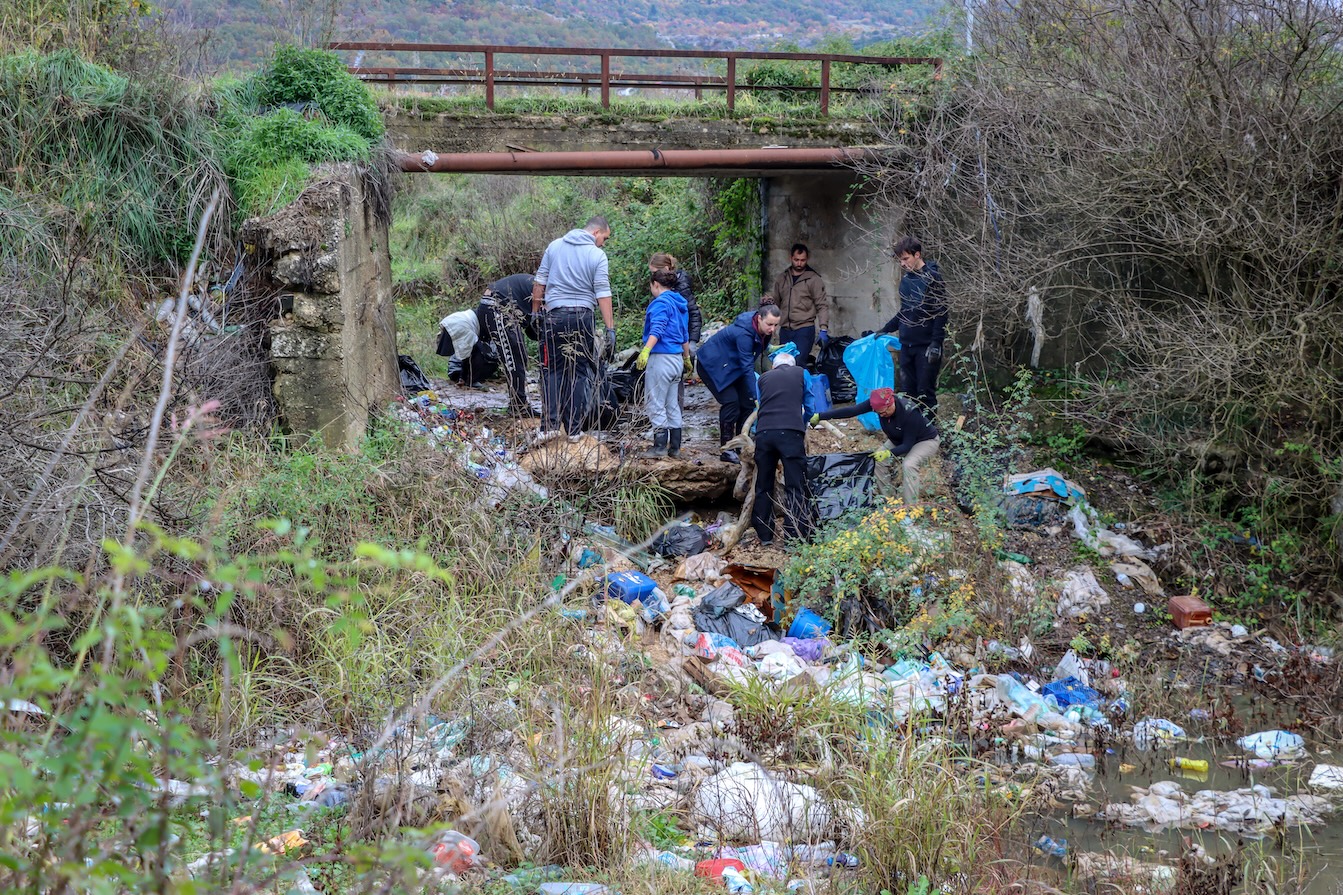
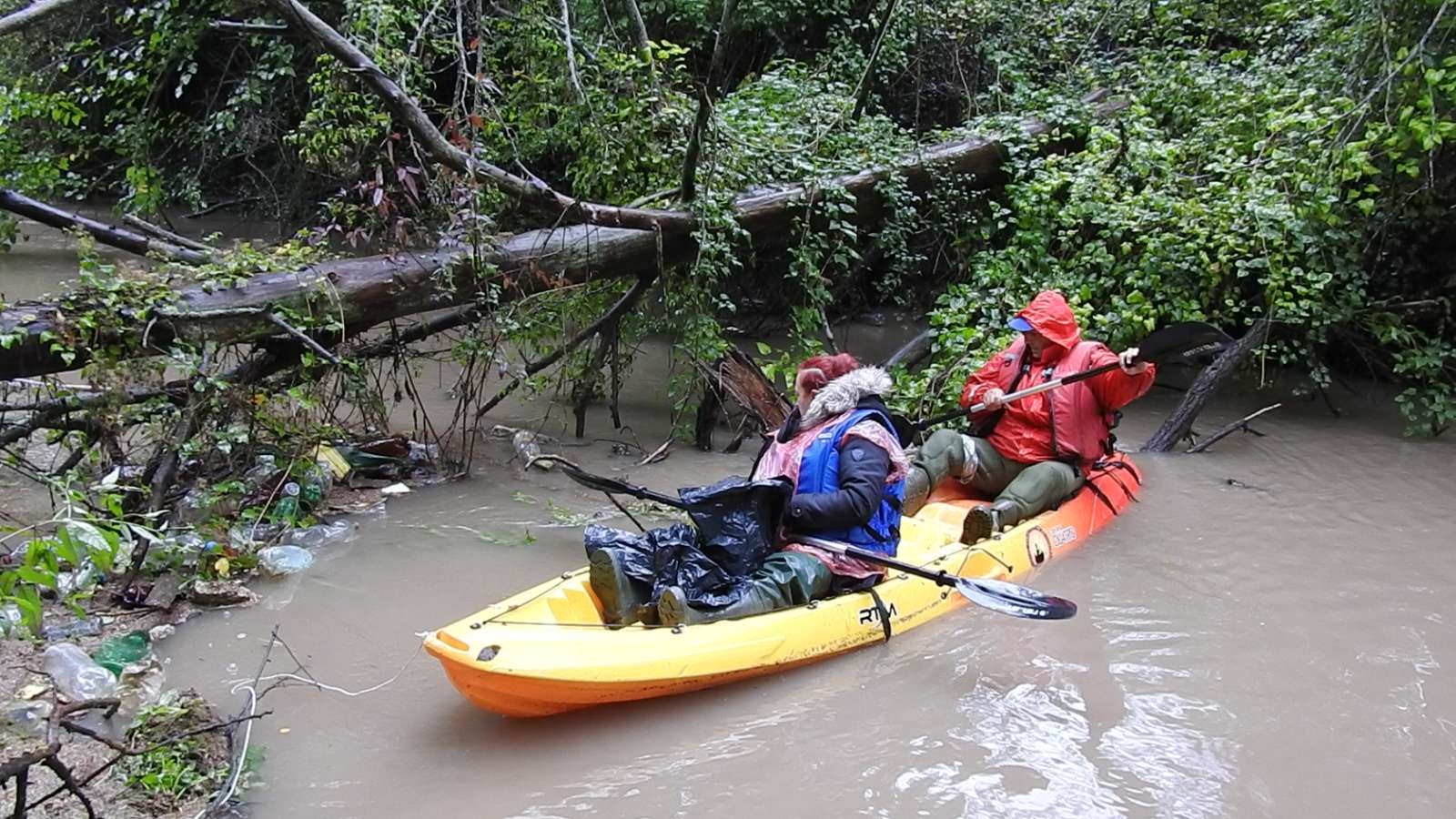
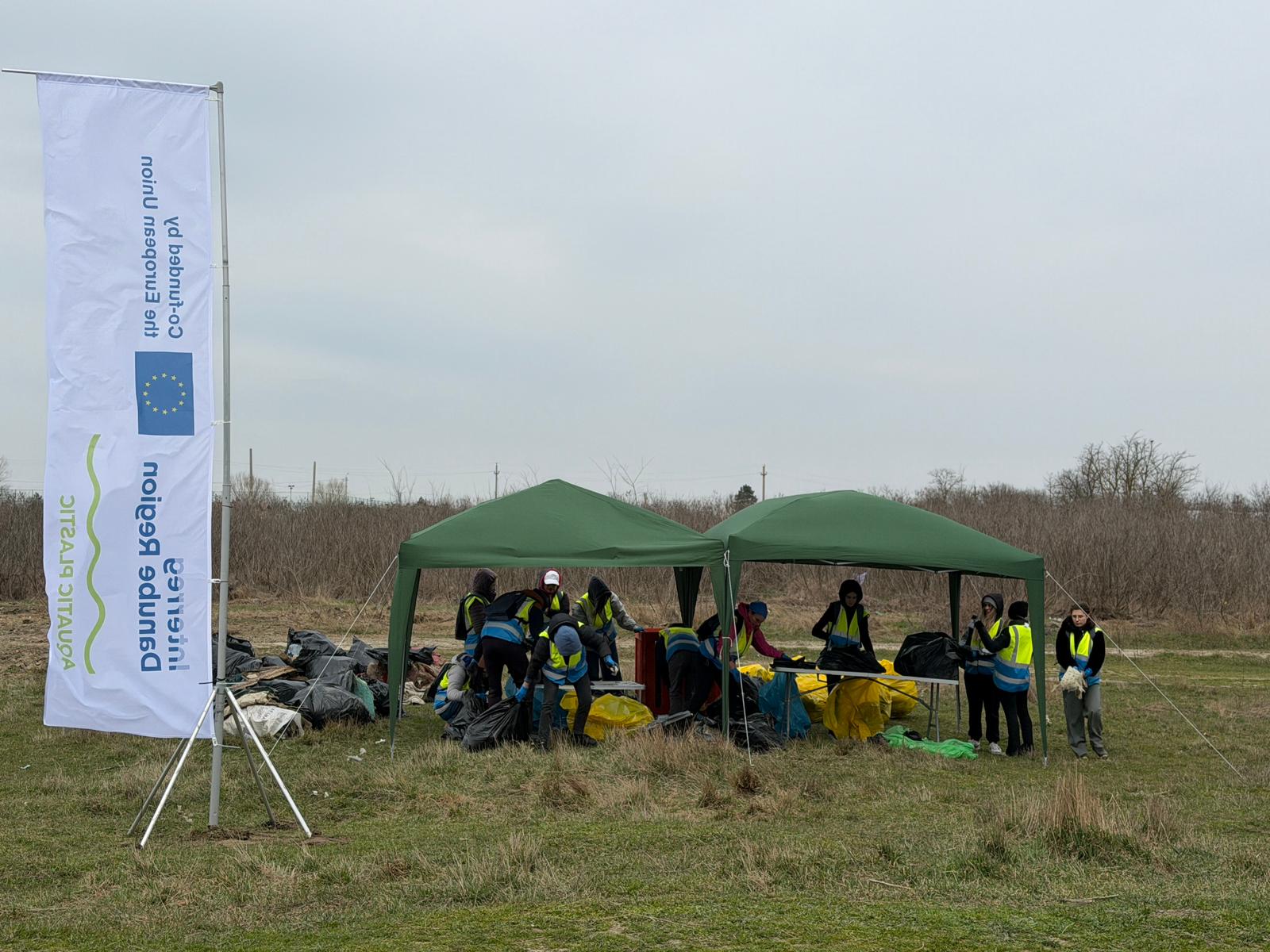
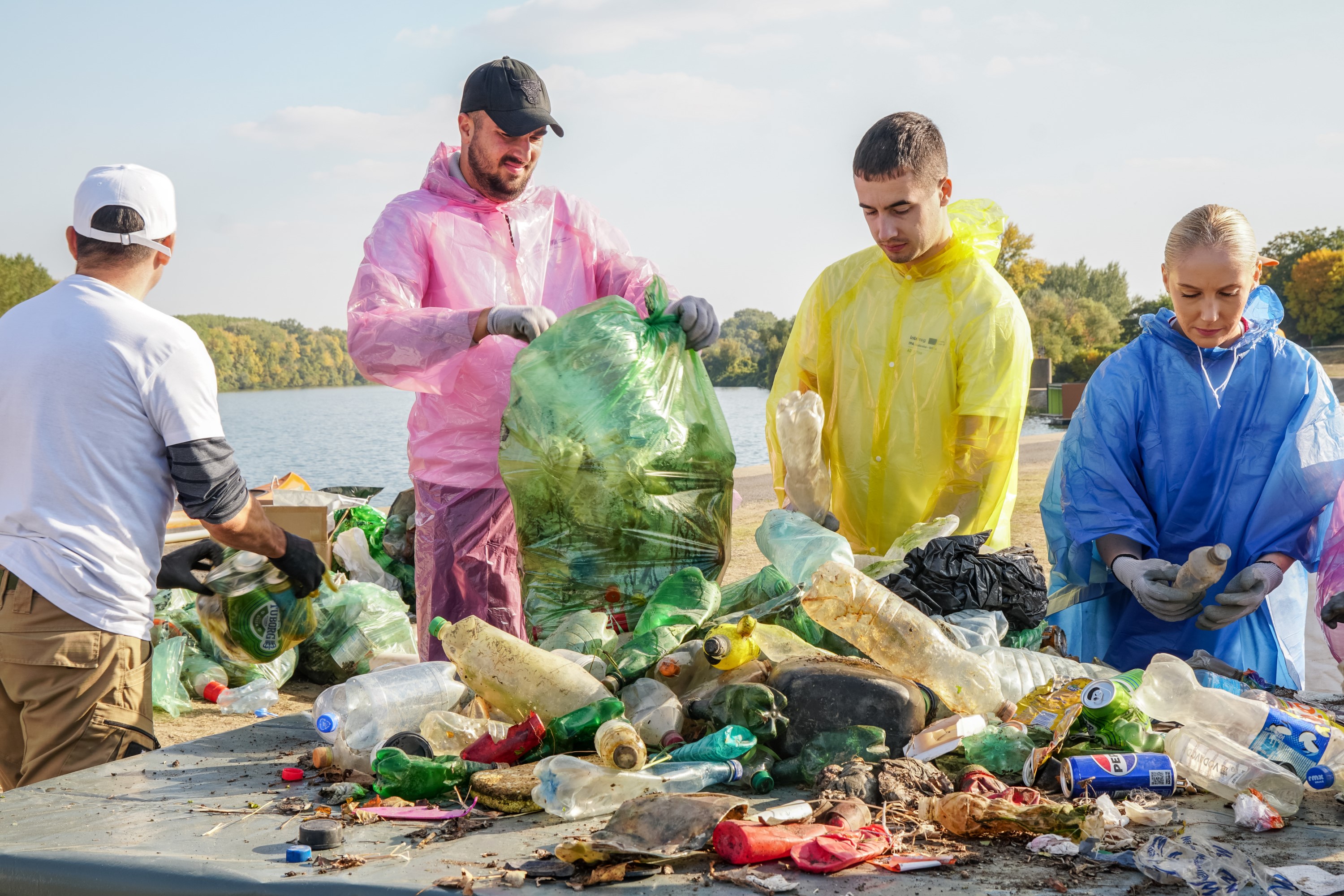
During the clean-up activities, a total of 8,765 kilograms of waste were collected across all six participating countries, with 246 individuals of various ages involved in the targeted areas. At the beginning of each intervention, participants were trained on the implementation procedures and on compliance with safety measures.
The pilot actions aim to reduce pollution and protect aquatic ecosystems through cleanup interventions, habitat restoration, increased awareness of waste management practices, testing intervention methodologies in diverse contexts, and strengthening cooperation between communities, NGOs, and public authorities.
Throughout the interventions, the “separation methodology” was applied and waste sorting areas were established to ensure the proper management of collected materials. In total, 2,667 kilograms of plastic were identified and collected from the banks of the Danube and its adjacent branches or tributaries, contributing significantly to reducing pollution in the targeted areas.
An important conclusion drawn from the six implemented actions is the need for continuous monitoring of the cleaned areas to prevent them from returning to their initial state of degradation. These are the key findings; in addition, the project’s recently published Intervention Methodology includes funding options, an action plan to support clean-ups, and a risk analysis, all of which are available for free download. Furthermore, the importance of continuing and expanding clean-up activities and most important monitoring of river banks is highlighted as part of a sustained and long-term approach to environmental protection and plastic pollution reduction. These approaches can create the conditions for improving the protection of the marine environment in the Black Sea.
The AQUATIC PLASTIC project is a collaborative initiative aimed at combating plastic pollution in the Danube Basin. It is being implemented from January 2024 to June 2026 and is funded through the Interreg Danube Region Programme, co-financed by the European Union. The total budget for the project is €2,166,493.50.

28/05/2026
By
Share on social media:



News & Events
Read the most recent updates and explore the upcoming events.


Would you like to receive project updates?
You're already part of our community!
Welcome to our newsletter community!
Subscribe to our newsletter