


Pilot actions videos - part 2
The pilot actions implemented within the project represented one of the key practical components, transforming the project’s research, methodologies and community-based approaches into real-life activities across the Danube Region. The project focused on the sustainable valorisation of cultural heritage crafts, exploring how traditional knowledge, craftsmanship and local identity can contribute to economic development, tourism performance and stronger community cohesion in rural and remote areas. Through an ecosystem-based approach, the pilot actions connected artisans, cultural organisations, tourism stakeholders, designers, educational institutions and local communities in order to test innovative ways of preserving and promoting living heritage crafts.
To capture the atmosphere, stories and results of these pilot actions, several project partners produced a series of videos presenting the individual initiatives implemented in different regions of the Danube area.
Hungary
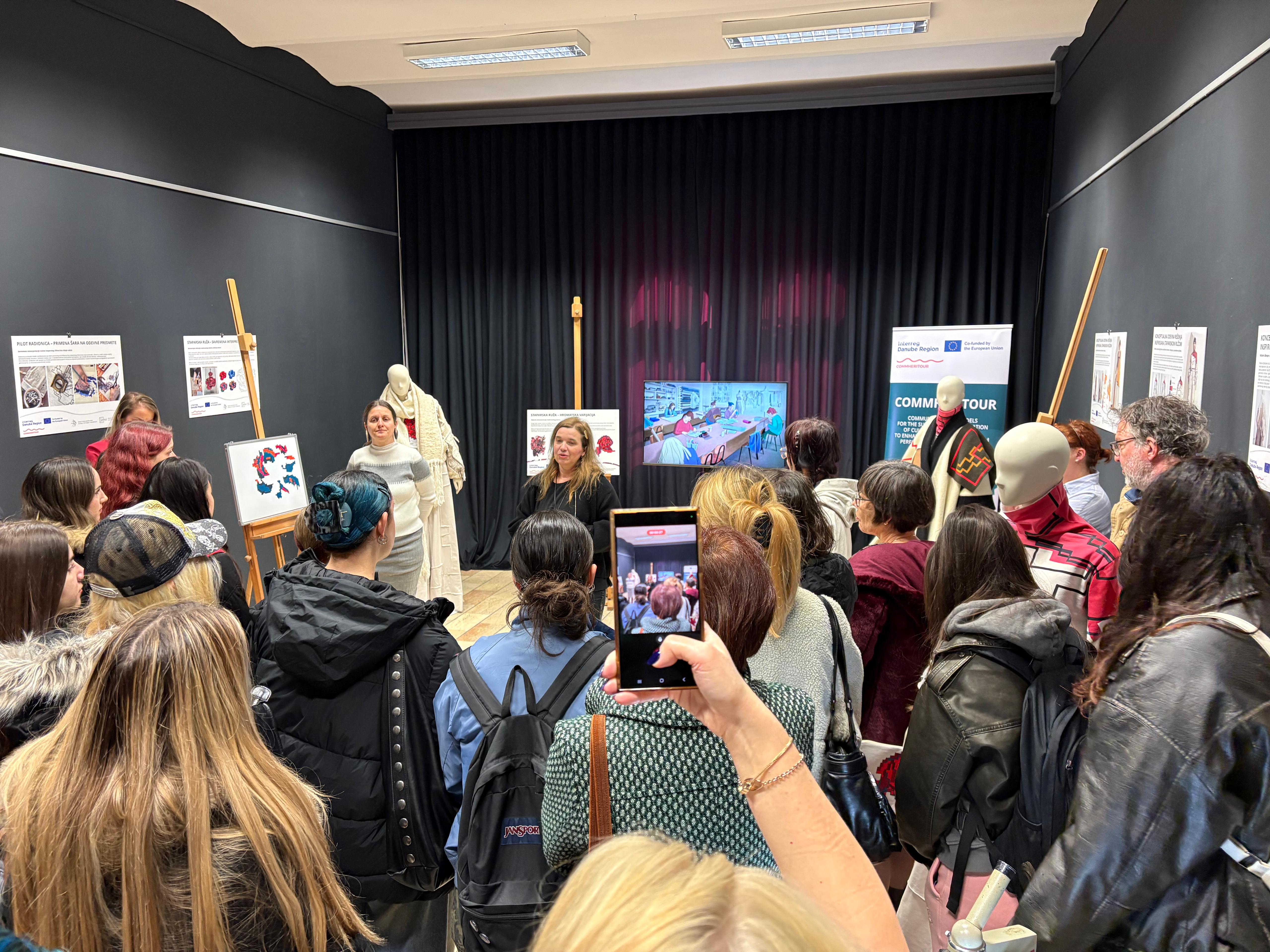
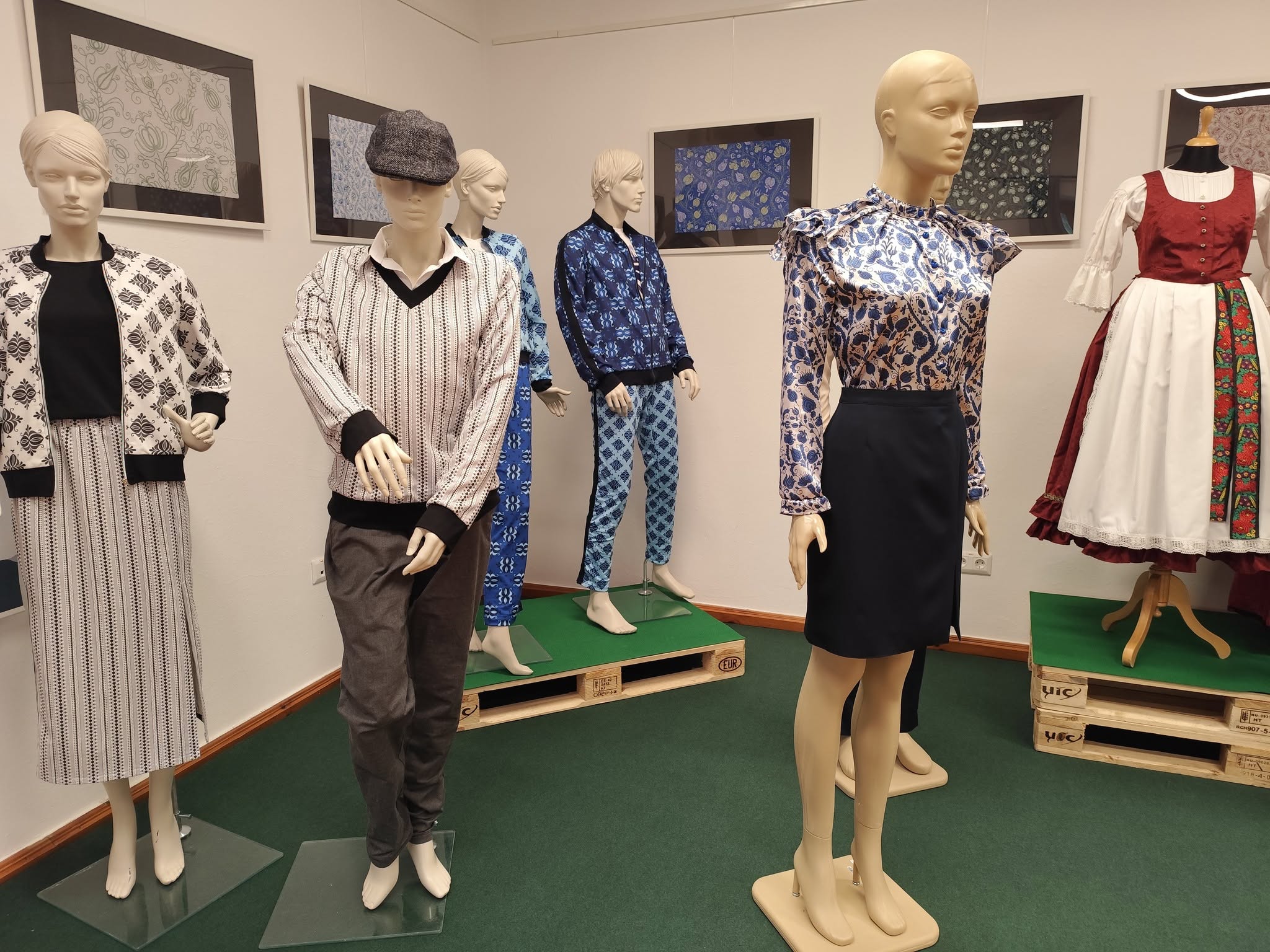
Transforming Jász patterns into contemporary wearable outfits. The pilot action in Jászberény focused on reviving and reinterpreting traditional Jász embroidery motifs and the design language of Jász folk costumes through creative workshops, design sessions and cooperation with local artists, craftspeople and communities. The activities resulted in the development of contemporary textile products, including garments, jewellery and souvenir items inspired by traditional Jász motifs. Through a design competition, branding activities, professional documentation and a fashion show, the pilot strengthened the visibility of local craft heritage and laid the foundations for Jászberény’s own cultural and creative branding.
Montenegro
Training the new generation of Bihor carpet weavers. The pilot action in the Bihor region focused on preserving and revitalising the traditional craft of Bihor carpet weaving by connecting experienced master weavers with younger generations. The activities took place in Petnjica and included a practical training programme organised at the local elementary school and at the premises of NGO Bihorski Ćilim. Through workshops, manual and digital learning methods, new carpet models based on traditional designs were created. The pilot also produced digital manuals, video materials and a local base of weavers, helping to strengthen intergenerational learning, community engagement and the visibility of Bihor carpet weaving as part of the region’s cultural tourism potential.
Romania
Transforming long-forgotten wool-based crafts into dynamic value chains. The pilot action in Sibiu County focused on rediscovering the cultural and economic potential of wool in the region of Mărginimea Sibiului and on reconnecting traditional wool processing with contemporary design, education and sustainable tourism. Under the title “Wool – a fibre to build communities”, the pilot included ethnographic research in five villages, documentation of traditional patterns and techniques, a documentary exhibition at the ASTRA Museum’s Tilișca homestead and seven hands-on workshops in spinning, dyeing and weaving. The activities brought together artisans, ethnographers, local producers and young creators, resulting in short films, educational materials, practical guides and a documented collection of weaving models that help keep this heritage alive and replicable.
Slovenia
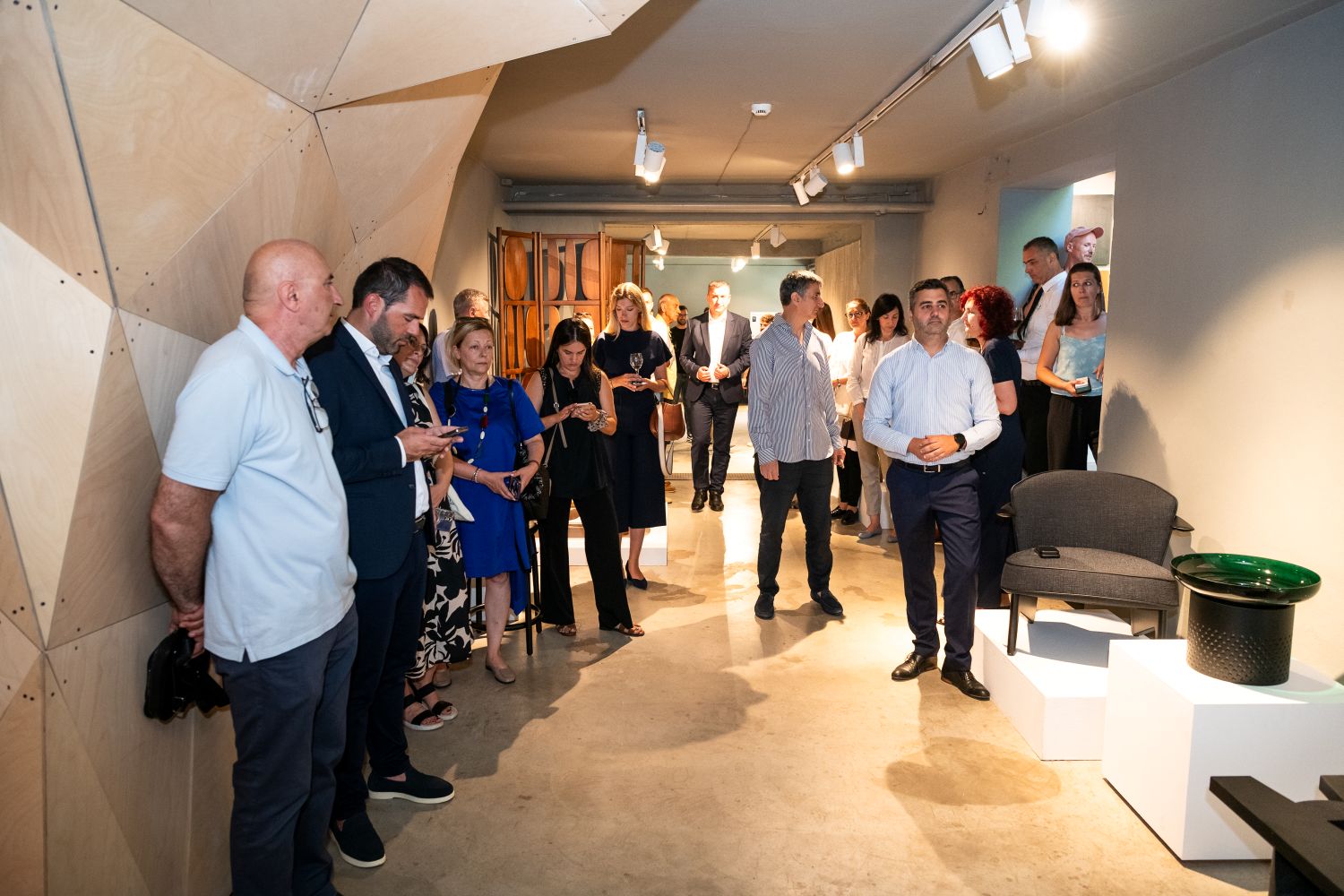
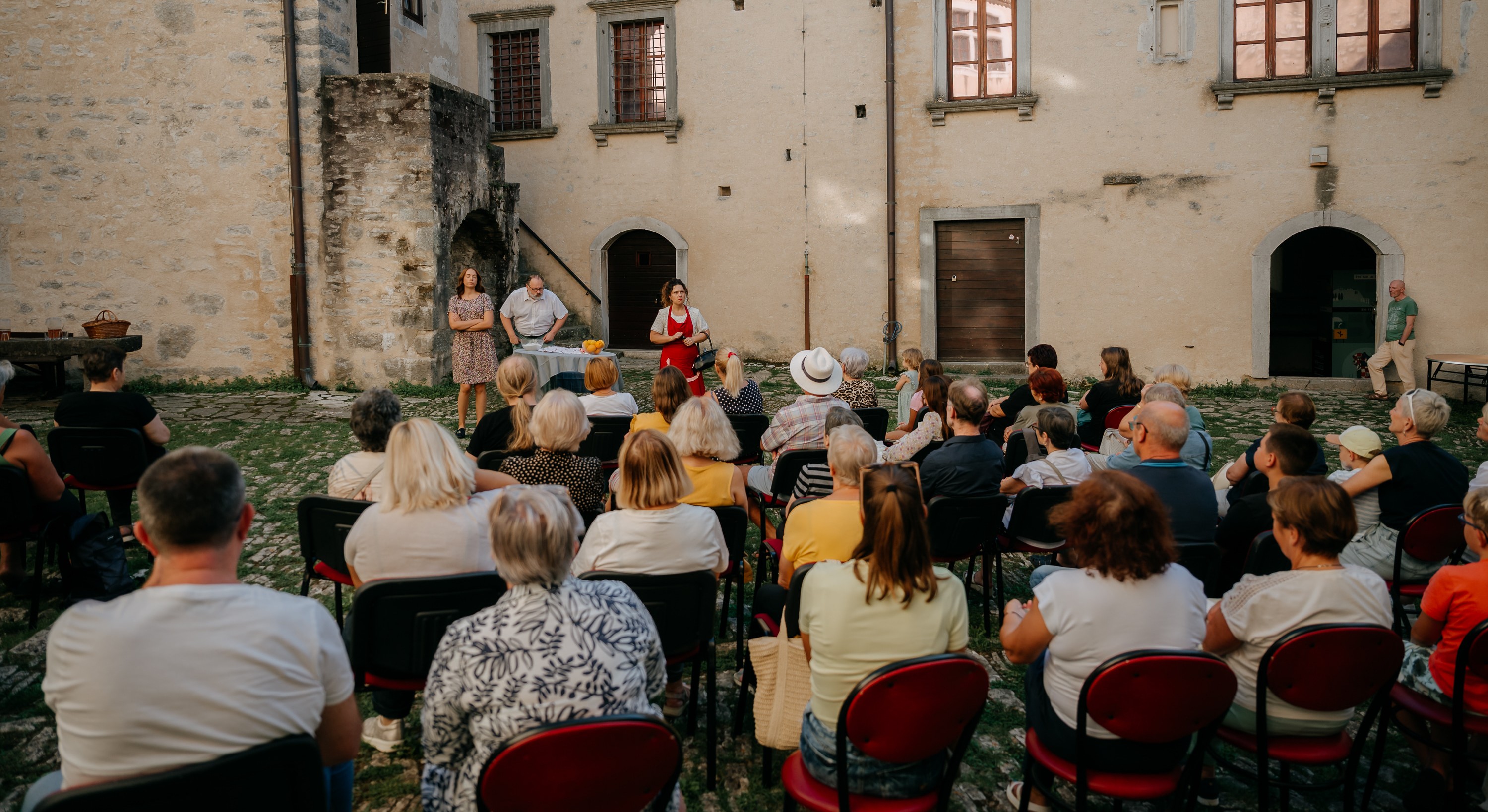
Merging monastic herbal-craft tradition with tourism packages and service design. The pilot action in the Kamnik region focused on developing new herbal tourism products based on the monastic heritage of Mekinje Monastery and on strengthening the Doroteja brand as a recognizable local heritage-based offer. The activities included the introduction of Doroteja’s Herbal Breakfast, one-, two- and three-day herbal packages with accommodation, herbal meals and workshops, and the development of two new hydrosols as part of the Doroteja product collection. The pilot also supported networking among herbalists and the formation of a local herbal community, helping to position Mekinje Monastery as a centre of herbalism and sustainable cultural tourism.

14/06/2026
By Zdenek Hanzal
Share on social media:



News & Events
Read the most recent updates and explore the upcoming events.





Would you like to receive project updates?
You're already part of our community!
Welcome to our newsletter community!
Subscribe to our newsletter