
The Values of Rural Communities in the Danube Region. Part 3
Danube Ruralscapes Study Trip | Mila 23 - Sulina - Izmail, 25–26 April 2026Where Water Becomes a Way of Reading the Landscape
Some landscapes do not reveal themselves from the road.
They ask us to change rhythm.
To follow water.
To listen differently.
After Tulcea, our Danube Ruralscapes journey moved deeper into the Danube Delta - toward Mila 23, Sulina and, through a smaller delegation of Lead Partner representatives, Izmail.
This was the moment when the Delta became more than a place on the map - it became a way of understanding the rural identity.
Here, water is not background. It is route, infrastructure, access, memory, economy and everyday life.
For Danube Ruralscapes, this brought one of the clearest field lessons of the journey: in the Delta, rural landscape identity is also shaped by access, routes, water, distance and the everyday systems that allow communities to live with place.
Credits: Desislava Mincheva
Entering the Delta
The Danube Delta is one of Europe’s most significant living landscapes. UNESCO describes it as a labyrinth of water and land shared between Romania and Ukraine, at the end of the 2,860 km-long Danube River. It is also recognised as Europe’s largest wetland and reed bed.
The UNESCO World Heritage Centre notes that the Delta hosts more than 300 bird species and 45 freshwater fish species in its lakes and marshes.
But facts alone do not explain the Delta.
They do not explain what happens when roads disappear.
They do not explain why distance feels different on water.
They do not explain how a village depends on channels, boats and seasonal rhythms.
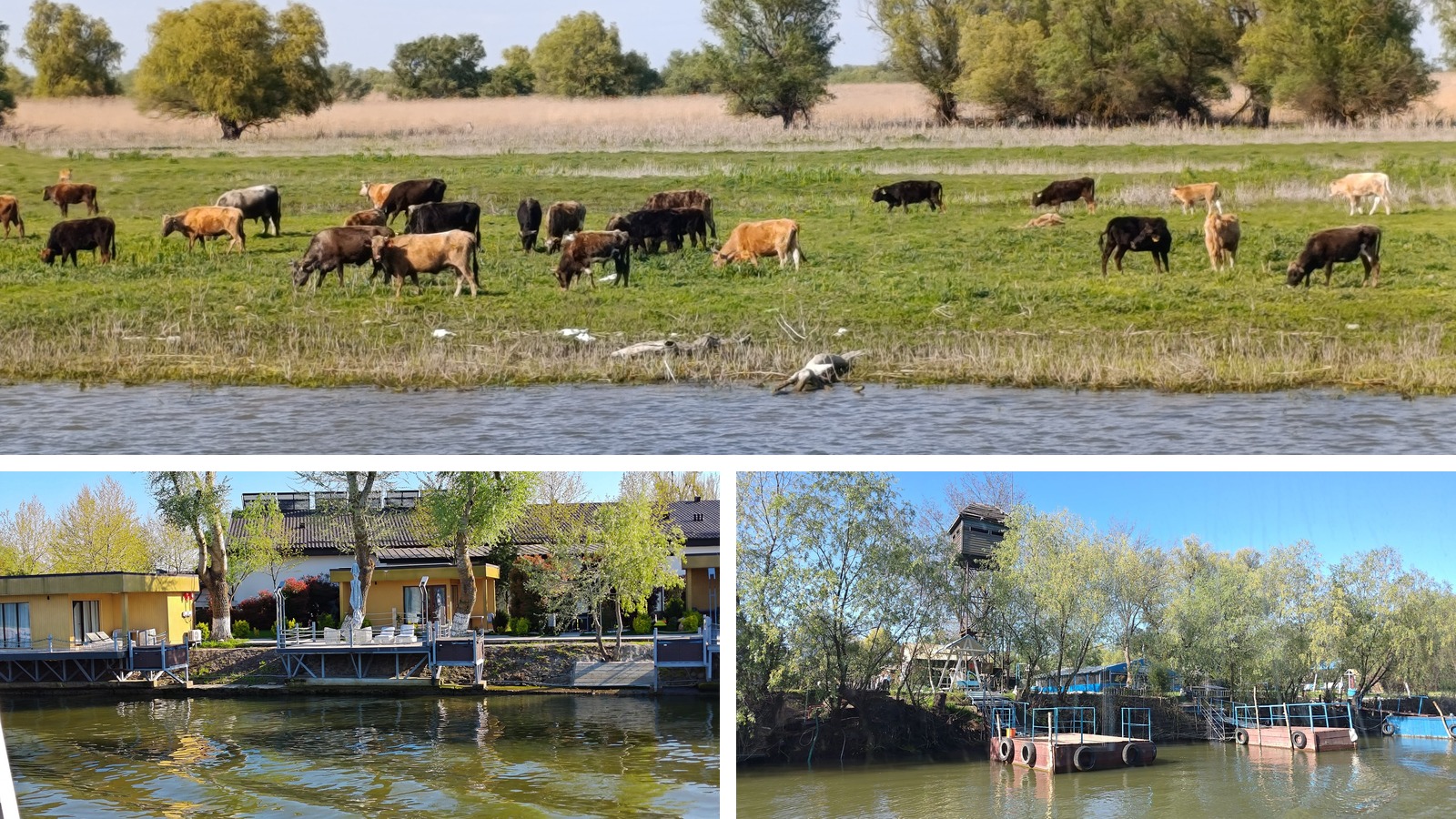
Photo credits: Lora Stefanova, Bálint Kádár
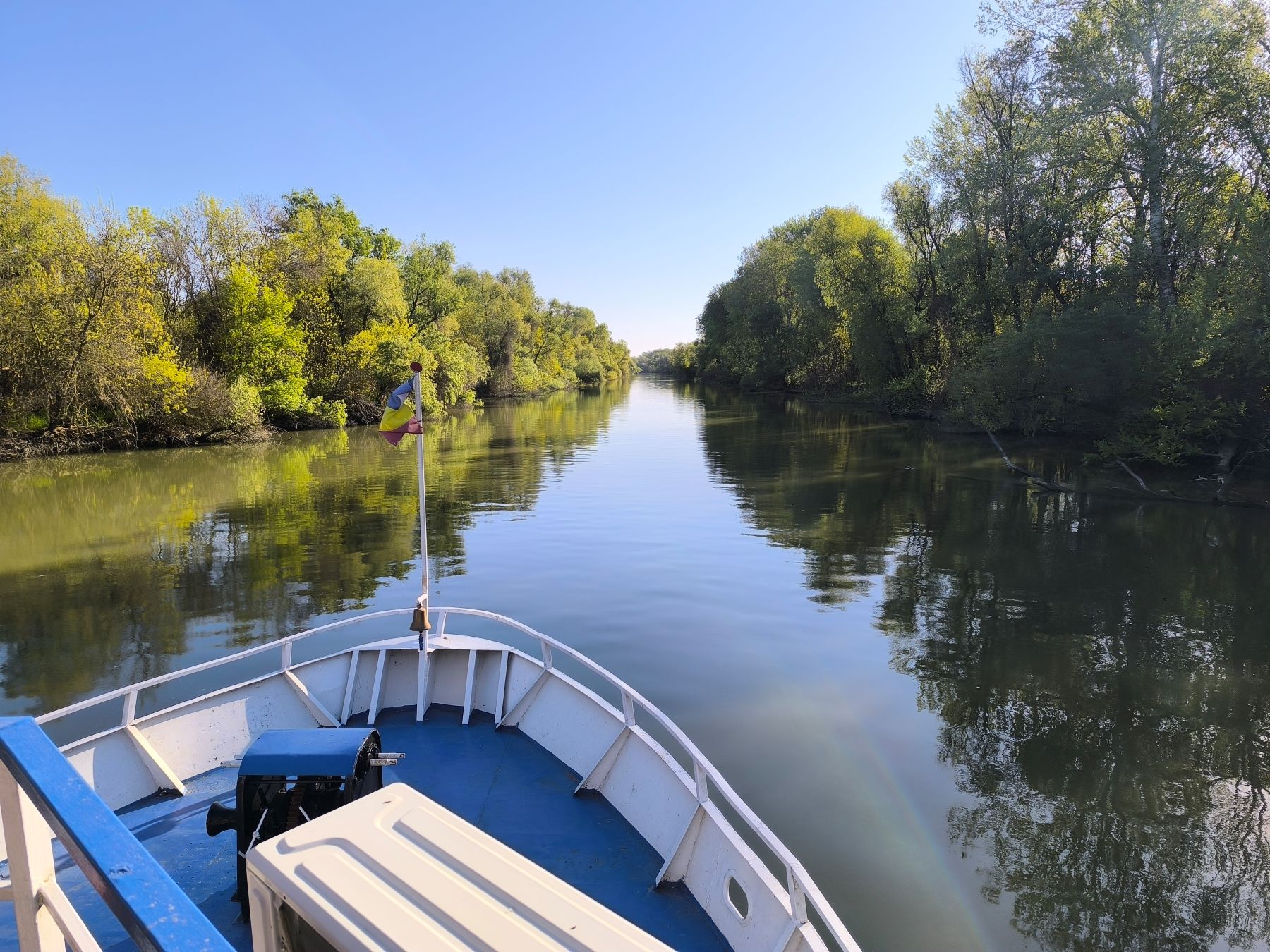
For us, entering the Delta by boat was not simply a transfer. It was the first lesson.
Settlements appeared gradually. Reeds became both borders and passages. The horizon opened and narrowed again. The route itself became part of the landscape story.
This is exactly where we see the purpose of Danube Ruralscapes. We are not only documenting rural landscapes as they appear. We are trying to understand how they work in everyday life - how people move, build, gather, adapt, use local knowledge and care for their surroundings.
Through the future Architecture and Rural Landscape Identity Guides, the project aims to support rural communities with practical, co-created tools that help them recognise the value of their architecture, landscapes and heritage, and use that knowledge for more sustainable, heritage-based futures. The project’s objectives include developing and piloting these Guides in seven micro-regions, building institutional capacity in rural areas, and supporting bottom-up governance and planning practices.
And in the Delta, movement is part of identity.
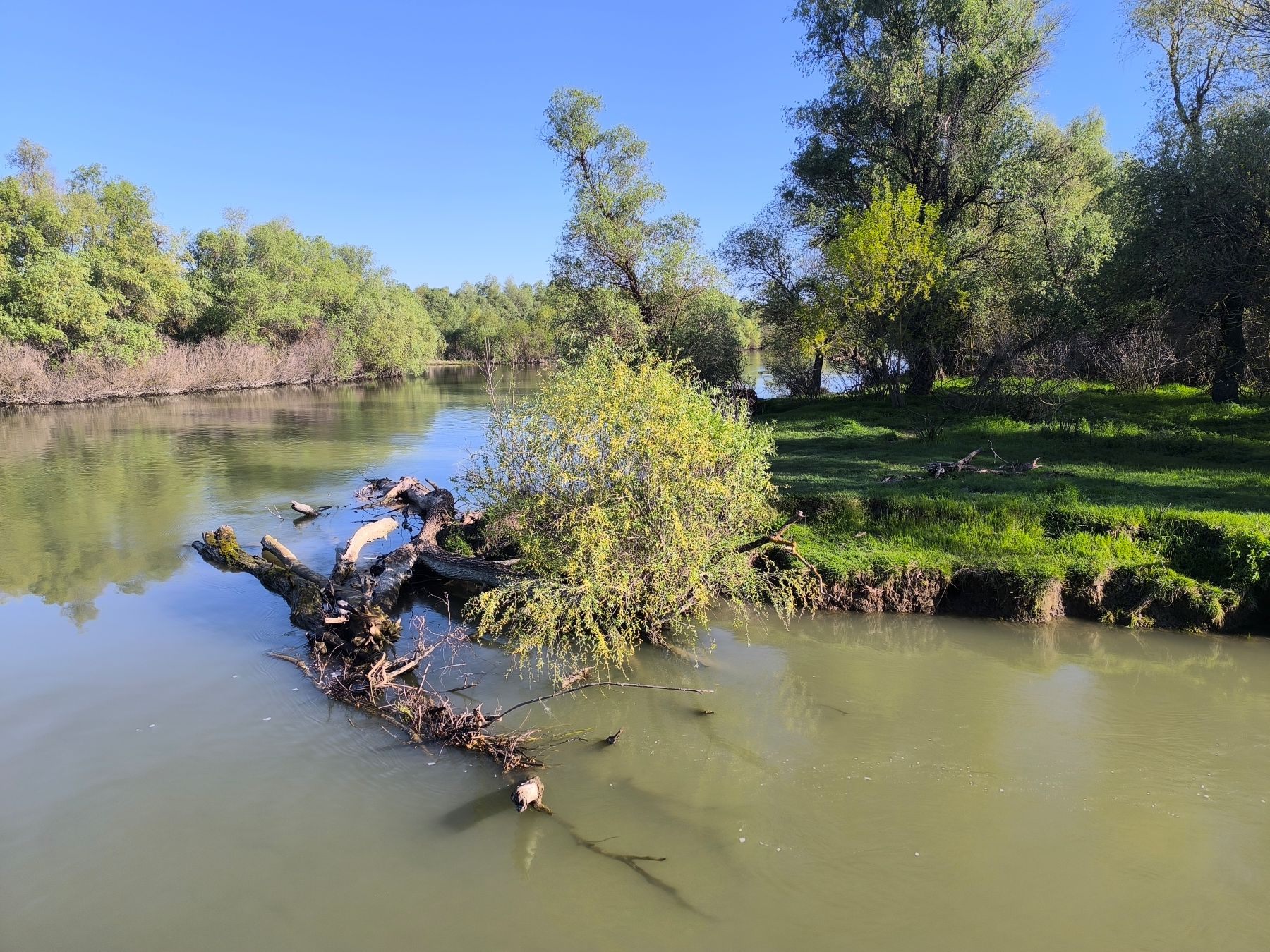
Credits: Desislava Mincheva
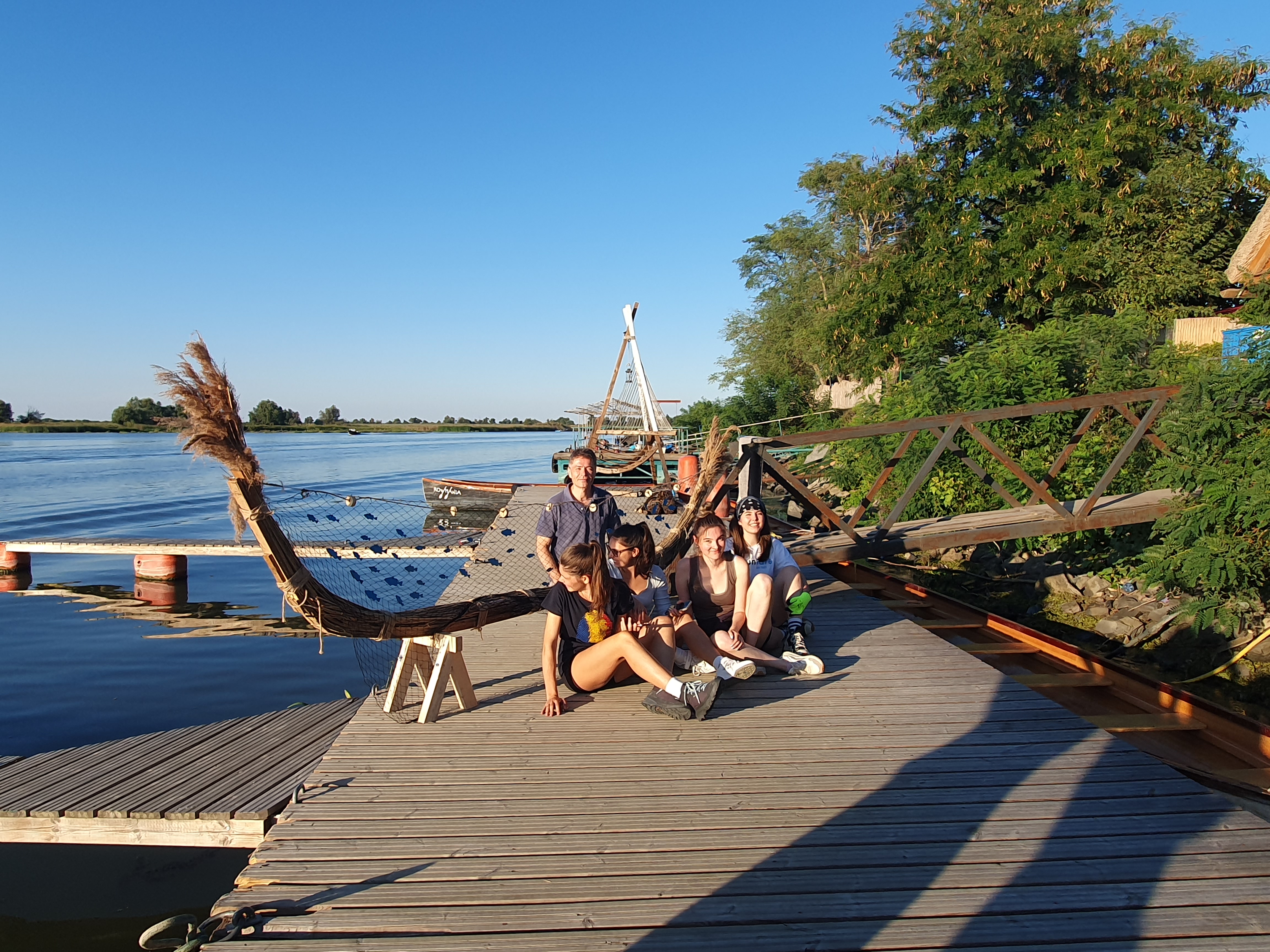
Mila 23: a village shaped by water
Mila 23 is one of those places where geography immediately becomes community experience.
For us, reaching it by water made access itself part of the story. Before any discussion, before any workshop, the route already showed how strongly daily life in the Delta depends on movement, distance and connection.
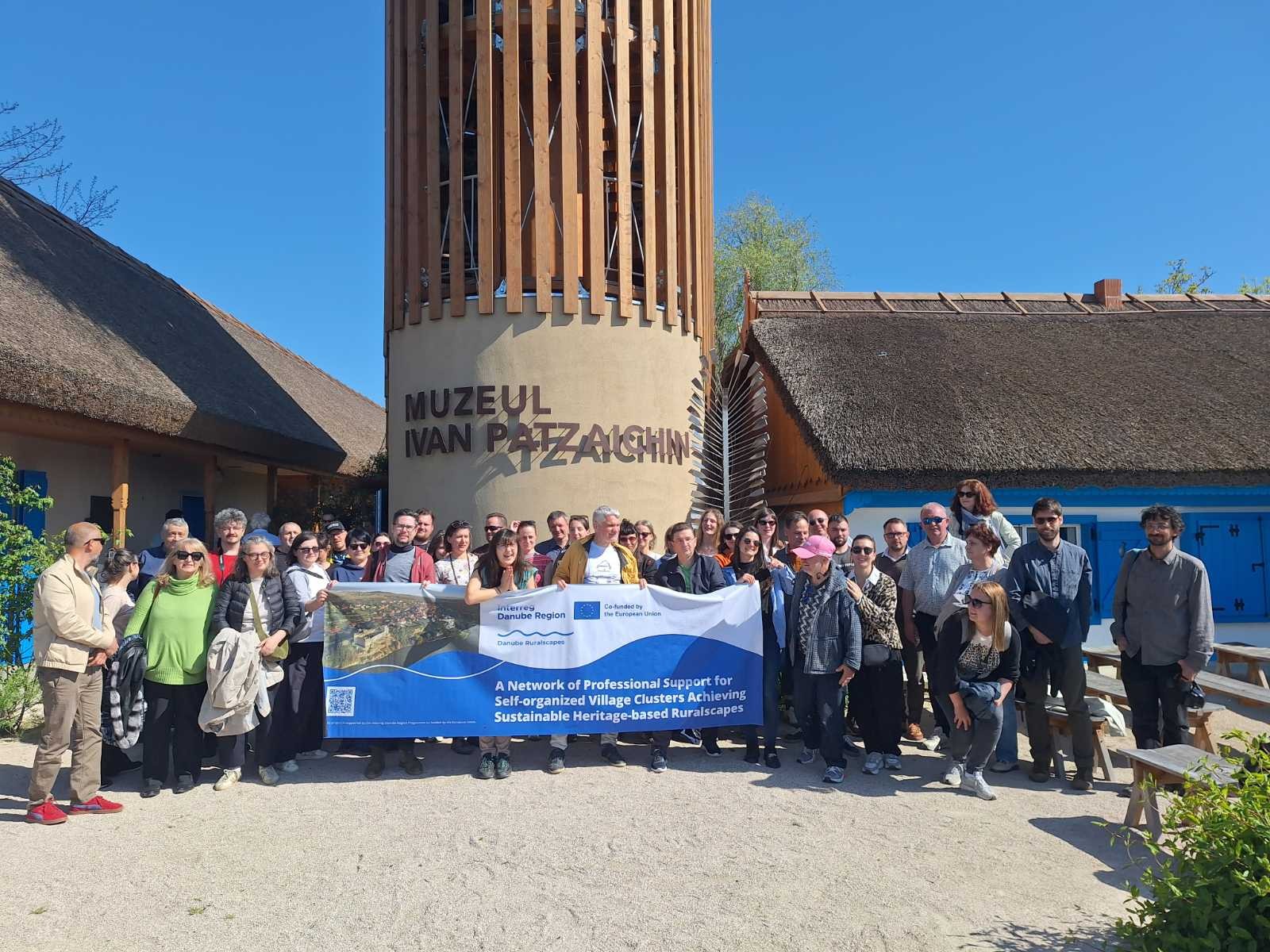
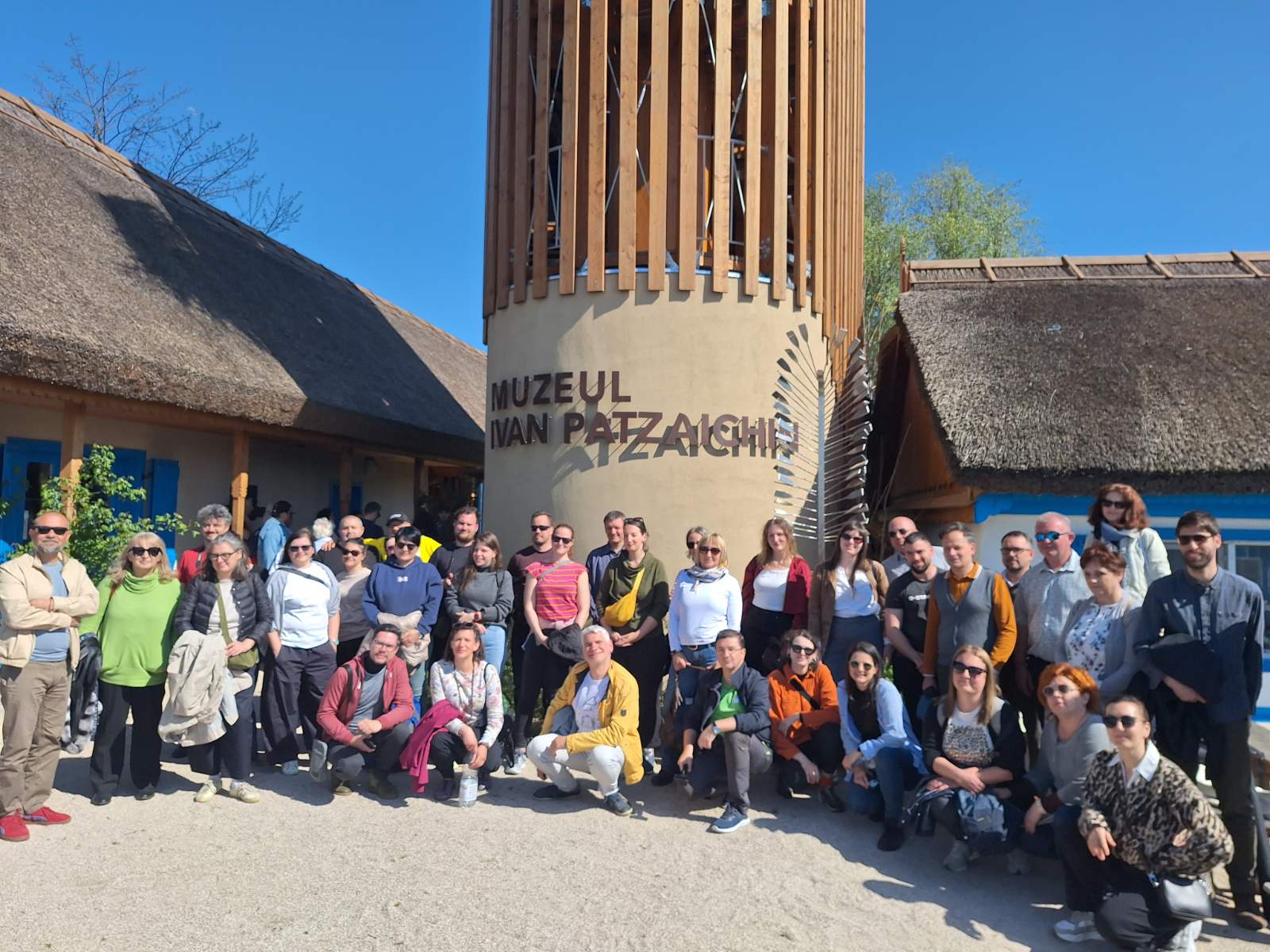
The village carries a strong Delta identity, closely linked to the Lipovan culture and to the legacy of Ivan Patzaichin, whose name continues to shape how many people understand the relationship between the Delta, movement and local pride.
What stayed with us most was not only the symbolic power of the place. It was the way Mila 23 showed how access shapes everyday life.
When a village is reached by boat, everything changes: mobility, services, materials, food supply, tourism, maintenance, hospitality, emergency access, economic opportunity and the rhythm of community life.
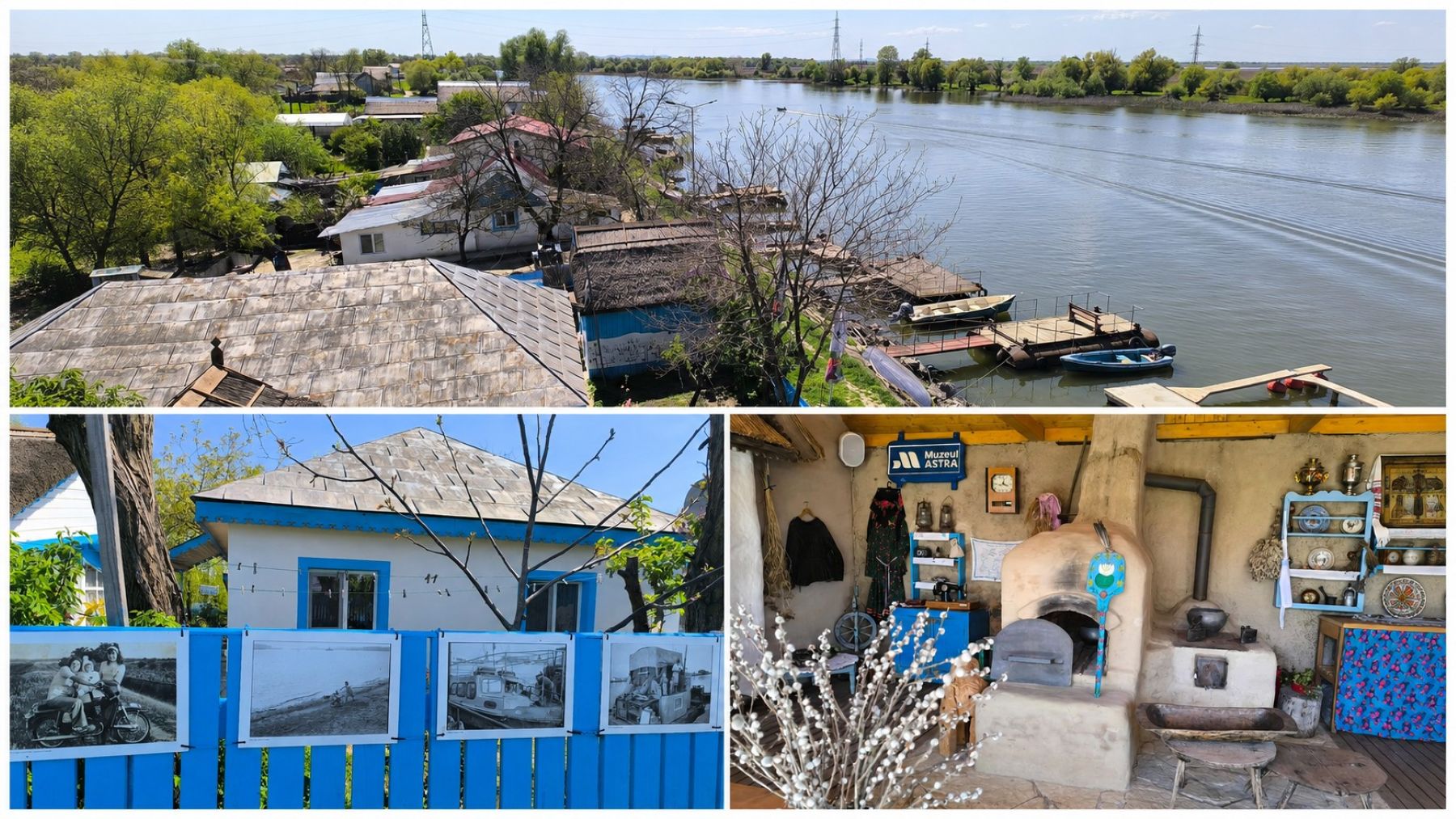
Photo credits: Desislava Mincheva
Here, landscape is not passive.
It shapes decisions.
It shapes time.
It shapes how people host, work, repair, travel and plan.
In Mila 23, we met colleagues from our twin project PlaceCraft. This exchange was valuable because both projects look at places, communities and cultural value - but from different directions.
PlaceCraft focuses on place-making, local practices and cultural activation. Danube Ruralscapes reads the same territories through rural landscape identity, architecture, local materials, sustainability, capacity building and territorial development.
The same place can hold more than one story.
For us, Mila 23 spoke about how a rural community builds identity through water, memory, movement, local knowledge and shared spaces.
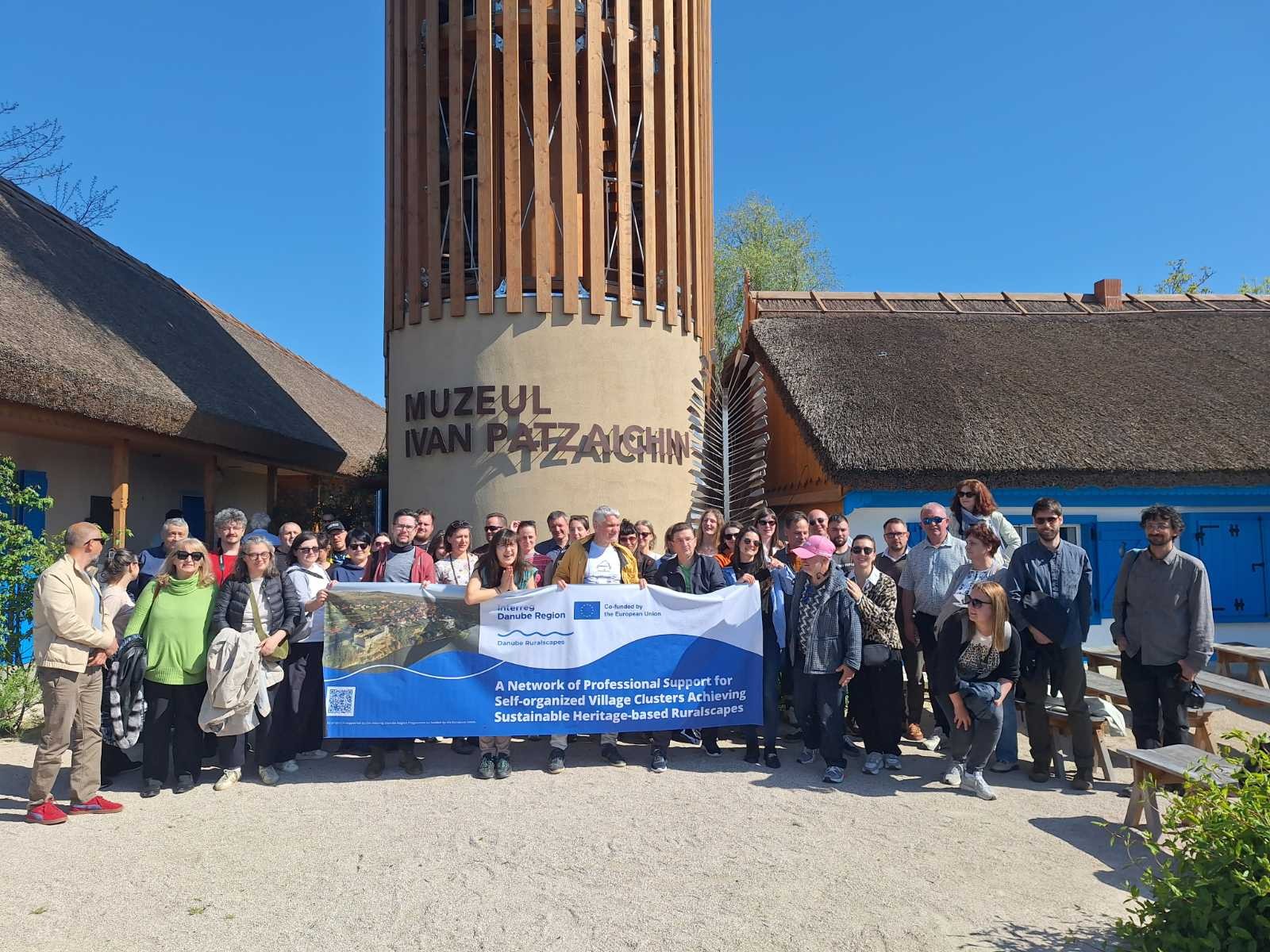
Ivan Patzaichin Museum, Mila 23. Credits: NTC BG Guide
Listening to place through workshops
The workshops in Mila 23 were not only a project activity.
They were a way of listening to place.
In a waterbound village, local values are not abstract. They appear in routes, boats, materials, food traditions, community spaces, gestures, stories and the daily knowledge of living with water.
For Danube Ruralscapes, this is where fieldwork becomes essential. It helps us move from large words - heritage, sustainability, identity, planning - toward lived realities.
What does sustainability mean when access depends on boats?
What does rural identity mean when water is the main route?
How can local knowledge become part of planning tools?
How can heritage support future development without becoming decoration?
These are the kinds of questions the Architecture and Rural Landscape Identity Guides need to hold.
The project framework places strong emphasis on local knowledge, participatory workshops, sustainable building practices, heritage management and public space design as part of the future Guides and related toolkits.
Mila 23 helped us understand this more clearly: a landing point, a channel, a boat route or a waterfront space can carry as much meaning as a street, square or building.
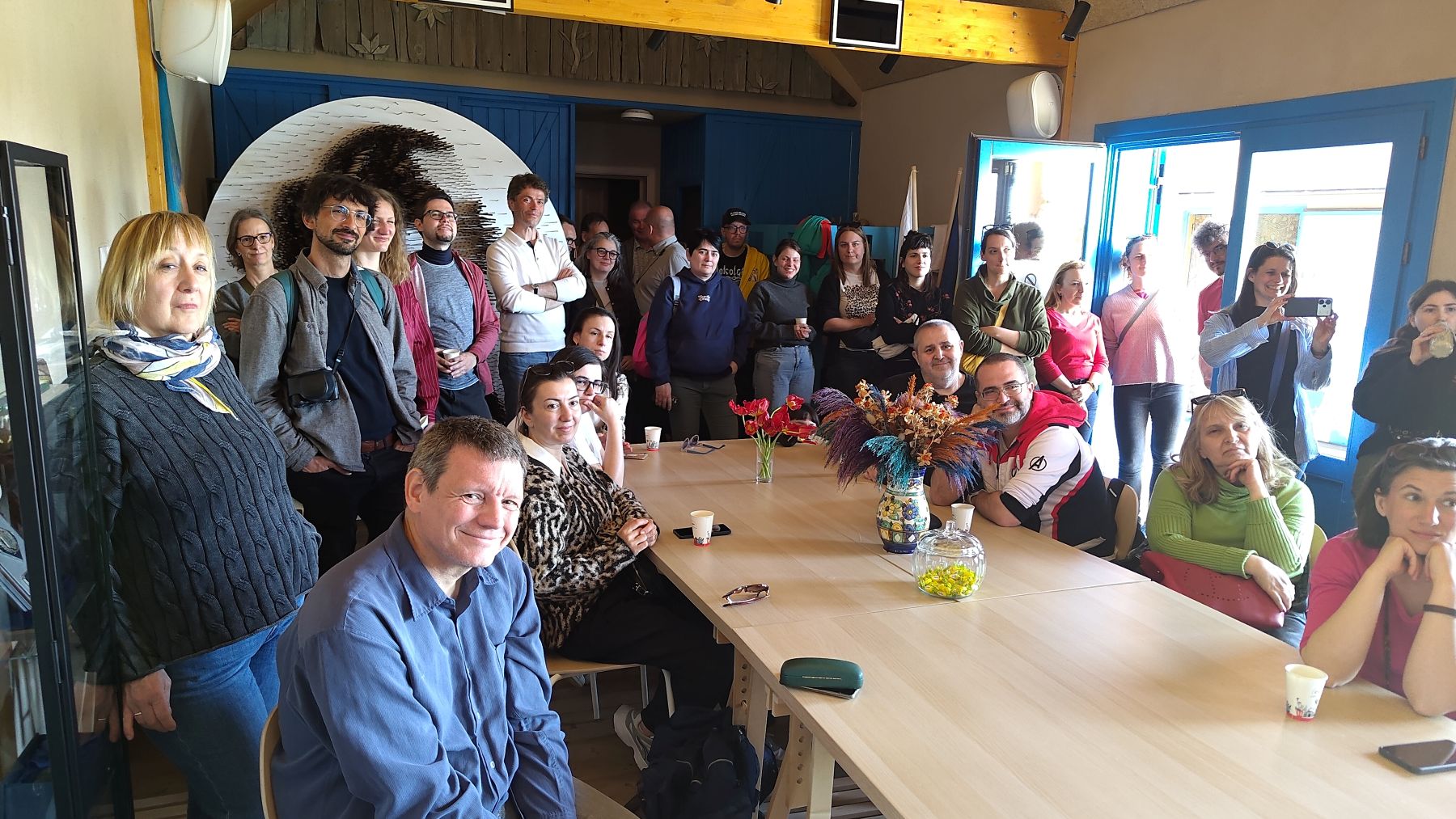
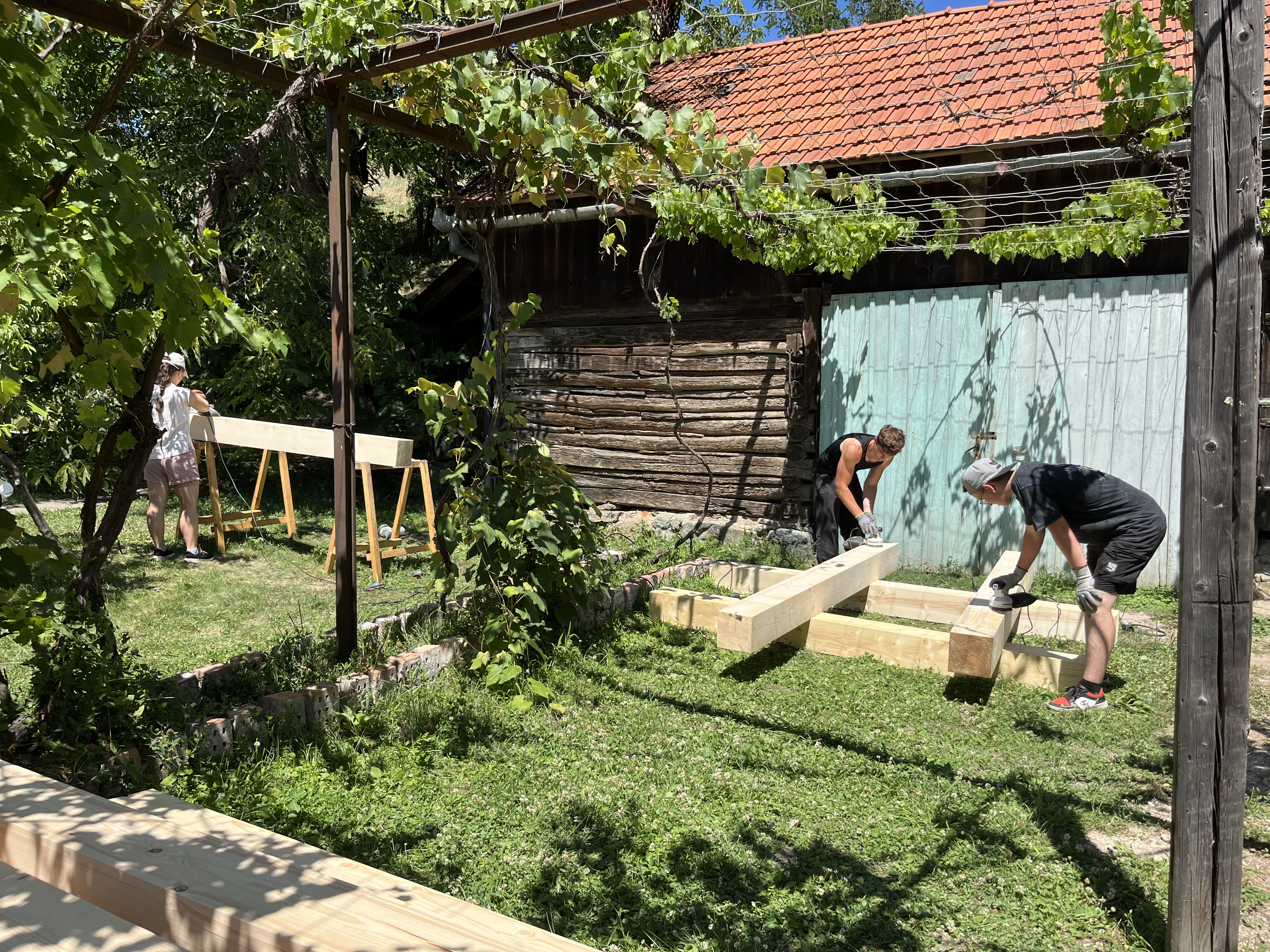
Mila 23 Workshops. Credits: Bálint Kádár
Sulina: where the Danube opens
From Mila 23, our journey continued toward Sulina.
The atmosphere changed again. If Mila 23 revealed the rhythm of a waterbound village, Sulina opened the Delta toward the sea, toward horizon, passage and layered history.
Sulina stands where the Danube opens into the Black Sea - a threshold between river and sea, land and horizon, memory and movement.
At the eastern edge of Romania, the town carries a remarkable European story. Between 1856 and 1939, Sulina was closely linked to the European Commission of the Danube, an institution created after the Crimean War to improve navigation and secure the Danube as an international waterway. Its presence helped transform Sulina into a major port and administrative centre connected to commerce, navigation and river engineering.
For us, this is why Sulina matters beyond its local history. It shows how infrastructure, governance and identity can shape the future of a place for generations.
A town may be small in size, but large in meaning when it sits at the crossing point of river routes, maritime access, cultural exchange and European cooperation.
In Sulina, these layers are still visible: port memory, river engineering, multi-ethnic traces, maritime infrastructure and a fragile present at the edge of water and land.
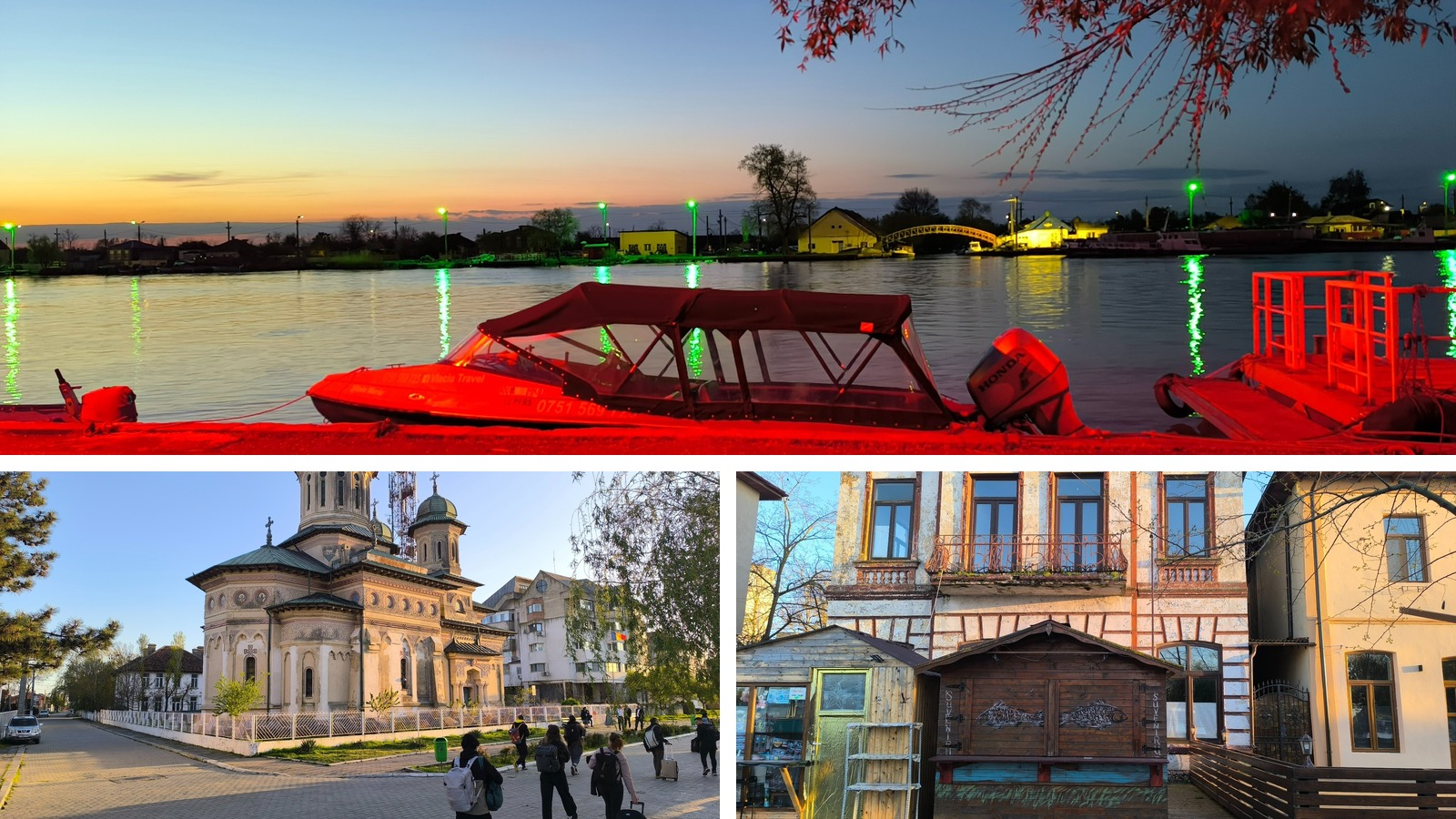
Photo credits: Desislava Mincheva
For Danube Ruralscapes, this made Sulina a powerful field lesson. Rural and small-town landscapes are not always peripheral because they are small. Sometimes, they are strategic precisely because they connect local life with wider systems - transport, borders, tourism, environmental change, heritage governance and regional cooperation.
Sulina reminded us that the future of rural landscapes cannot be planned only from the centre. It must also be understood from the edges - from places where river, sea, community and history meet.
Sulina is not simply where the Danube ends. It is where the Danube opens.
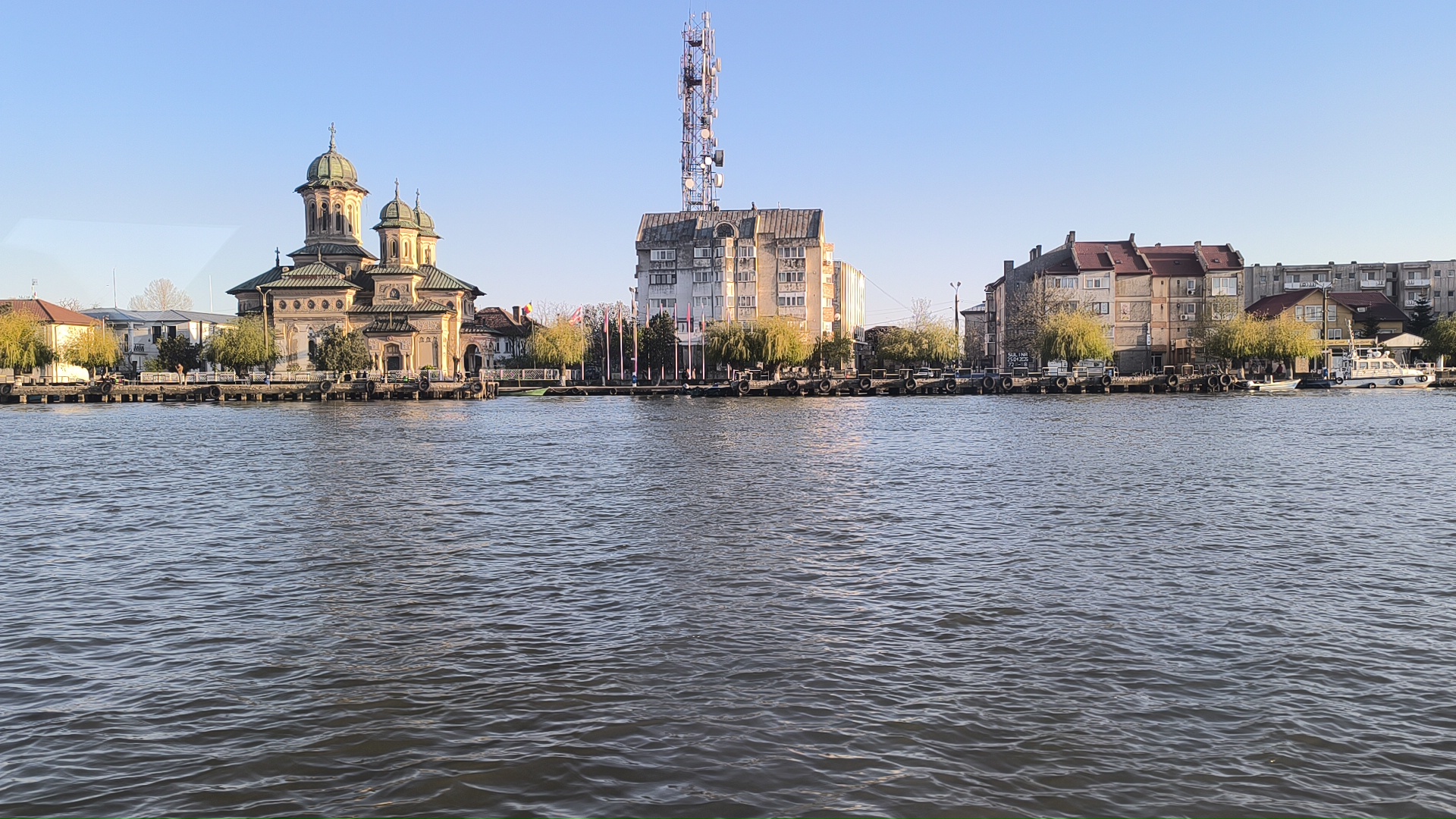
Sulina. Credits: Desislava Mincheva
Izmail: extending the Danube reflection
The final layer of our journey opened toward Izmail, Ukraine.
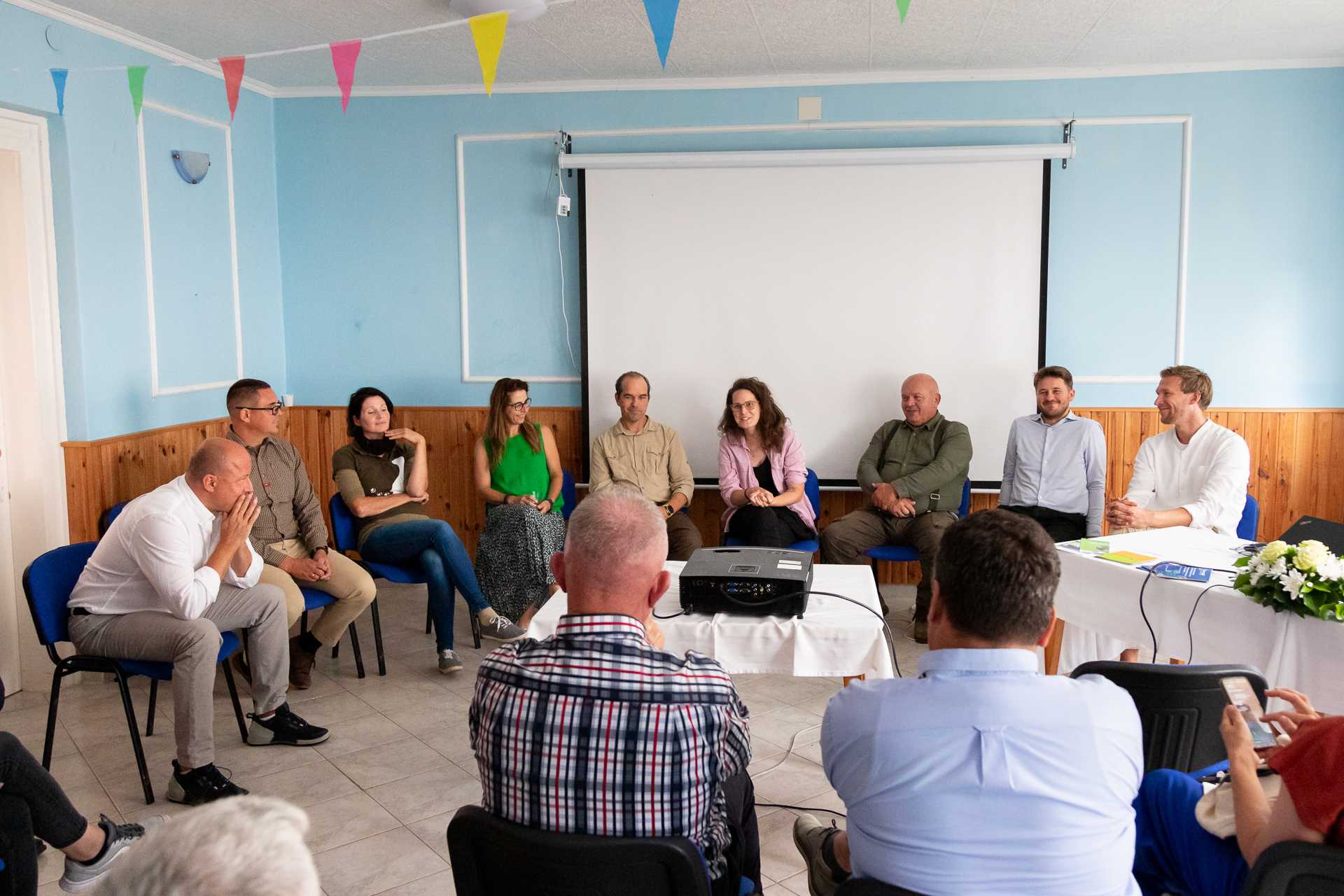
Izmail was visited by representatives of our Lead Partner, Budapest University of Technology and Economics, while the wider partnership continued the closing reflections from Sulina. There, they were hosted by our project partner, Izmail State University of Humanities, which extends the Danube Ruralscapes partnership eastward and strengthens the project’s cross-border knowledge exchange.
Izmail gives this part of our journey concrete Danube-region relevance. The city lies in southern Ukraine, on the north bank of the main Danube distributary, around 80 km from the Black Sea. It is described as a river port and transshipment point.
This matters because the Danube Delta is not only a Romanian landscape. It is a shared system of waterways, borders, ecosystems, histories and communities. Izmail brings the Ukrainian dimension of this wider Danube landscape into view.
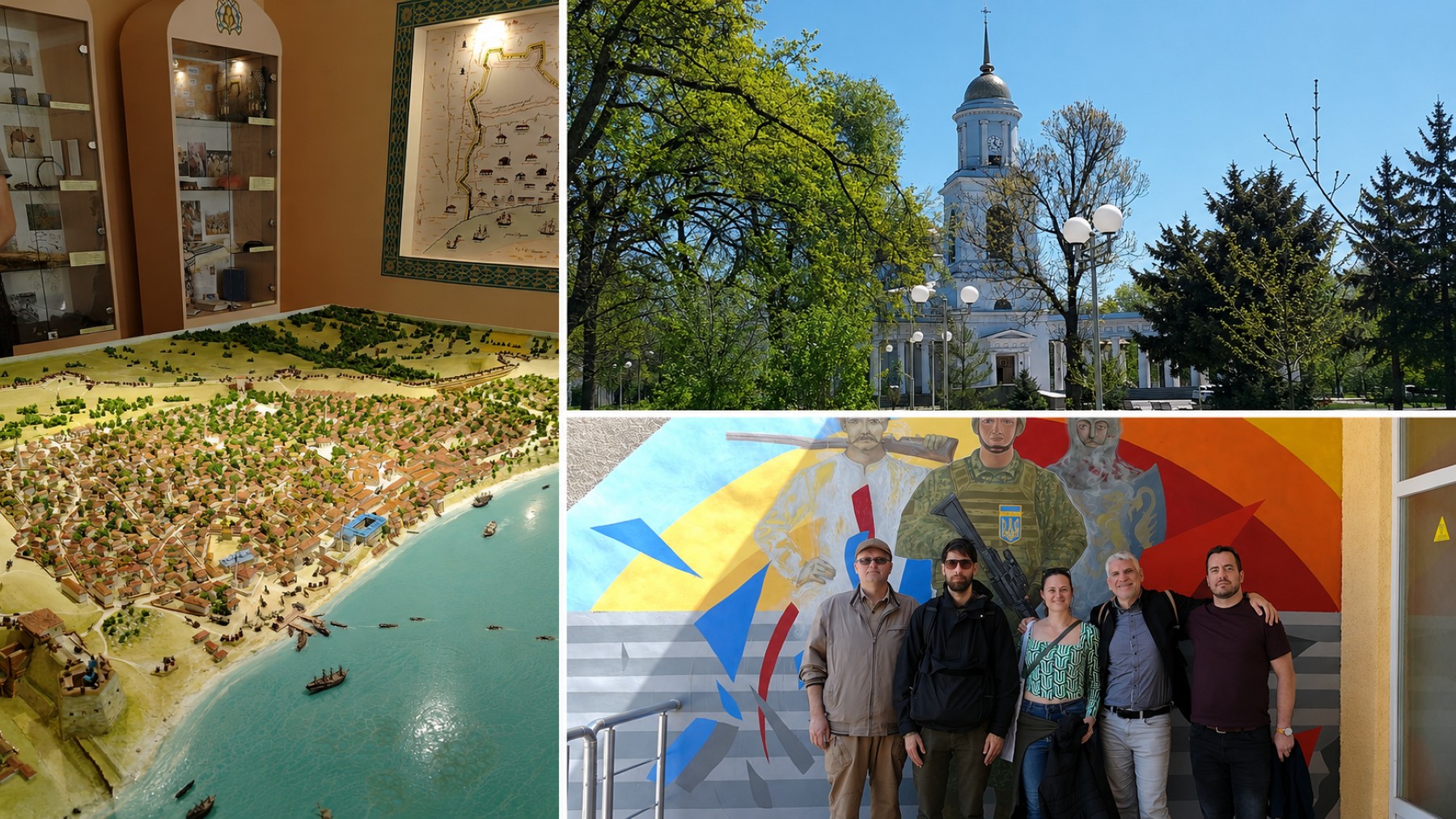
Photo credits: Bálint Kádár
For us at Danube Ruralscapes, Izmail adds a precise cross-border dimension to the field reflection. It reminds us that rural landscape identity along the Danube is both local and transnational. A village, port, riverbank or community may belong administratively to one territory, but many of the challenges are shared: heritage preservation, sustainable planning, local capacity, demographic pressure, landscape management, climate adaptation and the need for practical governance tools.
This is also why the project works through a transnational model: strengthening rural-regional-academic cooperation, building institutional capacity and supporting policy recommendations across the Danube Region.
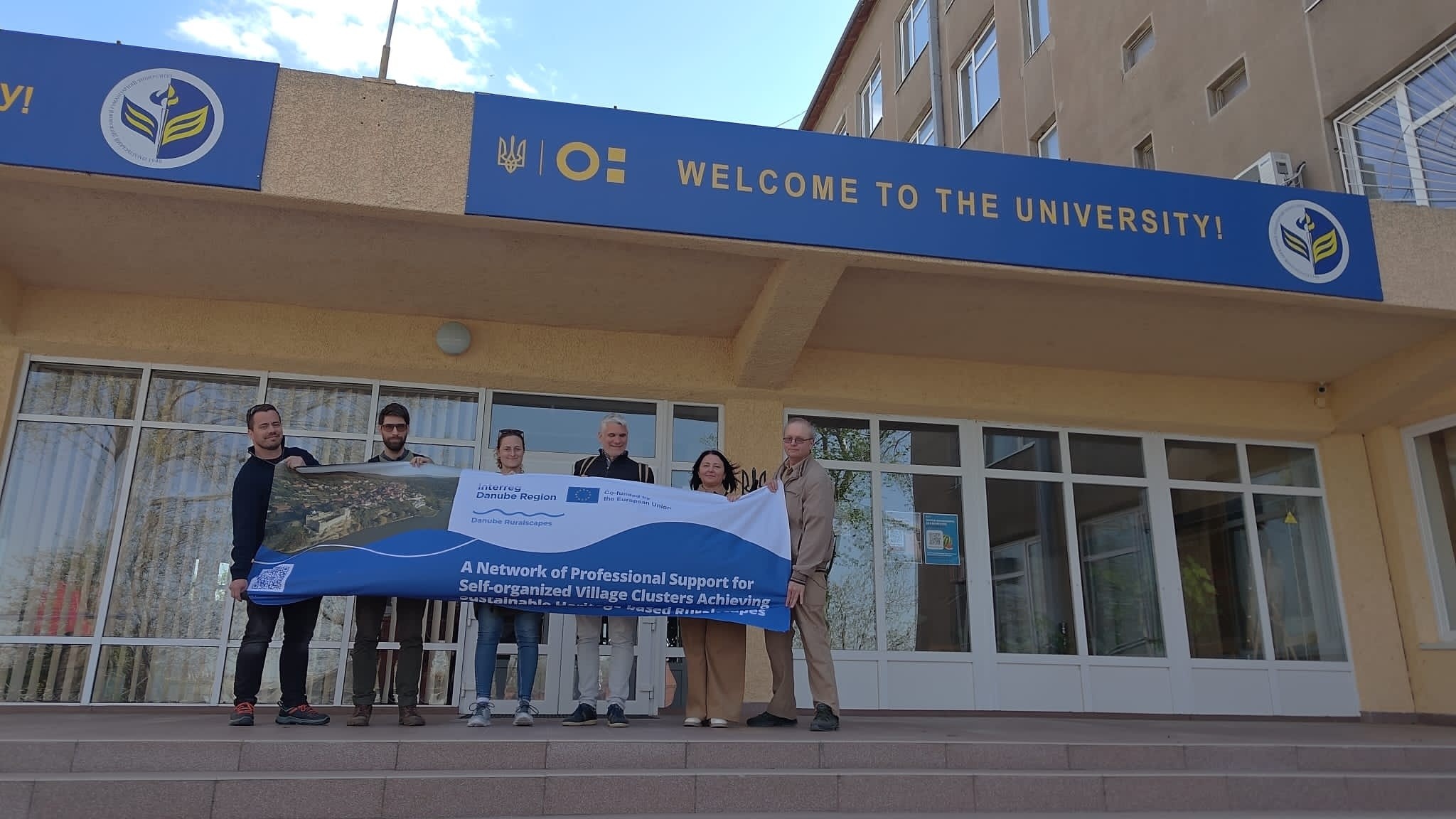
Izmail University of Humanities. Credits: Bálint Kádár
From waterbound landscapes to shared rural futures
Across Mila 23, Sulina and Izmail, the Delta gave us several lessons.
We understood more clearly that movement is part of rural identity. Boats, channels, routes and distances are not simply practical realities. They shape how communities live, connect, plan and imagine their future.
We also saw that water functions as infrastructure. It determines access, services, economic life, memory and everyday rhythm. In a waterbound landscape, planning cannot be separated from mobility, climate, local practice and the knowledge of those who navigate the place every day.
Another important lesson was that local knowledge is not informal or secondary. It is a resource. The ways people build, repair, host, guide, cook, adapt and move through the landscape are part of the intelligence of the place.
In Mila 23, this knowledge appeared through community spaces, workshops and local dialogue.
In Sulina, it appeared through the layers of a small town carrying maritime, European and governance histories.
Through Izmail, it reminded us that Danube landscapes are local, but never isolated.
For us at Danube Ruralscapes, these lessons confirm why the future Architecture and Rural Landscape Identity Guides must grow from lived places. They need to reflect not only houses, streets and courtyards, but also boats, channels, riverbanks, lighthouses, food traditions, meeting places, memories and everyday practices.
Because rural landscape identity is not something that can be designed from outside.
It has to be recognised, understood and carried forward together with the people who live it.
The Danube Ruralscapes partnership warmly thanks “Ion Mincu” University of Architecture and Urbanism, the Romanian Order of Architects, Asociația Ivan Patzaichin – Mila 23, all Danube Ruralscapes partners, and all local hosts, guides, craftspeople, stakeholders and community members who contributed to this part of the journey.
Together, they helped turn the Delta field experience into a shared reflection on how water, memory, local knowledge and transnational cooperation can support more sustainable rural futures across the Danube Region.
#DanubeRuralscapes #DANUrB
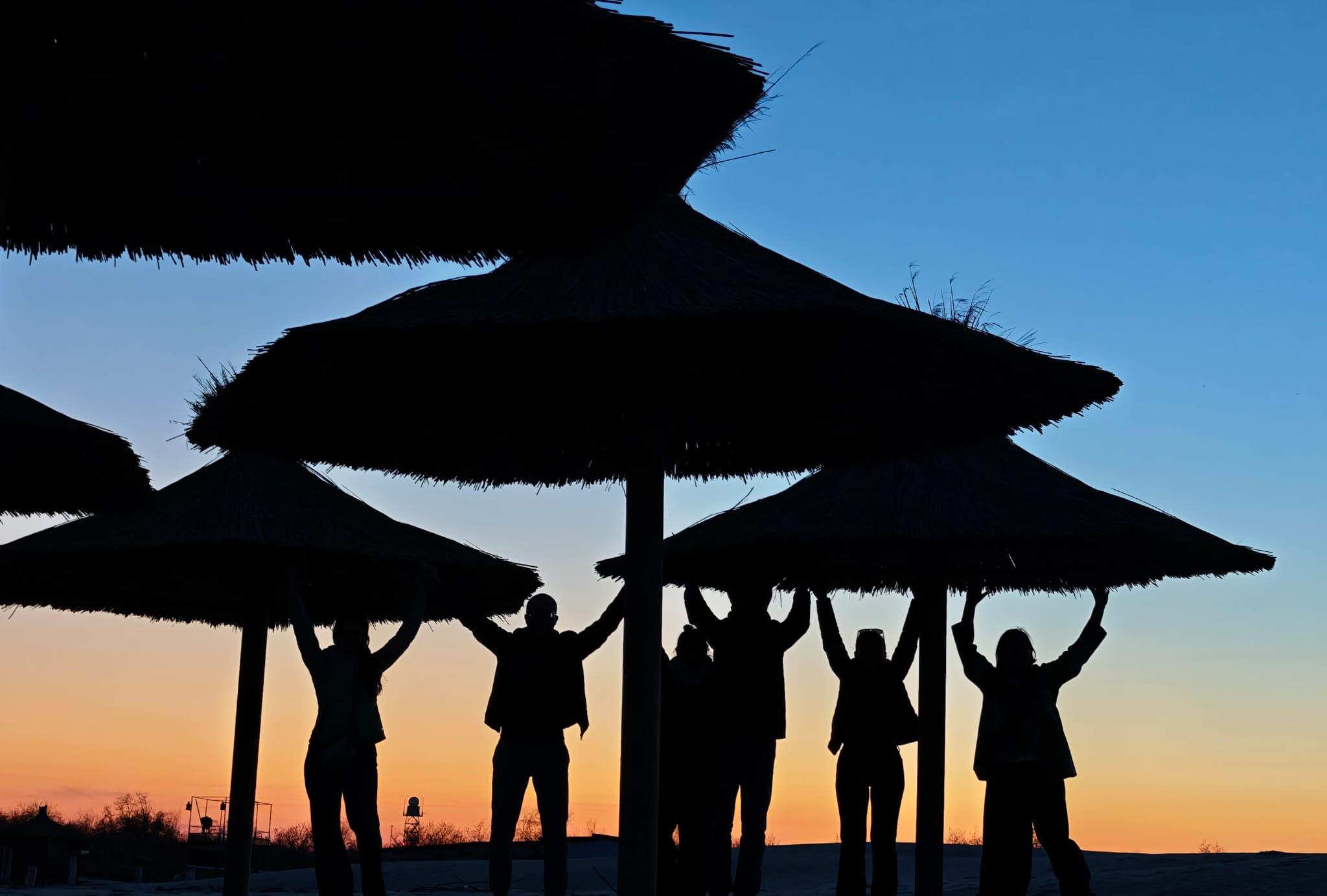
Where the Delta opens toward the Black Sea. Credits: Marius Voica

21/05/2026
By Desislava Mincheva-Yordanova
Share on social media:


Cooperation

News & Events
Read the most recent updates and explore the upcoming events.


Would you like to receive project updates?
You're already part of our community!
Welcome to our newsletter community!
Subscribe to our newsletter