
Danube Ruralscapes Pilot Regions
Ipoly Valley & Börzsöny Hills / Hungary
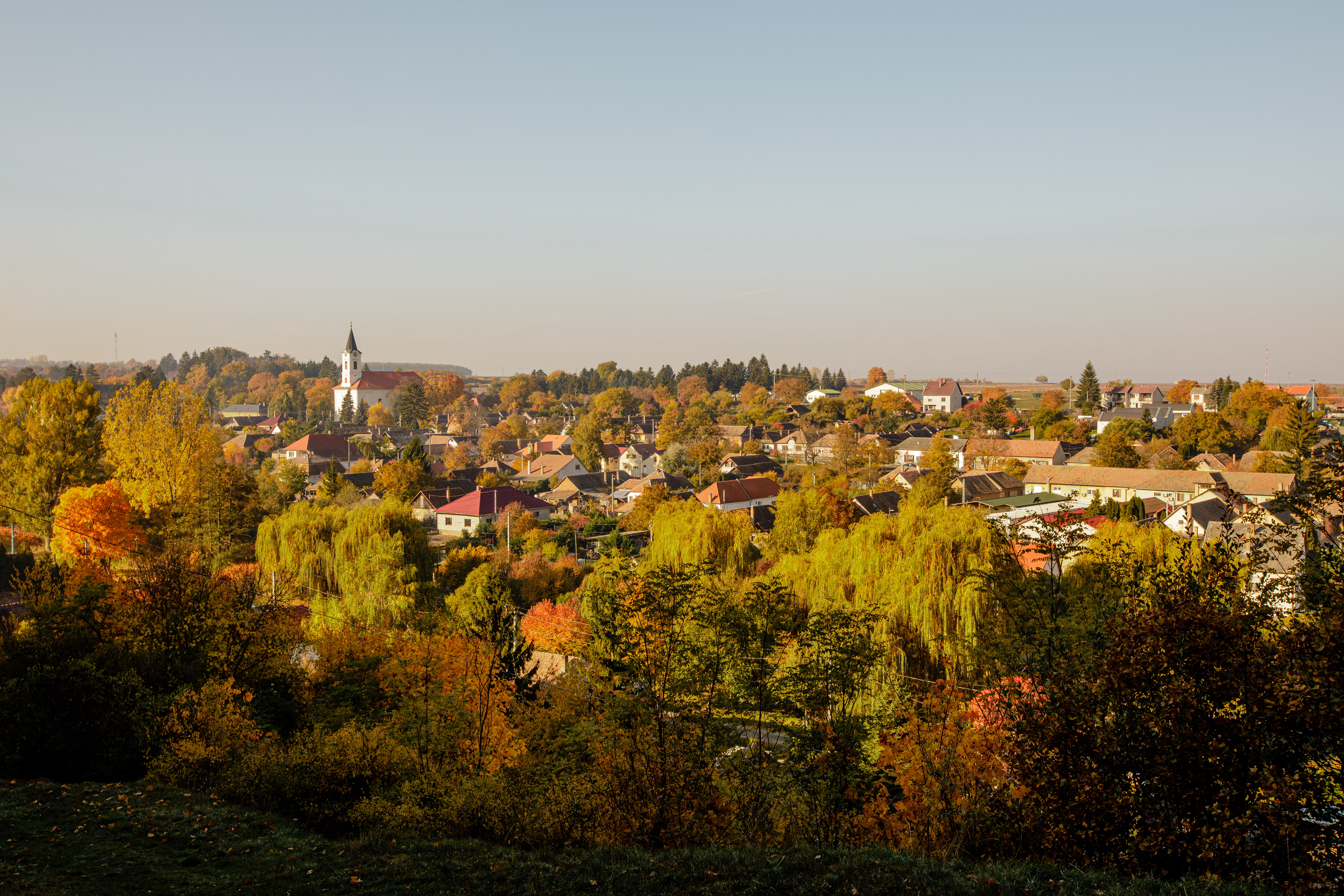
At the upstream edge of Danube Ruralscapes, the Lower Ipoly Valley opens the pilot-region journey with a landscape of connection: a cross-border rural world where the Ipoly River, the Börzsöny Mountains, Palóc traditions, wetlands, forests, orchards, mills, wine cellars and village streets form one shared identity across Hungary and Slovakia. Here, heritage is not a postcard backdrop - it is everyday knowledge, local craft, slow mobility, landscape memory and the quiet infrastructure of rural life. The challenge is that this identity is visible, but still underused: a rich borderland with strong natural and cultural assets, yet facing the familiar pressures of village decline, fading traditions and limited local economic opportunities. Through Danube Ruralscapes, Budapest University of Technology and Economics, KÉK - Contemporary Architecture Centre and Pest County Municipality are helping the region turn this potential into practical guidance: participatory planning, community-driven design, climate resilience, slow tourism and a regional identity guide that can help villages recognise their shared landscape as a resource for a more confident rural future.
Aron Dorka, Pest County Municipality
Baranja - Kneževi Vinogradi / Croatia
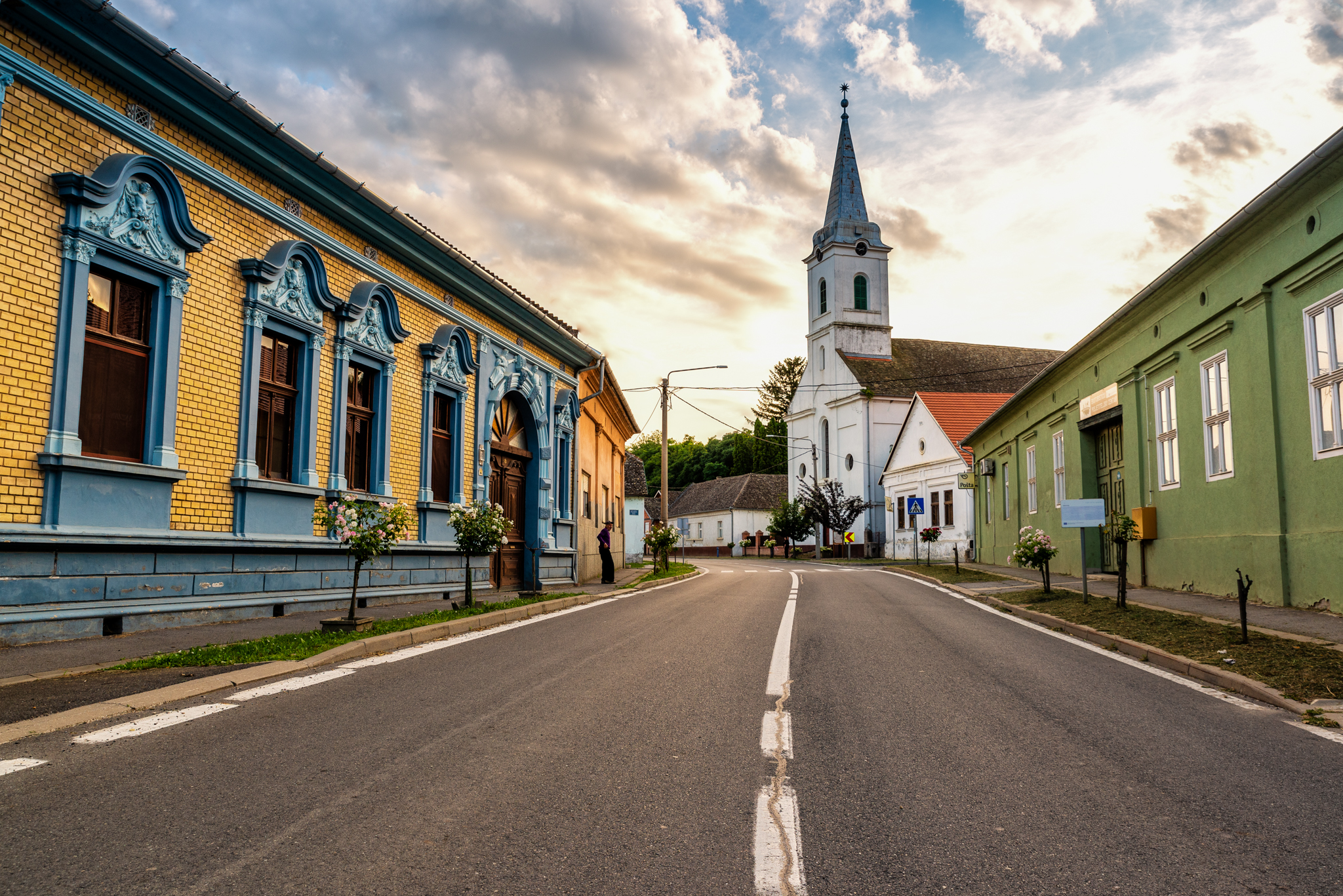
Further downstream, Baranja / Kneževi Vinogradi brings Danube Ruralscapes into a rural landscape shaped by fertile land, wine culture and centuries of coexistence between communities. Set between the Danube and Drava rivers, Baranja is recognised for its traditional Pannonian houses, rural estates, wine cellars known as gatori, sacral architecture, vineyards, gastronomy, village festivals and preserved customs - a living mosaic where built heritage and everyday culture still speak the same language. Its challenge is not a lack of identity, but how to keep that identity alive without turning it into a tourist backdrop. Here, the Faculty of Civil Engineering and Architecture Osijek and the Municipality of Kneževi Vinogradi are working with local and regional stakeholders to strengthen sustainable spatial planning, protect rural landscape character and develop guidelines that help Baranja pass its stories, customs and landscapes to future generations - not frozen in the past, but renewed with purpose.
Nenad Milic, Ines Palko Tatai, Knezhevi Vinogradi Municipality
Braničevo Region - Golubac / Serbia
Moving further downstream, Braničevo Region / Golubac brings Danube Ruralscapes to one of the river’s most dramatic thresholds: a place where the Danube opens wide, the Golubac Fortress anchors the horizon, and villages stretch between the riverbank, surrounding hills and deeply rooted rural traditions. This is a landscape of strong visual identity, but also of fragile continuity - where the challenge is to ensure that the benefits of a powerful destination do not stop at the fortress, but reach the smaller settlements, their public spaces, building traditions and everyday community life. RDA Braničevo-Podunavlje and the University of Belgrade - Faculty of Architecture are working with local stakeholders to recognise rural building patterns, strengthen environmental awareness, support heritage-based tourism and give new confidence to villages that already carry the beauty and potential of the wider Danube landscape.
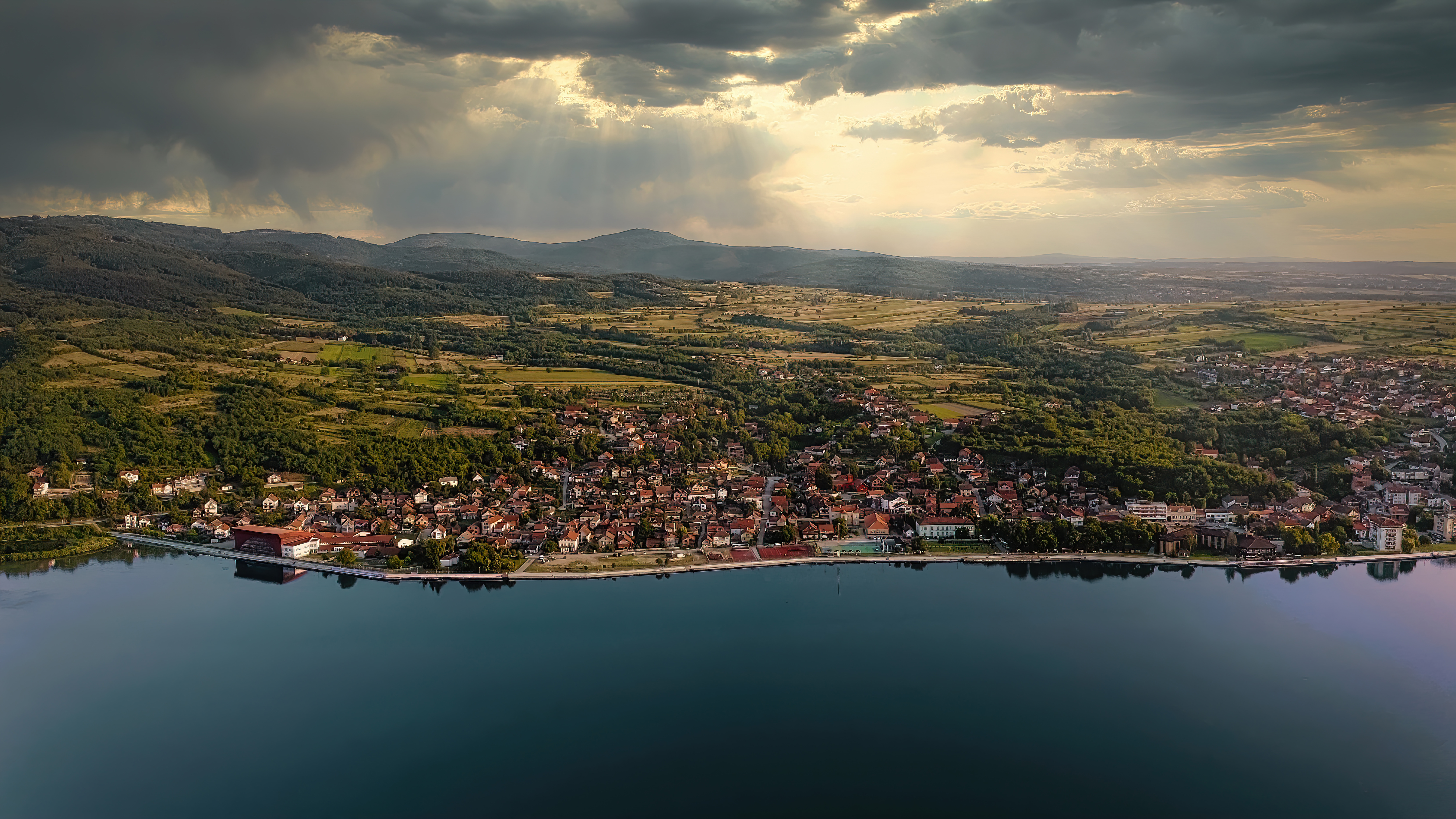
Jelena Petrovic, RDA “Braničevo- Podunavlje" Ltd.
Banat Mountains - Iron Gates / Romania
Further along the Danube, Banat Mountains / Iron Gates brings the pilot-region journey into one of Romania’s most powerful cultural landscapes: a place where mountains, river passages, settlements and long layers of human presence meet in a dramatic natural frame. Identified by the UPT team as a coherent landscape unit in the southern Western Carpathians, the Iron Gates Region combines recognisable natural and human-made characteristics with striking diversity - spreading across two development regions, two counties, two cities, one town and nine rural territorial administrative units. Its challenge is scale and visibility: how can small Danube and mountain villages remain liveable, recognisable and locally rooted inside such a vast and complex setting? Through Danube Ruralscapes, the Polytehnic University of Timișoara and Mehedinți County Council work with local and regional stakeholders to connect research, planning, architecture, governance and public engagement, helping top-down frameworks and bottom-up local knowledge meet in service of the region’s cultural landscapes.
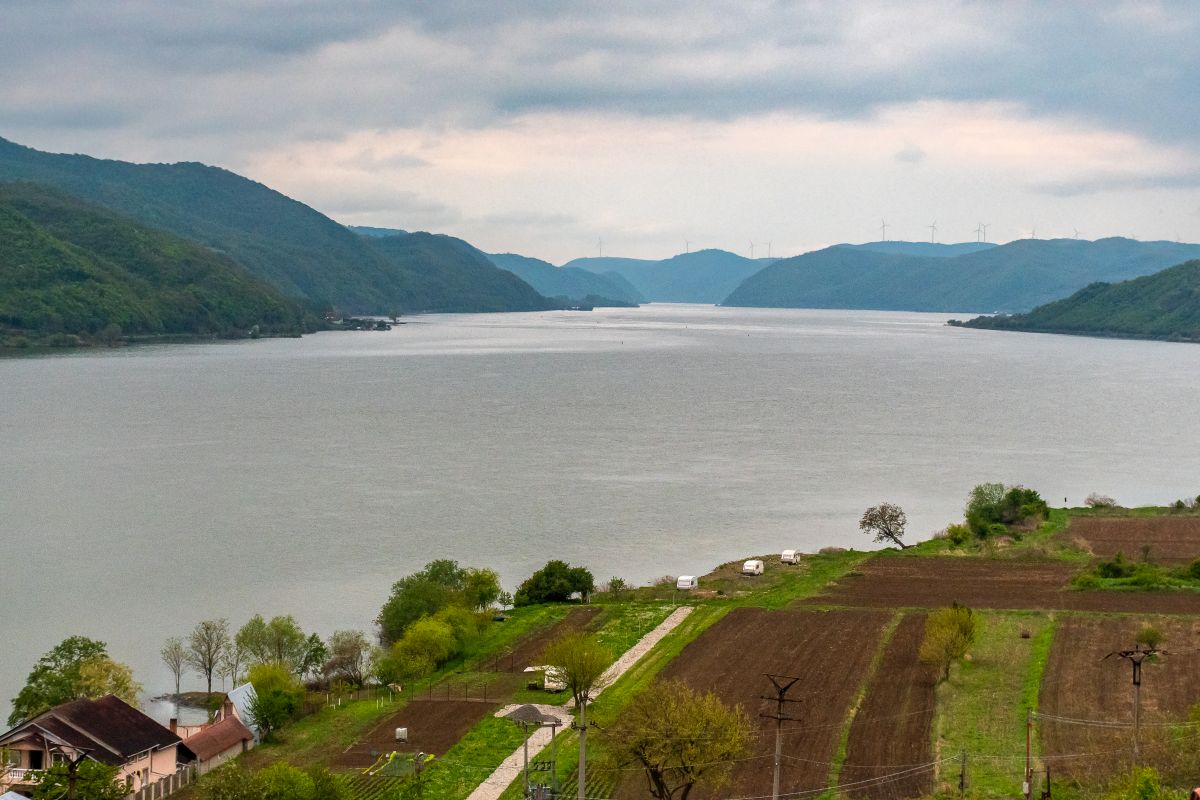
Adrian Radulescu
Nikopol Region - Pleven District / Bulgaria
Further downstream, Nikopol Region / Pleven District brings Danube Ruralscapes to Bulgaria’s northern river edge: a place where steep Danube cliffs, historic settlements, island wetlands and village traditions meet in one compact but deeply layered rural landscape. Centred on Nikopol Municipality, with its 13 villages including Asenovo, the pilot region is anchored by the hilltop memory of Kaleto / Shishmanova Fortress and opens toward the Danube’s wetland-and-island system, including the Nikopol Island Group within Persina Nature Park. Its challenge is clear and urgent: how can villages facing depopulation, economic decline and limited access to planning support turn their heritage into a real development strength, not just a fragile memory? Here, National Tourism Cluster "Bulgarian Guide" and Association of Danube River Municipalities "Danube" are helping local stakeholders connect heritage valorisation, responsible tourism, spatial planning, local participation and practical capacity building - so Nikopol’s rural identity can become a working tool for better planning, stronger confidence and sustainable village futures.
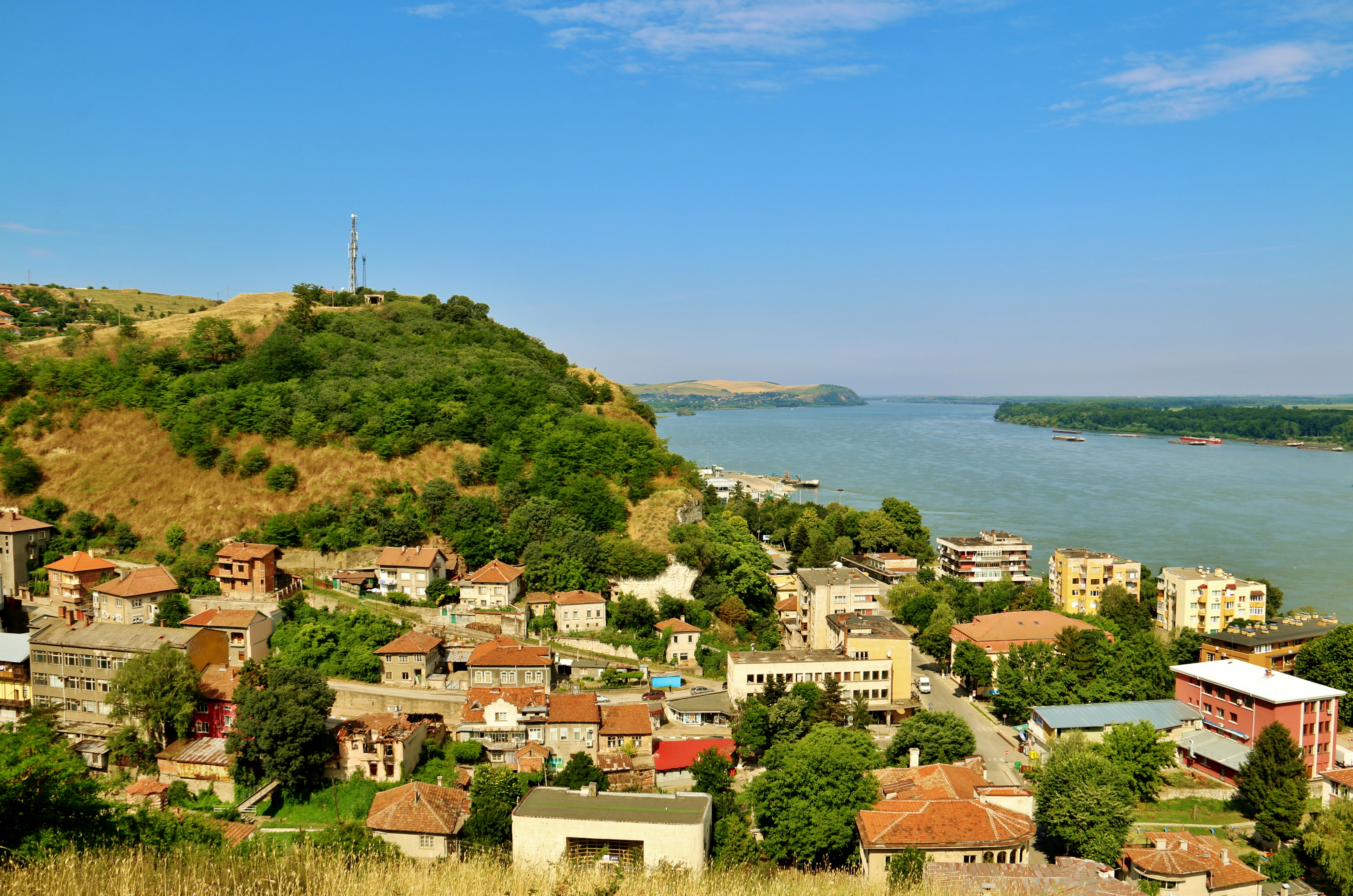
Emil Shumov, Municipality of Nikopol
Danube Delta / Romania
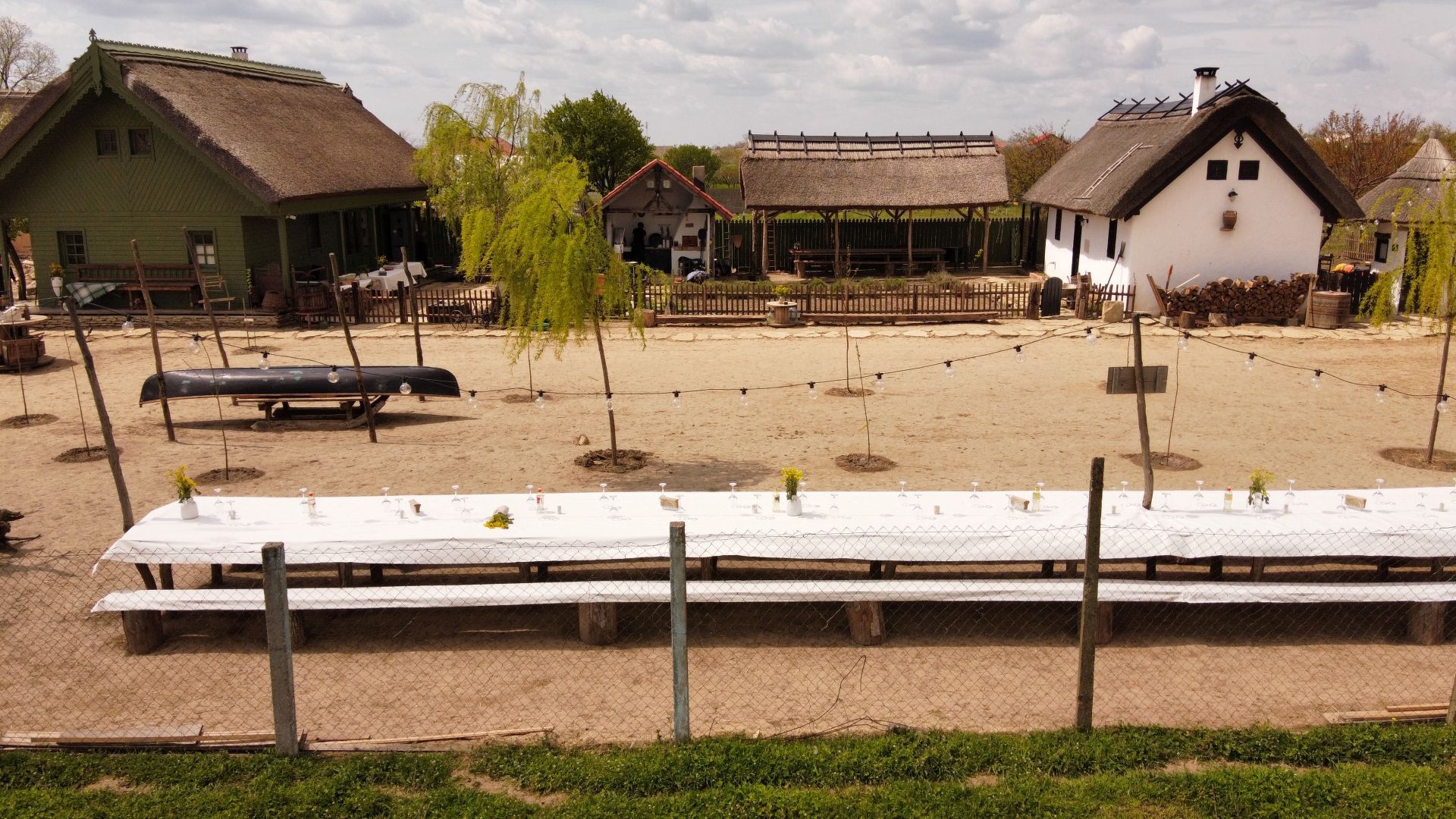
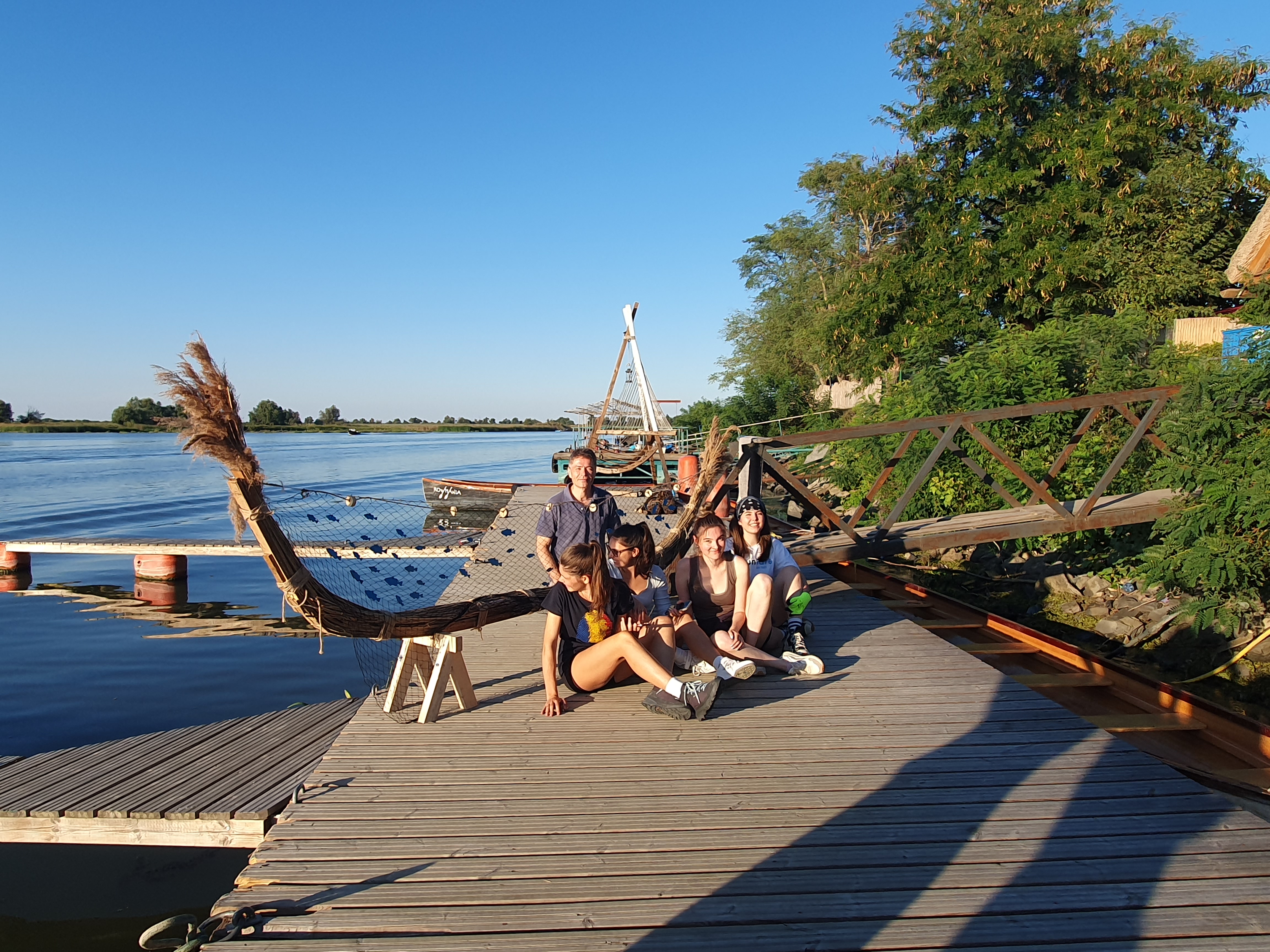
As the Danube reaches its final landscape, the Danube Delta shifts the story from roads and village streets to water routes, landing points, boats, reeds, memory and movement. Here, rural identity is not shaped only by houses, but by access, navigation, fishing knowledge, community spaces and the everyday intelligence needed to live with a changing water-land system. From Tulcea’s Fishing Village and the traditional lotca, to Mila 23’s waterbound community life and Sulina’s threshold between river, sea and European history, the Delta shows why local knowledge is a form of planning knowledge. The Ivan Patzaichin – Mila 23 Association, the Ion Mincu University of Architecture and Urbanism, and the Romanian Order of Architects help connect this living heritage with architectural and landscape guidance, so the region’s distinctive traditions, materials, routes and settlement patterns can inform a more sustainable rural future - one that understands the Delta not as a remote periphery, but as one of the Danube’s most powerful lessons in adaptation.
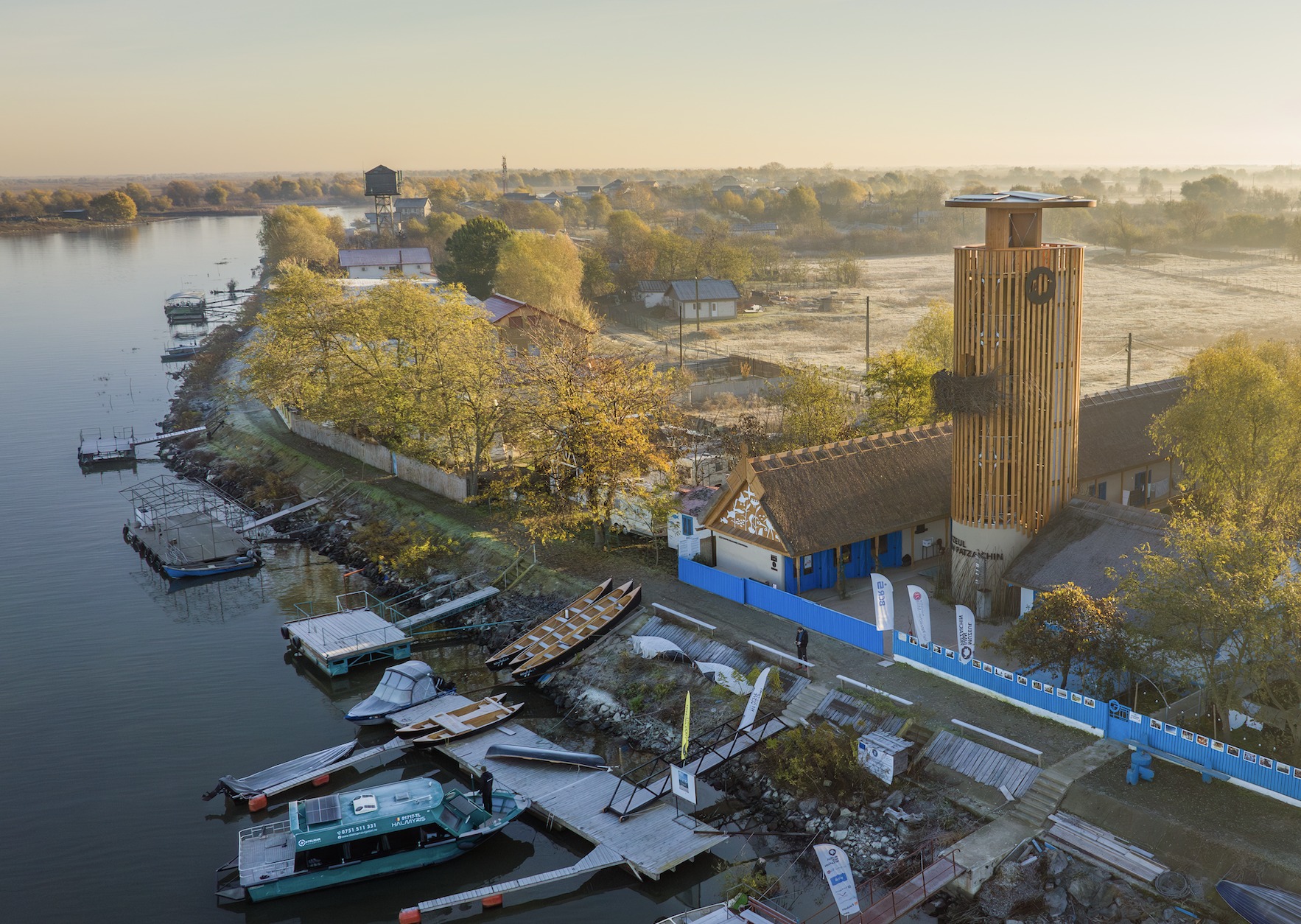
Mani Gutău, Ivan Patzaichin – Mila 23 Association
Budjak Region/ Ukraine
Budjak is a historic region in the south of Odesa Oblast, Ukraine, located between the Danube, the Dniester and the Black Sea. Known for its multicultural heritage, diverse rural traditions and distinctive settlement patterns, the region brings an important Ukrainian Lower Danube perspective to Danube Ruralscapes.
Its landscapes are shaped by steppe ecosystems, rivers, lakes and agricultural activities, while its communities reflect a rich cultural mosaic developed over centuries.
Through Danube Ruralscapes, and with the involvement of Izmail State University of Humanities , the pilot region seeks to strengthen local identity, preserve cultural and natural heritage, and promote sustainable, heritage-based planning and development across rural communities in Budjak.
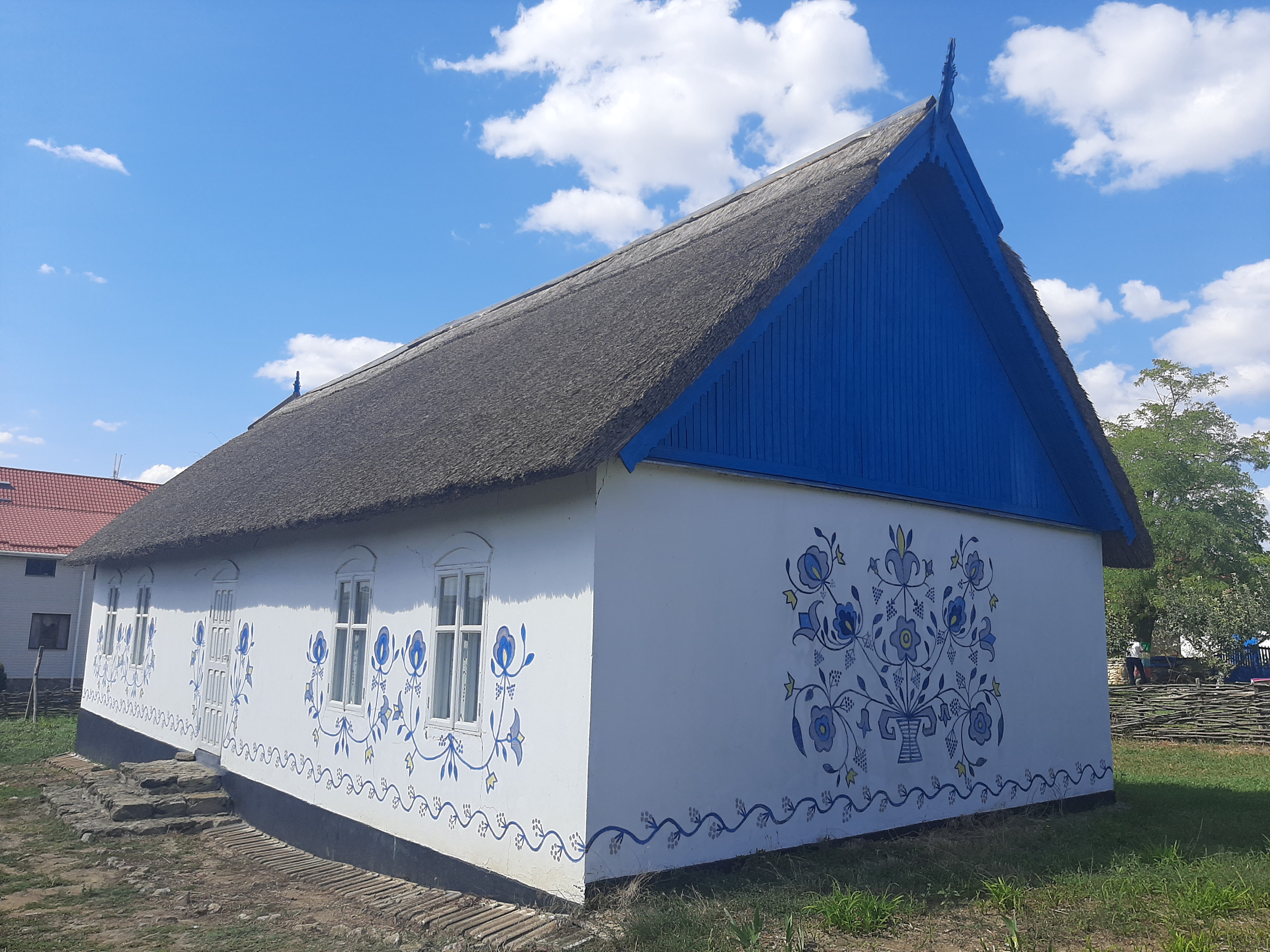
Nick Kapliienko, Izmail State University of Humanities

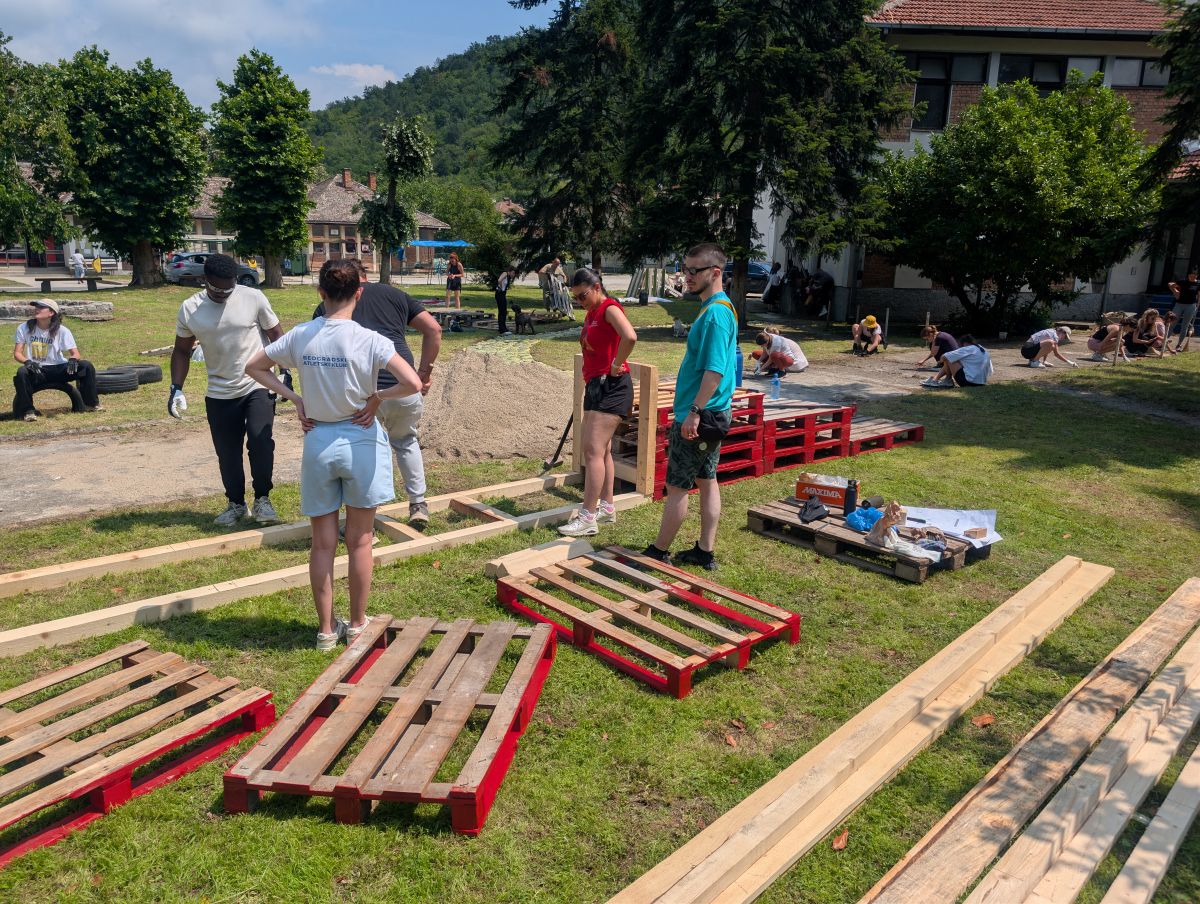
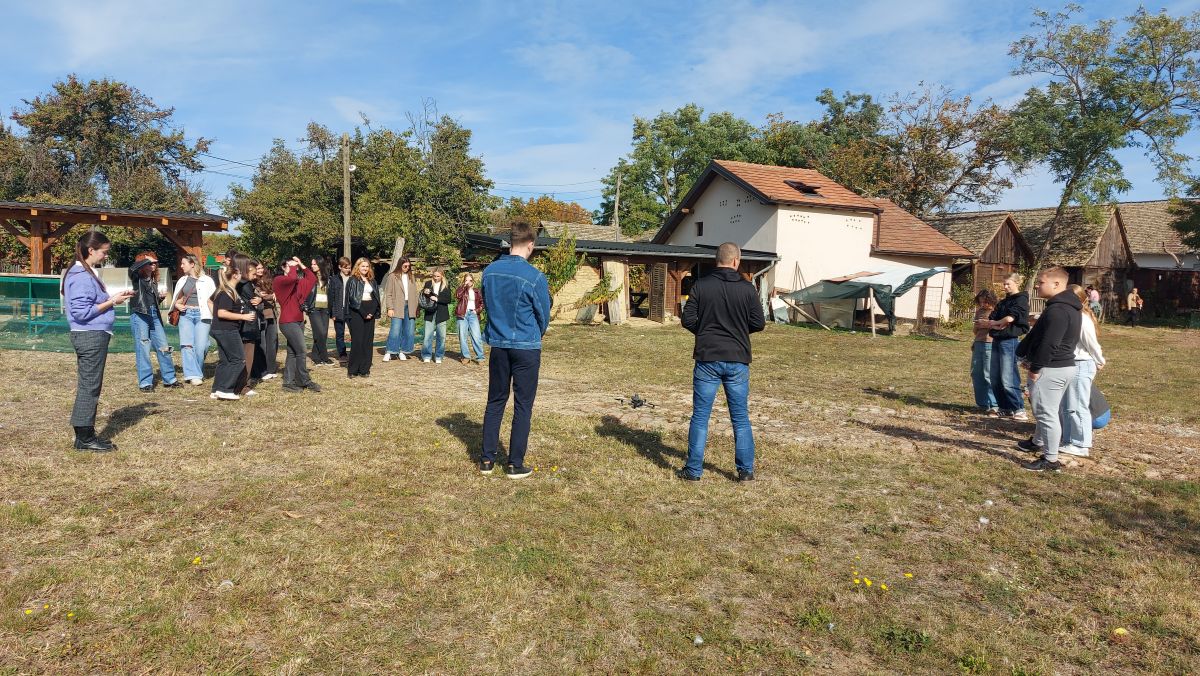
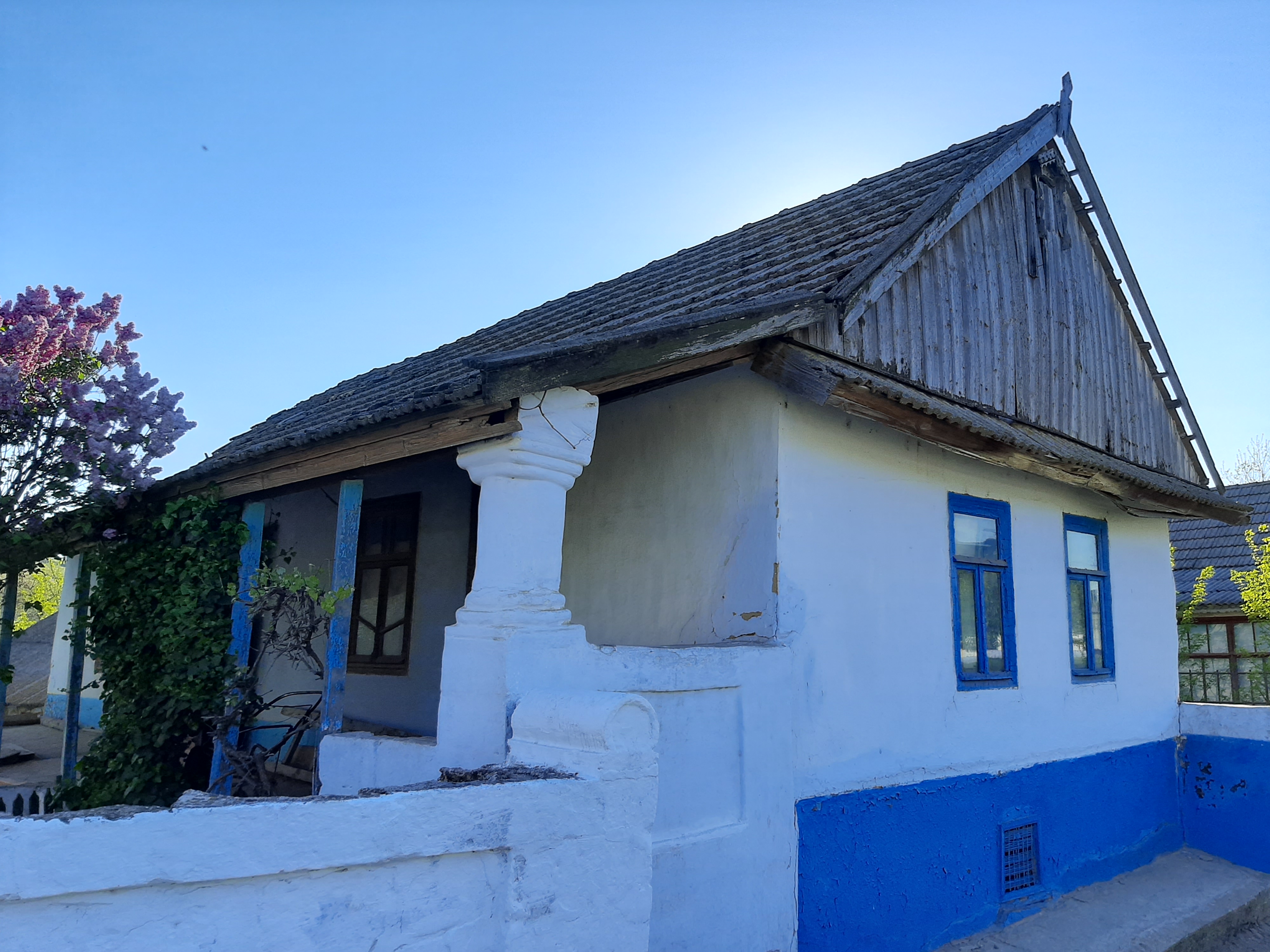
News & Events
Read the most recent updates and explore the upcoming events.


Would you like to receive project updates?
You're already part of our community!
Welcome to our newsletter community!
Subscribe to our newsletter