
CWatM modelling training in Budapest, Hungary
CWatM Training for Hungarian Water Management Experts
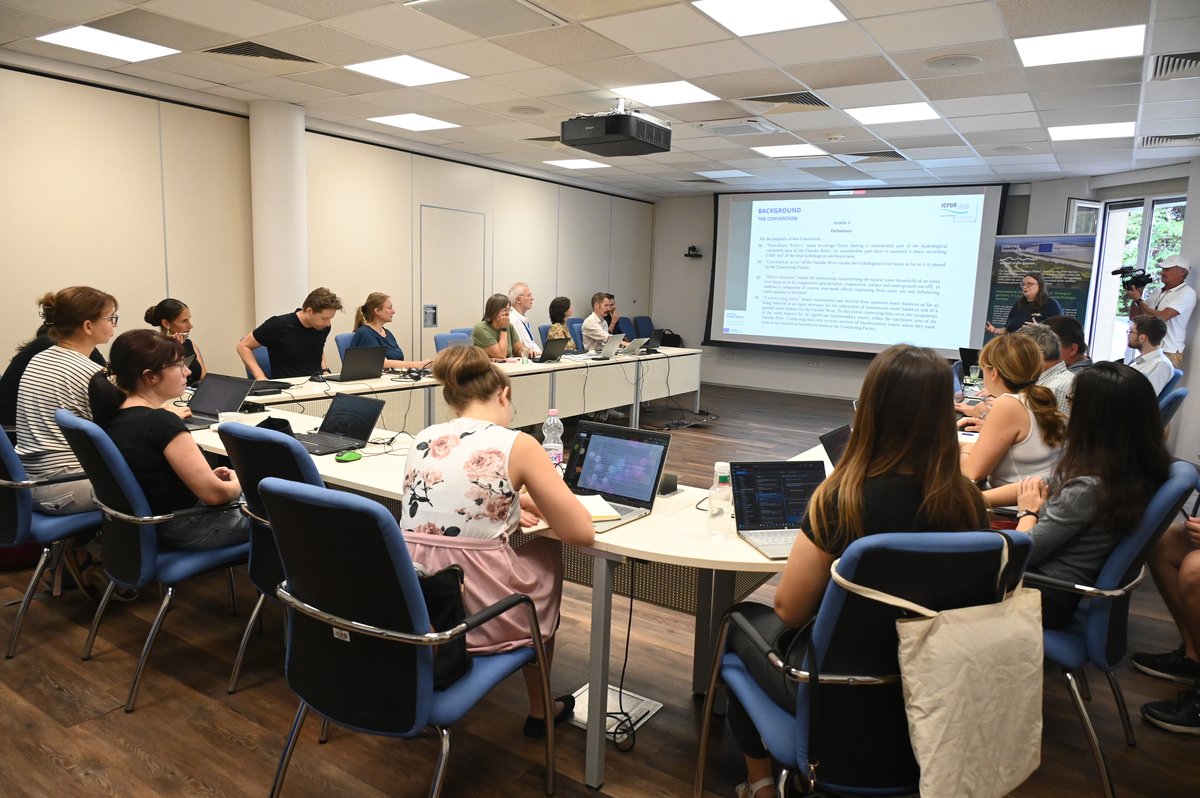
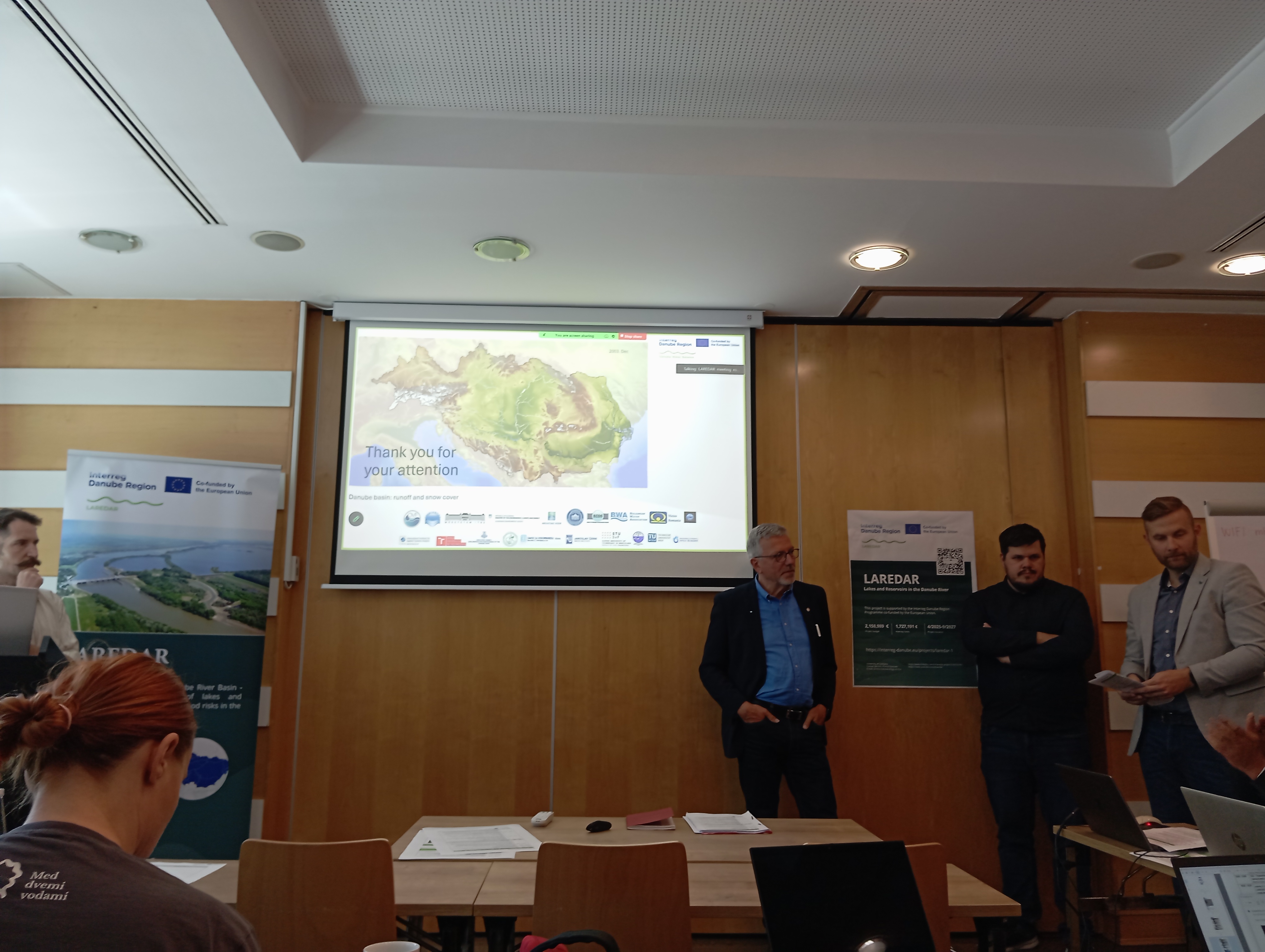
On 4 September 2026, the Danube Water Balance (DWB) project organised a dedicated training session for Hungarian water management experts, focusing on the practical application of the Community Water Model (CWatM) and the interpretation of water balance modelling results.
The training formed part of the project's wider capacity-building activities and aimed to strengthen the ability of Hungarian experts to independently explore, run and interpret the modelling tools and results developed within the DWB project. The session also provided an opportunity to demonstrate how the project's data management infrastructure, modelling framework and visualisation tools can support water resources assessment and management.
The programme opened with an introduction to the Danube Water Balance project, including its objectives, background and main results. Particular attention was given to the project's approach to developing a harmonised water balance modelling framework for the Danube River Basin and its pilot sub-basins. The presentation also highlighted the importance of transboundary cooperation and harmonised data management for understanding water availability and future water management challenges across the basin.
Participants were subsequently introduced to the project's Central Data Storage and WebGIS platform. The session demonstrated how the project brings together national, European and global datasets and provides access to collected data, model configurations, modelling outputs and tools for their visualisation and analysis. The Central Data Storage was developed as an open-access repository supporting the long-term use and sharing of the project's data and modelling resources.
A dedicated session focused on the results of the CWatM modelling for the Tisza sub-basin. The participants were introduced to the modelling results and their potential interpretation in the context of water availability and water management. The Tisza is one of the four pilot areas of the project, where the model has been applied to assess water balance conditions and the potential impacts of climate change.
The afternoon programme was particularly practice-oriented. Participants were guided through the basic steps required to configure and run the CWatM model, including the use of settings files, notebooks and model outputs. CWatM is an open-source, process-based hydrological model developed in Python, which can be applied at both global and regional scales and is capable of representing the major components of the hydrological cycle.
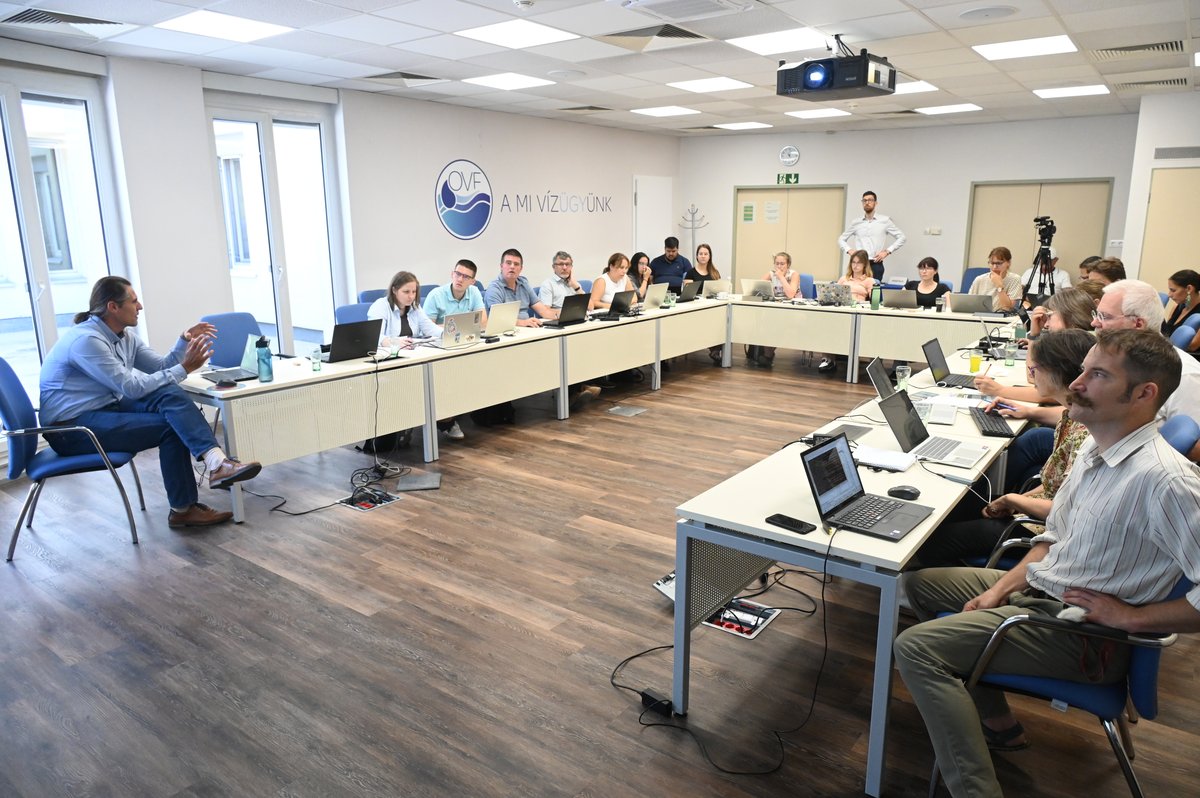
The training also covered post-processing, visualisation and interpretation of modelling results. This part of the programme was designed to help participants move beyond simply running a model and gain a better understanding of how its outputs can be explored and interpreted for practical water management purposes.
The training is part of a broader DWB capacity-building programme that has included a virtual Water Resources Modelling Summer School, a Training of Trainers workshop in Sofia, stakeholder capacity-building activities in Sarajevo and further national-level training. The project has also developed tutorial materials covering the installation and configuration of Python and GitHub, running CWatM, comparison with observations and model calibration.
By combining an introduction to the project's results with hands-on modelling and data analysis exercises, the training contributed to one of the central ambitions of the Danube Water Balance project: ensuring that the tools and knowledge developed by the project can continue to be used by water management institutions after the project's completion.
The ultimate vision of the DWB project is the widespread application of the Danube Water Balance Model to support more efficient and informed water management decisions across the Danube River Basin. The training therefore represents an important step towards turning the project's technical achievements into practical capacity and long-term use.
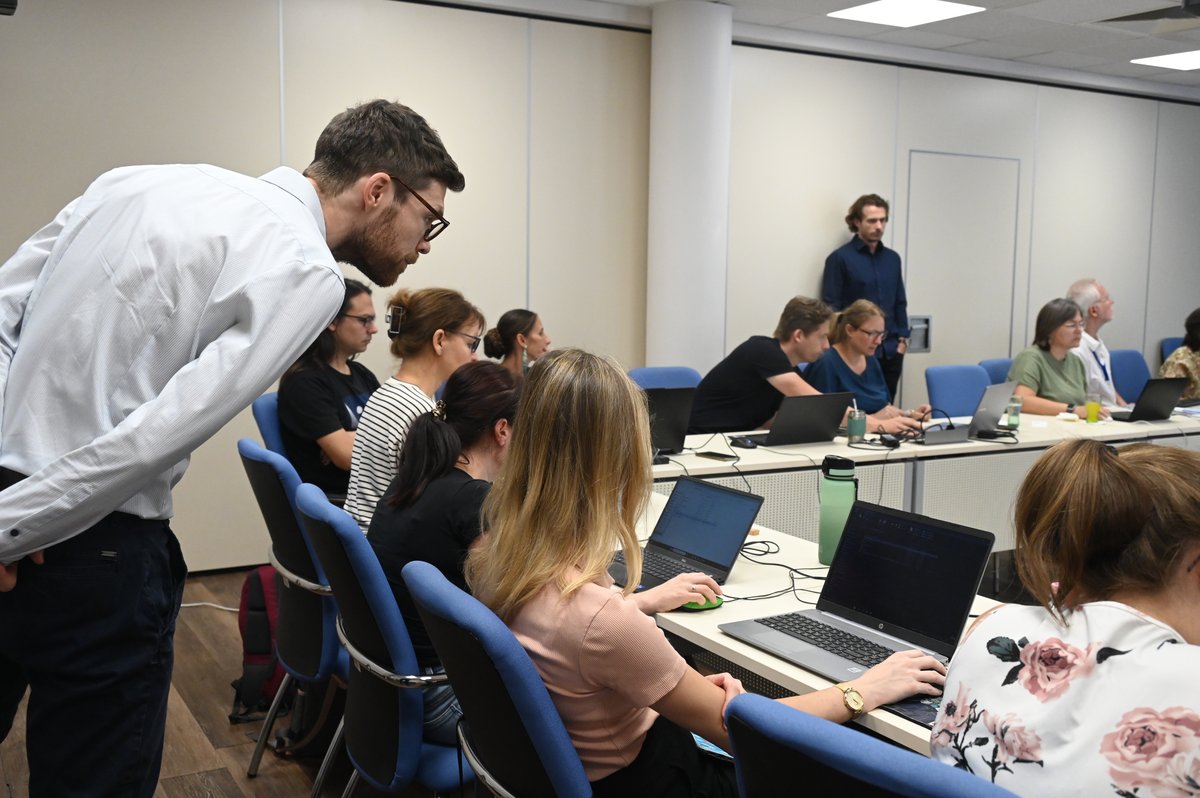
Short video from the training:
Community Water Model (CWatM) modelling training, Budapest, Hungary

16/09/2026
By
Share on social media:



News & Events
Read the most recent updates and explore the upcoming events.


Would you like to receive project updates?
You're already part of our community!
Welcome to our newsletter community!
Subscribe to our newsletter