
Danube Water Balance project concludes in Belgrade
From shared data to smarter water management: Danube Water Balance project concludes in Belgrade
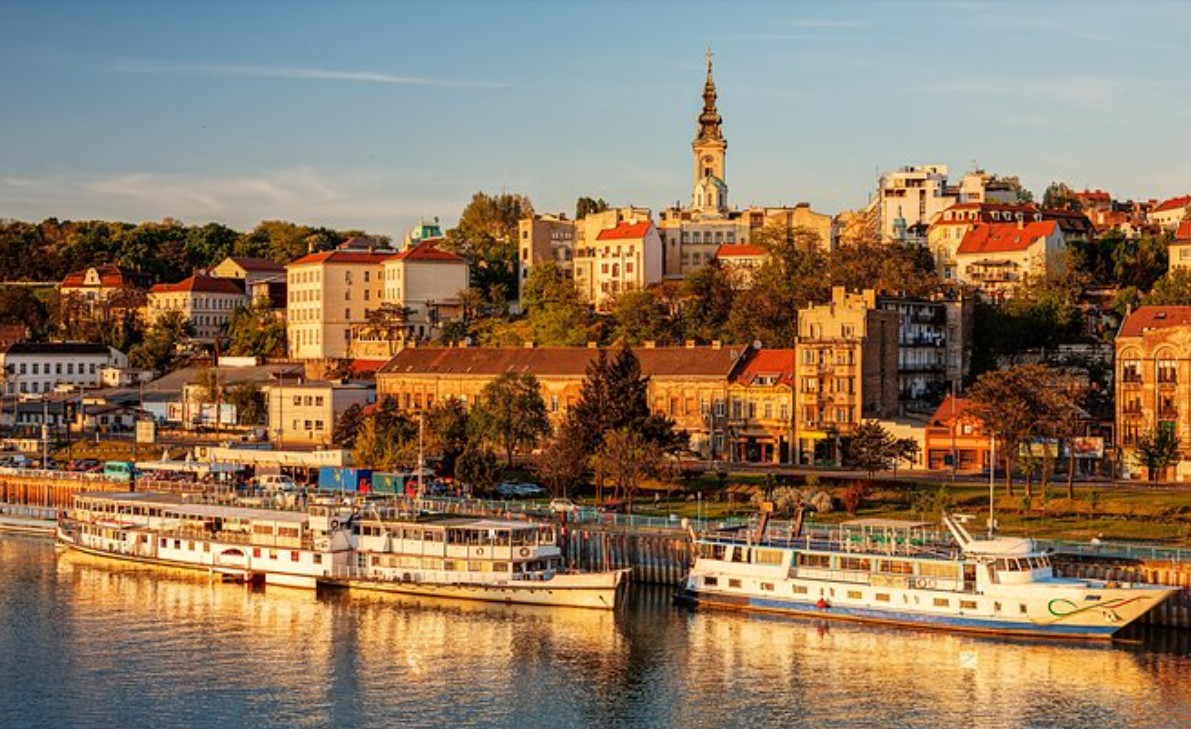
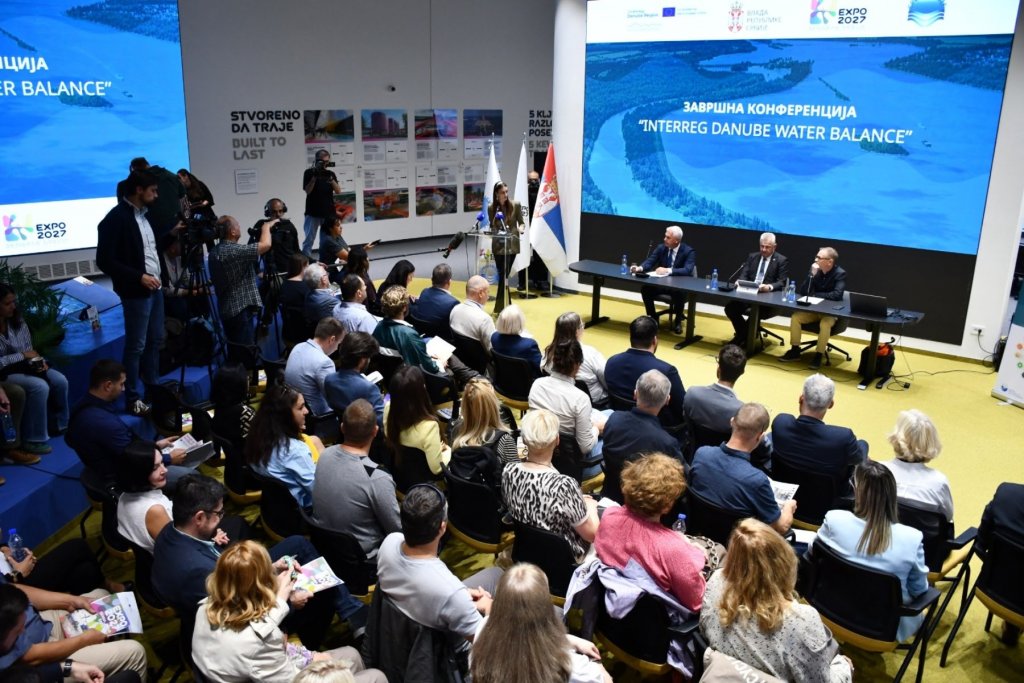
Experts and water management organisations from across the Danube Region gathered in Belgrade on 22–23 September to present the results of the Danube Water Balance project and discuss how better data, modelling and cooperation can help address the basin’s growing water challenges.
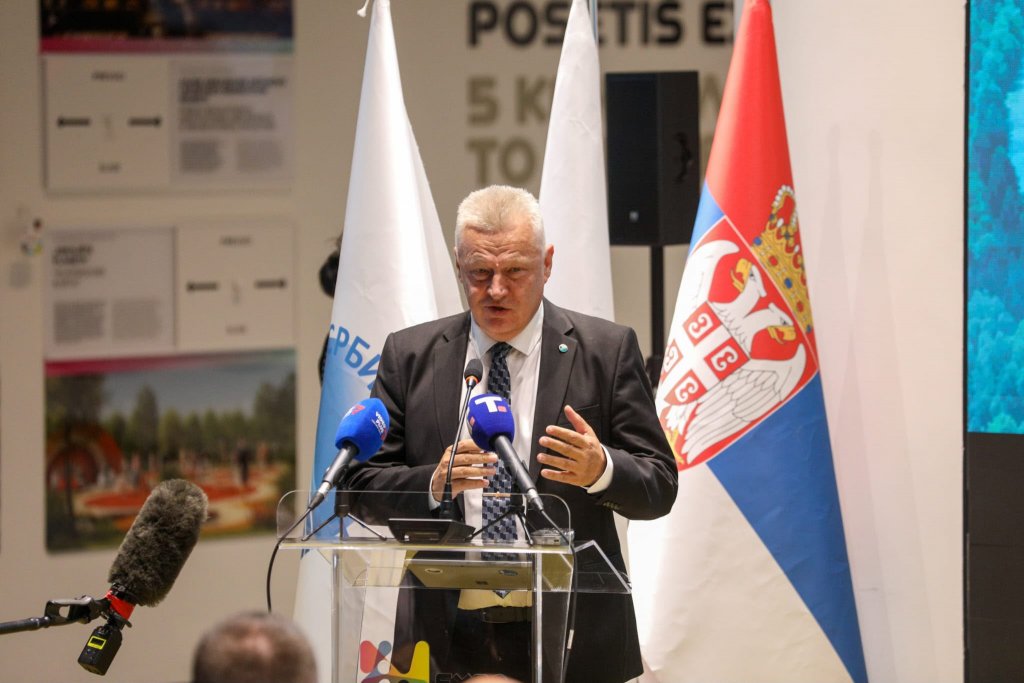
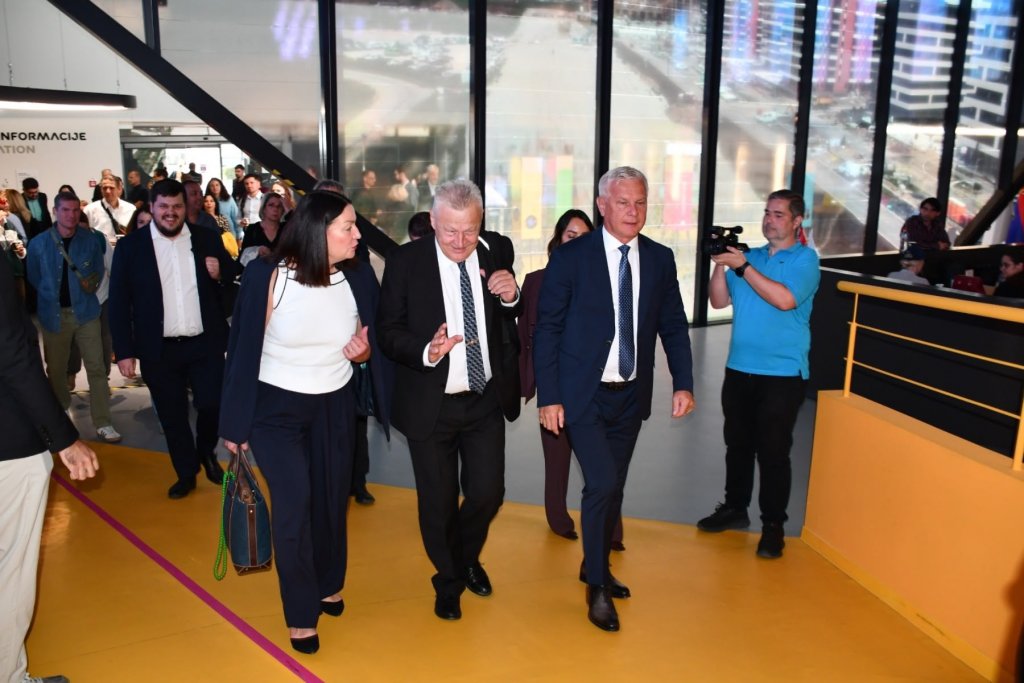
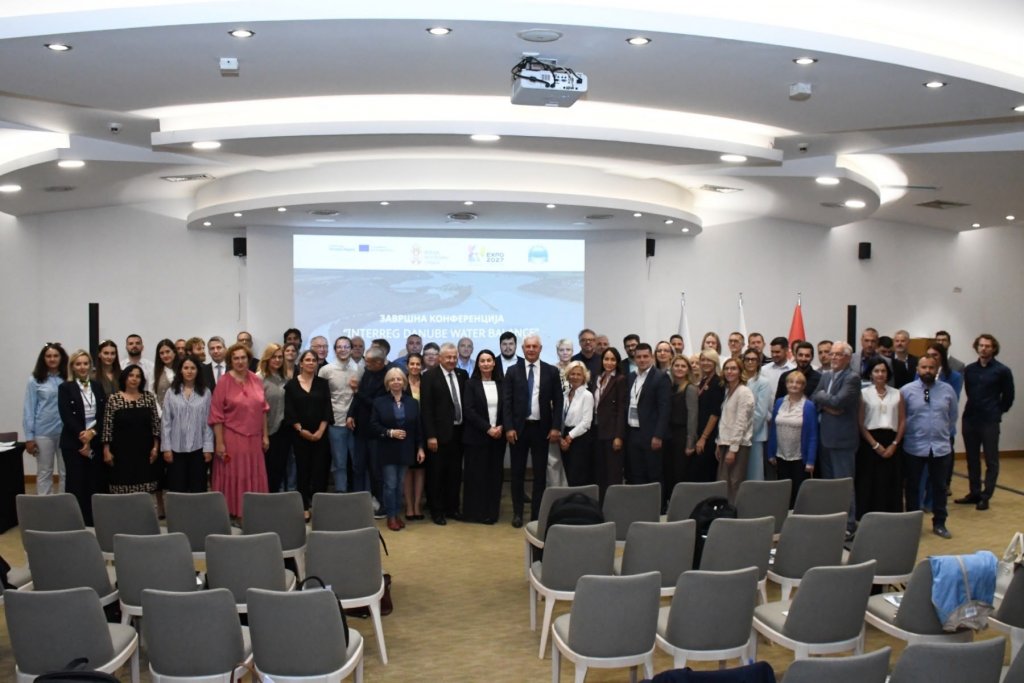
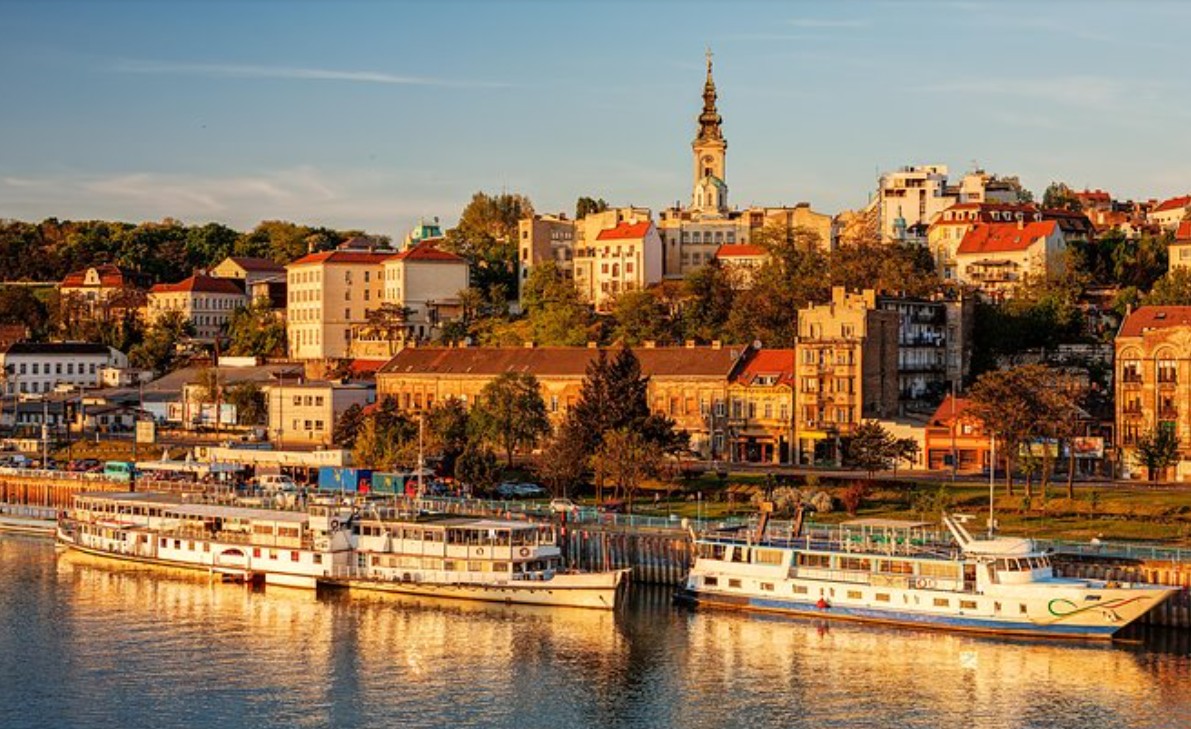
More than 50 experts and representatives of water management institutions, research organisations and other stakeholders came together in Belgrade for the Final Conference of the Interreg Danube Water Balance project. Hosted by Srbijavode, the two-day event marked the culmination of more than 30 months of transnational cooperation aimed at improving our shared understanding of water availability across the Danube River Basin.
The message from Belgrade was clear: water challenges do not stop at national borders – and neither should cooperation.
One basin, shared challenges
The Danube connects countries, communities and ecosystems, but it also connects their water-related challenges.
Increasingly frequent droughts, changing precipitation patterns, extreme hydrological events and growing pressure on water resources are making it more important than ever to understand how much water is available, where it is available and how this may change in the future.
The Danube Water Balance project has addressed this challenge by developing a common water balance modelling framework for the Danube River Basin, bringing together data, modelling tools and expertise from across the region.
The project involved 20 project partners and 13 Associated Strategic Partners, creating a broad transnational network of organisations working together on water quantity and water management issues.
From data to a common water balance picture
At the heart of the project is the development and application of a basin-wide water balance model based on the open-source Community Water Model (CWatM).
But modelling is only as good as the data behind it. For this reason, the project also focused strongly on harmonising data and establishing a shared technical foundation for future cooperation.
Among the key results are a harmonised data repository, tools for data import, conversion and validation, a Joint Data Management Strategy, and the DWB WebGIS environment for visualising and interpreting water balance information.
Together, these components provide a common framework that can help experts from different countries work with comparable information and better understand the complex water dynamics of the Danube Basin.
Four pilot areas, one common approach
The methodology and tools developed by the project were tested in four transboundary pilot sub-basins: the Tisa, Drina, Morava and Upper Sava.
The pilot activities provided a practical testing ground for the project’s tools and methodologies. Experts worked with harmonised datasets, applied the common modelling framework and analysed water balance conditions under both historical and future climate scenarios.
The results demonstrate how a common approach can help identify changes in water availability and support a better understanding of the challenges faced by different parts of the basin.
At the same time, the pilot work showed that transboundary water management is not only about technology. It also depends on trust, shared knowledge and the ability of organisations to work together across borders.
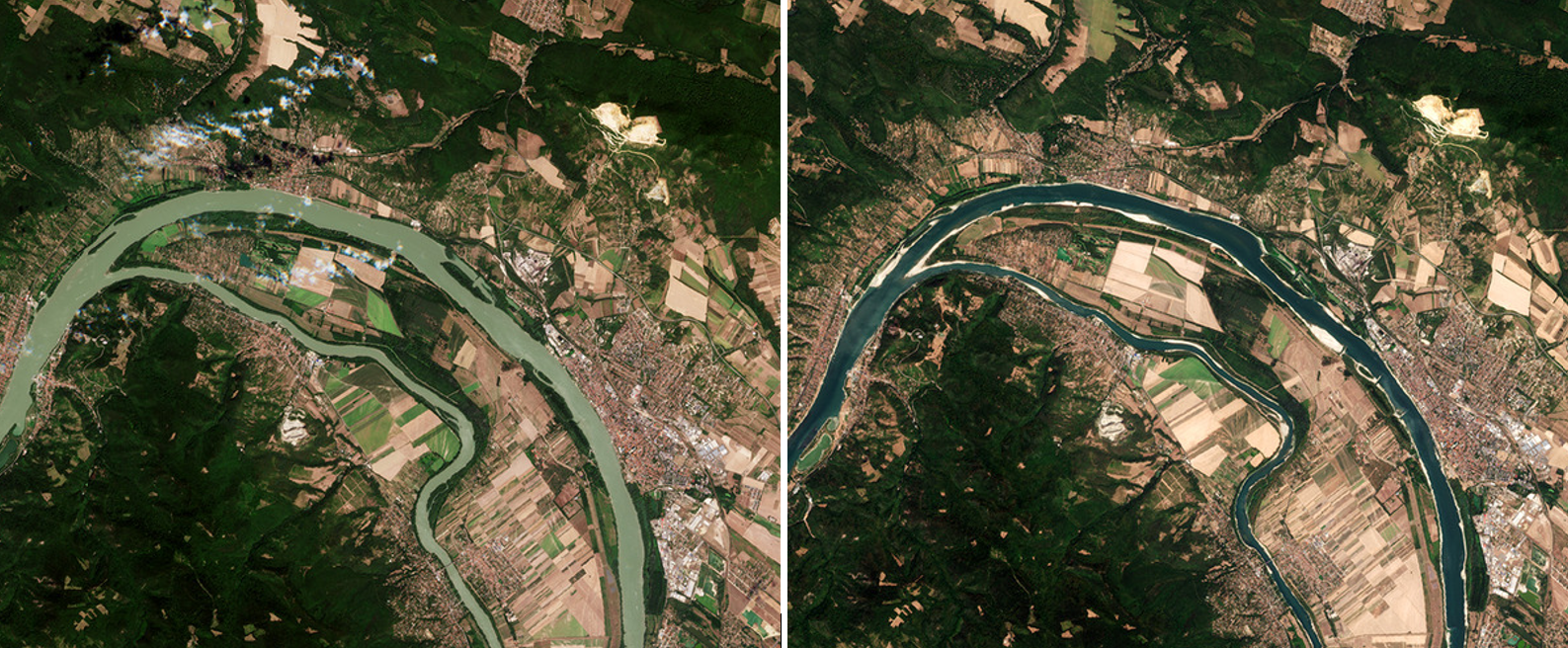
Low water levels and drought conditions observed in recent years have highlighted the vulnerability of European water resources. Such events underline the importance of moving from reactive crisis management towards a more systematic understanding of water availability and future risks.
The project provides tools and knowledge that can contribute to this transition.
During the conference, speakers highlighted the importance of reliable information, coordinated water management and continued cooperation between Danube countries. The results of Danube Water Balance can support experts and institutions in assessing water resources, exploring future scenarios and providing a stronger evidence base for water management planning.
While the Final Conference marked the formal conclusion of the project, the cooperation established through Danube Water Balance is intended to continue.
The project has created not only technical outputs, but also a network of organisations with shared experience in water balance assessment, data management and transboundary modelling.
The tools and methodologies developed during the project can be taken up and further applied by project partners, Associated Strategic Partners and other organisations. The experience gained through the pilot activities also provides a valuable basis for future cooperation and further development of water balance assessments in the Danube Region.

29/09/2026
By
Share on social media:



News & Events
Read the most recent updates and explore the upcoming events.


Would you like to receive project updates?
You're already part of our community!
Welcome to our newsletter community!
Subscribe to our newsletter