
Capacity building workshop on digital accessibility supports ELEVATE’s inclusive approach
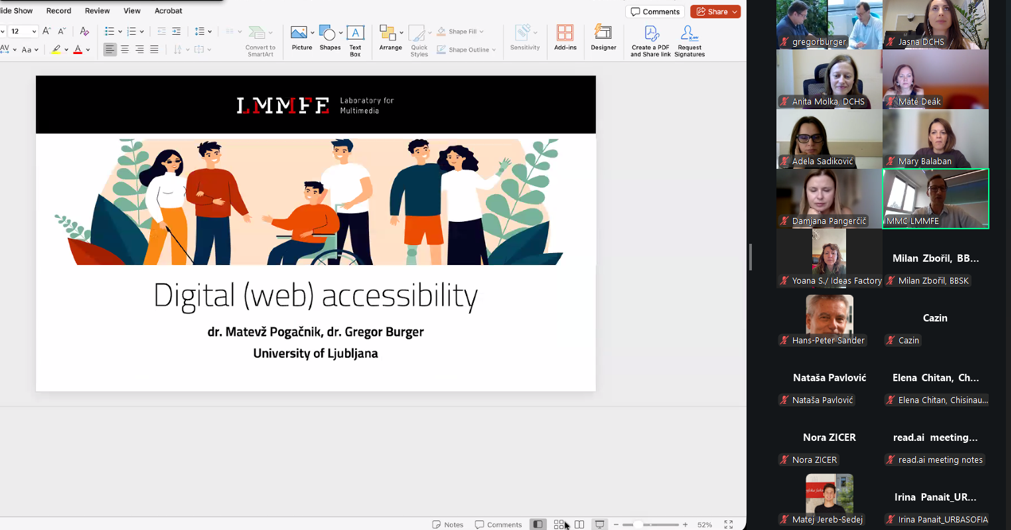
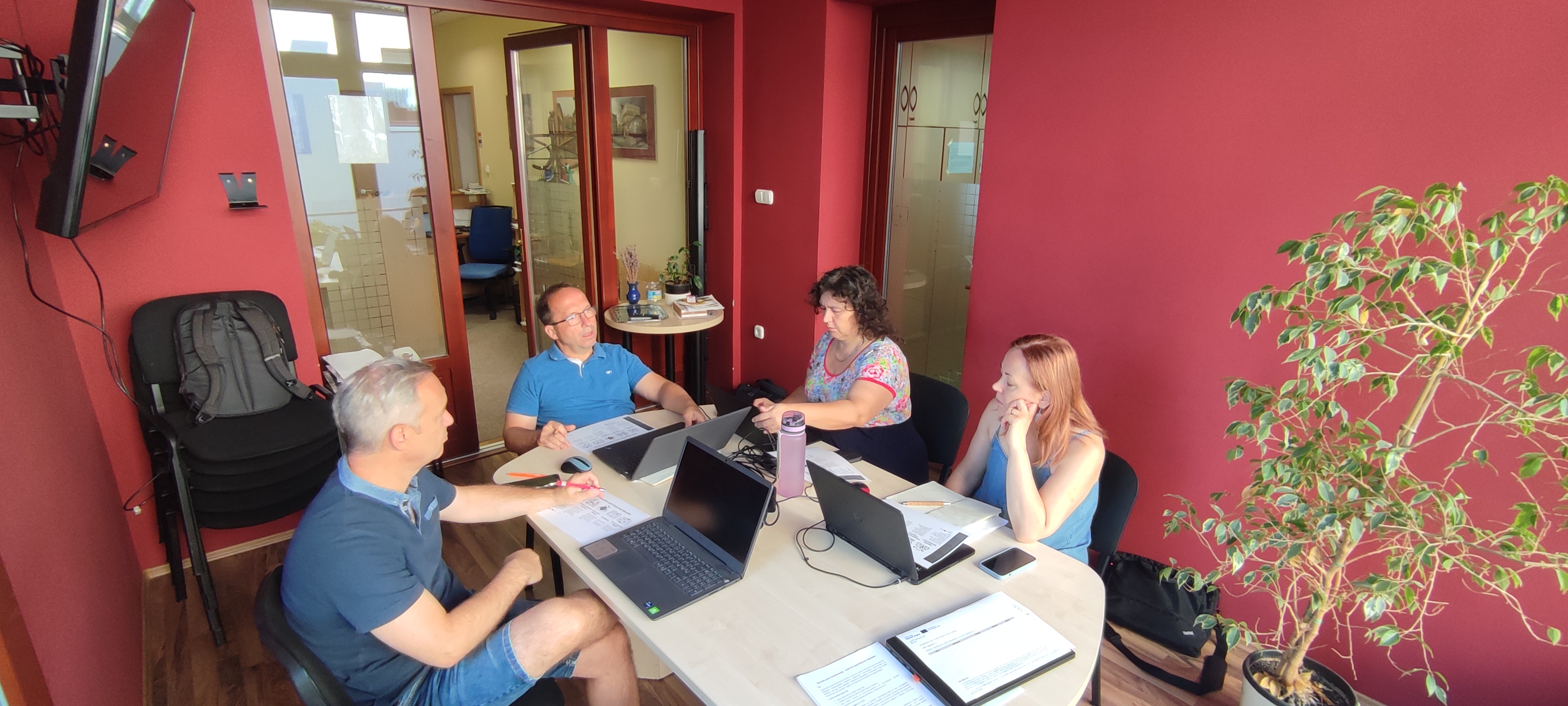
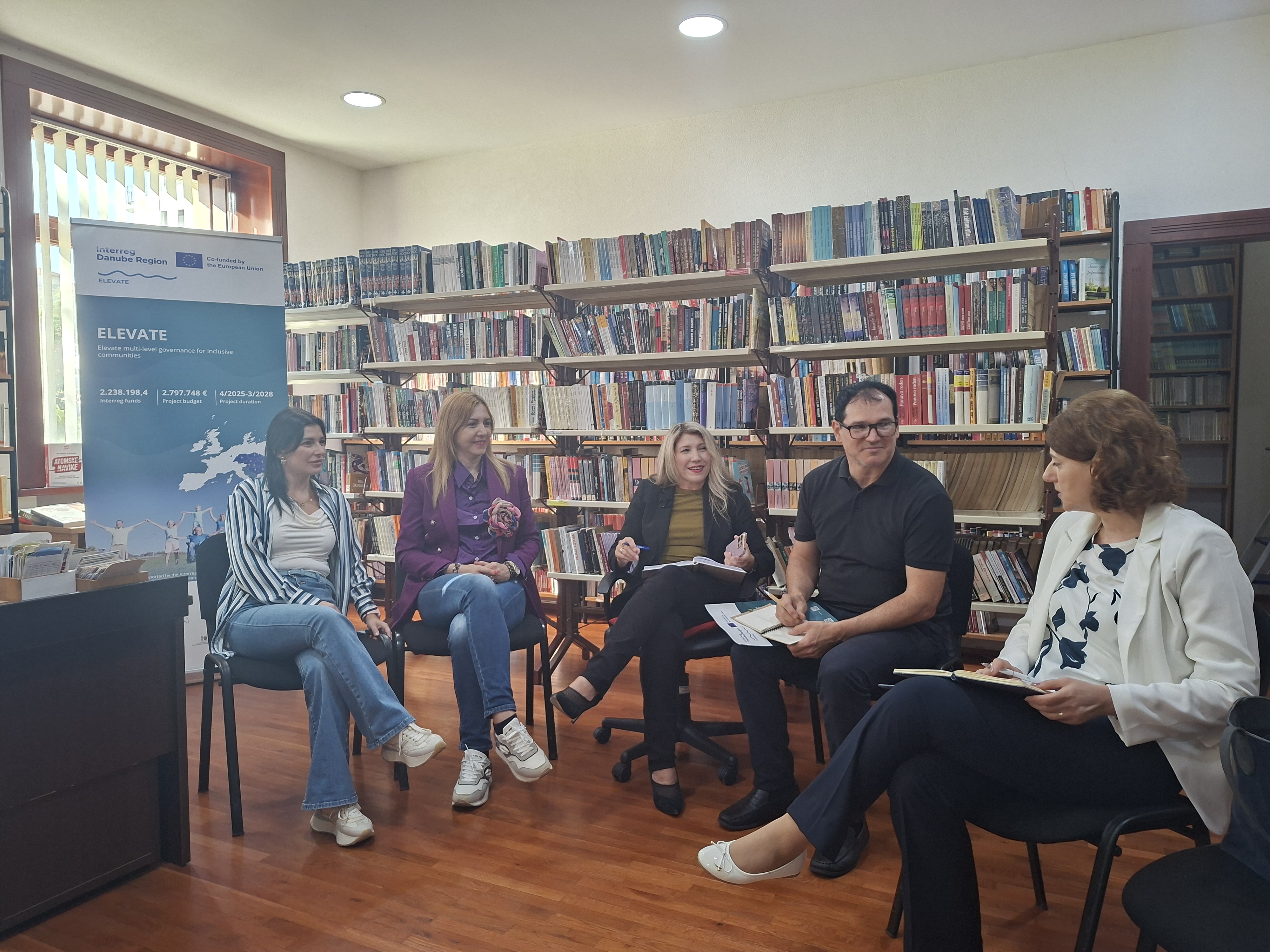
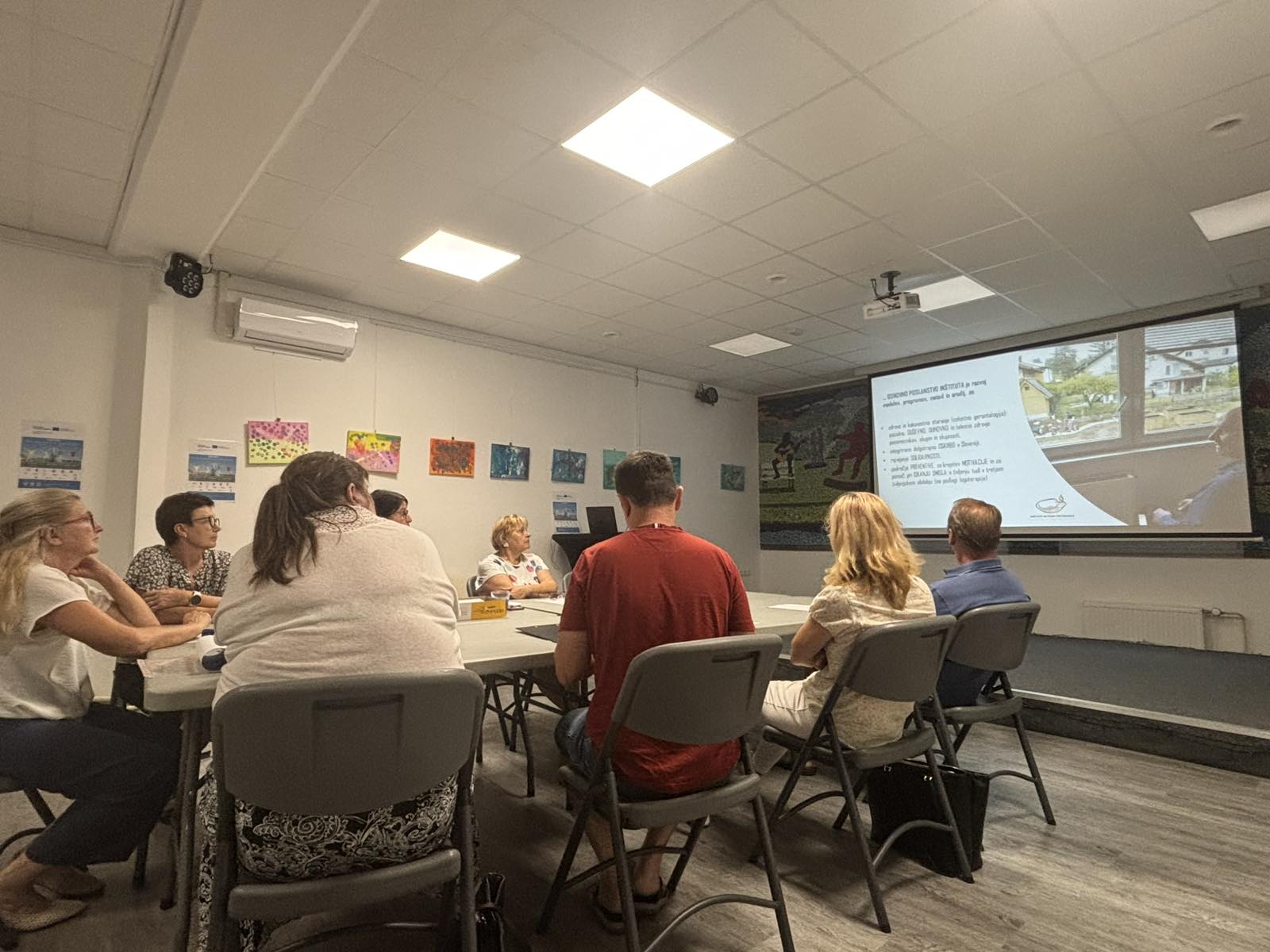
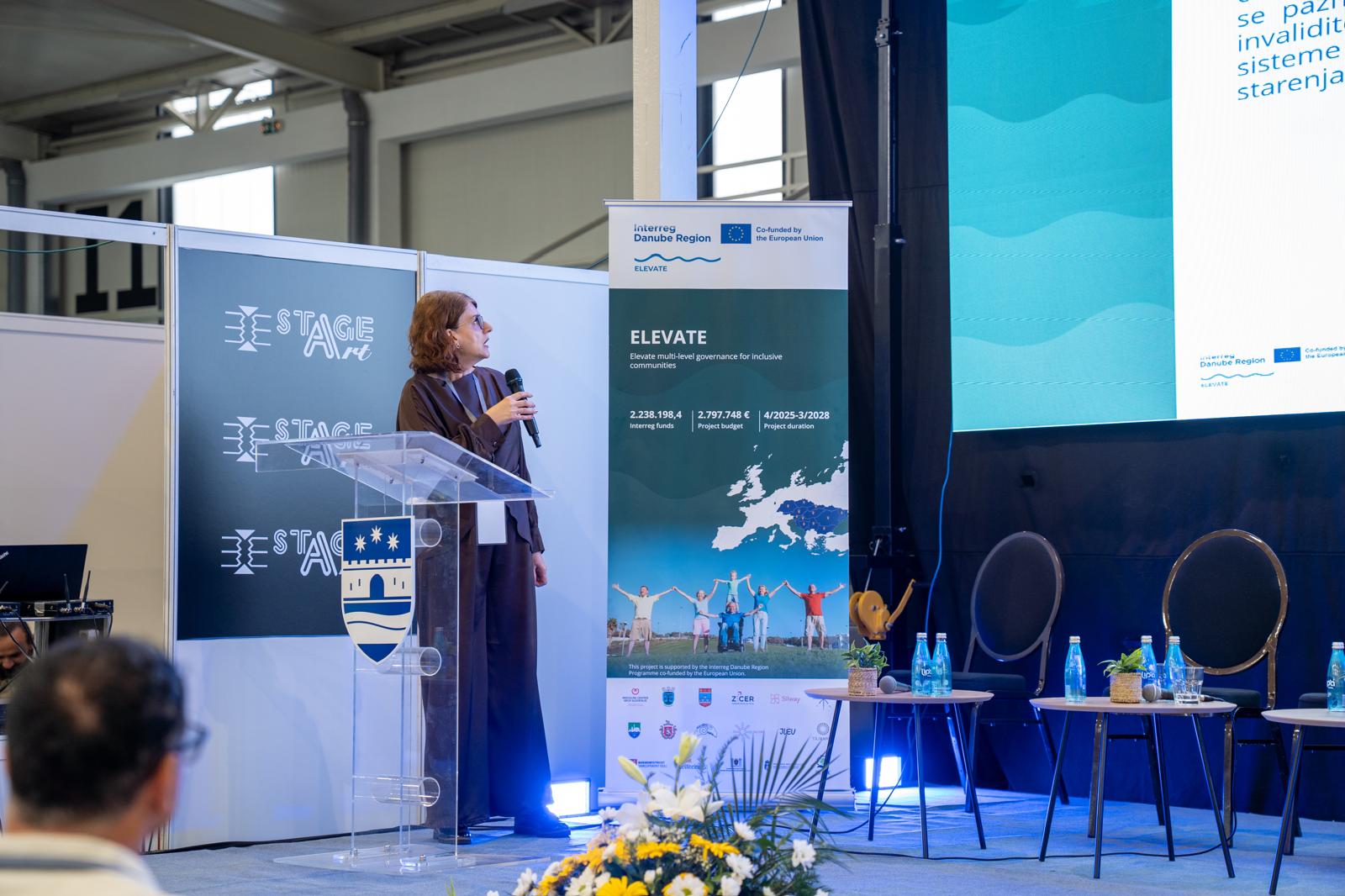
On 10 September 2026, a capacity-building workshop on digital accessibility was organised within the framework of the ELEVATE project, strengthening partners’ understanding of how digital accessibility contributes to inclusive, user-centred and accessible communities.
Digitalisation is increasingly shaping access to public services, healthcare, education, banking, information and social participation. For older people and people with physical disabilities, particularly in rural areas, inaccessible digital services can create additional barriers to independence and participation. Ensuring that digital environments can be accessed and used by people with different abilities and levels of digital literacy is therefore an important element of ELEVATE’s inclusive approach.
The workshop was organised in cooperation with the HUMAN project, an Interreg Europe initiative focused on Healthcare 5.0 and on supporting regions in developing more accessible, equitable and human-centred services through digital innovation. In Slovenia, HUMAN is implemented by the Development Centre of the Heart of Slovenia (DCHS) and the Faculty of Electrical Engineering, University of Ljubljana. The cooperation provided an opportunity to bring relevant expertise from HUMAN into ELEVATE and to strengthen knowledge exchange and synergies between the two projects.
The workshop was delivered by dr. Matevž Pogačnik and dr. Gregor Burger from the Laboratory for Multimedia, Faculty of Electrical Engineering, University of Ljubljana. The presentation focused on the barriers that people with disabilities and older people may encounter when using digital services and on practical ways of addressing these barriers.
Participants were introduced to the principles of digital accessibility and the Web Content Accessibility Guidelines (WCAG 2.2). Practical examples demonstrated how features such as alternative text, sufficient colour contrast, keyboard navigation, clear content structure and accessible digital documents can make digital services easier to use for people with visual, hearing, motor and cognitive impairments, as well as for older users.
The workshop also introduced relevant European legislation, including the Web Accessibility Directive and the European Accessibility Act, together with assistive technologies and accessibility evaluation tools. This helped participants understand both the regulatory context and the practical implications of designing and communicating digital services in an accessible way.
For ELEVATE, the workshop is particularly relevant because digital accessibility is an important enabling condition for meaningful participation and independent access to services. The knowledge gained can support project partners in developing and communicating local solutions in ways that are more accessible to the target groups and can help them identify digital barriers that might otherwise prevent people from benefiting from available services and opportunities.
The activity also reinforces ELEVATE’s principle of “nothing about us without us”. Meaningful participation requires not only opportunities for older people and people with disabilities to express their needs and contribute to decision-making, but also ensuring that the digital tools, information and communication channels used for participation are accessible to them.
By connecting HUMAN’s expertise in digital accessibility and human-centred digital services with ELEVATE’s focus on inclusive communities and multi-level governance, the workshop created a practical opportunity for cross-project learning and capacity building. It demonstrated how accessibility can be integrated into broader efforts to strengthen independence, participation and equal access to services for older people and people with disabilities.
Author: Anita Molka, DCHS

29/09/2026
By Jasna Presečki
Share on social media:


News & Events
Read the most recent updates and explore the upcoming events.

Would you like to receive project updates?
You're already part of our community!
Welcome to our newsletter community!
Subscribe to our newsletter