
ELEVATE SOCIETY FAIR - 24. September 2026
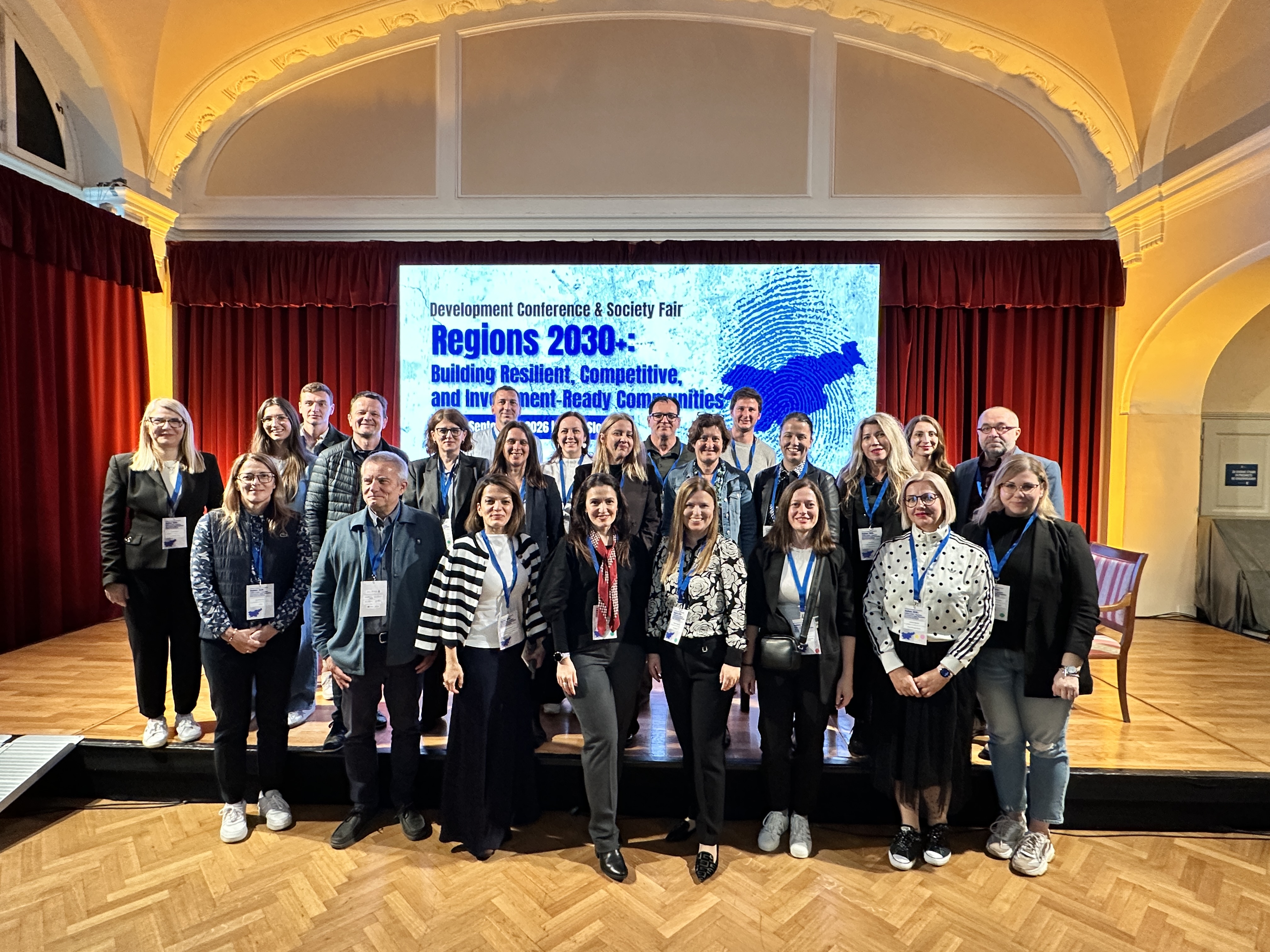
Our project partner, the Municipality of Sevnica, organised the REGIONS 2030+: Building Resilient, Competitive, and Investment-Ready Communities conference in cooperation with the Iskriva Institute and the Municipality of Celje. The conference was held in Celje on 24 September 2026, with ELEVATE project partners participating in the event.
The event formed part of the ELEVATE project’s Society Fair and was organised together with other European Interreg projects CE-VITA, CAST and BauNOW, addressing the development challenges and opportunities of local communities.
The conference brought together representatives from public authorities, regional development organisations, businesses, educational institutions, civil society and other stakeholders to exchange perspectives on the future development of regions. Discussions explored how local communities can strengthen their resilience and competitiveness while creating new development and investment opportunities.
Looking ahead: a new financial perspective and new approaches to development
A particular focus of the conference was the new EU financial perspective for the 2028–2034 period and the emerging development framework. Discussions addressed the future development of regions, the effective use of European funding, and the role of cooperation, competitiveness, networking and impact measurement. The need to respond to climate change and strengthen cooperation between public authorities, businesses, educational and financial institutions, and civil society was also emphasised.
The programme opened with the panel discussion “Looking Ahead: The New Financial Perspective, the New Rules of Development”, bringing together speakers from different fields and institutions to explore how development approaches, opportunities and forms of cooperation may evolve under the new financial perspective. The discussion focused on the changing framework for regional development and how communities and organisations can prepare for the next programming period.
The panel featured:
Laura Hagemann-Arellano, Policy Officer, New European Bauhaus, European Commission;
Matija Kovač, Mayor, Municipality of Celje;
Jože Petkovšek, Undersecretary, Ministry of Local Self-Government, Cohesion and Regional Development;
Saša Heath-Drugović, Deputy Director and Head of European Affairs, Municipality of Celje;
Matjaž Ribaš, Director, Slovenian Regional Development Fund;
Borut Sever, Director, Foundation for Funding Disability and Humanitarian Organisations in the Republic of Slovenia (FIHO); and
Karina Medved Bregar, Head of EU Affairs and Projects, Petrol d.d.
Their diverse expertise offered a broader understanding of regional challenges and opportunities and practical guidance for the next development and funding period.
From strategy to action: making communities future-ready
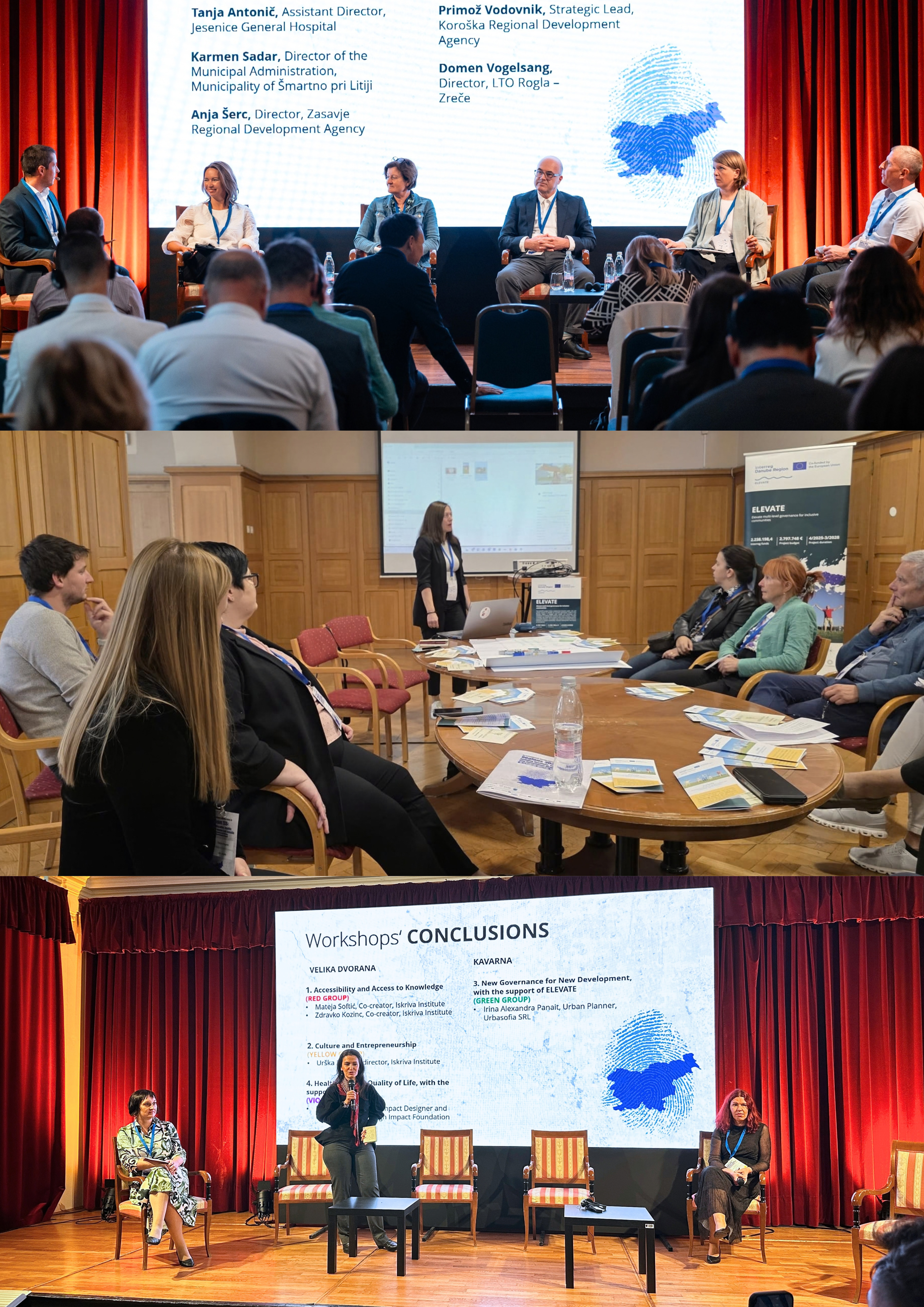
The programme continued with the panel discussion “From Strategy to Action: How Are the Best Getting Future-Ready?”, which presented practical experiences, approaches and solutions from organisations and communities already driving change. Speakers included Tanja Antonič, Assistant Director, Jesenice General Hospital; Karmen Sadar, Director of the Municipal Administration, Municipality of Šmartno pri Litiji; Anja Šerc, Director, Zasavje Regional Development Agency; Primož Vodovnik, Strategic Lead, Koroška Regional Development Agency; and Domen Vogelsang, Director, LTO Rogla – Zreče.
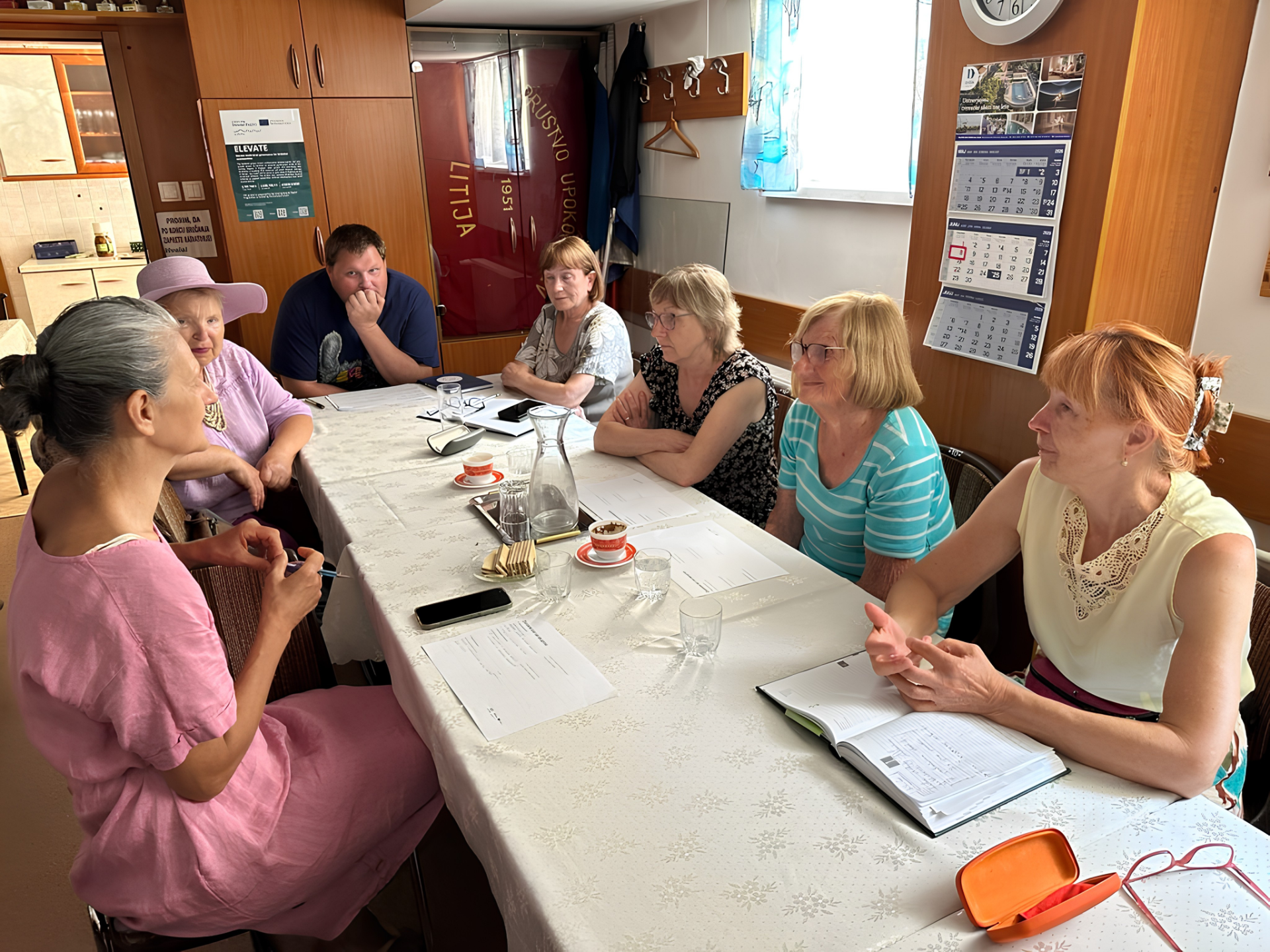
Among the examples presented was the experience of the Slovenian Municipality of Šmartno pri Litiji. Karmen Sadar, Director of the Municipal Administration, presented the implementation and planned upgrading of the Support Points for Older People, an initiative that is also being implemented in the municipalities of Litija and Lukovica. Ms Sadar highlighted the importance of organised volunteer support for older people in Šmartno pri Litiji, where the Support Point is successfully coordinated by the Association of Pensioners of Šmartno pri Litiji.
Over time, the Support Points have developed into accessible entry points where older people and their relatives can receive information, support and assistance. At the same time, they help connect the needs of older people with individuals, volunteers, associations and organisations within the local community.
The Municipality of Šmartno pri Litiji is also establishing an intergenerational centre, which will further strengthen connections between younger and older generations. Through the ELEVATE project, the Support Points have been able to continue operating and develop further, with a new focus on intergenerational community support. This approach brings together young people, schools, volunteers, municipalities, associations and other local organisations, creating opportunities for different generations not only to support one another, but also to create, learn and exchange knowledge and experience together.
“Intergenerational support is not a one-way process. Young volunteers dedicate their time and knowledge, while at the same time gaining new skills, experiences, important relationships and a stronger connection with their community.”
— Karmen Sadar
Other Slovenian speakers also presented experiences from their respective Interreg projects, representing their organisations and regions. Presentations illustrated how local and regional organisations are translating development strategies into practical initiatives, responding to emerging social, economic and demographic challenges.
Good practices and upgrades through Elevate pilots
The afternoon programme continued with “Co-Creating Solutions: Turning Development Challenges into Breakthrough Projects”, an interactive workshops session focused on active participation, the exchange of ideas and the co-creation of projects.
The workshops enabled participants to explore development approaches, exchange experiences and connect local needs with practical, transferable solutions.
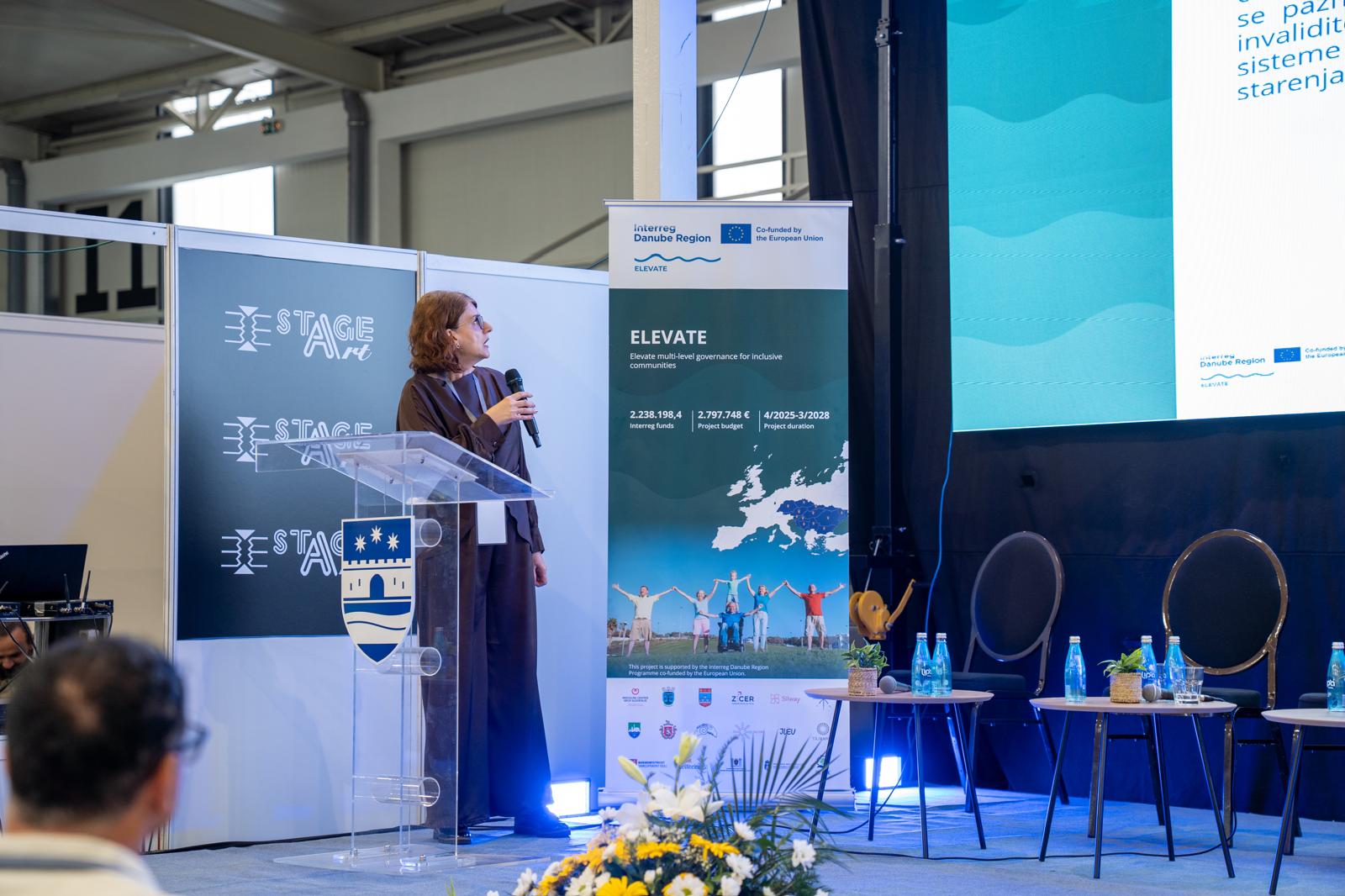
As part of this programme, the ELEVATE workshop “New Governance for New Development, with the Support of ELEVATE” focused specifically on inclusive territorial development. The workshop addressed issues including access to services, quality of life, the inclusion of older people and persons with disabilities and cooperation between different stakeholders in developing solutions.
At the centre of the discussion was the principle “Nothing about us without us”, highlighting the importance of involving people directly in the development of solutions that affect their lives.
The workshop was moderated by Ms. Irina Panait from URBASOFIA, who firstly presented the »Draft ELEVATE Model – Multi Level Governance for Inclusive Communities«. The presentation introduced the ELEVATE model’s five-step approach (raising awareness, sharing good practices, engaging stakeholders, financial management, and investment strategy) aimed at strengthening cooperation to foster more inclusive communities, followed by an introduction to the planned pilot actions and an overview of the good practices to be presented during the workshop.
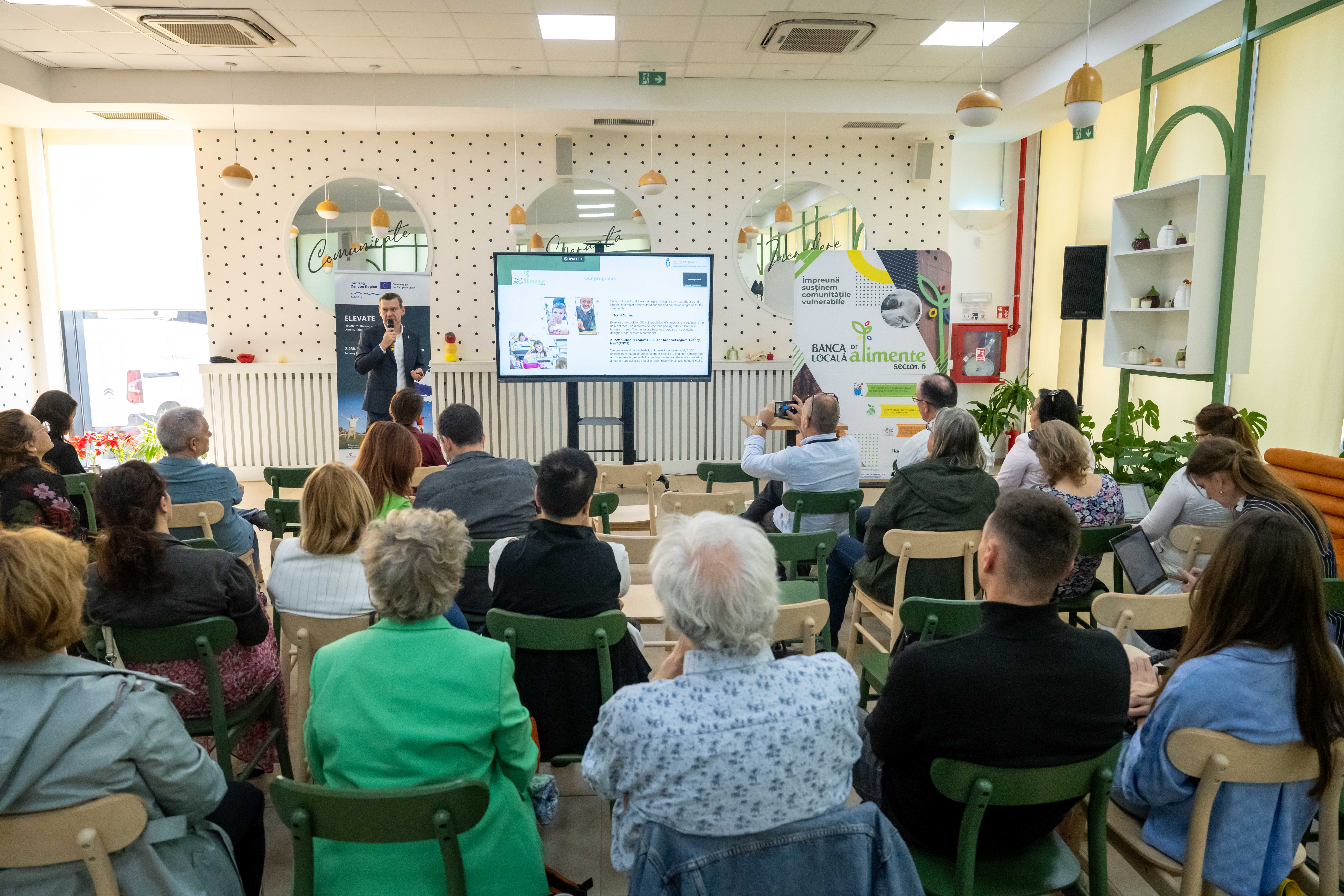
The first good practice, “Local Food Bank 6th District,” was presented by Mr. Bogdan Stroescue, from Local Food Bank. Opened in early 2025, it is the first food bank in Romania established by a public institution, integrating food rescue, social assistance, community engagement, and education. Supported by 90 corporate partners and 4.000 volunteer hours, the initiative rescues around 800–1.050 tonnes of surplus food annually and provides more than 4.500 hot meals per day, including meals for children through national school programmes. The initiative also promotes nutritional and environmental education, storytelling and intergenerational workshops, demonstrating how food recovery can strengthen social inclusion, community participation and long-term local empowerment.
The second practice, “Points for Older People – Intergenerational Community Support,” was presented by Ms. Anita Molka from Development Centre of the Heart of Slovenia. The practice builds on a good model developed by Institute Oreli in Kamnik, which was transferred and adapted through a LEADER/CLLD project to establish Points for Older People in Litija, Šmartno pri Litiji and Lukovica, providing local information, support, social connection and opportunities for participation. Through ELEVATE, the existing Points are being further developed by introducing intergenerational activities, bringing older people and young people together through volunteering, shared activities and skills exchange, with young people also being educated and encouraged to participate as volunteers. The practice demonstrates how existing local structures and partnerships can be strengthened and connected in new ways, creating more inclusive communities where different generations actively contribute to community life.
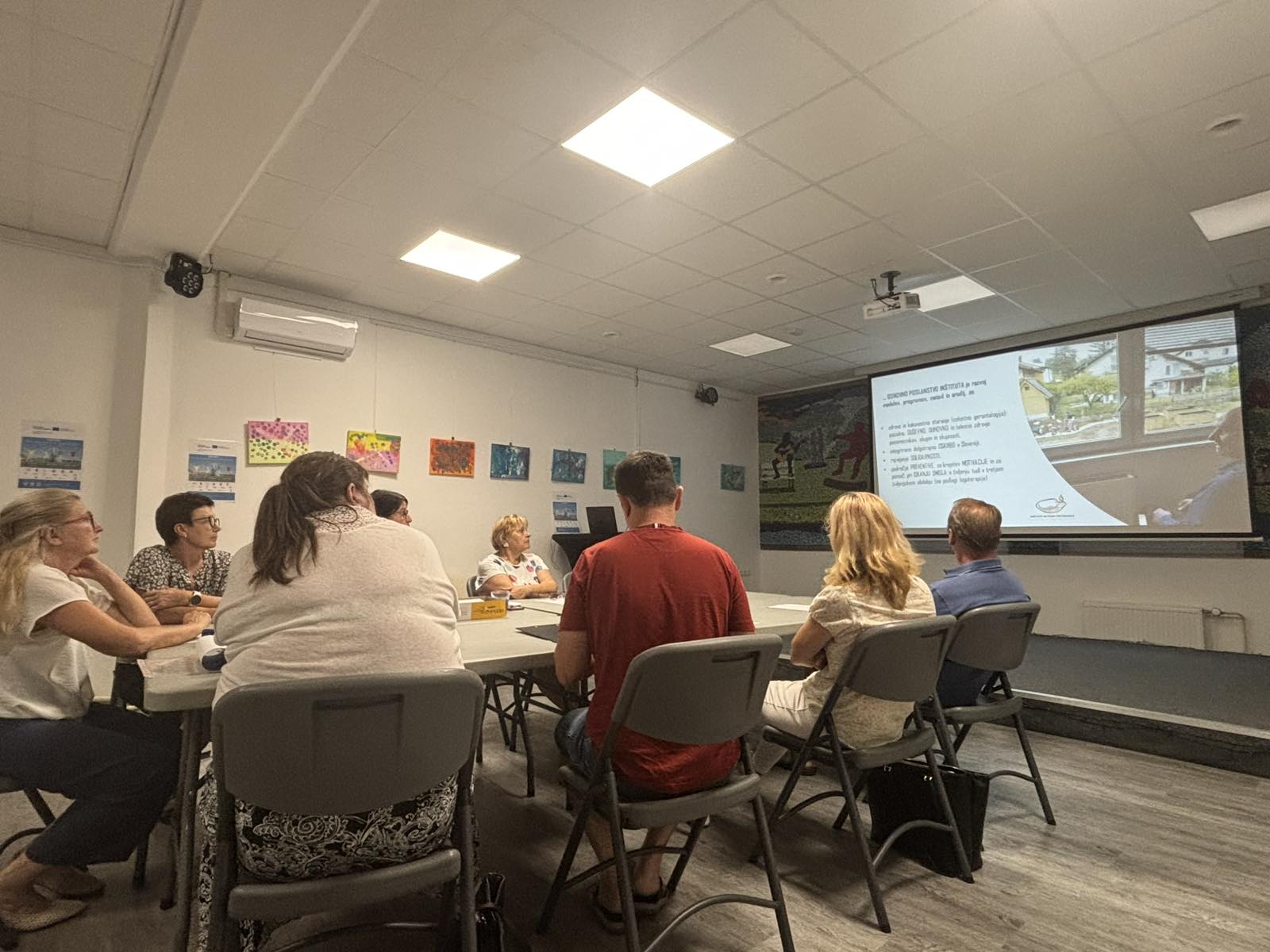
Video Points for older people.
The third practice, “Kind Life,” was presented by Ms. Damjana Pangerčič, Founder of the Institute for Social Gerontology (ISG) Amabilis. Kind Life is an innovative media and partnership concept promoting active ageing, social inclusion and accessible experiences through tourism, culture and storytelling. The practice highlights older people as active protagonists rather than simply a target group, with experiences designed to foster participation, connection and quality of life. Through a short explainer video, Ms. Pangerčič demonstrated how social impact can be integrated into mainstream media content through collaboration between communities, tourism destinations, media and businesses.
The fourth practice, Developing Multipurpose Coworking Spaces for Family Caregivers, was presented by Mr. Hans Peter Sander from CoWorkLand. The practice focuses on establishing community spaces with a central coworking hub located close to care recipients, enabling family and volunteer caregivers to combine employment with caregiving while reducing commuting, isolation and work–care conflicts. The “Sorgende Stadt Hemau” pilot demonstrates this approach through a temporary community space located near care facilities and supported by local care providers, volunteers, community organisations and employers, while also offering opportunities for senior activities, digital and skills workshops, AgeTech and social innovation and research collaboration. Key lessons from the pilot highlighted strong stakeholder support, while emphasising the need for targeted outreach to caregivers, active employer engagement and sufficient time to build effective local networks and community participation.
Although the activities differ in their focus and implementation, they share a common goal – finding concrete, inclusive and sustainable solutions for people in vulnerable situations within local communities.
The workshop explored how stakeholders can work together to better understand local needs and translate them into practical solutions.
Putting people at the centre of development
The principle of “Nothing about us without us” places people and their lived experiences at the centre of development. Co-creation brings together public authorities, businesses, civil society organisations, associations, volunteers and individuals to understand local needs and develop relevant, accessible and meaningful solutions. The four ELEVATE examples showed different approaches to addressing social challenges and strengthening cooperation, while sharing experiences helped identify solutions that could be adapted and applied in other communities.
Impact and next steps
he conference concluded with the “Impact & Next Steps” session, where Ms. Irina Panait from URBASOFIA presented the ELEVATE project and summarised the workshop discussions and key takeaways. The REGIONS 2030+ conference highlighted the importance of inclusive, collaborative, resilient and locally responsive approaches to regional development.
The event showed how meaningful change can start locally by connecting people, generations, knowledge and experience. Through its pilot activities and exchange of good practices, ELEVATE supports this approach by strengthening cooperation and co-creating solutions for more inclusive and resilient communities across the Danube Region.
Author: Jasna Presečki, DCHS

29/09/2026
By Jasna Presečki
Share on social media:


News & Events
Read the most recent updates and explore the upcoming events.

Would you like to receive project updates?
You're already part of our community!
Welcome to our newsletter community!
Subscribe to our newsletter