

ELEVATE Pilot Actions: Turning Ideas into Local Action
Across the ELEVATE partnership, pilot actions are moving from planning to implementation, bringing together municipalities, service providers, schools, NGOs, volunteers, and citizens to test innovative solutions for social inclusion and community wellbeing.
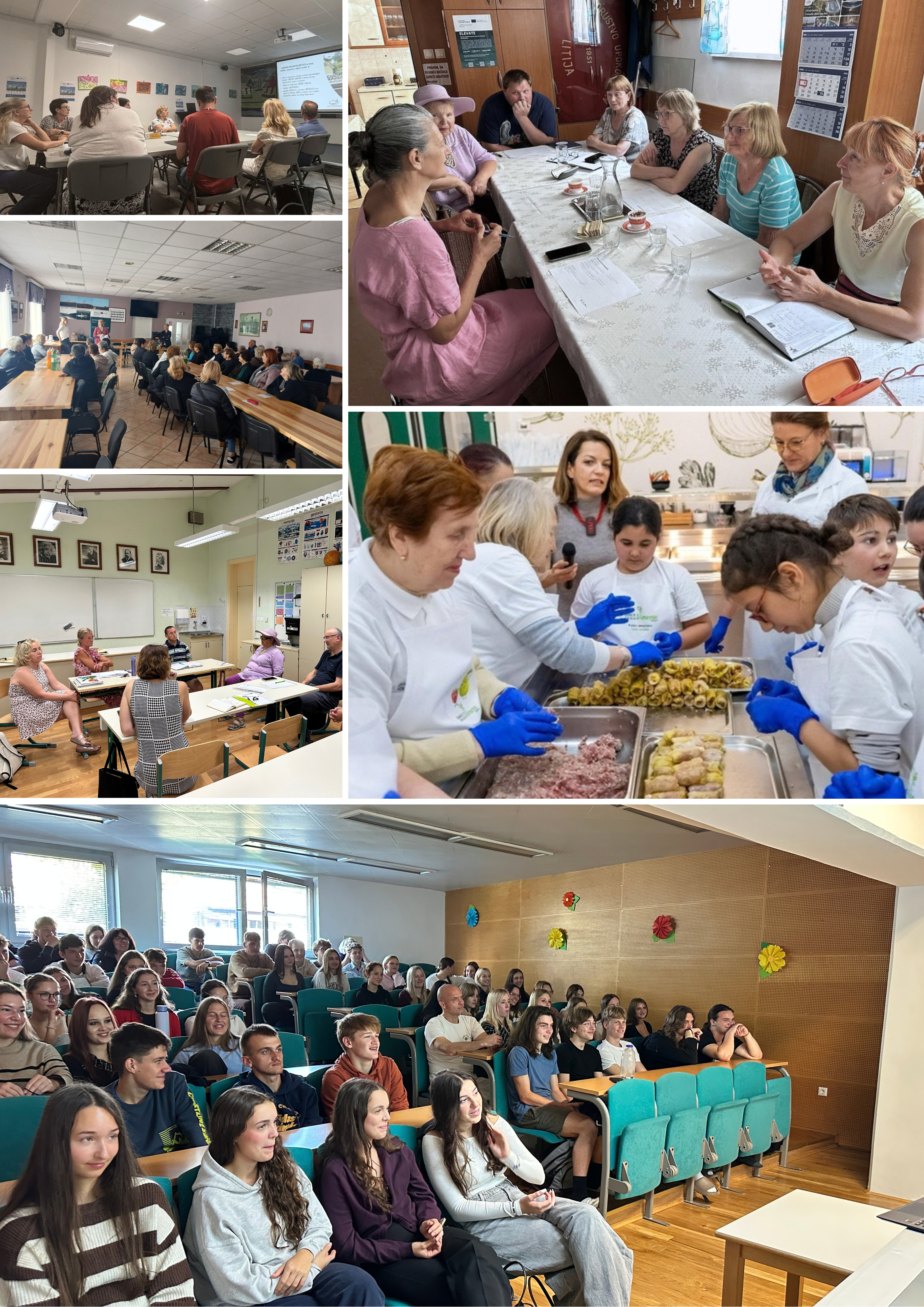
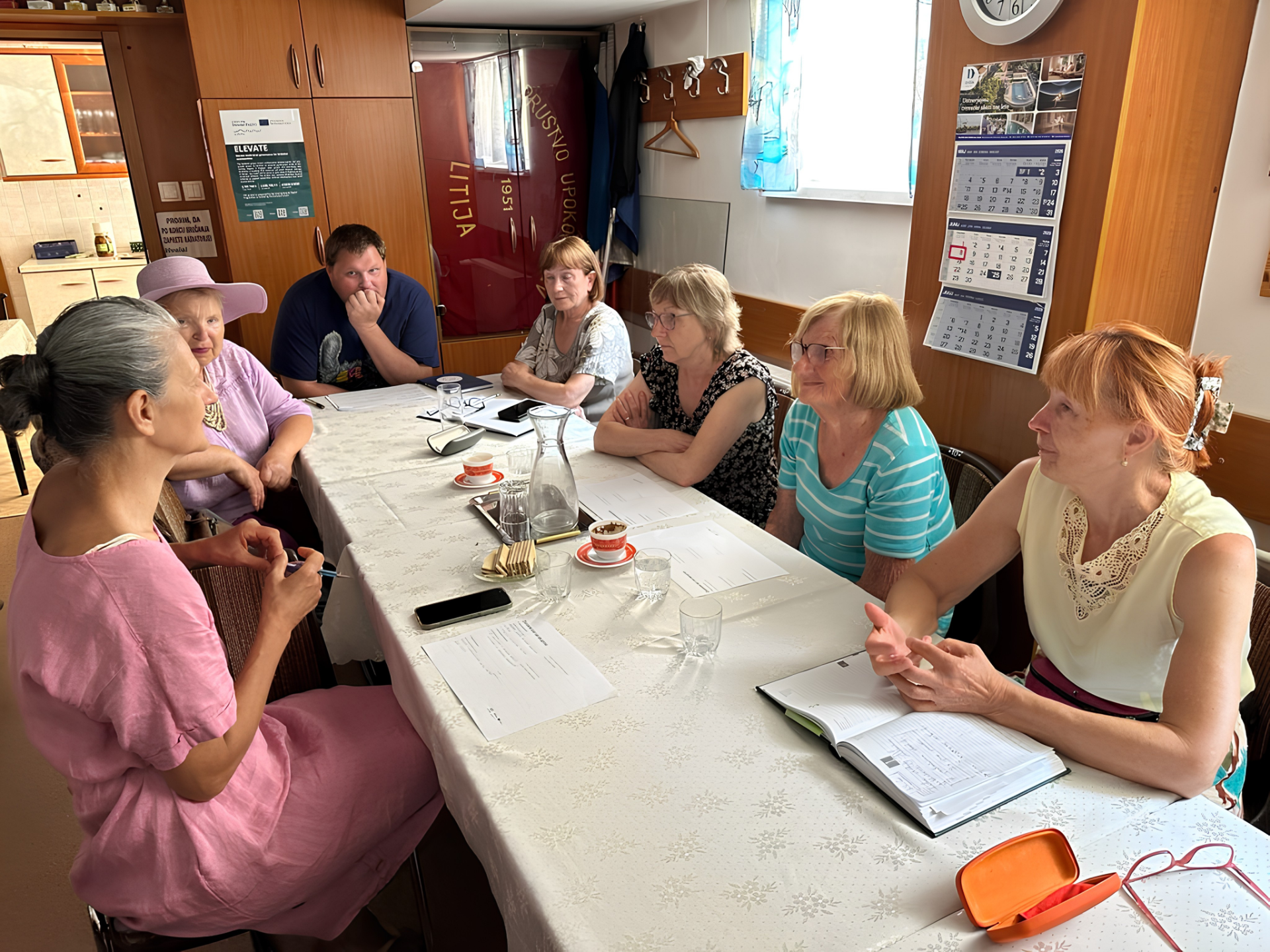
In Slovenia, the Development Centre of the Heart of Slovenia is strengthening existing Points for Older People and transforming them into intergenerational community spaces. Through workshops, volunteer network development, and cooperation with local schools, the pilot is creating new opportunities for older and younger generations to connect and collaborate.
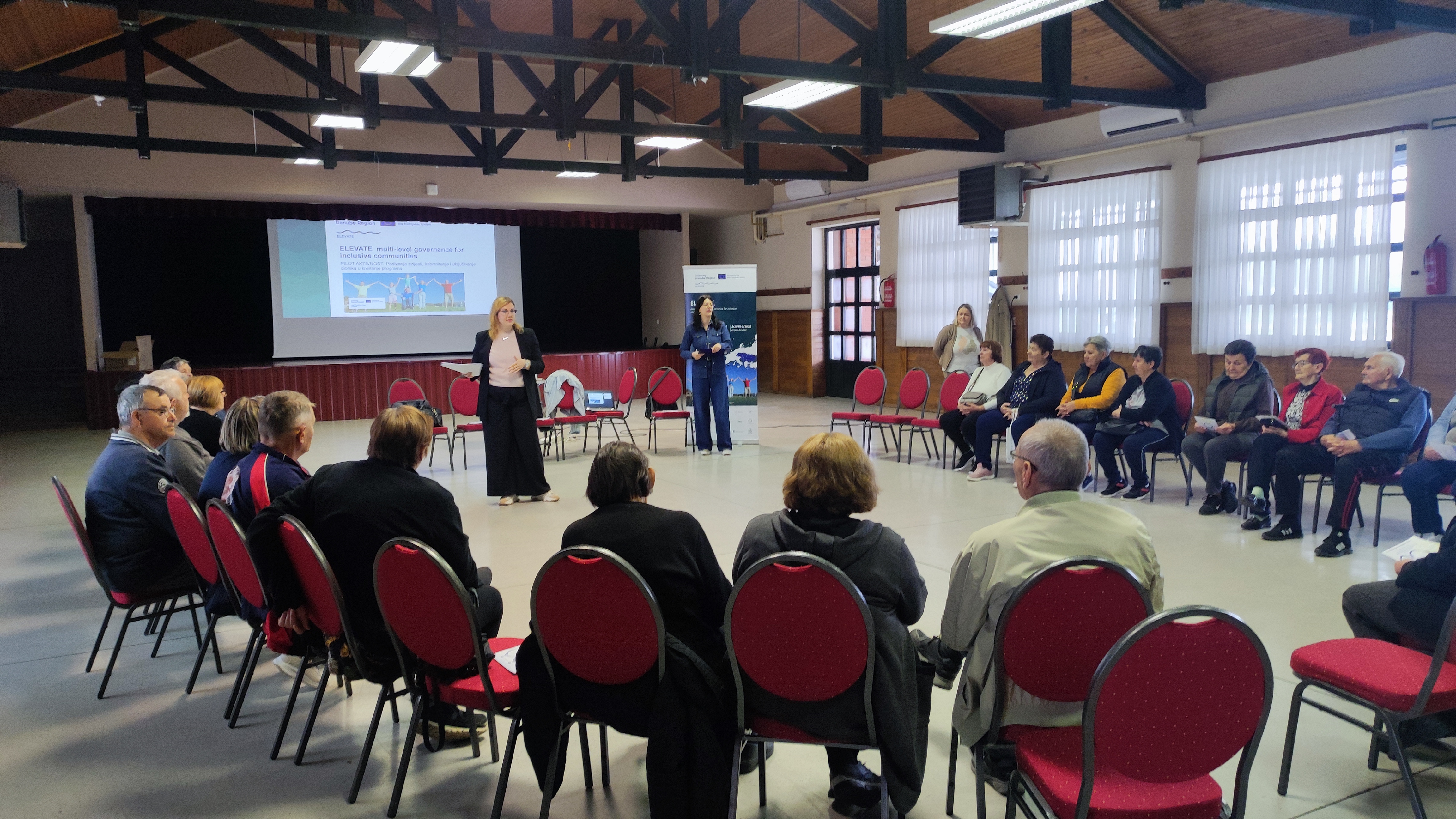
In Croatia, Osijek-Baranja County has completed awareness-raising activities across nine rural municipalities and is launching community-based services for older people, including semi-day care programmes and support from a multidisciplinary mobile team. The pilot has highlighted the importance of effective outreach, local coordination, and accessible transport in rural areas.
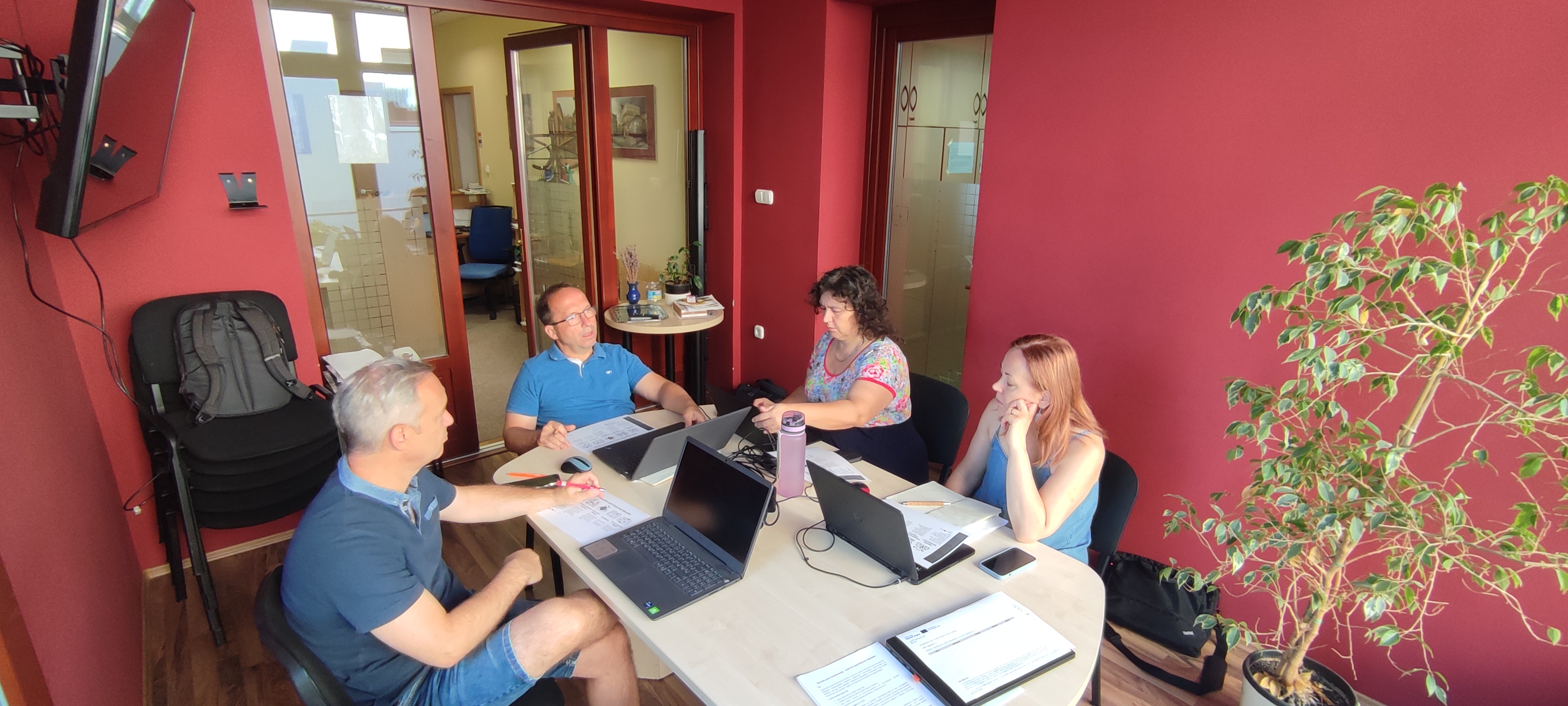
In Slovakia, the Banská Bystrica Self-Governing Region (BBSK) is focusing on digital innovation. The region has developed an online map of social services, providing citizens with easier access to information about available support. Building on this, BBSK is currently developing “Social Guide” (Sociálny sprievodca), a new application designed to help citizens identify suitable social and related healthcare services. The platform will include a searchable service database, user-friendly navigation, and an AI-assisted guide connected to verified service information.
“Our goal is to make social and healthcare support easier to understand and easier to access. By combining verified service information with simple digital tools, we want to help citizens find the right support at the right time.” (Banská Bystrica Self-Governing Region)
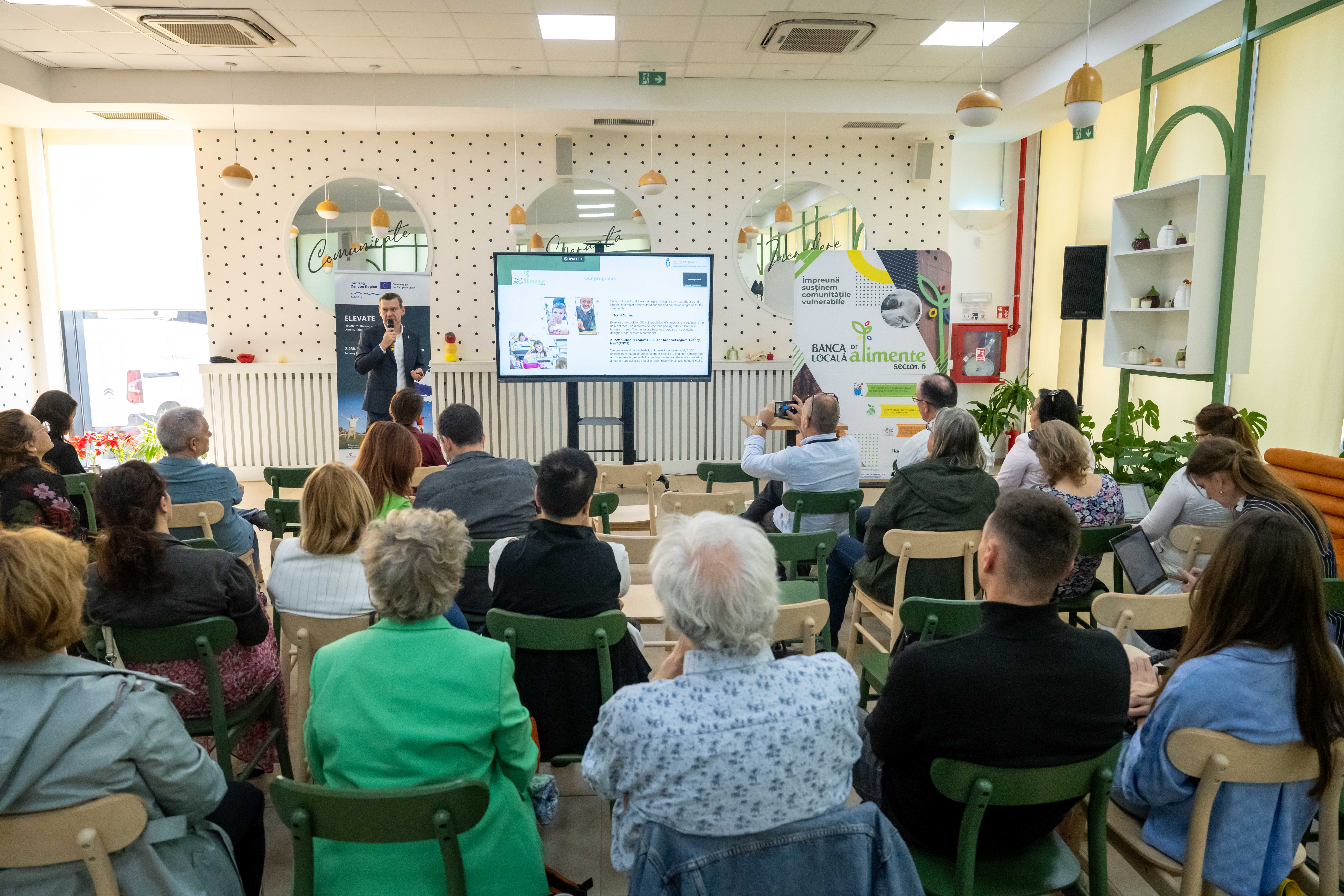
In Romania, Sector 6 Bucharest has successfully launched its Cook.Share.Care. pilot, bringing older people together through cooking and nutrition workshops. A particularly successful feature has been the “shared table” concept, where participants, trainers, and project staff share a meal after each session, fostering trust, social interaction, and a sense of community.
Implementation is progressing at different speeds across the partnership. While several partners have already moved into the active delivery phase and are implementing activities with target groups, others are finalising preparatory, procurement, or administrative procedures before launching their pilots. Despite these differences in timing, all pilot actions are advancing towards implementation and remain focused on their planned objectives and expected outcomes.
Despite their different themes and local contexts, partners report similar experiences. Common challenges include participant engagement, transport and accessibility in rural areas, stakeholder coordination, and the availability of specialised professionals. At the same time, strong local partnerships and community support are proving to be key drivers of success.
Several early lessons are already emerging. Building on existing networks and community structures has proven more effective than creating entirely new systems. Partners also highlight the importance of flexibility, early stakeholder involvement, and creating meaningful opportunities for people to connect, learn, volunteer, and participate in community life.
Although still in the early stages, the pilot actions are already demonstrating the value of the ELEVATE ecosystem-based approach. By strengthening local partnerships, mobilising community resources, and testing innovative solutions in real-life settings, partners are laying the foundations for more inclusive, resilient, and connected communities across the Danube Region.
Author: Milan Zboril, BBSK

29/09/2026
By Jasna Presečki
Share on social media:


News & Events
Read the most recent updates and explore the upcoming events.

Would you like to receive project updates?
You're already part of our community!
Welcome to our newsletter community!
Subscribe to our newsletter