
On School Dropout: European Solutions Discussed in Arcuș
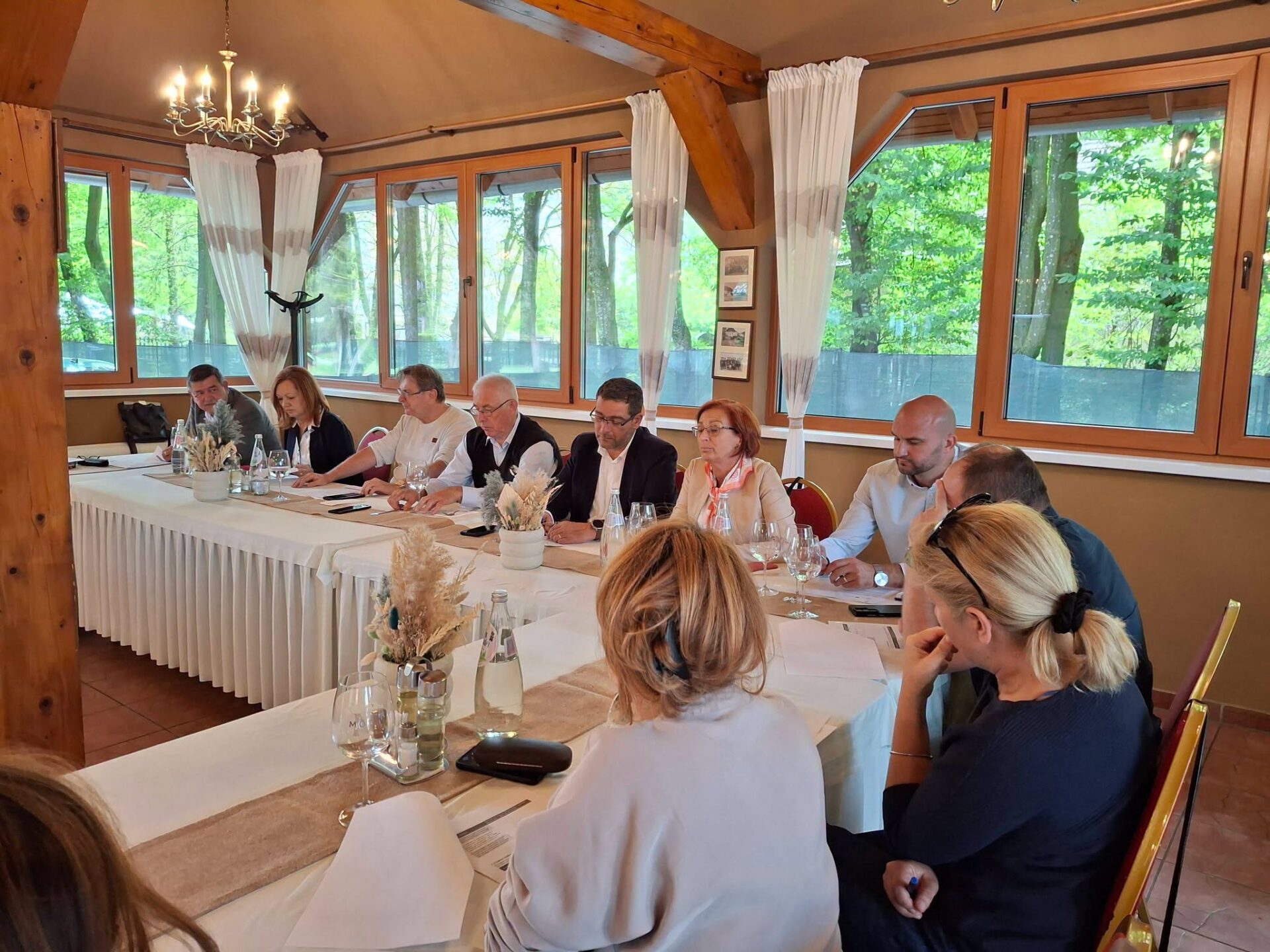
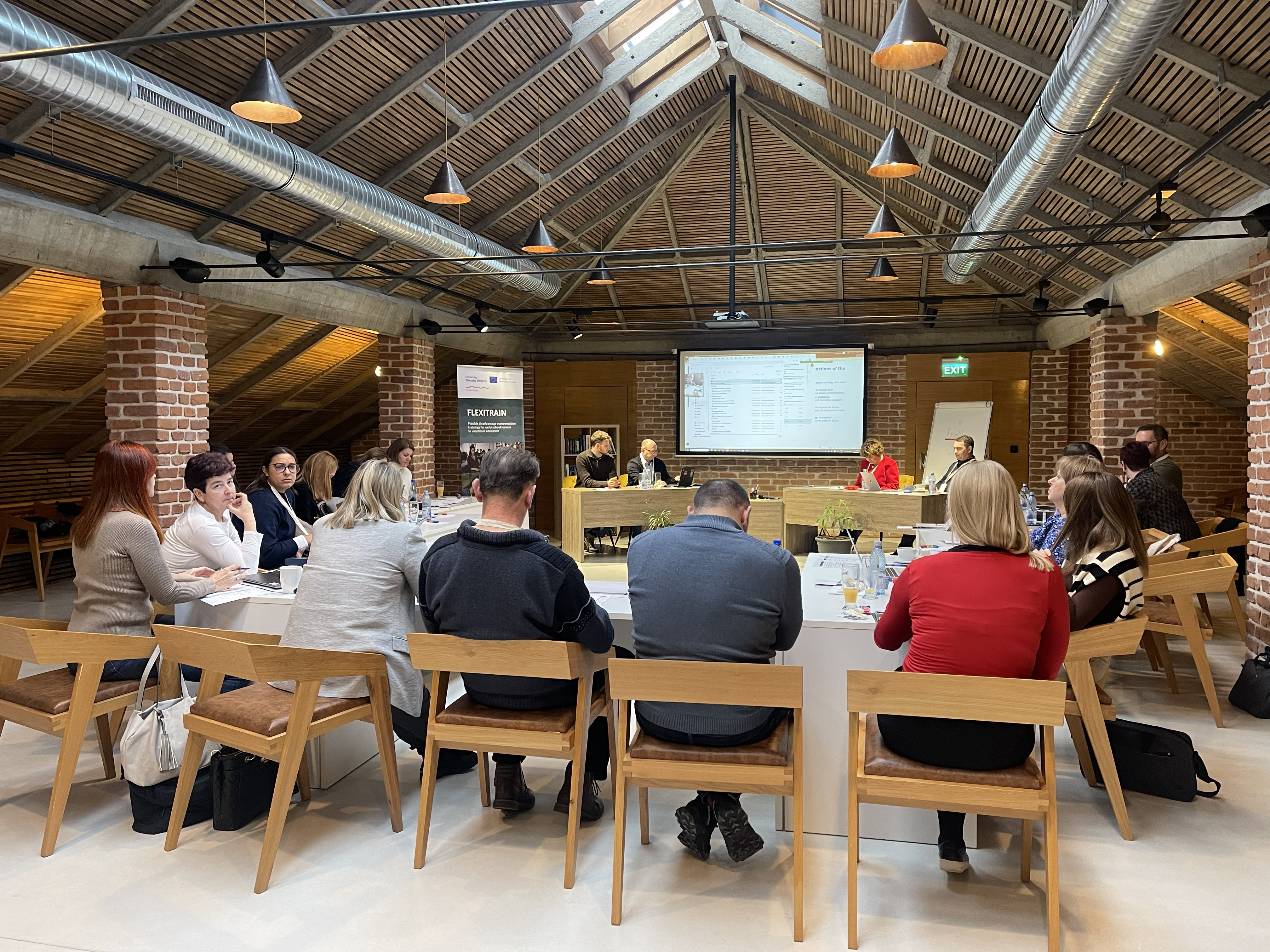
How can young people who have dropped out be brought back to school? And, more importantly, what can be done to prevent a student facing difficulties from leaving school in the first place? These were the key questions addressed at the FLEXITRAIN workshop organized on September 8 in Arcuș by ASIMCOV – the Covasna Association of Small and Medium-Sized Enterprises.
The event took place at Restaurant Huszár from 1:00 p.m. to 5:00 p.m. and was organized as part of the European FLEXITRAIN project, funded through the Interreg Danube Region Programme.
The objective was highly practical: to identify solutions for young people at risk of leaving school, as well as those who had already dropped out and needed a more flexible pathway to return to education or vocational training.
Not All Young People Fit the Same Pathway
FLEXITRAIN is based on the idea that traditional education and vocational training systems are not perfect. They do not always succeed in addressing the very different circumstances young people may face.
A student may, for example, interrupt their education and subsequently find it difficult to return to the system. For this reason, one of the issues explored during the workshop was the possibility of creating more flexible training pathways, including ways for young people to re-enter the system without losing the progress they had already made.
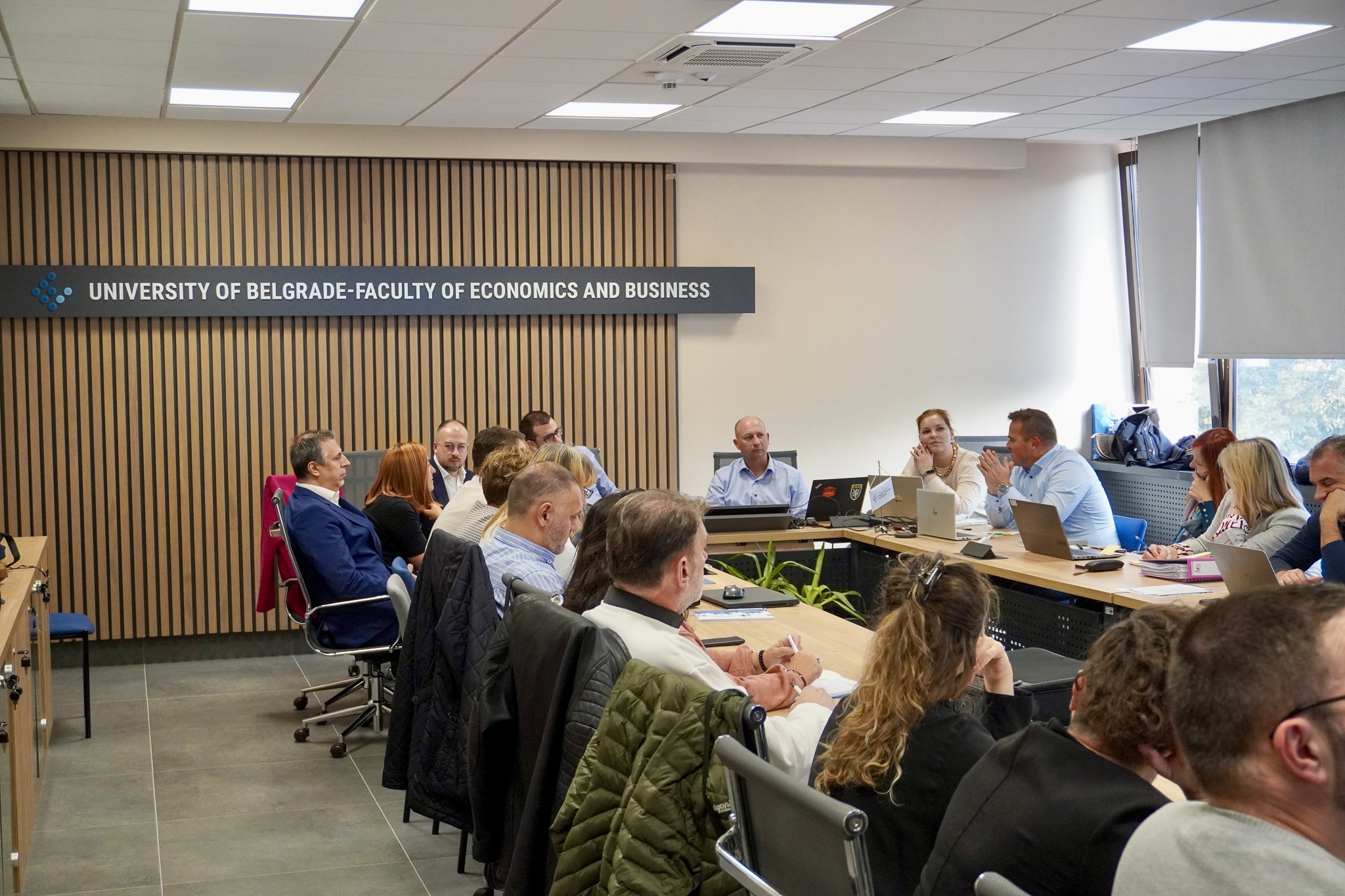
The event in Arcuș was not a traditional conference where participants simply listened to presentations. Instead, the workshop was designed as a working session in which participants identified existing problems and, more importantly, discussed practical solutions that could be implemented.
What Schools Can Do and Where the Law Needs to Change
The discussions focused on three main topics. The first was legislation. Participants examined what the current legal framework allows, where obstacles exist, and how much freedom schools have to create more flexible forms of education and training.
The second topic concerned cooperation between institutions. For a young person at risk of dropping out of school, intervention by a teacher alone is not always enough. Support may also be needed from schools, local authorities, social services, employment services, counsellors and vocational training providers. Participants therefore discussed how these institutions could work together more effectively to support young people at risk.
The third issue was funding. A solution tested through a European project is useful only if it can continue after the project itself has ended. For this reason, participants examined local, national and European funding opportunities and discussed ways to ensure that measures proven to work could become sustainable in the long term.
FLEXITRAIN – A 2.4 Million € European Project
FLEXITRAIN is a European project with a total budget of approximately 2.42 million €, of which around 1.94 million € comes from Interreg funding. The project runs from April 2025 to March 2028 and brings together 11 partners from nine countries in the Danube Region: Romania, Hungary, Slovakia, Austria, Slovenia, Croatia, Serbia, Bosnia and Herzegovina, and Ukraine. Romania is represented in the consortium by ASIMCOV.
The partners are working to develop and test flexible training tools and methods that can be adapted to the realities of each country. Local experiences are then compared so that successful solutions can also be applied in other communities.
Conclusions from Arcuș Will Feed into the Wider Project
At the end of the workshop, three priority conclusions were selected. Some concerned issues that could be addressed within schools or at the local and county levels, while others pointed to the need for legislative changes, ministerial decisions or new funding mechanisms.
The conclusions will be summarized by ASIMCOV and incorporated into the FLEXITRAIN Joint Strategy.
Ultimately, the question FLEXITRAIN is seeking to answer remains simple: How can we build a system flexible enough to ensure that a young person facing difficulties is not permanently lost to education?

06/10/2026
By Diana Javorcikova
Share on social media:



News & Events
Read the most recent updates and explore the upcoming events.

Would you like to receive project updates?
You're already part of our community!
Welcome to our newsletter community!
Subscribe to our newsletter