

Connecting Generations with Creativity and Culture in Apatin - Volunteer Programme
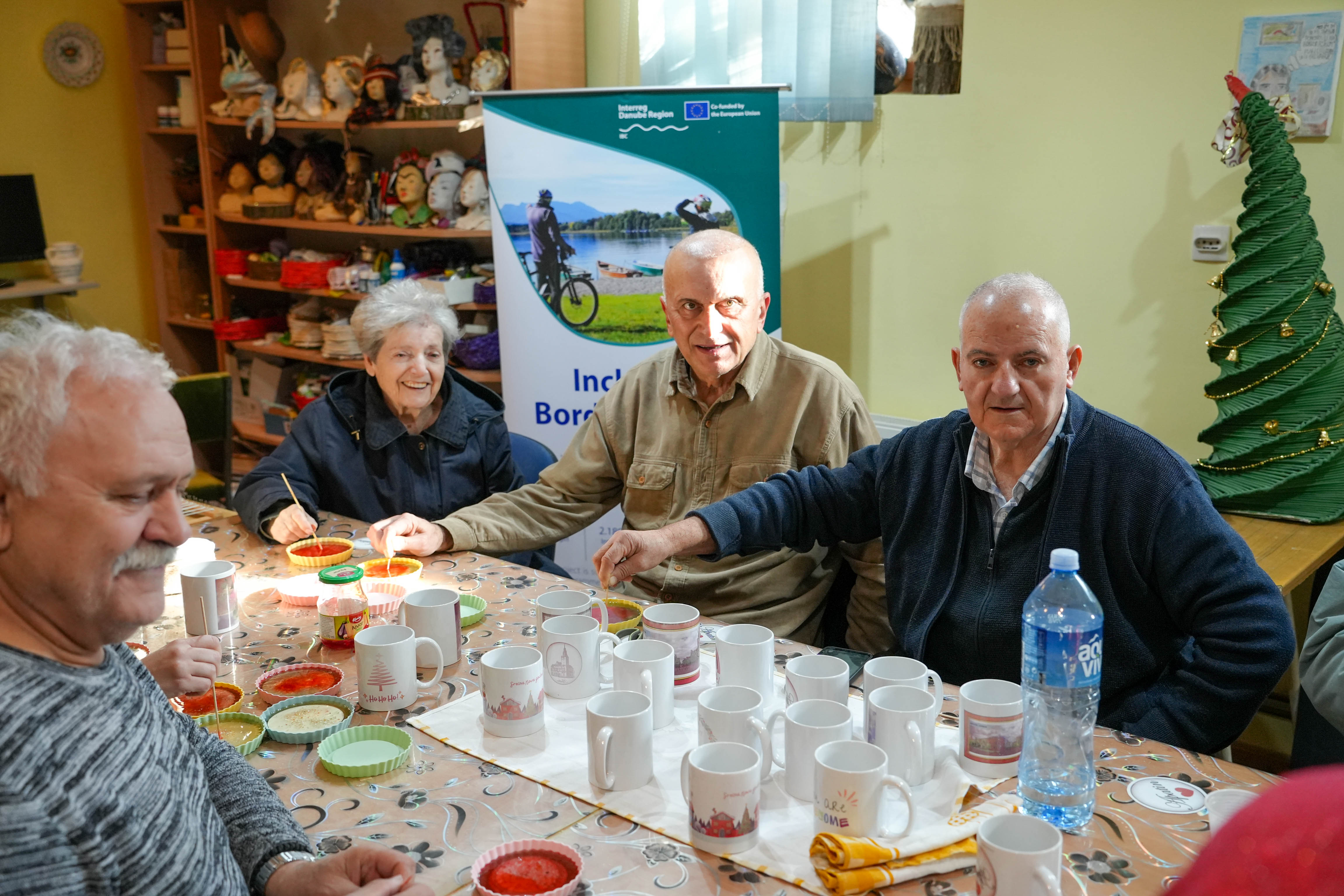
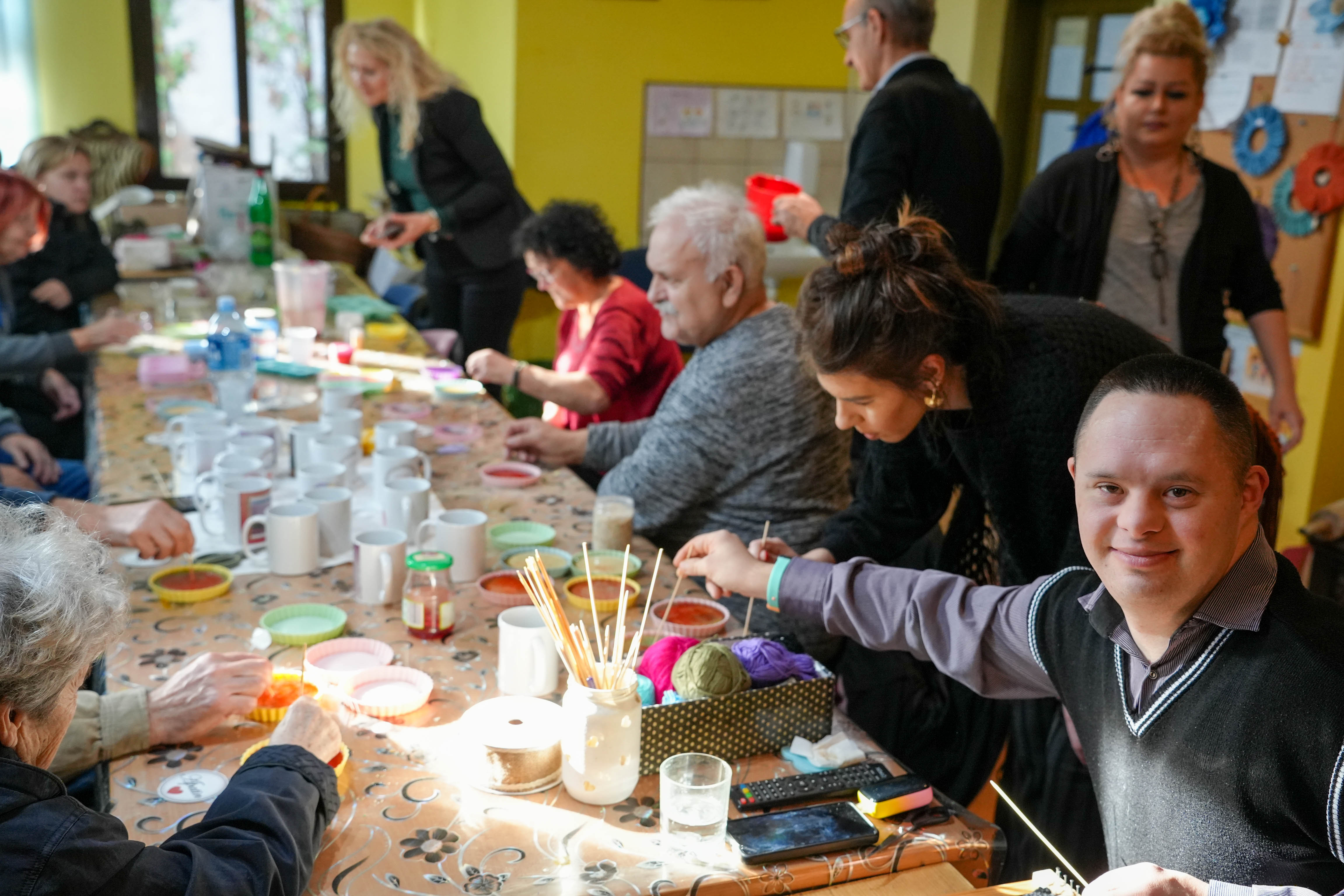
As part of the IBC – Inclusive Border Cycling project, the next two workshops were held inthe Municipality of Apatin, which combined creative work, modern technologies and the story of the historical development of the city.
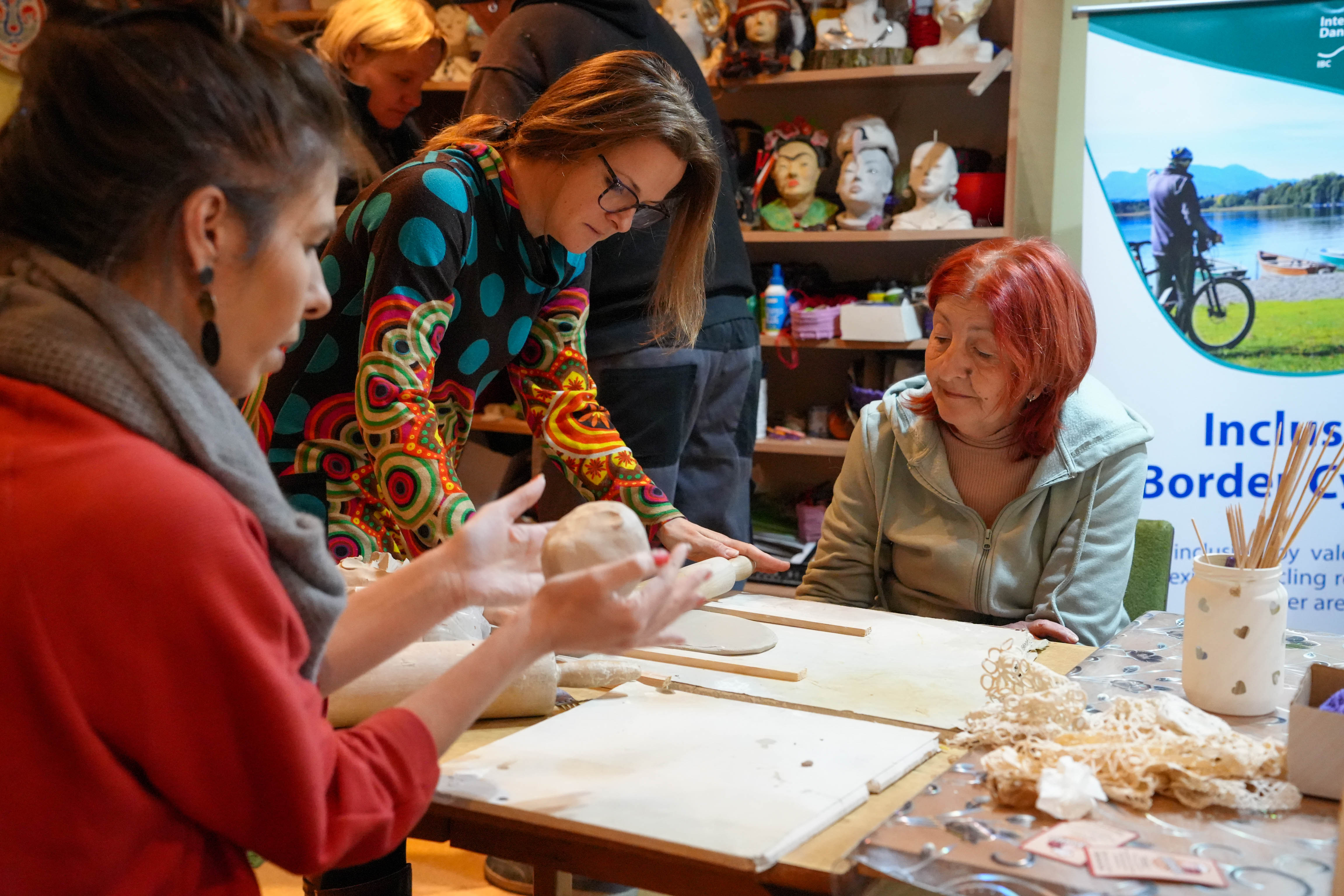
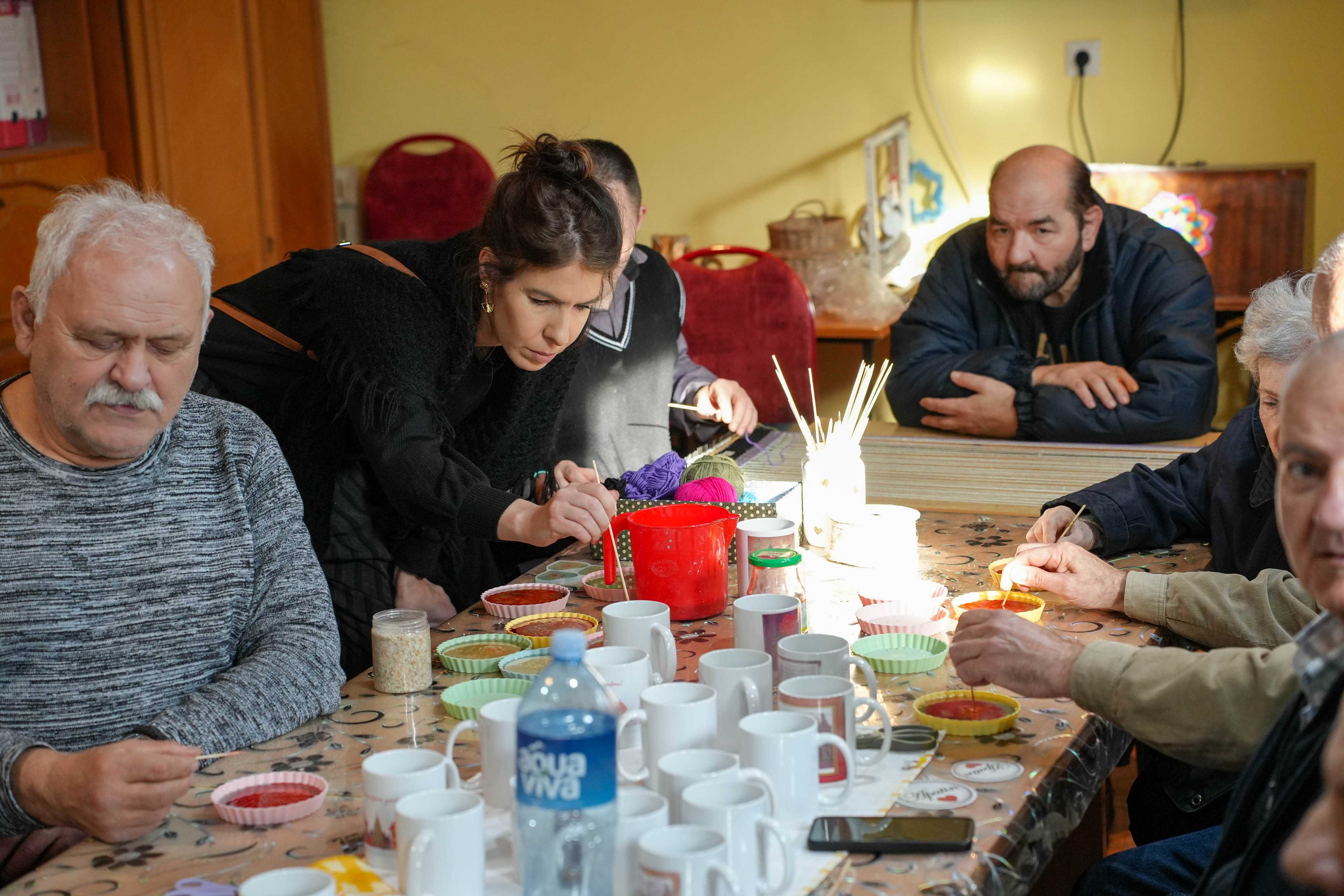
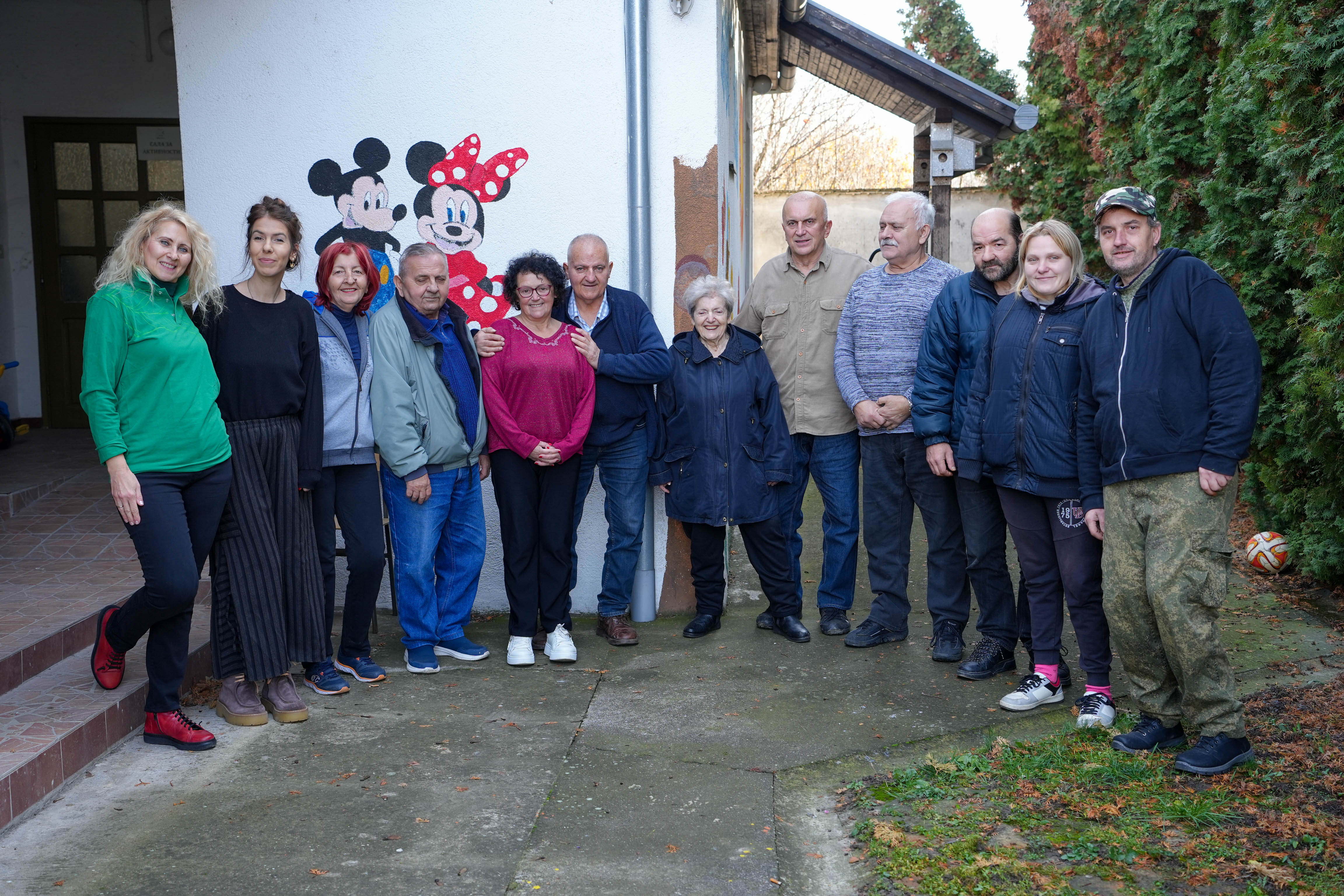
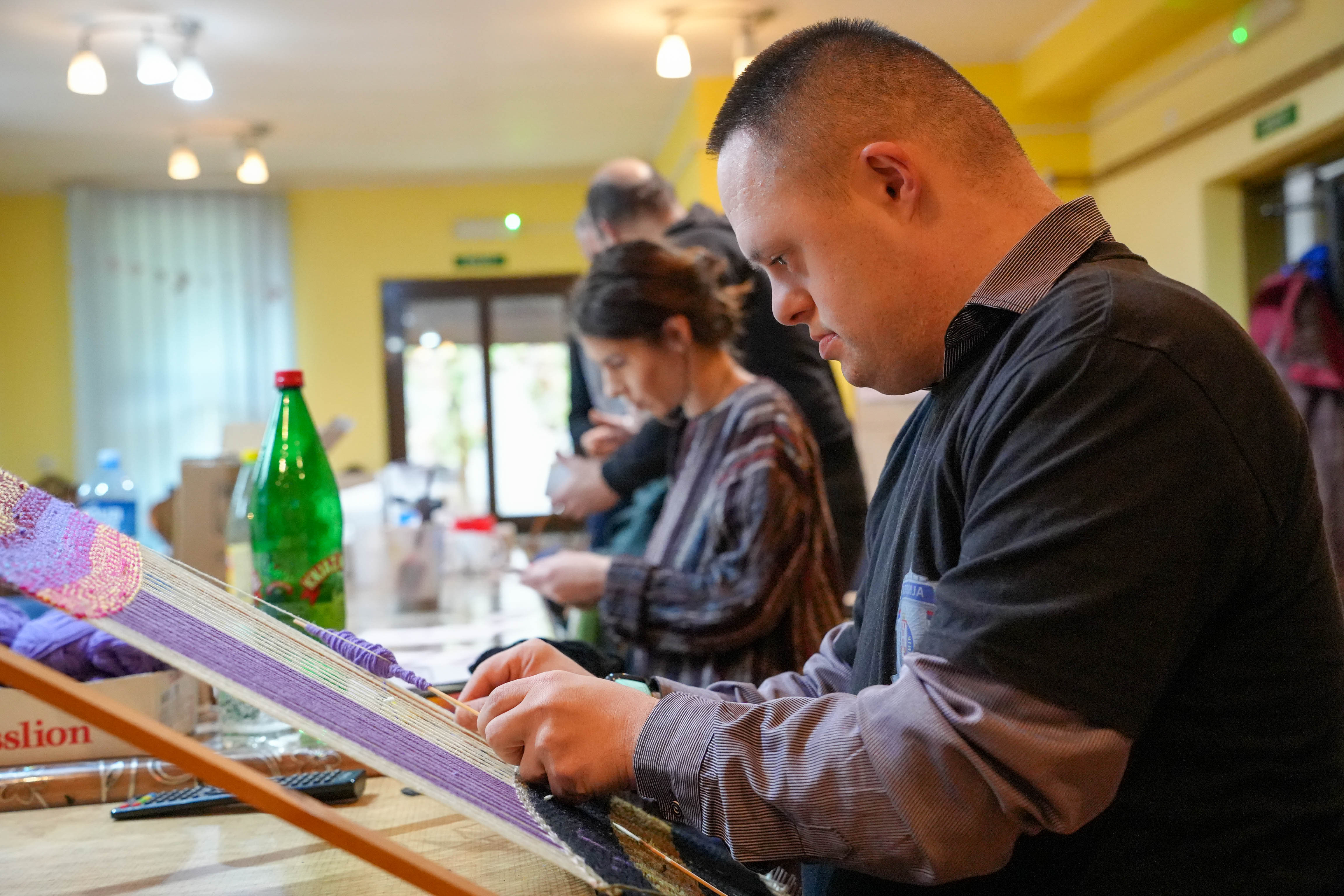
During the workshop, materials provided by the project were used – clay and epoxy resin- and participants had the opportunity to learn about different techniques for shaping and making souvenirs. The activities were attended by young people from IBC project associated partners- the Centre for Culture and Education from Sonta (CEKOS) and the “Franz Špejser” Youth Group, representatives of the Municipal Pensioners’ Association, as well as people with disabilities from the “Breza” Association from Apatin.
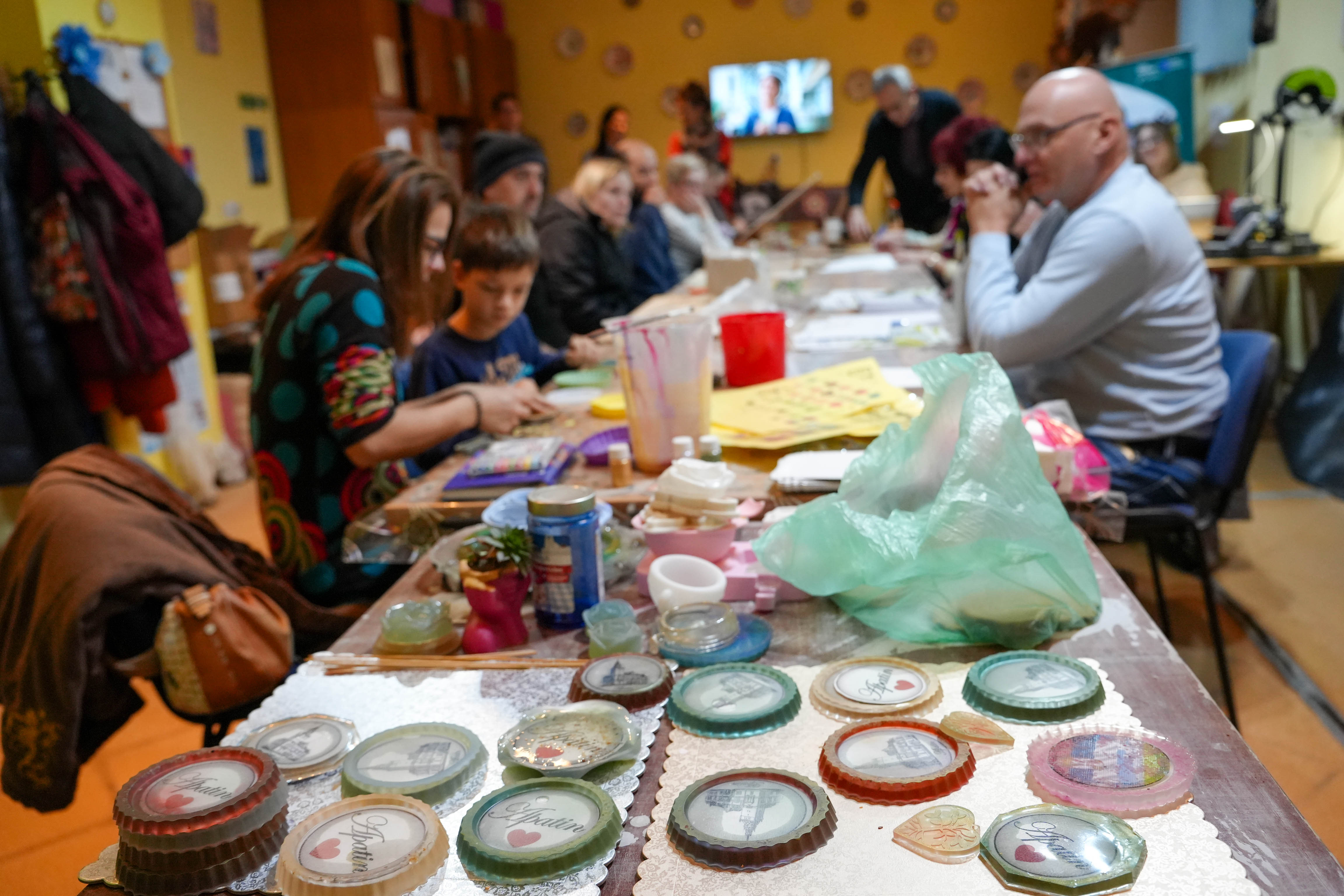
A separate segment was dedicated to training in working with a 3D printer, led by a representative of the CEKOS Youth Group, with the aim of transferring knowledge and experience to young, older participants and people with disabilities. The participants learned about the basics of 3D printing, the materials used, and the possibilities of making various objects, which is especially important for members of the “Breza” Association, who are engaged in the production and sale of handicrafts and plan to purchase their own 3D printer in the future.
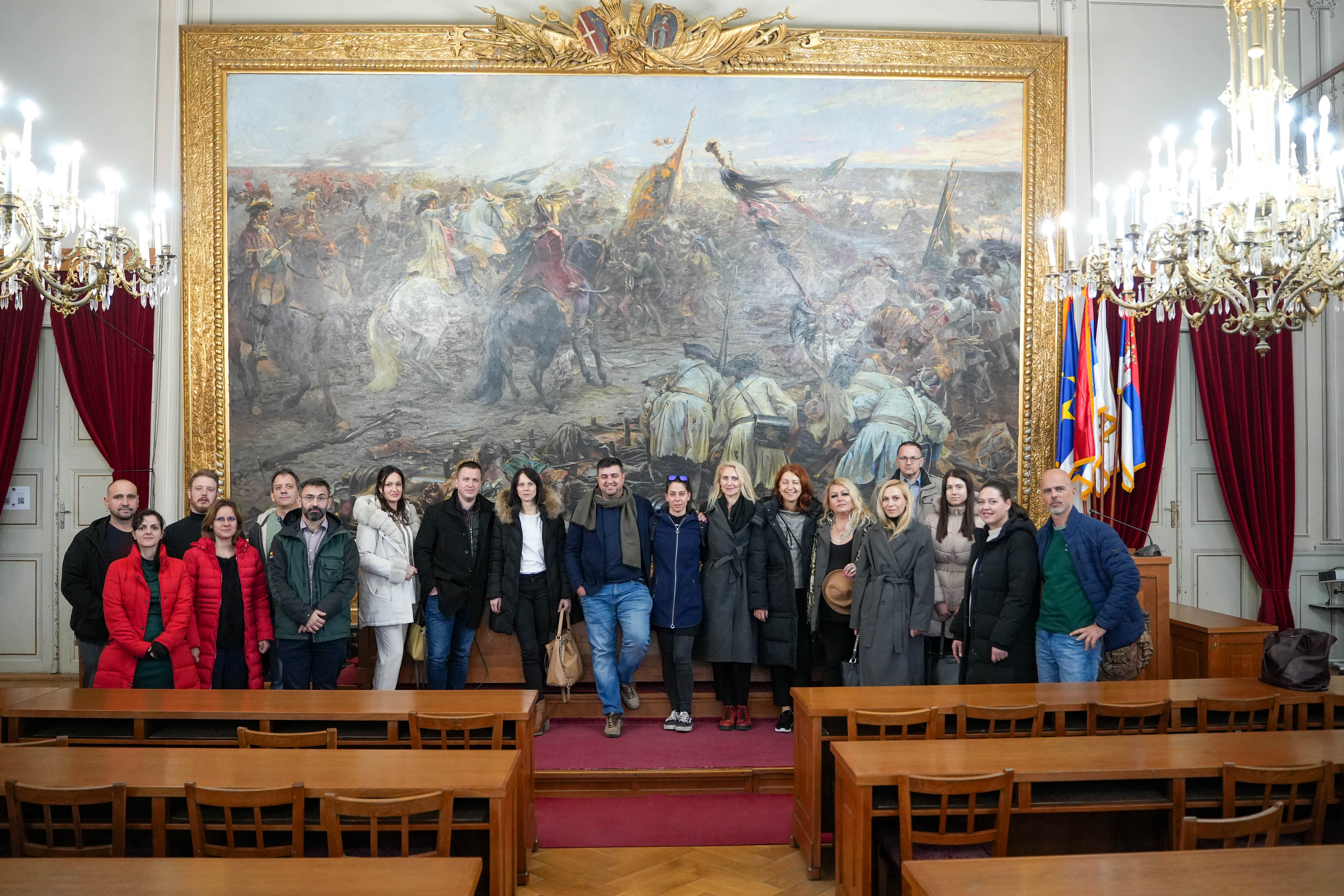
The program also included an interactive storytelling presentation led by Boris Mašić from the “Adam Berenc” Association of Danubian Germans. Through storytelling, the participants learned about the history of Apatin – from the first settlements, the Roman period, and the Middle Ages, to the role of the Danube as a natural obstacle, but also an important advantage for the development of life and civilisation. The historical overview is also connected to the archaeological research that has been conducted in recent years at the “Magareći mlin” site, where remains from the ancient and medieval periods have been confirmed. The historical review continued through the period of Turkish rule, and then the Austro-Hungarian rule, which created the conditions for the later organised settlement of the population from Ulm, the development of the first settlements and crafts.
In this way, the story is rounded off with the development of Apatin into the city we know today, with objects that testify to past times and people who, with their work, left a mark far beyond the local framework.
During this exhibition, young people from the Center for Culture and Education from Sonta carefully recorded the presented data and testimonies, recording conversations and collecting material that will be processed and presented in text form on the organization's pages, as a permanent digital record of the story of Apatin and its past.
In the final part of the workshop, participants shaped figures and souvenirs through creative work with clay, combining traditional materials and contemporary ideas.
Through activities like these, the IBC project shows that connecting knowledge, history, and new technologies can be a powerful impulse for personal development and the preservation of local values.

15/01/2026
By
Share on social media:


Social
Cooperation

News & Events
Read the most recent updates and explore the upcoming events.



Would you like to receive project updates?
You're already part of our community!
Welcome to our newsletter community!
Subscribe to our newsletter