
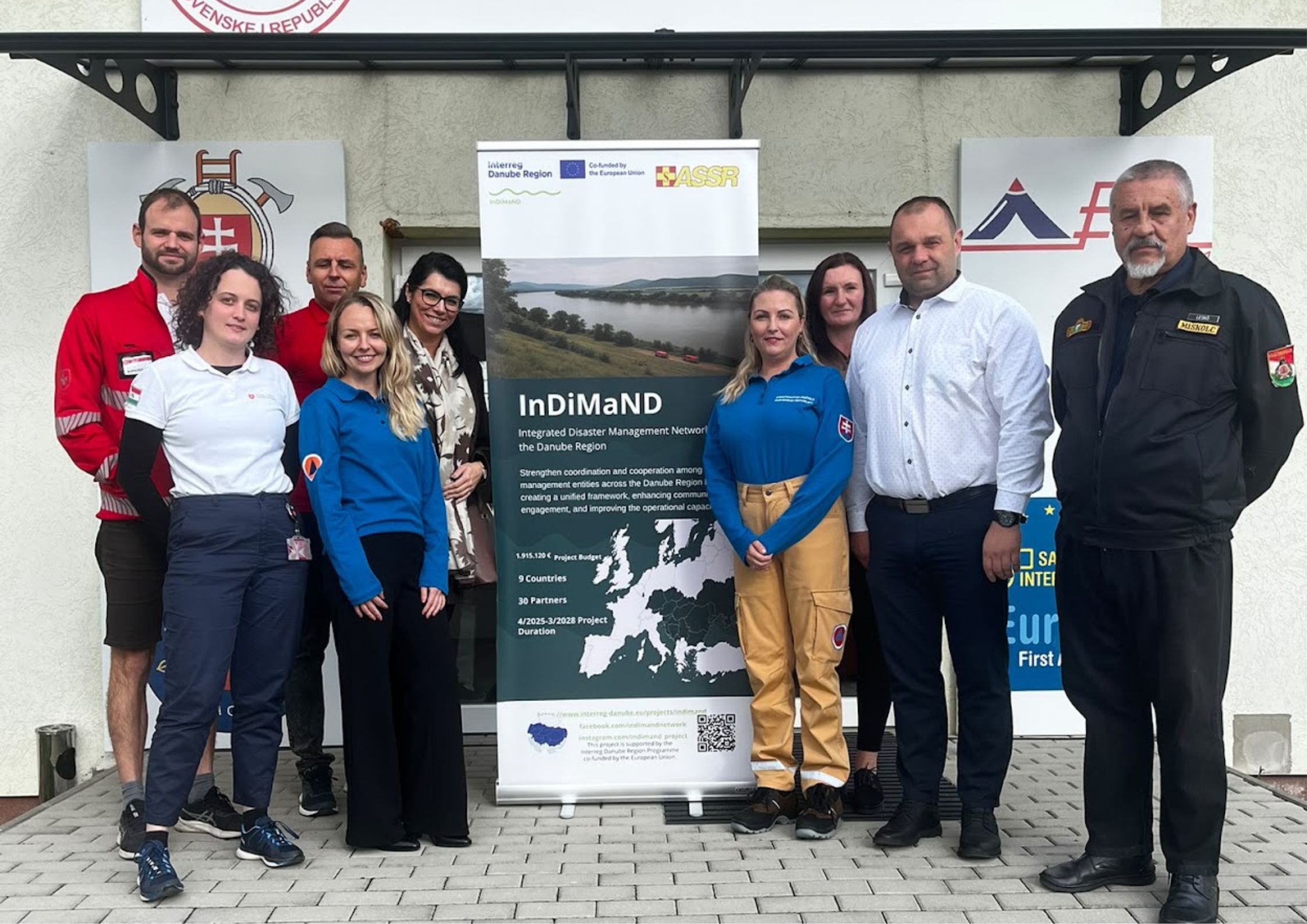

Transnational Workshop in Slovakia
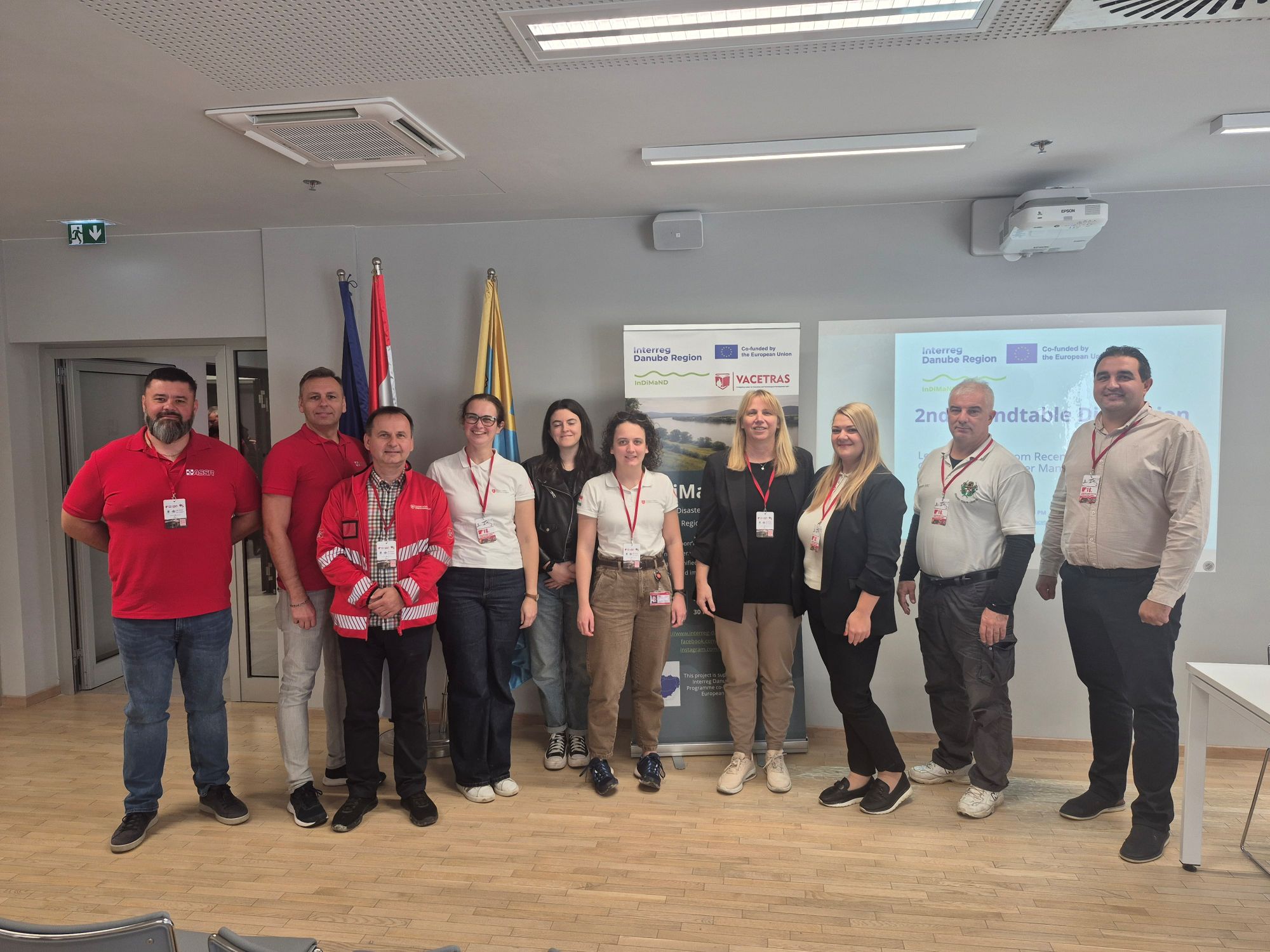
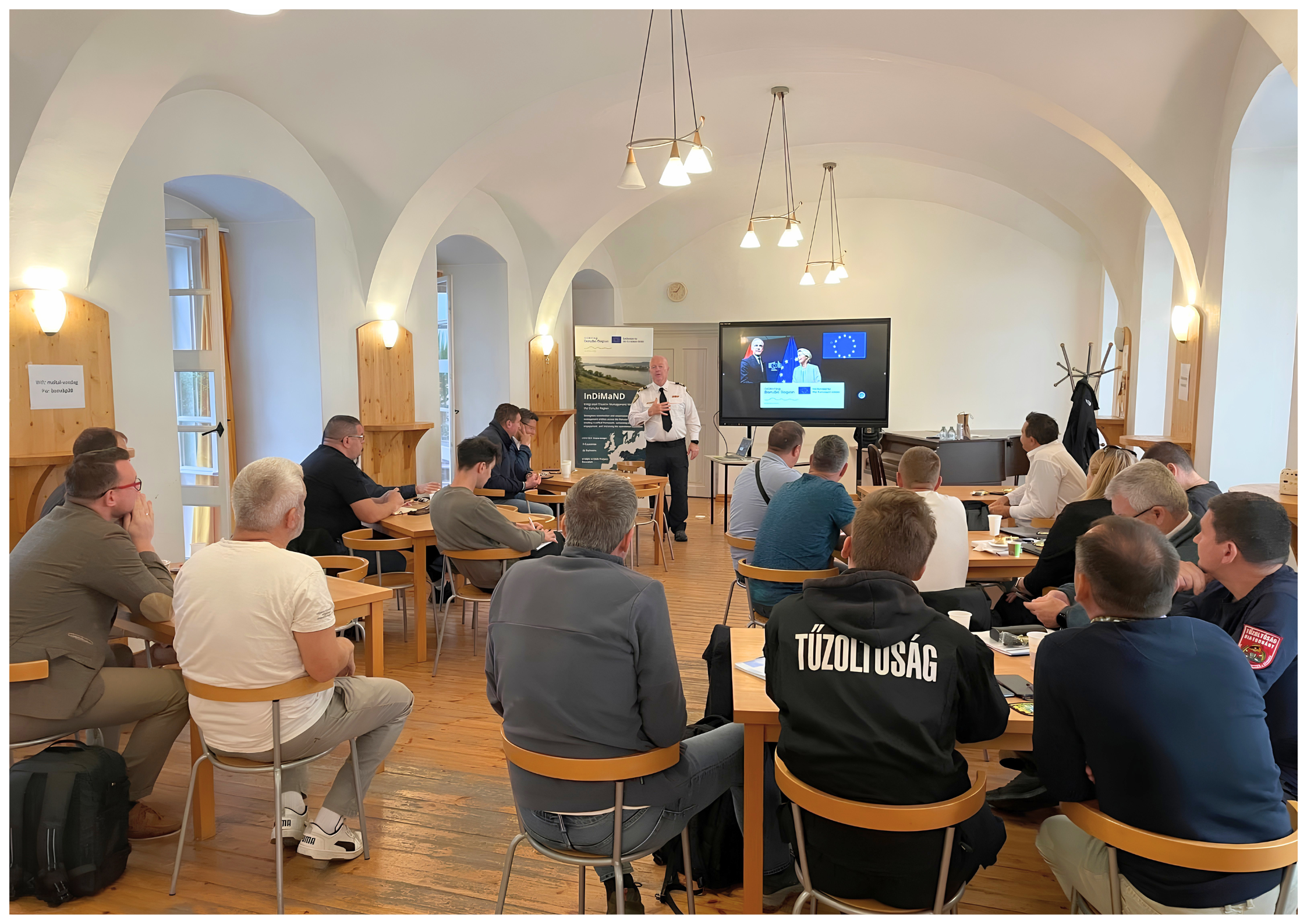
On 12 October 2026, an international workshop was held in Plaveč, Slovakia, as part of the InDiMaND project, bringing together 13 representatives from six organizations in Hungary and Slovakia. The workshop aimed to strengthen cross-border cooperation in crisis management and establish a practical foundation for joint preparedness.
Participants worked on a complex scenario simulating a large-scale refugee crisis, in which attacks on critical infrastructure in the EU’s eastern neighbourhood triggered significant population displacement. The simulated situation focused on the Slovak–Hungarian–Ukrainian tri-border area.
The two international working groups examined the practical feasibility of the scenario, the resources required, and the coordination challenges that could arise during crisis management.
During the joint discussions, participants explored the challenges associated with receiving, accommodating, and providing assistance to displaced people. Particular attention was given to healthcare capacities, logistical requirements, the continuity of essential services, and cooperation between public authorities and civil society organizations.
One of the workshop’s key findings was that effective crisis management depends not only on the availability of adequate resources, but also on reliable information sharing, clearly defined responsibilities, and well-coordinated cooperation.
Tangible outcomes supporting further project development
The workshop resulted in several important findings and recommendations that will directly contribute to the next stages of the InDiMaND project.
Refined crisis scenario: Participants further developed the simulated refugee crisis scenario, taking into account potential humanitarian, healthcare, and logistical challenges.
Identified information gaps: The working groups identified essential data requirements, such as the number of arriving people, their health conditions, and their expected length of stay, which are crucial for informed decision-making.
Concrete operational recommendations: Participants proposed improvements to operational planning, particularly regarding reception capacities, resource management, logistics, and long-term operational sustainability.
Identified areas for improved coordination: The discussions highlighted the importance of clearly defined responsibilities, effective information sharing, and stronger cooperation between public authorities and civil society organizations.
Applying the lessons learned to future project activities
The workshop went beyond professional knowledge exchange: its outcomes provide a concrete technical foundation for the next stages of the InDiMaND project.
The refined scenario, identified information gaps, and operational recommendations can be used to prepare upcoming tabletop exercises and support the development of joint preparedness and response models.
The workshop therefore marked an important step towards achieving one of the project's key objectives: strengthening disaster management cooperation among participating countries and enhancing their joint crisis management capabilities.

09/11/2026
By
Share on social media:


News & Events
Read the most recent updates and explore the upcoming events.



Would you like to receive project updates?
You're already part of our community!
Welcome to our newsletter community!
Subscribe to our newsletter