

Policy Brief
Access to safe drinking water is a cornerstone of public health and societal well-being, where healthy water ecosystems play a crucial role in sustaining livelihoods. Yet alongside the progress achieved in water management across Europe, new and complex challenges are emerging — few more pressing than the issue of microplastic contamination. Their ubiquitous presence in the water environment, diverse composition, and capacity to transport other pollutants raise important questions that science, policy, and practice are only beginning to systematically address.
This policy brief draws on the findings and operational experience of two EU projects, namely “Capacity building for management and governance of MICROplastics in DRINKing water resources of Danube Region – MicroDrink” implemented under the Interreg Danube Region Programme and “MInimizing CROssborder water contamination of microPLASTICS – MICROPLASTICS” carried out under Interreg VI-A IPA Hungary Serbia. Bringing together researchers, regulators, water suppliers, and public health professionals from across the Danube River Basin, MicroDrink has generated the first coordinated evidence base for microplastic occurrence in drinking water across the region, demonstrating that harmonised, cross-country monitoring is achievable and necessary. Uniting experts, public official, schools and communities across the cross-border area, MICROPLASTICS identifies pollution sources, measures contamination in key ecosystems and pilot filtration solutions and awareness-raising initiatives to reduce microplastic contamination in water and sediment. These activities are already contributing to active and effective pollution reduction and will ultimately lead to improved drinking water quality.
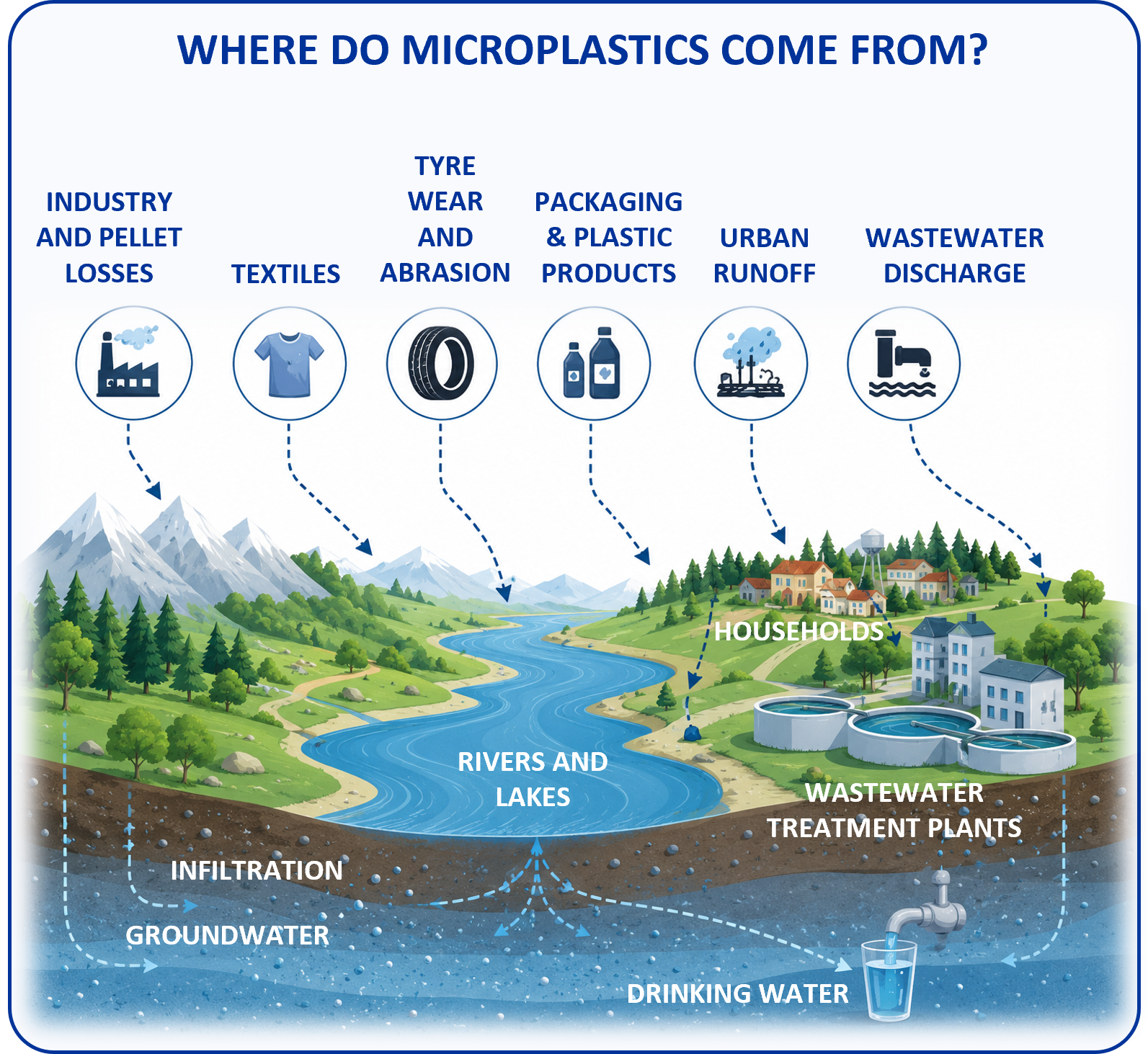
The evidence confirms that while microplastic concentrations in drinking water are generally low, they vary meaningfully according to water source type and are subject to upstream pressures. The technical and regulatory landscape remains in transition: the EU has established a harmonised measurement methodology, yet binding thresholds and corrective actions are still to be defined. This moment calls for proactive and informed preparedness. Findings show that water ecosystems in the cross-border area of Bačka and Baja are significantly affected by microplastics. Pollution levels and types are directly linked to human activities and the hydrological characteristics of the water bodies. For long-term regional protection, necessary activities include stricter waste management, regular macro-waste cleanup, innovative filtration solutions in wastewater treatment, standardized protocols, continuous assessment, and a multi-tiered educational strategy.
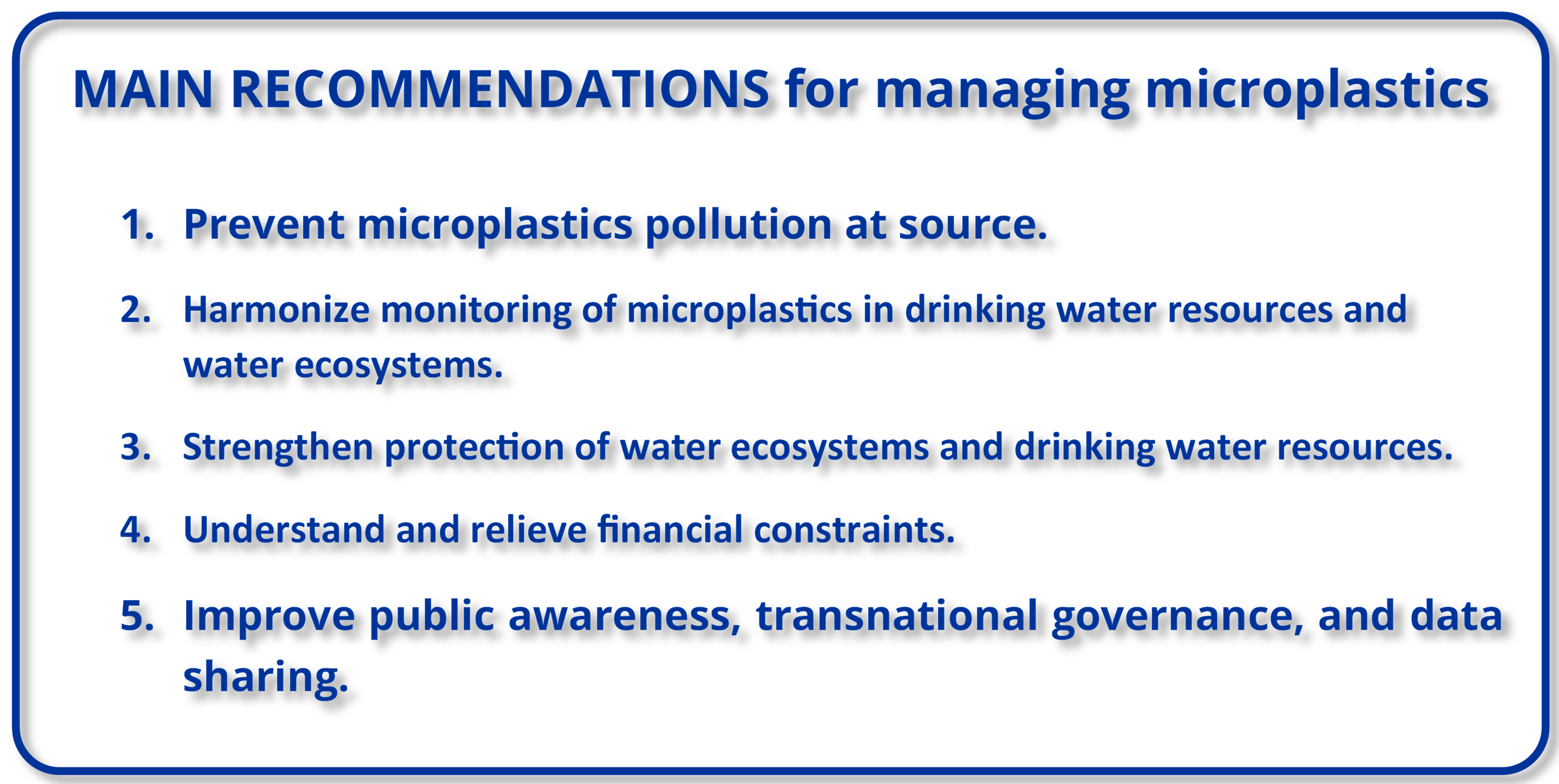
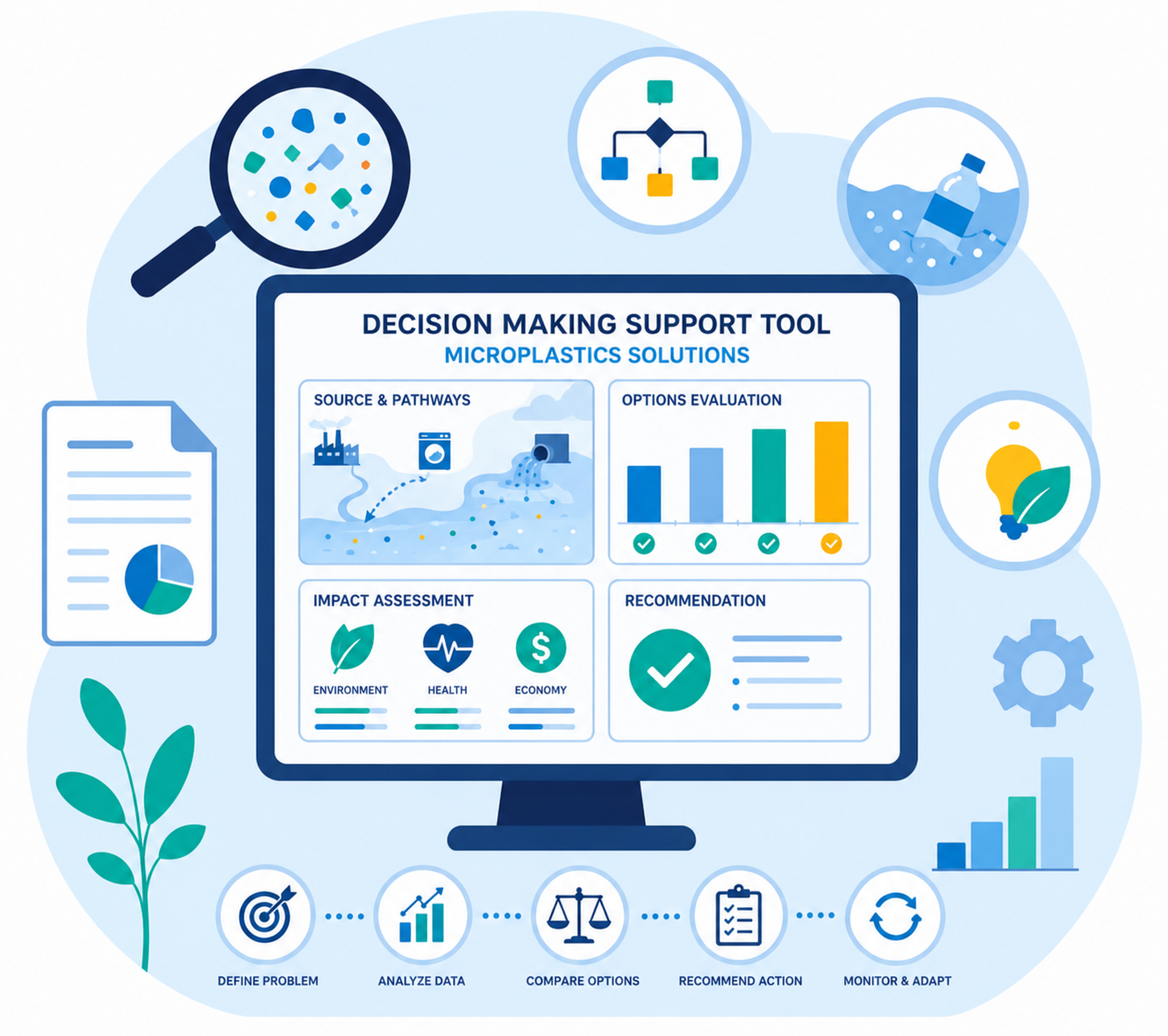
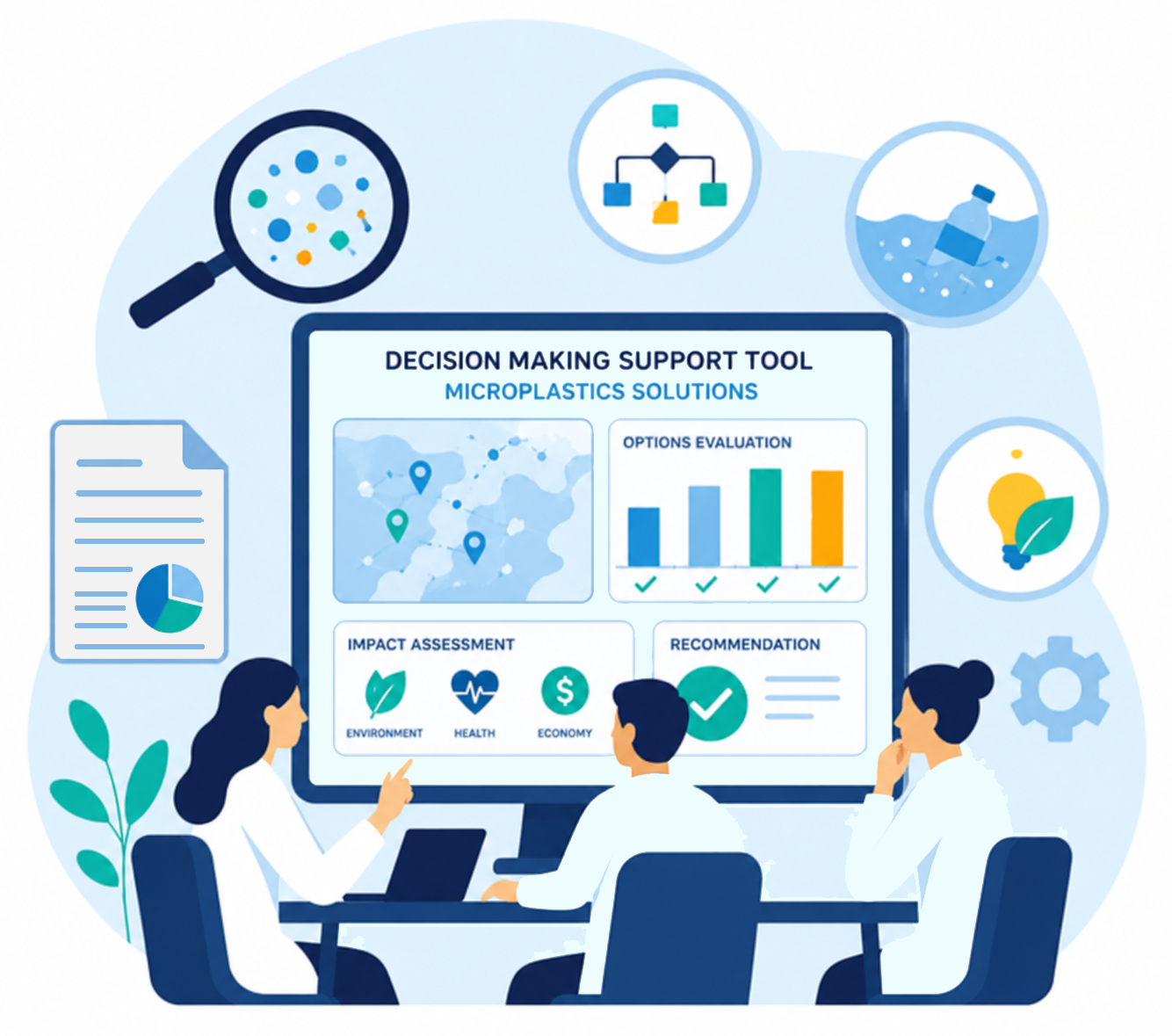
The recommendations presented in this brief are intended to support decision-makers, regulators, and water management professionals in navigating this transitional period — translating scientific knowledge into protective action, strengthening institutional readiness, and safeguarding water resources for generations to come. Addressing microplastics effectively requires coordinated effort across disciplines, sectors, and national boundaries. It is precisely this spirit of transnational cooperation that underpins both the MicroDrink and MICROPLASTICS projects and the guidance offered here.


06/08/2026
By MicroDrink CM
Share on social media:


Green

News & Events
Read the most recent updates and explore the upcoming events.




Would you like to receive project updates?
You're already part of our community!
Welcome to our newsletter community!
Subscribe to our newsletter