


Transnational strategic guidelines for microplastics management in drinking water
Microplastics are increasingly recognised as an emerging challenge for drinking water management. While scientific knowledge and regulatory frameworks continue to evolve, water suppliers across the Danube River Basin (DRB) are expected to prepare for systematic monitoring and risk assessment. This deliverable provides strategic guidance to support that transition.
Building on previous MicroDrink project results, the document translates policy and research findings into practical recommendations for drinking water facilities. It aligns with the Drinking Water Directive (EU) 2020/2184 and Commission Delegated Decision (EU) 2024/1441, which establishes a harmonised methodology for measuring microplastics in drinking water. Although the EU has not yet defined threshold values or mandatory corrective measures, microplastics are expected to become an integral part of future water safety management.
The guidance is intended for water suppliers, laboratories, regulators, and public health authorities. It outlines how facilities can prepare for monitoring, interpret results, and integrate microplastics into risk-based management systems.
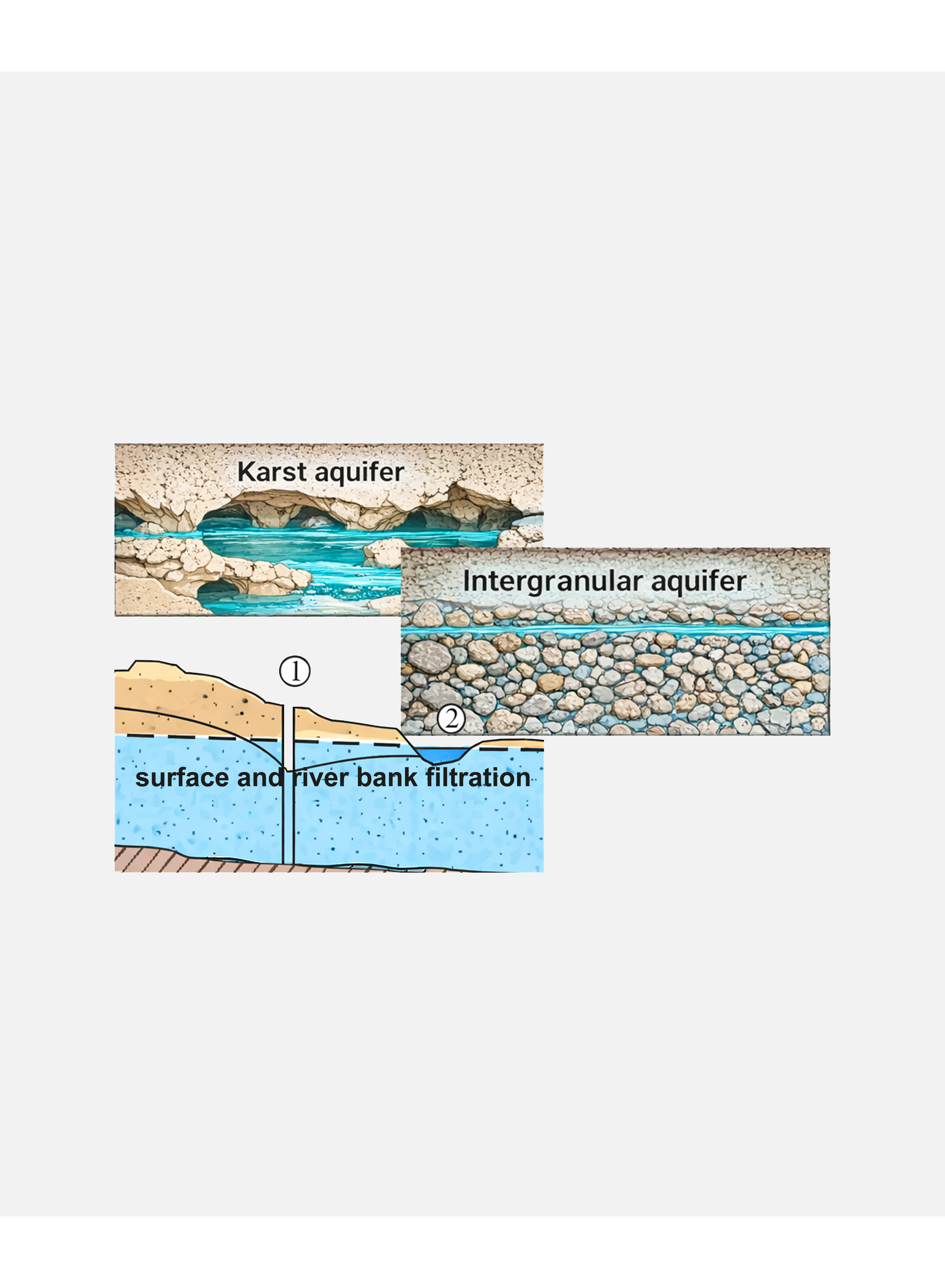
MicroDrink pilot activities have provided the first coordinated evidence on microplastic occurrence in drinking water across the DRB, demonstrating both the feasibility and challenges of harmonised monitoring. Results indicate that microplastic concentrations are generally low, but vary depending on water-resource type. Intergranular aquifers showed the lowest levels, karst systems reflected hydrological sensitivity, while bank-filtration sites exhibited greater variability linked to upstream pressures. These findings support the development of risk-based monitoring approaches.
The pilot experience also highlighted the importance of validated sampling equipment, harmonised analytical procedures, and robust quality assurance. Despite technical challenges, successful implementation across nine pilot sites confirmed that coordinated cross-border monitoring is achievable.
By adopting the strategic and operational measures presented in this deliverable, drinking water facilities can strengthen preparedness, support future regulatory implementation, and contribute to a better understanding of microplastics in drinking water. Ultimately, these efforts will enhance system resilience, protect public health, and support the development of a coherent European framework for microplastics management.



10/06/2026
By MicroDrink CM
Share on social media:


Green

News & Events
Read the most recent updates and explore the upcoming events.






Would you like to receive project updates?
You're already part of our community!
Welcome to our newsletter community!
Subscribe to our newsletter