
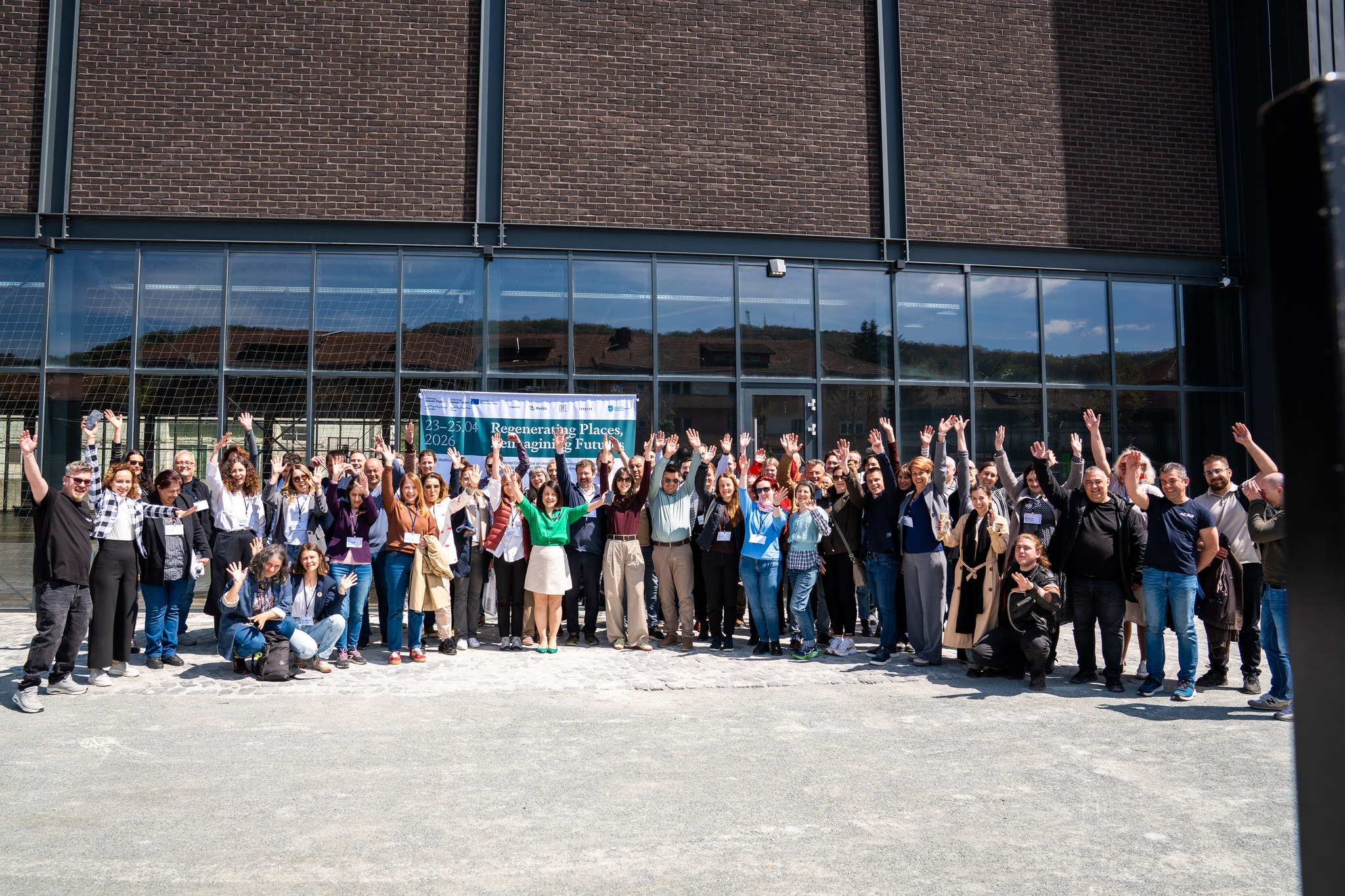

Iskriva Institute co-created the international conference “Regenerating places, reimagining futures”
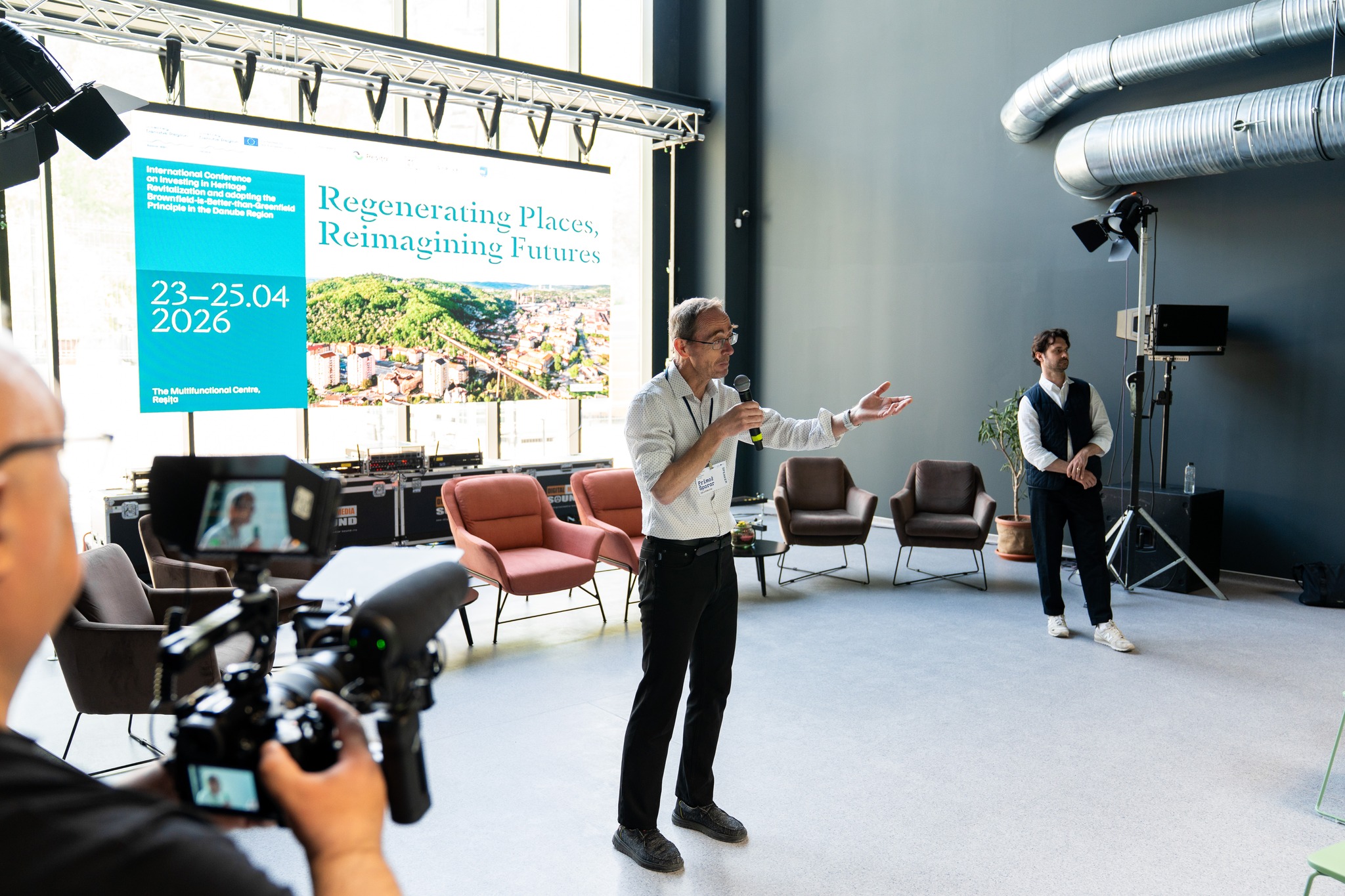
Reșița, April 23–25, 2026
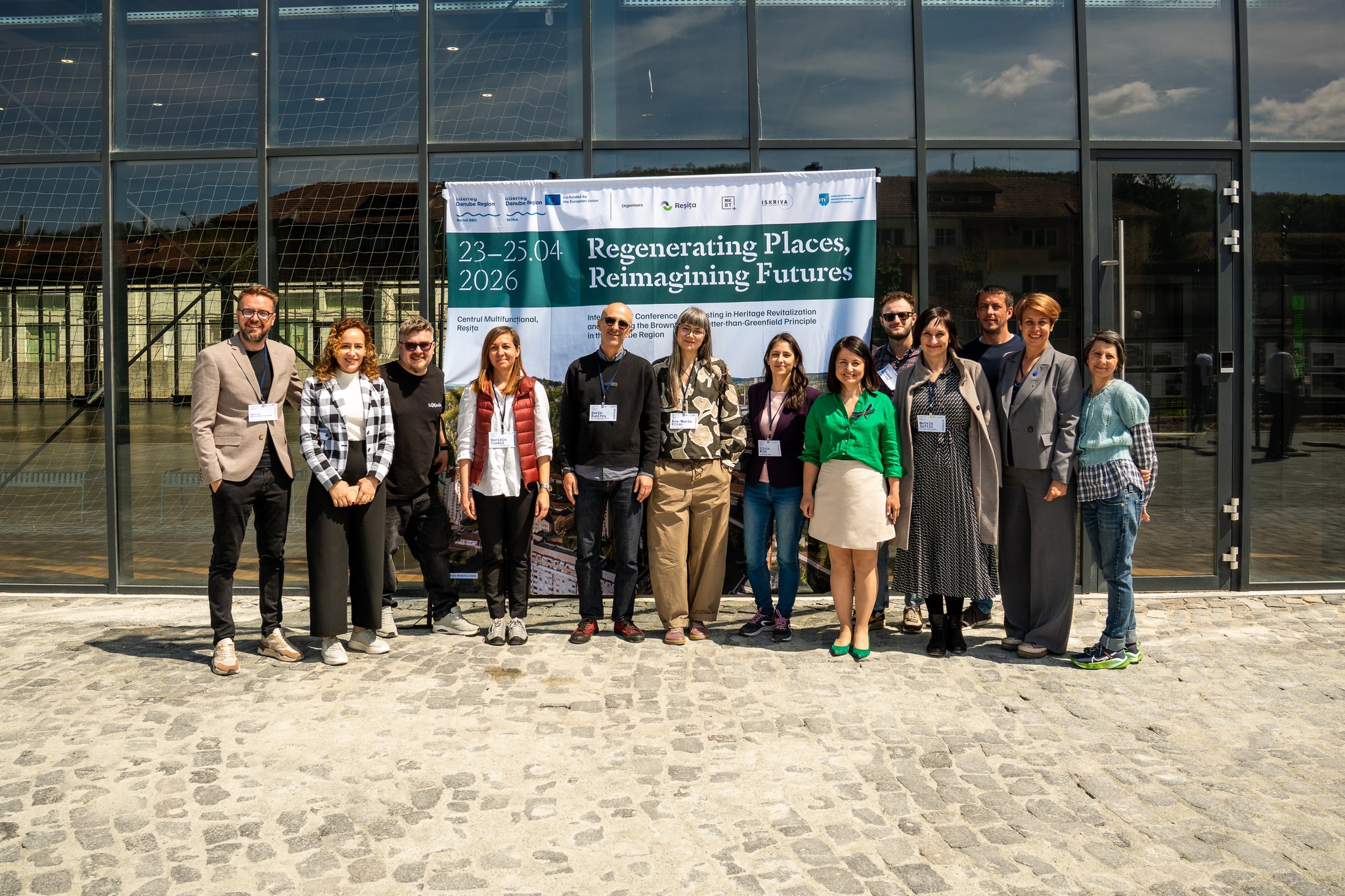
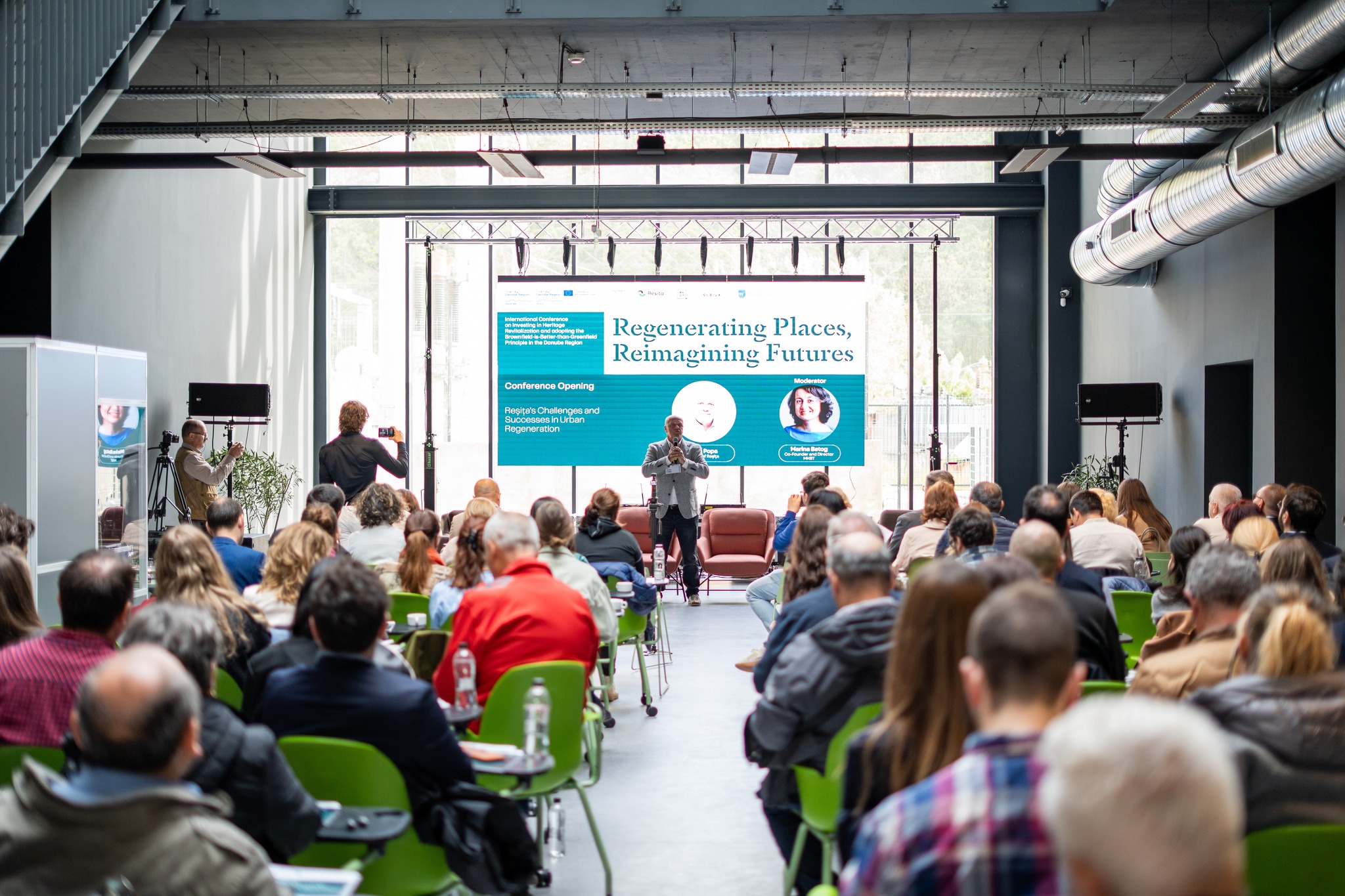
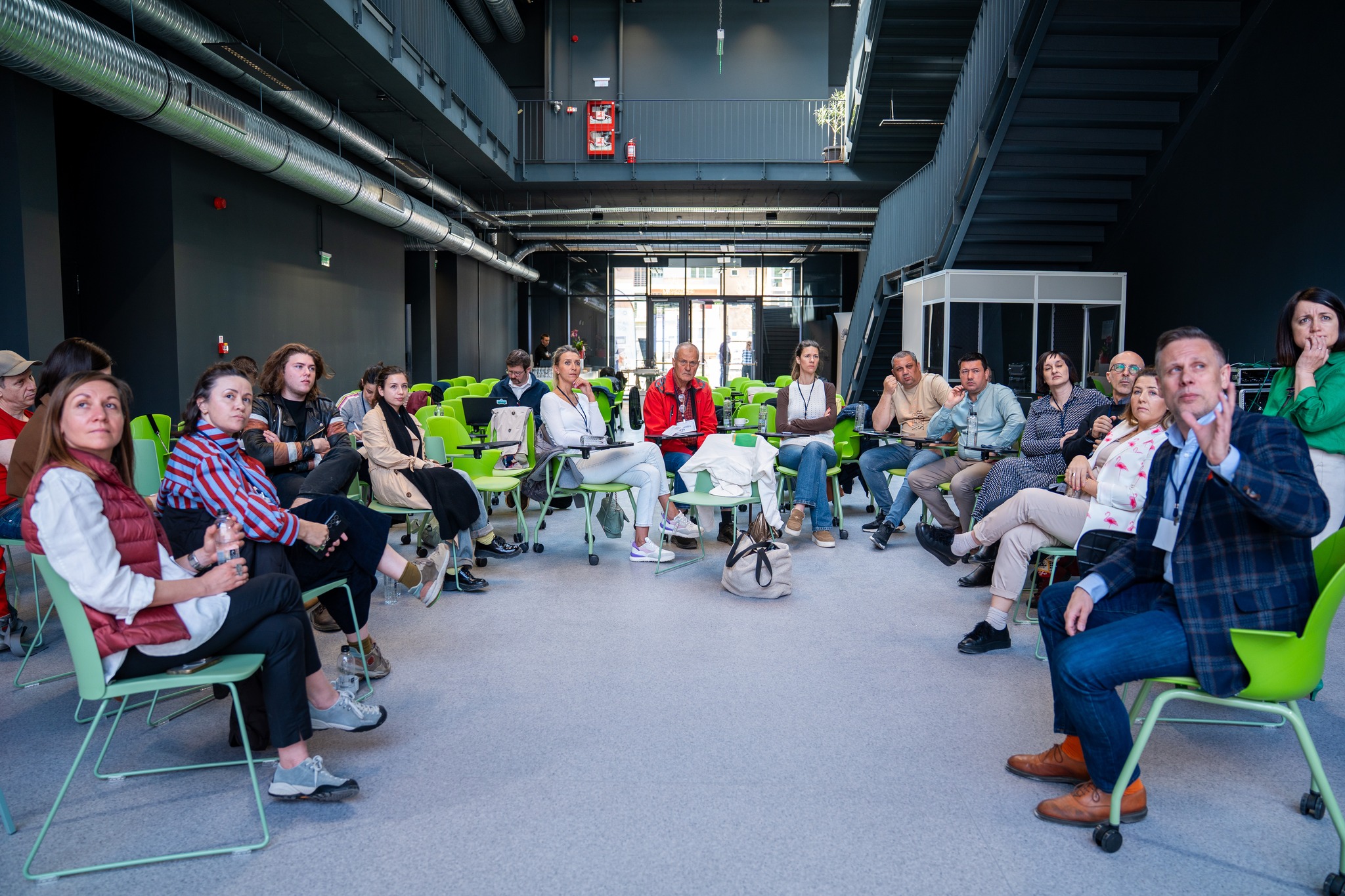
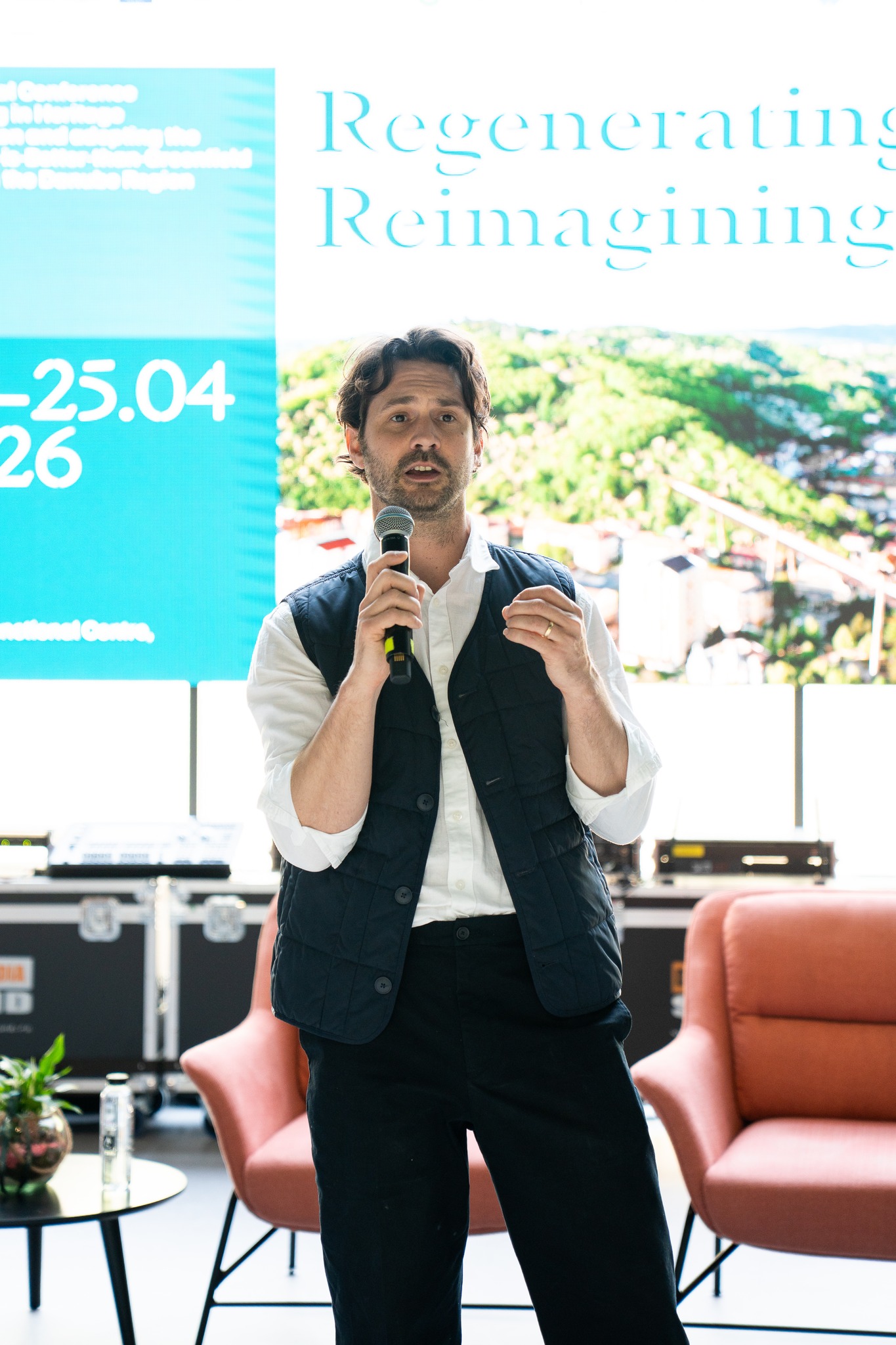
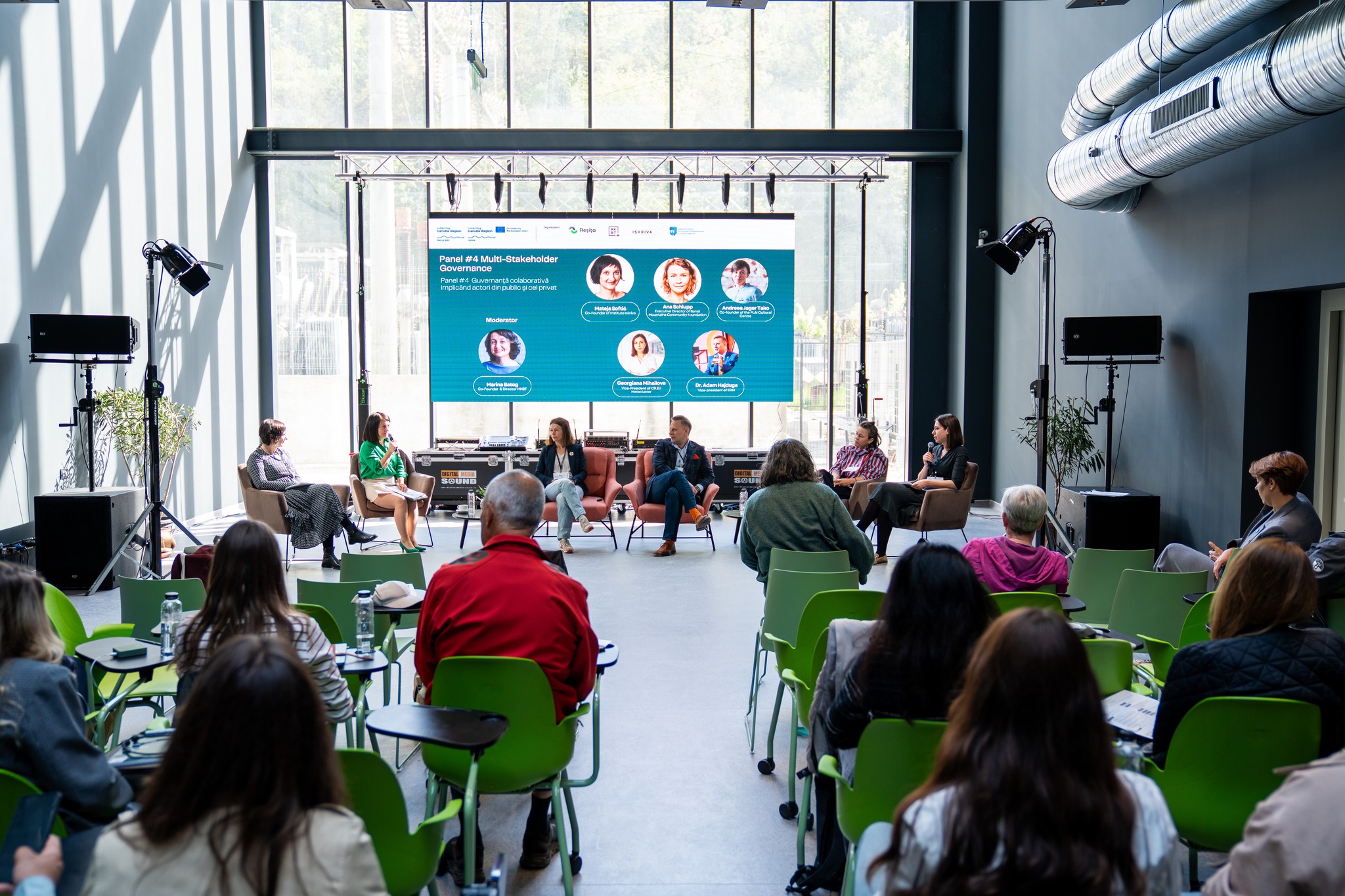
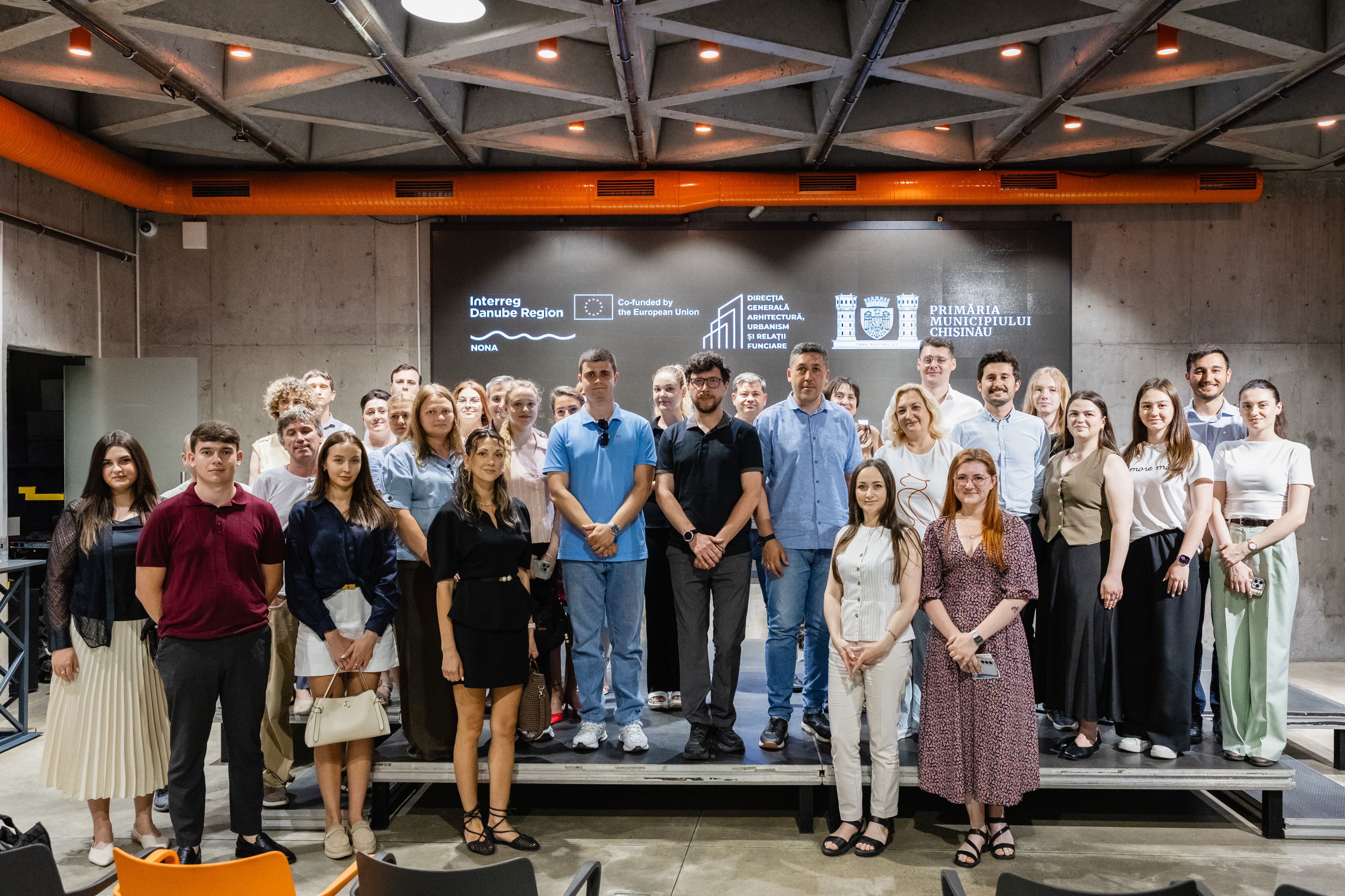
Iskriva Institute co-created the international conference “Regenerating Places, Reimagining Futures,” which took place from April 23-25, 2026, in Reșița, Romania. The event was organised by the organisation Make Better and the Municipality of Reșița, and addressed the key challenges faced by small and medium-sized cities in the Danube region. These cities are dealing with industrial decline, accelerated demographic change, and limited financial and governance capacities.
Participants and panellists agreed that former industrial complexes, once the backbone of local economies, are now often underused, representing both a lost opportunity and a significant potential for economic diversification and urban regeneration.
Zdravko Kozinc, Co-founder and Co-creator of Iskriva Institute, emphasised: "It is the capacity to recognise and materialise the societal trend 'from walls to values', that will define successful public administrations as well as perspective business venture in the future. The ability to develop glocal ecosystems at the regional and local level is the competitive advantage, Danube region has if it will be able to recognise the value of its cultural and natural heritage as assets in globalising world; seeking new places to invest and cooperate with."
Reșița as a living laboratory of industrial transformation
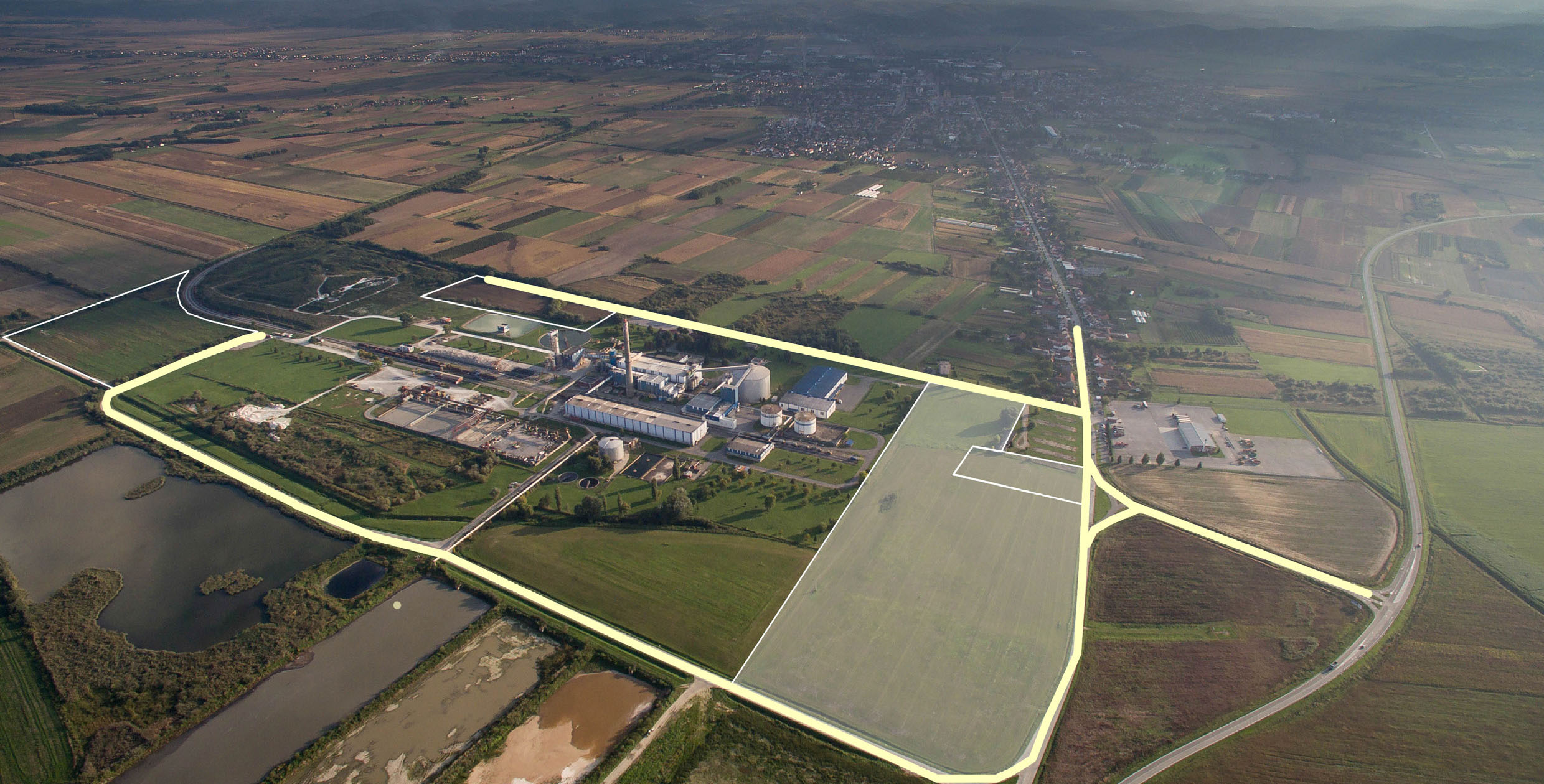
Reșița is one of the key industrial cities in the Danube region, with a long tradition of steel production and heavy industry, and has undergone a profound structural transformation in recent decades. It has therefore been selected as a symbolic yet highly concrete example of a European city seeking new development pathways through the regeneration of industrial heritage, the revitalisation of brownfield sites, and the creation of new economic opportunities.
Iskriva Institute focus: presentation of an Old Ironworks Ravne na Koroškem, and discussion on financing urban regeneration
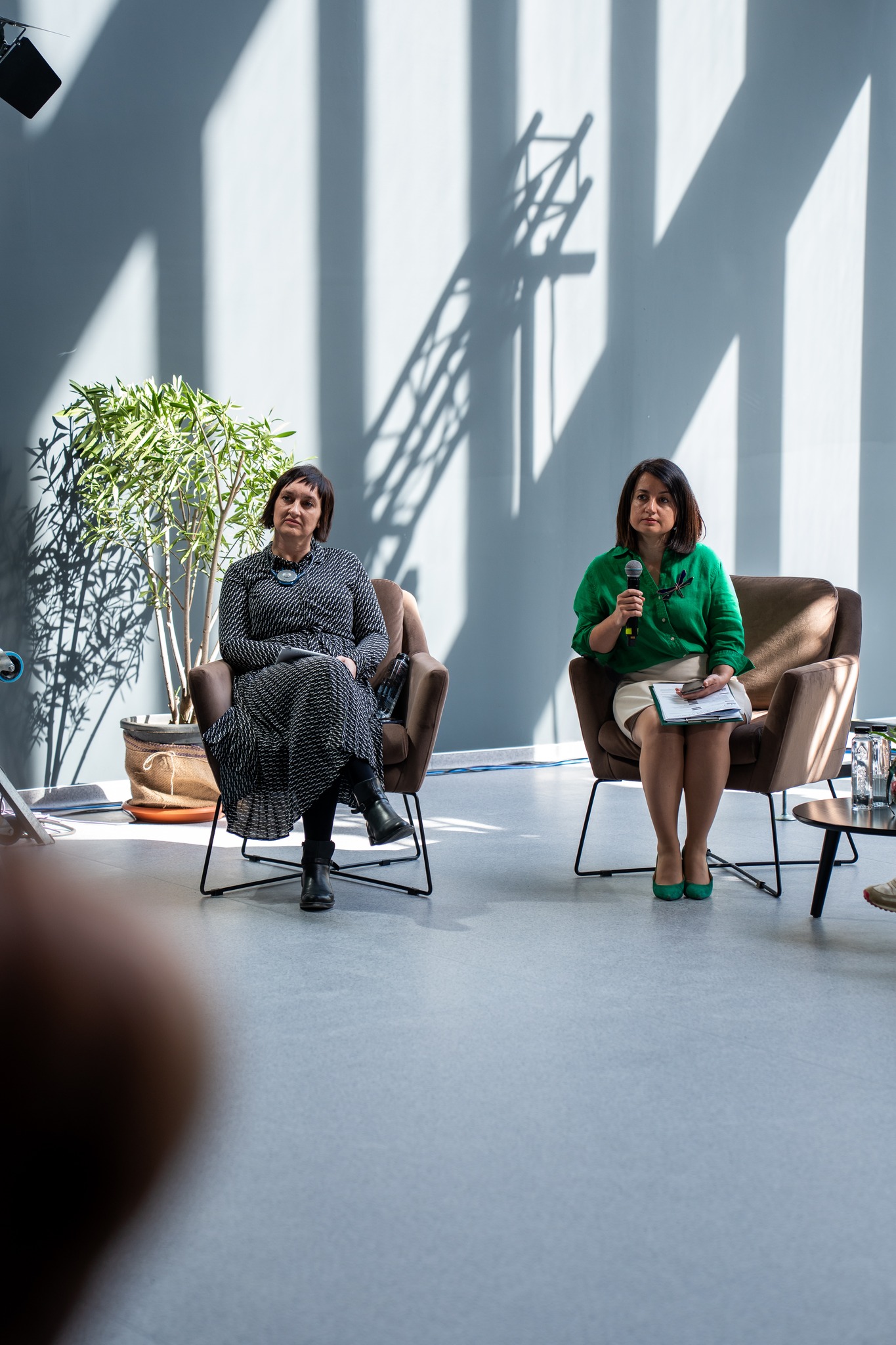
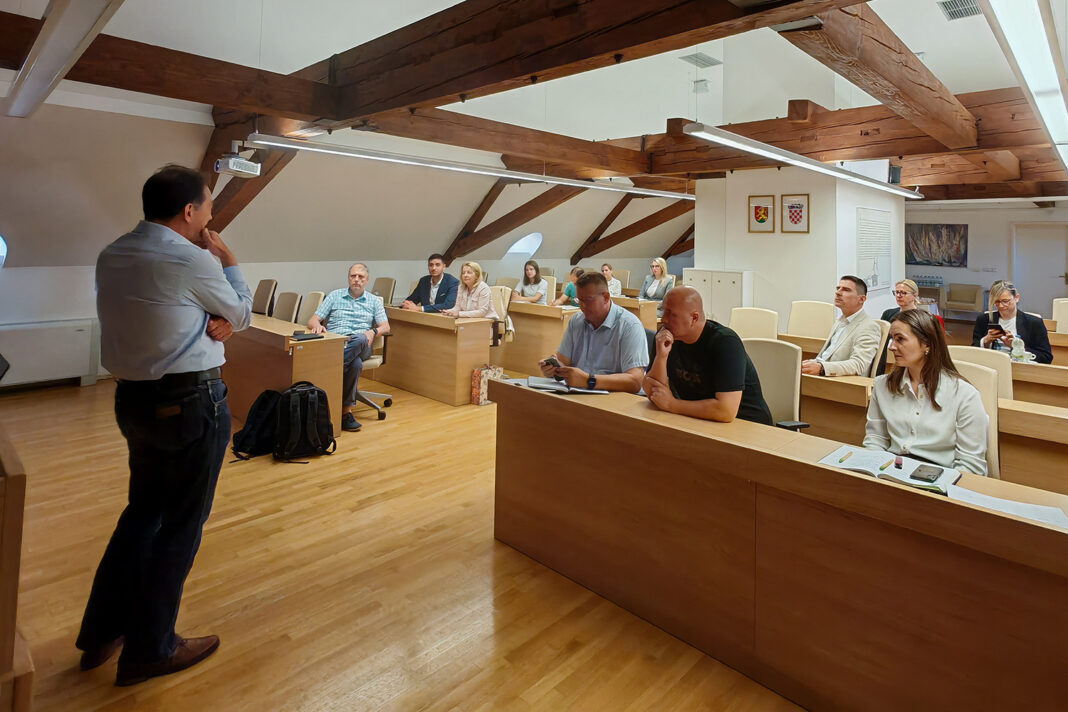
On Thursday, April 23, 2026, Iskriva Institute hosted a roundtable “Financial Instruments for Urban Regeneration – Making Reindustrialisation Financially Feasible,” where international experts discussed financial mechanisms, instruments, and models enabling feasible and long-term sustainable urban transformation.
The session was moderated by Zdravko Kozinc, co-founder of Iskriva Institute. Panel participants included:
Primož Šporar, High Impact Designer and CEO of FUND 2740: Building an impact investment ecosystem to support industrial transition
Andrei Cosmin Munteanu, Co-Founder and Programme Director, Vest Venture: Vest Venture Fund
Svetlana Kirova, Project Manager, The Collective Foundation: The Urban Culture Fund
Kyle Wiebe, Unleash.org Ambassador: Raising a new generation of changemakers and entrepreneurs for feasible regeneration processes
The discussion focused on how cities undergoing transformation can more effectively mobilise private and public capital, and create the conditions for renewed industrial and spatial revitalisation.
On Friday, April 24, 2026, Mateja Softić delivered remarks on the impact of the New European Bauhaus along the Danube and the challenges ahead, and presented the case of the revitalisation of the Old Ironworks in Ravne na Koroškem.
An opening address at the conference was also given by Laura Hagemann Arellano, a representative of the NEB Unit at the European Commission, who particularly highlighted the progress of Resite in revitalising industrial heritage and the impact of all projects within the NEB LAB across the Danube region. A recording is available below.
Practical workshops and transfer into practice
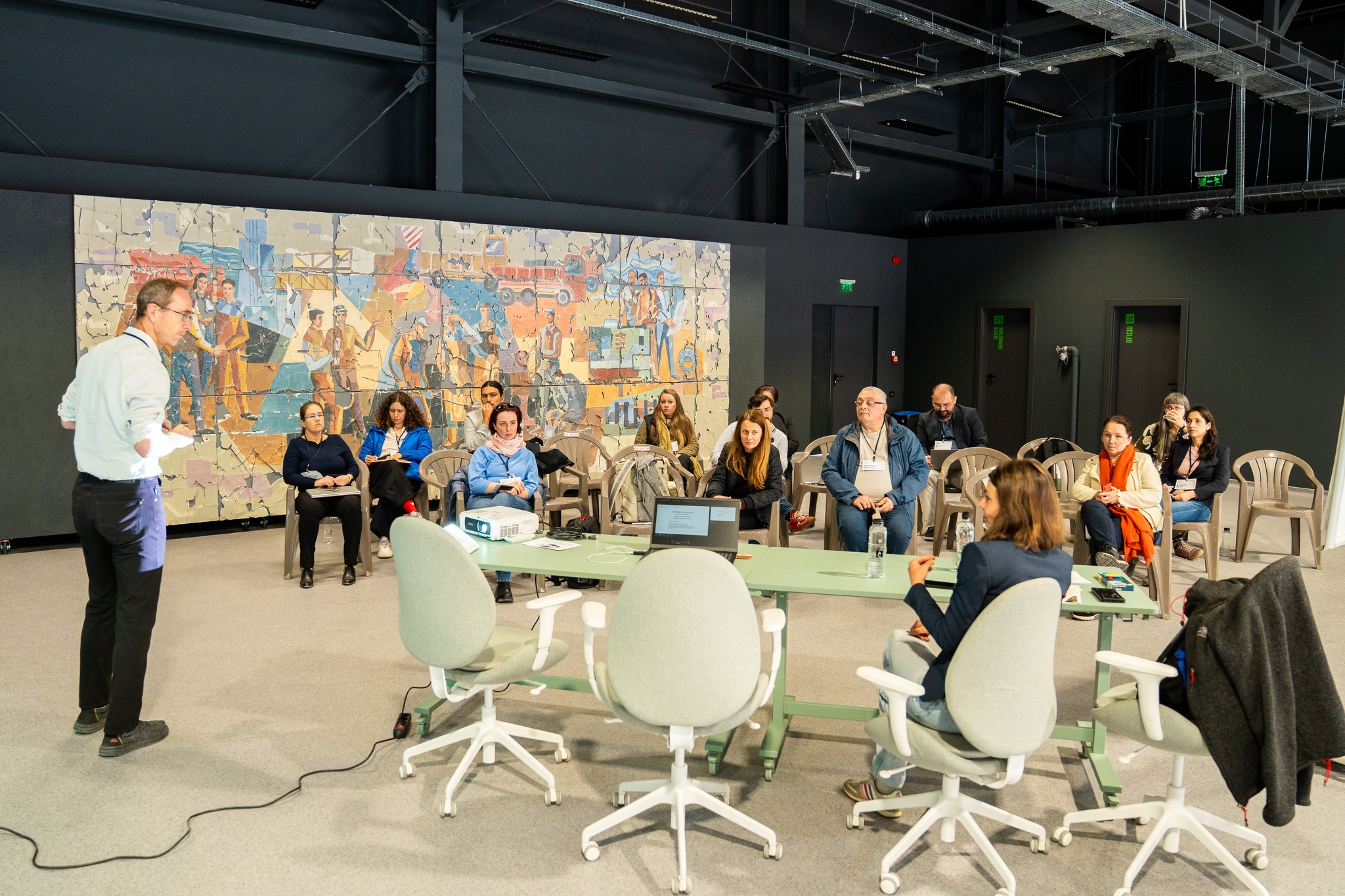
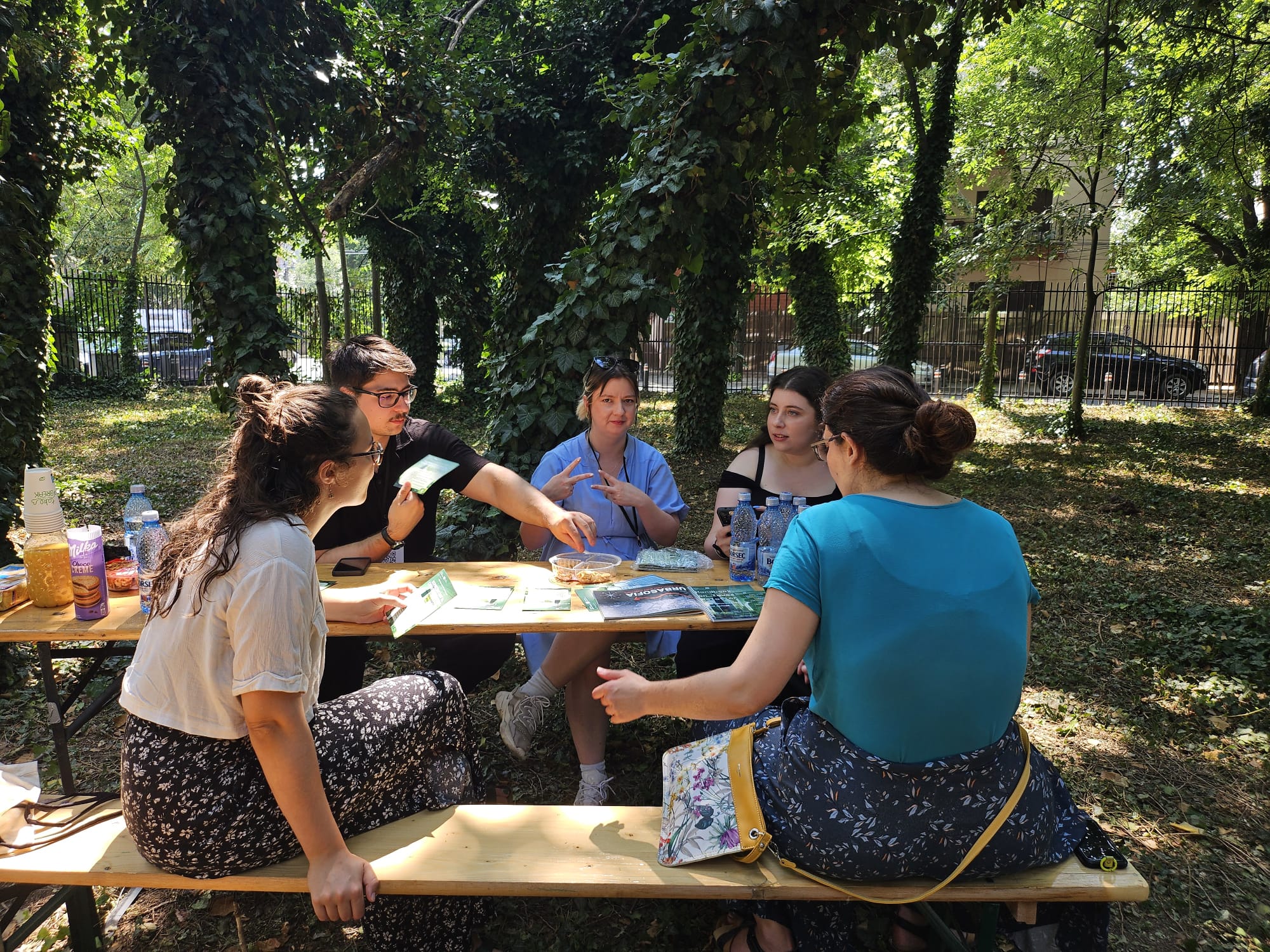
On the second day of the conference, following the example of good practices from Ravne na Koroškem, practical workshops were held, enabling participants to work directly on concrete challenges of urban regeneration.
Out of three workshops, two were led by organisations closely connected to Iskriva Institute, UNLEASH and Fund 2740, further strengthening the practical, participatory, and international nature of the event.
International participation and study visits
Nearly 80 participants from several countries took part in the conference, with approximately half coming from Central and Eastern Europe (Poland, Serbia, Bulgaria, Slovenia, and Bosnia and Herzegovina). The programme also includes expert site visits to regenerated and development areas, including the large industrial brownfield site Mociur–Triaj–Valea Țerovei, where projects for an industrial park, an educational campus, and residential regeneration are underway.
The event took place at the new Multifunctional Centre in Reșița, in close proximity to the city centre, and had opened with an exhibition on the urban regeneration of the area, followed by the official opening by the Mayor of Reșița, Ioan Popa.
Continuity of successful practices
The conference followed the successful example of the international meeting “Co-creating the Heritage of the Future: The Pulse of the Industrial Past, Vision of the Future,” hosted by Iskriva Institute in November 2025 at the Old Ironworks in Ravne na Koroškem, where approaches to industrial heritage regeneration through cooperation between local communities, experts, and international partners were presented.
Within the broader European framework
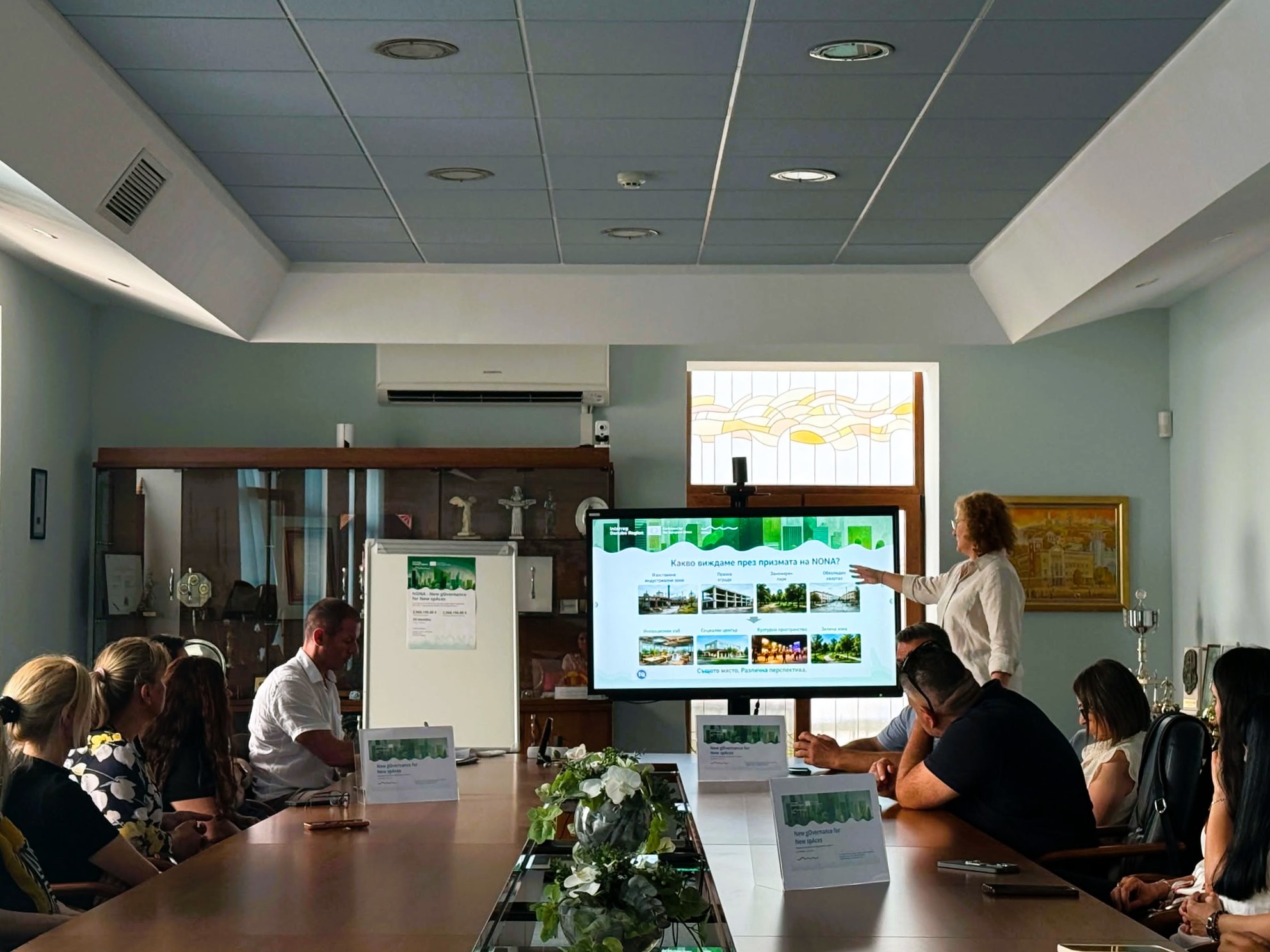
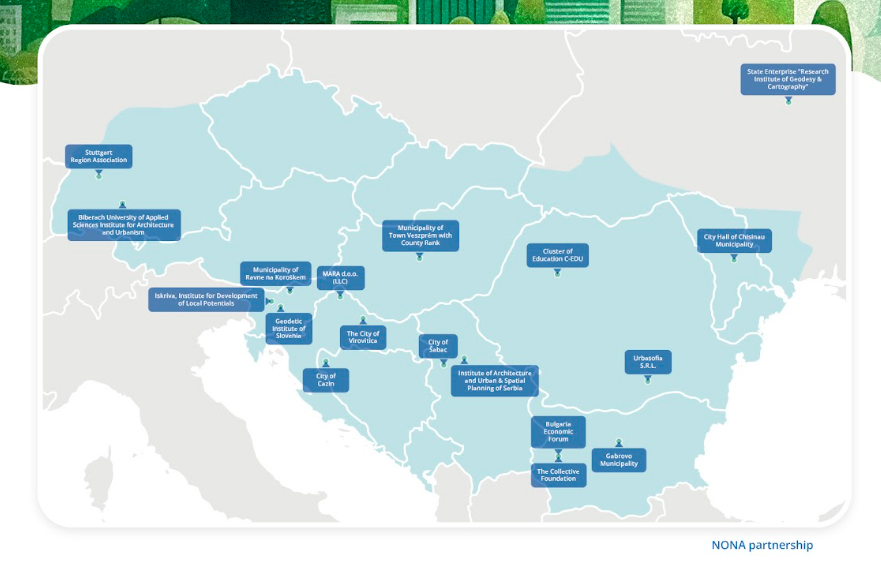
The event was organised within the framework of the Interreg Danube Region projects ReInd-BBG: Reindustrialisation following the Brownfield is better than Greenfield Principle and NONA – New Governance for New Spaces, both supported by the Interreg Danube Programme and co-financed by the European Union.
Photo credits: HiMedia
Support:

08/05/2026
By
Share on social media:


News & Events
Read the most recent updates and explore the upcoming events.

Would you like to receive project updates?
You're already part of our community!
Welcome to our newsletter community!
Subscribe to our newsletter