
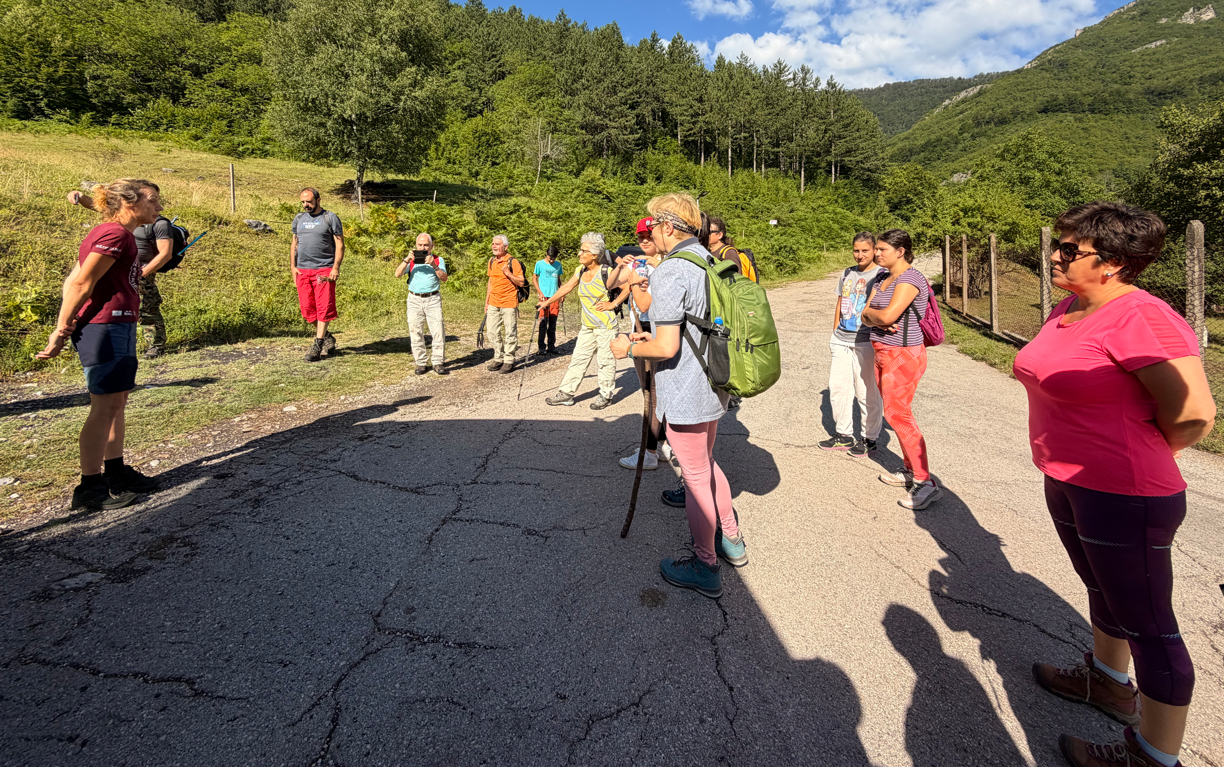

Beyond the Waterfall: Discovering Zgorigrad Through Nature and People
RURAL PILOT STORY | VRATSA, BULGARIA
Beyond the Waterfall: Discovering Zgorigrad Through Nature and People
How a mountain trail became a shared journey of nature, food and community.
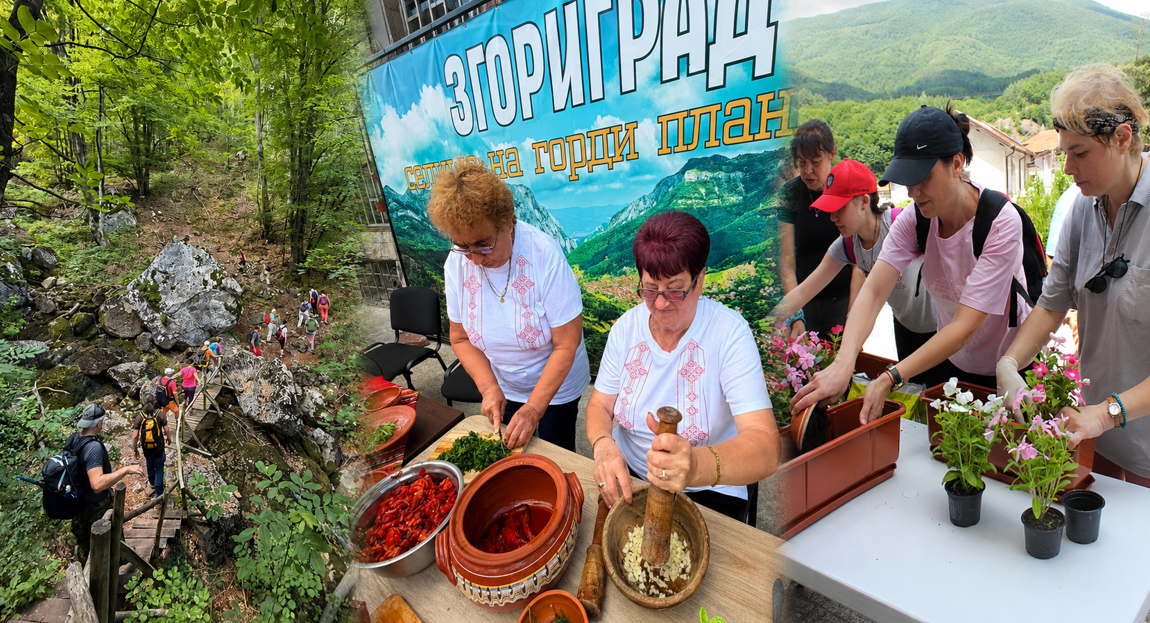
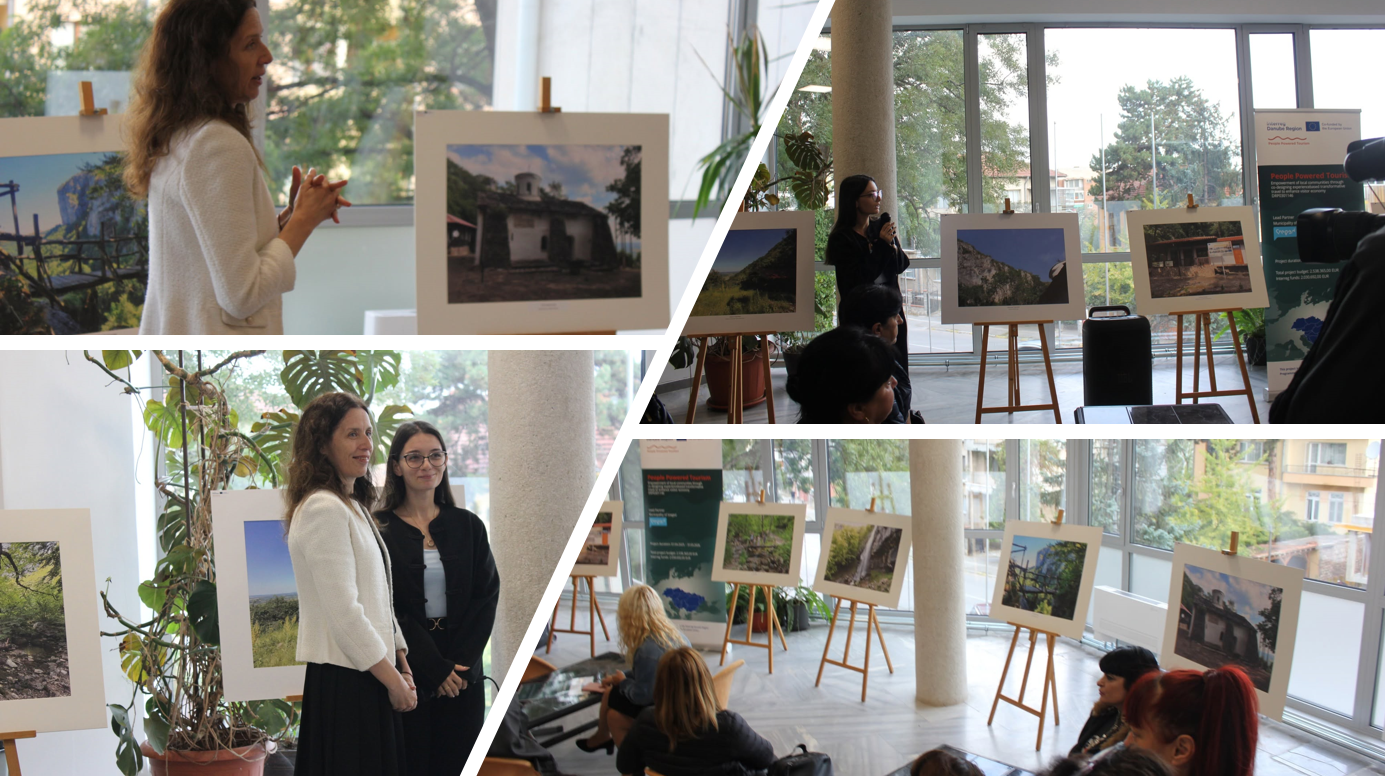
The Hidden Valley Journey connects mountain landscape, living traditions and visitor participation. Photo montage: Chamber of Commerce and Industry Vratsa
At the foot of Vrachanski Balkan Nature Park, Zgorigrad opens the next chapter in our People Powered Tourism pilot series. The pilot asked whether people arriving for a mountain trail could be invited to discover the community beneath it — and whether a stop on the way to a waterfall could become a shared experience of landscape, food and belonging.
Where the landscape is only the beginning
Some places first catch your attention because of the landscape. Zgorigrad is one of them. Surrounded by mountains and greenery, the village is the starting point of the Borov Kamak eco-trail, which draws visitors towards a waterfall and the dramatic scenery beyond.
But behind the trail is a living village. It has recipes prepared from memory, community organisations that keep traditions active and residents with knowledge rooted in the valley. This side of Zgorigrad was much easier to miss. Many visitors walked the trail and left without spending time in the village or meeting the people who call it home.
A reason to stay, not simply pass through
The challenge was not a lack of attractions, but a lack of connection. Zgorigrad's natural assets were already visible, while its food, stories and everyday community life remained largely outside regional tourism offers. The answer was therefore not to invent something completely new, but to bring together what was already there.
To shape an experience firmly rooted in Zgorigrad, the Chamber of Commerce and Industry Vratsa joined forces with Probuda 1926 Community Centre, Romantika Seniors' Club and other local contributors, drawing on their knowledge of the village's places, traditions and everyday skills. The Borov Kamak trail and waterfall were an obvious starting point, but local recipes and the people able to share them soon became just as important as the destination at the end of the path.
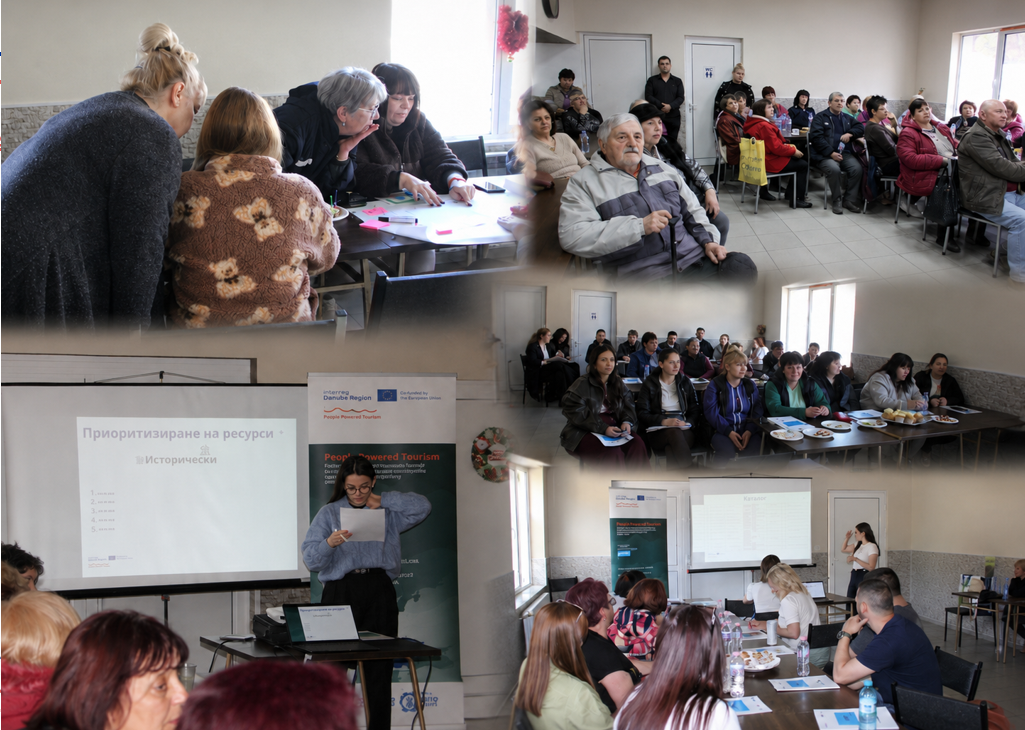
The route begins with the people who know Zgorigrad best, mapping the places, knowledge and traditions they want to share. Photo montage: Chamber of Commerce and Industry Vratsa
A journey assembled from two kinds of knowledge
The Hidden Valley Journey gradually brought two forms of local knowledge into one experience. Along the trail, a guide helped visitors read the mountain landscape. In the village, residents opened another kind of living archive: recipes, practical skills, customs and memories carried from one generation to the next.
Probuda 1926 Community Centre helped mobilise the community and coordinate preparations. Members of Romantika Seniors' Club contributed their culinary knowledge, while residents, volunteers and nature professionals took on different roles around a shared aim: visitors should not simply arrive, walk and leave. They should have a reason to stay, meet people and experience another side of Zgorigrad.
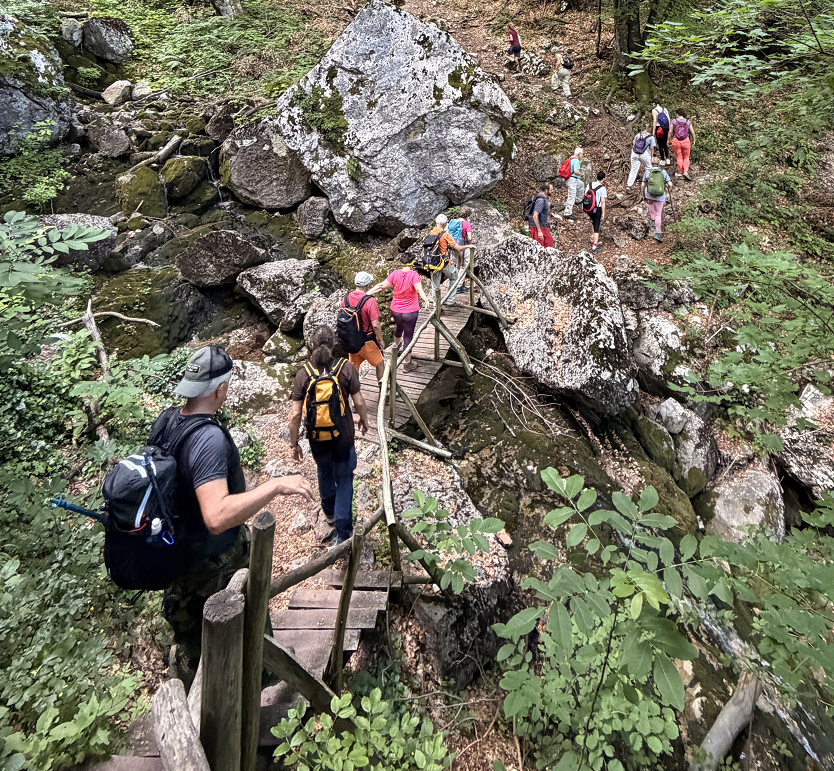
The mountain walk becomes a shared learning experience before the route returns to the village and its community. Photo: Chamber of Commerce and Industry Vratsa
When the mountain path led to a shared table
On 5 July 2026, the route welcomed its first 15 visitors. Travelling from Hristo Botev Square in Vratsa, the group followed the eco-trail towards the waterfall. Along the way, people talked, exchanged stories, helped one another and learned more about the landscape from their guide.
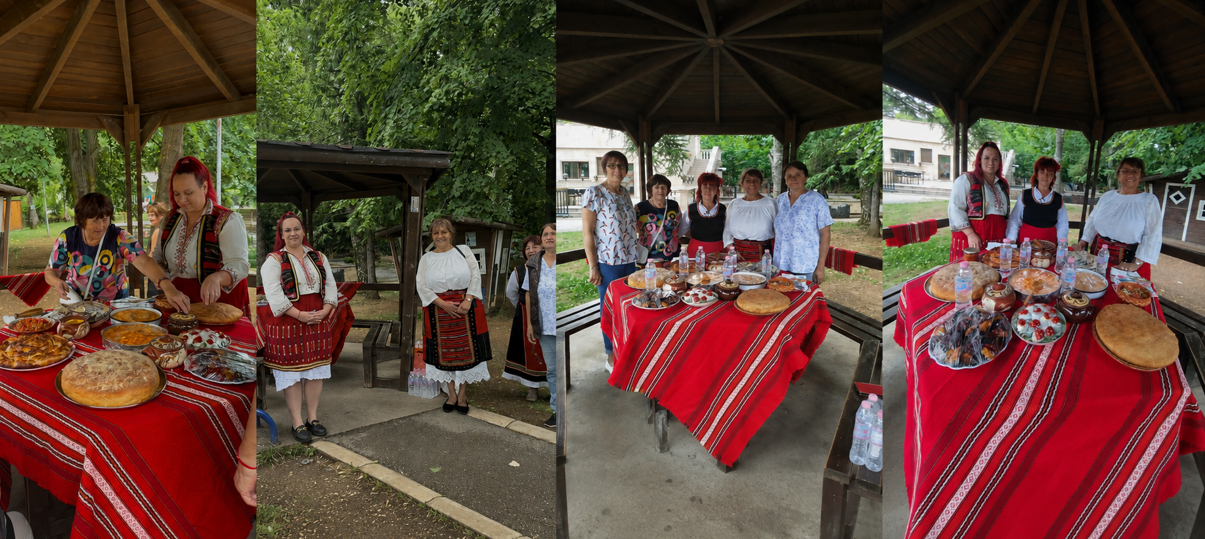
When the hike ended, the experience continued in Zgorigrad. Visitors met local residents, tasted traditional dishes and discovered some of the knowledge behind them. Participants later described the combination of nature, local customs and welcoming people as “intriguing” and “rejuvenating”. Instead of passing through the village, they had found another layer of it.
The mountains had brought them to Zgorigrad. The people gave them a reason to remember it.
Peer review brings the hidden valley into sharper focus
A second layer of testing followed on 13–14 August, when representatives of BURST Non-profit Ltd., Brasov Metropolitan Agency and Chisinau City Hall experienced the route as a visiting project partners. The review visit recognised the active role of older local women, the contribution of community organisations and the way the hike, food and visitor participation strengthened one another.
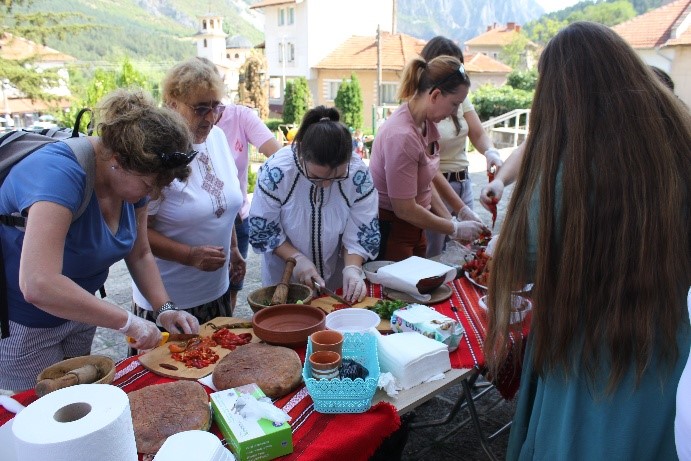
The culinary workshop turns inherited knowledge into participation as visitors prepare food alongside local residents. Photo: BURST Non-profit Ltd.
The review visit also highlighted the knowledge shared about changing biodiversity after mining activities ended, the restoration of the area, and edible and poisonous forest plants. These insights revealed that the trail can offer more than scenery: it can help visitors understand how the landscape has changed and how local people relate to it.
“I learned a lot about the role of vultures in the cycle of life and the challenges of reintroducing them...”— peer reviewer, BURST Non-profit Ltd.
A visitor who leaves something behind
The journey closes in the Garden of the World, where visitors and local people plant flowers together. After walking, tasting, listening and discovering, everyone has the opportunity to contribute something in return. The flowers stay in Zgorigrad, adding a small but visible change to the village and turning the visitor from an observer into a participant.
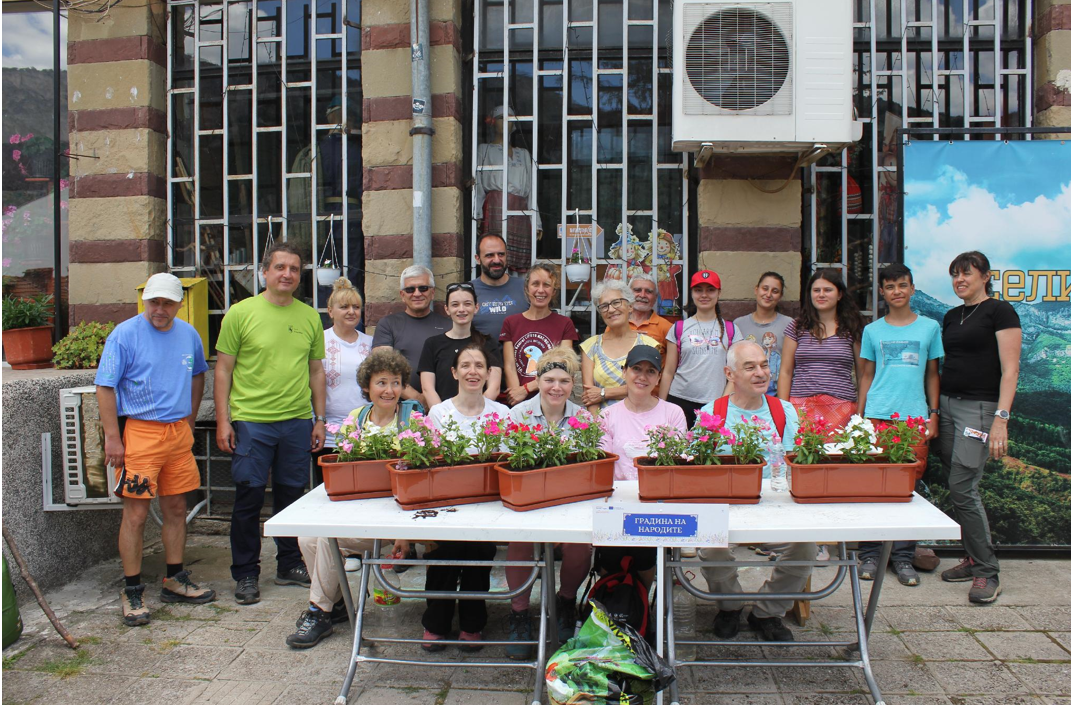
The Garden of the World gives visitors a simple way to leave the village in a better condition than they found it. Photo: Chamber of Commerce and Industry Vratsa
The gesture expresses the pilot's wider visitor-economy approach. People arrive because they want to experience a place; they leave having added something to it. Between those two moments, the relationship becomes more than that of a tourist and a destination.
A route designed to continue — and to travel
Zgorigrad does not need to choose between being known for its nature and being known for its community. The two can strengthen one another. The Hidden Valley Journey can continue as part of a travel agency's offer, supported by the Chamber of Commerce and Industry Vratsa, local residents, Probuda 1926 Community Centre, Romantika Seniors' Club and nature professionals. Local contributors can be contracted for their roles, turning knowledge and hospitality into local value while keeping the experience rooted in the village.
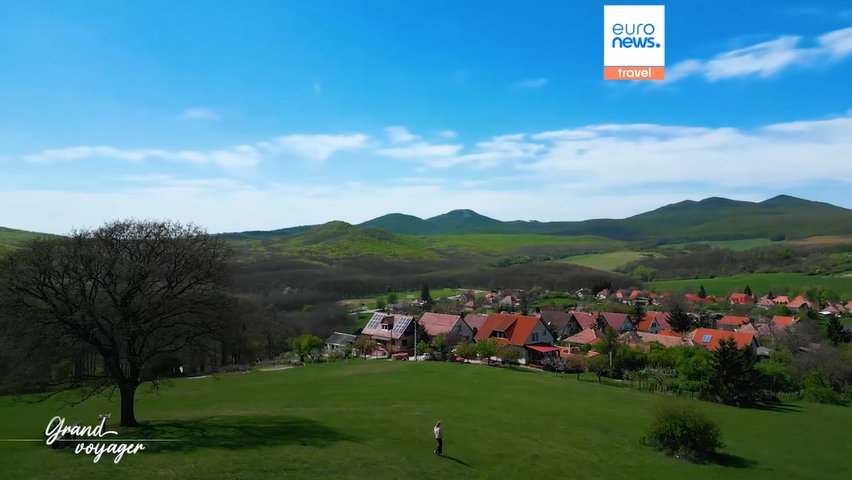
Its potential already reaches beyond Bulgaria. The visiting partner identified the traditional recipe workshop as an idea that could be adapted in Kóspallag, Hungary. This is the wider promise of a pilot: a locally created experience, tested and refined with real visitors, then shared so that another community can translate it into its own landscape, traditions and voice.
Beyond the waterfall, the Hidden Valley Journey reveals what a map cannot: the landscape may begin the visit, but people are what make it memorable.

02/09/2026
By Anna Szentgyörgyi
Share on social media:



News & Events
Read the most recent updates and explore the upcoming events.

Would you like to receive project updates?
You're already part of our community!
Welcome to our newsletter community!
Subscribe to our newsletter